
This site is supported by our readers. We may earn a commission, at no cost to you, if you purchase through links.

Your bearded dragon just sliced its toe on a ceramic dish, and blood is pooling in the substrate. You grab your phone to search “reptile bleeding,” heart racing, while your pet sits motionless in the corner. This exact scenario plays out in thousands of homes each year—and most owners aren’t prepared for it.
Respiratory infections, thermal burns, and impacted bowels don’t wait for business hours. They escalate fast, sometimes fatally, when you can’t act quickly. A well-stocked first aid kit won’t replace your vet, but it buys you precious time. The right supplies—chlorhexidine, gauze, a penlight—let you stabilize injuries and assess severity before you rush to emergency care.
Table Of Contents
- Key Takeaways
- Why Every Reptile Owner Needs a First Aid Kit
- Must-Have Supplies for Reptile First Aid Kits
- Top 9 Reptile First Aid Kit Products
- 1. Silvex Wound Healing Gel
- 2. Leader Povidone Iodine Antiseptic Solution
- 3. Chlorhexidine Antiseptic Solution For Horses And Dogs
- 4. Nix Lice Treatment Solution
- 5. Uniheat Shipping Warmers
- 6. Pedialyte Electrolyte Solution Drink
- 7. Nutribac Reptile Probiotic Supplement
- 8. Ozeri Digital Kitchen Scale
- 9. PetSilver Reptile Wound Care Spray
- Treating Common Reptile Injuries at Home
- When to Seek Emergency Veterinary Care
- Frequently Asked Questions (FAQs)
- How often should reptile first aid supplies expire?
- Can human first aid products harm reptiles?
- What temperature should emergency transport carriers maintain?
- How do you restrain aggressive reptiles safely?
- Which reptile species need specialized first aid?
- How often should I replace first aid kit supplies?
- Can I use human first aid supplies on my reptile?
- Whats the shelf life of opened disinfectant solutions?
- Should I keep separate kits for different reptile species?
- How often should I replace first aid supplies?
- Conclusion
Key Takeaways
- Stock your reptile first aid kit with wound disinfectants like diluted chlorhexidine, sterile gauze, non-adherent dressings, and digital thermometers—plus emergency heat sources and electrolyte solutions for stabilization before you reach a vet.
- Reptile emergencies escalate fast—respiratory infections, thermal burns, and untreated wounds can turn life-threatening within 24 hours as bacterial growth doubles and infections spread systemically.
- Know when home care ends: open-mouth breathing, uncontrolled bleeding, seizures, or severe dehydration with sunken eyes demand immediate emergency vet visits, not first aid alone.
- Check your kit every six months—replace opened antiseptics within 12 months, discard expired medications, and keep both your primary and after-hours vet contacts stored in your phone and taped inside the kit lid.
Why Every Reptile Owner Needs a First Aid Kit
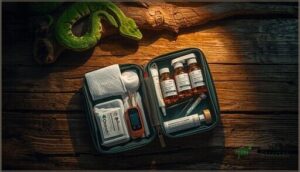
Your reptile can go from healthy to critical in minutes—burns, broken bones, respiratory distress don’t wait for business hours. Without the right supplies on hand, you’re stuck watching helplessly while injuries worsen and infections take hold.
In severe cases, professional intervention becomes unavoidable—understanding common snake health problems helps you recognize when home care isn’t enough and hospitalization with IV fluids and controlled monitoring is necessary.
A well-stocked first aid kit gives you the tools to stabilize your pet until you can reach a vet.
Common Reptile Health Emergencies
Respiratory infections, thermal burns, and impacted bowels—these three emergencies send more reptiles to the vet than any other health crisis. But you’ll also face:
Digestive issues like constipation can sneak up fast, so knowing effective snake constipation remedies can prevent a simple blockage from becoming a surgical emergency.
- Heatstroke—fatal within hours if enclosure temps spike
- Metabolic bone disease—causes fractures from calcium deficiency
- Dystocia—egg-binding that requires surgical intervention
Each reptile emergency demands fast action and the right supplies on hand.
Having protective snake handling gloves designed for veterinarians ensures you can safely secure venomous or defensive reptiles without risking bites during critical interventions.
Risks of Delayed Treatment
Waiting even 24 hours to treat wounds in your reptile doubles bacterial growth—turning minor cuts into life-threatening infections. Cellulitis and abscesses show up within 3 to 5 days when reptile emergencies go ignored.
Common injuries from live prey feeding create entry points for these bacteria, making prevention your best defense against serious infection.
Waiting just 24 hours to treat reptile wounds doubles bacterial growth and turns minor cuts into life-threatening infections
Delayed healing isn’t just slower recovery. It’s systemic illness, septicemia risk, and longer vet stays.
Your reptile first aid kit exists to close that dangerous treatment timing gap before wound management becomes critical emergency veterinary care.
Importance of Emergency Preparedness
Emergency planning cuts your crisis response time in half when your reptile needs help. Owners who write down emergency steps stay calmer and act faster—78 percent report better outcomes.
Your reptile first aid kit is just the start. Here’s what real emergency veterinary care readiness looks like:
- Keep vet numbers—regular and emergency—posted near your enclosures
- Run through handling drills so transport doesn’t panic your animal
- Check expiration dates monthly and restock supplies before you need them
- Budget for unexpected bills using pet insurance or CareCredit
That preparation transforms disaster readiness into confident, effective reptile health and wellness management.
Must-Have Supplies for Reptile First Aid Kits
A well-stocked reptile first aid kit can mean the difference between a quick recovery and a life-threatening emergency. You don’t need every tool under the sun—just the right supplies to handle wounds, stabilize your reptile, and buy time until you reach a vet.
Here’s what belongs in every reptile keeper’s emergency kit.
Wound Cleaning and Disinfection Essentials

Start with wound disinfectants that won’t sting or harm delicate reptile skin. Your reptile first aid kit should include diluted chlorhexidine solution—gentler than straight povidone-iodine for infection control.
Keep antiseptics like silver sulfadiazine cream on hand too, especially if you’re managing feeding schedules and health routines for corn snakes that might refuse food due to minor injuries.
Pair antiseptic solutions with sterile saline or prepared wound wash to flush debris before applying silver wound ointment.
Stock gauze pads and clean gloves to maintain reptile hygiene during cleaning protocols.
Bandages, Dressings, and Application Tools
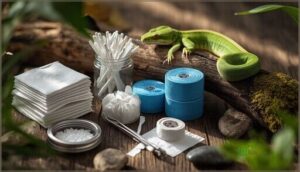
Wound closure after cleaning requires non-adherent dressings that won’t stick to healing tissue. Keep multiple bandage types on hand for different injuries:
- Gauze squares for initial coverage and absorption
- Vetrap elastic wrap to secure dressings without adhesive residue
- Hypoallergenic wound tape for butterfly closures on small limbs
Add cotton swabs for applying ointments and soft tweezers for precise dressing materials placement during application techniques.
Examination and Handling Tools

Proper inspection requires tools that let you see small injuries clearly. A magnifying glass helps assess wound depth and skin condition—critical for catching infections early.
Add a penlight for oral and ocular exams. Keep soft forceps or tweezers for debris removal and cotton swabs for gentle cleaning.
Disposable handling gloves protect both you and your reptile during examination. A tongue depressor works for safe mouth checks.
Temperature and Hydration Supplies
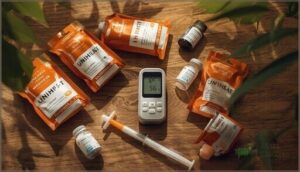
Thermal monitoring keeps your reptile stable during stress or injury. Pack a digital thermometer and UniHeat shipping warmers for heat management—they prevent hypothermia fast.
Dehydration prevention means stocking unflavored Pedialyte for electrolyte balance and a syringe for controlled dosing. Add NutriBAC probiotic supplement and Emeraid Intensive Care to support recovery. Hydration tips matter—sometimes they save lives.
Hygiene and Zoonotic Safety Materials
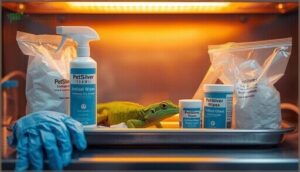
Cross-contamination spreads disease between you and your reptile—zoonotic risks are real. Your reptile first aid kit needs antiseptic wipes, disposable gloves, and labeled waste bags for contaminated gauze and wound tape. Disinfectant use and hand hygiene protect both species.
- Separate disposal containers prevent bacterial transfer after treating wounds with PetSilver Natural Wound Spray or Styptic Powder
- Safety protocols include gloves for every handling session
- Waste management means sealing used materials immediately
Top 9 Reptile First Aid Kit Products
You don’t need to buy a pre-made reptile first aid kit—most products marketed that way lack key essentials. Building your own kit from specific veterinary-grade supplies gives you better control and coverage.
Here are nine products that belong in every reptile keeper’s emergency toolkit.
1. Silvex Wound Healing Gel
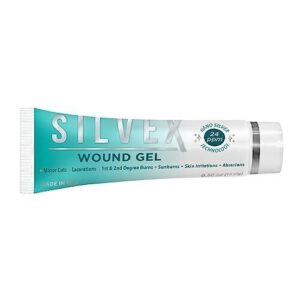
Silvex Wound Healing Gel uses nano silver technology—24 parts per million—to keep wounds moist and protected. It fights common bacteria like MRSA and E. coli while promoting fast healing.
You’ll apply a thin layer to clean cuts, abrasions, or first-degree burns on your gecko or snake. The small tube means you’ll use it sparingly, but it’s effective for minor injuries in your reptile first aid kit.
Reapply daily per your vet’s guidance and watch for any irritation or adverse reactions on scales.
| Best For | Reptile owners who need a compact, infection-fighting gel for minor cuts, burns, and abrasions on geckos, snakes, and other scaled pets. |
|---|---|
| Primary Use | Wound care treatment |
| Brand | Be Smart Get Prepared |
| Price Range | $8.88 |
| Form | Gel |
| Target User | Humans and pets |
| Size/Weight | 3.88 x 1.25 x 1.25 inches |
| Additional Features |
|
- Nano silver formula fights MRSA, E. coli, and other bacteria while keeping wounds moist for faster healing
- Safe for reptile skin when applied thinly to clean wounds and monitored for irritation
- Small size fits easily in first aid kits for quick response to minor injuries
- Small tube size means limited product for larger wounds or multiple treatments
- Requires veterinary guidance for proper application frequency and species-specific safety
- Higher price point may not justify the quantity, especially for occasional use
2. Leader Povidone Iodine Antiseptic Solution
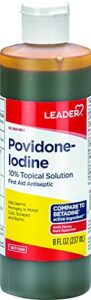
You’ll dilute Leader Povidone Iodine to 0.5% or 1% concentration with sterile saline before using it on your bearded dragon or turtle. Never apply it undiluted—that’s a fast track to chemical burns on delicate scales.
This antiseptic solution combats bacteria, fungi, and some viruses—essential for wound disinfection in any reptile first aid kit. Use it for emergency cleansing of superficial wounds and reptile hygiene needs.
For deep injuries or persistent skin infections, call your herp vet. This 8-ounce bottle manages multiple reptile health issues when used correctly.
| Best For | Reptile owners who need a reliable antiseptic for cleaning minor wounds, scratches, and skin infections on bearded dragons, turtles, and other herps when diluted to safe concentrations. |
|---|---|
| Primary Use | Antiseptic disinfection |
| Brand | Leader |
| Price Range | $8-10 |
| Form | Liquid |
| Target User | Humans |
| Size/Weight | 8 Ounces |
| Additional Features |
|
- Broad-spectrum antimicrobial action kills bacteria, fungi, and some viruses when properly diluted for reptile use
- Large 8-ounce bottle provides plenty of solution for multiple treatments since a little goes a long way
- Trusted antiseptic that’s effective for emergency wound cleansing and routine reptile hygiene maintenance
- Must be diluted to 0.5-1% concentration before use—applying it undiluted can cause chemical burns on reptile skin
- Not suitable for deep or severe wounds without veterinary guidance
- No clear expiration date mentioned, which matters for maintaining effective antiseptic properties
3. Chlorhexidine Antiseptic Solution For Horses And Dogs
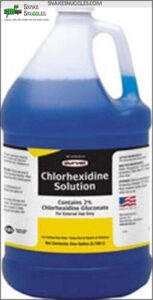
Chlorhexidine antiseptic solution combats gram-positive and gram-negative bacteria, making it a valuable addition to your reptile first aid kit. This 2% formula requires dilution: mix two tablespoons per gallon for enclosure cleaning or wound care. While labeled for horses and dogs, chlorhexidine uses extend to reptile safety when applied correctly.
Always check with your herp vet before use—reptile skin differs from mammalian tissue. The antiseptic benefits include residual action up to two days, but avoid eyes and mucous membranes. Dilution methods matter here—undiluted application causes chemical burns.
| Best For | Reptile owners who need a veterinary-grade disinfectant for enclosure cleaning and minor wound care, provided they consult with a herp vet first due to differences in reptile physiology. |
|---|---|
| Primary Use | Animal wound cleaning |
| Brand | Generic/Veterinary |
| Price Range | $20-30 |
| Form | Liquid concentrate |
| Target User | Horses and dogs |
| Size/Weight | 1 Gallon |
| Additional Features |
|
- Broad-spectrum effectiveness against gram-positive and gram-negative bacteria with residual protection lasting up to two days
- Cost-effective gallon size that dilutes down for multiple applications across enclosures, equipment, and superficial wounds
- Made in the USA with clear dilution guidelines (2 tablespoons per gallon) for safe use
- Requires veterinary consultation before reptile use since it’s formulated for mammalian species and may react differently on reptile skin
- Must be carefully diluted and kept away from eyes and mucous membranes to prevent chemical burns or irritation
- Strong medicinal odor and frequent reapplication needs (every other day for some uses) may be inconvenient
4. Nix Lice Treatment Solution
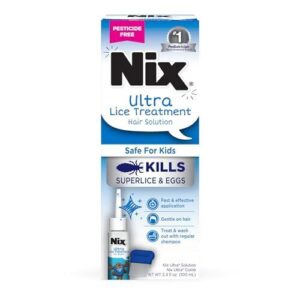
Lice treatment products marketed for humans—like Nix—don’t belong in your reptile first aid kit. Reptile parasites require species-specific ectoparasite control, not mammalian formulations. Snake mites and lizard ticks need veterinary-prescribed treatments, not permethrin-based lice removal solutions designed for kids.
Reptile skin absorbs chemicals differently than human scalp, risking toxicity and dermatitis. For reptile hygiene and emergency preparedness, skip the drugstore aisle. Your herp vet will recommend safe mite sprays or environmental treatments customized to your animal’s species—that’s genuine reptile health management, not improvisation.
| Best For | Parents looking for a pesticide-free, single-application solution to treat head lice and nits in children and families, but not suitable for reptile parasite control. |
|---|---|
| Primary Use | Lice treatment |
| Brand | Nix |
| Price Range | $10.99 |
| Form | Cream |
| Target User | Humans (ages 2+) |
| Size/Weight | 0.21 Pounds |
| Additional Features |
|
- Kills pesticide-resistant superlice and eggs in one fast treatment without harsh chemicals
- Comes with a removal comb and works for the whole family ages 2 and up
- Trusted by pediatricians as a non-toxic option for human head lice
- May leave hair greasy and can be tough to rinse out completely
- Doesn’t work well on wet or curly hair and might need a second application
- Completely inappropriate and potentially toxic for reptiles—requires species-specific vet treatments instead
5. Uniheat Shipping Warmers
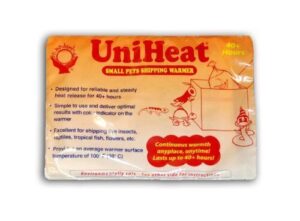
Power outages and overnight transport strip your reptile of stable heat—fast. UniHeat Shipping Warmers solve that problem with 40+ hours of steady warmth at 100°F. No shaking or kneading required.
Toss one in your reptile first aid kit for emergency preparedness when the lights go out or you’re moving your animal. These heat sources protect against temperature shock during reptile transport and shipping safety scenarios.
At $11.75 for four warmers, they’re biodegradable backup for reptile health and emergency care when climate control fails.
| Best For | Reptile owners who need reliable emergency heat during power outages, transport, or shipping situations where maintaining stable temperatures is critical for animal safety. |
|---|---|
| Primary Use | Heat source |
| Brand | Heat Pack Brand |
| Price Range | $11.75 |
| Form | Heat pad |
| Target User | Reptiles and insects |
| Size/Weight | 4-pack |
| Additional Features |
|
- Provides 40 hours of consistent 100°F heat with zero activation effort—no shaking or kneading needed
- Biodegradable and environmentally safe, so you can dispose of them responsibly after use
- Versatile enough for emergency backup heat, overnight transport, or live animal shipping scenarios
- At $11.75 for four warmers, the cost adds up quickly if you need multiple packs for larger enclosures or extended situations
- Heat duration can fall short of the advertised 40 hours depending on ambient conditions and packaging quality
- Requires careful placement to avoid direct contact with your reptile, and you may need several warmers for bigger setups or longer trips
6. Pedialyte Electrolyte Solution Drink
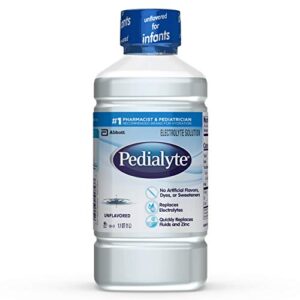
Dehydrated reptiles shut down fast—Pedialyte Electrolyte Solution offers medical-grade reptile hydration when illness strikes. This unflavored powder restores electrolyte balance better than water alone, helping your animal bounce back from dehydration signs like sunken eyes or lethargy.
Always get veterinary guidance before dosing. Improper use disrupts electrolyte levels in some species. At $8.48 per packet, it’s cheap insurance for your reptile first aid kit—but never a substitute for emergency vet care when your animal’s in real trouble.
| Best For | Reptile owners who need a quick electrolyte boost for dehydrated animals during illness or recovery, but only under veterinary supervision. |
|---|---|
| Primary Use | Electrolyte replacement |
| Brand | Pedialyte |
| Price Range | $10-15 |
| Form | Powder |
| Target User | Kids and adults |
| Size/Weight | Powder pack |
| Additional Features |
|
- Medical-grade formula restores electrolyte balance more effectively than plain water when your reptile shows dehydration signs
- Unflavored powder is easy to mix and administer in precise doses for different species sizes
- Affordable emergency kit staple at $8.48 per packet that’s widely available when you need it fast
- Requires vet guidance for proper dosing since improper use can disrupt electrolyte balance or cause digestive issues in some species
- Limited 48-hour shelf life after mixing means you can’t prep batches in advance
- Not formulated specifically for reptiles, so it’s not a replacement for species-appropriate fluids or emergency vet care
7. Nutribac Reptile Probiotic Supplement
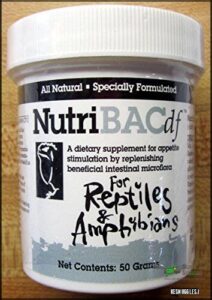
After antibiotics or deworming flatten your reptile’s appetite, Nutribac Reptile Probiotic Supplement rebuilds gut health with patented bacterial strains—essential for any reptile first aid kit.
This 50-gram powder restores beneficial microflora that support reptile nutrition and digestion. Probiotic benefits include improved appetite and stool consistency, though probiotic efficacy varies by species.
Supplement safety is solid when you follow dosage guidelines and store it refrigerated. At around $15, it’s smart reptile care and maintenance backup—but refrigerate it immediately or it loses potency fast.
| Best For | Reptile owners looking to restore their pet’s appetite and gut health after antibiotics, deworming, or stress-related digestive issues. |
|---|---|
| Primary Use | Digestive probiotic |
| Brand | Nutribac |
| Price Range | $15-20 |
| Form | Powder |
| Target User | Reptiles and amphibians |
| Size/Weight | 50 Grams |
| Additional Features |
|
- Patented probiotic formula specifically designed for reptiles helps rebuild beneficial gut bacteria after medical treatments or stress
- Natural powder format makes it easy to mix into food, and it’s reported to improve appetite and digestion in many species
- Affordable at around $15 for 50 grams, making it a cost-effective addition to your reptile care routine
- Must be refrigerated after opening or it loses potency quickly, which can be inconvenient for some owners
- Can become sticky and pose a choking hazard if mixed with water, so careful administration is necessary
- Efficacy varies by species and limited peer-reviewed studies mean results aren’t guaranteed for all reptiles
8. Ozeri Digital Kitchen Scale

Tracking your reptile’s weight is the simplest way to catch illness early—and the Ozeri Digital Kitchen Scale delivers scale accuracy you can trust. This kitchen scale measures in 1-gram increments up to 11 pounds, perfect for reptile feeding logs and weight management routines. Digital calibration takes seconds with the tare function.
At around $20, it’s a measurement tool every reptile care and maintenance plan needs. It’s reptile emergency preparedness you can weigh on—literally—for consistent reptile first aid and emergency care monitoring.
| Best For | Reptile owners who need affordable, precise weight tracking for feeding schedules, health monitoring, and early illness detection in small to medium-sized reptiles. |
|---|---|
| Primary Use | Precision weighing |
| Brand | Ozeri |
| Price Range | $12-15 |
| Form | Digital device |
| Target User | General household |
| Size/Weight | 11 lb capacity |
| Additional Features |
|
- Measures in precise 1-gram increments up to 11 pounds, ideal for tracking reptile weight changes and portioning live prey or supplements accurately.
- Tare function lets you weigh your reptile in a container by zeroing out the container weight first, making measurements quick and stress-free.
- Budget-friendly at around $20 with included batteries, plus it converts between 6 units (grams, ounces, pounds) for flexible use in feeding logs and care routines.
- Plastic construction can feel less durable than metal alternatives, and the LCD screen may be hard to read in dim lighting or certain angles.
- Auto-off timer can kick in under 2 minutes of inactivity, which might interrupt longer weighing sessions or multi-animal care routines.
- Accuracy can be affected by air currents, vibrations, or unstable surfaces—requires a steady, level spot away from enclosure fans or movement.
9. PetSilver Reptile Wound Care Spray
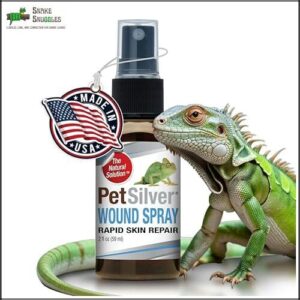
Scale rot and lamp burns don’t wait for business hours—and PetSilver Reptile Wound Care Spray gives you wound healing support right when your reptile needs it. This chelated silver formula is safe for sensitive scales and promotes reptile hygiene without harsh chemicals. Spray application takes seconds. No rinsing required.
At $19.92, it’s a reptile safety staple for any reptile first aid kit. It’s the silver benefits your reptile care routine needs—gentle, effective, and ready for reptile first aid and emergency care when reptile veterinary care isn’t immediately available.
| Best For | Reptile owners who want a gentle, fast-acting wound care solution for minor injuries like scale rot, lamp burns, and scrapes without needing to rinse or wipe afterward. |
|---|---|
| Primary Use | Reptile wound care |
| Brand | Reptile Wound Care Brand |
| Price Range | $19.92 |
| Form | Spray |
| Target User | Reptiles |
| Size/Weight | Spray bottle |
| Additional Features |
|
- Chelated silver formula is safe around sensitive areas and won’t harm your reptile if licked or ingested
- Quick spray application with no rinsing required makes treatment easy and stress-free for both you and your pet
- Works on multiple reptile species and common injuries, from burns to skin irritations
- Some users report it stings when first applied to wounds
- Not a replacement for thorough wound cleaning or professional vet care for serious injuries
- Results can vary between individual reptiles, and you’ll still need to clean your pet after use to avoid water contamination
Treating Common Reptile Injuries at Home
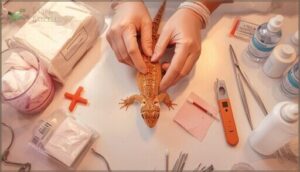
You can handle a lot of minor injuries at home if you know what you’re doing. The key is moving fast, keeping things clean, and knowing when your skills aren’t enough.
Let’s walk through the most common problems you’ll face and how to treat them safely.
Wound Care and Bandaging Techniques
Wound care begins with cleaning the periwound area using sterile saline, followed by the application of diluted chlorhexidine or another reptile-safe antiseptic. Pat the area dry with sterile gauze from your first aid kit. For bleeding, use styptic powder sparingly. Bandage the wound with non-adherent dressings and a cohesive wrap, ensuring it is not too tight. Daily checks on circulation and regular dressing changes are essential to prevent infection and promote tissue regeneration.
| Wound Type | Antiseptic Application | Dressing Choice |
|---|---|---|
| Abrasion | Diluted chlorhexidine | Non-adherent pad |
| Puncture | Saline flush first | Moisture-retentive |
| Laceration | Betadine if deep | Absorptive gauze |
| Scale repair | Silver spray | Breathable wrap |
Managing Burns, Cuts, and Dehydration
Burns demand fast action—cool the area with clean water for 10 to 20 minutes to limit tissue damage. Never apply ointments to deep burns.
For cuts, flush with diluted chlorhexidine and dress with sterile gauze from your reptile first aid kit. Styptic powder controls minor bleeding.
Watch for dehydration signs like sunken eyes or lethargy. Offer fresh water and maintain proper humidity.
Emergency response means monitoring daily for infection or worsening symptoms.
Infection Prevention and Control
Infection control keeps wounds from becoming disasters. Your reptile first aid kit facilitates hygiene practices that reduce zoonotic risks and disease transmission through these sanitation methods:
- Wash hands before and after reptile first aid and medical care—simple soap works
- Use gloves when cleaning wounds with Betadine or applying styptic powder
- Replace dressings daily to prevent bacterial buildup
- Disinfect tools and enclosures between treatments to stop cross-contamination
Nail, Shed, and Scale Maintenance
Regular nail trimming prevents overgrown claws that snag skin and complicate handling. Trim conservatively—never cut into the pink quick or you’ll cause bleeding that needs styptic powder from your reptile first aid kit.
Check for retained shed around toes weekly since constriction leads to nail infections and tissue loss. Proper humidity aids shed removal and scale health.
If swelling or discharge appears despite reptile hygiene efforts, seek veterinary care for reptiles immediately.
When to Seek Emergency Veterinary Care
First aid can stabilize your reptile—but some situations demand a vet immediately. Knowing the difference between “wait and watch” and “get in the car now” can save your pet’s life.
Here’s when home care isn’t enough and you need professional intervention fast.
Recognizing Life-Threatening Signs
Timing separates a close call from tragedy—knowing life-threatening signs keeps your reptile alive. Grab your first aid kit and head to the vet immediately if you see:
- Respiratory failure: open-mouth breathing, labored respiration, or persistent wheezing
- Severe bleeding: non-stop hemorrhage you can’t control within minutes
- Shock symptoms: pale mucous membranes, weak reflexes, cool extremities, lethargy
- Toxic exposure: seizures, coma, or unresponsiveness after unknown ingestion
Don’t wait—emergency response matters.
Emergency Situations Requiring Immediate Help
Beyond the immediate life-or-death signs, your reptile first aid kit becomes mission-critical when you spot dehydration signs—sunken eyes, skin tenting past two seconds—or severe injury with exposed bone. Respiratory distress that doesn’t resolve within minutes demands emergency response. Burns with blistering need burn treatment now, not later. Emergency preparedness means recognizing when home care ends and reptile medicine begins.
| Emergency Situation | What You’ll See | Response Time |
|---|---|---|
| Severe dehydration | Sunken eyes, skin stays tented | Under 2 hours |
| Deep wounds | Exposed tissue, uncontrolled bleeding | Immediate |
| Respiratory distress | Open-mouth breathing, wheezing | Within minutes |
| Major burns | Blistering, skin loss | Under 1 hour |
| Neurological signs | Seizures, loss of coordination | Immediate |
Keeping Vet Contacts and Medical Records Ready
When seconds matter, fumbling for your vet’s number wastes precious time. Store at least two emergency veterinary clinics with after-hours contacts in your phone and taped inside your reptile first aid kit. Keep updated medical records for each animal—species, weight, medications, recent health events—in both digital and physical formats.
Your emergency preparedness checklist should include:
- Primary and backup veterinarian contacts with 24-hour availability
- Current medical logs with recent procedures and test results
- Offline-accessible records updated every six months minimum
Financial Planning for Unexpected Vet Bills
Emergency funds aren’t optional—they’re your safety net when your bearded dragon needs surgery or your snake has a respiratory crisis. Set aside three to six months of household expenses in a dedicated account.
Pet insurance for reptiles costs less than you’d think and covers accidents and illnesses. Compare plans early, request itemized vet cost estimates upfront, and consider CareCredit as a backup budgeting strategy for exotic pet ownership emergencies.
Frequently Asked Questions (FAQs)
How often should reptile first aid supplies expire?
An ounce of prevention beats a pound of cure—check your first aid supplies every six months.
Most antiseptics last two to five years unopened, but replace opened items within twelve to twenty-four months.
Can human first aid products harm reptiles?
Yes—many human first aid supplies contain harmful ingredients toxic to reptiles. Cross-species dangers include pH imbalances and untested preservatives.
Always seek veterinary guidance and use reptile-specific first aid products for emergency situations.
What temperature should emergency transport carriers maintain?
Most reptiles need 72 to 78°F during transport—aim for 75 to 80°F for heat-sensitive species.
Use insulation and heat packs to prevent thermal stress and maintain carrier temperature control throughout your journey.
How do you restrain aggressive reptiles safely?
Most handlers panic when their lizard lunges—but slow movements prevent escalation.
Use padded gloves and secure the body while controlling the head. Never restrict breathing.
Always have backup and clear exit plans ready.
Which reptile species need specialized first aid?
All reptiles need specialized care. Chelonians require shell-specific wound protocols, snakes need pressure bandaging for their elongated bodies, and lizards demand scale-compatible antiseptics.
Amphibians, on the other hand, need humidity-controlled treatments that won’t disrupt their permeable skin.
How often should I replace first aid kit supplies?
Check expiration dates every twelve months. Antiseptics last two to three years unopened, but toss them after a year once opened.
Replace bandages after three years and discard anything showing color changes or damaged seals.
Can I use human first aid supplies on my reptile?
Many human supplies work—diluted povidone iodine, chlorhexidine, sterile gauze, and unflavored Pedialyte are safe for reptile wound care and emergency situations when properly applied, but avoid alcohol, hydrogen peroxide, and unauthorized medications without veterinary guidance.
It’s essential to have a reptile first aid kit on hand for emergency situations.
Whats the shelf life of opened disinfectant solutions?
Opened bottles lose potency fast—povidone-iodine and chlorhexidine stay effective for a few months if sealed tight. Replace them if the color shifts or they’ve been open past six months.
Should I keep separate kits for different reptile species?
You don’t need separate kits for most collections—but species-specific considerations like tropical humidity needs or desert wound care can justify customization.
Veterinary guidance helps you decide when kit customization actually improves emergency preparedness for reptile owners.
How often should I replace first aid supplies?
Replace antiseptics and wound cleaners every year—sooner if expired. Rotate medications every six to twelve months. Discard opened solutions within six months to maintain potency for effective Emergency Preparedness for Reptile Owners.
Conclusion
The night you need tweezers to remove stuck shed is the same night they’re buried in a junk drawer. Don’t let that happen. Stock your reptile first aid kits now—before the bleeding starts, before dehydration sets in, before your bearded dragon’s labored breathing turns critical.
Keep supplies visible, vet contacts taped inside the lid, and practice basic wound care when stakes are low. Emergency preparedness isn’t paranoia. It’s the difference between panic and action when seconds count.