This site is supported by our readers. We may earn a commission, at no cost to you, if you purchase through links.

A hatchling ball python that refuses food for two weeks might be perfectly healthy, while the same behavior in an adult signals a potential problem. The difference comes down to metabolic demands tied directly to age, and misreading those signals can lead to overfeeding a slow-growing adult or starving a rapidly developing juvenile.
Snake feeding frequency by age isn’t a one-size-fits-all schedule—it’s a framework shaped by growth rates, species traits, and individual metabolism. Hatchlings burn through calories fast, demanding prey every five to seven days, while adults settle into a rhythm of every two to three weeks.
Getting the timing right means understanding how your snake’s body changes as it matures, and adjusting portions and intervals to match those shifts.
Table Of Contents
- Key Takeaways
- Key Factors Affecting Snake Feeding Frequency
- Feeding Schedules by Snake Age
- Species Differences in Feeding Frequency
- Monitoring Health Through Feeding Practices
- Top 3 Products for Snake Feeding and Care
- Frequently Asked Questions (FAQs)
- How to figure out snake feeding schedule?
- How to tell when a snake is hungry?
- How long can a snake go without being fed?
- How do you know if you’re feeding your snake enough?
- Can snakes eat during shedding periods?
- How long after regurgitation before refeeding?
- What if my snake refuses food?
- Should I feed sick or injured snakes?
- Can overfeeding cause permanent health damage?
- Can snakes eat during shedding or brumation?
- Conclusion
Key Takeaways
- Hatchlings need prey every 5 to 7 days at about 10 percent of body weight to support rapid growth, while adults shift to every 14 to 21 days with larger meals as their metabolism slows and energy demands stabilize.
- Feeding schedules aren’t universal—ball pythons thrive on weekly meals as adults, boa constrictors digest larger prey every 2 to 4 weeks, and garter snakes require more frequent feeding, so you’ll match intervals to species-specific metabolism and natural hunting patterns.
- Overfeeding shows up as a soft midsection without waist definition and digestive problems like regurgitation, while underfeeding reveals visible ribs and lethargy, so weekly weight tracking with a digital scale catches nutrition issues before they escalate.
- Most snakes refuse food during shedding or illness, and forcing meals during these periods increases regurgitation risk, so wait 10 to 14 days after any digestive upset and consult a reptile vet if appetite doesn’t return within two weeks.
Key Factors Affecting Snake Feeding Frequency
Feeding your snake isn’t just about dropping food in the enclosure on a random schedule. Several key factors work together to determine how often your snake actually needs to eat. Here’s what you need to understand before building any feeding routine.
Age, size, and species all play a major role in determining the right feeding frequency—understanding how often corn snakes eat can give you a solid baseline to work from.
Age and Growth Stage
Your snake’s age directly shapes its feeding schedule and nutritional needs. Young snakes burn energy faster, while adults maintain stable growth with less frequent meals.
- Hatchlings require prey about 10 percent of body weight every 5 to 7 days to fuel rapid development stages
- Juveniles shift to feeding every 7 to 14 days as growth patterns slow
- Adults feed every 14 to 21 days, needing prey around 20 to 25 percent of body weight
Species-Specific Needs
Beyond age, each species brings unique dietary needs shaped by natural hunting patterns and metabolism. Ball pythons thrive on weekly meals as adults, while garter snakes need more frequent feeding cues. Your snake’s habitat structure and thermal preferences also drive appetite, so matching prey type and schedule to species behavior ensures proper reptile nutrition without guesswork.
| Species | Adult Feeding Interval | Juvenile Feeding Interval |
|---|---|---|
| Ball Python | Every 7-14 days | Every 5-7 days |
| Corn Snake | Every 7-10 days | Every 5-7 days |
| Boa Constrictor | Every 14-28 days | Every 7-10 days |
Size and Metabolism
Your snake’s body mass directly shapes its metabolic rates and energy needs, so larger individuals burn more total calories at rest even though the per-gram rate drops. Growth patterns peak in hatchlings, demanding frequent meals, while adults need less energy per unit of weight. Thermal regulation in cooler environments slows metabolism and reduces snake appetite, so you’ll adjust feeding accordingly.
- Metabolic rate rises with total body size, increasing energy requirements
- Resting energy use per gram decreases as snakes grow larger
- Hatchlings show rapid growth patterns requiring higher feeding frequency
- Surface area affects heat exchange and daily calorie demands
- Ambient temperature directly modulates metabolism and snake feeding frequency
Health and Stress Levels
Once metabolic considerations are clear, illness and anxiety become the next focal points. Chronic health issues often suppress snake appetite, slowing nutrition absorption and requiring adjusted feeding schedules.
Stress management is key—poor handling or cage disruption triggers elevated cortisol analogs that blunt feeding psychology.
You’ll spot health indicators like weight loss or refusal when stress or disease disrupts nutrition balance, signaling immediate veterinary consultation.
Environmental Influences
Your enclosure setup directly shapes feeding success. Temperature Control ensures proper digestion, while Humidity Levels support shedding cycles that affect appetite. Lighting Cycles regulate circadian rhythms tied to feeding windows. Enclosure Design with hiding spots reduces stress-related refusal. Climate Effects from seasonal shifts alter metabolic demand, making environmental conditions a cornerstone of snake feeding frequency management in applied animal behavior and environmental science.
- Temperature gradients between 75–90°F enhance enzyme activity during digestion
- Humidity ranges of 50–70% prevent dehydration that suppresses appetite
- 12-hour light-dark cycles maintain natural feeding rhythms
- Adequate hiding spots reduce stress-induced feeding refusal
- Seasonal temperature drops can slow metabolism and extend intervals
Feeding Schedules by Snake Age
Your snake’s age determines how often it needs to eat, and getting this right matters more than you might think. A hatchling’s metabolism runs fast and demands fuel every few days, while an adult can go weeks between meals without concern.
Understanding safe snake feeding practices explained helps you avoid overfeeding juveniles or underfeeding adults, which can lead to health problems down the line.
A snake’s age dictates its feeding schedule—hatchlings need fuel every few days, adults can wait weeks between meals
Here’s what you need to know about feeding schedules across each life stage.
Newborn and Hatchling Feeding Frequency

Right after hatching, your snake’s appetite kicks in fast. Most hatchlings need feeding once daily to every other day, depending on species and size.
Offer prey about 5 to 10 percent of body weight per meal, roughly equal to the snake’s mid-body width. Monitor those first meals closely and adjust frequency if your snake shows persistent hunger or stalls in growth.
It’s important to pay close attention to appropriate live food options during the earliest feeding stages.
Juvenile Snake Feeding Frequency

Juvenile snakes grow quickly, so your feeding frequency should match their development stages. Most young snakes thrive on meals every 5 to 7 days, supporting steady growth without overwhelming their digestion patterns.
Monitor their snake appetite and body condition weekly—if girth increases noticeably, adjust prey size gradually. Consistent feeding techniques and growth monitoring help you meet nutrient requirements while preventing stress-related refusals.
For more guidance, review these feeding frequency guidelines by age.
Subadult Feeding Frequency

Subadult snakes hit their fastest growth between 40 and 60 percent of adult size, so your feeding cycles need to keep pace with their changing metabolic needs. Most subadult snakes thrive on meals every 7 to 14 days, depending on species and current growth rates.
- Ball pythons often shift from weekly to biweekly feeds as they mature
- Corn snakes maintain 5 to 10 day intervals with appropriately sized prey
- Boa constrictors need larger prey less frequently to support steady digestive health
Adjust prey size rather than snake feeding frequency alone to prevent overfeeding while supporting young snakes’ subadult nutrition.
Adult Snake Feeding Frequency

Adult snakes settle into predictable meal scheduling once fully grown, usually accepting meals every 7 to 14 days depending on species and body condition. Their slower metabolism and steady energy needs mean you’ll space feedings longer than with juveniles, supporting digestive health without excess weight.
Monitor your snake’s girth and activity to fine-tune adult feeding frequency and maintain ideal snake nutrition.
| Species | Adult Feeding Frequency | Typical Prey Size |
|---|---|---|
| Ball Python | Every 10–14 days | 1–1.5× girth |
| Corn Snake | Every 7–10 days | 1–1.5× girth |
| Boa Constrictor | Every 14–28 days | 1.5–2× girth |
| King Snake | Every 7–14 days | 1–1.5× girth |
Adjust feeding environments to reduce stress and encourage consistent snake appetite, keeping your daily feeding schedule simple and predictable.
Senior Snake Feeding Frequency

Senior snakes slow down as metabolism declines with age, requiring fewer meals—usually every 14 to 30 days depending on species and health. You’ll need to scale back prey size and watch for snake obesity, because digestive health weakens over time.
Track weight monthly using feeding charts and adjust care strategies as senior nutrition needs shift, keeping your snake lean and comfortable into its later years.
Species Differences in Feeding Frequency

Even within the same age group, different snake species have distinct feeding patterns you need to account for. A ball python won’t eat on the same schedule as a garter snake, and understanding these differences prevents both overfeeding and nutritional gaps.
Here’s what you should know about feeding frequency for five common pet snake species.
Ball Python Feeding Guidelines
Ball pythons usually feed every 7 to 14 days as adults, though feeding frequency shifts with age and individual metabolism. Hatchlings require smaller prey type every 5 to 7 days to support rapid growth, while juveniles shift to weekly feeding schedules.
Feeding refusal often signals brumation impact or stress, so avoid handling after meals for at least 48 hours. Monitor body condition closely, as obesity develops easily with overfeeding.
Corn Snake Feeding Guidelines
Corn snakes accept prey more readily than many species, which simplifies feeding techniques and prey selection. Hatchlings usually feed every 5 to 7 days on appropriately sized mice, supporting digestive health and steady growth.
Adults shift to a 7 to 14 day snake feeding frequency, with corn snake diet adjustments based on body condition. Monitor weight regularly to maintain ideal snake nutrition without excess fat deposition.
Boa Constrictor Feeding Guidelines
Boa constrictors require larger prey items and digest them more slowly than corn snakes, which influences your feeding techniques and overall boa diet planning. You’ll generally feed juveniles every 7 to 14 days, while adults shift to every 2 to 4 weeks based on prey size and metabolic demands.
For ideal constrictor care and boa health, follow these snake feeding frequency guidelines:
- Hatchlings accept appropriately sized mice every 7 to 10 days
- Juveniles shift to small rats every 10 to 14 days
- Subadults eat medium rats every 14 to 21 days
- Adults consume large rats or rabbits every 2 to 4 weeks
- Monitor body condition to prevent obesity from overfeeding
Adjust your snake diet based on individual response and seasonal appetite changes for proper reptile care and snake nutrition.
King Snake Feeding Guidelines
King snakes demonstrate a reliable appetite and accept prey every 7 to 10 days as juveniles, shifting to 10 to 14 days as adults. Your prey selection should match girth, usually mice for young snakes and small rats for adults. These feeding techniques support digestive health and consistent growth.
Monitor feeding environments to reduce stress and maintain regular snake feeding guidelines.
| Age Stage | Snake Feeding Frequency | Prey Type |
|---|---|---|
| Hatchling | Every 5–7 days | Pinkie mice |
| Juvenile | Every 7–10 days | Fuzzy to adult mice |
| Adult | Every 10–14 days | Small rats |
Gopher Snake Feeding Guidelines
Gopher snakes generally accept prey every 7 to 14 days, adjusting snake feeding frequency based on habitat temperature and prey size. Juveniles digest smaller prey faster, requiring a tighter feeding schedule, while adults process larger meals over longer intervals.
Your prey item selection directly influences snake nutrition and growth rates. Monitor snake appetite and body condition to fine-tune snake diet and maintain healthy feeding frequency.
Monitoring Health Through Feeding Practices

Your snake’s feeding routine is one of the clearest windows into its overall health. Changes in appetite, body condition, or weight can signal problems long before other symptoms appear.
Below, you’ll find the key indicators to watch and the adjustments that keep your snake thriving.
Signs of Overfeeding or Underfeeding
You can recognize overfeeding when your snake shows a soft, rounded midsection without visible waist definition, or when it displays digestive problems like regurgitation and fatty stools. Underfeeding appears as visible ribs, a triangular body cross-section, or persistent lethargy.
Watch for appetite changes, too—constant begging may signal overfeeding, while refusing multiple meals suggests underfeeding or underlying health issues requiring veterinary attention.
Tracking Weight and Growth
You should weigh your snake weekly using a calibrated digital scale to track growth patterns and spot nutrition planning issues early. Record each measurement with the date, then plot the data to create a growth curve that reveals whether your snake’s weight is trending upward, stable, or declining.
Compare your snake’s feeding metrics against expected weight gains for its species and age, adjusting prey size when the curve shows feeding frequency or metabolism changes affecting snake development.
Adjusting Schedules for Health Issues
When illness strikes, you’ll need to extend the interval between meals to let your snake’s metabolism recover without the added stress of digestion. During respiratory infections or bacterial issues, pause feeding entirely until symptoms clear to prevent regurgitation. Monitor appetite changes closely, and consult your vet to align medication timing with feeding schedule adjustments that support recovery.
- Increase rest days between feedings when stress indicators like rapid weight loss or lethargy appear
- Temporarily suspend meals for 5–7 days if vomiting occurs, then reintroduce smaller prey gradually
- Schedule feedings at least 12 hours after certain medications to avoid reduced digestion or drug interactions
- Use smaller prey sizes during recovery to ease digestive workload and prevent obstruction risks
- Log appetite, weight, and stool quality daily during health episodes to detect trends early
Prey Size and Type Selection
You’ll match prey size to your snake’s girth, targeting items about 20 to 40 percent of body width for young snakes and up to 60 to 80 percent for adults. Type preferences shift from small rodents in juveniles to larger prey as energy content needs rise, while health signals like regurgitation warn you the meal exceeded safe limits.
| Age Stage | Prey Size Limits |
|---|---|
| Hatchling | 1/4 to 1/3 girth |
| Juvenile | 20–40% body width |
| Adult | 60–80% body width |
Top 3 Products for Snake Feeding and Care
You don’t need fancy equipment to feed your snake properly, but a few well-chosen tools can make the process safer and more precise. The right products help you track your snake’s weight, handle prey correctly, and maintain consistent feeding records over time.
Below are three practical items that support accurate feeding practices and long-term health monitoring.
1. Poison Frogs Biology And Care Guide

This exhaustive guide covers poison frog biology, habitat, diet, and breeding, but it won’t help you feed your snake. The 668-page reference from Edition Chimaira focuses exclusively on dendrobatid frogs, their alkaloid defenses, and terrarium requirements. You’ll find detailed species profiles and disease treatment for amphibians, not reptiles.
While beautifully illustrated with over 1,000 color photographs, it’s strictly for frog keepers. If you’re managing snake nutrition and feeding schedules, you’ll need reptile-specific resources instead.
| Best For | Serious poison frog keepers and breeders who want an exhaustive reference covering species care, diseases, and captive husbandry with detailed visual documentation. |
|---|---|
| Format | Printed Book |
| Language | English |
| Weight | 4.05 pounds |
| Use Case | Reference & Education |
| Target User | Serious Keepers |
| Limitations Noted | Repetitive Content |
| Additional Features |
|
- Covers over 1,000 full-color photos and illustrations showing detailed species identification and terrarium setups
- Includes practical disease treatment protocols and breeding information specific to poison frogs
- Serves as a comprehensive long-term reference with in-depth species profiles compiled from experienced breeders
- Repetitive content in some sections makes it feel longer than necessary
- Classification system may be outdated compared to current taxonomy
- High price point and potential overlap with free online resources for beginners
2. Amazon Basics Digital Kitchen Scale
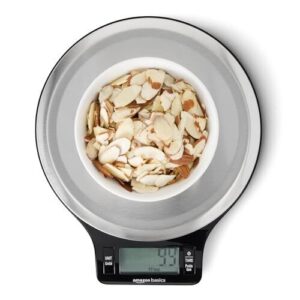
Tracking your snake’s weight gives you objective data on whether your feeding schedule is working. This digital kitchen scale measures down to 2 grams, which matters when you’re weighing hatchlings or small prey items.
The tare function lets you zero out the weight of containers, so you get accurate readings on just the food. It manages up to 11 pounds and switches between grams, ounces, and other units with one button.
The stainless steel platform cleans easily after contact with thawed rodents.
| Best For | Snake owners who need precise weight tracking for hatchlings and accurate prey measurements without dealing with bulky equipment. |
|---|---|
| Format | Physical Device |
| Language | Universal |
| Weight | Lightweight |
| Use Case | Measurement & Prep |
| Target User | Home Cooks |
| Limitations Noted | Battery Dependent |
| Additional Features |
|
- Measures down to 2 grams, making it precise enough for baby snakes and small feeders
- Tare function removes container weight so you get exact food measurements every time
- Stainless steel platform wipes clean easily after handling thawed rodents
- Battery life isn’t consistent and depends heavily on how often you use it
- Build quality is hit or miss—some users report it doesn’t last long
- The design looks pretty basic and might not match nicer kitchen setups
3. Similac Infant Formula With Prebiotics

This product doesn’t belong in your snake care toolkit. Similac Infant Formula With Prebiotics is designed for human babies, not reptiles.
Snakes are obligate carnivores that require whole prey items like rodents, not mammalian milk-based formulas. Their digestive systems can’t process lactose, prebiotics intended for human infants, or the nutrient ratios in baby formula.
Feeding this to a snake would cause severe digestive upset and nutritional deficiencies. Stick with appropriately sized frozen-thawed or pre-killed rodents matched to your snake’s species and age.
| Best For | Parents looking for a formula with prebiotics that support their baby’s immune system, brain development, and digestive health. |
|---|---|
| Format | Powder Formula |
| Language | English |
| Weight | 6.75 pounds |
| Use Case | Nutrition & Feeding |
| Target User | Parents & Caregivers |
| Limitations Noted | Not for Galactosemia |
| Additional Features |
|
- Contains 5 HMO prebiotics structurally similar to breast milk for immune and digestive support
- Non-GMO with no artificial growth hormones
- Easy to mix with consistent quality across cans
- Higher price point compared to other formula brands
- Not suitable for babies with galactosemia
- Large pack size may not work for families wanting to try before committing
Frequently Asked Questions (FAQs)
How to figure out snake feeding schedule?
Think of your snake’s feeding plan as a recipe that changes with every growth phase.
You’ll weigh age, species type, body size, activity level, and tank temperature to find the right interval between meals.
How to tell when a snake is hungry?
Watch for increased activity near the feeding area, frequent tongue flicking toward prey scent, and focused attention on you or feeding tools.
These behaviors signal your snake is ready to eat.
How long can a snake go without being fed?
Your scaly companion won’t starve overnight. Healthy adults can fast two to six months, juveniles manage four to eight weeks, and hatchlings safely skip meals for two to six weeks under stable conditions.
How do you know if you’re feeding your snake enough?
You can tell by checking body condition weekly. A well-fed snake shows smooth sides without visible ribs, maintains steady weight gain, and displays consistent energy without excessive fat deposits around the midsection.
Can snakes eat during shedding periods?
Most snakes reduce their appetite during shedding and refuse food until the new skin forms completely.
Some individuals may accept smaller prey items, but waiting until after the shed finishes is safer and reduces regurgitation risk.
How long after regurgitation before refeeding?
Like a broken clock that still ticks twice a day, your snake’s digestive system needs reset time.
Wait 10 to 14 days after regurgitation, then offer a meal half the normal size to prevent repeat episodes.
What if my snake refuses food?
Refusal often signals shedding, poor temperatures, or stress from enclosure changes. Check your setup first, then wait one to two weeks before trying again.
If appetite doesn’t return, a vet visit is warranted.
Should I feed sick or injured snakes?
Don’t feed a sick snake until you consult a reptile veterinarian. Illness slows digestion and increases regurgitation risk, so forcing food can worsen the condition and delay recovery.
Can overfeeding cause permanent health damage?
Yes, chronic overfeeding can cause lasting damage. Repeated excess intake leads to obesity, fatty liver disease, insulin resistance, and metabolic dysfunction that persist even after you correct the feeding schedule.
Can snakes eat during shedding or brumation?
Most snakes stop eating during shedding and brumation as their metabolism slows. Appetite usually returns after the process completes, though some individuals may eat briefly if conditions allow.
Conclusion
Feeding your snake isn’t guesswork—it’s reading the roadmap your animal’s body provides at each stage. Snake feeding frequency by age adjusts as growth slows, metabolism shifts, and energy demands change.
A hatchling’s five-day cycle doesn’t translate to adult care, and forcing that rhythm on a mature snake invites obesity and organ strain. Watch your snake’s body condition, track weight consistently, and adjust portions before problems surface.
When feeding patterns match biological need, your snake thrives.
- https://onlinelibrary.wiley.com/doi/10.1111/j.1439-0396.2010.01011.x
- https://scripts.affiliatefuture.com/AFShortUrl.aspx?id=15411
- https://www.exoticdirect.co.uk/news/feeding-corn-snakes
- https://www.anapsid.org/hatchlin.html
- https://www.evolutionreptiles.co.uk/blog/feeding-corn-snakes-preventing-obesity-and-promote-healthy-nutrition/