This site is supported by our readers. We may earn a commission, at no cost to you, if you purchase through links.
Most reptile keepers focus on temperature gradients and UVB exposure, but overlook a silent threat lurking in their pet’s favorite hide. That ceramic cave or driftwood branch you placed in the enclosure last month? It’s likely harboring a thriving colony of bacteria and fungi, multiplying in the warm, humid conditions your reptile requires.
These microorganisms don’t just appear on surfaces—they penetrate porous materials, creating reservoirs of pathogens that routine substrate changes won’t address.
Learning how to sanitize reptile decorations and hides properly isn’t just about hygiene; it’s about preventing respiratory infections, skin lesions, and even fatal systemic diseases that can develop before symptoms become visible.
Table Of Contents
- Key Takeaways
- Why Sanitizing Reptile Decorations Matters
- When to Clean Reptile Hides and Decorations
- Safe Removal and Preparation Steps
- Choosing Reptile-Safe Cleaning Products
- Step-by-Step Cleaning Instructions
- Disinfecting Decorations and Hides Properly
- Ensuring Complete Drying and Safety
- Reassembling The Enclosure After Cleaning
- Maintenance Tips to Keep Accessories Clean
- Frequently Asked Questions (FAQs)
- How to disinfect reptile decorations?
- How to sanitize reptile hides?
- What disinfectant is safe for reptiles?
- Is Dawn dish soap safe for reptiles?
- Can I sanitize porous rocks and wood decorations?
- How to clean electronic heating elements safely?
- Should I sanitize new decorations before use?
- What temperature water is safest for cleaning?
- How to remove stubborn calcium or mineral deposits?
- Conclusion
Key Takeaways
- Reptile decorations harbor bacteria and fungi that penetrate porous materials, creating pathogen reservoirs that routine substrate changes won’t eliminate and can cause respiratory infections, skin lesions, and systemic diseases before symptoms appear.
- Effective sanitization requires a systematic three-step process: mechanical debris removal through rinsing, application of reptile-safe disinfectants like diluted bleach (1:32 ratio), F10SC, or hydrogen peroxide with proper contact time, and complete drying to prevent chemical residue and moisture-related bacterial regrowth.
- Cleaning frequency depends on enclosure conditions—weekly wipe-downs for standard setups, every 7-10 days for high-humidity environments, and deep disinfection every 4-6 weeks, with immediate attention required when you observe white residue, musty odors, dark staining, or behavioral changes in your reptile.
- Never use phenol-based cleaners, ammonia products, or caustic substances in reptile enclosures, and always verify complete drying and absence of chemical odors before reintroducing your animal to prevent respiratory irritation and skin damage.
Why Sanitizing Reptile Decorations Matters
Your reptile’s decorations and hides aren’t just habitat features—they’re potential breeding grounds for harmful pathogens that can compromise your pet’s health and even yours. Understanding the specific risks associated with contaminated accessories helps you recognize why regular sanitization isn’t optional maintenance, but rather a critical component of responsible reptile ownership.
Following established disease prevention protocols alongside habitat sanitization creates a comprehensive defense system against both environmental and direct transmission risks.
Reptile decorations aren’t just habitat features—they’re potential breeding grounds for pathogens that threaten your pet’s health and yours
Let’s examine the primary concerns that make proper cleaning protocols essential for maintaining a safe, healthy environment.
Substrate choices directly impact hygiene maintenance, so understanding how to choose the right substrate for snake health helps prevent bacterial buildup and reduces cleaning frequency.
Risks of Bacterial and Fungal Growth
Understanding microbial growth factors is your first line of defense against bacterial and fungal infections in your reptile’s environment. Temperatures between 20 to 40°C, combined with moisture on porous decorations, create ideal conditions for bacterial colony prevention failures.
Choosing the right substrate material significantly impacts moisture retention and bacterial buildup in your enclosure.
Fungal spore control becomes critical as humidity fluctuates, allowing mold to establish on hides and create environmental contamination that threatens reptile health through skin infections and respiratory complications.
Health Benefits for Reptiles
Maintaining clean decorations directly bolsters your reptile’s immune system and overall wellness. When you eliminate bacterial and fungal infections from their habitat, you’re enabling proper immune boosting and disease prevention that works alongside other aspects of reptile care.
Consider how sanitized environments bolster reptile health:
- Balanced nutrition advice becomes more effective when your pet isn’t fighting infections from contaminated surfaces
- Environmental enrichment through hides and decorations promotes stress reduction without introducing pathogens
- Improved animal hygiene reduces respiratory complications and skin disorders that compromise vitality
Prevention of Zoonotic Diseases
Beyond protecting your reptile, proper sanitization of decorations acts as a critical defense against disease transmission that impacts you and your household. Salmonella and other zoonotic diseases from reptiles pose real public health concerns, but infection control through rigorous disinfectants and biosecurity practices during reptile care greatly lessens zoonotic risks.
Maintaining reptile hygiene isn’t optional—it’s fundamental disease prevention for everyone who enters that space. According to, reptile owners face an increased risk of salmonellosis and other zoonotic infections.
When to Clean Reptile Hides and Decorations
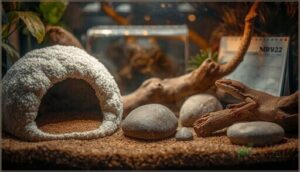
Knowing when to clean your reptile’s hides and decorations isn’t just about following a schedule—it’s about reading your pet’s environment and responding to real conditions. Different situations call for different cleaning approaches, from quick daily maintenance to thorough disinfection sessions.
Let’s break down the timing, warning signs, and types of cleaning your reptile enclosure needs.
Recommended Cleaning Frequency
Your cleaning schedule depends on your reptile enclosure’s humidity and activity levels. In standard conditions, you’ll want to wipe down decorations weekly, but cleaning schedules shift dramatically in high humidity—ramp up to every seven to ten days to prevent fungal outbreaks.
During deep cleaning sessions every four to six weeks, you’ll disinfect all reptile accessories thoroughly using reptile-safe disinfectant and proper sanitization methods.
Signs Accessories Need Cleaning
Visual clues and behavioral changes tell you when your reptile accessories demand attention. You’ll notice white chalky residue, dark streaks from moisture retention, or a musty odor emerging from hides and decorations even after routine cleaning. Your reptile’s behavior shifts too—increased rubbing against objects or reduced appetite following exposure to contaminated surfaces signals immediate cleaning needs.
- White or chalky buildup appears on surfaces after removal from the reptile enclosure
- Musty or sour smell persists despite light wiping with reptile-safe disinfectant
- Dark staining indicates moisture problems and potential mold in cleaning terrariums
- Your reptile shows unusual rubbing or decreased interest in food near specific items
- Cleaning schedules fail to prevent new buildup within two weeks of sanitization
Proper storage practices, similar to those used for accessory longevity and care, help prevent repeated contamination and preserve the integrity of reptile decorations and hides.
Deep Cleaning Vs. Spot Cleaning
Two distinct sanitizing techniques serve different purposes in your reptile hygiene routine. Spot cleaning removes fresh waste between full cleanings, requiring only quick wipes with reptile-safe disinfectant on visible soiling. Deep cleaning addresses embedded grime in crevices and porous surfaces using extended contact time with disinfectants, thorough scrubbing with deep cleaning tools, and complete rinsing—essential for reptile accessories every one to four weeks depending on species and humidity levels.
After disinfecting, always let surfaces dry completely before reintroducing your reptile—wearing protective gloves during feeding and handling also minimizes cross-contamination between cleaning sessions.
| Aspect | Spot Cleaning | Deep Cleaning |
|---|---|---|
| Frequency | Daily to every few days | Weekly to monthly |
| Tools | Cloth, spray bottle | Brushes, soaking bins, disinfection methods |
| Purpose | Remove visible waste | Eliminate hidden bacteria and mold |
Safe Removal and Preparation Steps
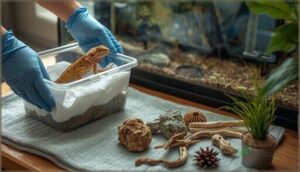
Before you reach for the scrub brush, you need to handle the preparation steps correctly to protect both your reptile and yourself. Moving your animal to a safe temporary space prevents stress and accidental exposure to cleaning agents.
Reviewing proper handling techniques beforehand helps you move your reptile calmly and minimize defensive reactions during the transfer.
Here’s how to remove your reptile, set up a holding area, and handle decorations without risking contamination or injury.
Removing Reptiles Before Cleaning
Before you begin cleaning and disinfection, remove your reptile to prevent unnecessary reptile stress during the process. Transfer your animal to a secure transport container with a tight-fitting lid to guarantee safe handling throughout the move.
Reptile owners should relocate their pet to a quiet area away from cleaning activity, minimizing handling time to reduce anxiety. This fundamental step in reptile husbandry protects both you and your reptile habitat inhabitant.
Preparing a Temporary Holding Area
Your temporary enclosure must support stable conditions while you perform cleaning and disinfection. Set up a secure container with adequate ventilation in a quiet location away from your cleaning station. This quarantine space prevents cross-contamination during the process.
Reptile owners should include paper towels for absorption and maintain room temperature stability.
Proper holding area design with storage solutions ensures your reptile habitat resident remains safe throughout the procedure using reptile-safe disinfectant protocols.
Handling Accessories Safely
Proper safe handling prevents reptile stress and protects you from contamination during the disinfection process. Before you touch dirty hides and decorations, prepare your workspace with cleaning tools and protective equipment.
Follow these glove safety protocols:
- Wear nitrile gloves when removing reptile accessories to avoid transferring bacteria or fungi to your hands.
- Use both hands to support larger decorations, preventing drops that create hiding spots for microbes.
- Place items on clean surfaces covered with disposable towels for accessory storage during inspection.
Always apply reptile-safe disinfectant after mechanical cleaning removes visible debris.
Choosing Reptile-Safe Cleaning Products
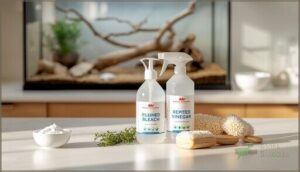
Not every cleaning product belongs in a reptile habitat. Some disinfectants effectively eliminate pathogens without leaving harmful residues, while others can poison your pet or damage delicate respiratory systems.
Understanding which products are safe and which pose risks helps you maintain a clean enclosure without compromising your reptile’s health.
Approved Commercial Disinfectants
When selecting a disinfectant, you’ll want products with EPA Registration numbers that confirm regulatory compliance and disinfectant efficacy against specific pathogens. F10SC Veterinary Disinfectant and similar veterinary-grade disinfectants offer broad-spectrum kill rates when used per product labeling instructions. Always verify chemical safety data, required contact times, and dilution ratios before application to confirm your reptile-safe disinfectant choice meets current standards.
| Product Type | Key Features |
|---|---|
| F10SC Veterinary Disinfectant | Effective against bacteria and viruses with labeled contact times |
| Quat-Based Formulations | Broad-spectrum kill; requires pre-cleaning and precise dilution |
| Hydrogen Peroxide Solutions | Safe for non-porous surfaces; complete air drying required |
| Sodium Hypochlorite Products | Strong disinfection; must be thoroughly rinsed after use |
| Reptile-Safe Products | Approved formulations with PPE and first aid guidance on labels |
Natural Cleaning Alternatives
Many reptile keepers prefer natural cleaners as alternatives to commercial disinfectants. A 1:1 vinegar cleaning solution removes hard water stains and light grime without toxic residues when rinsed well. Baking soda paste lifts stubborn waste from textured surfaces, while diluted citrus cleaners tackle mineral deposits on glass and plastic.
Enzyme products break down organic matter on feeding ledges, and steam sanitizing kills bacteria on non-porous hides without chemical residue.
Products to Avoid
While natural cleaners offer gentle options, certain products pose serious threats to your reptile’s health. Never use these toxic chemicals in or near the enclosure:
- Phenol-based cleaners like Lysol and Pine-Sol damage delicate respiratory systems and leave residues that cause chronic poisoning.
- Ammonia-based cleaners release fumes that burn airways and irritate eyes.
- Caustic substances including full-strength bleach without complete rinsing create harmful vapors in confined habitats.
Step-by-Step Cleaning Instructions
Once you’ve chosen your reptile-safe cleaning products, you’re ready to begin the actual cleaning process. The key to effective sanitization lies in following a systematic approach that removes debris, eliminates pathogens, and ensures all residues are completely gone before returning items to the enclosure.
Here’s how to properly clean your reptile’s decorations and hides from start to finish.
Initial Rinse and Debris Removal
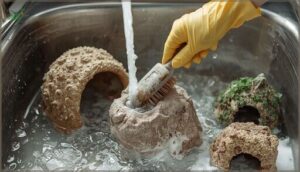
Before applying any cleaning solutions, you need to flush waste and substrate off your reptile accessories under lukewarm running water at 80 to 90 degrees Fahrenheit. Direct the stream from multiple angles for 30 to 60 seconds per piece, using brushes or old toothbrushes to loosen stuck feces from textured hides.
Shake decorations over a trash bag first to remove loose substrate, then rinse under steady water pressure to clear remaining organic matter before disinfection.
| Debris Removal Tool | Best For | Material Safety |
|---|---|---|
| Stiff nylon brush | Resin rocks, ceramic hides | Safe on hard surfaces |
| Old toothbrush | Grooves, tight crevices | Gentle on painted decor |
| Soft sponge | PVC, plastic plants | Prevents scratching |
| Plastic scraper | Smooth glass, dried urates | Non-abrasive removal |
Washing With Soap or Vinegar Solutions
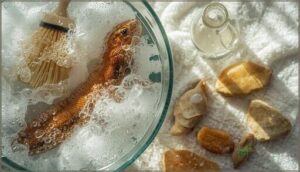
Once loose debris is gone, prepare your soap solution using 1 to 2 teaspoons of unscented Dawn dish soap per gallon of warm water for effective reptile cage maintenance. Submerge hides fully for 5 to 10 minutes, then scrub textured surfaces with a soft brush.
Alternatively, mix white vinegar at a 1:1 ratio with water to dissolve mineral deposits and neutralize odors on reptile accessories without harsh disinfectant options.
Rinsing and Drying Procedures
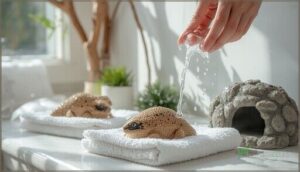
After washing, hold each decoration under running tap water for 30 to 60 seconds to flush away soap and debris, directing the flow into crevices with your fingers. Bleach-treated items need repeated rinses until no odor remains, while reptile-safe disinfectant requires only light water removal methods before air drying ensures complete residue prevention and proper humidity control.
Key drying techniques for reptile enclosure maintenance:
- Place nonporous hides on clean towels in a well-ventilated area until completely dry to the touch.
- Allow porous wood branches 3 to 5 days of air drying before reassembly to prevent mold growth.
- Pat ceramic and plastic accessories with paper towels to speed evaporation and support reptile health and hygiene.
- Test each item by smell before returning it—no cleaner odor means sanitizing protocols were successful.
- Never reintroduce damp decorations, as moisture spikes compromise sanitation and disinfection efforts in arid setups.
Disinfecting Decorations and Hides Properly
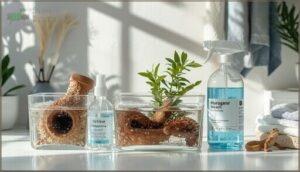
After you’ve washed your reptile’s decorations and hides, you need to take the extra step of disinfecting them to eliminate harmful bacteria, viruses, and fungi that regular soap can’t remove.
Several effective disinfectants are available, each with specific application methods and safety considerations you’ll need to follow carefully. The three most reliable options for home use include diluted bleach solutions, hydrogen peroxide or isopropyl alcohol, and veterinary-grade disinfectants formulated specifically for reptile environments.
Using Diluted Bleach Safely
Bleach stands as one of the most effective disinfection methods for reptile accessories when you prepare it correctly. Mix one part household bleach with 32 parts cold water for a reptile-safe disinfectant concentration of roughly 0.15 percent.
Safe mixing requires adding bleach to water in ventilated areas, never combining it with ammonia or vinegar. Allow ten minutes contact time on nonporous surfaces, then rinse thoroughly.
Proper storage practices include using fresh solutions daily and keeping concentrated bleach in original containers away from children and pets.
Applying Hydrogen Peroxide or Alcohol
Hydrogen peroxide and isopropyl alcohol serve as effective alternatives to bleach for disinfecting reptile accessories. These cleaning protocols offer strong microbial action while breaking down into safer residues. Apply them systematically for best results:
- Spray three percent hydrogen peroxide on nonporous plastic decorations after initial washing.
- Allow several minutes contact time for complete disinfection.
- Use seventy percent isopropyl alcohol on hard surfaces as an alcohol alternative.
- Ensure complete air drying before reintroduction to prevent respiratory irritation.
- Rinse peroxide-treated items thoroughly to eliminate residual oxidizers that might irritate sensitive reptile skin.
Veterinary-Grade Disinfectant Application
Veterinary-grade disinfectants deliver targeted sanitization against pathogens that standard cleaners miss. Choose reptilesafe products like F10SC that specify contact times on their labels, usually requiring surfaces to remain wet for five to ten minutes.
Pre-clean decorations to remove organic debris before applying the disinfectant according to manufacturer dilution ratios. Wear gloves during application, guarantee proper ventilation, and allow complete drying before reintroducing accessories to prevent chemical exposure.
Ensuring Complete Drying and Safety

After disinfecting your reptile’s decorations and hides, complete drying is the final critical step before returning items to the enclosure. Residual moisture can foster bacterial regrowth and mold development, while chemical residues from cleaning products can irritate your reptile’s skin and respiratory system.
Understanding proper drying techniques ensures your sanitization efforts protect rather than compromise your pet’s health.
Importance of Thorough Drying
Chemical Residue can linger on reptile accessories if Moisture Control fails, putting your animal at risk. Thorough Drying Techniques guarantee Surface Sanitizing products fully evaporate before reintroduction, protecting delicate airways and skin.
Reptile Health depends on eliminating pooled cleaners from crevices where ReptileSafe Disinfectant might concentrate.
Proper Humidity Management during the drying phase prevents mold growth and maintains stable conditions essential for Reptile Care and Maintenance in your Reptile Habitat and Environment.
Air Drying Vs. Towel Drying
Both drying methods support Surface Sanitizing and Reptile Health, but each offers distinct advantages for Material Safety. Air drying relies on Ventilation Importance to evaporate residual ReptileSafe disinfectant from reptile accessories, reducing heat damage and fabric distortion.
Towel drying provides faster Moisture Control for ReptileSafe Habitat Cleaning during pet care routines, though freshly laundered towels prevent cross-contamination on non-porous surfaces.
Preventing Residue and Odors
Residue Control and Odor Management work together after drying your reptile accessories. Rinse decorations under running water for 30 to 60 seconds to flush away cleaning products that can irritate your reptile’s skin.
Proper Sanitizing Methods support a clean enclosure through three key steps:
- Rinse twice with fresh warm water to remove ReptileSafe disinfectant films
- Let items drip on a sloped rack so residue runs off
- Remove feces and dead insects daily to limit decomposing odor sources
Reassembling The Enclosure After Cleaning

Once everything is dry and free from residue, you’re ready to put the enclosure back together. This final step requires careful attention to confirm each accessory is safe, properly positioned, and ready for your reptile’s return.
Follow these guidelines to complete the reassembly process correctly.
Inspecting for Damage or Wear
Before you return any hides and decorations to your reptile habitat, run your fingers along every edge to catch sharp edges or cracked decor that could injure scales. Press gently on hollow pieces to test for stability checks and structural integrity. Examine porous surfaces for wear detection, replacing items that have become too rough or fragile.
This careful inspection of reptile accessories protects your animal from preventable harm.
Proper Placement of Clean Accessories
Once your hides and decorations pass inspection, arrange them with deliberate Spatial Planning to create a safe, enriching Reptile Habitat. Position items at eye level or slightly below to minimize stress while maintaining clear sight lines across the Clean Enclosure.
For ideal Reptile Care and Handling and Decor Safety:
- Space hides 4 to 6 inches apart to prevent crowding
- Keep basking perches 8 to 12 inches from heat sources
- Anchor climbing structures securely to prevent tipping
Reintroducing Your Reptile Safely
After confirming your accessories are securely positioned, you can proceed with post-cleaning reintroduction. Environmental stability—temperature, humidity, and air quality—must be verified before your reptile enters. Use gentle, safe handling techniques: support the body fully and avoid sudden movements to minimize reptile stress.
Monitor closely for 24 to 72 hours. Signs like glass surfing, excessive hiding, or labored breathing warrant immediate attention. These reintroduction tips support reptile health and wellness by reducing transition-related complications. Wait at least 24 hours before offering food to allow behavioral settling, ensuring pet health and hygiene protocols protect animal health and wellness throughout the cleaning cycle. Proper reptile care and handling during this phase prevent avoidable reptile safety issues.
| Parameter | Target Before Reintroduction |
|---|---|
| Temperature gradient | Stable for 24+ hours |
| Humidity level | Species-appropriate range restored |
| Chemical odor | Completely absent |
| Decorations | Fully dry, no residue |
| Electrical equipment | Tested and cycling correctly |
Maintenance Tips to Keep Accessories Clean
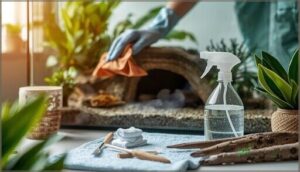
Cleaning your reptile’s accessories doesn’t have to be a weekly ordeal if you stay on top of daily maintenance. A few simple habits can prevent bacterial buildup and keep your reptile’s environment consistently safe between deep cleaning sessions.
The following practices will help you maintain a hygienic enclosure with minimal effort.
Daily Spot Cleaning Practices
You don’t need to deep clean every day—that’s where spot treatment saves both time and your reptile’s health. Daily sanitizing targets the mess before bacteria take hold, using simple cleaning tools like paper towels, gloves, and a reptile-safe spray.
Focus your daily waste management on:
- High-traffic hides and decorations where your animal rests most often
- Water dishes and surrounding surfaces that collect droppings or drowned feeders
- Basking platforms and branches showing fresh urates or smeared feces
This routine keeps reptile accessories sanitary between thorough enclosure cleaning and maintenance cycles.
Managing Humidity and Mold Risks
Without cross ventilation from low intake vents to higher exhaust openings, moist air settles around hides and decorations, creating ideal conditions for bacterial and fungal infections. Most tropical reptiles need 70 to 80 percent humidity, so substrate selection becomes critical—cypress mulch drains better than fine soils, while cork bark resists mold better than softwoods that decay in damp reptile accessories.
Establishing a Regular Cleaning Routine
Generally, a structured cleaning schedule prevents disease outbreaks and keeps your reptile healthy without overwhelming your calendar. Daily spot cleaning removes feces and shed skin from enclosure maintenance zones, weekly wipe-downs sanitize high-contact hides, and monthly deep disinfection targets all decorations using approved sanitation methods.
Routine optimization means rotating décor sets so familiar scent cues remain while you maintain reptile habitat creation standards and reptile care consistency.
Frequently Asked Questions (FAQs)
How to disinfect reptile decorations?
Most keepers reach for diluted bleach, hydrogen peroxide, or veterinary-grade disinfectants like F10SC after scrubbing decorations with hot soapy water, ensuring thorough rinses and complete drying before reintroducing sanitized items.
How to sanitize reptile hides?
Sanitizing reptile accessories begins with removing visible debris, then applying diluted bleach, hydrogen peroxide, or veterinary-grade disinfectants like F
Rinse thoroughly, air dry completely, and confirm no chemical odor remains before reintroducing reptile health essentials.
What disinfectant is safe for reptiles?
Ironically, the harshest cleaners are rarely safest.
For reptile care and safety, F10 Disinfectant, Chlorhexidine Use, Hypochlorous Acid, and VeterinaryGrade Disinfectants excel.
Meanwhile, Bleach Alternatives and Vinegar Safety offer gentle sanitizing solutions for routine cleaning.
Is Dawn dish soap safe for reptiles?
Dawn dish soap isn’t formulated for reptile habitats and can leave residues that irritate sensitive reptile skin or respiratory systems.
Use reptile-safe disinfectants, diluted vinegar, or veterinary-grade products like F10 instead.
Can I sanitize porous rocks and wood decorations?
Can you truly clean what you can’t see? Porous rocks and wood harbor bacteria deep inside, but proper sanitizing—using reptile-safe materials, veterinary disinfectants, and thorough drying—makes these natural reptile accessories safe for your animal enclosure.
How to clean electronic heating elements safely?
Unplug heating elements and allow 30 to 60 minutes to cool before cleaning.
Wipe heat mats and ceramic emitters with barely damp cloths, keeping moisture away from cords, plugs, and sockets to prevent electrical hazards.
Should I sanitize new decorations before use?
Yes, sanitize all new decorations before use. Factory dust, mold spores, bacteria, and chemical residues pose disease prevention and treatment risks to reptile health, making disinfection tips essential for safe reptile accessories and effective pet health management.
What temperature water is safest for cleaning?
Water temperature between 105 and 110 degrees Fahrenheit provides safe cleaning practices for most decorations without causing material damage. Cooler water around 90 degrees protects porous items, while proper heat limits prevent warping.
How to remove stubborn calcium or mineral deposits?
White vinegar or citric acid solutions dissolve mineral buildup on reptile accessories through acid soaking. For deep cleaning calcium deposits, scrub with non-scratch pads after soaking, rinse thoroughly, and implement scale prevention with distilled water.
Conclusion
Think of pathogen control as an invisible shield between your reptile and preventable illness. Every time you sanitize reptile decorations and hides, you’re eliminating microscopic threats that thrive in the exact conditions your animal needs to survive.
The protocols outlined here aren’t suggestions—they’re essential practices that distinguish responsible husbandry from negligence. Your reptile depends entirely on the environment you create, and that environment’s safety begins with consistent, thorough sanitation of every surface they contact daily.