This site is supported by our readers. We may earn a commission, at no cost to you, if you purchase through links.
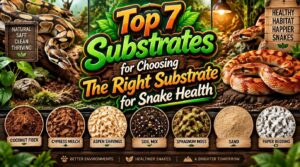
The substrate you pick for your snake’s enclosure does more than fill the bottom of a tank. It regulates humidity, helps with natural behaviors like burrowing, and can either protect your snake’s health or quietly undermine it.
Cedar shavings smell great to you but release aromatic compounds that damage a snake’s liver and respiratory system. Calcium sand gets marketed as digestible, but it isn’t. These mistakes happen because the reptile aisle offers a lot of options and very little context.
Choosing the right substrate for snake health comes down to three things: your species, your maintenance habits, and knowing which products to skip entirely.
Table Of Contents
- Key Takeaways
- How to Choose a Safe Substrate for Your Snake
- Snake Substrate Types Compared: Humidity, Texture, and Cleaning
- Top 7 Substrates for Snake Health
- 1. Zoo Med Reptisoil 10 Quart Terrarium Substrate
- 2. Zilla Green Reptile Terrarium Liner
- 3. Zoo Med Forest Floor Cypress Mulch Bedding
- 4. Zilla Alfalfa Reptile Bedding Substrate 15 lb
- 5. Zoo Med Eco Earth Coconut Fiber Reptile Substrate
- 6. Exo Terra Natural Fir Bark Reptile Substrate
- 7. Zoo Med Aspen Snake Bedding 8 Qt
- Species-Specific Substrate Needs for Ball Pythons, Corn Snakes, and Boas
- How to Clean and Replace Snake Substrate Safely
- Frequently Asked Questions (FAQs)
- What substrate should I use for my snake?
- How often should you change a snake substrate?
- What material can snakes not bite through?
- What should I put at the bottom of my snakes cage?
- What substrate is best for snakes?
- How often should you change a snakes substrate?
- What is the best flooring for snakes?
- What is the best bedding to use for snakes?
- How often should substrate be rotated between enclosures?
- Which substrates work best for breeding snake pairs?
- Conclusion
Key Takeaways
- Always match your substrate to your snake’s native habitat first — tropical species need moisture-retaining materials like coconut fiber or cypress mulch, while dry-climate snakes do best on aspen shavings.
- Cedar, pine, calcium sand, and walnut shell aren’t just bad choices — they’re genuinely dangerous, causing liver damage, respiratory harm, and life-threatening impaction.
- Even the safest substrate becomes a health hazard without daily spot-cleaning and a full replacement every four to eight weeks.
- No single substrate works for every snake, but coconut fiber, cypress mulch, and aspen cover the vast majority of species needs safely and practically.
How to Choose a Safe Substrate for Your Snake
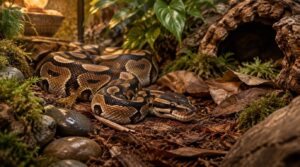
Picking the right substrate comes down to a few key factors: your snake’s species, the materials you’re working with, and what to steer clear of. Once you’ve got those sorted, keeping things clean is the last piece of the puzzle. Here’s what to think about before choosing.
Comparing your options side by side makes the decision much easier, so a snake habitat substrate and cleaning guide can help you weigh each material’s pros and cons before committing.
Match Species And Habitat
The starting point for substrate selection is knowing where your snake actually comes from in the wild. A naturalistic vivarium mirrors that environment, and habitat matching matters more than most keepers realize.
Ball pythons need moisture retention from humid West African forest floors. Corn snakes thrive on drier, sandy woodland material. Get the species specific substrate right from day one.
Compare Safe Materials
Once you know your snake’s origins, substrate selection gets a whole lot easier.
Coconut coir is a solid pick for moisture retention without waterlogging. Cypress mulch controls humidity control through gentle surface evaporation. For substrate safety, aspen shavings really shine with dry-climate species.
Every option here makes substrate replacement simple, so you can spot-clean quickly and stay ahead of odors.
Avoid Hazardous Substrates
Now that the good options are clear, let’s quickly cover what to skip. Cedar and pine shavings look harmless but release toxic aromatic compounds that gradually damage your snake’s liver and respiratory system with regular exposure.
Sand and walnut shell cause serious impaction risk when accidentally swallowed. Calcium sand gets marketed as digestible, but it absolutely isn’t. Avoid all three.
Maintain Substrate Hygiene
Picking the right substrate is really only half the job. Even the safe stuff becomes a health hazard if you’re not keeping it clean regularly.
Spot cleaning daily helps with odor control and prevents bacteria before things spiral. Watch for damp patches since moisture retention accelerates microbial growth fast. Full substrate replacement every four to six weeks resets contamination completely.
A dedicated reptile spot cleaning tool makes the daily routine faster and more precise, so there’s no excuse to skip it.
Snake Substrate Types Compared: Humidity, Texture, and Cleaning
Think of substrate as your snake’s mattress, floor, and bathroom rolled into one. Substrate selection shapes the entire enclosure experience, so understanding how different materials behave before you buy saves a lot of frustration later.
Substrate is your snake’s mattress, floor, and bathroom — choose it wisely
Cypress mulch and coconut fiber are excellent at moisture retention, releasing stored water slowly to keep humidity stable between mistings. That works beautifully for tropical species but can spell trouble for desert snakes that need drier conditions. Aspen and paper bedding dry out much faster, which makes humidity control far simpler at low levels.
For a middle-ground option that suits many tropical species, blends like this forest floor snake substrate combine peat, sand, and coconut carbon to balance moisture without waterlogging the enclosure.
Texture matters too. Chunky mulches let waste slip between particles, complicating spot cleaning and raising the risk of bacterial growth. Smooth liners flip that entirely, making ease of cleaning nearly easy.
Top 7 Substrates for Snake Health
Now that you know what to look for, it’s time to meet the contenders. These seven tested substrates cover a range of species needs, textures, and humidity profiles. Pick the one that fits your snake’s lifestyle and your maintenance routine.
1. Zoo Med Reptisoil 10 Quart Terrarium Substrate
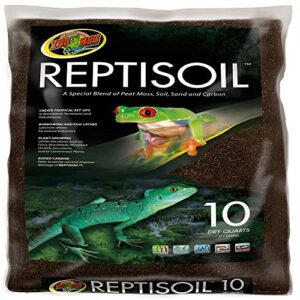
If your snake could design its own bedroom, it’d probably ask for something like Reptisoil. This peat-based, inert substrate blends soil, sand, and coconut carbon to strike a balance between moisture retention and drainage, making it a great pick for tropical and bioactive setups.
That coconut carbon isn’t just decorative. It encourages bacterial colonization and reduces odors, so your terrarium doesn’t smell like a swamp after feeding day. Your snake can burrow naturally, and if egg-laying is on the agenda, Reptisoil controls that too.
One heads-up: it’s dusty right out of the bag. Rinse or sift it before first use. A little extra prep saves your snake a lot of irritation.
| Best For | Tropical lizards, amphibians, box turtles, hermit crabs, and tarantulas kept in humid, bioactive, or naturalistic terrarium setups. |
|---|---|
| Material Type | Peat, soil, sand, coconut carbon |
| Odor Control | Coconut carbon and bacterial colonization |
| Best For | Tropical and bioactive setups |
| Natural or Synthetic | Natural |
| Burrowing Support | Yes |
| Humidity Retention | High |
| Additional Features |
|
- Coconut carbon reduces odors and supports beneficial bacterial colonization, keeping the enclosure fresher longer
- Retains moisture well to maintain stable humidity levels ideal for tropical species
- Supports natural behaviors like burrowing and egg-laying, and promotes plant growth in bioactive setups
- Noticeably dusty straight out of the bag, requiring rinsing or sifting before use
- Can develop a mildew-like smell after several days of use
- The dark powder may coat animals, requiring occasional cleaning of your pets
2. Zilla Green Reptile Terrarium Liner
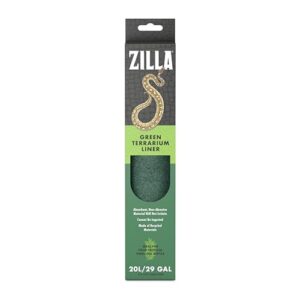
Beginners often panic at substrate options. This liner simplifies everything. Made from polyethylene and polypropylene, it’s flexible, non-porous, and completely non-ingestible, so accidental snacking during feeding isn’t a concern.
Cleanup is genuinely easy. A cold water rinse experiences most messes, though hardened waste may need some scrubbing. The enzyme treatment gets rid of odors before they build up, which your nose will thank you for.
You can cut it to fit any enclosure shape, handy for oddly sized tanks. Just watch for snagged claws and inspect edges regularly for lifting. Burrowing species won’t love it, but for low-maintenance setups, it’s a solid pick.
| Best For | Beginner reptile owners and those keeping juvenile reptiles who want a simple, low-maintenance substrate without the guesswork. |
|---|---|
| Material Type | Polyethylene and polypropylene |
| Odor Control | Enzyme treatment |
| Best For | Beginners and juvenile reptiles |
| Natural or Synthetic | Synthetic |
| Burrowing Support | No |
| Humidity Retention | N/A |
| Additional Features |
|
- Non-ingestible material removes any risk of accidental consumption during feeding
- Enzyme treatment controls odors before they become a problem
- Easily cut to fit any terrarium shape or size
- Reptile claws can snag in the material, requiring regular edge inspection
- Not suitable for species that need to burrow
- Hardened waste can stick and may need scrubbing to remove
3. Zoo Med Forest Floor Cypress Mulch Bedding
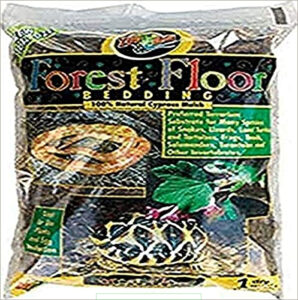
Messy to clean" is the most common gripe, but Zoo Med Forest Floor Cypress Mulch Bedding earns its spot for tropical keepers who prioritize humidity control above convenience.
This mulch locks in moisture beautifully, making shedding noticeably smoother for ball pythons and boas. It controls odor control surprisingly well, provided you don’t let it get waterlogged. Think of it like a sponge: useful when damp, problematic when soaked.
Watch the fines, though. Dusty or compacted mulch raises substrate safety concerns, from respiratory irritation to mold growth.
- Spot-clean daily; swap the full substrate every 1-2 weeks
- Rinse before use to cut dust and airborne particulates
- Balance moisture retention carefully; soggy mulch breeds mold fast
- Check for sharp bark pieces that can injure skin
| Material Type | N/A |
|---|---|
| Odor Control | N/A |
| Best For | N/A |
| Natural or Synthetic | N/A |
| Burrowing Support | N/A |
| Humidity Retention | N/A |
| Additional Features |
|
4. Zilla Alfalfa Reptile Bedding Substrate 15 lb
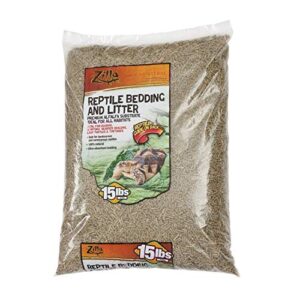
Accidentally swallowed substrate is every snake owner’s nightmare. With this 100% natural alfalfa meal bedding, that fear goes right out the window. It’s safe if ingested, so feeding mishaps won’t send you rushing to the vet.
The pelleted form lets your snake move around naturally, and the built-in bacteriostatic agent actively fights bacterial and germ growth between cleanings. That means less scrubbing for you. Win! It also doubles nicely as a dig area.
Just keep it dry. Alfalfa gets soggy fast, and soggy means moldy. It’s also not recommended as a sole substrate, so mix it with coconut fiber or reptile soil for balance. At 15.7 pounds, plenty to work with.
| Best For | Snake and reptile owners who want a natural, ingestion-safe bedding that doubles as a dig area in their enclosure setup. |
|---|---|
| Material Type | Natural alfalfa meal |
| Odor Control | Built-in bacteriostatic agent |
| Best For | Snakes needing ingestion-safe bedding |
| Natural or Synthetic | Natural |
| Burrowing Support | Yes |
| Humidity Retention | Low (avoid moisture) |
| Additional Features |
|
- Made from 100% natural alfalfa meal, so accidental ingestion during feeding won’t harm your reptile
- Built-in bacteriostatic agent helps control bacterial and germ growth between cleanings
- Works well as a dig area, adding enrichment and a more natural feel to the enclosure
- Gets soggy quickly when wet, which can lead to mold growth
- Strong odor can become noticeable in enclosed or poorly ventilated spaces
- Not suitable as a standalone substrate — needs to be mixed with other bedding materials
5. Zoo Med Eco Earth Coconut Fiber Reptile Substrate
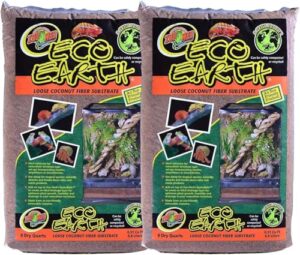
Coconut fiber is basically the tropical vacation your humidity-loving snake has been waiting for. Zoo Med’s Eco Earth uses natural coconut fiber that holds moisture without turning into a swamp, which means less frantic misting on your end.
You can use it damp to maintain that lush, tropical feel, and it naturally neutralizes odors as waste breaks down. Bonus: layer it over HydroBalls for built-in drainage and humidity control.
The 5.8-pound package covers a solid enclosure, and when it’s time for a swap, you can toss it straight into your garden compost. Just watch for mold if your setup runs extra wet.
| Best For | Reptile and amphibian keepers who need reliable humidity control in naturalistic terrariums housing species like geckos, snakes, tarantulas, or hermit crabs. |
|---|---|
| Material Type | Natural coconut fiber |
| Odor Control | Natural odor neutralization |
| Best For | Humidity-loving reptiles and amphibians |
| Natural or Synthetic | Natural |
| Burrowing Support | N/A |
| Humidity Retention | High |
| Additional Features |
|
- Holds moisture well without waterlogging, making humidity maintenance easier and reducing how often you need to mist
- Naturally absorbs and breaks down odors as waste decomposes, keeping enclosures fresher for longer
- Eco-friendly and versatile — spent substrate can go straight into garden compost or potted plants
- Some batches arrive unusually dry, which can be frustrating if you’re expecting ready-to-use substrate
- Pricier than compressed coconut brick alternatives, especially for larger enclosures that need more volume
- Can develop mold in very humid setups, so airflow and monitoring are necessary to keep things healthy
6. Exo Terra Natural Fir Bark Reptile Substrate
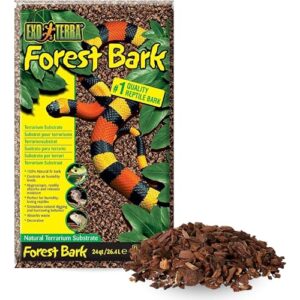
If coconut fiber is the tropics, fir bark is the forest floor your snake evolved on. Exo Terra’s Natural Fir Bark is made from 100% natural Douglas fir, giving you a substrate that looks and feels genuinely wild.
The bark’s hygroscopic properties pull in moisture and release it slowly, keeping humidity stable without waterlogging the enclosure. Less misting for you, more comfort for your snake. It also helps with natural burrowing behavior, which snakes love.
One heads-up: sift it before use since some bags include sharp twigs or dust that you don’t want in the enclosure. Spot-clean daily and plan a full substrate swap every one to three months.
| Best For | Reptile and amphibian keepers who want a natural, humidity-regulating substrate that mimics a forest floor environment for snakes, frogs, and geckos. |
|---|
- Made from 100% natural Douglas fir bark, creating an authentic, naturalistic enclosure
- Hygroscopic properties absorb and release moisture slowly, keeping humidity stable with less effort
- Encourages natural digging and burrowing behaviors that support your animal’s instincts
- Bags may contain sharp twigs, sticks, and dust that need to be sifted out before use
- Not ideal for animals prone to accidentally ingesting substrate pieces without close supervision
- Requires regular spot-cleaning and a full swap every one to three months to stay hygienic
7. Zoo Med Aspen Snake Bedding 8 Qt
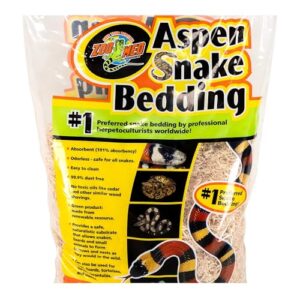
Fir bark brings the forest floor, but aspen shavings deliver something a bit more practical for everyday snake keeping. Zoo Med’s Aspen Snake Bedding earns its reputation.
Dust-free options matter more than you might expect. This bedding clocks in at 99.9% dust-free, which is a real win for respiratory health. Dusty substrates can quietly irritate your snake’s airways over time, and that’s not a fight you want. The aspen absorbs moisture well without retaining harmful oils, so substrate safety stays solid.
Your snake gets to burrow naturally in smooth, rounded chunks. And ease of cleaning is genuinely good here. Spot-clean daily and do a full swap every one to two weeks.
Species-Specific Substrate Needs for Ball Pythons, Corn Snakes, and Boas
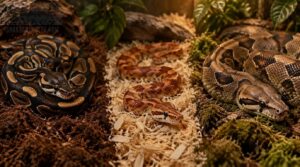
Each snake on that list has different needs, and picking the right species-specific substrate makes a real difference in daily comfort and overall health.
Ball pythons need humidity control at ground level, not just in the air. A thick coconut fiber or Reptisoil layer works well for that. Aim for 3 to 4 inches of substrate depth so your python always has that moist microclimate where it needs it.
Corn snakes prefer it drier. Aspen is your friend here because it doesn’t trap excess moisture. Keep the layer shallow and boost your substrate replacement frequency if you spot any persistently damp patches.
Boas press against their bedding constantly, so substrate safety matters. Skip coarse bark. Soft, moisture-retaining material keeps them comfortable.
How to Clean and Replace Snake Substrate Safely
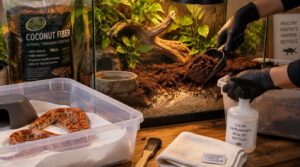
Once you’ve matched the right substrate to your species, keeping it clean is where real substrate safety pays off. Think of it like your own bedsheets. You wouldn’t wait until they’re completely soaked through, right?
Here’s your quick-clean checklist:
- Do spot cleaning daily to remove feces and soiled patches before they build up
- Move your snake to a temporary container before any substrate replacement
- Tackle the dirtiest zones first when doing a full swap
- Apply substrate disinfection to all hard surfaces, then rinse and dry completely
- Only add fresh bedding once surfaces are fully dry to keep moisture levels in check
Handle one enclosure at a time to avoid moving microbes around. Wash your hands between cages. Cross-contamination is sneaky!
Frequently Asked Questions (FAQs)
What substrate should I use for my snake?
The best substrate selection starts with your snake’s native habitat. Tropical species need moisture retention and humidity control, while arid species thrive on drier options. Match the environment first, then everything else falls into place.
How often should you change a snake substrate?
Most keepers wait too long. Spot clean waste and shed skin right away. Do a full substrate reset every four to eight weeks, or sooner if you spot any odor, mold, or persistently wet spots.
What material can snakes not bite through?
Imagine a ball python mouthing aspen, pulling out loose fibers instead. No substrate is truly bite-proof. Your best bet is a solid physical barrier that blocks tooth contact. That’s what real substrate safety looks like.
What should I put at the bottom of my snakes cage?
Stick with coconut fiber, cypress mulch, or aspen for the bottom of your snake’s enclosure. They support moisture retention and make spot-cleaning simple while keeping your snake comfortable and healthy. Always avoid cedar and pine.
What substrate is best for snakes?
What’s the real secret here? Match your snake’s needs first. Cypress mulch helps with humidity control for tropical species. Aspen shavings work well for drier snakes. Both prioritize substrate safety. Skip sand and walnut shells completely.
How often should you change a snakes substrate?
Do spot cleaning every day, pulling waste out before it piles up. Plan a full substrate replacement every one to two months, but if something smells off or looks gross, just swap it out sooner.
What is the best flooring for snakes?
Aspen shavings, cypress mulch, and coconut fiber are your go-to options for most snakes. They nail humidity control, support moisture retention, and make cleaning easy. Skip sand and walnut shells. Both cause serious health problems.
What is the best bedding to use for snakes?
It really depends on your snake’s species and their individual needs. Coconut fiber is excellent for humidity control; aspen shavings suit dry-habitat burrowers; cypress mulch controls odors. Whatever you pick, don’t skip routine substrate replacement.
How often should substrate be rotated between enclosures?
Research shows mites survive weeks in used substrate, making cross-contamination between enclosures a serious risk. So don’t rotate it. Use fresh substrate for each setup, and replace it after contamination events, not on a schedule.
Which substrates work best for breeding snake pairs?
For breeding pairs, coconut fiber and cypress mulch are your top picks. They hold humidity well, encourage burrowing, and support nesting behavior. Keep substrate 4-6 inches deep and tuck in a damp moss lay box.
Maintaining proper humidity levels for snakes is essential, as ball pythons require 55-60% humidity to prevent health issues like scale rot.
Conclusion
Think of substrate like a foundation beneath a house. Get it wrong, and everything built on top suffers quietly. Choosing the right substrate for snake health isn’t complicated once you cut through the marketing and focus on what your specific snake actually needs.
Skip cedar, skip calcium sand, and match your material to your species. Do that, stay consistent with cleaning, and your snake’s enclosure becomes a place where it genuinely thrives.
- https://peqaboo.com/knowledge/en/guides/snake-substrate-bedding-choices-impaction-and-the-woods-that-harm
- https://www.zubairkhalid.com/knowledge/veterinary-medicine/reptile-care/ball-python-substrate-selection-evaluating-safety-humidity-retention-and-ease-of-cleaning
- https://www.thecritterdepot.com/blogs/news/the-right-substrate-for-your-reptile-a-guide-to-preventing-impaction