This site is supported by our readers. We may earn a commission, at no cost to you, if you purchase through links.

Normal ball python: $40 to $60. Pastel, fire, cinnamon hatchlings: $50 to $150. Pastel fire combo: $80 to $130. Affordable ball python designer morphs exist, and you can start under $150.
Shipping a $60 hatchling adds $50 to $100 transit plus $20 to $50 packaging. Enclosure, heat mat, thermostat often exceed the snake’s price. Spider morph: 100% wobble prevalence. Champagne: variable vestibular defects. Super cinnamon, super sable: craniofacial deformities, spinal kinking.
Low sticker price tempts. Hidden costs and inherited defects decide whether a bargain holds. Price tiers, true totals, genetic red flags, trusted sellers, inspection checks: your shortlist starts here.
Table Of Contents
- Key Takeaways
- Affordable Ball Python Morphs Under $150
- Budget-Friendly Designer Combos Worth Comparing
- Total Costs Beyond Your Morph’s Price
- Ball Python Morphs With Inherited Health Concerns
- Where to Buy Affordable Designer Morphs
- Pre-Purchase Checks Before Choosing Your Ball Python
- Frequently Asked Questions (FAQs)
- Conclusion
Key Takeaways
- You can start with pastel, fire, or cinnamon morphs at $50 to $150, and a pastel fire combo at $80 to $130 is a cheap first step into stacking genes.
- Your real cost runs well past the sticker price, since shipping adds $70 to $150 and setup (enclosure, heat mat, thermostat) adds roughly $250, so compare delivered totals against local pickup before you commit.
- You should skip Spider morphs and their combos, champagnes, super cinnamon, super sable, and super fire, because they carry inherited neurological or structural defects like wobble, spinal kinking, and feeding problems.
- You’ll protect your money by buying captive-bred snakes from sellers who show pairing records, hatch dates, and 3+ documented frozen-thawed meals, then checking eyes, skin, vent, breathing, and spine before you pay.
Affordable Ball Python Morphs Under $150
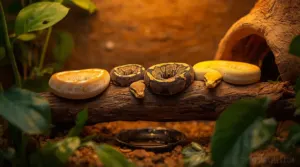
Most single-gene morphs sit under 0, and you’ll find plenty at $40 to $100 as hatchlings. Normal: $40 to $60. Yellow belly, enchi: $65 to $80. Pastel, fire, cinnamon: $50 to $150.
Prices climb quickly once genes start stacking, so this ball python price breakdown by morph shows what rarer varieties like Dreamsicle and Monsoon can cost.
Stack genes and prices climb. A pastel fire runs $80 to $130, a cheap first step into combos. Black head enchi yb het ghost, gravel 66 het clown, redstripe yb dbl het paint clown: het-heavy projects, usually $120 to $150 only when breeders discount production animals. Banana g-stripe sits right at your ceiling.
Filter your marketplace search to under $150. Verify hets with pairing records, since unproven hets carry no guarantee. Compare hatchling versus 6 to 12 month juvenile pricing; older animals often cost less and feed reliably. Avoid any Spider-based combos, because the Spider morph wobble syndrome is a documented neurological condition that affects balance and makes feeding and handling harder.
Budget-Friendly Designer Combos Worth Comparing
Past single genes, a few morph combinations punch above their price. Pastel yellow belly: $59 to $100, bright color, clean pattern. Cinnamon pastel (pewter): $100 to $150, hazy tan base, mocha stripe. Leopard pinstripe: about $120, bold contrast, thin gold lines.
Want more contrast? Highway (yellow belly gravel) runs $100 to $140 for a broken yellow dorsal. Enchi yellow belly: $80 to $130, deeper yellow, lavender tones, reduced pattern.
Recessive hets stretch your budget too. Clown het albino or het pied: $100 to $130. Pied het clown: from $90. Albino het pied: $70 to $110. You’re buying breeding potential, so ask for pairing records.
Skip any Spider pastel despite its $100 to $150 tag. That neurological wobble isn’t worth it.
Total Costs Beyond Your Morph’s Price

That $80 morph isn’t your real price. Shipping, setup, and upkeep add hidden costs fast. Below, you’ll compare shipping versus local pickup, then setup and ongoing care.
Shipping Versus Local Pickup
A $60 hatchling can cost $140 delivered, while a local $140 snake costs $140. Run both totals before you commit. If you order online, add a reptile shipping heat pack to keep the hatchling warm in transit, especially during cold months.
Since hatchlings often run $20–$60, this guide to affordable snake species helps you find budget-friendly options before shipping costs add up.
- Overnight shipping: $50–$100 plus $20–$50 packaging
- Free-shipping cutoff: commonly $150
- Local pickup: no transit risk, instant health inspection
- State rules: buyer verifies legality first
Hawaii bans most reptile imports. Don’t gamble on live reptiles reaching restricted states, so check first.
Setup and Ongoing Care Costs
Your morph’s price is the cheap part. Setup runs higher. A $60 hatchling needs roughly $250 more. A ball python starter enclosure kit can bundle the tank, heat mat, and thermostat, which often trims the total compared with buying each piece separately.
- Enclosure: 40-gallon minimum, 50–75 recommended
- Heat mat: $20–40
- Thermostat: $25–50, non-negotiable
- Substrate: coconut fiber, $8–20 per brick
- Food: frozen-thawed, $100–200 annually
Skip the thermostat and a heat mat can scorch your snake, so price both together.
Budget setup before you buy, not after.
Ball Python Morphs With Inherited Health Concerns
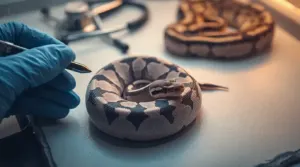
Prices under $150 can mask serious genetic trouble. Check these before buying.
Spider morph: 100% wobble syndrome prevalence. Malformed inner ear, head tremors, coordination issues. Champagne: variable wobble severity, vestibular abnormalities, spider-like mechanism.
Super cinnamon and super sable: craniofacial deformities, spinal kinking, documented cases.
Scaleless: no protective scales. Skin abrasions, infection susceptibility.
Super Fire: severe neurological deficits, impaired righting reflex, feeding difficulties.
Wobblers aren’t quirky. Tremors, head twisting and missed strikes signal a neurological problem that won’t resolve with age. Ethical breeding means disclosing every one of these traits up front, so ask sellers about health issues in their lines and request video of feeding. Your best backup: reptile veterinarians can assess any suspect animal before any money changes hands.
A snake that trembles, twists its head, or keeps missing its prey has a lasting brain problem, so have a vet check it before you pay
Where to Buy Affordable Designer Morphs
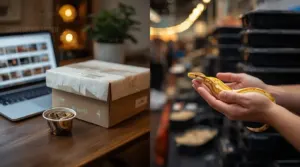
Sourcing sets your final cost as much as the morph itself. Budget hatchlings under $150 come through two main channels, each with its own shipping, vetting, and record-keeping trade-offs. Here’s how online marketplaces and direct breeders compare with local sellers and reptile expos.
Online Marketplaces and Direct Breeders
MorphMarket connects you with hundreds of breeders. Filter by price, morph, location. Sort under $150, then screen seller ratings.
Direct breeder sites list lineage, feeding records, temperament notes. Ask for hatch date, current weight, last feed. Confirm frozen-thawed feeding.
Signature confirmation required on delivery. Get the 7-day live arrival guarantee in writing. Compare shipped totals, not sticker prices, every time.
Local Sellers and Reptile Expos
Shipping runs $40 to $100+. Local pickup: $0.
Check these at reptile expos and with local sellers:
- Feeding records, 3+ meals logged.
- Shed records, clean full sheds.
- Genetic info, het and combo lineage.
- Body condition, weight, skin, temperament.
- Facility conditions, rack temps, cleanliness.
Find sellers through breeder directories. Ask for captive-bred snakes only. Compare designer ball pythons side by side, then haggle.
Pre-Purchase Checks Before Choosing Your Ball Python
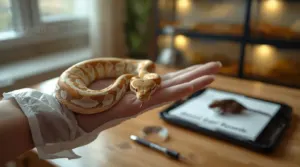
A $90 snake doesn’t need a vet-level exam, right? It does, because cheap animals hide the same problems expensive ones do.
Run these pre-purchase checks in person or by video before you pay:
- Eyes and skin: clear eyes, no retained spectacles, no mites, no scars, no visible spine.
- Feeding: documented frozen-thawed meals, 3+ consecutive, enthusiastic response.
- Vent and breathing: clean vent, no wheeze, no clicking, no open-mouth breathing.
Handle the snake too. Support its full body and watch for steady tongue-flicking and calm movement. Balling tightly is normal for a nervous ball python, but striking or stargazing isn’t. A soft-tipped snake hook for ball pythons can help you gently lift and assess a nervous snake without startling it.
Vet the seller. Ask for hatch date, parentage, and care records, then check parentage against morph health issues. Always confirm it’s captive-bred.
Frequently Asked Questions (FAQs)
Do designer morphs behave differently from normal ball pythons?
Designer morphs, same temperament as normal ball python morphs. Morph genetics, negligible behavioral influence. Husbandry rules: temps, hunger, shed cycle.
Spider-gene combos, one exception: possible wobble syndrome. Assess your captive-bred pythons in person before buying.
How long do ball pythons typically live in captivity?
Typical captive lifespan: 20–30 yrs. Care-reference average: 20–25 yrs. Individual variance. Rare cases: 40+ yrs, St. Louis Zoo record 47 yrs. You’re signing up for a multi-decade commitment. Husbandry quality drives outcomes.
Can ball pythons be handled safely every day?
Daily handling isn’t necessary, and it can stress ball pythons. Sessions: 10-15 minutes, a few times weekly.
48-hour post-feeding gap. No handling during shed. Skip sick or new snakes. Wash your hands with soap after.
How often should a hatchling ball python eat?
Feed your hatchling every 5-7 days. Some keepers stretch to 7-10 days, so feeding schedules vary by prey size and individual. Offer one prey item sized to widest body girth. Track your meals and weight.
What temperature and humidity do ball pythons need?
Warm side: 88–92°F surface, measured by infrared thermometer. Never exceed 95°F basking. Cool side: 76–80°F. Nights: 75°F minimum. Humidity: 50–60%, 70–80% during shedding cycles. Verify your temperature gradients with two thermometers; hygrometer at snake level.
Conclusion
Price the snake. Price the shipping. Price the setup. Then price the risk, because affordable ball python designer morphs only stay bargains when genetics cooperate.
Skip spiders, champagnes, and super cinnamon or sable pairings. Pick pastel, fire, or cinnamon instead. Verify feeding records, check for wobble, inspect eyes, mouth, and spine, and buy from breeders who show clutch data.
Your best bargain is a healthy, feeding hatchling at a fair all-in total. Buy that one.