This site is supported by our readers. We may earn a commission, at no cost to you, if you purchase through links.

A normal ball python costs about $20, yet a female Sunset starts near $1,000 and top-tier projects top $20,000. Both animals eat the same rats and live in the same $300 setup, so the gap has nothing to do with upkeep.
Pricing rare vs common morphs comes down to genetics, because a recessive trait needs two carrier parents, a 25% visual rate, and a female that takes three years to mature. Markets also move fast, and a morph can lose 50–75% of its value in a single season once supply catches up.
Here’s how inheritance, stacking, records, and ownership costs shape what you’ll actually pay.
Table Of Contents
- Key Takeaways
- Common Vs. Rare Ball Python Morph Prices
- How Inheritance Shapes Single-Gene Morph Prices
- Why Multi-Gene Morphs Command Higher Prices
- How Supply and Demand Shift Morph Prices
- What Breeder Records Add to Morph Value
- Upfront and Ongoing Morph Ownership Costs
- Frequently Asked Questions (FAQs)
- Conclusion
Key Takeaways
- You’re paying for how hard an animal is to produce, not how it looks, because recessive traits need two carrier parents, hit only a 25% visual rate, and come from females that take about three years to mature.
- Stacking genes raises prices far faster than adding them up, since both parents must carry every gene and only a small share of clutches produce the exact visual, which is why a three-gene animal runs $2,000 to $4,000 against $200 to $600 for a single recessive.
- Prices follow supply and demand more than any gene list, so a morph bought at its peak can lose 50% to 75% of its value in one season once breeders flood the market, especially with fast-multiplying dominant traits.
- Pedigree charts, shed-skin tests, and clutch history justify a higher price, while upkeep stays the same whatever you pay, so you should budget about $300 to $500 for vet emergencies and buy only documented animals.
Common Vs. Rare Ball Python Morph Prices
Price tiers in the ball python market follow a clear ladder, and knowing where an animal sits on it keeps you from overpaying. A normal ball python costs $20 to $40, while common co-dominant singles like Pastel, Cinnamon, and Spider run $75 to $175. Step up to entry-level morphs such as Banana, Lesser, and Mojave and you’ll pay $100 to $250.
Browsing ball python breeders near you lets you compare these price tiers in person and confirm an animal’s morph before you pay.
Recessives like Clown and Piebald jump to $300 to $700 because they need two copies of a gene to show, which makes them harder to produce. Female ball pythons also generally cost 30–50% more than males, and importing from US breeders adds roughly $150–300 CAD in shipping.
At the top, rare recessives and complex combinations cost $800 to $2,500 or more. Female Sunsets start near $1,000, and top-tier projects pass $20,000, so your budget decides which tier makes sense.
How Inheritance Shapes Single-Gene Morph Prices

A single gene’s price depends less on how it looks than on how it’s inherited, because inheritance pattern sets how often breeders can produce it. Two patterns matter most when you’re comparing single-gene morphs, and each one pushes cost in a different direction. Here’s how they work and what they mean for what you’ll pay.
Recessive Traits and Visual Odds
A visual animal costs more when its odds are hard to reach, because recessive genes hide in carriers. Use a morph pairing calculator to check your recessive trait probability: A dedicated ball python breeding genetics book can walk you through recessive, dominant, and codominant inheritance so the calculator’s numbers make more sense.
- Het-to-het pairing: 25% visual per egg.
- Visual to het: 50% visual.
- Het to normal: zero visuals.
- Targeting one sex: halve every figure.
Small clutches swing wildly, so judge results across clutches.
Dominant and Incomplete Dominant Traits
Dominant morphs behave the opposite way, because one copy shows in the animal, so you never have to guess what’s hiding. That’s why they carry a lower price floor of $75 to $200, while recessives start higher.
Whichever morph fits your budget, it’s worth reading up on the California kingsnake’s typical temperament before you bring one home.
Incomplete dominant traits add a twist: two copies produce a distinct super form, which commands far more since it needs two matching parents.
Why Multi-Gene Morphs Command Higher Prices
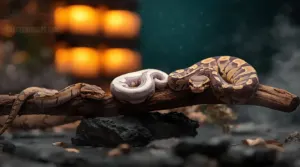
Once you know how single genes pass down, the jump to multi-gene combos makes sense, because each added recessive gene multiplies the odds a breeder has to beat.
A four-gene animal isn’t priced at four times a single gene. It’s priced on genetic rarity, since both parents must carry every gene and only a fraction of clutches produce the exact visual.
That’s why a rare single-gene morph can outprice a common four-gene combo, as this ball python morph price comparison shows.
Females often need three years to mature and breed back, and you’re paying for every year of feeding and housing along the way. That’s why morph prices climb from $200–$600 for a single recessive to $2,000–$4,000 for a three-gene stack.
Looks matter, since gene stacking can brighten colors and clean up patterns, which your morph value assessment should weigh.
How Supply and Demand Shift Morph Prices

Prices follow supply and demand in herpetoculture more closely than any fixed gene list, because a morph’s snake market value rises on novelty and falls once breeders produce offspring in volume.
Dominant traits catch up fast, while recessive ones stay scarce for years, so your morph value assessment should account for how quickly a gene can multiply.
These moments have hurt buyers and sellers alike:
- Paying peak price for a gene that crashes within a season.
- Watching unsold clutches pile up while rivals undercut you.
- Selling at 50% to 75% below last year’s prices.
- Learning your rare gene looks like a cheaper one.
- Holding a twelve-gene snake nobody finds attractive.
Genetic rarity only protects prices when demand cycles stay kind.
What Breeder Records Add to Morph Value

How much is a paper trail actually worth to a buyer? More than most sellers expect, because records turn claims into evidence, and evidence lets you charge for what you can prove rather than what you hope.
| Record | What it proves | Price effect |
|---|---|---|
| Pedigree chart | Ancestry across generations | Backs rare morph prices |
| Shed-skin test | Verified het status | Higher price |
| Clutch history | Proven fertility | Adult female premium |
By contrast, an undocumented animal forces buyers to trust your word, so they’ll discount it. Keep feeding and health logs too, because they show how reliably a hatchling eats, and they protect your breeder reputation if a buyer questions what you sold. Treat every entry as part of the price, not as paperwork afterward.
Upfront and Ongoing Morph Ownership Costs

A $75 normal and a $5,000 designer morph eat the same rats and need the same heat, so the purchase price tells you very little about what you’ll spend next.
Whether a snake cost seventy-five dollars or five thousand, its appetite and warmth needs are identical, so the price tag never predicts your real expenses
Animal husbandry costs stay flat across snake pricing tiers, because enclosure, thermostat, hides, and feeder rodents don’t scale with genetics. Budget roughly $200 to $400 for setup, then a few dollars monthly for food and substrate.
Vet care is where your herpetoculture investment can quietly grow. An exotic exam runs $80 to $200, and tail-tip amputation can reach $1,200. Respiratory infections won’t resolve alone, because cool temperatures, excess humidity, and poor ventilation need correcting alongside antibiotics.
Hold a $300 to $500 reserve for mites or burns, fund it before buying.
Frequently Asked Questions (FAQs)
Can you negotiate prices with breeders?
Think of a listing price as an opening bid, not a sealed door. Yes, you can negotiate, because most breeders accept respectful offers within 5 to 10 percent, unless the listing is clearly marked price-firm.
Where can beginners safely buy rare morphs?
Start with established sellers, because breeder reputation protects you from mislabeled genetics. MorphMarket’s verified reviews and live arrival guarantees help, while expos let you inspect snakes in person, and facilities like Ghost Constrictors offer lineage records and support.
How do you spot a scam seller?
Say a seller lists a banana pastel clown for far below market, then swaps the animal’s sex in a later message. You’d verify the photos first, because scammers copy them and demand untraceable payment fast.
Do rare morphs carry more health risks?
Rarity alone doesn’t predict illness, because most ball python morphs carry no documented defects. The real health risks sit in specific genes like Spider or Champagne, so check the genes in before you ever pay.
Are rare morphs harder to care for?
Not by rarity itself, but by genetics. Price reflects scarcity, so a pricey morph needs the same basics as a common one, yet Spider wobble, kinked spines, or scaleless skin can demand closer feeding and humidity attention.
Conclusion
Does rarity explain a morph’s price? Not really. Scarcity only matters when genetics, demand, and documentation back it up, so pricing rare vs common morphs traces to how hard an animal is to produce and how many people want it.
Before you buy, check the lineage records, confirm the genes are proven, and budget for the years a female needs to mature. Then you’ll pay for value, not hype, and keep it when trends fade.