This site is supported by our readers. We may earn a commission, at no cost to you, if you purchase through links.
A $40 hatchling and a $15,000 quad recessive sit in the same hobby. Both are ball pythons. The difference is genetics, documentation, and the breeder behind the table.
Ball python morph price comparison gets complicated fast. A pastel lists at $100. Add a clown gene, then pied, and you’re past $3,000 before the hatchling eats its first meal. Supply tightens, demand spikes on social media, and prices shift between seasons without warning.
Understanding what drives those numbers separates buyers who land quality animals at fair prices from those who overpay for the wrong morph.
Table Of Contents
- Key Takeaways
- Ball Python Morph Prices by Tier in 2026
- Popular Ball Python Morph Price Comparison
- Why Ball Python Morph Prices Differ
- Breeder and Market Effects on Pricing
- How to Compare Morph Prices Confidently
- Frequently Asked Questions (FAQs)
- What are the cheapest morphs for ball pythons?
- Which ball python morph is the most expensive?
- How much do ball python morphs cost?
- What is the best ball python morph?
- What permits or licenses are required to own ball pythons?
- How do I verify morph genetics before purchasing?
- Are there hidden costs in ball python ownership?
- Whats the resale value of common morphs over time?
- Can I breed my ball python for profit legally?
- How often do ball python morphs reproduce?
- Conclusion
Key Takeaways
- Ball python morph prices span $40 to $15,000+, with genetics, sex, documented lineage, and breeder reputation driving the gap far more than appearance alone.
- Multi-gene combinations command higher prices not just because they look complex, but because the odds of reproducing a specific outcome drop with every added gene.
- Timing your purchase matters: late summer brings 10–30% price dips as seasonal clutches flood the market, while spring and holiday windows push prices back up.
- The cheapest listing rarely stays cheap — skipping health checks, pedigree verification, and breeder reputation can turn a $50 snake into hundreds in vet bills.
Ball Python Morph Prices by Tier in 2026
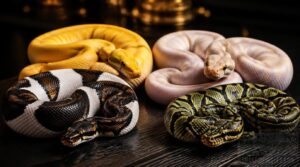
Ball python prices span a wide range, from affordable first pets to specialized breeding investments. In 2026, the genetics, sex, age, and documentation behind a snake matter as much as its appearance. Use the price tiers below to see where each type of morph usually falls.
Whether you’re budgeting for your first hatchling or hunting a rare adult morph, browsing ball pythons for sale near you can help you compare captive-bred options across every price tier.
Entry-Level Morph Price Ranges
Most entry-level ball python morphs sell for $40 to $120 as hatchlings in 2026. Normals and simple morphs commonly land around $60 to $100, while Pastels and Spiders often bring $70 to $150 when market demand tightens.
Your hatchling price rises with contrast, feeding records, and local supply and demand. A proven adult price sits higher, but that is not entry-level territory. Buyers can use a data-centered comparison approach to weigh listings, feeding records, and local availability.
Mid-Range Morph Price Ranges
Midtier morphs usually list at $150 to $400, while stable multi-gene combinations often reach $250 to $500. Mojaves, Pinstripes, and Lessers commonly anchor this bracket; Banana and Axanthic-influenced animals often sit higher.
Expect a hatchling price of $180 to $350 before shipping. Sex, documented lineage, breeder prices, and local market demand can move comparable animals by 20 percent. A proven adult price is higher.
High-End Morph Price Ranges
High-End Morph Price Ranges usually run $500 to $3,000 for desirable multi-gene projects, confirmed lines, and strong visual quality. Genetic rarity, sex, and breeder reputation determine where an animal lands.
- Complex Clown or Pied combinations: $700–$1,800
- Stabilized Axanthic projects: $900–$2,500
- Proven adult females: 10–25% higher
- Documented genetics: 10–20% premium
These prices stop short of ultrarare morphs, but they reward production potential.
Ultra-Rare Morph Price Ranges
Once you move past $3,000, you’re buying ultrarare morphs built for serious breeding projects. Morph pricing reflects genetic rarity.
| Tier | Typical price | What commands it |
|---|---|---|
| Confirmed pair | $5,000–$10,000 | Genetic rarity |
| Single baby | $2,500–$8,000 | Proven lineage |
| Quad recessive | $15,000+ | Excellent pattern |
| Auction lot | $12,000+ | Limited supply |
Expect price fluctuation when demand outruns available stock.
Rarity Versus Genetic Complexity
Rarity Versus Genetic Complexity aren’t interchangeable in a Ball Python Morph Price Comparison. A scarce single-gene animal may cost more than a crowded four-gene combo, while breeding difficulty can reverse that equation.
- Genetic rarity limits available stock.
- Complex pairings produce inconsistent outcomes.
- Verified lineage protects morph pricing.
Pay for reproducible genetics, not just a long gene list on paper alone.
Before committing to a purchase, browsing reviews and breeder profiles through a trusted ball python breeders directory can help you verify that the genetics you’re paying for are consistently produced.
Popular Ball Python Morph Price Comparison
Popular morphs can look similar on a sales page while carrying very different price tags. To compare fairly, match genetics, sex, age, and whether the animal has proven breeding value. The ranges below show where the most commonly purchased morphs usually fall in 2026.
Normals, Pastels, and Spiders
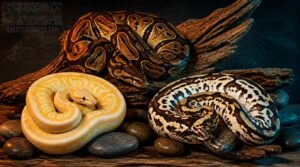
In a Ball Python Morph Price Comparison, availability controls the entry point.
| Morph | Typical 2026 price | Buying read |
|---|---|---|
| Normal | $40–$80 | Basic pet |
| Pastel | $75–$150 | Brighter color |
| Spider | $75–$150 | Wobble risk |
Pastel adds cream color, but normal supply holds morph pricing down. Spider needs caution: its gene can cause neurological wobble. Choose breeder reputation, documented feeding, and handling video over cheap listings.
Serious breeders often rely on genetics tracking software for breeders to document lineage and flag potential wobble-carrying offspring before they’re sold.
Mojaves, Pinstripes, and Lessers
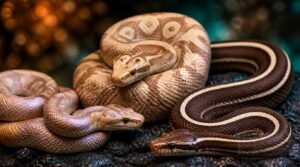
Although their looks differ, Mojave, Pinstripe, and Lesser occupy an affordable single-gene buying lane.
| Morph | Typical ball python price range |
|---|---|
| Mojave/Pinstripe | $100–$175 |
| Lesser | $75–$125 |
Mojave’s faded alien heads and Pinstripe’s clean rails justify a modest premium. Lesser costs less because supply runs deeper. Check morph inheritance before paying extra. Documented parent genetics simplify triple-gene valuation and materially reduce buying risk.
Bananas, Clowns, and Pieds
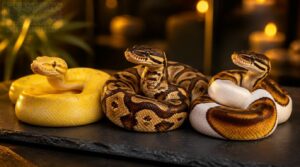
Banana, Clown, and Pied sit above basic single-gene stock, but documented genetics decide the real value.
| Morph | Typical 2026 range |
|---|---|
| Banana | $100–$175 |
| Clown | $125–$250 |
| Pied | $175–$350 |
Strong morph demand favors bright Banana animals, clean Clown patterning, and high-white Pieds. Verified combinations command more. Compare sex, history, confirmed hets, and parentage before paying.
BEL, Scaleless, and Axanthic

These three morphs reward careful comparison, not impulse buying.
| Morph | Typical price | Buyer check |
|---|---|---|
| BEL Morph | $250–$500 | Confirm parent genes |
| Scaleless | $500–$1,200 | Inspect skin |
| Axanthic | $200–$450 | Identify line |
| Combo projects | $750+ | Verify genetics |
BEL premiums reflect blue-eyed appeal. Scaleless costs more; husbandry is unforgiving. Axanthic value follows contrast. Request genetic testing, track morph market trends, and pay for health records.
Hatchling Versus Adult Prices
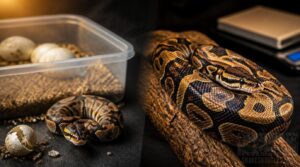
Size changes the math. Common-morph hatchlings usually list at $100–$350, while comparable adults bring $250–$800.
| Stage | What you gain |
|---|---|
| Hatchling | Lower entry cost |
| Adult | Known breeder value |
Hatchling pricing reflects time, care risk, and unconfirmed genetic inheritance. Adult morph value rises with documented feeding, temperament, fertility, and lineage. Watch morph market trends: seasonal clutches depress breeder prices 10–30 percent.
Why Ball Python Morph Prices Differ
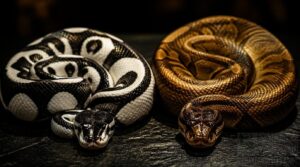
Two ball pythons with similar patterns can carry very different price tags. Genetics, breeding value, documentation, and current market supply all shift what a seller can reasonably ask. Use the factors below to judge whether a morph’s price reflects real value.
Single-Gene Versus Multi-Gene Morphs
Because each added gene narrows the odds of producing a specific look, Multi-gene morphs usually command higher Breeder prices than Single-gene morphs. A Pastel is predictable; a stacked Clown can exceed its Ball python price range.
- Single-gene morphs: broad supply, clear outcomes.
- Multi-gene morphs: layered traits, lower odds.
- Morph rarity: complexity lifts demand.
Buy verified genetics, not the photograph alone.
Age, Sex, and Breeding Status
Gene stacks set baseline, but age and sex determine whether a listing produces value now. A young female may cost less, yet she brings ownership costs and waiting before joining breeding projects.
Proven adult females command premiums because they can generate clutches immediately. Breeder reputation, breeding status, and reproductive history protect resale value; males cost less unless their genetics strengthen a project.
Proven Genetics and Fertility
Proven adult females with documented clutch history carry real price premiums. A snake that has produced healthy offspring removes the guesswork from your breeding projects.
Fertility records and a solid health guarantee separate reliable stock from a gamble. Confirmed producers cost more upfront, but that premium reflects certainty, not potential. Lineage verification backs the asking price when sellers can show consistent reproductive output.
Pedigree and Genetic Testing
Pedigree documentation traces sire and dam identities across generations, giving you a foundation for real lineage verification.
Genetic testing through microsatellite panels or SNP markers confirms parentage and screens for recessive disorders. Labs return allele certificates you can independently verify. Breeders who run full panels pay more to produce tested stock, and that cost reaches the asking price.
Supply, Demand, and Saturation
Supply and demand set the floor and ceiling on every morph you consider. Single-gene saturation hit hard in the early 2020s, compressing margins on pastels and spiders as listings multiplied.
Rarer multi-gene combos held their premiums because supply stayed constrained.
When demand spikes after an influencer feature, breeder prices firm up fast and available stock thins within days.
Breeder and Market Effects on Pricing
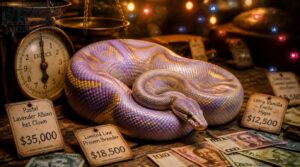
The morph itself is only part of the price equation — where you buy it matters just as much. Source reputation, timing, location, and even a single viral post can shift what you’ll pay by hundreds of dollars. Here’s what actually moves the market on the buyer’s side.
Established Breeder Price Premiums
A name carries weight in this market. Established breeder premiums can push identical morphs 30-50% higher than hobby-bred alternatives.
- Lineage documented across multiple generations
- Consistent hatch rates from proven stock
- Strong repeat-buyer referrals and social proof
- Transparent listings with high-quality photography
You’re not paying for the snake alone. You’re paying for the reputation behind it.
Health and Live-Arrival Guarantees
A guarantee isn’t decoration. Live-arrival coverage often spans 24 to 48 hours post-delivery, and reputable breeders back it with photo documentation requirements and defined claim windows. Sellers who ship overnight typically require proper insulation and reptile shipping heat packs to support any live-arrival claim.
Health screening runs deeper. Most established sellers conduct a pre-shipment health check within seven days of the ship date. If a problem surfaces within 72 hours, expect a replacement or refund, not silence.
Seasonal Hatchling Price Swings
Timing beats budget for hatchling prices. Seasonal hatchling price swings follow three predictable phases:
- Spring peak: breeder prices climb 10-20% as first clutches hit the market
- Late summer dip: market saturation drops the ball python price range noticeably
- Holiday spike: morph rarity demand pushes prices back up in November
Shop in late summer. Same genetics, lower price.
Regional Availability and Shipping
Where you live affects what you pay. Domestic shipping runs $45 to $150, depending on distance and service level. International orders can push past $400 once customs fees and specialized handling stack up.
Most reputable breeders ship overnight with temperature-controlled packaging, keeping snakes in the 70 to 85 Fahrenheit range. Some regions require health certificates or import permits, adding both time and cost before the animal reaches you.
Social Media Demand Spikes
A single viral TikTok can flip a morph’s price overnight. When an influencer posts a designer morph showcase, buyer inquiries spike within 24 to 72 hours, and breeders often raise asking prices to match demand.
That momentum rarely lasts. Social media saturation hits fast, and morphs trending today can flood the market within a single breeding season, dropping values sharply.
How to Compare Morph Prices Confidently
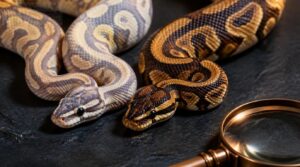
Knowing a morph’s price range is only half the battle — knowing how to read a listing is the other half. A $600 Mojave and a $400 Mojave aren’t always the same animal once you factor in age, source, and what’s included. These five checkpoints will sharpen your eye before you spend a dollar.
Before you judge any price tag, it helps to study ball python morphs with unique patterns so you can spot whether that striking look is a true morph or just natural variation.
Compare Like-for-Like Listings
Matching apples to apples matters more than the price tag alone. When comparing listings, align morph, age, and sex exactly. A hatchling normal morph shouldn’t compare against an adult designer morph.
Check that ball python price range data reflects the same region, since shipping shifts total cost. Common morphs and ultra-rare morphs need separate comparison pools to mean anything.
Verify Health and Morph Authenticity
Price alignment only takes you so far. A misrepresented snake can easily derail a breeding project before it starts. Always request pedigree documentation and morph genetic testing results.
- Confirm a live arrival guarantee and vet records
- Cross-check morphs using established genetic calculators
- Verify lineage through a recognized breeder network
A mislabeled co-dominant will cost you more than its purchase price.
Calculate Setup and Shipping Costs
Once authenticity checks out, factor in your delivery and housing costs. Shipping costs run $25 to $55 after boxes, liners, and heat packs. Your enclosure setup adds $150 to $300 once you include heating equipment.
Even feeding expenses for the first month belong in your budget. Don’t price the snake alone. Calculate everything it takes to bring that animal home.
Estimate Ongoing Ownership Expenses
Beyond setup, the real test of your budget is what you spend every month. Feeding alone runs $20 to $60 monthly, depending on prey size and frequency. Substrate, electricity for heating and humidity, and cage cleaning supplies add another $20 to $45.
Budget $50 to $150 annually for routine vet care. Over a decade, those numbers stack fast.
Choose Value Over Lowest Price
The cheapest listing rarely wins long term. A $50 spider from an unknown seller can cost $300 in vet bills within six months.
The cheapest snake often becomes the most expensive lesson
Breeder reputation and health guarantees cut that risk. Proven genetics, live arrival coverage, and post-sale support aren’t bonuses; they’re part of the real cost.
Factor in lifetime ownership costs, and paying $100 more upfront often saves money.
Frequently Asked Questions (FAQs)
What are the cheapest morphs for ball pythons?
Normals are the seed most keepers plant first. Normal ball pythons and pastels are the cheapest morphs, with morph pricing from $50 to $ Common morphs like spiders fill reptile expos below midtier morphs.
Which ball python morph is the most expensive?
The Stranger morph sits at the top, with private sales reaching $20,000 USD. High-demand multi-gene combos like Stranger-bamboo blends push even higher, occasionally touching $30,
How much do ball python morphs cost?
Ball python morphs range from $25 for basic normals to well over $10,000 for ultra-rare designer combinations. Your budget and goals determine which tier makes sense.
What is the best ball python morph?
No single morph wins outright. The best ball python morph depends on your budget, goals, and tolerance for health issues like spider wobble. Prioritize what fits your setup, not just what looks striking.
What permits or licenses are required to own ball pythons?
In most U.S. states, no permit is needed to own a ball python – think of it like the Wild West out there. Your local city ordinances, not federal rules, are what actually govern ownership today.
How do I verify morph genetics before purchasing?
Always request pedigree documentation and clear photos from multiple angles. Ask for genetic testing results when available, and check whether each parent’s breeding combination properly confirms heterozygous status before you commit to a final purchase.
Are there hidden costs in ball python ownership?
Yes, and the purchase price is only ever the beginning. Initial setup alone runs $300 to $1, Budget carefully for monthly feeding, substrate, and electricity, plus emergency vet reserves across a 20- to 30-year lifespan.
Whats the resale value of common morphs over time?
Common morphs lose 15 to 40 percent of their value within three to five years. Market saturation drives that drop as wider breeding availability outpaces demand, quietly eroding resale returns on normals, pastels, and spiders alike.
Can I breed my ball python for profit legally?
Breeding for profit is legal in most U.S. states, but business licensing, tax registration, and local breeding regulations all apply. California requires a specific propagation permit. Verify your state’s rules before producing your first clutch.
How often do ball python morphs reproduce?
Up to 10 eggs per clutch, and morph genetics never change that number. Females hit reproductive maturity at roughly 1,500 grams around age two to three, then produce one clutch annually, regardless of color pattern.
Conclusion
The cheapest snake in the room can still end up costing you the most. Skipping health checks, ignoring pedigree, or chasing a trend morph without understanding genetics turns a bargain into an expensive lesson fast.
Any careful ball python morph price comparison starts with knowing exactly what you’re actually buying. Genetics, provenance, and health aren’t optional extras. They’re the price. Pay attention to those three things, and the number on the tag finally makes sense.