This site is supported by our readers. We may earn a commission, at no cost to you, if you purchase through links.

A Desert Ghost Clown ball python once sold for over $10,000. By 2025, you could find one for under $1,000. That swing explains a lot about why pastel morphs are expensive, and why the price tag on a hatchling rarely tells the whole story.
A basic Pastel runs $75 to $150, yet a Pastel paired with a few recessive genes can top $800. Genetics, scarcity, and buyer hype all push the number up or down, and each one rewards the people who understand it. Once you see how they work, you can spot a fair price before you hand over a deposit.
Table Of Contents
Key Takeaways
- A basic Pastel runs just $75 to $150, so a much higher price usually means extra genes, a second Pastel copy, or hype rather than the Pastel itself.
- Every added recessive gene makes a combination far rarer (three together show up in about one in 64 babies), which is why multi-gene animals can top $800.
- New morphs launch at steep prices but fall once breeders flood the market, as the desert ghost clown did when it dropped from over $10,000 to under $1,000, so waiting a season or two often saves you money.
- Ask for parentage records, health checks, and lineage documentation before you pay a premium, and remember that ownership costs of $25 to $60 a month will dwarf the snake’s price tag.
Why Are Some Pastel Morphs Expensive?
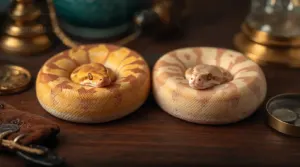
Why does one Pastel sit at a modest price while its look-alike cousin costs several times more? The answer rarely comes down to a single factor. Pastel itself isn’t rare, so the premium usually comes from what surrounds it: the phenotypic expression you can see, the other genes stacked alongside it, and the market demand at the moment you shop.
For context, Pastel hatchling prices often range from $50 to $150, so a much higher tag usually reflects added genes or traits.
Breeding potential matters too, because a proven animal that passes on its traits with solid genetic predictability saves a breeder seasons of guesswork. Add a clean health record and documented lineage, and the price starts making sense.
If you’re weighing what a premium morph is really worth, this corn snake morph and care guide shows how color, genetics, and upkeep factor into a fair price.
Before you buy, do some price research, since hype can inflate a tag faster than quality can justify it. Stay a little skeptical.
Typical Pastel and Super Pastel Prices
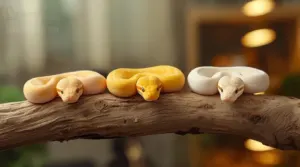
Once you start shopping, the numbers fall into fairly predictable bands. Here’s what 2026 hatchlings generally cost:
- A basic Pastel morph runs $75 to $150, though major breeders sometimes list up to $299.
- A single-gene Super pastel usually costs $200 to $400.
- Two-gene combos such as a Super pastel Leopard land in the same $200 to $400 range.
- Pastel morphs with recessive genes climb to $400 to $800, while three or more genes push past $800.
Seller location matters too, and identical animals have been listed anywhere from $320 to $600. Last year’s hatchlings often sell for 20 to 40 percent less, so a little price research can save you real money. Treat those figures as ranges, not fixed promises.
Since morph rarity drives so much of that price spread, a complete hognose snake morph guide helps you judge whether a listing is fairly priced.
Genetics and Appearance Influence Pastel Premiums
Pastel prices come down to two things you can actually see and measure: how many copies of the gene an animal carries and what else it’s paired with.
The list below covers both, starting with the gap between a single pastel and a super pastel. Once you know how each one works, a price tag will start to make a lot more sense.
Pastel Versus Super Pastel
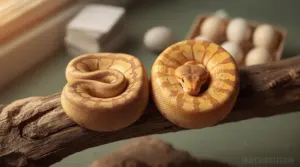
A single-copy Pastel morph looks bright; two copies look brighter, but not always obviously so.
| Trait | Pastel | Super pastel |
|---|---|---|
| Copies | One | Two |
| Passed to offspring | About half | All |
That second row is why breeders pay more for a super pastel, since its breeding potential skips the gamble.
Because Pastel x Pastel pairings produce predictable ratios, it helps to understand how ball python morphs inherit before planning your own pairings.
Looks alone can’t prove it, so ask sellers for parentage records before buying.
Rare Multi-Gene Combinations
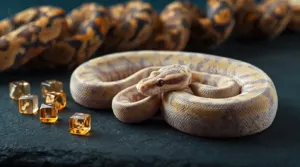
Once you start stacking genes, the math gets unkind. Say you pair two animals that each carry three recessives. Each recessive shows up in roughly one out of four babies, so all three together land near one in 64.
That’s why a Pastel Zebra or Albino Clown Pied is a rare multi-gene combination, and why prices climb.
Supply, Demand, and Hype Shift Prices

A new morph combination almost always debuts at a premium, because few breeders hold the animals and plenty of buyers want one first. That’s the early stage of the hype cycle, and it rarely lasts. Once more breeders produce the same combination, market saturation pushes prices down. The desert ghost clown is the classic warning, sliding from over $10,000 to under $1,000 by 2025.
Hot new morphs launch at steep prices, but once breeders flood the market, even a ten-thousand-dollar snake can plummet below a thousand
Supply and demand also respond to expectations. Buyers pay extra for morphs like zebra or monsoon before they’re widely produced, betting on future combos.
So if market trends have you eyeing a morph, ask whether you’d want it at a tenth of the price. Otherwise, wait a season or two. Patience is free, but overpaying costs money.
Species Differences Affect Morph Pricing
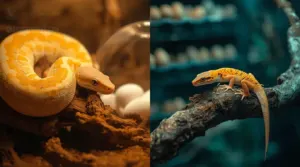
Most of the price gap between species comes down to four factors, and ball pythons win on nearly every one.
- Clutch size: ball pythons lay 4 to 10 eggs yearly, so supply stays tight.
- Market size: far more buyers chase ball pythons than niche species like leachianus geckos.
- Lifespan: 20 to 30 years of breeding potential justifies a higher upfront cost.
- Compatibility: Pastel stacks cleanly with Clown or Pied, while hybrids often misbehave.
Geckos can lay eggs every few weeks, so new morphs flood the market and prices sag within a season or two. Ball pythons release combinations slowly, which keeps morph pricing steadier despite their genetic complexity.
Check species-specific forums and recent sales, since market trends differ by animal.
Buying Pastel Morphs Without Overpaying
Paying too much for a pastel usually comes down to two things you can check before you hand over any cash. The list below covers health and verified genetics first, then how the purchase price versus ownership costs shake out once the snake is home. Work through both, and a $75 pastel won’t quietly turn into a $300 mistake.
Health and Verified Genetics
A pastel’s price tag only makes sense if the animal matches the label, and that’s where paperwork earns its keep. Verified genetics protect you from paying super pastel money for a regular pastel.
| What to check | Why it matters |
|---|---|
| Pairing records | Proves the parents’ genes |
| Health evaluations | Flags mites, retained shed |
| Lineage documentation | Backs up the premium |
Pastel carries no known morph-linked health defects, so ask about feeding and husbandry instead.
Purchase Price Versus Ownership Costs
The snake is the cheap part, and the rack is where the real money goes. A pastel morph might cost $150 today, yet total cost of ownership keeps climbing for years. A ball python starter kit with an enclosure, heat lamp, and thermostat helps you avoid costly setup mistakes early.
Budget $25 to $60 monthly for rodents, substrate and electricity, plus up to $100 yearly for vet checks. Choose reputable breeders, because a bargain animal with problems costs more.
Frequently Asked Questions (FAQs)
Does pastel coloring change as a snake ages?
You might assume a bright hatchling stays bright, but it often doesn’t. A pastel morph can brown out with age, though color variation is real, and fire or desert ghost genes often keep the brightness.
Can pastel morphs have health problems linked to genetics?
No, not from the pastel gene itself. Neither Pastel nor Super Pastel carries a documented neurological problems risk like wobble, and neither shows kinking or infertility. Your real concerns are ordinary ones, like respiratory infections and shedding trouble.
Do pastel ball pythons make good pets for beginners?
A single pastel ball python usually costs less than a decent enclosure setup, which says a lot. Yes, they suit beginners: they’re calm, rarely bite, and the pastel morph itself carries no known health problems.
How long does it take a pastel to reach breeding size?
Males usually hit breeding weight around 8 months, at roughly 700g. Females take longer, usually 2 to 3 years, because they need about 1200g. Feed steadily, since growth rate varies from one snake to another.
How can you tell a pastel from a normal ball python?
Ironically, the animal that looks "boring" is the one you should study first. Put your snake beside a known normal under bright light, then check for cleaner bellies, brighter yellow, lighter head and blushing.
Conclusion
A basic Pastel costs $75 to $150, while one carrying a few recessive genes can pass $800. That gap answers why are pastel morphs expensive: you’re paying for rarity, genetics, and timing, not just a pretty color.
Before you buy, ask for proof of lineage, check the animal’s health, and budget for enclosure and vet costs. A cheap snake with shaky genetics costs more later. Pay for what’s verified, and the price will feel fair.