This site is supported by our readers. We may earn a commission, at no cost to you, if you purchase through links.
You spot a snake curled up by your back steps, and your brain immediately starts running worst-case scenarios. Is it venomous? Will it bite the dog? Should you grab a shovel? Take a breath first, because most snakes want nothing to do with you.
Snakes show up in yards for simple reasons, usually rodents, shelter, or a warm patch of concrete. Panic leads to bad decisions, like poking at something you can’t identify. Safe snake removal methods rely on distance, patience, and knowing when to call in backup.
Here’s how to handle it calmly, from the first sighting to sealing up your yard for good.
Table Of Contents
- Key Takeaways
- Assess Whether Snake Removal is Safe
- Follow Safe DIY Snake Removal Steps
- Respond Safely to Venomous Snakes
- Snake-Proof Your Home and Yard
- Hire Humane Snake Removal Professionals
- Frequently Asked Questions (FAQs)
- How do you remove a snake from a house?
- How do you get rid of snakes naturally?
- How do you stop a snake from snoozing?
- How do you get a snake out of a trap?
- How do you stop a snake from escaping?
- How do you get rid of snakes safely?
- Does anything really keep snakes away?
- How to get a snake out of your house if you can’t find it?
- What does Epsom salt do to snakes?
- How to handle an injured snake safely?
- Conclusion
Key Takeaways
- Stay calm and keep your distance first, since most snakes just want to be left alone and panic leads to bad decisions.
- Never try to identify a snake by color, size, or rattling, since these are unreliable clues and only trained pros should handle venomous snakes.
- If you’re removing a non-venomous snake yourself, gear up with thick gloves and snake-proof boots, use tools like hooks or a hose instead of your hands, and check local relocation laws first.
- The real fix is prevention: seal up gaps, clear brush and debris, keep grass trimmed short, and control rodents so snakes have no reason to stick around.
Assess Whether Snake Removal is Safe

Finding a snake in your yard doesn’t mean you need to grab a shovel and go full hero mode. Before you do anything, you’ve got to figure out if this is a job you can safely handle yourself. Here’s what to check first.
Take a breath and observe from a distance first—if you’d rather avoid these encounters altogether, creating a snake-friendly yard that keeps them away from high-traffic areas is worth planning for next season.
Keep Children and Pets Away
Before anything else, get the kids and pets clear of the area. Keep children and pets away using baby gate barriers, supervised play zones, and interior door seals to block indoor access.
Outdoors, rely on outdoor boundary marking so nobody wanders toward the snake. Handle pet food safety too, since bowls left out invite trouble. This isn’t a job for bravery, it’s a job for a safe distance and eventually, protective gear or a professional trained in humane removal. A recent survey on human-wildlife interaction patterns found that most people report mostly positive feelings toward wild animals but still show low tolerance for fear-inducing encounters, underscoring why calm, cautious handling matters.
Observe From a Safe Distance
Once the area’s clear, stay put and watch. Keep several body lengths distance, hold a clear line of sight, and track its position using landmarks like rocks or fence posts.
- Avoid sudden movements
- Move slowly away if it coils
- Note behavior for threat assessment
- Watch for defensive posture
This groundwork helps later with species identification.
Avoid Common Identification Myths
While you’re watching from a distance, don’t trust old wives’ tales to ID the snake. Color patterns can fool you, since harmless species often mimic venomous ones.
Diamond-shaped heads and vertical pupils are better clues, but not foolproof. Tail rattling and size mean nothing on their own.
Round pupils, like coral snakes have, prove looks lie.
Note Its Location and Behavior
Once looks are ruled out, focus on the snake’s spot and actions. Is it near a woodpile, foundation, or sunny patch of pavement? Note the exact location, then watch its movement pace and any coiling.
Slow, still snakes may be guarding; fast ones are fleeing. Jot down details for professional wildlife removal services if needed.
Decide if DIY is Appropriate
Now comes the big question: handle it yourself, or call in backup? Assess risk factors first. If you’re unsure of the species, lack protective gear like snake hooks, or pets and kids are nearby, skip DIY. Check legal restrictions too. When in doubt, professional wildlife removal services keep everyone safer.
Follow Safe DIY Snake Removal Steps
So you’ve decided this snake is one you can handle yourself, non-venomous and low-risk. Good call, but "safe" still means doing this the right way, step by step. Here’s exactly how to get that snake out of your space without anyone getting hurt.
Before you even get close to it, check whether you’re legally allowed to relocate or keep it, since local rules on wild-caught snakes vary widely — and if you’re eyeing a pet snake down the road instead, this guide to choosing the best beginner snake for small apartments is a great place to start.
Wear Protective Clothing and Boots

Think of your clothes as armor, not fashion. Wear long pants tucked into snakeproof boots with good ankle coverage and solid sole traction for gripping uneven ground.
Grab thick leather gloves, the bite-resistant kind, and keep your legs fully covered. Check boot fit first: snug heels, no gaps. This protective gear keeps you at a safe distance from harm while you work.
Create a Clear Escape Route
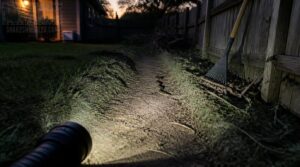
Before a snake ever moves, clear its path. Rake away grass clippings, sticks, and clutter so the route stays open.
Keep it short and simple, straight toward a fence line or brush pile, away from doors. Good route visibility matters just as much as clearance, so daylight or a flashlight helps everyone keep a safe distance.
Guide Outdoor Snakes With Water

Water is your best friend here. If a non-venomous snake is lingering near your yard, spraying it with a hose from a safe distance often nudges it right back toward the pond or stream it came from.
No touching, no drama, just a gentle push toward home. Watch its behavior first, calm and retreating is good; coiled and hissing means back off and call a professional with snake hooks and tongs.
Use Tools Without Direct Contact

Keeping distance is the whole game. Snake hooks and tongs let you grip and guide without ever touching scales, using padded surfaces so you don’t hurt the snake.
Look for:
- Curved, padded hook ends
- Long grips for safe distance
- Locking grips for control
Clean tools with soap and water after, so pathogens don’t hitch a ride to the next job.
Follow Local Relocation Laws

Before you scoop up that snake, check your local laws, some states ban DIY relocation entirely. Rules cover Species Protection Rules, Geographic Release Zones, and permit requirements for certain snakes.
Skipping this step can mean fines. When in doubt, When in doubt, call licensed wildlife removal services, professionals know the local laws inside and out.
Respond Safely to Venomous Snakes

Venomous snakes call for a whole different game plan than the ones you’d use in your backyard. There’s no shame in stepping back here, this is where caution truly earns its keep. Here’s exactly how to keep everyone safe when the situation gets serious.
Never Attempt Direct Handling
Once you spot a venomous snake, your hands stay in your pockets, period. Avoid bare-hand contact and skip improvised tools like broom sticks too. Snakes strike fast when they feel cornered, so recognizing strike readiness matters more than bravery.
This job belongs to wildlife removal services trained for safe distance work and humane removal, not weekend heroics.
Secure The Area Immediately
Since your hands are staying put, your next job is area clearance. Wave bystanders back, kids and pets included, and set a 10 meter safety perimeter using cones or tape.
Move slow, note wind and terrain for escape route creation, then check for hazards like water or clutter. Safe distance keeps everyone protected until the pros arrive with hooks and tongs.
Watch for Defensive Behavior
While you wait behind that perimeter, watch snake behavior closely. Look for head raising, tail coiling, hissing, tongue flicking, or body shaking, all warning signs.
A triangular head shape and coiling defensively mean back off further. Stay calm, keep your safe distance, and let the pros read the signals from here.
Contact Emergency Wildlife Professionals
Once that snake settles into a defensive posture, it’s time to make the call. Call a wildlife hotline or your state agency to request licensed help. Report the snake sighting with its location and behavior.
Trained wildlife experts arrive with real snake handling training, plus tongs and tubes you don’t have. Get emergency response moving while you hold your safe distance.
Follow Proper Snakebite First Aid
Bites happen fast, so assess bite severity first. Call 911, keep the victim still, limb below the heart. Clean wound properly with soap and water, apply a loose pressure bandage, skip tourniquets entirely.
Position victim correctly, remove jewelry and shoes, monitor symptoms closely. Antivenom stops venom’s progress, and every minute counts. This first aid for bites is your safety net until pros arrive.
Snake-Proof Your Home and Yard
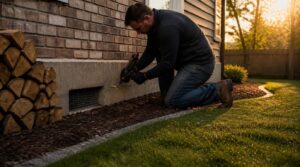
Getting a snake out of your house is a win, but the real goal is making sure it doesn’t happen again. That means looking at your place through a snake’s eyes and closing off every invitation you didn’t know you were sending. Here are five practical steps to lock things down.
Seal Gaps and Entry Points
A snake can squeeze through a gap the size of a pencil, so tiny cracks matter. Try door sweep installation, foundation crack sealing, weatherstripping, and vent screening. Wrap utility penetrations with mesh.
A snake can squeeze through a gap the size of a pencil, so sealing every tiny crack truly matters
- Rubber door sweeps
- Foundation crack sealing
- Vent cover screening
- Weatherstripping application
- Utility penetration sealing
Test gaps with a ruler, quarter-inch or bigger needs sealing now.
Remove Debris and Hiding Places
Think like a snake: where would you hide? Clear brush piles, tall grass, and loose rock walls, snakes love the cover.
Stack woodpiles neatly and off the ground, raise compost bins away from walls, and haul off old lumber or leaf piles fast. Fewer hiding spots means fewer unwanted visitors.
Control Rodents and Food Sources
Snakes don’t care about your yard, they care about lunch. If rodents are hanging around, snakes will follow.
Store food in airtight containers, clean up spills weekly, and pull pet bowls in at night. Raise containers off the ground, and seal cracks rodents squeeze through. Less prey means fewer snakes sticking around.
Trim Grass and Dense Vegetation
A tall lawn is basically a snake’s welcome mat. Grass height maintenance matters most: keep it under 4 inches, trimmed weekly.
- Cropped grass blades
- Cleared shrub lines
- Open foundation edges
- Trimmed overhanging branches
- Debris-free borders
Focus vegetation thinning and edge border clearing near play areas. This habitat modification, paired with structural vegetation clearance, exposes hiding spots fast.
Use Repellents With Caution
Repellents work best as backup, not your main defense. Skip mothball and ammonia myths; stick to EPA-registered products like Victor Snake-A-Way, and reapply after rain.
| Product Type | Caution |
|---|---|
| Naphthalene | Toxic, EPA-banned outdoors |
| Essential oils | Weak, close-range only |
| Sulfur/garlic-vinegar | Unproven results |
| EPA-registered granules | Safer, reapply every 2-3 months |
Pair repellents with habitat changes for real results.
Hire Humane Snake Removal Professionals

Sometimes the smartest move is knowing when to call in backup. A good wildlife pro experiences the snake safely and sets you up so it doesn’t happen again. Here’s what to look for when you’re picking the right one.
Look for someone who can also advise on enclosure conditions—details like using a water bowl to raise humidity make a real difference in preventing future stress for your snake.
Find Licensed Local Wildlife Experts
Once a snake’s too much to handle alone, it’s time to call in backup. Start with License Verification Steps: check your state’s database, confirm certification requirements, and look for insurance proof. County offices offer local agency referrals too. Compare a few:
- Verify licensing online
- Check service area coverage
- Confirm insurance status
This gets you professional, licensed local wildlife experts for humane removal, not guesswork.
Confirm Humane Removal Practices
A license only proves paperwork, not kindness. Ask how they actually handle capture: are tongs and hooks used for stress-free handling, or do they grab and go?
Good outfits release snakes nearby, in matching habitat, and often check back after. That’s the difference between true ethical release methods and someone just dumping the problem down the road.
Ask About Species Identification
Good release habits mean nothing if the wrong snake gets grabbed in the first place. Ask how the crew confirms species identification before touching anything.
A pro should mention:
- Head shape and pupil checks
- Pattern and color review
- Juvenile features, since young snakes look different
That mix keeps nonlethal methods safe for everyone involved, including the snake.
Repair Access Points After Removal
Once the snake’s gone, ask what happens next. A solid crew won’t just walk away, they’ll seal foundation cracks, install door sweeps, cover roof vents with hardware cloth, and repair utility line gaps using exterior-grade caulk. That follow-through is what stops round two from happening under your porch next month.
Plan Long-Term Snake Prevention
Once the crew leaves, your real work starts. Think of prevention as a habit, not a one-time chore.
- Mow grass short, trim shrubs, and clear debris regularly
- Keep rodent control and food storage tight
- Check snakeproof fencing and sealed gaps every season
Consistent yard maintenance beats any single fix, since habitat modification only works if you keep it up.
Frequently Asked Questions (FAQs)
How do you remove a snake from a house?
Uninvited houseguests rarely bring snacks, and this one definitely won’t. Secure pets, keep your distance, and either broom-guide it toward an open door or trap it under a bucket, then call licensed professionals for humane removal.
How do you get rid of snakes naturally?
Mow your lawn, clear woodpiles, and seal foundation gaps to remove shelter. Plant marigolds or lemongrass, spray cedarwood or clove oil, and try predator scents like fox urine along fence lines for extra defense.
How do you stop a snake from snoozing?
Think a napping snake just means it’s gone for good? Not quite, it’ll return if the spot’s cozy. Break up warm hideouts with temperature shifts, seal cracks, clear debris, and trim grass so it slithers elsewhere for good.
How do you get a snake out of a trap?
Pour vegetable oil over the glued area, wait a few minutes, then slide a spatula underneath gently. Never yank the snake free. Once loose, release it using proper relocation site selection, far from entry points.
How do you stop a snake from escaping?
Ever watch a snake vanish through a gap you swore wasn’t there? Block escape routes with buckets or boxes, use a snake hook for distance, and guide it calmly using slow, steady containment techniques toward secure trapping.
How do you get rid of snakes safely?
Getting rid of snakes safely starts with distance and patience. Use snake hooks or tongs for safe handling tools, avoid direct contact, and call a professional for venomous or tricky cases requiring humane, non-lethal trapping methods.
Does anything really keep snakes away?
Repellents like cinnamon or clove oil have weak evidence at best.
Habitat modification and food source control work far better. Clear debris, cut grass short, and remove rodents.
Real snake exclusion beats any spray bottle for lasting results.
How to get a snake out of your house if you can’t find it?
Can’t spot it? Seal interior gaps, clear debris, and set cool dark lures like damp towels near suspected hiding spots. Watch for track dust patterns or rustling sounds. Still hidden after a day? Call a professional.
What does Epsom salt do to snakes?
Grandma’s remedy for sore muscles turns out to be a decent yard trick too. Sprinkled as Epsom salt barriers, it creates sensory disruption and a gritty physical texture deterrent snakes avoid, though reapply after rain since it dissolves fast.
How to handle an injured snake safely?
Picture a coiled, panicked snake. Slip on puncture-resistant gloves, support its body at the midsection with a towel, then ease it into a ventilated container. Call licensed professionals, minimize handling time, and monitor closely for stress afterward.
Conclusion
A snake in your yard is like a smoke alarm, a signal, not a threat, telling you something drew it there. Answer that signal instead of the snake itself.
Safe snake removal methods work because they respect the animal’s space while protecting your own. Seal the gaps, clear the clutter, and call a pro when things feel uncertain. Handle it calmly once, and your yard stays quiet for seasons to come.