This site is supported by our readers. We may earn a commission, at no cost to you, if you purchase through links.
A dirty water dish doesn’t just look bad—it’s one of the fastest ways to make your snake sick. Bacteria multiply in standing water within hours, and biofilm can coat the bowl’s surface before you even notice anything looks off. Most keepers who deal with respiratory infections or mouth rot never connect it back to the water dish, but that’s often exactly where the problem started.
Knowing how often to clean snake water dish setups—and doing it on a consistent schedule—takes less time than you’d think. A few targeted habits keep harmful bacteria from gaining any foothold.
Table Of Contents
- Key Takeaways
- How Often to Clean Water Dishes
- Signs The Bowl Needs Cleaning
- Daily and Weekly Cleaning Steps
- Monthly Disinfection and Replacement
- Safe Cleaners and Bowl Materials
- Top 5 Water Dish Cleaning Items
- Frequently Asked Questions (FAQs)
- How to clean a snake?
- How to clean a snake tank?
- How often should you clean a water tank?
- Can you use mouthwash on snakes?
- Where do snakes go in October?
- How to disinfect a snake water bowl?
- Can I use tap water for my snake?
- How big should a snakes water dish be?
- Should I clean the dish more during shedding?
- How do I prevent algae in the water bowl?
- Conclusion
Key Takeaways
- Change your snake’s water every single day, deep-clean the bowl weekly with a soft nylon brush and mild soap, and disinfect it with diluted bleach every 3–6 weeks to stay ahead of bacteria and biofilm.
- Don’t wait for cleaning day — cloudy water, waste, shed skin, or a slimy rim all clean the bowl right now, no matter where you are in your schedule.
- Stainless steel bowls outperform plastic every time: they resist heat, don’t absorb odors or leach chemicals, and their non-porous surface gives bacteria almost nowhere to hide.
- air-dry the bowl completely before refilling — a damp surface is all bacteria need to multiply, and skipping this step quietly undoes every other cleaning habit you’ve built.
How Often to Clean Water Dishes
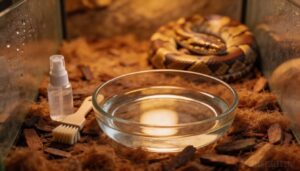
Keeping your snake’s water dish clean isn’t complicated, but it does follow a rhythm. Stick to a consistent schedule and you’ll stay ahead of bacteria, biofilm, and anything else that sneaks in between changes.
A simple snake water bowl cleaning routine takes just minutes a day and makes a real difference in your snake’s health over time.
Here’s the cleaning frequency that actually works.
Change The Water Every Day
Change the water in your snake water bowl every single day. Daily water change isn’t just about cleanliness — it’s essential for bacterial load reduction, hydration benefits, and humidity balance during shed cycles.
Empty the bowl each morning, rinse with hot water, and refill with fresh water at room temperature.
Consistent daily rinses support water quality management and help reduce your snake’s stress noticeably.
Spot-clean Within 24 Hours of Waste
Daily rinses handle routine buildup, but waste needs faster action. If you spot feces, urates, or debris in the bowl, don’t wait — clean the water dish within 24 hours.
- Set Timing Alerts on your phone as reminders
- Do Visual Checks at least twice daily
- Use a Quick Wipe with a paper towel to remove waste
- Wear Glove Protection every time you handle the dish
- Keep Log Documentation to track your spot cleaning routine for reptiles
This simple habit pairs perfectly with your daily water change.
Deep-clean The Bowl Once a Week
Spot-cleaning addresses emergencies but weekly deep scrubs go further.
Once a week, pull the bowl from its placement spot, scrub every surface with a soft nylon brush and safe cleaning solutions for reptiles — mild dish soap works well — then rinse until nothing remains.
Full disinfection isn’t needed yet, but weekly deep cleaning procedures reset water quality and keep biofilm from gaining ground.
Disinfect The Bowl Every 3–6 Weeks
Weekly scrubs handle buildup, but they don’t kill everything. Every 3–6 weeks, rotate into a full Monthly Disinfection Schedule using safe cleaning solutions for reptiles.
Soak your snake water bowl in a fresh bleach solution — Bleach shelf-life matters, so mix it new each time — for 10 minutes, rinse until no chemical smell remains, then air-dry completely.
That’s your disinfection methods reset.
Clean Immediately When The Bowl Looks Dirty
Don’t wait for cleaning day if the bowl already looks wrong. Visual Inspection Timing is your best guide — cloudy water, floating debris, or a slimy rim all mean clean the water dish right now.
Spot Cleaning Tools like a soft brush and hot rinse for Immediate Water Replacement. Quick Drying Strategies and smart Bowl Positioning Tips keep daily rinses, weekly deep scrubs, and safe cleaning agents working together for solid reptile hygiene.
Signs The Bowl Needs Cleaning
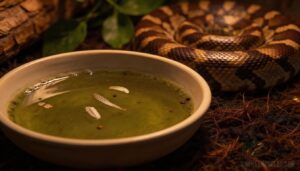
Your snake can’t tell you the water’s gone bad, but the bowl usually can. A few clear signs mean it’s time to stop, dump it, and clean before refilling.
Watch for any of these.
Cloudy or Discolored Water
Cloudy water is your first warning sign — don’t ignore it. Bacterial contamination, mineral buildup, algae growth, and residual soap can all cloud the water fast. Here’s what each looks like:
- Milky or opaque — biofilm or bacterial contamination
- Pale rim tinge — mineral buildup from hard water
- Green or murky — algae growth from light exposure
- Hazy film — residual soap from incomplete rinsing
Feces, Urates, or Shed in The Bowl
Feces, urates, or shed skin in the bowl mean one thing: change the water now.
Fresh urates wipe off easily, but dried urate crust clings stubbornly — soften it with warm water first.
Fecal residue spreads microscopic contamination even after visible bits are removed, demanding a full scrub.
Shed pieces break down fast, triggering bacterial contamination and waste-induced water cloudiness.
Don’t wait.
Substrate, Food Bits, or Debris
Substrate particles, food bits, and loose debris in the water dish are red flags you shouldn’t ignore. Fine substrate moisture control breaks down fast once debris enters the bowl — bacterial contamination follows quickly.
Scoop out food bit traps and rinse immediately. Even small particles stir up cloudiness through debris stirring prevention failures. If it’s in the bowl, clean it now.
Slimy Film or Biofilm Buildup
That slick, slimy coating inside your snake water bowl isn’t just gross — it’s a biofilm. Microorganisms attach to wet surfaces, form microcolonies, and build a matrix of sugars and proteins that resists your usual rinse.
That slimy bowl coating is biofilm — a microbial matrix engineered to survive your rinse
This disinfectant resistance makes biofilm removal techniques essential.
In water systems, low flow velocity promotes growth and accelerates biofilm formation.
Don’t wait for it to thicken. Use a reptile safe disinfectant and scrub it out today.
Bad Odor From The Water Dish
A weird smell rising from the water dish is your first red flag. Stagnant water in a warm environment becomes a breeding ground for bacterial growth, mold and mildew, and biofilm — all releasing foul odors fast.
Surface microabrasions trap residue that ammonia reduction alone won’t fix. Residual cleaning agents can also leave behind lingering smells.
Adjust your cleaning frequency and schedule for reptile habitats before it gets worse.
Extra Cleaning After Soaking
Soaking leaves behind more than just water. After any water soaking session, do a post-soak residue removal right away — rinse with daily hot water rinses, scrub with a soft nylon brush, and use mild dish soap or white vinegar only when needed.
Do a material wear inspection for cracks, then prioritize bowl drying optimization before refilling.
Log each clean for cleaning log maintenance.
Daily and Weekly Cleaning Steps
knowing the signs is one thing — acting on them consistently is what actually keeps your snake safe. A solid routine doesn’t have to be complicated, but it does need to be done right every time.
Here’s exactly how to handle both your daily and weekly cleaning steps.
Empty The Bowl Fully Each Morning
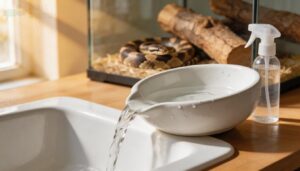
Every morning, before anything else, empty any remaining water from your snake water bowl completely. Don’t just top it off — dump it fully. daily water bowl maintenance routine removes overnight waste buildup and prevents bacteria from taking hold within hours.
While you’re there, do a quick bowl positioning review and enclosure moisture check. Clean the water dish regularly, and your snake stays healthier.
Rinse With Hot Water Before Refilling
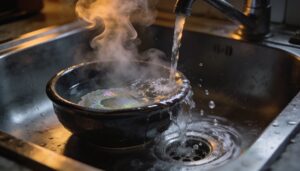
After emptying, rinse the bowl with hot tap water — around 50–60°C. That temperature range hits the sweet spot for thermal biofilm removal, loosening oils and slime without warping the bowl. This ideal rinse temperature also aids microbial load reduction better than warm water alone.
Heat resistant bowls handle this easily. The rapid drying that follows means you’re ready to refill faster.
Scrub With a Soft Nylon Brush
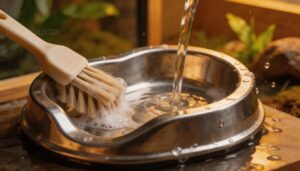
A quick rinse loosens the surface grime, but a soft brush finishes the job. Use a nylon brush to scrub the dish — heat‑resistant bristles well, won rust, and keeps its shape in warm water.
- Color‑coded zones guide scrubbing pressure
- Brush stiffness levels vary by model
- Gentle biofilm removal without scratching nonporous stainless steel
- Avoiding rust means no metal bristles
- Circular strokes clear corners fast
Use Mild Dish Soap When Needed
Hot water covers most daily cleanings, but mild dish soap earns its place during weekly cleanings when biofilm clings to the snake water bowl.
Choose a food-grade soap for smart Food-Grade Soap Selection — no antibacterial agents, no added lotions.
For Soap Application Frequency, use a pea-sized amount only when visible residue persists.
Watch for skin irritation after cleaning, and always store soap away from the dish for Soap Storage Safety.
Rinse Until No Residue Remains
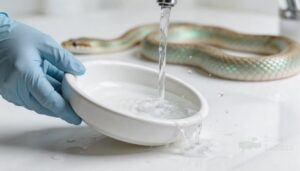
After scrubbing with soap or white vinegar, rinsing is where most people cut corners — and snakes pay for it. Run a multiple rinse cycle with warm water, checking rinse water clarity each pass.
Do a surface smoothness check with your fingertip; any slippery feel means residual soap detection isn’t done yet.
Finish with a non-abrasive wipe to confirm the bowl is truly clean.
Air-dry Before Putting It Back
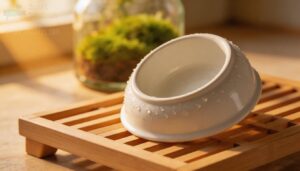
Don’t skip the air-dry step — it’s where moisture residue prevention actually happens. Set the bowl on a drying rack for proper airflow enhancement, and give it 15 to 30 minutes in a warm spot.
A fully dry surface means no condensation build-up prevention issues later and no dilution of fresh water. Complete drying is non-negotiable in any daily water bowl maintenance routine.
Monthly Disinfection and Replacement
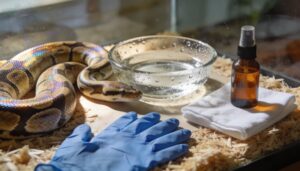
Weekly cleaning keeps things tidy, but it won’t kill everything lurking in the bowl. Once a month, you need to go deeper — actual disinfection, not just a rinse.
Here’s exactly how to do it safely and when it’s time to swap the bowl out entirely.
When to Disinfect The Water Dish
Routine cleaning isn’t enough on its own — disinfection is what actually resets the pathogen risk. Aim for every 3–6 weeks on a standard schedule, but adjust based on your setup:
- Temperature Impact & Humidity Influence: Warm, humid enclosures accelerate microbial growth, so shorten the interval to 2–3 weeks.
- Multiple Snakes: Shared water sources demand more frequent disinfection to prevent cross-contamination.
- Seasonal Adjustments: Summer heat warrants tighter cleaning frequency and schedule for reptile habitats.
Safe Bleach Dilution and Soak Time
Bleach works — but only when you get the ratio right. Mix 1/3 cup of Clorox Splash Less Bleach per gallon of cool water.
Always use cool water; hot water breaks down sodium hypochlorite and weakens the solution.
Preclean the bowl first to remove debris, then soak for 6 minutes. That contact time is non‑negotiable for reliable disinfection.
Reptile-safe Disinfectant Contact Time
Reptile-safe disinfectants like F10SC need 10 to 15 minutes of wet contact time to actually work. That’s the dwell time that matters — not just a quick wipe.
Remove all organic matter first; leftover debris blocks the disinfectant from reaching the surface. Keep the bowl visibly wet throughout, and maintain good ventilation while it soaks.
Rinsing Until No Chemical Smell Remains
After disinfecting, rinsing properly is what makes the bowl actually safe. Use hot water — around 40 to 50°C — for your temperature rinse guidance, and go through at least two full pours. That’s your multiple rinse baseline.
For your odor detection method, trust your nose: no chemical smell means you’re done.
Tilt the bowl, check for slipperiness, and do a residue visual check before air drying.
Inspecting for Cracks and Scratches
Once rinsing is done, give the bowl a proper once-over before refilling.
Surface Integrity Checks catch problems you’d otherwise miss.
Run your finger along every surface — cracks from rim to base, microscratches prevention starts with finding them early.
Hold the bowl at an angle under light for Visual Light Inspection and Microcrack Detection.
Watch for:
- Hairline cracks — signs of Material Fatigue from thermal shock
- Scratches deeper than 1mm — Scratch Depth Assessment for bacterial harborage
- Discoloration near edges — signals microfractures beneath
- Pitting on stainless steel — early rust starting points
When to Replace The Bowl Entirely
Sometimes a crack or deep scratch is the final word. If Surface Scoring has worn through the nonporous surface, bacteria will win every time — no amount of scrubbing fixes that. Warping Deformation, Chemical Staining, or Material Fatigue are all signs that the bowl is done.
Replace plastic bowls every 6–12 months and swap any bowl the moment Crack Depth makes a clean rinse impossible.
Safe Cleaners and Bowl Materials
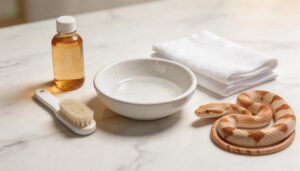
Not every cleaner is safe for your snake, and the bowl you choose matters more than most people think.
The wrong combo — like a harsh chemical in a scratched plastic dish — can create a bacteria trap, no amount of scrubbing will fix.
Here’s what actually works, starting with the cleaners and materials worth using.
White Vinegar Cleaning Method
White vinegar is one of the safest tools in your cleaning schedule planning. It’s non-toxic, cheap, and manages biofilm breakdown without harming your snake. Use these dilution ratios:
- Light maintenance: 1 part vinegar to 4 parts warm water
- Weekly deep clean: 1 part vinegar to 1 part warm water
- Stubborn buildup: soak 5–10 minutes, then scrub
Acidic safety makes it a reliable first choice before reaching for any ReptileSafe Disinfectant Options.
Mild Dish Soap Cleaning Method
Mild dish soap works well when vinegar isn’t cutting through grease or residue. Mix 1 tsp per liter of warm water — that’s your dilution ratio.
Water temperature should feel hot to your hand but not scalding.
Use a soft nylon brush for brush selection, scrub all surfaces, then rinse until residue verification is complete: no suds, no scent.
Store soap away from the enclosure.
Reptile-safe Disinfectant Options
When stronger disinfection is needed, you have solid options.
F10SC Veterinary disinfectant is a go-to — dilute it per label, let it contact the surface fully, and rinse clean. Chlorhexidine Solution works similarly. Hydrogen peroxide (3%) oxidizes surface microbes on already-scrubbed bowls. Oxygen bleach treats staining well. White vinegar and mild dish soap stay useful for routine work, but these reptile-safe disinfectant choices treat the deeper jobs.
Stainless Steel Vs Plastic Bowls
Both materials have trade-offs worth knowing before you buy.
- Durability comparison: Stainless steel lasts 5–10 years; plastic warps, cracks, and chips much sooner
- Heat resistance: Stainless withstands hot water and sunny enclosures without warping — plastic can’t
- Chemical leaching: Stainless is inert; even BPA-free plastic may absorb odors or react with cleaners
- Cost over time: Plastic costs less upfront, but you’ll replace it far more often
Why Non-porous Bowls Stay Cleaner
Non-porous surfaces win on every front that matters for hygiene. That smooth surface gives bacteria almost nowhere to anchor, which means low biofilm formation and easier rinses. The chemical barrier built into glazed stainless resists organic staining, and thermal tolerance keeps the finish slick after hot-water cleaning.
| Feature | Non-Porous Bowls |
|---|---|
| Biofilm Risk | Minimal attachment points |
| Visual Detectability | Slime shows clearly on glossy finish |
| Cleanability | Brush glides without snagging |
| Bacterial Resistance | Smooth surface repels pathogens |
Choosing non-porous water bowls is straightforward: stainless steel leads, and preventing bacterial and fungal infections starts with the right material.
Why Complete Drying Matters
A damp bowl is an open invitation for microbes. Moisture is the single biggest factor driving microbe growth reduction — bacteria and fungi multiply fast on wet surfaces, and biofilm prevention becomes nearly impossible if you skip this step. Always air-dry fully before refilling.
- Chemical safety: residues dissolve back into fresh water on wet surfaces.
- Residue detection: a dry bowl reveals leftover film you’d otherwise miss.
- Odor control: damp organic matter breaks down fast, fouling water quality within hours.
Top 5 Water Dish Cleaning Items
Having the right tools makes cleaning faster and less of a hassle. These five items cover everything from daily water changes to deep disinfection. Here’s what’s worth keeping on hand.
1. Van Ness Litter Scoop
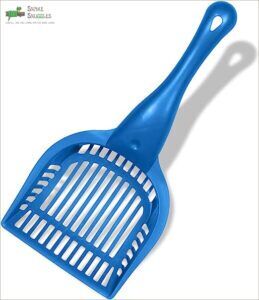
The Van Ness Regular Litter Scoop isn’t just for cats — it’s a surprisingly handy tool for scooping debris out of larger water dishes during cleaning. At just 1.12 oz and 11 inches long, it’s easy to handle without tipping the bowl.
slotted design lets water drain while you lift out waste, substrate, or shed skin. Its odor- and stain-resistant plastic surface rinses clean in seconds.
A small, practical addition that makes daily spot-cleaning faster.
| Best For | Cat owners who want a simple, no-fuss scoop that gets the job done without spending much. |
|---|---|
| Material | High-impact plastic |
| Primary Use | Litter scooping |
| Odor Control | Odor-resistant finish |
| Ease of Cleaning | Rinse or wipe clean |
| Price | $7.19 |
| Durability | May bend under heavy load |
| Additional Features |
|
- Super affordable at $7.19 — easy to keep a spare on hand
- Odor- and stain-resistant surface makes cleanup quick and painless
- Hanging hole keeps it stored neatly right by the litter box
- Short handle can feel flimsy and may snap under heavy, packed litter
- Larger slots miss small debris, so it’s not the most thorough scooper
- Plastic can soften or warp over time with regular heavy use
2. Exo Terra Terrarium Mister
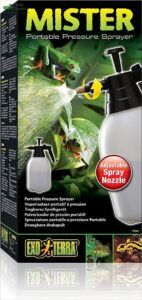
Once debris is out of the bowl, keeping humidity steady is the next step. The Exo Terra Terrarium Mister (PT2491) holds 67.5 fl oz — enough to mist several enclosures without constant refilling.
Its adjustable nozzle switches between fine mist and a focused stream, and the continuous-spray lock saves your hand during longer sessions.
Rinse the reservoir after each use and run filtered water through it to prevent mineral buildup in the nozzle.
Simple to fill, easy to maintain.
| Best For | Reptile and amphibian keepers who manage large enclosures or multiple tanks and want a low-effort way to maintain steady humidity without constantly squeezing a bottle. |
|---|---|
| Material | Plastic/rubber |
| Primary Use | Reptile misting |
| Odor Control | Not specified |
| Ease of Cleaning | Rinse before use |
| Price | Not listed |
| Durability | Rubber seal wears over time |
| Additional Features |
|
- Big 67.5 fl oz tank means fewer refills, even across multiple enclosures
- Adjustable nozzle gives you a gentle mist or a focused stream depending on what you need
- Continuous-spray lock takes the strain off your hand during longer misting sessions
- The top seal can leak if you don’t release pressure after each use
- Rubber pump components wear down over time, so the lifespan isn’t unlimited
- It’s bulky — a full bottle gets heavy, and it can feel like overkill for a small tank
3. Bounty Quick Size Paper Towels
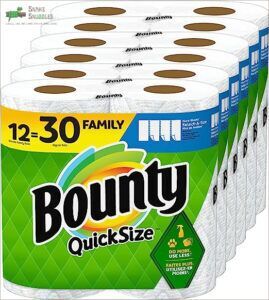
After misting, you still need dry the bowl completely. That’s where Bounty Quick Size Paper Towels earn their spot in your cleaning kit.
Their Select-A-Size design lets you tear exactly what you need — no waste, no extra sheets. The two-ply build stays intact when wet, so you won’t have soggy paper shredding inside a clean bowl.
One or two sheets take care of the job, and the lint-free texture leaves no fibers behind.
| Best For | Anyone who wants a reliable, no-fuss paper towel that handles everyday messes without falling apart mid-wipe. |
|---|---|
| Material | Paper (double-ply) |
| Primary Use | Surface cleaning |
| Odor Control | Absorbs and traps odors |
| Ease of Cleaning | Single-use disposable |
| Price | $39.20 |
| Durability | Tear-resistant when wet |
| Additional Features |
|
- Select-A-Size lets you grab just what you need, so you’re not burning through a full sheet to wipe a small splash
- Two-ply build holds up when wet — no shredding, no mess left behind
- Lint-free texture means glass, electronics, and clean bowls stay spotless after you’re done
- Pricier than store-brand options, which adds up if you go through paper towels fast
- Some buyers have flagged inconsistencies in packaging and roll count for what you’re paying
- It’s a household towel, not a heavy-duty one — don’t expect industrial-level performance from it
4. Clorox Splash Less Bleach
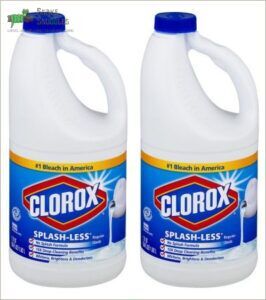
Once the bowl is dry, monthly disinfection is where Clorox Splash Less Bleach comes in. Mix one tablespoon per gallon of water, soak the bowl for 10 minutes, then rinse until zero chemical smell remains.
The splash-less formula makes pouring precise — no accidental spills near your snake’s enclosure.
It kills 99.9% of bacteria and takes care of biofilm that soap misses.
Just never skip the full rinse.
Any bleach residue left behind is toxic to reptiles.
| Best For | Anyone who wants the cleaning power of bleach without the mess — especially reptile owners, pet parents, or anyone who needs precise pouring around sensitive areas. |
|---|---|
| Material | Liquid (sodium hypochlorite) |
| Primary Use | Laundry/surface disinfecting |
| Odor Control | Deodorizes surfaces |
| Ease of Cleaning | Rinse surfaces after use |
| Price | Not listed |
| Durability | Standard bleach shelf life |
| Additional Features |
|
- The splash-less formula gives you way more control when pouring, so you’re not fumbling around trying not to spill near your snake’s enclosure
- Knocks out 99.9% of bacteria plus biofilm that regular soap just doesn’t touch
- Two 55-oz bottles give you plenty of supply for both laundry and surface disinfecting
- It’s still chlorine bleach — the smell is strong and you’ll need gloves, ventilation, and to keep kids and pets well away
- Won’t work on colored fabrics or anything bleach-sensitive, so it’s pretty much whites-only for laundry
- The two-bottle bundle means a higher upfront cost, even if it’s a better deal long-term
5. Zoo Med Aspen Snake Bedding
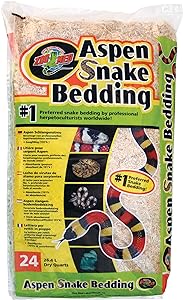
Clean bedding plays a bigger role in water dish hygiene than most keepers realize. When substrate kicks into the bowl, contamination follows fast.
Zoo Med Aspen Snake Bedding helps reduce that problem. It’s 99.9% dust-free, highly absorbent, and contains no toxic oils — so even when it does land in the water, it won’t introduce harmful residues.
At $22.98 for 24 quarts, it’s an easy addition that keeps your enclosure — and your snake’s water — cleaner between scheduled dish washes.
| Best For | Snake and reptile owners who want a clean, natural substrate that keeps enclosures tidy and minimizes water dish contamination. |
|---|---|
| Material | Aspen wood fiber |
| Primary Use | Reptile substrate |
| Odor Control | Naturally odorless |
| Ease of Cleaning | Spot-clean or replace |
| Price | $22.98 |
| Durability | Compacts over time |
| Additional Features |
|
- Nearly dust-free, so it’s easier on your snake’s respiratory system — and yours
- Absorbs well and has no toxic oils, making it safe even if it ends up in the water dish
- One 24 qt bag lasts months, so you’re not constantly restocking
- Not a great fit for high-humidity setups or species that need sand or mineral-based substrate
- Can compact over time, so you’ll need to stir or refresh it periodically
- A single bag might not cut it for larger enclosures — you may need to buy multiples
Frequently Asked Questions (FAQs)
How to clean a snake?
Funny enough, your snake cleans itself.
Gently place it in 27–32°C shallow water for 10–20 minutes, wipe dirty spots with a damp cloth, then dry it off before returning it to its enclosure.
How to clean a snake tank?
To clean a snake tank, remove your snake first, then take out all décor, substrate, and the water dish.
Scrub surfaces with a reptile-safe disinfectant, rinse thoroughly, and let everything air-dry completely before reassembling.
How often should you clean a water tank?
Change the water daily, deep-clean the bowl weekly, and disinfect it every 3–6 weeks. Spot-clean immediately whenever you see waste, debris, or cloudiness — don’t wait for your scheduled cleaning day.
Can you use mouthwash on snakes?
No, don’t use mouthwash on snakes. It contains alcohol, essential oils, and antiseptics that can irritate their skin and cause illness if they ingest residue through their tongue.
Where do snakes go in October?
In October, snakes head toward winter shelters like underground burrows, rocky crevices, and tree stumps. In northern climates, they begin brumation — their low-activity winter state — when temperatures drop below 60°F.
How to disinfect a snake water bowl?
Disinfect your snake’s water bowl by soaking it in diluted bleach — 1 tablespoon per gallon — for 10 to 15 minutes. Rinse thoroughly until no smell remains, then air-dry completely before refilling.
Can I use tap water for my snake?
Yes, tap water works fine for most snakes as long as it’s safe for humans to drink. If your supply contains chlorine or chloramine, use a dechlorinator before filling the bowl.
Consider using activated carbon filtration to further improve water quality.
How big should a snakes water dish be?
Bigger bowls benefit bolder, thicker-bodied snakes. A three-foot snake needs a six-to-eight-inch bowl. A five-to-six-foot snake needs ten to twelve inches — wide enough to coil and soak comfortably.
Should I clean the dish more during shedding?
Not exactly. You don’t need a new schedule — just stay alert.
Clean the bowl immediately when you spot shed flakes, cloudy water, or debris. Shedding just means that moment comes sooner.
How do I prevent algae in the water bowl?
An ounce of prevention is worth a pound of cure.
Keep the bowl in shade, change water daily, and use a non-porous stainless steel bowl. Scrub with a soft brush weekly to stop biofilm before it starts.
Conclusion
A clean water dish is the unsung hero of a healthy snake habitat. Just as a spark plug ignites an engine, a well-maintained dish ignites your snake’s well-being.
By adopting a regular cleaning schedule, you’ll prevent bacterial growth and keep your pet thriving.
Remember, how often to clean snake water dish is an essential question with a simple answer: daily water changes, weekly deep-cleans, and regular disinfecting.
Make it a habit to guarantee your snake’s health and happiness.
- https://www.bigbplumbing.com/blog/san-diego/biofilms-in-your-home-safeguard-yourself/
- https://biofilmbrainhub.co.uk/your-home/biofilms-in-the-home
- https://academic.oup.com/bioscience/article/49/9/689/246823
- https://biofilm.montana.edu/biofilm-basics/what_are_biofilms.html
- https://wwwnc.cdc.gov/eid/article/8/9/02-0063_article