This site is supported by our readers. We may earn a commission, at no cost to you, if you purchase through links.

Your dog freezes mid-hike, head tilted toward a sound you can’t hear—the rattle. In areas where venomous snakes thrive, this scenario plays out thousands of times each year, and not every dog walks away unscathed.
The rattlesnake vaccine for dogs emerged in 2003 as a preventive tool designed to reduce the severity of envenomation, though it doesn’t replace emergency veterinary care. The vaccine works by stimulating antibody production against specific venom components, primarily targeting the Western Diamondback Rattlesnake.
While effectiveness varies based on snake species, individual immune response, and geographic location, understanding what this vaccine can and can’t do helps you make informed decisions about your dog’s protection in snake country.
Table Of Contents
- Key Takeaways
- What is The Rattlesnake Vaccine for Dogs?
- How Does The Rattlesnake Vaccine Work?
- Benefits of The Rattlesnake Vaccine
- Drawbacks and Limitations to Consider
- Rattlesnake Vaccine Schedule and Administration
- Who Should Consider The Vaccine?
- Alternatives and Emergency Snakebite Care
- Frequently Asked Questions (FAQs)
- Is the rattlesnake vaccine worth it for dogs?
- How much does a rattlesnake vaccine cost for dogs?
- How long does a rattlesnake shot last for a dog?
- What age is the rattlesnake vaccine given?
- Is the rattlesnake vaccine for dogs worth it?
- How much does the rattlesnake vaccine cost for dogs?
- Can you vaccinate dogs for rattlesnakes?
- How long does a rattlesnake vaccine for dogs last?
- Can puppies receive the rattlesnake vaccine?
- How does the vaccine affect older dogs?
- Conclusion
Key Takeaways
- The rattlesnake vaccine for dogs, available since 2003, stimulates antibody production against Western Diamondback venom to reduce bite severity—but it doesn’t replace emergency veterinary care or antivenom, which remain critical even for vaccinated dogs.
- Vaccine effectiveness varies significantly based on snake species, individual immune response, and geographic location, with one retrospective study of 272 envenomations showing no measurable reduction in bite severity or treatment outcomes among vaccinated dogs.
- Dogs living in high-risk areas of the western and southern United States who spend substantial time outdoors during snake season are the primary candidates for vaccination, typically requiring an initial two-dose series plus boosters every 6-12 months at a first-year cost of $80-$300.
- Prevention strategies like habitat modification, leash use on trails, and rattlesnake aversion training—combined with knowing the nearest emergency clinic—provide more comprehensive protection than vaccination alone, since the vaccine offers a buffer rather than immunity.
What is The Rattlesnake Vaccine for Dogs?
The rattlesnake vaccine for dogs is a veterinary product designed to help protect your pet against the potentially life-threatening effects of rattlesnake venom. It’s been available since 2003 and works by stimulating your dog’s immune system to produce antibodies that can neutralize certain venom components if a bite occurs.
To understand whether this vaccine makes sense for your dog, you’ll want to know its original purpose, how it came to market, and which snake species it actually covers.
Purpose and Intended Use
The rattlesnake vaccine prepares your dog’s immune system to recognize venom components before exposure occurs. It’s designed to reduce the severity of clinical signs following a bite, not eliminate the need for emergency veterinary care. Even with the vaccine, immediate veterinary treatment remains critical since rattlesnake bites can still be life-threatening without prompt medical intervention.
You’ll use this vaccine as a preventive measure if your dog faces potential encounters during outdoor activities in venomous regions, establishing partial venom immunity over time.
Similarly, scientific study summaries can benefit from a methodological audit to verify accuracy and validity.
History and Development
Development of this vaccine began in the 1990s, targeting venom-neutralizing antibodies against the Western Diamondback Rattlesnake (Crotalus atrox toxoid).
Early clinical trials established that dogs produce measurable antibodies after a primary series, though research findings on rattlesnake vaccine effectiveness remain debated.
Regulatory approval followed as manufacturers refined formulations for broader geographic applicability, yet questions about rattlesnake vaccine efficacy continue to shape veterinary recommendations today. Many owners now weigh these uncertainties against cost when consulting experienced reptile veterinarians for preventive care recommendations.
Types of Rattlesnakes Covered
While the vaccine focuses on Crotalus atrox toxoid from the Western Diamondback Rattlesnake, research shows your dog may gain partial cross protection against other rattlesnake species common across North America, including the Mojave rattlesnake.
Geographic protection varies because venom variations differ by region—antibodies recognize shared protein families in related venomous snakes, offering broader defense where these rattlesnakes overlap in distribution. Understanding which species pose the greatest risk in your area—like identifying the most poisonous snake in the US—helps you take the right precautions when hiking or working outdoors.
How Does The Rattlesnake Vaccine Work?

The rattlesnake vaccine contains inactivated venom from the western diamondback rattlesnake, which triggers your dog’s immune system to produce protective antibodies. These antibodies work to neutralize venom components if your dog gets bitten, potentially reducing the severity of symptoms and buying you more time to reach emergency veterinary care. If you’re hiking in rattlesnake territory, knowing how to identify rattlesnake dens helps you steer clear of high-risk areas where bites are most likely to occur.
Understanding how this immune response functions—and where its protection ends—can help you make an informed decision about whether vaccination fits your dog’s needs.
Vaccine Components and Immune Response
When your dog receives the rattlesnake vaccine, you’re fundamentally giving their immune system a training session. The vaccine contains Crotalus atrox toxoid—inactivated venom components from the western diamondback rattlesnake—combined with adjuvants that boost immunogenicity. If a bite does occur despite vaccination, knowing what to do when a snake bites can make all the difference in those crucial first hours.
Here’s what happens during immunization:
- Antigen-presenting cells capture venom epitopes and display them to specialized T helper cells
- B cells activate and begin antibody production, specifically creating venom-neutralizing IgG antibodies
- Memory B cells establish for rapid response if your dog encounters real venom
- Cytokine signaling drives a humoral immune response, priming the body for toxin neutralization
This process targets specific venom components, though vaccine efficacy depends on your dog’s individual immune system response and the particular rattlesnake species involved.
Mechanism of Protection
Once those antibodies circulate in your dog’s bloodstream, they’re ready to intercept venom enzymes like proteases and phospholipases before significant tissue damage occurs. Think of it as pre-deployed defense forces—the antibodies bind to venom toxins at the bite site, neutralizing their destructive activity and reducing clinical severity.
| Venom Component | Targeted Antibody | Protective Effect |
|---|---|---|
| Proteases | IgG neutralizing antibodies | Reduced tissue breakdown |
| Phospholipases | Venom-specific antibodies | Decreased cell membrane damage |
| Metalloproteinases | Antivenom-like antibodies | Limited bleeding and swelling |
| Myotoxins | Adaptive immune antibodies | Minimized muscle injury |
| Hemorrhagic toxins | Immunization-induced antibodies | Controlled vascular damage |
Protection depends on antibody titers—higher concentrations mean better venom neutralization, though vaccine efficacy varies based on the rattlesnake species and time since your dog’s last booster.
Limitations Against Other Snake Species
Your dog’s rattlesnake vaccine primarily targets western diamondback venom, leaving gaps against other venomous snakes and even non-target rattlesnake species with different venom profiles. Snake venom variance and regional risk factors mean cross-protection efficacy remains inconsistent, creating geographic immunity gaps that antivenom must fill.
Here’s what the vaccine won’t reliably cover:
- Coral snakes and water moccasins – Zero protection since their venom compositions differ completely from rattlesnake toxins.
- Distantly related rattlesnake species – Sidewinders and Mojave greens may produce venom the vaccine can’t neutralize effectively.
- Non-target venomous snake species – Any bite outside the vaccine’s formulation requires immediate veterinary care and antivenom.
Even vaccinated dogs need emergency treatment after snake bites, because vaccine-induced immunity wanes over time and doesn’t guarantee full neutralization across all rattlesnake populations you might encounter during hikes or backyard exploration.
Benefits of The Rattlesnake Vaccine

The rattlesnake vaccine offers several potential advantages for dogs living in or visiting areas where venomous snakes are common. While it doesn’t provide complete immunity, the vaccine may help reduce the severity of symptoms if your dog is bitten.
Let’s look at the specific benefits this vaccine can offer.
Reduced Bite Severity
When your dog faces a rattlesnake bite, the vaccine can soften the blow. Studies show vaccinated dogs often develop milder local swelling and recover faster than unvaccinated animals, with some experiencing shorter hospital stays.
The protective antibodies target specific venom components, reducing tissue damage at the bite site. However, vaccine efficacy varies with snake species and venom dose, so clinical outcomes aren’t uniform across all rattlesnake bite scenarios.
Increased Survival Chances
When your dog’s life hangs in the balance after a rattlesnake bite, every advantage counts. Field observations from veterinary clinics show higher survival rates among vaccinated dogs in high-risk regions, and controlled trials reveal they need less intensive supportive care.
Vaccinated dogs in high-risk regions show higher survival rates and require less intensive care after rattlesnake bites
Still, the rattlesnake vaccine doesn’t replace emergency response—even vaccinated dogs require immediate antivenin treatment for best possible outcomes after snake bites.
Cross-Protection With Other Venoms
Some rattlesnake vaccines containing Crotalus atrox toxoid elicit antibodies showing cross-reactivity with other pit viper venoms in laboratory tests, potentially offering partial protection beyond their target species. However, this cross-protection varies by formulation and venom variability, generally providing weaker snakebite immunity than against specific rattlesnakes.
Don’t count on it as an antivenom alternative—species-appropriate antivenin remains essential for treating any pit viper bite.
Drawbacks and Limitations to Consider

While the rattlesnake vaccine offers meaningful benefits, it’s important to understand what it can’t do before deciding if it’s right for your dog. The vaccine doesn’t provide complete protection, and its effectiveness varies from one animal to another.
Let’s look at the key limitations you should keep in mind.
Incomplete Immunity and Emergency Needs
Even with venom immunization, incomplete immunity means your dog isn’t fully shielded. Here’s what you need to know about emergency veterinary care after any snakebite:
- Incomplete protection – the rattlesnake vaccine reduces symptom severity but can’t prevent envenomation entirely
- Emergency response remains critical – vaccinated dogs still need immediate veterinary attention
- Antivenom availability – timely access to antivenom determines treatment success
- Veterinary preparedness – your snakebite protocol should include rapid transport plans
Variability in Effectiveness
Protection levels aren’t the same for every dog. Immune response, body size, and snake species all affect vaccine efficacy—your 30-pound terrier and 150-pound mastiff will likely develop different antibody levels from identical doses. The effectiveness of the vaccine can be influenced by the dog’s immune system response to the venom.
Retrospective studies of 272 envenomations found no measurable reduction in bite severity or treatment outcomes among vaccinated dogs, raising questions about consistent vaccination benefits and real-world snake bite prevention.
Potential Side Effects
Most dogs tolerate the vaccine well, but vaccine reactions do occur. You might notice mild swelling at the injection site for a day or two, brief lethargy, or a low-grade fever under 103°F.
Allergic responses—facial swelling, vomiting, hives—are rare but require immediate attention. Anaphylaxis is extremely uncommon.
Understanding these vaccination benefits and risks helps you weigh side effect management against potential protection.
Rattlesnake Vaccine Schedule and Administration
If your vet recommends the rattlesnake vaccine, you’ll need to confirm the dosing schedule to guarantee your dog gets full protection. The vaccination protocol involves an initial series followed by regular boosters, and timing matters regarding maximizing immunity.
Here’s what you need to know about how the vaccine is administered and how often your dog will need it.
Initial Series and Booster Shots

Your dog’s immunization timing starts with a primary series of two doses given 2–4 weeks apart, often followed by a booster at 12 months to lock in protection. After that initial booster, many veterinarians recommend annual or triennial booster shots depending on your dog’s exposure risk and the product used.
This dosage administration strategy helps maintain vaccine efficacy, though vaccination benefits and risks vary by individual dog and local rattlesnake threat.
Timing for Peak Protection

After you complete the initial vaccine schedule and first booster shots, peak protection usually kicks in 2–3 weeks later, giving your dog’s immune response time to ramp up toxin neutralization.
That window of vaccine efficacy generally lasts several months, which is why booster schedules matter—antibody levels drop over time, and maintaining protection duration means staying ahead of rattlesnake season with timely immunization.
Frequency for High-Risk Dogs
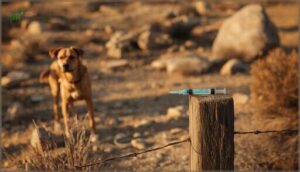
If your dog lives in rattlesnake territory and spends serious time outdoors during snake season, you’ll want to tighten up those vaccination protocols. Many veterinarians recommend boosters every six months—or even more frequently during peak exposure periods—to keep antibody levels high enough for meaningful rattlesnake bite prevention.
Tailoring your vaccine schedule to individual high-risk factors ensures your dog’s canine health and wellness stays protected when it matters most.
Who Should Consider The Vaccine?

The rattlesnake vaccine isn’t right for every dog, and the decision should be based on your specific situation and environment. Your dog’s risk level depends on where you live, how much time they spend outdoors, and their overall health status.
Let’s look at the key factors that help determine whether vaccination makes sense for your pet.
Geographic and Environmental Risk Factors
Your location matters more than you might think. If you live in the western or southern United States—especially Arizona, California, Texas, or New Mexico—regional snake densities are highest, and rattlesnake bites pose real environmental risks.
Climate factors like warmer springs and arid habitat types increase wildlife encounters, making geographic surveillance data essential when deciding whether the rattlesnake vaccine fits your dog’s outdoor safety needs.
Dog Age, Health, and Lifestyle
Age matters when weighing puppy vaccination decisions—dogs under one year have developing immune systems that respond differently than adults. Health considerations like chronic illness or immunosuppression require careful dog vaccination planning with your veterinarian before deciding.
Senior dog care adds complexity, since dogs over seven often juggle comorbidities that influence canine health outcomes. Your dog’s lifestyle risks—hiking desert trails versus lounging indoors—shape rattlesnake bite prevention for dogs strategies.
Veterinary Consultation and Contraindications
Before your dog receives the vaccine, you’ll need a veterinary consultation to guarantee medical clearance through thorough health screening. Your vet conducts a risk assessment checking for acute illness or immunosuppressive therapy—common contraindications in veterinary medicine that affect vaccine efficacy.
This precaution gauges your dog’s readiness through physical exams and medical history reviews, including prior vaccination and immunization reactions, securing excellent animal health care outcomes through tailored veterinary care planning.
Alternatives and Emergency Snakebite Care

While the vaccine may offer some protection, antivenom remains the primary treatment for treating rattlesnake bites in dogs. Beyond medical interventions, you can take practical steps to reduce your dog’s risk of encountering these snakes in the first place.
Here’s what you need to know about treatment options, prevention strategies, and how to respond if the worst happens.
Antivenom and Medical Treatments
If your dog gets bitten, antivenom therapy is the primary treatment for venom neutralization—it’s the only medical intervention that directly counters rattlesnake toxicology. Early emergency care with antivenom improves outcomes dramatically, reducing tissue damage and systemic complications.
You’ll also need supportive snake bite treatment including IV fluids, pain management, and monitoring. Snakebite first aid means getting to your vet immediately, not waiting for symptoms to worsen.
Preventing Rattlesnake Encounters
The best rattlesnake bite prevention for dogs starts with outdoor safety for dogs through habitat modification—clear debris, seal gaps under decks, and maintain tidy yards.
Rattlesnake awareness means avoiding tall grass and rock piles where snakes hide. Safety precautions include leashing pets on trails and using snake encounter safety measures like staying alert during dawn and dusk.
Consider rattlesnake aversion training alongside environmental monitoring for encounter prevention.
Immediate Steps After a Snakebite
If your dog suffers a rattlesnake bite, immediate emergency response is critical. Call your vet right away—antivenom and medical intervention work best when administered quickly. While waiting for emergency pet care, keep your dog calm to slow venom effects through their system. Don’t apply ice or cut the wound.
Note these details for snakebite first aid:
- Bite location and number of punctures
- Time of the snake bite incident
- Visible symptoms like swelling or bleeding
Snakebite treatment options depend on rapid bite assessment by professionals.
Frequently Asked Questions (FAQs)
Is the rattlesnake vaccine worth it for dogs?
Protecting outdoor companions from snake bites demands weighing vaccine efficacy against medical costs and real-world outcomes.
Veterinary advice varies, but evidence shows limited protection, making rattlesnake bite prevention for dogs and prompt veterinary care essential.
How much does a rattlesnake vaccine cost for dogs?
You’ll generally pay between $40 and $100 per dose at your veterinarian’s office, with initial series requiring two to three doses plus annual boosters—making first-year vaccination costs range from $80 to $
How long does a rattlesnake shot last for a dog?
Protection from pet vaccination usually lasts six to twelve months, depending on your dog’s health and exposure risk.
Most veterinarians recommend annual booster schedules, though high-risk environments may require boosters every six months for maximum immunity levels.
What age is the rattlesnake vaccine given?
Like childhood immunizations that follow a careful timeline, your puppy’s first rattlesnake vaccine generally starts around 16 weeks of age, though some veterinary care protocols begin at 12 weeks depending on the specific product formulation.
Is the rattlesnake vaccine for dogs worth it?
Whether the rattlesnake vaccine is worth it depends on your dog’s exposure risk, location, and lifestyle.
Studies show mixed results—vaccinated dogs may experience reduced bite severity, but emergency veterinary care remains essential regardless.
How much does the rattlesnake vaccine cost for dogs?
Most clinics charge between $20 and $60 per dose for rattlesnake vaccine, with initial series requiring two shots plus annual boosters, bringing your first-year investment to roughly $60 to $
Can you vaccinate dogs for rattlesnakes?
Yes, rattlesnakes are a real threat, and veterinary clinics do offer vaccines designed to reduce venom severity after bites. The shots don’t prevent envenomation but can lessen clinical signs in high-risk dogs.
How long does a rattlesnake vaccine for dogs last?
Most rattlesnake vaccines for dogs provide protection for about six to twelve months after the initial series and booster. Annual re-vaccination maintains immunity, though high-risk dogs may need boosters every six months.
Can puppies receive the rattlesnake vaccine?
A six-week-old puppy exploring desert trails faces different vaccine timing than older dogs.
Most manufacturers don’t recommend rattlesnake vaccination before 12 weeks of age due to developing immune systems requiring veterinary assessment first.
How does the vaccine affect older dogs?
Older dogs may produce fewer protective antibodies due to immune system aging, potentially reducing vaccine timing and effectiveness.
Your veterinarian can adjust booster schedules and assess whether senior dog care modifications improve elderly dog protection.
Conclusion
No vaccine replaces vigilance, yet preparation matters when seconds count. The rattlesnake vaccine for dogs offers a buffer—not immunity—reducing venom’s impact while you race toward emergency care.
Weigh your terrain, your dog’s exposure, and your veterinarian’s guidance before deciding. If you hike where rattlers hunt, this vaccine becomes one layer in a broader safety plan: training, awareness, and knowing the nearest emergency clinic.
Protection isn’t about eliminating risk—it’s about improving odds when nature strikes.
- https://pubmed.ncbi.nlm.nih.gov/17265901/
- https://www.dovepress.com/effects-of-the-canine-rattlesnake-vaccine-in-moderate-to-severe-cases--peer-reviewed-article-VMRR
- https://magleyanimalhospital.com/rattlesnake-vaccine/
- https://www.aaha.org/wp-content/uploads/globalassets/02-guidelines/2022-aaha-canine-vaccination-guidelines/resources/2022-aaha-canine-vaccinations-guidelines.pdf?fbclid=IwZXh0bgNhZW0CMTAAAR2Bm6jm_uf8GFVl9XIZcOI_XgMo90m1mJfR9xmgYKUTEFeB2qoJ98fKvPk_aem_AVU5LGLf4lZ7vCplQZwpJY1OHcGGtnVY8T-G7RXi30fLUR4kBNZr5Rczqr1P00YTwGdkB_jwtp0_afPiJwZkecWU
- https://www.ncbi.nlm.nih.gov/pubmed/26341419