This site is supported by our readers. We may earn a commission, at no cost to you, if you purchase through links.

Your bearded dragon hasn’t eaten in three days, spends most of its time hiding in the corner, and just started breathing with its mouth open. These aren’t quirks of personality—they’re clinical indicators that demand immediate veterinary attention, yet many reptile owners dismiss early warning signs until their pet reaches critical condition.
Reptiles evolved to mask illness as a survival mechanism against predators, which means by the time symptoms become obvious to you, the underlying pathology has often advanced considerably. Understanding reptile illness symptoms and treatment protocols allows you to intervene during that narrow window between subclinical disease and systemic failure, when therapeutic outcomes remain favorable and your pet’s prognosis hasn’t yet deteriorated beyond recovery.
Table Of Contents
- Key Takeaways
- Recognizing Common Reptile Illness Symptoms
- Major Diseases Affecting Reptiles
- Diagnostic Approaches for Reptile Illness
- Treatment Options for Reptile Diseases
- Preventing Illness and Supporting Recovery
- Frequently Asked Questions (FAQs)
- What are some signs of ill health in reptiles?
- What is the most common disease in reptiles?
- What are the symptoms of reptile poisoning?
- What illnesses can you get from reptiles?
- What are four signs of illness or disease in a reptile?
- What are some of the signs of ill reptilian health?
- What are the symptoms of Amoebiasis in reptiles?
- What are the symptoms of herpesvirus in reptiles?
- How can reptiles recover from stress-related illnesses?
- What are signs of reproductive system disorders?
- Conclusion
Key Takeaways
- Reptiles mask illness as a survival mechanism, so visible symptoms typically indicate advanced disease requiring immediate veterinary intervention during the narrow window before systemic failure occurs.
- Metabolic bone disease from calcium and vitamin D3 deficiency, respiratory infections from suboptimal environmental conditions, and bacterial septicemia from untreated wounds represent the most common and life-threatening illnesses in captive reptiles.
- Accurate diagnosis requires combining physical examination, bloodwork revealing organ function and electrolyte imbalances, imaging techniques like radiographs and ultrasound, and PCR or culture methods for precise pathogen identification.
- Prevention through species-specific temperature gradients, proper UVB lighting, balanced calcium supplementation, rigorous enclosure sanitation, and 30-day quarantine protocols prevents most reptile diseases more effectively than treating established illness.
Recognizing Common Reptile Illness Symptoms
Your reptile can’t tell you when something’s wrong, so you need to watch for the warning signs. Illness often shows up as subtle shifts in behavior, eating patterns, or physical appearance that are easy to miss if you don’t know what to look for.
Skin issues like discoloration, retained shed, or unusual texture are among the most common snake skin problems that signal environmental stress or infection.
Because reptiles can’t voice distress, you must watch for subtle shifts in behavior, appetite, and appearance that signal illness
Here are the most common symptoms that signal your reptile needs veterinary attention.
Lethargy, Weakness, and Behavioral Changes

Recognizing reptile illness starts with spotting lethargy signs—your pet may move sluggishly, react slowly to handling, or hide more than usual. Weakness causes range from environmental stress and suboptimal temperatures to metabolic disorders and infections.
Behavioral shifts like reduced curiosity, altered basking habits, or erratic pacing signal underlying reptile health issues. These reptile symptoms demand prompt attention, as fatigue management and early intervention improve outcomes for common reptile behavior changes.
Because lethargy can indicate underlying issues in both humans and animals, understanding the can help guide thorough care.
Loss of Appetite and Weight Loss
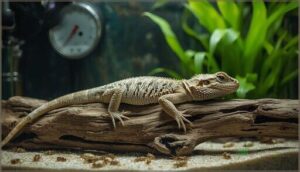
When your reptile refuses food for more than a few days, suspect illness—respiratory infections, improper basking temperatures, and shedding stress are common weight loss causes tied to appetite decline. Nutrient deficiencies develop quickly, triggering muscle wasting, sunken eyes, and weakened immunity.
Appetite stimulation requires environmental corrections like optimized heat gradients and UVB exposure, alongside feeding strategies that address underlying reptile illness and support vigorous reptile health through targeted reptile care and reptile medicine interventions.
In some cases, unexplained lack of interest in food may be similar to the seen in other species, highlighting the need for careful evaluation of underlying causes.
Abnormal Bathroom and Drinking Habits

Changes in drinking habits and bathroom behaviors often precede visible reptile illness—frequent urination, cloudy urine, or blood in stool signal kidney, bladder, or gastrointestinal distress requiring immediate reptile care. Dehydration manifests as infrequent defecation, dark urine, and prolonged soaking, while excessive drinking with dilute urine suggests metabolic dysfunction.
Monitor hydration status through skin turgor, urate consistency, and stool frequency to catch reptile symptoms early and guide effective reptile medicine interventions.
Changes in Mobility or Engagement

Beyond bathroom habits, watch for mobility issues and engagement changes that reveal deeper reptile health and diseases—your animal’s willingness to move, explore, and interact speaks volumes about systemic well-being.
- Reduced spontaneous activity with prolonged hiding or resting signals lethargy signs requiring reptile care and husbandry adjustments.
- Hind limb weakness or tremors during walking indicates movement disorders, often linked to metabolic or neurologic dysfunction.
- Abnormal postures like hunching or guarding specific body areas reflect pain-driven behavioral shifts.
- Decreased participation in enrichment activities shows energy decline and warrants reptile medicine evaluation.
- Altered basking patterns with excessive or reduced heat-seeking behavior affects thermoregulation and overall reptile symptoms progression.
Visible Skin, Shell, or Scale Issues
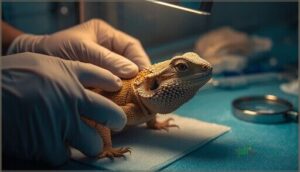
Your reptile’s skin and shell can broadcast signs of infection, malnutrition, and environmental stress long before internal symptoms appear. Lesions, discoloration, and abnormal texture demand immediate attention.
| Sign | Appearance | Common Causes |
|---|---|---|
| Skin Lesions | Open sores, oozing fluid, shallow pits | Bacterial abscesses, trauma, parasites |
| Shell Damage | Warped, pitted, or discolored scutes | Metabolic bone disease, fungal infections |
| Scale Rot | Reddened patches, flaking scales, crusty edges | Poor humidity, dermatophytosis, skin rot |
| Wound Healing | Persistent discharge, foul odor, non-healing tissue | Secondary infection, compromised immunity |
| Skin and Shell Infection | Raised plaques, darkened areas, trapped debris | Environmental contamination, poor sanitation |
Watch for dry, cracked skin signaling dehydration, excessive moisture fostering fungal growth, or retained shed indicating husbandry failures. Each visible abnormality reflects systemic dysfunction requiring veterinary intervention.
Prompt treatment of skin lesions in pet snakes can prevent minor issues from escalating into life-threatening infections.
Major Diseases Affecting Reptiles

Understanding the specific diseases your reptile might face helps you spot trouble early and respond effectively. Poor husbandry sits at the root of most reptile health problems, but certain conditions appear so frequently in captive animals that every keeper should recognize them.
Below, we’ll walk through the most common diseases you’ll encounter, from nutritional deficiencies to life-threatening infections.
Metabolic Bone Disease
When your lizard’s bones bend instead of supporting their weight, you’re witnessing metabolic bone disease in action—a preventable crisis rooted in calcium deficiency and mineral imbalance. This condition dominates reptile illness cases, threatening skeletal health through inadequate vitamin D3 and poor nutrition.
- Bone deformities include bowed limbs, shell malformations, and spinal curvatures that worsen without intervention
- Diagnostic tools reveal osteopenia through radiographs and blood tests confirming calcium-phosphorus imbalances
- Treatment demands corrected lighting for UVB exposure, calcium supplementation, and dietary adjustments under veterinary guidance
Early recognition transforms reptile disease management outcomes.
Respiratory Infections
When your snake holds its head up at an awkward angle and breathes through an open mouth, respiratory infections demand immediate attention—these airway threats rank among the most serious infectious diseases in reptiles. Poor temperature control, humidity extremes, and inadequate ventilation create ideal conditions for opportunistic bacteria to colonize vulnerable respiratory tissues, triggering breathing difficulties that can rapidly progress to systemic illness.
| Respiratory Symptoms | Infection Causes |
|---|---|
| Open-mouth breathing, elevated head posture | Suboptimal temperatures slowing immune response |
| Stringy mucus, nasal discharge with crusting | Humidity imbalances irritating airway tissues |
| Wheezes, clicks, audible respiratory crackles | Poor ventilation allowing bacterial accumulation |
| Lethargy, appetite loss, reduced activity | Stress, overcrowding weakening natural defenses |
Veterinary diagnosis employs radiographs to visualize fluid or inflammation in lung fields, tracheal washes for bacterial culture and sensitivity testing, and bloodwork to assess systemic involvement. Treatment protocols combine targeted antimicrobial therapies with nebulization therapy delivering medication directly into airways, supportive care including raised enclosure temperatures within safe ranges to boost metabolism, and airway management through environmental corrections that address underlying husbandry deficiencies contributing to reptile disease management challenges.
Bacterial and Fungal Infections
You’re battling invisible enemies every time your reptile’s environment falls short—bacterial diseases and fungal infections exploit poor reptile hygiene, transforming minor wounds into systemic threats requiring aggressive antimicrobial therapy and infection control measures.
- Pseudomonas aeruginosa causes respiratory and wound infections demanding culture-based antibiotic selection
- Staphylococcus species produce skin abscesses requiring surgical drainage and systemic treatment
- Aspergillosis affects airways in stressed reptiles, requiring antifungal medications and environmental corrections
- Candida infections emerge after antibiotic use, affecting oral and cloacal tissues
- Nannizziopsis fungi create crusting skin lesions mimicking bacterial signs, requiring PCR confirmation
Parasitic and Digestive Disorders
Your reptile’s digestive health deteriorates when internal parasites—nematodes, cestodes, protozoa like Giardia and Cryptosporidium—invade the gastrointestinal tract, causing weight loss, diarrhea, and appetite decline despite adequate reptile nutrition.
Intestinal blockage from substrate impaction, gut infections, and parasitic infection demand fecal exams, antiparasitic drugs such as fenbendazole, and rigorous parasite control through environmental sanitation and quarantine protocols to restore digestive disorders and prevent re-infection.
Septicemia and Systemic Illnesses
When germs invade your reptile’s bloodstream, septicemia—a life-threatening systemic illness—can rapidly progress to septic shock if untreated, causing breathing difficulties, convulsions, loss of muscle control, and small purplish-red spots on belly skin.
Bacterial infections from trauma, abscesses, or environmental stress trigger this bloodstream infection, making sepsis prevention through thorough enclosure sanitation, proper husbandry, and prompt veterinary intervention essential for controlling systemic infections and zoonotic diseases before multiorgan failure occurs.
Diagnostic Approaches for Reptile Illness

When your reptile shows signs of illness, your veterinarian will use several diagnostic tools to pinpoint the underlying cause and develop an effective treatment plan. A thorough workup usually combines physical assessment, laboratory analysis, and a careful review of husbandry practices to identify problems you mightn’t see at home.
Here’s what to expect during the diagnostic process.
Physical Examination and Medical History
Your veterinarian will begin by observing your reptile at rest and in motion, checking posture, gait, and responsiveness. This physical exam includes inspecting the cornea, mucous membranes, oral cavity, and shell for lesions or discoloration.
You’ll discuss dietary history, enclosure conditions, UVB exposure, and symptom progression—all essential clinical signs that guide disease diagnosis and inform proper veterinary care for your reptile’s health.
Bloodwork and Imaging Techniques
Once the exam wraps up, blood tests and imaging tools become your next line of defense in disease diagnosis. Diagnostic labs measure red and white cells, liver enzymes, calcium levels, and uric acid to monitor organ function and metabolic health.
Veterinary care often includes:
- X-rays to evaluate bones, shells, and lung fields
- Ultrasound for soft tissue and fluid assessment
- Biochemistry panels tracking kidney and liver status
- Species-specific reference ranges for accurate interpretation
These medical imaging techniques reveal what the eye can’t see, guiding targeted reptile medicine and improving animal health outcomes.
Pathogen Identification (PCR, Cultures)
When bloodwork points to infection, PCR techniques and culture methods become your diagnostic tools for precise pathogen detection. Molecular testing identifies bacterial infections, viral infections, and fungal infections within hours by amplifying target DNA, while traditional cultures grow organisms for antibiotic susceptibility testing.
Swabs from lesions, blood, or tissue reveal parasites and specific reptile diseases, guiding targeted antimicrobial therapy rather than guesswork.
Assessing Environmental and Husbandry Factors
Once you’ve identified pathogens, your next step scrutinizes temperature control, humidity management, and enclosure design—environmental stressors often masking as primary disease. Evaluate lighting systems for proper UVB output, inspect water quality and substrate hygiene, then measure actual basking gradients against species requirements.
Environmental assessment targets:
- Temperature gradients below species-specific thresholds causing suppressed immunity
- Humidity extremes triggering respiratory distress or skin infections
- Inadequate UVB lighting perpetuating metabolic bone disease progression
- Contaminated substrates harboring bacterial colonies and parasite eggs
- Insufficient hiding spots elevating cortisol and weakening disease resistance
Treatment Options for Reptile Diseases

Once you’ve diagnosed your reptile’s illness, treatment becomes the next critical step in restoring health. The approach you’ll take depends heavily on the specific disease, its severity, and how quickly you intervene.
Your veterinarian will likely combine several treatment strategies, from medications and dietary adjustments to environmental changes and sometimes surgical intervention.
Antimicrobial and Antiparasitic Therapies
When bacterial infections, parasites, or fungal infections threaten your reptile’s health and wellness, targeted antimicrobial therapies become essential. Veterinarians prescribe drugs like amoxicillin for bacterial infections or fenbendazole for parasite control, tailoring treatment protocols to species, weight, and pathogen type. Medication safety requires careful dosing to prevent antimicrobial resistance and drug interactions, with duration ranging from 7 to 14 days depending on infection severity.
| Medication Type | Common Uses | Delivery Method |
|---|---|---|
| Antimicrobials | Bacterial infections, septicemia | Oral, injectable |
| Antiparasitics | Nematodes, protozoa, ectoparasites | Oral, topical |
| Antifungals | Dermatophytosis, shell infections | Topical, oral |
| Metronidazole | Anaerobic bacteria, certain protozoa | Oral suspension |
| Ivermectin | Specific parasites (species-sensitive) | Injectable, oral |
Fluid Therapy and Nutritional Support
Many critically ill reptiles can’t eat or drink on their own, making fluid balance and nutrient delivery absolutely essential for recovery. Rehydration techniques restore tissue perfusion through isotonic crystalloids administered subcutaneously or intravenously, while electrolyte management corrects sodium, potassium, and bicarbonate imbalances that compromise organ function.
Core Fluid and Nutritional Support Strategies:
- Crystalloid resuscitation – Lactated Ringer’s solution corrects dehydration deficits calculated from percent dehydration and body weight
- Maintenance fluid rates – Daily mL/kg dosing replaces ongoing losses from vomiting, diarrhea, or environmental evaporation
- Enteral nutrition – Early tube feeding maintains gut integrity and provides calories, protein, fiber, and moisture for tissue repair
- Parenteral nutrition – Intravenous glucose, amino acids, lipids, and vitamins support reptiles with nonfunctional digestive tracts
- Monitoring protocols – Daily weights, bloodwork, urine output, and appetite assessments guide therapy adjustments in reptile medicine and surgery
Your veterinarian will tailor fluid therapy and nutritional support to your reptile’s species, illness severity, and recovery trajectory, ensuring ideal reptile health and wellness through precise electrolyte management and caloric provision that meets resting energy requirements without overfeeding complications.
Surgical and Wound Care Interventions
Surgical interventions address abscesses, traumatic wounds, and tissue necrosis that medical management alone can’t resolve. Your veterinarian will use reptile anesthesia protocols customized to species and temperature, followed by wound cleaning with sterile saline, debridement of devitalized tissue, and wound closure using sutures or secondary healing techniques.
Post-op care includes nonocclusive dressings changed every 24 to 48 hours, infection monitoring, and restricted handling to support tissue repair.
Environmental and Husbandry Corrections
Correcting husbandry deficiencies is foundational to reptile health management and often reverses disease progression without medication.
You’ll need to adjust enclosure design, implement proper temperature management with gradient zones of 75 to 90°F, establish humidity control through misting or substrate modification, upgrade lighting systems with functional UVB bulbs, and intensify sanitation practices to reduce pathogen load and environmental stress.
Preventing Illness and Supporting Recovery

Prevention is always better than treatment regarding reptile health, and most illnesses can be avoided with proper husbandry from the start.
The same environmental and nutritional factors that cause disease are also the keys to supporting recovery in sick reptiles.
Let’s look at the fundamental elements you need to get right to keep your reptile healthy or help them bounce back from illness.
Optimal Housing, Heat, and Humidity
Think of your enclosure as a microhabitat that mirrors your reptile’s native ecosystem, where temperature control, humidity management, and ventilation methods converge to support immune function and metabolic processes.
Maintain species-specific thermal gradients using reliable heating systems, digital thermometers at multiple heights, and substrate choices that regulate moisture without fostering pathogen growth, ensuring peak reptile health through precise reptile husbandry and enclosure design.
Balanced Diet and Proper Nutrition
Your reptile’s immune strength hinges on meeting precise nutrient requirements through careful meal planning and food variety, preventing nutritional disorders that undermine reptile health and reptile care and management.
To enhance reptile nutrition and diet, focus on these dietary supplements and strategies:
- Calcium with vitamin D3 dusted on prey items prevents metabolic bone disease
- Varied protein sources guarantee essential amino acids for tissue repair
- Leafy greens and vegetables supply micronutrients for immune function
- Species-appropriate portions avoid obesity while meeting energy demands
- Regular assessment of body condition guides adjustments to your reptile diet
Hygiene, Sanitation, and Quarantine
Proper nutrition sets the stage, but personal hygiene and enclosure cleaning form your first defense against reptile illness. You’ll prevent disease transmission by washing hands for 20 seconds before and after handling, maintaining clean clothing during maintenance, and keeping nails short to avoid harboring pathogens.
| Sanitation Practices | Disease Prevention Impact |
|---|---|
| Weekly substrate replacement | Removes waste buildup, controls bacterial growth |
| Daily water dish sterilization | Prevents biofilm formation, fungal spores |
| 30-day quarantine protocols | Isolates new reptiles, monitors for illness signs |
| Sealed waste disposal | Reduces cross contamination, pest attraction |
Your waste management routine must include bagging soiled materials in sealed containers, disinfecting tools after each use, and establishing separate equipment for quarantined individuals to protect overall reptile health and reptile care and management.
Monitoring, Early Intervention, and Vet Care
Once sanitation becomes routine, your focus shifts to vigilant reptile monitoring that catches illness before it spirals. Weekly weight checks establish a health baseline for each individual, while behavioral logging reveals appetite declines exceeding 20 percent over 72 hours—your trigger for veterinary checks and early detection through reptile veterinary medicine expertise.
Your early intervention protocol includes:
- Prompt vet guidance when basking decreases or hydration cues change—subtle reptile symptoms demand veterinary care for reptiles within days
- Baseline blood work capturing packed cell volume and electrolytes—detecting metabolic shifts before visible reptile illness emerges
- Annual preventive visits focusing on respiratory and metabolic screening—your partnership in reptile disease prevention that preserves long-term health
Frequently Asked Questions (FAQs)
What are some signs of ill health in reptiles?
When your scaly companion suddenly withdraws from favorite basking spots, refuses meals for several days, or develops visible skin lesions and eye problems, you’re witnessing clear illness warning signs demanding immediate attention.
What is the most common disease in reptiles?
Skeletal deformities in captive species stem from metabolic bone disease, the leading reptile illness caused by calcium or vitamin D deficiencies.
Often followed by respiratory issues, skin infections, parasites, and nutrient deficiencies contributing to reptile septicemia.
What are the symptoms of reptile poisoning?
Reptile poisoning often triggers sudden lethargy, complete appetite loss, impaired coordination, and abnormal bathroom habits, including excessive urination or discolored urates.
These symptoms require immediate veterinary medicine and care for a proper emergency response.
What illnesses can you get from reptiles?
An ounce of prevention beats a pound of cure—reptiles carry zoonotic diseases like Salmonella, causing diarrhea and fever in humans.
Parasites, fungal infections, and reptile bites also pose zoonotic disease transmission risks, demanding vigilant hygiene from reptile owners.
What are four signs of illness or disease in a reptile?
You’ll want to watch for lethargy and weakness, appetite loss, respiratory changes like open-mouth breathing or nasal discharge, and visible skin abnormalities including lesions, retained shed, or discoloration.
What are some of the signs of ill reptilian health?
When your pet’s spark dims—less basking, fewer tongue flicks, slower responses—you’re witnessing health indicators that demand veterinary guidance.
Illness signs in reptiles include lethargy, appetite changes, respiratory distress, skin abnormalities, and dehydration, all signaling diseases requiring immediate reptile care and maintenance.
What are the symptoms of Amoebiasis in reptiles?
Amoebiasis signs include persistent diarrhea, often bloody or mucus-laden, alongside loss of appetite, weight loss, lethargy, and dehydration. Intestinal inflammation causes abdominal distension.
Fecal testing and parasite diagnosis confirm Entamoeba invadens infection in affected reptiles.
What are the symptoms of herpesvirus in reptiles?
Herpesvirus infection in reptiles presents as oral ulcers, mouth discharge, conjunctivitis, lethargy, and appetite loss.
Severe cases show liver damage, neurologic signs like tremors, or respiratory distress, varying by species and virus strain.
How can reptiles recover from stress-related illnesses?
Recovery from stress-related illnesses requires addressing environmental triggers through stress reduction strategies, nutrition therapy, and environmental enrichment.
You’ll restore reptile health by correcting husbandry deficiencies, providing species-appropriate reptile care, and implementing targeted relaxation techniques during reptile rehabilitation.
What are signs of reproductive system disorders?
Swelling in the lower abdomen or cloaca often signals reproductive infections, structural abnormalities like egg binding, or hormonal imbalance.
Watch for straining, lethargy, appetite loss, and unusual discharge indicating your reptile needs immediate veterinary attention.
Conclusion
Reptilian resilience doesn’t mean invincibility—your pet’s survival depends on recognizing when that stoic facade cracks. Mastering reptile illness symptoms and treatment transforms you from passive keeper into diagnostic partner, catching pneumonia before respiratory collapse, identifying MBD before pathologic fractures occur.
The difference between recovery and euthanasia often hinges on those first seventy-two hours after symptom onset. Your vigilance, combined with veterinary expertise, determines whether subtle clinical signs become reversible conditions or irreversible tragedies.
- https://reptifiles.com/sudan-plated-lizard-care/health/respiratory-infection/
- https://azeah.com/reptiles-amphibians/respiratory-infections-reptiles
- https://www.vetlexicon.com/exotis/reptiles/respiratory/articles/rhinitis/
- https://exoticpetvetblog.wordpress.com/2015/12/30/respiratory-conditions-in-reptiles/
- https://treeoflifeexotics.vet/education-resource-center/for-clients/snakes/respiratory-infections-in-snakes