This site is supported by our readers. We may earn a commission, at no cost to you, if you purchase through links.

The Snake Diet doesn’t ease you into weight loss—it throws you into 48-hour fasts with nothing but electrolyte water, followed by intense 1-2 hour eating windows that force your body to burn fat or bust. This extreme fasting protocol has built a cult following online, with practitioners claiming dramatic weight loss results that traditional diets can’t match.
The approach operates on a simple premise: starve your body of glucose long enough to trigger deep ketosis, then refuel strategically with high-protein, low-carb foods that keep insulin levels from spiking. A structured snake diet meal plan determines exactly what you consume during those brief feeding periods—lean proteins, fibrous vegetables, and calculated fats that support ketosis without breaking your metabolic momentum.
Understanding which foods accelerate fat burning and which sabotage your fasting efforts separates successful followers from those who struggle with energy crashes and stalled progress.
Table Of Contents
- Key Takeaways
- What is The Snake Diet Meal Plan?
- How Does The Snake Diet Promote Weight Loss?
- Planning Your Snake Diet Feeding Window
- Essential Foods for The Snake Diet
- Foods to Avoid on The Snake Diet
- Creating a Sample Snake Diet Meal Plan
- Making and Using Snake Juice Safely
- Benefits and Results of The Snake Diet
- Risks and Side Effects to Consider
- Tips for Success on The Snake Diet
- Frequently Asked Questions (FAQs)
- What is the 2 2 2 rule fasting?
- What is the snake diet regimen?
- What is a snakes diet plan?
- What is the snake diet for a week?
- Is the snake diet the same as intermittent fasting?
- Can I do the Snake Diet if Im breastfeeding?
- How does the Snake Diet affect menstrual cycles?
- Is the Snake Diet suitable for people with thyroid issues?
- Can I take supplements while on the Snake Diet?
- How does the Snake Diet impact exercise and athletic performance?
- Conclusion
Key Takeaways
- The Snake Diet forces your body into deep ketosis through 48-hour fasts followed by 1-2 hour eating windows, relying on electrolyte water (Snake Juice) to prevent dangerous mineral depletion while triggering rapid fat loss that traditional diets can’t match.
- Success depends on eating strategic combinations of lean proteins, fibrous low-carb vegetables, and healthy fats during feeding windows while completely avoiding high-carb foods, processed meats, dairy, and grains that spike insulin and sabotage ketosis.
- Extended fasting triggers serious risks including dizziness in 28% of practitioners, electrolyte imbalances causing muscle cramps and heart palpitations, and potentially dangerous complications for people with diabetes, eating disorders, or those who are pregnant.
- This extreme protocol demands medical supervision and careful monitoring of heart rate, blood pressure, and hydration markers—immediately stopping if your resting heart rate jumps 20 beats above baseline or severe weakness appears.
What is The Snake Diet Meal Plan?
The Snake Diet is a fasting-focused weight loss approach that cycles between extended fasting periods and short eating windows. You’ll fast for 48 hours while consuming only an electrolyte drink called Snake Juice, followed by a 1-2 hour window to eat specific low-carb foods.
Because this diet can cause rapid, sometimes extreme shifts, checking real before-and-after Snake Diet results can help you set realistic expectations before starting.
Many people following this protocol report rapid initial weight loss, though much of it comes from water weight and glycogen depletion.
Understanding how this plan structures your eating schedule and what drives its results will help you decide if it’s right for your goals.
Overview of The Snake Diet
The Snake Diet pushes you beyond traditional weight loss methods into a fasting-focused lifestyle that challenges your relationship with food. You’ll cycle through extended fasting periods—usually 48 hours or longer—followed by brief 1–2 hour eating windows. This approach forces your body into ketosis, burning stored fat while you consume only an electrolyte drink called Snake Juice during fasts.
The program includes:
- Prolonged fasting phases lasting multiple days
- Short daily feeding windows for refueling
- Snake Juice to maintain electrolyte balance
- Strict adherence to fasting and eating schedules
- Phases updated by the creator on social channels
It’s important to be aware of the significant associated with extreme fasting and electrolyte supplementation advocated by the Snake Diet.
Core Principles and Fasting Structure
Your body needs a clear roadmap to navigate this fasting method successfully. The Snake Diet operates on extended fasts—usually 48 hours or more—punctuated by 1–2 hour eating windows. During fasts, you’ll consume only Snake Juice to maintain electrolyte balance and prevent dizziness. This structure triggers ketosis induction and metabolic shifts that distinguish it from standard intermittent fasting protocols.
| Fasting Component | Function |
|---|---|
| Extended fasting periods (48+ hours) | Depletes liver glycogen and activates fat burning |
| Short eating windows (1–2 hours) | Concentrates calorie intake and controls insulin spikes |
| Snake Juice consumption | Prevents electrolyte depletion and aids hydration |
How Does The Snake Diet Promote Weight Loss?

The Snake Diet triggers weight loss by forcing your body to shift from burning glucose to burning stored fat. This metabolic switch happens when you fast long enough to deplete liver glycogen and enter ketosis.
Understanding how fasting impacts insulin and fat storage will show you exactly why this approach works.
Fasting and Ketosis Mechanisms
Extended fasting triggers a metabolic rebellion in your liver. When you stop feeding your body glucose, insulin regulation shifts into low gear, unlocking hormone-sensitive lipase to demolish fat cells.
Extended fasting forces your liver into metabolic rebellion, cutting insulin and unlocking fat-burning enzymes to demolish stored fat cells
Your liver transforms freed fatty acids into acetyl CoA, then cranks out ketone bodies—acetoacetate and beta hydroxybutyrate—flooding your bloodstream with fuel that powers your brain and muscles through ketosis induction.
Impact on Insulin and Fat Storage
That metabolic shift doesn’t just burn fat—it rewires how your body manages insulin regulation. When you fast for 48 hours, insulin levels plummet, blocking fat storage and triggering fat metabolism instead.
Here’s how insulin regulation transforms fat loss:
- Low insulin activates hormone-sensitive lipase, dismantling triglycerides in your fat cells
- Improved insulin sensitivity means your body needs less insulin for glucose control after fasting
- Reduced insulin spikes prevent new fat storage, forcing your body to tap existing reserves for fuel
Planning Your Snake Diet Feeding Window

Planning your feeding window correctly separates success from frustration on the Snake Diet. You’ll need to establish when your fasting periods begin and end, then determine how often you’ll eat during those narrow windows.
The decisions you make here will directly impact your ability to stay consistent and see real results.
Setting Fasting and Eating Periods
You set your fasting schedules by committing to a 48-hour stretch without food while consuming Snake Juice to maintain electrolyte management.
Your eating windows shrink to 1-2 hours where you eat intentionally—no grazing. This intermittent fasting pattern forces ketosis and creates the calorie deficit that melts fat.
Start your fasting duration immediately after closing your feeding window to maintain consistency. Fasting in this way can help trigger changes in hormone levels that promote fat burning and support weight loss.
Determining Meal Timing and Frequency
You should time your eating windows around midday or early afternoon when insulin sensitivity peaks and circadian rhythms support better glucose handling.
Most followers of this intermittent fasting protocol eat 1-2 meals during their feeding period to maintain a calorie deficit.
Meal scheduling matters—aligning nutrient timing with your body’s metabolic health patterns through strategic fasting strategies can boost results when fasting for weight loss.
Essential Foods for The Snake Diet
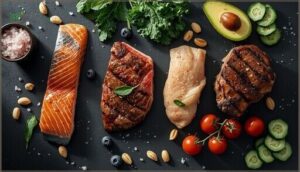
Your feeding window on the Snake Diet isn’t about eating everything in sight—it’s about choosing foods that support ketosis and keep your insulin levels stable.
The right selections help you optimize fat burning while providing essential nutrients your body needs during extended fasting periods.
Focus on three main categories: lean proteins with healthy fats, low-carb vegetables and fruits, and specific nuts and seeds that won’t spike your blood sugar.
Lean Proteins and Healthy Fats
Your feeding window demands smart protein sources and the right fats to fuel fat metabolism while keeping you full. Skinless chicken breast, turkey, white fish, and lean beef cuts deliver high-quality protein without excess calories—think 20–30 grams per meal.
Pair these with olive oil, avocados, or fatty fish like salmon to support your low-carb and ketogenic diet goals. This nutrient balance transforms meal planning into a strategic keto diet benefits powerhouse.
Low-Carb Vegetables and Fruits
Your low-carb diet thrives when you load up on vegetables that won’t spike insulin. Spinach and kale clock in under 4 grams total carbs per 100 grams, while cucumbers and zucchini hover around 3 grams net carbs—perfect for carb counting without the guesswork.
- Broccoli delivers fiber and nutrient density at just 4 grams net carbs per serving
- Bell peppers add vitamins and color to your ketogenic diet meal plan
- Watermelon and cantaloupe satisfy sweet cravings during your low-carb meal window
Approved Nuts and Seeds
Nuts and seeds pack healthy fats and protein into your keto diet without carb overload. Macadamia nuts and pecans offer excellent macronutrient ratios for ketosis, while chia seeds deliver 11 grams of fiber per 2-tablespoon serving.
Nutty benefits extend beyond caloric balance—walnuts provide omega-3s, and seed selection matters for nutrition and dietetics.
Limit portions to maintain your low-carb diet and support healthy eating habits through strategic dietary approaches.
Foods to Avoid on The Snake Diet

Certain foods will sabotage your fasting efforts and trigger insulin spikes that prevent fat burning. You’ll need to eliminate items that contain high carbohydrate counts, excess sugars, or processed ingredients that interfere with ketosis.
The following categories represent foods you must avoid to maintain the metabolic state required for this diet to work.
High-Carb and Sugary Foods
Breaking free from carb addiction starts with eliminating blood sugar spikes that fuel sugar cravings. You’ll need to cut breads, pastries, candy, and sweetened drinks—these high-carb alternatives sabotage your low-carb diet goals and keep you trapped in a cycle of food triggers.
The ketogenic diet demands you swap refined grains and desserts for low-carb meal options that support keto diet success and healthy swaps that sustain ketosis.
Processed and Battered Meats
Meat preservation methods like curing and smoking load products with sodium and nitrites that trigger insulin spikes—undoing your intermittent fasting progress. Battered foods and fried meats hide carb-heavy coatings that sabotage weight loss and ketosis.
Ditch these processed risks to protect your low-carb diet:
- Ham and cured alternatives packed with hidden sugars
- Breaded chicken strips and fish sticks
- Deep-fried bacon and sausage patties
- Pepperoni with starch fillers and binders
Dairy and Grain Restrictions
Just as breading hides carbs, dairy and grains secretly sabotage your Snake Diet refeeding window. Milk spikes insulin, while wheat starves ketosis—both break your low-carb diet momentum.
Nutrition planning demands grain substitutes and dairy alternatives that support your diet plan. Replace these dietary restrictions with smart alternatives:
| Avoid | Why It Fails | Low Carb Options |
|---|---|---|
| Milk, yogurt, cheese | Lactose raises glucose levels | Almond milk, coconut cream |
| Bread, pasta, rice | Grains trigger insulin spikes | Cauliflower rice, zucchini noodles |
| Oats, cereals | Hidden sugars disrupt electrolyte balance | Chia seeds, flaxseed meal |
Creating a Sample Snake Diet Meal Plan
Structuring your Snake Diet approach requires a clear framework that outlines fasting periods, eating windows, and meal composition. A concrete meal plan removes guesswork and helps you maintain consistency during the shift into extended fasting cycles.
The following sections provide a complete 48-hour fasting schedule, sample meal compositions, and portion guidance to support your implementation.
48. Hour Fasting Schedule Example

A typical 48-Hour Fasting schedule for the Snake Diet starts after dinner, extending through two complete days of caloric restriction before you break the fast on the third evening. This intermittent fasting approach pushes your body into ketosis while managing hunger through strategic Electrolyte Balance and hydration practices.
- Start your fast after a low-carb dinner and consume only Snake Juice, water, black coffee, or plain tea
- Track your fasting timeline to verify you complete the full 48 hours before your eating window
- Monitor energy levels and symptoms throughout the fast, stopping if you experience severe weakness or dizziness
Sample Meal Compositions for Eating Window

Once you’ve completed your 48-hour fast, your eating window demands strategic Meal Planning to optimize Nutrition Balance while supporting weight loss.
Focus on grilled salmon with sautéed spinach drizzled in olive oil, or try an egg omelet loaded with low-carb vegetables and avocado.
These lowcarb diet combinations align with keto diet principles, delivering protein and healthy fats that fuel your intermittent fasting journey without spiking insulin.
Portion Sizes and Nutrient Balance

Your eating window requires precision in Macro Balance to support Calorie Control and recovery from extended fasting. Aim for half your plate filled with nutrient-dense foods like spinach and broccoli, a quarter with lean protein, and the remaining quarter with healthy fats from avocado or olive oil.
This nutrition planning approach aligns with low-carb diet principles while supporting Electrolyte Management and ideal Nutrient Timing during dietary therapy.
Making and Using Snake Juice Safely

Snake Juice isn’t optional on the Snake Diet—it’s the lifeline that keeps your body functioning during extended fasts. This electrolyte drink prevents dangerous mineral depletion that can derail your progress or compromise your health.
Here’s what you need to know about making it correctly and using it safely throughout your fasting windows.
Snake Juice Recipe and Ingredients
You need a solid Snake Juice recipe to stay hydrated and maintain electrolyte balance during fasting. Mix 1 to 2 liters of water with Himalayan pink salt for sodium, potassium chloride for muscle support, and magnesium sulfate to prevent fatigue. Add lemon juice or apple cider vinegar as flavor enhancers.
This juice preparation aids weight loss by preventing cramps and dizziness while your body gets used to the Snake Diet.
Importance of Electrolyte Balance
Balance drives everything during extended fasts. Your body shifts into ketosis, and electrolyte regulation becomes critical for hydration and nutrient absorption.
Sodium, potassium, and magnesium prevent dehydration risks like cramps and heart rhythm changes. Without proper mineral balance and electrolyte replenishment, fasting triggers weakness and confusion.
Snake Juice maintains the electrolytes your kidneys need to function while you burn fat.
Tips for Safe Consumption During Fasts
Hydration methods matter more than you think when fasting pushes your body into ketosis and autophagy. Sip Snake Juice every 15 to 30 minutes to maintain electrolyte replenishment without triggering hunger.
Monitor fasting safety by tracking dizziness or confusion. During intermittent fasting, refeeding strategies should start with small, protein-rich portions.
Stop immediately if chest pain or severe symptoms appear—nutrient timing protects you during extended fasts.
Benefits and Results of The Snake Diet

The Snake Diet promises significant changes in your body composition and overall health through extended fasting and controlled feeding windows. You’ll see rapid weight loss as your body shifts into ketosis and burns stored fat for energy.
Beyond the scale, this approach can improve several health markers that affect your daily quality of life.
Expected Weight Loss Outcomes
Your weight loss results on this plan depend on your starting weight and how tightly you control your calorie deficit. Most people see 0.5 to 1.0 kilogram drop each week once the metabolic shift kicks in and fat burning ramps up.
Progress tracking shows initial losses often run faster—thanks to water and glycogen depletion—before settling into steady, measurable weight management over time.
Potential Health Improvements
Beyond fat loss, your body shifts into repair mode—triggering health markers that surprised even the skeptics. The structured feeding windows can rewire your metabolism, delivering improvements you’ll measure and feel:
- Cardio health stabilizes as blood pressure drops 5 to 10 mmHg and triglycerides fall with lower carb intake.
- Insulin sensitivity improves, supporting type 2 diabetes reversal through better glucose control.
- Mental clarity sharpens when stable energy replaces sugar crashes.
- Digestive ease follows as gut microbiome diversity expands.
Risks and Side Effects to Consider

The Snake Diet carries significant health risks that extend beyond typical diet side effects. Extended fasting periods can trigger adverse reactions in your body, ranging from mild discomfort to serious medical complications.
Understanding these risks, knowing who shouldn’t attempt this protocol, and recognizing warning signs will help you make an informed decision about whether this extreme approach aligns with your health status.
Common Adverse Effects
Fasting side effects demand your attention if you’re diving into this extreme eating pattern. Dizziness strikes 28 percent of people during extended fasts, while keto flu symptoms like headaches and fatigue hit hardest in week one. Electrolyte imbalance triggers muscle cramps, and dehydration risks include rapid heart rate. Here’s what you’ll face:
| Adverse Reaction | Primary Cause | Timing |
|---|---|---|
| Dizziness | Electrolyte shifts | Fasting days |
| Muscle cramps | Low potassium/magnesium | Throughout fast |
| Heart palpitations | Dehydration | Variable onset |
Who Should Avoid The Snake Diet
Those reactions signal trouble, but some people shouldn’t even start. You face serious health risks if you have eating disorders, type 2 diabetes requiring medication, or are pregnant. Medical supervision isn’t optional for anyone managing chronic conditions. Here’s who must skip the Snake Diet:
- Individuals with eating disorder histories prone to bingeing and restriction cycles
- People taking blood pressure or diabetes medications that interact with fasting
- Pregnant or breastfeeding women needing consistent nutrient intake
- Anyone with electrolyte imbalances or kidney disease risking dangerous depletion
Monitoring Health and When to Stop
Your body broadcasts Health Signals daily—track resting heart rate, blood pressure, and weight twice weekly. If your heart rate jumps 20 beats above baseline or readings hit 140/90 mmHg consistently, stop the Snake Diet immediately.
Dark urine flags Dehydration Risks; severe fatigue or dizziness means Electrolyte Balance has crashed.
Medical Thresholds aren’t suggestions—they’re hard stops protecting metabolic health and disease prevention.
Tips for Success on The Snake Diet

Starting the Snake Diet requires more than just understanding the fasting schedule—you need practical strategies to make it work in real life. Success depends on how you adapt to the plan, monitor your body’s response, and handle the inevitable challenges that come with extended fasting.
The following tips will help you navigate the shift and maintain consistency as you implement this approach.
Gradual Adaptation and Planning
Jumping straight into 48-hour fasts sets you up for failure. Instead, use Phased Implementation: start with 16-hour intermittent fasting windows, then progress to 24 hours over two weeks.
This Adaptive Eating approach lets your body adjust to metabolic health changes while supporting long-term weight loss.
Dedicate time blocks for Meal Planning and Risk Assessment, tracking energy levels and hunger patterns to adjust your Fasting Strategies before advancing.
Tracking Progress and Adjusting The Plan
Consistently record your weekly weight trend, daily hunger signals, and fasting adherence to access powerful Data Analysis. Progress Tracking reveals patterns you’d miss otherwise, guiding your Adjustment Strategies when weight loss stalls or energy dips.
Use Goal Planning to refresh targets after reaching goals, and prioritize Health Monitoring through blood pressure checks and hydration logs to confirm your intermittent fasting benefits outweigh risks.
Staying Motivated and Managing Challenges
Often, setbacks occur when you lose sight of your bigger Motivation Strategies. Strengthen your Mindset Shift by pairing Goal Setting with daily Habit Formation—schedule fasting periods, prep meals early, and lean on Stress Management techniques like breathing exercises.
Tracking non-scale intermittent fasting benefits (energy, sleep) keeps weight loss strategies alive during plateaus, reinforcing your commitment to health and wellness through deliberate weight loss progress.
Frequently Asked Questions (FAQs)
What is the 2 2 2 rule fasting?
The 2-2-2 rule fasting alternates two days of complete fasting with two days of refeeding, then repeats another two-day fast—creating four total fasting days weekly to trigger ketosis and accelerate weight loss.
What is the snake diet regimen?
The Snake Diet regimen combines prolonged fasting periods—usually 48 to 72 hours—with brief eating windows.
During these windows, you consume one large meal of lean proteins, healthy fats, and low-carb vegetables before restarting the cycle.
What is a snakes diet plan?
Despite sounding extreme, the Snake Diet plan centers on extended fasting (24-72 hours) with short feeding windows, using Snake Juice for electrolyte balance to trigger ketosis and rapid weight loss.
What is the snake diet for a week?
A typical week on the Snake Diet alternates between 48-hour fasts and 1-2 hour eating windows. Snake Juice is consumed throughout fasting periods to maintain electrolyte balance and support weight loss.
Is the snake diet the same as intermittent fasting?
While both rely on Fasting cycles to trigger Ketosis and Weight Loss, the Snake Diet pushes extreme 48-hour windows with mandatory Electrolyte Balance drinks—far beyond standard Intermittent Fasting or OMAD approaches in Nutrition Science.
Can I do the Snake Diet if Im breastfeeding?
Breastfeeding mothers shouldn’t attempt extreme fasting protocols. Your body needs consistent calories and nutrition for breast milk production. Rapid postpartum weight loss can compromise milk supply. Consult your healthcare provider before restricting food intake during this critical period.
How does the Snake Diet affect menstrual cycles?
Extended fasting can disrupt ovulation and trigger menstrual irregularities by altering leptin, insulin, and sex hormones. Ketosis may shift hormonal balance.
Monitor your cycle closely and consult a clinician if changes persist.
Is the Snake Diet suitable for people with thyroid issues?
Ironically, the Snake Diet promises metabolic health while potentially disrupting hormonal balance.
Thyroid patients face risks: fasting affects iodine consistency, medication absorption, and electrolyte impact.
Hormone fluctuations demand medical oversight before attempting extreme hormonal regulation changes.
Can I take supplements while on the Snake Diet?
You can take dietary supplements during fasting windows if they’re zero-calorie electrolytes that support ketosis.
Multivitamins may disrupt ketogenic dieting, so save them for eating periods to maintain electrolyte balance and avoid mineral deficiency.
How does the Snake Diet impact exercise and athletic performance?
Your performance tanks during intense workouts—glycogen runs out, power drops, and lifts feel heavier.
But endurance improves as your body shifts to fat oxidation, and with proper electrolytes and protein timing, recovery stays solid.
Conclusion
The irony? A protocol named after a reptile that barely eats demands more discipline than most nutritional approaches you’ll encounter. Your snake diet meal plan won’t work through willpower alone—it requires precise electrolyte management, strategic protein timing, and honest assessment of whether extended fasting aligns with your physiology.
Before committing to 48-hour fasts, consult medical professionals who understand metabolic adaptation. Extreme approaches demand extreme caution, not just extreme motivation.