This site is supported by our readers. We may earn a commission, at no cost to you, if you purchase through links.
Your ball python hasn’t moved from that corner in three days, and you’re starting to worry. Here’s the thing: she’s not sick—she’s stressed, and the culprit is probably staring you right in the face. That flimsy half-log hide you grabbed at the pet store? It’s doing absolutely nothing for her peace of mind.
Research shows that proper snake hiding spots and caves can reduce stress levels by 20 percent, which directly impacts everything from feeding response to immune function. These aren’t just decorative pieces for your terrarium; they’re essential tools that support thermoregulation, shedding, digestion, and those deep-rooted survival instincts your snake still carries.
Whether you’re setting up your first enclosure or upgrading an existing one, understanding what makes a hide truly effective—and which products actually deliver—can transform your snake’s quality of life.
Table Of Contents
Key Takeaways
- Proper snake hides reduce stress levels by roughly 20 percent and directly impact feeding response, immune function, shedding, and thermoregulation—they’re not decorative but essential survival tools.
- Your snake needs at least two hides positioned in both warm and cool zones to create thermal gradients, plus they should fit snugly (just large enough for coiling) with multiple entry points for security.
- Materials matter for safety and longevity—choose BPA-free plastics, sealed ceramics, or kiln-dried woods with proper ventilation openings to prevent humidity problems like scale rot while maintaining 50-70% moisture for healthy shedding.
- Weekly spot-cleaning and monthly deep disinfection with reptile-safe products prevent bacterial growth and mites, and you’ll need to replace hides immediately when you spot cracks larger than 2mm or sharp edges that could injure your snake.
Why Snakes Need Hiding Spots and Caves
Snakes aren’t just shy—they’re hardwired to seek shelter, and without proper hiding spots, they experience real stress that can impact their health. Whether your snake is thermoregulating, digesting a meal, or simply feeling vulnerable, a good hide makes all the difference between a stressed captive and a thriving pet.
That’s why strategic hide placement in your snake’s tank matters just as much as the hide itself—positioning them correctly across temperature zones lets your snake feel secure while still accessing the warmth or coolness they need.
Snakes are hardwired to seek shelter, and without proper hides, they experience real stress that impacts their health and wellbeing
Let’s look at the four main reasons why these secretive retreats are absolutely essential for your snake’s wellbeing.
Security and Stress Reduction
Security becomes the cornerstone of your snake’s mental health—without a reliable retreat, they can’t escape that constant feeling of exposure. Studies show hiding spots lower stress responses by roughly 20 percent, cutting anxiety during daily routines.
When you place snake hides in key zones, you’re giving them security measures that mirror wild survival instincts. That’s environmental enrichment at work, turning captivity into comfort and supporting genuine stress relief every single day.
Thermoregulation and Humidity Control
Hides aren’t just for stress relief—they’re thermal control centers where your snake fine-tunes temperature regulation and humidity levels.
When you position caves in both warm and cool zones, you create a thermal gradient that lets them shuttle between heat sources for digestion or retreat to moisture control spots during shedding.
That’s thermoregulation in action, balancing thermal cycling with precise humidity control every single day.
Instinctive Behaviors and Survival
Beyond temperature control, your snake’s wild adaptation drives it to seek natural hiding spots through instinctive behaviors rooted in predator avoidance and survival tactics.
Snake camouflage works best when paired with cover, so instinctive defense mechanisms kick in—freezing, coiling, or rapid escape into crevices.
These reptile behavior patterns aren’t optional; they’re hardwired survival tactics that directly impact animal welfare in captivity.
Health and Wellbeing Benefits
When your snake hides regularly, you’re actually supporting its immune function and digestive health. Chronic stress from inadequate reptile care weakens disease resistance and disrupts appetite patterns.
Proper snake hides prevent frantic injuries during cleaning, reduce respiratory care issues from poor ventilation, and promote mental wellbeing by honoring natural habitat rhythms.
It’s animal welfare working behind the scenes, one quiet retreat at a time.
Types of Snake Hides and Caves
Now that you understand why your snake needs hiding spots, let’s look at what’s actually available. The good news is there’s no shortage of options, from natural materials that mimic the wild to modern designs built for easy cleaning.
Your choice will depend on your snake’s species, your aesthetic preferences, and how much time you want to spend on maintenance.
Naturalistic Rock Caves
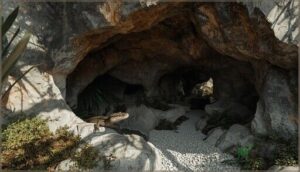
When you’re recreating your snake’s natural habitat, nothing beats the authenticity of a well-designed rock cave! These hides use faux stone materials and terrain modeling to mimic real cave formations, complete with microtopography that looks like it’s been shaped by wind and water.
- Irregular entrances and rugged ceilings replicate weathered cliff faces
- Porous textures with mineral staining match natural rock formation patterns
- Multiple alcoves and shelf-like ledges provide varied hiding spots
- Matte finishes reduce glare while creating realistic depth and shadow play
These naturalistic designs transform your reptile enclosure into something your snake actually recognizes! Learning about the formation of karst cave features and passages can provide useful insights for creating even more naturalistic snake habitats.
Log and Wooden Hideouts
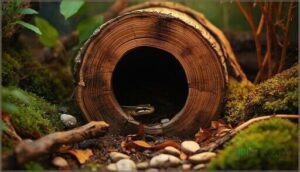
Crafted from solid wood, log hideouts bring forest-floor authenticity to your snake enclosure! These natural hiding spots feature dual entry arches that let your reptile move freely while doubling as basking perches. Some retain bark for texture, others are stripped smooth for easier cleaning.
The wooden hide design mimics tree hollows perfectly, and when treated with water-resistant sealant, these wooden cave safety features guarantee your log hide materials last through humidity cycles.
Ceramic and Resin Hides
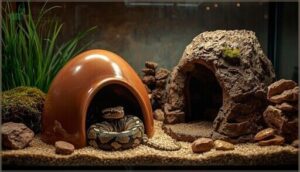
When durability meets low maintenance, ceramic and resin hides deliver modern convenience for your reptile enclosure! These snake hides offer distinct advantages:
- Non-porous surfaces resist mold and bacteria buildup
- Smooth or textured finishes suit different snake species
- Lightweight resin simplifies cleaning and rearranging
- Ceramic safety ensures no toxic leaching into substrates
- Thermal regulation stays consistent across temperature gradients
Both materials provide reliable hiding spots that outlast natural alternatives!
DIY and Household Hiding Spots
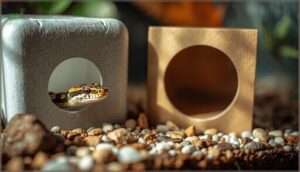
You don’t always need specialty products—your home already contains hiding spot goldmine materials! Plastic container hides work beautifully when you cut an entry hole and smooth the edges. Cardboard box hides offer temporary solutions during quarantine or travel.
Some keepers even incorporate hidden shelf ideas and furniture hides into their reptile enclosure, transforming everyday items into functional, decorative hides that blend seamlessly with your living space.
Live Plants and Foliage

Live plants transform your reptile enclosure design into a thriving ecosystem, offering natural hiding spots while boosting humidity. Think of foliage care as a win-win—your snake gets cover, you get beautiful green walls reminiscent of botanical gardens!
Snake-safe plant species include:
- Pothos with sprawling vines for snake hiding
- Snake plants offering sturdy vertical leaf texture
- Ferns providing dense overhead cover
- Spider plants creating cascading hideaways
- Philodendrons forming thick foliage clusters
Choosing The Best Hide for Your Snake
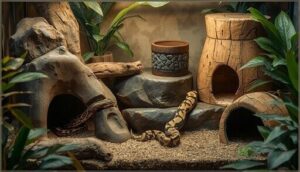
Not all hiding spots are created equal, and picking the right one makes a real difference for your snake’s comfort and health. You’ll want to think about size, materials, airflow, and where you place it in the enclosure.
Let’s break down what to look for so you can set up the perfect retreat for your scaly friend.
Appropriate Size for Different Species
Your snake’s hiding spot should match its body like a well-fitted glove. For small tropical species, you’ll need hides around 6 to 8 inches long, while medium colubrids thrive in 8 to 12-inch options. Large constrictors? They need roomier enclosure space—think 14 to 20 inches.
Species size guides help guarantee your reptile care hits the mark, letting your snake coil comfortably without feeling exposed or cramped.
Safe and Non-Toxic Materials
Once you’ve nailed the size, you need to think about what your snake hide is made from. Toxic-free materials matter—a lot. Your reptile spends hours pressed against these surfaces, so nontoxic materials like BPA-free plastics, kiln-dried hardwoods, and sealed ceramics are your best bet. Look for eco-friendly options with nontoxic coatings, smooth finishes, and surfaces that are easy to clean. Here’s what to prioritize:
- Food-grade or BPA-free certified plastics
- Untreated hardwoods with natural finishes
- Sealed stone or porcelain ceramic
- Phthalate-free resins
- Natural fibers processed without pesticides
Ventilation and Humidity Considerations
Beyond materials, you need Air Flow Control and Humidity Levels working together. Poor ventilation systems trap moisture, spiking humidity above 80 percent—hello, scale rot! Smart hides offer openings for climate regulation, letting air circulate without drying your snake out. Here’s what you need:
| Feature | Ideal Range | Why It Matters |
|---|---|---|
| Ventilation openings | 1–3 small gaps | Prevents ammonia buildup, aids thermoregulation |
| Humidity inside hide | 50–70% (tropicals) | Maintains healthy shedding, respiratory function |
| Substrate moisture | Slightly damp, not soaked | Balances moisture management without fungal risk |
| Air exchange rate | Gentle cross flow | Regulates temperature regulation, reduces condensation |
Look for hides with partial openings or mesh panels—they promote humidity control without turning your snake’s retreat into a sauna!
Placement in Warm and Cool Zones
Your snake needs hiding spots on both the warm and cool sides—that’s how they nail temperature regulation! Think thermal gradients: position one hide within 6–12 inches of your basking zone for quick retreats, another on the cool side for when they need a chill.
This microclimate control lets your snake shuttle between zone temperatures, picking the perfect spot without stress.
Multiple Entry Points and Accessibility
Now that you’ve mapped zones, look at the actual design of your snake hides. Multiple entry points mimic natural tunnel systems, letting your reptile escape threats from any angle—talk about reducing stress! Smart accessibility features mean your snake won’t bottleneck during movement. Here’s why modular hides with varied entry point design matter:
- Quick escape routes reduce predation anxiety and defensive strikes
- Thermal shuttling between hiding spots happens without leaving cover
- Airflow through several openings stabilizes humidity for healthy sheds
- Individual snakes choose their preferred retreat based on personality
- Hide placement strategies get easier when you can clean from multiple sides
Top 8 Snake Hiding Spot Products
Now that you know what to look for in a hide, let’s check out some solid options that actually work. I’ve rounded up eight hiding spots that cover different needs, from budget-friendly basics to naturalistic setups that look like they belong in the wild.
Each one brings something different to the table, so you can find what fits your snake’s specific requirements and your enclosure’s vibe.
1. Reptology Shale Scape Cave Hideout
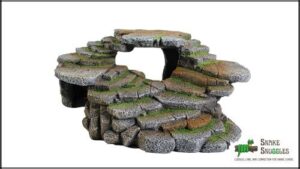
If you’re looking for a hide that looks like it was plucked straight from a canyon floor, the Reptology Shale Scape delivers. This resin piece measures eleven inches wide and features five entrance holes, so your snake can slither in, out, and around without feeling trapped.
The textured surface mimics real rock, and the top platform doubles as a basking spot for thermoregulation. It’s sturdy, non-porous for easy cleaning, and works beautifully in medium to large enclosures.
| Best For | Reptile owners who want a natural-looking hide with multiple entry points and a basking platform for medium to large snakes, lizards, or amphibians. |
|---|---|
| Material | Resin |
| Primary Use | Climbing & hiding |
| Design Style | Realistic rock |
| Weight | 1.6 lbs |
| Cleaning | Rinse before use |
| Target Animals | Reptiles & fish |
| Additional Features |
|
- Realistic rock texture and five entrance holes give your pet plenty of options for hiding and exploring
- Top platform works as a basking spot, so you get a hide and heating area in one piece
- Non-porous resin makes cleaning straightforward and prevents bacteria buildup
- Some edges may arrive rough or sharp and need sanding before it’s safe to use
- Resin can crack if you drop it or move it around too much
- Price point sits higher than basic plastic hides
2. Exo Terra Snake Hide Cave
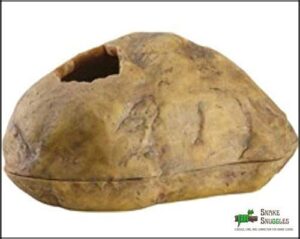
The Exo Terra Snake Cave combines function and aesthetics with its natural rock finish and moss lining. You can dampen the moss to create a humid microclimate, perfect when your snake’s preparing to shed or needs moisture for egg-laying.
The ceramic-resin construction won’t tip over, even when larger snakes push against it. At 9.8 inches long, it fits corn snakes and similarly sized species comfortably.
The removable top makes cleaning straightforward, and the narrow entrance gives your snake that snug, secure feeling it craves.
| Best For | Snake owners looking for a stable, easy-to-clean hide that doubles as a humid retreat during shedding or egg-laying. |
|---|---|
| Material | Ceramic/Resin |
| Primary Use | Hiding & nesting |
| Design Style | Natural brown |
| Weight | 3.15 lbs |
| Cleaning | Easy to clean |
| Target Animals | Snakes & lizards |
| Additional Features |
|
- Heavy ceramic-resin build won’t tip over when snakes push against it
- Removable top makes cleaning quick and simple
- Moss lining creates a humid microclimate when dampened
- Entrance hole may be too small for some snake species
- Can overheat if placed on the warm side of the terrarium
- Too small for snakes over 3-4 feet long
3. Zilla Vertical Rock Cave Decor
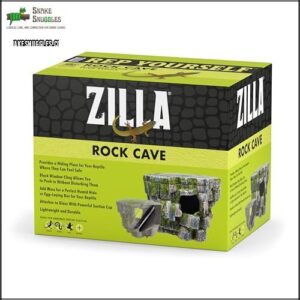
The Zilla Vertical Rock Cave brings a fresh twist to hideouts—it attaches to your terrarium glass with suction cups, creating an elevated retreat. You’ll love that arboreal species can climb up and disappear inside, mimicking those rocky cliff crevices they’d seek in the wild.
The lightweight foam construction stays secure without adding weight, and it won’t crack when your snake bumps around inside. That black window cling lets you peek at your snake without disturbing its dark sanctuary, reducing stress during observation.
| Best For | Arboreal reptiles like geckos, tree frogs, and climbing snakes that need elevated hiding spots and basking areas. |
|---|---|
| Material | Plastic |
| Primary Use | Hiding & basking |
| Design Style | Natural grey rock |
| Weight | 1.09 lbs |
| Cleaning | Easy to clean |
| Target Animals | Geckos, frogs, snakes |
| Additional Features |
|
- Suction cup design creates vertical space and mimics natural cliff habitats
- Lightweight foam construction won’t add weight or crack under use
- Black window cling allows stress-free observation without disturbing your pet
- Suction cups may lose grip over time according to some users
- Can develop sharp edges if damaged, posing injury risk to pets
- Takes up considerable terrarium space despite vertical mounting
4. Exo Terra Reptile Cave Hideout
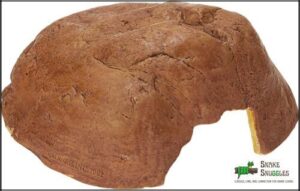
You’ll appreciate how the Exo Terra Reptile Cave mimics natural rock formations with its durable resin construction and textured finish. This hide comes in small, medium, large, and extra-large sizes, so you can match it perfectly to your snake’s coiling dimensions.
The molded base prevents tipping during late-night explorations, while the roomy interior gives your pet enough space to stretch out comfortably. That single entrance design creates the snug, secure feeling snakes instinctively crave, reducing stress-driven behaviors after feeding or handling sessions.
| Best For | Reptile owners looking for a stable, easy-to-clean hide that reduces stress for small to medium-sized snakes, geckos, and bearded dragons. |
|---|---|
| Material | Resin |
| Primary Use | Hiding place |
| Design Style | Natural rock finish |
| Weight | 1.32 lbs |
| Cleaning | Easy to clean |
| Target Animals | Various reptiles |
| Additional Features |
|
- Natural rock appearance blends seamlessly into desert or tropical terrarium setups
- Anti-bacterial coating makes cleaning simple and helps maintain a healthier habitat
- Weighted design stays put even when your reptile climbs or burrows around it
- Some units arrive with sharp edges or cracks that need attention before use
- Resin material can’t handle direct heat or basking lamp placement
- Larger reptile species won’t fit comfortably in even the biggest size option
5. Zilla Reptile Bark Bends Terrarium Decor
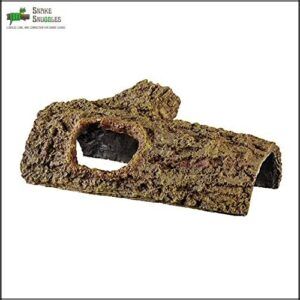
If your snake loves to burrow, the Zilla Bark Bends delivers a naturalistic den with multiple entry points and a hollow interior. The non-porous plastic exterior resists bacterial buildup, so you won’t be scrubbing mold or algae during weekly cleanings.
Open side panels let you peek inside without disturbing your pet’s shedding or post-feeding retreat. At 10.75″ long, the large size fits most common species comfortably, and the lightweight design makes repositioning a breeze when you rearrange your setup.
| Best For | Snake and lizard owners looking for a natural-looking hide that supports burrowing behavior while letting you check on your pet without disrupting them. |
|---|---|
| Material | Plastic |
| Primary Use | Burrowing den |
| Design Style | Wood bark |
| Weight | Heavy |
| Cleaning | Durable & cleanable |
| Target Animals | Burrowing reptiles |
| Additional Features |
|
- Multiple openings and a top window make it easy to observe your reptile without lifting the hide
- Non-porous plastic resists bacteria and mold, cutting down on cleaning hassle
- Naturalistic bark texture blends into terrariums while staying lightweight and easy to reposition
- Some users report receiving units with cracks or damage on arrival
- Sharp edges or small openings may need filing down before use
- Opening size limits compatibility with very large reptiles
6. BobbyPet Hobbit House Aquarium Decoration
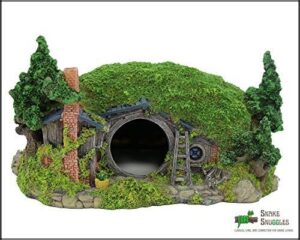
Sometimes your snake deserves a whimsical refuge! The BobbyPet Hobbit House transforms your terrarium into a fantasy landscape while offering practical shelter.
This resin cottage spans 11″ long with four entry points—ranging from 1″ to 2.2″—so younger snakes or smaller species can slip inside without hesitation. The non-toxic, water-resistant finish prevents leaching, and earthy tones blend seamlessly with naturalistic substrates.
You’ll appreciate the stable flat base during cleanings, though you may need to sand any rough interior edges before introducing your pet.
| Best For | Snake owners who want a fantasy-themed hideout that works for younger or smaller species while adding a decorative touch to the terrarium. |
|---|---|
| Material | Resin |
| Primary Use | Shelter & decoration |
| Design Style | Decorative resin |
| Weight | Stable weight |
| Cleaning | Easy to clean |
| Target Animals | Fish & reptiles |
| Additional Features |
|
- Four different entry points (1″ to 2.2″) give snakes flexible access and multiple hiding options
- Non-toxic resin construction is safe for aquatic and terrestrial setups with easy cleaning
- Stable flat base stays put during tank maintenance without tipping over
- Interior edges may need sanding before use to prevent scrapes or injuries
- Smaller entrance holes won’t accommodate larger adult snakes
- Some units arrive with a chemical smell that requires soaking to remove
7. Exo Terra Skull Terrarium Decor
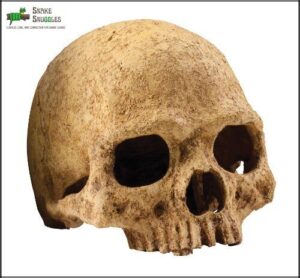
If fantasy isn’t your style, this weathered skull brings dramatic realism instead. The Exo Terra Skull measures 6.3″ across, features multiple cavities and openings, and works beautifully in desert or rainforest setups.
Cast resin mimics fossilized bone texture—complete with carved eye sockets and nasal passages—while recessed interiors reduce sharp edges.
You can tuck damp moss inside to boost humidity during shedding, and the hollow design creates warm microclimates near basking zones. Just rinse with reptile-safe cleaner, dry thoroughly, and check for any rough spots before use.
| Best For | Reptile owners who want a naturalistic hide that adds gothic flair to desert or rainforest terrariums without sacrificing function. |
|---|---|
| Material | Resin |
| Primary Use | Hiding place |
| Design Style | Skull shape |
| Weight | 0.88 lbs |
| Cleaning | Requires maintenance |
| Target Animals | Reptiles & amphibians |
| Additional Features |
|
- Realistic fossilized bone texture with multiple openings that encourage exploration and reduce stress
- Hollow design lets you add damp moss for humidity control during shedding seasons
- Works in any setup—desert, tropical, or aquatic—and creates natural warm spots near heat sources
- Interior edges may need sanding before use to prevent scrapes or cuts
- Takes up significant floor space in smaller tanks, limiting room for other décor
- Smaller pets may outgrow it quickly, and larger species might tip or destabilize it
8. Reptile Hide Box For Geckos And Snakes
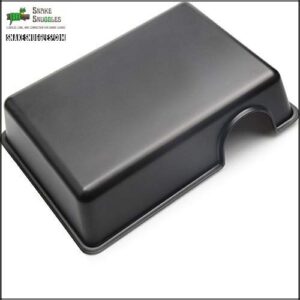
For a clean, functional option, the Reptile Hide Box uses durable ABS plastic with smooth, nonporous walls that resist mold and bacteria. You’ll find sizes from mini (for hatchlings) up to extra large for adult king snakes or big leopard geckos, and the offset door design gives your snake extra security. It’s BPA-free, heat-resistant to 90°C, and wipes down fast with mild soap—perfect when you need reliable shelter that won’t break the bank.
| Best For | Keepers of small to medium reptiles like leopard geckos, corn snakes, and juvenile bearded dragons who want an affordable, easy-to-clean hide that stays sanitary between sheds. |
|---|---|
| Material | Resin |
| Primary Use | Secure hiding space |
| Design Style | Modern |
| Weight | Not specified |
| Cleaning | Easy to clean |
| Target Animals | Geckos, snakes, lizards |
| Additional Features |
|
- Smooth resin surface resists mold and bacteria, making cleanup a quick wipe-down job
- Textured exterior helps reptiles shed more easily without added humidity gear
- Solid 12-month warranty backs up the durable construction
- 9.5-inch size won’t fit larger adults like ball pythons or full-grown bearded dragons
- Some buyers received fewer units than ordered, so double-check your shipment
- No color options listed—you get what they send
Maintaining and Cleaning Snake Hides
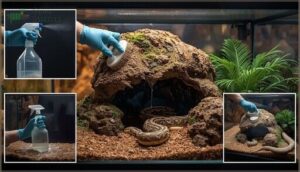
Keeping your snake’s hides clean isn’t just about aesthetics—it’s essential for preventing bacterial growth, mites, and respiratory issues that can seriously impact your pet’s health. A good maintenance routine involves regular spot-cleaning, periodic deep disinfection, and knowing when it’s time to retire a hide altogether.
Let’s break down the best practices for maintaining a safe, clean environment your snake will actually want to use.
Regular Cleaning Schedule
Consistency is your best friend regarding hide maintenance and enclosure hygiene. Weekly wipe downs of easy-to-clean surfaces remove shed skin and waste, protecting your pet’s health and safety.
Daily sanitizing of water bowls keeps bacteria at bay, while monthly deep cleans with reptile-safe cleaning tools help with humidity control and overall reptile care quality.
Inspecting for Damage or Wear
Beyond keeping your snake’s enclosure spotless, look over each hide for cracks, chips, or worn surfaces—visual checks catch problems before they turn serious. A damaged hide compromises security and durability, especially if moisture seeps into fractures or sharp edges appear. Anything that isn’t easy to clean or shows material safety risks deserves immediate replacement.
- Examine surfaces for cracks larger than 2 mm that signal impact stress
- Check entry holes for sharp edges that could injure your snake
- Test structural stability by pressing gently; flexing beyond 1 mm means trouble
- Scan for discoloration or powdery coatings indicating material breakdown
- Inspect joints and seams where sections meet for gaps or separation
Safe Disinfection Practices
Once you’ve spotted damage, disinfection comes next—but never skip surface preparation. Rinse each hide with plain water, scrub away organic debris, then let it air dry completely before applying your reptile-safe disinfectant.
This cleaning protocol ensures pet health and safety while maintaining durability. Follow the product’s contact time, wear gloves for safety precautions, and establish a disinfection frequency that matches your snake’s shedding cycle for most effective temperature regulation and reptile care.
Replacing Old or Damaged Hides
When damage inspection reveals cracks or warping, it’s time for hide replacement to protect snake safety. Before you swap it out, here’s your action plan:
- Match the original hide’s size and texture so your reptile feels equally secure in the new hiding spots.
- Sanitize the enclosure area where the old hide sat, removing debris and bacteria.
- Test the new snake hides for stability before reintroducing your snake to its refreshed habitat.
Frequently Asked Questions (FAQs)
What kind of snakes live in caves?
In nature’s underground cathedral, some snakes follow prey into darkness.
Cave snake species like Yucatan rat snakes hunt bats in limestone caves, while other tropical cave snakes use rocky crevices for shelter and hunting.
For more details on these species and their unique behavior, explore the adaptations of cave-dwelling snakes.
What are the signs of a snake in your house?
You’ll find shed skins in closets or basements, spot droppings with bone fragments, hear sliding noises in walls, notice musty odors, or see tracks—clear signs demanding immediate attention.
Do snakes hide in caves?
Yes, snakes hide in caves! These reptiles instinctively seek rock crevices and cave mouths for protection, thermoregulation, and stress reduction—mimicking wild habitats where caves provide security from predators and harsh weather.
Can snakes share hiding spots with other snakes?
Most snakes won’t share hides—they’re solitary and territorial. Garter snakes occasionally tolerate cohabitation in roomy, multi-entry caves, but crowding triggers stress and aggression. Always provide separate hiding places in snake enclosures for safety.
Do baby snakes need smaller hides than adults?
Baby snakes thrive with snug hatchling hides—think tennis-ball sized—that mimic tight burrows.
As your snake grows, you’ll upgrade hide size gradually, ensuring proper enclosure design facilitates safe thermoregulation and stress-free reptile care throughout development.
How many hides should one enclosure have?
Think of it like safe houses on a spy route. Your reptile enclosure needs at least three snake hides—one warm, one cool, one middle—though larger snake enclosures benefit from five or six hiding places.
Will snakes refuse to eat without proper hides?
Many snakes won’t eat without proper hides because stress factors override their appetite. When your reptile feels exposed, eating habits shift—feeding behavior stops until secure hiding places restore comfort and trigger normal snake appetite again.
Conclusion
Like a well-fitted coat on a cold day, the right snake hiding spots and caves wrap your pet in security and comfort. You’ve learned what makes a hide truly effective, explored the best options, and now you hold the blueprint for a stress-free enclosure.
That corner-hugging ball python? She’s waiting for you to give her the sanctuary she instinctively craves. Choose wisely, place strategically, and watch her confidence bloom in ways that’ll surprise you.