
This site is supported by our readers. We may earn a commission, at no cost to you, if you purchase through links.

Your snake refused last week’s meal—then gorged the next. That erratic appetite isn’t random; it’s tied directly to summer’s rising temperatures, which accelerate metabolism by 40-60% in many species.
Most keepers underfeed during peak heat, starving snakes when their bodies demand maximum fuel. Summer snake feeding frequency hinges on precise metabolic calculations: ambient temperature, prey size relative to body mass, and species-specific growth rates.
Juvenile ball pythons need meals every 5 days at 85°F; adult corn snakes thrive on 12-day intervals when temps climb past 80°F. Miss these benchmarks and you’ll face regurgitation, stunted growth, or dangerous obesity by autumn.
Table Of Contents
Key Takeaways
- Summer temperatures accelerate snake metabolism by 40-60%, demanding shorter feeding intervals—juveniles need meals every 5-7 days at 85°F while adults thrive on 10-14 day cycles when temps exceed 80°F.
- Proper prey sizing matters more than frequency: aim for rodents roughly 20-40% of your snake’s body mass and match diameter to the widest girth to prevent regurgitation and digestive complications.
- Weekly weight tracking and body condition scoring reveal feeding imbalances before they cause metabolic stress—visible spine signals underfeeding while rolls and lethargy indicate obesity from overfeeding.
- Skip feeding during extreme heat waves above 95°F or when dehydration signs appear, and pause meals 3-5 days before shedding to prevent regurgitation when energy diverts to skin renewal.
Key Factors Affecting Summer Snake Feeding

Summer feeding isn’t one-size-fits-all—your snake’s appetite hinges on multiple environmental and biological variables that shift throughout the warmer months. Temperature swings, hydration stress, and prey quality all compound to alter metabolic demands in ways you can’t ignore.
Understanding these four core factors keeps your snake healthy and prevents the common mistakes that lead to regurgitation, obesity, or stunted growth.
Ambient Temperature and Metabolic Rate
Summer heat drives your snake’s metabolism—often doubling energy expenditure for every 10°C rise within its ideal temperature window. This metabolic boost accelerates digestion rates and increases feeding frequency demands; thermal regulation becomes critical to snake health.
Monitor temperature thresholds carefully: extreme heat stresses thermoregulation and disrupts your feeding schedule, while ideal warmth aligns perfectly with active foraging and efficient prey processing.
Adjusting prey size based on ambient temperature helps prevent digestive complications—match feeding portions to your snake’s thermal conditions to support safe, consistent digestion.
Understanding language patterns can help you research and describe these complex biological processes more effectively.
Humidity and Hydration Needs
Adequate hydration levels fuel efficient digestion—dry air robs your snake of moisture, compromising skin health and feeding performance. Maintain 40–60% humidity control for most species; tropical varieties demand higher ranges. Fresh water quality matters: change daily in summer heat to prevent bacterial blooms and snake dehydration.
Proper humidity safeguards your snake feeding schedule by supporting metabolic function and prey processing.
Key hydration and humidity markers:
- Check water dishes twice daily—evaporation accelerates in warm weather
- Monitor shed quality—incomplete sloughing signals inadequate moisture
- Watch for sunken eyes or wrinkled skin—classic dehydration red flags
- Balance ventilation with humidity—excess moisture breeds respiratory trouble
Prey Availability and Quality
Your snake’s meal options depend on prey density and seasonal abundance—summer peaks bring more insects and small vertebrates, but urban sprawl disrupts natural food chains.
Nutrient content varies by prey type: gut loading boosts reptile nutrition in frozen-thawed prey.
Pairing gut-loaded prey with a balanced approach to essential vitamins and minerals for pet snakes helps address nutritional gaps that frozen-thawed options alone might miss.
Habitat quality determines biomass; riparian zones and scrublands offer reliable prey size diversity. Monitor these environmental shifts—they’ll dictate when you adjust feeding intervals.
Keeping detailed feeding logs—noting prey type, size, and timing—lets you spot patterns early and match nutrition to your snake’s growth stage, especially when selecting appropriate live prey for corn snakes.
Snake Age, Size, and Activity Level
Beyond prey availability, your snake’s internal clock runs the show. Juveniles need meals every 5–7 days—growth patterns demand it, driving higher metabolic needs and tighter feeding cycles. Adults shift to 10–14 day intervals as snake development plateaus and energy requirements stabilize.
If your snake refuses rodents altogether, species like garter snakes that eat fish and amphibians offer alternative feeding approaches worth exploring.
Activity level cranks up metabolism: a basking, exploring serpent burns more fuel than one coiled in shade, so match feeding frequency to observed behavior and snake size. Understanding the importance of methodological rigor is essential for maintaining a healthy snake.
Recommended Summer Feeding Schedules

Summer feeding schedules aren’t one-size-fits-all—they depend on your snake’s age, species, and metabolic demands. Getting the timing right prevents both nutritional deficits and obesity-related health complications. Here’s how to structure feeding intervals during peak activity months.
Feeding Frequency for Juvenile Snakes
Young snakes are metabolic furnaces—they burn through prey faster than adults and demand frequent meals to fuel rapid tissue development and skeletal growth. Feed juveniles every 5–7 days during summer to support ideal growth rates and meet elevated nutrient needs.
Watch for feeding cues like persistent tongue-flicking and active exploration—these signal hunger and guide your feeding schedule. Consistent metabolic support during this phase establishes healthy snake development and prevents stunted maturation.
Feeding Frequency for Adult Snakes
Once maturity sets in, adult nutrition shifts—your snake’s feeding frequency drops to every 2–4 weeks during summer, aligning with elevated snake metabolism and natural seasonal feeding patterns. This dietary management prevents snake obesity while supporting healthy feeding cycles.
- Every 2 weeks: Active adults, smaller prey items, high-energy species
- Every 3 weeks: Most temperate adults with standard activity levels
- Every 4 weeks: Large, sluggish individuals or fasting-prone species
Adjust your feeding schedule based on body condition and temperature—proper snake care and management means matching meals to metabolic demand.
Adjusting for Different Species
Different snake species demand customized feeding schedules—species metabolism drives everything. Ball pythons tolerate 3-week intervals; colubrids with higher metabolic demands need weekly meals.
Prey selection and prey size must match jaw gape and dietary needs; a corn snake thrives on mice, while a garter snake requires fish or worms.
Species-specific care means aligning your feeding schedule with each snake’s natural history and nutritional requirements.
Seasonal Changes and Feeding Intervals
Summer triggers metabolic shifts—higher temperatures accelerate digestion and energy expenditure, demanding shorter feeding cycles. Your snake’s feeding schedule must account for temperature effects and humidity impacts on hydration and metabolic efficiency.
Seasonal adaptation means juveniles may need meals every 5–7 days; adults thrive on 10–14 day intervals. Monitor prey availability and adjust snake feeding frequency as ambient conditions and snake health dictate throughout the warm months.
Choosing The Right Prey for Summer
Summer feeding success hinges on selecting prey that matches your snake’s elevated metabolic demands without overwhelming its digestive capacity. Prey size, nutritional density, and safety become critical variables when temperatures climb and hydration needs shift.
Here’s how to choose appropriate prey items that fuel growth and maintain health during the active season.
Proper Prey Size and Nutritional Value

Getting prey size right determines whether your snake thrives or struggles—aim for prey roughly 20-40% of body mass.
Here’s your practical meal planning checklist:
- Match prey diameter to the snake’s widest girth to prevent regurgitation and choking hazards.
- Select lean mammals (mice, rats) for high protein and controlled fat content.
- Increase feeding frequency during summer’s elevated metabolic demands—juveniles need meals every 5-7 days.
- Monitor body condition weekly; stable weight gain signals proper nutrient balance and dietary needs fulfillment.
Benefits of Frozen-Thawed Vs. Live Prey

Frozen-thawed prey eliminates bite injuries during prey handling, protecting both you and your snake. Parasite control and pathogen reduction through freeze-thaw cycles deliver enhanced feeding safety compared to live alternatives. Nutrient retention remains stable in properly stored frozen prey, ensuring consistent reptile feeding and nutrition throughout summer’s demanding metabolic cycles.
| Consideration | Frozen-Thawed Advantage |
|---|---|
| Safety | Zero bite risk; controlled pathogen reduction |
| Consistency | Standardized prey size and nutrient retention |
| Availability | Year-round supply regardless of feeding frequency |
Your snake doesn’t care about the hunt—it cares about the meal.
Your snake prioritizes nutrition over instinct—the meal matters more than the chase
Prey Type Options for Common Species

Rodents anchor most snake species’ summer prey type rotation—mice for corn snakes, rats for ball pythons, scaled to prey size matching body girth.
Bird prey suits species with avian preference; quail or chick hatchlings deliver higher caloric density when feeding frequency drops.
Fish alternatives work for garter snakes and aquatic feeders, while reptile diet options remain secondary unless your snake species shows specialized preferences.
Ethical Sourcing and Prey Safety

Once you’ve locked in prey type, turn your attention to where it comes from—supplier ethics matter. Licensed breeders who prioritize humane treatment deliver frozen-thawed prey that promotes snake health without the regurgitation and obesity risks of poor-quality feeders.
- Verify supplier licensing and animal welfare compliance before ordering
- Request batch testing documentation to screen for parasites or contaminants
- Track procurement dates and prey size specifications to maintain consistent prey quality
Signs to Adjust Your Snake’s Feeding

Your snake’s body tells you when feeding schedules need adjustment—you just need to know what to watch for.
Summer’s heat and metabolic shifts demand closer observation of weight, behavior, and physical condition than cooler months.
Here are the four critical indicators that signal it’s time to recalibrate your feeding approach.
Monitoring Body Condition and Weight
Weekly weight tracking forms the bedrock of responsible summer husbandry—grab a digital scale and log every reading. Body scoring complements those numbers; run your fingers along vertebrae and ribs to assess fat reserves. Growth monitoring reveals whether your feeding frequency sustains healthy development or tips into obesity. Consult feeding charts for species-specific benchmarks, and schedule regular health checks to validate body condition against nutritional intake.
| Assessment Method | Action Frequency |
|---|---|
| Weight Tracking | Weekly to monthly |
| Body Scoring | Every feeding cycle |
| Health Checks | Quarterly minimum |
Recognizing Overfeeding and Underfeeding
Catching feeding imbalances early prevents metabolic stress and long-term snake health complications. Watch for these red flags:
- Visible rolls or bulges along the body—obesity creeps in when you overfeed consistently
- Prominent spine and ribs signal underfeeding; your snake burns more than it consumes
- Regurgitation episodes indicate oversized prey or feeding frequency errors
- Lethargy and reduced activity often stem from excess weight or nutrition balance issues
- Persistent hunting behavior suggests inadequate portions despite regular weight monitoring
Adjust prey size and feeding cues immediately when you spot these indicators.
Behavioral Cues of Hunger or Satiety
Your snake’s tongue flicking toward prey signals hunger signs—active searching behavior drives feeding responses tied directly to snake feeding frequency. Lethargy after consecutive meals indicates satiety indicators; reduced appetite cues mean your animal behavior assessment should pause the feeding schedule.
Watch for strike hesitation or prey refusal—these dietary needs signals tell you when satiety overrides predatory drive, protecting against metabolic stress.
Feeding Adjustments During Shedding or Breeding
Shedding disrupts your snake’s feeding schedule—cloudy eyes and dull skin signal reduced appetite and elevated metabolic shifts. Skip meals 3–5 days before the shed to prevent regurgitation; digestive stress compounds when energy diverts to skin renewal.
Adjust breeding diet with these steps:
- Increase feeding frequency 10–20% during pre-courtship to meet hormonal changes and elevated energy needs
- Monitor prey size for post-shed recovery—lighter meals protect against metabolic overload
- Track snake health indicators: refusal patterns reveal when shedding nutrition demands override hunger cues
Top 3 Products for Summer Snake Feeding
You don’t need fancy equipment to feed your snake properly this summer—just a few reliable tools that make the process safer and more precise. The right scale ensures accurate prey sizing, while proper handling tools protect both you and your snake during feeding time.
Here are three products that solve real feeding challenges without unnecessary complexity.
1. Pinkie Organic Cotton Period Pads
You might be wondering why period pads appear in a snake feeding guide—but here’s the hard truth: menstrual products pose serious menstrual pad risks and have zero legitimate role in reptile hygiene or snake enrichment. Despite online claims linking these to feeding schedule optimization or prey size supplementation, no peer-reviewed herpetology research endorses inappropriate uses of human sanitary items in snake care and maintenance.
Period pad safety concerns include ingestion hazards, substrate contamination, and disrupted feeding frequency patterns. Stick to species-appropriate prey and purpose-built enclosure materials—your snake’s health depends on evidence-based husbandry, not gimmicks.
| Best For | Young girls, tweens, and teens who need smaller, comfortable pads with organic materials and discreet packaging for school or daily activities. |
|---|---|
| Target User | Young girls and teens |
| Primary Material | Organic cotton |
| Size/Dimensions | 6.02 x 4.09 x 4.02 inches |
| Package Count | 18 pads |
| Special Features | Ultra-thin with wings |
| Price Range | Premium for category |
| Additional Features |
|
- Organic cotton topsheet that’s chlorine-free and fragrance-free, making it gentle for sensitive skin
- Ultra-thin design with leak-proof wings fits well in smaller underwear without bulk
- Comes with cute disposal baggies that make it easy to carry and dispose discreetly at school
- Pricier than many mainstream pad options on the market
- The disposal baggies aren’t waterproof, which can be inconvenient for hygienic disposal
- Size may be too small for heavier flows or users who need more coverage
2. Amazon Basics Digital Kitchen Scale
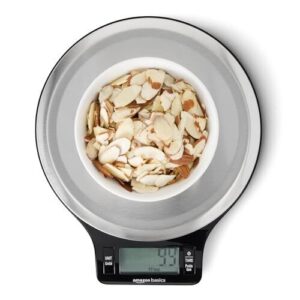
Precise prey size directly determines feeding frequency, snake health, and metabolic efficiency—yet most keepers eyeball rodent mass and hope for the best. The Amazon Basics Digital Kitchen Scale delivers weighing accuracy up to 5 kg with 1-gram resolution, letting you match prey size to your snake’s body weight within the critical 10% threshold.
Use the tare function for food measurement in containers; calibrate monthly for consistent feeding schedule data.
Track weight trends across feeding frequency intervals to prevent obesity and regurgitation—digital scale precision beats guesswork every time.
| Best For | Snake keepers who want to precisely track prey weight and monitor their snake’s body mass over time to maintain proper feeding ratios and avoid health issues. |
|---|---|
| Target User | Home cooks and dieters |
| Primary Material | Stainless steel and plastic |
| Size/Dimensions | 8.3 x 7 x 1.3 inches |
| Package Count | 1 scale with batteries |
| Special Features | Tare function and LCD |
| Price Range | Budget-friendly |
| Additional Features |
|
- Measures up to 11 pounds with 1-gram accuracy, perfect for weighing rodents and tracking the 10% prey-to-snake body weight ratio that prevents overfeeding or underfeeding.
- Tare function lets you weigh messy prey or portions in containers without doing math, and the stainless steel platform cleans up easily after handling frozen rodents.
- Multiple unit options (grams, ounces, pounds) and compact size make it convenient for small snake rooms or reptile setups where counter space is limited.
- Auto-shutoff can interrupt multi-snake feeding sessions when you’re weighing several rodents in a row, and there’s no manual off switch to control it.
- Display gets blocked by larger bowls or containers, which can be annoying if you’re weighing multiple prey items or tracking snake weight in a tub.
- The 2-gram minimum weight means it won’t work for weighing very small prey like pinkie mice for hatchling snakes, and it doesn’t measure to decimal places on the gram setting.
3. Poison Frogs Biology Guide

Most keepers overlook chemical ecology when optimizing reptile care—yet understanding toxin sequestration and defensive mechanisms in amphibians directly informs prey safety protocols for ophidiophagous species.
This 668-page guide covers toxin profiles, poison frog conservation, and frog species classification with 1,000+ full-color photographs. While dated and pricey at $185, it provides context for evaluating wild-caught prey risks that impact snake feeding frequency and animal nutrition.
Serious herpetologists cross-reference defensive mechanisms data against feeding schedule adjustments—knowledge that protects snake health during summer prey transitions.
| Best For | Serious poison frog keepers, breeders, and herpetologists who want a deep dive into frog biology, toxins, and captive care. |
|---|---|
| Target User | Frog keepers and breeders |
| Primary Material | Paper (book pages) |
| Size/Dimensions | 668 pages |
| Package Count | 1 book |
| Special Features | Over 1000 color photos |
| Price Range | $185.00 |
| Additional Features |
|
- Packed with practical information and detailed care techniques.
- Features over 1,000 color photos and illustrations for easy reference.
- Covers disease treatment, toxin ecology, and conservation topics.
- Some info and classifications may be outdated.
- High price tag compared to online resources.
- Can be repetitive in places, according to reviewers.
Frequently Asked Questions (FAQs)
How does summer heat stress affect feeding response?
Heat stress suppresses appetite when ambient temperatures exceed 32–35°C—digestive enzyme activity drops, evaporative water loss spikes, and feeding cues weaken.
Monitor thermal tolerance closely; adjust feeding windows to cooler hours.
Should I feed more during summer growth spurts?
During growth spurts, increase total caloric intake by adjusting prey size—8-12% of body mass—rather than drastically increasing feeding frequency.
Monitor weight weekly; steady gains prevent digestive overload while supporting ideal tissue development.
Can snakes safely eat during extreme heat waves?
Extreme temperatures push snakes beyond thermal limits—digestion risks spike, heat stress compounds, and metabolism races ahead of safe processing capacity.
Feed only during cooler morning or evening hours when temperature drops and snake hydration remains stable.
Do nocturnal snakes feed differently in summer?
Nocturnal snakes shift their summer diet by hunting during cooler night hours—they capitalize on moderate temperatures after dusk, targeting abundant nighttime prey while their thermoregulation needs align with lower ambient heat stress.
When should I skip feeding during hot weather?
Skip feeding when ambient temperatures exceed your snake’s thermal limits—usually above 95°F for most species—or when dehydration signals appear.
Heat stress disrupts metabolism and digestion, making feeding pauses essential for snake health during extreme conditions.
Conclusion
Your snake’s summer survival hinges entirely on mastering summer snake feeding frequency—there’s zero margin for guesswork. Temperature dictates metabolism; metabolism dictates intervals.
Weigh your animal weekly, track prey-to-body ratios with surgical precision, and adjust every 7-10 days based on behavioral cues. Miss one feeding window during peak heat and you’ll spend autumn correcting deficiencies.
The data doesn’t lie: consistent monitoring separates thriving reptiles from struggling ones.
- https://elsevier.blog/sub-points-outlining-organization/
- https://www.youtube.com/watch?v=veex4I491Wc
- https://www.gauthmath.com/solution/1837934067002466/2-Main-point-1-Subpoint-2-Subpoint-3-Subpoint
- https://mcluhan.unk.edu/lawson/?page_id=187
- https://academichelpexpress.blog/2024/08/please-use-the-bulleted-points-and-the-rubric-below-to-guide-your-work-your-pa/