This site is supported by our readers. We may earn a commission, at no cost to you, if you purchase through links.

Your snake finishing a shed feels like a win—until you hold up that papery skin and realize it tore in four places, both eye caps are missing, and the tail end looks more like a frayed rope than a clean tip.
Incomplete sheds happen to experienced keepers too, but what you do in the next 24 hours determines whether a minor hiccup becomes a vet visit.
Post-shed care isn’t just cleanup—it’s a systematic check, a reset of the enclosure, and a careful return to routine that sets your animal up for a cleaner cycle next time.
Table Of Contents
- Key Takeaways
- Confirm The Shed is Complete
- Inspect for Retained Shed
- Clean and Reset Enclosure
- Offer Water, Food, Handling
- Prevent Future Shedding Issues
- Top 5 Products to Avoid
- Frequently Asked Questions (FAQs)
- What vitamin are you lacking if your hair is shedding?
- How long does shedding usually last?
- What is considered excessive shedding?
- How to fix excessive shedding?
- Do you feed a snake when it is shedding?
- What to do during shedding season?
- How long does post-shedding hair feel different?
- Can routine scalp massages aid recovery after shedding?
- Is increased shedding normal during seasonal changes?
- Should haircuts be avoided directly after heavy shedding?
- Conclusion
Key Takeaways
- After your snake sheds, always verify completeness by checking eye caps, the tail tip, nostrils, and jaw line before assuming the job is done.
- A Stuck shed isn’t just cosmetic—retained eye caps, darkened tail tips, or constricting rings around the neck are urgent problems that can cost your snake its vision or circulation.
- Reset the enclosure the same day: pull the old skin, spot‑clean soiled substrate, scrub the water bowl, and sanitize hides to stop bacteria and mold from taking hold.
- Every shed cycle you log—date, quality, interval, body weight—turns into a diagnostic tool that catches health problems before they become vet emergencies.
Confirm The Shed is Complete

A shed isn’t done just because the old skin is on the floor. You need to confirm every piece came off before you move on to anything else. Here’s exactly what to check, in order.
Pay special attention to the eye caps — a clean, single-piece shed that includes them is your clearest sign everything went as it should, as explained in this guide to ball python shedding and feeding issues.
Find One Complete Skin
Hunt down the entire shed before celebrating. A healthy shed releases as one continuous tube, inside‑out, running from a clear head opening down through belly scales to the tail tip.
Afterward, follow this post-shed snake care checklist to inspect the enclosure and confirm your snake is settling in normally.
Check hides, bark edges, and water bowl corners first.
Fragmented skin usually means low humidity or friction problems—not a finished job worth ignoring. Maintaining optimal humidity levels of 60‑70% during shed periods can prevent fragmented skin.
Check Both Eye Caps
Once the skin is off, the eyes are your truth‑tellers. Both spectacles — the clear protective scales covering each eye — should look equally glossy and flat.
Hold your snake in soft room lighting and compare left to right. A cloudy or dull eye after a complete shed almost always means a retained eye cap is still stuck.
Inspect Tail Tip Carefully
Eyes checked, now go south. The tail tip narrows to a fine point, and that’s exactly where stuck shed hides on a pet snake.
Look for:
- Tail tip shape — smooth taper, no dry sleeve
- Retained shed rings — pale, tight bands
- Circulation color changes — darkening or swelling
Cracked, raw, or blackened tissue is an urgent warning sign, not normal shedding skin.
Look Around Nose and Mouth
Tail’s clear, so work back up to the face — this is where snakes hide the trickiest retained shed.
Check nostril clearance first, then the rostral scale for rough, cloudy patches. Run a lip pit inspection along the upper jaw, scan mouth corner flakes, and confirm jaw scale symmetry between both sides. Any puckering or crust means the shed isn’t finished yet.
Note Missing Shed Patches
Once you’ve checked nose to tail, lay the shed flat and hunt for gaps. A clean tube means success; torn or missing sections reveal exact patch locations still stuck on your snake.
Photograph any holes for visual progress tracking, noting shape and size.
This documents shed patterns, flags circulation risks early, and beats guessing where retained skin hides.
Inspect for Retained Shed
A complete shed doesn’t always mean a clean one. Retained patches can hide in spots you won’t notice without a closer look. Here’s exactly where to check, and what counts as a real problem versus a minor leftover.
Check Head and Eye Areas

Your snake’s head holds the trickiest retained shed. Eye cap clarity matters most—cloudy or doubled eyes mean leftover tissue, not a clean shed.
- Eye caps should look smooth, never wrinkled
- Nostril skin should sit flush, not ringed
- Mouth fold debris hides near jaw corners
- Heat pit cleanliness matters for boas, pythons
Facial swelling isn’t routine—that’s vet territory, fast.
Examine Belly and Neck

Run a finger along the underside, where belly scale alignment tells you everything. Scales should sit flat with consistent sheen, no curled edges or rough patches.
| Area | Healthy Sign | Warning Sign |
|---|---|---|
| Belly | Even sheen | Whitish fragments |
| Neck | Smooth movement | Stiff, banded skin |
| Both | Scale edge clarity | Retained skin textures |
Restricted neck movement flexibility isn’t normal—stuck shed acts like a tight collar, demanding prompt removal.
Inspect Vent and Tail

The tail end is where ecdysis problems hide the longest, so don’t skip it.
Vent area hygiene matters: scales should taper smoothly, no crust, no red tissue (a vent prolapse sign needing a vet now).
Watch for abnormal tail color—dark or purple tips signal tail circulation issues or tail tip necrosis from a stuck shed; your pet snake couldn’t shed normally.
Identify Dry Stuck Patches

Dull patches don’t lie—they’re the fingerprint of incomplete ecdysis. Grab a flashlight, angle it low, and look for:
- Cloudy, matte color instead of fresh shine
- Papery texture that lifts under your fingertip
- Irregular borders outlining individual scales
Check body bends, mid-side scales, and old scar tissue first—stuck shed loves uneven surfaces and low humidity zones.
Know When Vet Help Matters

Some shed problems demand more than tweezers and patience—they demand an exotic veterinarian. Watch for retained eye caps, tail circulation loss, respiratory distress signs (wheezing, open-mouth breathing), or skin infection symptoms like discharge and swelling.
Chronic dysecdysis patterns—repeated bad sheds—signal deeper reptile health issues. Don’t risk skin injury risk by DIY removal. Veterinary intervention protects vision, circulation, and long-term reptile shedding success.
Clean and Reset Enclosure
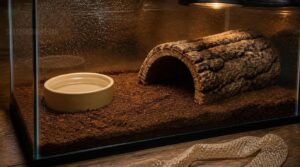
Once you’ve cleared the shed and checked your snake over, the enclosure needs the same attention. A fresh shed leaves behind more than just skin, think waste, stale water, and surfaces that can quietly grow bacteria or mold. Here’s exactly what to tackle, step by step, to reset things properly.
Remove Shed Skin Promptly
Once ecdysis wraps up, get that old skin out fast. Remove it the same day, while it’s still dry and intact, before water bowls or damp substrate turn it into a soggy mess.
Lift gently from the middle using clean hands or tongs. This preserves eye caps and tail tips for inspection, and stops retained shed from going unnoticed.
Clear Waste and Soiled Substrate
With the skin gone, hunt down waste hotspots near hides, corners, and wall edges. Spot clean fully: lift waste plus a buffer of surrounding substrate, then wipe the floor underneath.
Watch for:
- Chalky white urates soaking the bedding
- Sour, ammonia-like odors signaling soiling
- Yellowed, clumped aspen losing its fluff
- Repeated stools demanding a full substrate change
- Damp patches lingering past 24 hours
Refresh The Water Bowl
After clearing substrate, refresh your water bowl too. Stagnant water breeds bacteria fast, especially in humid enclosures. Choose stainless steel or ceramic over plastic for fewer scratches and less biofilm. Scrub daily, rinse hot, dry fully, then refill with cool water for post-shed hydration.
| Check | Action |
|---|---|
| Odor | Replace with fresh water |
| Cloudiness | Swap promptly |
| Drinking | Watch closely for 24 hours |
Sanitize Hides and Décor
Once the water bowl’s sorted, turn to hides and décor. Wipe away debris first, then apply a quaternary ammonium sanitizer for 60 seconds before rinsing clean.
Stubborn organic grime calls for an enzymatic cleaner, rinsed thoroughly afterward to prevent buildup. Stick with fragrance-free, safe product selection—harsh chemicals undermine solid snake husbandry and irritate sensitive skin.
Check for Mold Buildup
Sniffing out musty odors signals hidden trouble. Inspect hides for discoloration or fuzzy streaks—porous materials trap moisture fast, fueling scalp inflammation, dandruff, and seborrheic dermatitis-like buildup in damp spots.
- Lingering musty smell
- Spotted or streaky surfaces
- Porous hides holding dampness
- Inconsistent humidity control
- Mold returning after cleaning
Mold colonizes fast (24–48 hrs)—treat décor like scalp health: antidandruff shampoo.
Offer Water, Food, Handling

Your snake just finished a major physical event, and what you do next can speed recovery or slow it down. Timing matters here — when you offer water, when you reach for food, even when you pick your snake up. Get these five moves right, and you’ll have a calm, settled reptile in no time.
Encourage Post-shed Hydration
Shedding pulls moisture from the body, so rehydration comes first. Offer fresh, room-temperature water immediately — never human electrolyte drinks. Watch for wrinkled skin or refusal to drink.
| Sign | Action | Timeframe |
|---|---|---|
| Won’t drink | Recheck bowl | 1 hr |
| Soiled water | Replace | Immediately |
| Wrinkling skin | Call vet | Same day |
Wait for Calm Behavior
Before anything else, read your snake’s body language. Loose curves, level head position, and slow tongue flicks signal recovery.
Hissing, tight S-coils, or rapid tail vibration mean it’s still stressed. Calm movement and a relaxed return to its hide show shedding frequency stress has passed — your real handling readiness, not the calendar, dictates the next move.
Offer Food After Settling
Patience pays off here: don’t rush the first bite. Give it 24 hours post-shed to rehydrate, then offer the same prey size it ate before shedding.
Refusal often means:
- Retained eye caps
- Mouth discomfort
- Incomplete rehydration
- Lingering stress
Watch digestion closely afterward — a nutrient-rich diet with adequate protein promotes recovery and prevents micronutrient deficiency.
Keep Handling Sessions Short
That fresh skin underneath is still settling in — don’t push it. Limit your first session to 5 minutes, one handler only, no passing it around.
Stay near the enclosure to avoid temperature shifts, and skip rough fabrics that cause friction. Return your snake promptly, then let it rest before the next handling day.
Watch Stress Body Language
Your snake’s body talks before it bites. Watch for defensive coil posture, tense head movement signals, and rapid tongue flicks—classic rising stress levels. Tail lashing cues and faster breathing rate changes mean back off now.
Like cortisol stress in humans, reptiles calm through routine, not mindfulness meditation or adaptogenic herbs.
Prevent Future Shedding Issues

One clean shed doesn’t mean you’re done. Stuck shed problems trace back to the enclosure itself, not bad luck. Here’s what to lock in so every shed from now on goes smoothly.
Maintain Species-specific Humidity
Dialing in species-specific humidity is non-negotiable for clean future sheds.
Ball Python levels run 70-80%, Corn Snake moisture needs 65-75%, Hognose requirements stay lower at 30-60%, and Boa humidity holds 55-75%.
A digital hygrometer placed at animal level (not the lid) catches true readings—ignore misting spikes.
Real humidity control for reptiles means tracking averages, not snapshots.
Provide a Humid Hide
A digital hygrometer only tracks ambient air, so your humid hide does the real work during ecdysis. Line a smooth-edged tub with damp sphagnum moss or unprinted paper towels, replacing them when dry.
Position it on the warm side, away from heat lamps, and check moisture daily. This setup prevents stuck shed before it starts.
Add Safe Rubbing Surfaces
A humid hide absorbs moisture, but rough textures give your pet snake something to push against during ecdysis.
Choose textured fabric like terry cloth, mount it securely with no exposed edges, and place it near resting spots.
Clean rubbing surfaces weekly with hot water.
Non-toxic decor materials matter most here.
Monitor Temperatures Closely
Texture alone won’t fix a bad gradient. Use a digital probe in the warm hide and another on the cool side, plus an infrared gun on basking surfaces, to confirm thermal regulation stays accurate. Secure thermostat probes tightly. Watch for nighttime drops and humidity spikes that disrupt sheds:
- Warm hide steady, no cold spots
- Cool side properly separated
- Night temps never crashing
Track Each Shed Cycle
Keeping a shed log turns guesswork into pattern recognition. Record each date, cycle interval, and quality—complete, partial, or retained—alongside body weight.
Growth pattern correlation reveals whether shorter intervals mean healthy growth or stress. Spotting health warning patterns early, like recurring retained caps, beats discovering trouble at the vet’s office. Your snake’s shedding timeline becomes a freedom-building tool, not a mystery.
Track every shed cycle and your snake’s timeline becomes a diagnostic tool, not a mystery
Top 5 Products to Avoid
Not every product marketed for shedding and regrowth deserves a spot in your routine. Some formulations carry irritants, fragrances, or concentrations that work against your scalp instead of for it. Here are five you’ll want to think twice about before adding to your cart.
1. RootStim Women’s Minoxidil Spray
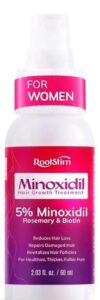
At $19.99 for 70 mL of 5% minoxidil with rosemary and biotin thrown in, RootStim’s spray sounds like a steal—until the syrupy formula starts weighing down your strands and the bottle’s running low before your scalp shows results. That’s the trap: price masks performance gaps.
Twice‑daily application demands precision, but the spray nozzle scatters product everywhere, wasting what little you have. Mild scalp irritation and inconsistent coverage make this one easy to skip.
| Best For | People who prefer a spray-over-foam minoxidil application and want added scalp support from rosemary and biotin without spending a lot upfront. |
|---|---|
| Minoxidil Strength | 5% |
| Application Method | Spray |
| Net Volume | 2.37 fl oz |
| Gender Target | Unisex |
| Botanical Additives | Rosemary & Biotin |
| Usage Frequency | Twice daily |
| Additional Features |
|
- Contains the clinically studied 5% minoxidil dose alongside rosemary extract and biotin for extra scalp support
- Spray format is a convenient, mess-free alternative to foam for many users
- At $19.99 for 70 mL, it’s an affordable entry point into minoxidil treatment
- Syrupy, greasy formula can weigh down fine or color-treated hair
- The spray nozzle tends to scatter product, leading to waste and uneven coverage
- Requires twice-daily use for months with no guaranteed results, and some users experience mild scalp irritation
2. Rogaine Unscented Minoxidil Foam
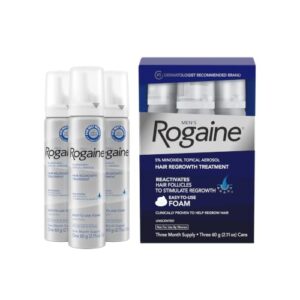
Rogaine’s Unscented Minoxidil Foam is the household name here — and that reputation does a lot of heavy lifting. The 5% minoxidil foam works for human scalp regrowth, not reptile shed cycles.
Your snake doesn’t have follicles in telogen effluvium. Applying any minoxidil product to a reptile’s skin risks serious chemical harm.
Twice-daily human formulations have no place in a snake enclosure, no matter how trusted the brand.
| Best For | Men experiencing early-stage hair loss or thinning, particularly around the crown, who want a simple, fragrance-free addition to their daily routine. |
|---|---|
| Minoxidil Strength | 5% |
| Application Method | Foam |
| Net Volume | 6.33 oz (3-pack) |
| Gender Target | Men |
| Botanical Additives | Botanical Extracts |
| Usage Frequency | Twice daily |
| Additional Features |
|
- Clinically proven 5% minoxidil formula helps reduce shedding and encourages real regrowth
- Quick-drying, unscented foam is easy to apply and won’t leave a greasy residue or strong smell
- Comes as a 3-month supply, so you’re not constantly reordering
- Results disappear if you stop using it — this is a lifelong commitment, not a one-time fix
- Some initial shedding in the first few weeks can be alarming, even though it’s normal
- Can cause scalp dryness, irritation, or breakouts for some users, and won’t reverse advanced baldness
3. Minoxidil Hair Growth Scalp Spray
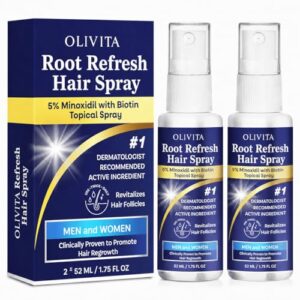
The minoxidil hair growth scalp spray sounds harmless enough — but put it near your snake and you’re playing with fire. Literally: many liquid minoxidil formulas are flammable. More critically, the 5% minoxidil concentration delivers 50 mg of active compound per milliliter — a dose engineered for human follicles, not reptile skin.
Your snake can’t metabolize this. Even trace contact is dangerous. This spray belongs locked away, nowhere near your enclosure.
| Best For | Anyone dealing with hair thinning or loss who wants a simple, daily leave-in treatment that works for both men and women. |
|---|---|
| Minoxidil Strength | 5% |
| Application Method | Aerosol Spray |
| Net Volume | 5.61 oz |
| Gender Target | Unisex |
| Botanical Additives | Biotin & Rosemary |
| Usage Frequency | Daily |
| Additional Features |
|
- Contains 5% minoxidil — a clinically recognized concentration for stimulating hair follicle activity and encouraging regrowth
- Lightweight aerosol spray formula makes root application quick and easy without leaving hair greasy or weighed down
- Enriched with biotin and rosemary extract, adding extra ingredients commonly associated with scalp and hair health
- Can cause scalp irritation, burning, or dryness, especially for those with sensitive skin
- Results aren’t guaranteed and vary from person to person, so it may not work for everyone
- Dosage instructions aren’t clearly labeled, which means users have to guess at the right amount to apply
4. Rogaine Women’s Minoxidil Foam
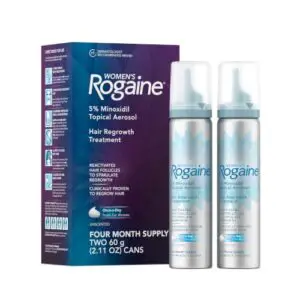
Don’t let the word "Women’s" fool you — this foam is just as dangerous near your snake as any other minoxidil product. Rogaine Women’s Minoxidil Foam delivers 5% active minoxidil in an aerosol formula that’s explicitly labeled flammable. Its inactive ingredients — alcohol, cetyl alcohol, glycerin — can irritate or penetrate reptile skin on contact.
Keep it sealed, stored away. Your snake’s recovery space has no room for human hair treatments.
| Best For | Women experiencing hereditary or stress-related hair thinning who want a clinically backed, easy-to-use daily treatment to regrow and thicken their hair. |
|---|---|
| Minoxidil Strength | 5% |
| Application Method | Foam |
| Net Volume | 4.22 fl oz (2-pack) |
| Gender Target | Women |
| Botanical Additives | Botanical Extracts |
| Usage Frequency | Daily |
| Additional Features |
|
- Clinically shown to increase hair thickness by around 61%, with a 5% minoxidil formula designed specifically for women
- Unscented foam with conditioning botanical extracts makes daily scalp application more pleasant and gentle
- Versatile use — works on both scalp and brows, and a two-can pack covers about four months of treatment
- Results depend on consistent daily use, and stopping the product can lead to gradual shedding of regrown hair
- May cause scalp irritation, itching, or allergic reactions in users with sensitive skin
- Needs to fully absorb before contact with pillows or clothing, which can make bedtime application tricky
5. 5% Minoxidil Hair Growth Serum
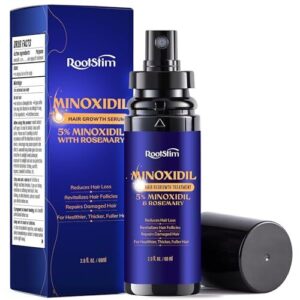
This serum packs 50 mg of minoxidil per milliliter — and that concentration is exactly what makes it a serious threat inside your snake’s recovery space. The liquid formula relies on propylene glycol and alcohol to stay dissolved, meaning it spreads fast on any surface it touches, including scales.
Minoxidil is acutely toxic to pets, causing vomiting, dangerously low blood pressure, and breathing failure.
One accidental contact during post-shed handling isn’t a risk worth taking.
| Best For | Anyone dealing with thinning hair, a receding hairline, or patchy beard growth who wants a clinically backed, easy-to-use daily treatment. |
|---|---|
| Minoxidil Strength | 5% |
| Application Method | Spray |
| Net Volume | 2 fl oz |
| Gender Target | Unisex |
| Botanical Additives | Rosemary Extract |
| Usage Frequency | Daily |
| Additional Features |
|
- Uses the clinically studied 5% minoxidil dose paired with rosemary extract for added botanical support and a fresher scent
- Spray applicator makes application quick and mess-free, covering the scalp evenly without much effort
- Works for both men and women across multiple areas — hairline, crown, and beard — making it versatile for different hair loss patterns
- Can leave an oily or greasy residue on the scalp, especially if you apply more than recommended
- Some users experience an initial spike in shedding as the hair cycle resets — this is normal but can be alarming at first
- Results take consistent daily use over several weeks, and hair growth may not be permanent if you stop using it
Frequently Asked Questions (FAQs)
What vitamin are you lacking if your hair is shedding?
No single vitamin causes hair shedding. Common culprits include vitamin D, biotin, B12, and iron. Low ferritin — your iron storage marker — is actually the most frequent nutritional trigger doctors identify.
How long does shedding usually last?
Most sheds wrap up in 7 to 14 days. The blue phase alone lasts 2 to 7 days. After eyes clear, your snake often sheds within a few days.
What is considered excessive shedding?
Excessive shedding means losing more than 100 hairs daily — consistently, not just on wash days. If your brush, pillow, or drain tells the same story for weeks, that pattern matters.
How to fix excessive shedding?
Think of fixing excessive shedding like patching a leaking roof — concentrate on the primary cause first. Correct nutritional gaps, reduce styling stress, and support your scalp systematically for lasting results.
Do you feed a snake when it is shedding?
Skip feeding during active shedding. Most snakes lose interest in food and become defensive when their vision is clouded. Wait until the shed is fully complete before offering a meal.
What to do during shedding season?
During shedding season, keep humidity stable, offer fresh water daily, and hold off on feeding until the shed is complete. Your snake’s behavior — going "blue," hiding more — tells you exactly where it’s at.
How long does post-shedding hair feel different?
After a complete shed, your snake’s skin feels noticeably smoother for roughly 1 to 3 days, then returns to its usual texture. That slicker feeling fades fast — it’s perfectly normal.
Can routine scalp massages aid recovery after shedding?
Yes, routine scalp massage genuinely promotes recovery. Daily 4–10 minute sessions boost circulation and reduce tension, making your regrowth environment healthier — though it won’t fix iron deficiency or thyroid issues driving the shed.
Is increased shedding normal during seasonal changes?
Seasonal shedding is normal and expected. Daylight shifts trigger hormonal signals that release the winter coat, so increased shedding in spring — roughly March through early June — is your body’s natural reset.
Should haircuts be avoided directly after heavy shedding?
Haircuts don’t halt hair loss. Trimming removes only the shaft, never touching the follicle below. A gentle cut post-shed is completely safe — and can actually make thinning hair look noticeably fuller.
Conclusion
Every shed your snake pulls off is a snapshot—a silent report card on everything you’re doing right or wrong inside that enclosure. Knowing what to do after shedding isn’t just reactive cleanup; it’s how you read that report and respond with precision.
Fix the humidity, log the cycle, check for retained skin, reset the space. Do that consistently, and ragged, torn sheds become the exception—not the pattern your snake’s body keeps sending you.