This site is supported by our readers. We may earn a commission, at no cost to you, if you purchase through links.
Most new reptile owners obsess over lighting and feeding schedules, then toss in whatever substrate was on sale—and that single choice quietly causes more health problems than almost anything else. The wrong bedding can trigger respiratory infections, cause fatal gut impaction, or trap moisture where it doesn’t belong. Cedar shavings smell pleasant to you, but the phenolic oils they release can damage a reptile’s liver within weeks.
Reptile substrates for beginners don’t need to be complicated, but they do need to be deliberate. Your reptile lives on this material every hour of every day. Getting it right is less about finding the "best" option and more about matching the right material to your specific animal’s needs—its species, humidity requirements, and natural behavior.
Table Of Contents
- Key Takeaways
- Best Beginner Reptile Substrates
- Match Substrate to Species
- Check Safety Before Buying
- Control Humidity With Substrate
- Set The Right Depth
- Keep Substrate Clean
- Buy Smart and Save Money
- Frequently Asked Questions (FAQs)
- What is the easiest reptile to own for beginners?
- What not to use for snake bedding?
- Can I mix different substrate types together?
- How much does quality reptile substrate typically cost?
- What are bioactive substrates and are they beginner-friendly?
- Does substrate choice affect my reptiles shedding process?
- Where should I purchase safe reptile substrate products?
- Can reptiles share an enclosure with different substrates?
- How does substrate affect reptile shedding success?
- What substrate works best for semi-aquatic reptiles?
- Conclusion
Key Takeaways
- Cedar and pine shavings release toxic oils that damage your reptile’s liver and airways, so skip them entirely and use aspen instead.
- Match your substrate to your specific reptile—desert species need dry, low-moisture bedding, while tropical and burrowing species need moisture-holding materials and deeper layers.
- Substrate controls humidity every day, so choosing the wrong material—or the wrong depth—quietly causes respiratory infections, gut impaction, and mold before you notice anything is wrong.
- Start simple: paper towels work for quarantine, reptile carpet saves money long-term, and one species-matched substrate beats buying several "just in case.
Best Beginner Reptile Substrates
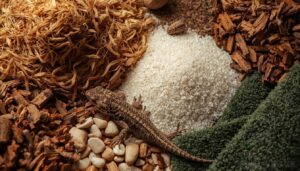
Picking the right substrate doesn’t have to be complicated—you just need to know what works for your specific reptile.
A quick look at common reptile substrate types and their differences can save you a lot of trial and error before you bring your new pet home.
There are a handful of beginner-friendly options that are safe, easy to find, and simple to maintain. Here’s what each one offers and when it makes sense to use it.
Aspen Shavings for Dry, Arid Setups
Aspen shavings are one of the best dry, low-moisture substrate options for desert-dwelling reptiles like corn snakes and bearded dragons.
They’re kiln-dried for low dust benefits, absorb waste efficiently, and won’t clump when damp.
Spot-clean daily, replace every 2–6 weeks, and store unused bags somewhere dry.
Budget-friendly sourcing is easy — most pet stores carry them in bulk.
The substrate consists of non‑toxic shavings that are safe for snakes and other reptiles.
Coconut Coir for Humid Environments
For humid environments, coconut coir is the go-to substrate. It holds moisture steadily — up to 10 times its weight in water, making humidity management simple. Its natural coir aeration benefits ensure consistent airflow, supporting reptile health without waterlogging.
It’s a sustainable substrate choice with solid pH buffering capacity, ideal for bioactive terrarium builds needing reliable substrate moisture retention and layered drainage design.
Reptile Carpet for Simple, Reusable Setups
If mess and maintenance stress you out, reptile carpet is worth a look. It’s made from non‑abrasive fabrics that won’t scratch scales, and washable durability means you’re not buying new substrate every month.
Keep two pieces and use dual‑carpet rotations — one in the enclosure, one drying. Quick‑dry features and texture customization options make it a genuinely budget‑friendly substrate option for beginners.
Paper Towels and Butcher Paper for Quarantine
When you bring a new reptile home, quarantine is non-negotiable. Paper towels and butcher paper make that period easier.
Both offer strong absorption capacity, single-use simplicity, and zero cross-contamination risk between animals. Replace them daily. Use unscented, dye-free options only — fragrances irritate airways fast.
Sanitary disposal means sealed bags, straight to the trash.
Clean, cheap, and safe.
Safe Sand Alternatives for Desert Species
Real sand isn’t always safe. For desert-dwelling reptiles, these alternatives work better:
- Silica-Free Play sand blends stay fine-grained, but won’t create dusty clouds that irritate lungs
- Crushed Oyster Shell-free mixes allow natural digging without sharp edges
- Pebble-Based Mix spreads moisture evenly and drains cleanly
- Organic Topsoil Blend with non-dusty granules and coconut fiber facilitates burrowing without clumping
Match Substrate to Species
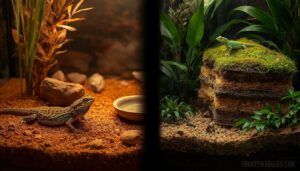
Not every reptile plays by the same rules. A bearded dragon and a crested gecko need completely different floors under their feet.
Here’s how to match your bedding to the animal you’re keeping.
Desert Reptiles and Low-moisture Bedding
Desert-dwelling reptiles like bearded dragons and Uromastyx require dry, low-moisture substrate. Excess moisture disrupts temperature regulation and weakens burrow integrity quickly.
| Feature | Good Choice | Avoid |
|---|---|---|
| Impaction prevention | Coarse reptile sand | Fine calcium sand |
| Footpad health | Textured tile or carpet | Loose fine particles |
| Dust accumulation | Washed coarse sand | Dusty loose substrate |
Substrate coloration influences lighting compatibility, as lighter substrates reflect basking lamp heat more evenly.
Tropical Reptiles and Humidity-holding Bedding
Tropical reptiles like crested geckos and tree boas require consistent humidity—typically 60 to 80 percent. Coconut fiber serves as an ideal foundation, absorbing water up to five times its weight and releasing it gradually through capillary wicking. This maintains stable moisture levels between mistings.
For targeted humidity regulation, incorporate sphagnum moss near hides. Both substrates promote substrate aeration and temperature humidity synchronization without waterlogging, ensuring a balanced environment.
For a complete setup, pairing sphagnum moss with a washable base layer covers all your bases—check out these reptile tank substrate options to find the right combination for your enclosure.
Burrowing Species and Deeper Substrate Needs
Burrowers require adequate space to burrow, with species like sand boas and hognose snakes needing 6 to 12 inches of substrate depth. This serves as the baseline for creating a suitable environment.
For substrate, use a blend of coconut fiber and sand to ensure stability. Incorporate a drainage layer at the bottom to prevent waterlogged tunnels, which is essential for maintaining a functional habitat.
This setup naturally supports moisture gradient management, thermal zone creation, and substrate turnover benefits, promoting a healthier environment for the snakes.
Bioactive enhancements, such as leaf litter and isopods, simplify long-term maintenance by fostering a self-sustaining ecosystem.
Hatchlings, Juveniles, and Quarantine Setups
Young reptiles don’t get second chances with bad substrate choices. Keep it simple during quarantine and the first weeks of life.
- Use paper towels — easy to replace, simple to inspect for waste or blood.
- Maintain a temperature gradient of 26–32°C and log it daily.
- Keep feeding schedules, weight, and stool in a health monitoring log.
Tool isolation and dedicated cleaning supplies prevent cross-contamination between animals.
Species-specific Examples for Common Pet Reptiles
Each reptile has a short list of what actually works.
Leopard geckos do well on silica-free Leopard Gecko Sand alternatives that support digging.
Ball Python Bedding should be low-dust and slightly moisture-retentive.
Bearded Dragon Mix works best as loose, safe particulate.
Corn Snake Substrate stays simple — absorbent and clump-free.
For Tortoise Dig Depth, aim for 4–6 inches minimum.
Check Safety Before Buying
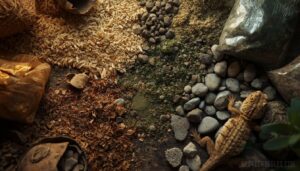
Not every substrate on store shelves is safe for your reptile. Some common materials can cause serious harm — even when they look perfectly fine.
what to avoid before you buy.
Avoid Cedar and Pine Shavings
Cedar shavings and pine shavings are two hazardous substrates to avoid entirely. Both release phenolic oils that cause respiratory irritation, and prolonged exposure can lead to liver toxicity as your reptile’s body works over time to process those compounds.
Cedar and pine shavings release toxic phenolic oils that damage reptile respiratory systems and cause liver toxicity over time
Dust particles also pose risks — fine particles irritate airways quickly. Skin allergies from direct contact are also documented.
Choose low-resin alternatives like aspen instead.
Avoid Calcium Sand and Loose Fine Sand
Calcium sand looks harmless, but impaction risk is real.
Your reptile may eat it thinking it’s food, and those clumps can block the digestive tract fast.
Impaction prevention starts with substrate choice.
Fine sands cause similar problems — plus respiratory health concerns from airborne particles.
These aren’t safe reptile substrate options.
Choosing the right substrate for reptiles means skipping both entirely.
Skip Walnut Shells, Gravel, and Sharp Particles
Sharp materials don’t belong in your setup. Walnut shells leave jagged fragments that cut mouths and abrade soft belly skin — impaction is a real risk here too. Gravel follows the same pattern: wrong particle size guidelines, wrong cleanability advantages.
Both trap moisture and grow mold fast, creating unhealthy environments.
Stick to safe reptile substrate options like aspen or reptile carpet. Species-appropriate choices keep your animal breathing easy.
Watch for Dyes, Fragrances, and Additives
Particle dangers aren’t the only hidden risk. Many substrates contain artificial dyes, added fragrances, and chemical additives that can trigger dermatitis, respiratory irritation, or worse.
Label Verification matters here — always check for Dye-Free Certification and Fragrance-Free Standards. If the label isn’t transparent, contact the manufacturer directly.
Chemical Transparency isn’t optional. These are real safety considerations when choosing reptile substrates, especially for hatchlings.
Choose Sterile, Reptile-safe Materials Only
Not all "reptile-safe" labels mean what you think. Look for substrates made under cleanroom production standards, backed by batch sterility certificates, and sold in sealed packaging. When installing new substrate, use glove handling protocols to avoid introducing contaminants.
- Rotate substrate during quarantine substrate rotation cycles
- Follow substrate safety guidelines and toxicity avoidance practices
- Clean regularly and avoid toxic materials in every setup
Control Humidity With Substrate
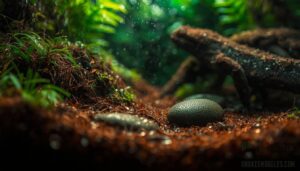
Substrate does more than just line the bottom of your enclosure — it actively controls how much moisture stays in the air.
The type you choose, and how deep you layer it, shapes humidity every single day. Here’s what you need to know to get that balance right.
Moisture Retention and Release
Think of your substrate as a moisture buffer — it absorbs water and releases it gradually, preventing wild humidity swings.
Coconut coir uses capillary transfer to pull moisture inward, then offers gradual release as conditions shift.
Aspen holds less, reaching its saturation threshold quickly.
Good substrate moisture management means choosing materials that support microclimate retention and steady moisture regulation without soaking your enclosure floor.
Creating Humidity Gradients in The Enclosure
A humidity gradient gives your reptile a choice — wetter on one side, drier on the other.
Place a moisture patch of coconut coir or sphagnum moss in one corner for damp zone placement.
Set an evaporation water dish nearby.
Use two hygrometers for gradient hygrometer monitoring at both ends.
Aim for a 15–25% RH difference.
Moisture patch size determines how far the microclimate creation extends.
Matching Bedding to Ventilation Levels
Ventilation changes everything about how your substrate performs. High-airflow enclosures dry out loose materials fast — great for desert setups, but risky for tropical species.
This airflow-substrate synergy matters: match particle size airflow to your vent setup. Fine, uniform particles support better moisture-wicking layering than chunky mixes.
In adjustable vent zones, tweak depth seasonally.
Balance humidity versus ventilation, or your microclimate creation efforts collapse.
Using Sphagnum or Coir for Humid Hides
Sphagnum moss holds up to 20 times its weight in water — that’s serious humidity control packed into a small hide. For moisture management in reptile enclosures, place sphagnum moss or coconut fiber inside a breathable liner selection to keep dust contained.
Aim for a 60/40 layer ratio of coir to moss. Check the hide’s temperature and moisture monitoring weekly, and replace every 2–4 weeks.
Preventing Dampness, Odor, and Mold
Damp substrate is a slow problem — you won’t notice it until something smells off or looks fuzzy.
Do weekly Mold Spot Tests near water dishes and hides. Use Airflow Checks to confirm vents stay clear.
Place Silica Gel Packs nearby and consider Dehumidifier Placement in humid rooms. Moisture Barriers under substrate help too. Moisture management in reptile enclosures keeps odor and mold control techniques simple and effective.
Set The Right Depth
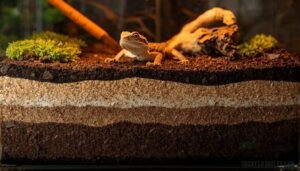
Depth isn’t just about filling space — it’s about giving your reptile room to behave naturally. The right amount varies depending on the species you’re keeping.
Here’s what works for the most common setups.
1–3 Inches for Most Snakes
For most snakes, 1–3 inches is your sweet spot. It balances heat penetration from under‑tank heaters, ventilation efficiency, and observation visibility without burying your snake from sight. Handling comfort improves too — you can spot shed skin, waste, and posture changes quickly.
Keep these substrate depth recommendations in mind:
- Bears weight distribution without compaction
- Aids impaction prevention and treatment monitoring
- Simplifies spot‑cleaning routines
- Suits choosing the right substrate for reptiles across common beginner species
Deeper Layers for Burrowing Reptiles
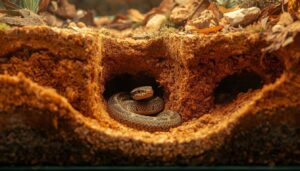
Burrowing reptiles need far more room than your average snake. Aim for 4–6 inches of deep substrate — enough for proper burrow thermoregulation and tunnel structural integrity.
Species like sand boas or hognose snakes use that depth to build chambers and regulate temperature naturally. Loose soil-sand blends support microhabitat enrichment without risking substrate compaction management issues or impaction.
Layer drainage beneath for moisture control.
0.5–2 Inches for Many Geckos
Geckos don’t need the deep layers that burrowing snakes do. Most do fine with 0.5–2 inches — scale-friendly thickness that helps maintain microhabitat stability without trapping stagnant moisture.
Hatchlings sit closer to 0.5 inches for impaction prevention and easier cleaning. Burrow mimicry for species-appropriate setups works at 1–2 inches.
Keep ventilation balance in check, and thermoregulation zones stay consistent.
2–6 Inches for Tortoises
Tortoises need more room underfoot than geckos do. Aim for 2–6 inches of substrate — enough to aid shell growth monitoring, natural digging, and microclimate control.
- Use substrate changes from dry to moist zones across the enclosure
- Add mini basking platforms above the substrate for weight distribution
- Avoid sand impaction by skipping loose fine sand
- Layer depth aids thermoregulation and reduces stress
When to Add Drainage Layers
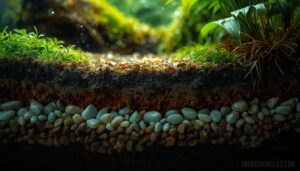
Not every enclosure needs a drainage layer — but some really do. If your substrate stays soggy after watering, or you’re using clay-heavy mixes, waterlogging detection becomes critical. Add a drainage layer during the initial setup timing, before moisture problems start.
| Situation | Drainage Material | Mesh Barrier Needed |
|---|---|---|
| Tropical high-humidity setups | Hydro-balls or pebbles | Yes |
| Clay substrate monitoring required | Fine gravel layer | Yes |
| Seasonal rainfall simulation | Pebbles + coir mix | Optional |
| Burrowing species enclosure bottom drainage | Hydro-balls | Yes |
| Standard arid enclosure | None required | No |
Layering for drainage follows simple depth guidelines: pebbles first, mesh barrier second, substrate on top.
Keep Substrate Clean
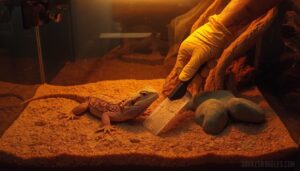
Clean substrate isn’t just about looks — it’s one of the simplest ways to keep your reptile healthy.
Waste builds up fast, and ignoring it opens the door to bacteria, mold, and stressed animals.
Here’s what a solid cleaning routine actually looks like.
Daily Spot Cleaning Basics
Think of spot cleaning as your daily defense against bacterial growth. Remove solid waste first — use a clean scoop for tool sanitization between uses. Immediate spill removal matters: wipe liquid within minutes.
Then do top layer replacement on soiled areas only. Let the enclosure breathe through air drying, then recheck humidity. Follow a simple spot cleaning checklist to make daily tasks feel automatic.
Weekly Turning and Moisture Checks
Once a week, flip your substrate on the same day — Turn Timing Consistency keeps your routine from sliding. Here’s how to do it right:
- Put on clean gloves — Glove Hygiene Protocol prevents cross‑contamination.
- Check moisture with a Moisture Meter Use tool; aim for a wrung‑sponge feel.
- Log readings using Observation Log Templates — track humidity levels and moisture regulation and gradient creation shifts.
- Monitor hygrometer readings before and after turning.
- Loosen compacted zones to support Pressure Point Prevention and keep airflow steady.
Stay moisture balanced weekly.
Partial Replacement Schedules
You don’t need to overhaul everything at once. Partial replacement is smarter.
Remove 20–30% of the most soiled substrate every one to two weeks — that’s your Replacement Frequency baseline.
Watch your Trigger Indicators: persistent odor, visible mold, or humidity pushing past your Moisture Thresholds for three straight days.
Practice Layer Retention by keeping deeper, cleaner substrate intact.
Log each change for your Schedule Documentation.
Full Enclosure Sanitation Timing
Full sanitation isn’t just a monthly ritual — it’s your last line of defense against pathogen buildup. Run a complete Cleaning protocol every one to three months, adjusting your Sanitation Frequency based on Seasonal Adjustments in humidity or temperature.
Keep Log Documentation of each session for Pathogen Monitoring. Following solid Timing Protocols here protects everything your daily spotclean and weekly tasks can’t catch.
Signs of Mold, Pests, and Contamination
Your enclosure is telling you something when you spot fuzzy colonies or powdery growth on substrate corners. Black, green, or white patches near water bowls mean moisture has won.
Condensation spots on glass, sticky residue on bedding, and returning odors after cleaning all signal contamination beneath the surface.
Pest tracks or tiny droppings near heat sources confirm an infestation.
Replace substrate immediately and review your cleaning and maintenance schedule.
Buy Smart and Save Money
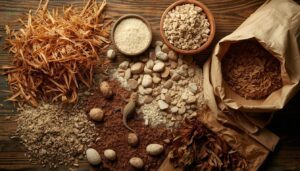
Substrate costs add up fast, especially when you’re still figuring out what works. The good news is that a few smart choices early on can save you real money without cutting corners on safety.
Here’s what every beginner should know before spending a dollar.
Comparing Disposable Vs Reusable Substrates
Both options work — but they cost differently over time. Paper towels run $1–3 weekly, making lifecycle cost add up fast. Reptile carpet costs $20–60 upfront but lasts years, lowering your environmental footprint through material reusability.
Disposal logistics stay simple with paper-based substrates for quarantine setups.
For long-term setups, reusable substrate options like reptile carpet offer better setup convenience and real savings.
Budget-friendly Starter Options
Starting cheap doesn’t mean starting wrong.
Dollar Store Shavings of plain aspen work fine for dry setups. Upcycled Newspaper costs nothing and doubles as a quarantine base. Bulk Coir Deals cut coconut fiber costs by half. Reusable Carpet Discounts online make reptile carpet genuinely affordable long-term. Homemade Sand Mix of 80% play sand and 20% topsoil skips the premium price tag entirely.
When to Buy in Bulk
Bulk buying pays off when you’re consistent. Plan around seasonal discount windows and supplier rebate programs — late winter often brings the best deals.
Buy enough for 3–6 months based on bulk order forecasting, not guesswork.
Use FIFO inventory rotation and warehouse space planning to keep stock fresh.
Budget-friendly substrate choices like coir or aspen shavings have solid substrate lifespan, making bulk a smart call.
When Bioactive Mixes Are Worth It
Bioactive mixes go beyond bulk savings — they work for you over time. A well-built bioactive terrarium design uses cleanup crew organisms like springtails and isopods for natural waste processing, reducing how often you clean.
Microfauna benefits include moisture stabilization and burrow enrichment for digging species.
Check species compatibility first, though. Not every reptile thrives in living soil.
Starter Mistakes That Waste Money
Overbuying bulk substrate types you won’t use, purchasing unused types "just in case," and ignoring sale cycles all drain your budget fast.
Skipping reusable options like reptile carpet adds up too. Misjudging moisture needs means replacing substrate early, further wasting resources.
Start with one budget-friendly substrate option matched to your species — nothing more.
Frequently Asked Questions (FAQs)
What is the easiest reptile to own for beginners?
Leopard geckos are the gentlest entry point. They’re compact, easy handling comes naturally, and their simple diet of crickets keeps things low maintenance.
Gentle temperament, small size — a genuinely forgiving first reptile.
What not to use for snake bedding?
Skip cedar shavings, pine shavings, calcium sand, and loose fine sand. All cause impaction or respiratory infections.
Corn cob, walnut shells, and chemical-coated plastic risk bacterial growth. Stick to reptile-safe options only.
Can I mix different substrate types together?
Yes, you can mix substrates. Match particle sizes, check chemical compatibility, and run a small test batch first. Watch how your reptile responds before committing to a full enclosure change.
How much does quality reptile substrate typically cost?
Quality substrate is like groceries — the price per kilogram varies widely. Budget-friendly options like paper towels cost $1– Aspen or coir runs $6–15, offering solid long-term value without heavy shipping expense impact.
What are bioactive substrates and are they beginner-friendly?
Bioactive substrates are living soil systems where microfauna introduction and nutrient cycling naturally regulate waste.
They’re rewarding but require planning—not the simplest bioactive terrarium setup for day-one beginners.
Does substrate choice affect my reptiles shedding process?
Absolutely — substrate shapes every shed.
Soft, moist bedding boosts skin hydration and molting efficiency. Dry or rough surfaces increase friction reduction failure.
The right texture and microclimate zones make shedding smooth, not a struggle.
Where should I purchase safe reptile substrate products?
Local reptile shops and certified online sellers are your safest bets.
Always check manufacturer safety labels and customer review checks before purchasing.
Bulk purchase savings offer long-term benefits.
Prioritize sterile, species-matched options every time.
Can reptiles share an enclosure with different substrates?
Yes, reptiles can share an enclosure with different substrates.
Use clear boundary design and microhabitat zoning to keep each area distinct, prevent cross-contamination, and meet each species’ specific humidity and temperature needs.
How does substrate affect reptile shedding success?
right substrate does nothing — until shedding starts. Then does everything.
Rough surface texture, moisture balance, and shedding friction all shape shed quality and directly impact shedding and skin health.
What substrate works best for semi-aquatic reptiles?
Moss & Bark mulch paired with coconut coir manages wet-dry gradient zones well.
Both support water-edge boundary areas while keeping drainage layer design intact — making them solid aquatic-friendly substrate choices for semiaquatic reptiles.
Conclusion
Substrate shapes survival. Every reptile substrate decision you make—material, depth, moisture level—directly affects how your animal breathes, moves, and thrives. The floor of that enclosure isn’t background detail; it’s the foundation everything else rests on.
You’ve learned what’s safe, what’s species-appropriate, and what quietly causes harm. Now act on it. Pick deliberately, maintain consistently, and your reptile won’t just survive its setup—it’ll genuinely live well inside it.
- http://zoomed.com/
- http://zillarules.com/
- https://www.facebook.com/ZillaRules/
- https://www.petsuppliesplus.com/categories/reptile/basics/decoraccessories/cagecleanhandsanitizer/zoo-med-wipe-out-1/5228?gclid=Cj0KCQiAtICdBhCLARIsALUBFcGml_mWlCh0iitMpmbnOx2FfMz1pglalcBuVEXITQf6disMFtkpYWEaAsf6EALw_wcB
- https://www.wikihow.com/Clean-and-Reuse-Reptile-Substrate/Sand