This site is supported by our readers. We may earn a commission, at no cost to you, if you purchase through links.
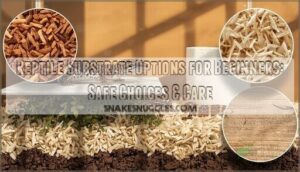
Your gecko’s scales are flaking, your snake refuses to feed, and you’ve cleaned the enclosure three times this week—yet something still feels off. The culprit might be hiding in plain sight, right beneath your reptile’s feet. That bottom layer of material in your terrarium isn’t just decorative filler; it’s a critical environmental control system that governs everything from humidity levels to bacterial balance, directly influencing whether your pet thrives or merely survives.
For beginners exploring the overwhelming array of reptile substrate options, one wrong choice can trigger impaction, respiratory distress, or chronic infections that compromise your animal’s immune system for months. The good news: selecting safe, effective substrate doesn’t require a degree in herpetology—just an understanding of how different materials interact with your specific species’ biology, along with practical knowledge about maintenance schedules and warning signs that signal immediate replacement.
Table Of Contents
- Key Takeaways
- What is Reptile Substrate?
- Factors to Consider When Choosing Substrate
- Best Substrate Options for Beginners
- Substrate Safety and Health Risks
- Substrate Maintenance and Replacement Tips
- Frequently Asked Questions (FAQs)
- What is the best substrate for reptiles?
- What is the easiest reptile to take care of for beginners?
- Do bearded dragons prefer sand or dirt?
- Can I mix different substrate types together?
- How does substrate choice affect feeding behavior?
- What substrate works best for baby reptiles?
- Does substrate type impact shedding success rates?
- How much does quality substrate typically cost?
- Conclusion
Key Takeaways
- Substrate choice directly controls humidity, temperature regulation, and bacterial balance—making it a critical environmental system that determines whether your reptile thrives or develops respiratory distress, impaction, or chronic infections.
- Beginners should start with paper towels, reptile carpet, or aspen shavings for safety and ease of monitoring, while species-specific needs (desert vs. tropical habitats) dictate whether you’ll eventually need moisture-retaining coconut coir or dry bedding.
- Avoid pine, cedar, artificially colored materials, and loose substrates like sand or gravel—these pose serious risks including toxic phenol exposure, chemical contamination, and life-threatening gastrointestinal blockages from accidental ingestion.
- Daily spot-cleaning and full replacement every 4–12 weeks (depending on material) prevent ammonia buildup and mold growth, with immediate substrate changes required when you notice persistent odors, visible decay, or poor drainage after misting.
What is Reptile Substrate?
Reptile substrate is the material you place at the bottom of your pet’s enclosure, and it’s far more than simple bedding. It controls humidity, promotes thermoregulation, and prevents dangerous bacterial infections that can threaten your animal’s health.
Choosing the right one can feel overwhelming at first, but a solid beginner’s guide to reptile substrates breaks down your options based on species, cost, and ease of maintenance.
The right substrate mimics your reptile’s natural environment while making daily maintenance manageable, but choosing poorly can lead to respiratory distress, impaction, or toxic exposure.
The right substrate recreates your reptile’s natural world, but the wrong choice can cause respiratory distress, impaction, or poisoning
Understanding what substrate actually does, why it matters for your specific species, and which materials work best will help you create a safer, healthier home from day one.
Definition and Purpose in Enclosures
Reptile substrate is the bedding material you place at the bottom of your reptile enclosure—it’s the foundation of proper habitat creation and environmental control. Think of it as the floor of your pet’s world, defining how they interact with their space every single day.
Substrate selection directly impacts your reptile’s ability to thermoregulate, burrow, and maintain natural behaviors while supporting overall reptile housing safety and space optimization.
Key Functions for Reptile Health
Beyond simply covering the floor, substrate selection governs humidity control, thermal gradients, and bacterial balance—three pillars of reptile health you can’t afford to overlook. Proper moisture regulation facilitates shedding and respiratory function, while effective waste management prevents ammonia buildup and infection.
Your substrate choice directly influences thermoregulation, digestion, and immune resilience, making this decision foundational to successful reptile care. For a deeper dive into best practices, consider reading about.
Common Materials Used
You’ll encounter five primary substrate categories as you begin building a safe reptile enclosure, each with distinct advantages for humidity control and material safety:
- Paper-based bedding (paper towels, newsprint) offers hygienic, low-dust substrate selection ideal for monitoring health
- Textile options (reptile carpet, mats) provide reusable, eco-friendly alternatives with reliable grip
- Loose substrates (aspen shavings, coconut coir, cypress mulch) support natural behaviors and moisture retention in bioactive substrates
Factors to Consider When Choosing Substrate
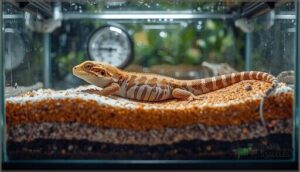
Choosing the right substrate isn’t a one-size-fits-all decision—your reptile’s natural habitat, safety needs, and your own maintenance routine all play critical roles in creating a healthy enclosure. The wrong choice can lead to respiratory issues, impaction, or dangerous bacterial buildup, while the right one facilitates proper thermoregulation and humidity control.
Before you select any bedding material, you’ll need to evaluate five essential factors that directly impact your pet’s long-term health and well-being.
Species-Specific Habitat Needs
Your pet’s natural home dictates everything about substrate selection. Desert habitat species like bearded dragons thrive on fine sands that support burrowing needs and thermal gradients, while tropical environments demand moisture-retaining coconut coir for humidity control.
Arboreal climbers require low-dust options to protect delicate respiratory systems.
Matching reptile substrate to your reptile enclosure’s native conditions isn’t optional—it’s fundamental to reptile health and behavioral expression.
Humidity and Temperature Control
Substrate selection directly influences climate control in your reptile enclosure. Moisture-retentive materials like coconut coir support humidity control for tropical species, while dry options maintain proper thermal gradients for desert dwellers.
Regular substrate changes and proper cleaning protocols are essential for preventing common snake diseases linked to bacterial growth in humid environments.
Pair humidity sensors with strategic substrate choice to regulate temperature cycles and moisture levels—because consistent temperature regulation isn’t just about heat lamps, it’s about how your bedding interacts with your entire setup.
Safety and Toxicity Concerns
When selecting reptile substrate, toxic material risks demand your immediate attention. Pine and cedar release volatile phenols that harm respiratory systems, while artificially colored bedding introduces chemical contaminants. Gravel and sand pose serious ingestion dangers leading to impaction. Poorly ventilated enclosures with damp substrates create respiratory hazards through mold growth.
Prioritize substrate safety by choosing non-toxic, dust-free materials specifically formulated for reptile health.
Cleaning and Maintenance Ease
Your substrate choice directly impacts how much time you’ll spend cleaning. Efficient waste management and odor control depend on selecting materials that simplify daily cleaning tips and substrate sanitizing routines:
- Paper towels and reptile carpet offer quick spot-cleaning and full replacement in under five minutes
- Aspen shavings allow easy waste removal with a simple scoop during daily checks
- Bioactive substrates reduce hands-on enclosure sanitation but require complex humidity control monitoring
- Smooth surfaces prevent debris buildup, keeping substrate safety high and odor reduction consistent
Aesthetic and Practical Considerations
Your enclosure doesn’t just need to function—it should look like a slice of your reptile’s natural habitat. Visual appeal matters when you’re choosing substrate texture and color options that complement naturalistic landscaping. Darker coconut fiber makes bright-scaled animals stand out, while sand blends support decor compatibility in desert setups.
Bioactive substrates create lush, planted vibes that transform reptile care into living art. When building an appealing and functional habitat, you should also think about details like.
Best Substrate Options for Beginners
Now that you’ve sized up your reptile’s needs, let’s look at the substrates that won’t leave you second-guessing every choice. These beginner-friendly options balance safety, practicality, and ease of maintenance—so you can focus on your animal’s health instead of wrestling with complicated setups.
Here are the most reliable starting points for new keepers.
Paper Towels and Newspaper
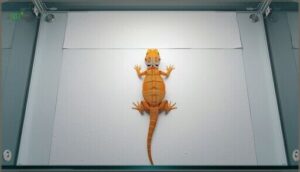
If you’re just starting out, plain paper towels and unprinted newspaper offer superior cleaning ease and paper absorbency—you’ll spot waste immediately, pull it out, and drop in fresh sheets within seconds.
This substrate choice delivers zero humidity control and minimal substrate aesthetics, but for reptile health monitoring during those critical early weeks of reptile care, nothing beats the simplicity and low newspaper odor of this reptile substrate.
Reptile Carpet and Mats
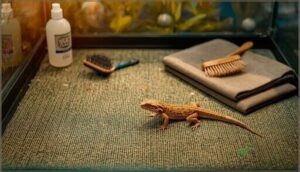
Reusable fabric mats give you a walking surface that keeps loose granules away from food—ideal for new keepers who want something more natural-looking than paper without the ingestion risks of loose substrate.
Reptile carpet demands regular mat cleaning with hot water and reptile-safe products, so invest in two pieces per enclosure:
- Swap dirty carpet for clean mat immediately after defecation
- Wash soiled reptile flooring the same day with approved cleaner
- Dry completely before reuse to prevent bacterial growth
- Inspect carpet material for fraying or fiber damage weekly
- Replace mats showing wear to maintain carpet safety
This mat maintenance routine suits species that don’t dig or burrow much, keeping reptile health front and center in your substrate selection for effective reptile care.
Aspen Shavings
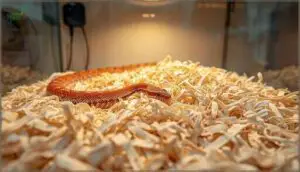
Lightweight wood curls give many beginner snake keepers a substrate that balances aspen benefits like natural burrowing needs with straightforward spot cleaning—just scoop soiled patches and replace when odor spreads.
This hardwood lacks the aromatic oils found in toxic pine, making aspen shavings safer for reptile health in dry-climate enclosures.
Maintain two to three inches of shaving depth to support proper humidity control and thermoregulation, prioritizing reptile care through mindful substrate selection.
Coconut Coir and Fiber

Crushed coconut husk—sold as coir or fiber—delivers impressive humidity control for tropical environments, making substrate selection straightforward when your gecko or skink needs warm, moist air to support reptile health.
Expand dry bricks in water, squeeze out excess moisture, then layer two to four inches deep. Spot-clean clumps daily and replace fully every eight to twelve weeks, ensuring proper reptile care through consistent coconut benefits and fiber options.
Cypress Mulch
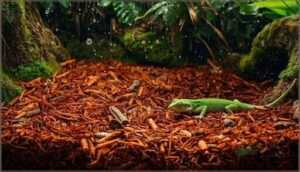
When you need a wood substrate that thrives in damp conditions, cypress mulch benefits forest habitat species by resisting mold even during daily misting cycles—critical for humidity control and reptile health. Layer two to three inches deep, verify you’re using true cypress rather than pine-contaminated blends, and follow these mulch maintenance steps for substrate selection success:
- Mist lightly to maintain 60–80% ambient moisture without waterlogging the base layer.
- Remove soiled chunks during spot checks, preserving depth for natural burrowing behaviors.
- Replace fully every six to ten weeks when odor or compaction compromises reptile care quality.
- Monitor ingestion risk if your animal frequently tongue-flicks or mouth-strikes the mulch surface.
Sphagnum Moss (as Supplement)
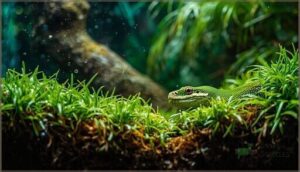
While cypress manages full-floor coverage, sphagnum moss excels as a supplemental moisture source tucked into humid hides—creating pockets of 80–95% humidity that prevent stuck shed and eye caps.
Rinse and reuse New Zealand moss two to three times before it discolors or smells sour, then replace immediately.
This targeted moss maintenance approach to substrate selection aids reptile shedding without waterlogging your entire bioactive substrate layer.
Substrate Safety and Health Risks

Not all substrate materials are created equal—some pose serious health risks that can compromise your reptile’s respiratory function, digestive system, or overall well-being. Understanding which materials to avoid, along with the specific dangers they present, is essential before you stock your enclosure.
Let’s examine the most critical safety concerns you’ll need to watch for when selecting and maintaining your reptile’s substrate.
Toxic Materials to Avoid
Your reptile substrate selection must exclude toxic substances that pose serious health risks—pine and cedar shavings release volatile phenols that damage respiratory systems, while artificially colored or scented materials contain chemical contaminants and deadly compounds linked to organ toxicity.
Old painted enclosures may harbor lead, and some vinyl flooring contains phthalates that disrupt endocrine function, compromising reptile health through chronic exposure to these hazardous waste materials.
Impaction and Ingestion Risks
Loose substrates—sand, gravel, and soil—pose serious ingestion hazards when curious reptiles hunt or explore, leading to gastrointestinal blockages that mirror complications seen with foreign body removal in emergency medicine.
Impaction risks escalate when your pet consumes bedding material:
- Small particles accumulate in the digestive tract, creating life-threatening obstructions within days
- Esophageal damage occurs if sharp fragments lodge in the throat during swallowing
- Dehydration amplifies substrate toxicity by slowing gut motility and worsening blockages
- Surgical intervention becomes necessary when impacted material can’t pass naturally
- Young or debilitated animals face higher mortality rates from gastrointestinal compromise
Monitor feeding behaviors closely—reptiles that strike substrate during meals require immediate substrate selection changes to protect reptile health. Proper reptile care and maintenance practices safeguard against preventable substrate safety emergencies.
Dust and Respiratory Health
Fine particles from bedding materials—especially aspen shavings—settle deep into your reptile’s airways, triggering coughing, wheezing, and chronic bronchitis that compromises reptile health and wellness. Respiratory risks escalate in poorly ventilated enclosures where airborne dust lingers for hours.
Monitor for increased coughing or nasal irritation after handling substrate—persistent symptoms demand immediate veterinary evaluation and substrate replacement to safeguard reptile care and maintenance standards.
| Dust Control Strategy | Implementation | Impact on Substrate Safety |
|---|---|---|
| Ventilation systems | Improve air exchange rates | Reduces airborne particle concentration |
| Air purification (HEPA filters) | Install near enclosure | Captures respirable dust under 2.5 micrometers |
| Humidity control | Maintain 40–60% relative humidity | Minimizes dust suspension during cleaning |
| Dust masks during maintenance | Wear during substrate changes | Protects your airways and models reptile care protocols |
Monitoring for Mold and Odor
A musty smell radiating from your enclosure isn’t just unpleasant—it’s often the first warning sign of fungal growth threatening your reptile’s respiratory health.
Monitor relative humidity between 30–50% with a hygrometer, inspect substrate weekly for discoloration or persistent odors, and replace bedding immediately when contamination appears.
Proper humidity management and substrate sanitization form your frontline defense against mold detection failures and fungal prevention breakdowns.
Substrate Maintenance and Replacement Tips
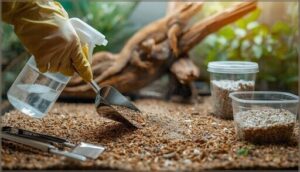
You’ve chosen a safe substrate—now your job is keeping it that way. Regular cleaning prevents ammonia buildup, bacterial overgrowth, and parasite transmission, all of which can compromise your reptile’s immune function within days.
Here’s how to maintain a clean enclosure without disrupting your animal’s comfort or health.
Daily Spot Cleaning Protocols
Daily spot checks transform your reptile enclosure into a healthier space. Remove visible waste within two minutes of spotting it using disposable wipes, then clean high-traffic zones like basking spots and feeding areas with reptile-safe cleaner and fresh paper towels.
Essential hygiene practices include:
- Wear gloves during waste removal to prevent cross-contamination
- Use separate cleaning tools for dirty and clean zones
- Let surfaces air-dry completely before reintroducing your animal
This routine safeguards reptile health while maintaining substrate safety and odor control.
Full Replacement Schedules
Think of full replacement schedules as your calendar-based insurance policy for reptile health and substrate safety. Most materials demand rotation every 4–12 weeks—coconut fiber and cypress mulch usually fall on 2–6 month cycles, while aspen shavings last 6–12 weeks under normal waste management.
Document each replacement date to track sanitation protocols, adjusting intervals when humidity control or seasonal shifts alter substrate condition.
Maintaining Proper Substrate Depth
After each full replacement, check substrate depth across your reptile enclosure to preserve natural behaviors and thermal stability. Desert species need 1–2 inches to control humidity gradients, while burrowing reptiles require 4–6 inches for digging.
Substrate layering with drainage prevents waterlogging in deeper setups, and depth measurement after spot-cleaning ensures consistent burrowing depths and reptile substrate safety throughout your maintenance routine.
Signs It’s Time to Change Substrate
Visible decay, foul odors, or unexplained slickness signal immediate replacement—these red flags compromise reptile health and substrate safety. Substrate compaction reduces airflow and drainage, creating stagnant pockets that trap bacteria, while persistent mold despite cleaning reveals structural breakdown.
If you notice poor drainage with pooling water after misting, your reptile substrate has lost its integrity and requires a complete refresh for proper reptile care and maintenance.
Frequently Asked Questions (FAQs)
What is the best substrate for reptiles?
Which reptile substrate truly protects your pet’s health? The best choice depends on your species’ natural habitat—desert dwellers need low-moisture options like aspen, while tropical reptiles thrive with coconut coir for humidity control.
What is the easiest reptile to take care of for beginners?
Leopard geckos rank as the top beginner species—they tolerate gentle handling, thrive in small enclosures with simple reptile substrate like paper towels, and their low maintenance diet plus calm temperament make daily reptile care straightforward and rewarding.
Do bearded dragons prefer sand or dirt?
Wild dragons thrive on compacted desert habitat blends—not pure sand or dirt alone.
A roughly equal mix of play sand and organic topsoil accommodates digging behavior and burrowing needs while maintaining substrate safety for reptile health.
Can I mix different substrate types together?
Yes, you can mix different substrate types together to create custom blends that balance drainage and moisture—start with a 50/50 ratio of compatible materials, then adjust based on your observations.
How does substrate choice affect feeding behavior?
Your substrate texture and moisture influence feeding cues, foraging behavior, and appetite regulation. Loose particulates risk incidental ingestion during meals, while clean, firm options support digestive health and reduce respiratory stress that suppresses feeding vigor.
What substrate works best for baby reptiles?
A first-time ball python keeper once panicked after her hatchling developed lethargy—turns out fine sand had compacted in its gut.
For baby reptiles, paper towels and reptile carpet offer the safest substrate variety, minimizing impaction while you master humidity control and reptile health monitoring.
Does substrate type impact shedding success rates?
Absolutely—humidity levels, substrate texture, and friction levels directly influence shedding patterns and skin health. Moisture-retaining natural substrates promote even sheds, while dusty or overly smooth reptile substrates can cause stuck skin and incomplete molts.
How much does quality substrate typically cost?
Quality reptile substrates generally run $5–$15 per bag for standard materials like aspen or cypress mulch, while specialty bioactive blends and organic options range $12–$ Budget-conscious choices like paper towels cost mere pennies per use.
Conclusion
Like choosing the right foundation for a house, selecting appropriate reptile substrate options for beginners determines whether your pet’s environment bolsters or undermines their long-term health.
Monitor humidity daily, spot-clean waste immediately, and replace bedding at the first sign of mold or odor—these three habits prevent 90% of substrate-related health crises.
Your reptile can’t tell you when something’s wrong; their substrate often speaks first.