This site is supported by our readers. We may earn a commission, at no cost to you, if you purchase through links.
Most first-time ball python owners underestimate their starting budget by at least 40%—not because they’re careless, but because the costs are scattered across a dozen categories that nobody thinks to list together. A $75 snake sounds affordable until you factor in the enclosure, heating equipment, substrate, hides, thermostats, and the vet visit you’ll want before the first feeding.
Knowing the full picture before you buy changes everything.
A ball python setup cost calculator cuts through the guesswork, giving you a clear, category-by-category breakdown so your budget matches reality from day one.
Table Of Contents
- Key Takeaways
- Ball Python Setup Cost Calculator Overview
- Essential Enclosure and Equipment Costs
- Ball Python Purchase and Ownership Expenses
- Feeding, Health, and Veterinary Costs
- Key Factors Influencing Setup Cost
- Top 5 Ball Python Setup Products
- Tips to Minimize Ball Python Setup Expenses
- Frequently Asked Questions (FAQs)
- How much does a ball python cost per month?
- What is the proper tank setup for a ball python?
- How expensive is it to feed a ball python?
- How expensive is owning a ball python?
- Is 70 degrees too cold for a ball python at night?
- Is a 40 gallon tank too big for a ball python?
- How much does it cost to adopt a ball python?
- How much does a ball python enclosure cost?
- How much do ball python Breeders cost?
- Should you buy a ball python?
- Conclusion
Key Takeaways
- Most first-time owners underestimate their ball python budget by at least 40% because costs are spread across a dozen categories — a setup calculator pulls everything into one clear, honest number before you spend a dime.
- Your three biggest ongoing expenses are food ($5–$20/month), electricity ($5–$25/month), and annual vet care ($75–$150), so budget $20–$150 per month depending on how smart you shop.
- Where and what you buy matters as much as what you spend — online thermostats can run $55 less than local stores, bulk feeders cut per-rodent costs by up to 40%, and PVC enclosures hold humidity far better than glass at a comparable price.
- Lock in the essentials first — thermostat, heat source, two hides, water bowl, and substrate — before touching décor, since a snake that feels safe and warm will thrive long before it needs a climbing branch.
Ball Python Setup Cost Calculator Overview
Setting up a ball python the right way starts with knowing what you’re actually paying for. A cost calculator takes the guesswork out of budgeting, so you’re not hit with surprise expenses two weeks in. Here’s a breakdown of everything you’ll need to factor into your setup costs.
Once you’ve nailed the budget, browsing ball python vivarium setup ideas can help you see exactly what a great enclosure looks like before you spend a dime.
Purpose and Benefits of a Cost Calculator
Before you spend a single dollar, ball python cost calculator gives you a clear snapshot of what you’re actually signing up for. It turns guesswork into real numbers — breaking down ball python ownership expenses from enclosure setup to monthly feeding.
That kind of expense forecasting builds decision confidence, aids smarter financial planning, and reveals savings optimization opportunities you’d otherwise miss until your wallet already felt it. You can also estimate reptile electricity consumption to factor in energy costs.
Who Should Use This Calculator
This calculator suits anyone figuring out ball python cost before committing. Beginner hobbyists can avoid costly surprises, while budget‑conscious owners spot smarter trade‑offs early. Aspiring breeders can map ball python ownership expenses across multiple animals.
Even reptile store staff and veterinary clinics use it to guide clients on realistic ball python pricing factors — because knowing your numbers upfront changes everything.
For reference, the average pet snake price is about $75.
How The Calculator Works
Once you know who the calculator is for, it’s time to see it in action. You input parameters like enclosure size, heating type, substrate, and morph — then the cost algorithm adds everything up, applying discount logic and currency conversion automatically. Data validation flags unusual entries before they skew your ball python budget.
Here’s what the calculator covers:
- Ball python enclosure setup costs — from $150 glass tanks to $300 PVC builds
- Heating and lighting expenses — mats, panels, thermostats, and UVB bulbs
- Ball python initial ownership costs — snake purchase from $50 to $400+
- Ball python pricing factors — morph, age, bloodline, and breeder reputation
- Ball python cost saving tips — secondhand gear, bulk buys, and DIY options
Essential Enclosure and Equipment Costs
Before anything else, you need to know gear actually costs — because enclosure and equipment are most of your budget goes.
Getting this part right sets the foundation for everything else.
Here’s a breakdown of what you’ll likely spend, starting with the enclosure itself.
Enclosure Size Options and Prices
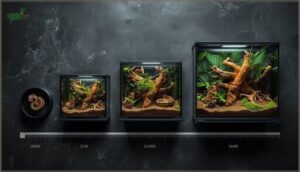
Your ball python’s enclosure is the single biggest upfront cost — and the right choice depends on size, material, and your budget.
Here’s a quick breakdown of ball python housing costs by life stage:
| Life Stage | Enclosure Size | Estimated Cost |
|---|---|---|
| Hatchling | 10-gal / 20×11×13″ | $43–$100 |
| Juvenile | 20-gal / 36×18×18″ | $100–$180 |
| Adult | 48×24×24″ minimum | $250–$299 |
For PVC vs Glass, PVC runs 0–9 and retains humidity better. Glass starter kits cost $100–$300. Budget enclosure choices like Sterilite tubs handle hatchling space requirements for under $20.
Heating and Lighting Setup Expenses
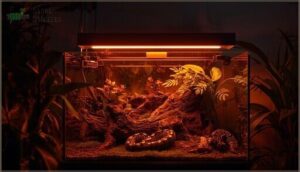
Getting ball python heating and lighting right isn’t optional — it’s survival basics. Here’s what you’ll budget for:
- Heat Mat Selection – Under-tank heaters run $25–$40, ideal for ball python heat pad considerations in smaller enclosures.
- Ceramic Emitter Pricing – Ceramic emitters cost $20–$30, perfect for ball python heat lamp options without light disruption.
- Thermostat Calibration – Digital thermostats for ball python thermostat usage run $55, controlling up to 600 watts.
- UVB Fixture Choices – T5 fixtures for ball python enclosure setup start around $96.
Substrate and Humidity Control Costs
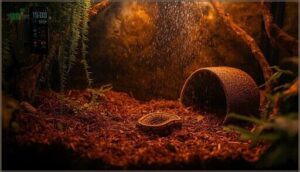
Substrate and humidity control don’t have to drain your wallet. For ball python substrate options, coconut substrate pricing runs about $35 per 72-quart ReptiChip brick — solid value for humidity control in terrariums.
If you’re budgeting for both setup and animal costs, this ball python morph price comparison puts substrate expenses in perspective against what different genetics actually run.
Aspen bedding expenses average $25–$35 monthly. Digital hygrometer budgeting starts at just $5.21. Factor in misting system investment ($47–$85) and humid hide costs ($15–$20) for complete ball python humidity control.
Décor, Hides, and Enrichment Items
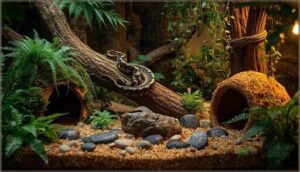
Decorating your enclosure isn’t just about looks — it directly affects your snake’s stress levels and overall health. Smart Terrarium Layout choices combine function with affordability.
- Humid Hide Options: $10–$25 each; place one warm, one cool
- Branch Perches: under $20 from craft stores, after sterilization
- Live Plant Décor: fake ferns from Walmart, run $4–$7
- Ball Python Hiding Spots: dry hides cost $10–$30
- Enrichment Toys: climbing rings around $15 at Walmart
Ball Python Purchase and Ownership Expenses

Buying a ball python is just the beginning — the real cost picture comes into focus once you factor in age, morph, and where you buy from.
Ownership expenses don’t stop at the purchase price either, since food, supplies, and vet care add up steadily over time.
Here’s a closer look at what to expect across three key expense areas.
Ball Python Price by Age and Morph
Age and morph together drive ball python price more than almost any other factor.
Hatchling Morph Pricing starts low — normals run $40 to $150, while pastels stay around $50 to $75.
Juvenile Size Impact pushes costs higher, with females approaching $800 to $1,000.
Adult Rare Valuation gets serious fast — sunset morphs hit $4,000 to $10,000, and Morph Bloodline Premium can push rare genetics into five figures.
Breeder Vs. Pet Store Pricing
Breeders almost always beat pet stores on ball python prices — sometimes by double. Markup Differences are real: a normal ball python that costs $20–$40 from breeders runs $50–$150 at chain stores.
Morph Availability: Breeders win too, offering thousands of options versus a handful locally.
Factor in Shipping Fees ($50–$100), but weigh that against Health Guarantees and verified Bloodline Premium genetics you simply won’t find at a pet store.
Ongoing Care and Maintenance Costs
Once your ball python is home, the real budget math begins. Monthly costs generally land between $15 and $60, covering three main recurring expenses:
- Ball python feeding expenses — $5–$20/month; rodent bulk savings from 10–25 packs cut per-feeder costs considerably.
- Electricity usage — heating runs $5–$25/month depending on insulation quality.
- Seasonal substrate replacement — expect $60–$120 annually with smart enclosure cleaning frequency.
Ball python veterinary care costs add another $75–$150 yearly.
Feeding, Health, and Veterinary Costs

Owning a ball python means committing to more than just setup costs — the ongoing expenses of feeding, hydration, and vet care add up quickly. Knowing what to expect helps you budget smarter and avoid surprises down the road.
Here’s a closer look at the three key areas where your recurring costs will come from.
Feeding Requirements and Rodent Expenses
Feeding your ball python doesn’t have to drain your wallet—but it does require planning. Feeding Frequency shifts as your snake grows: hatchlings eat every 5–7 days, while adults only need feeding every 10–14 days. Matching Rodent Size to your snake’s girth also prevents waste and refusals. Bulk Purchasing frozen rodents cuts ball python feeding expenses substantially.
| Life Stage | Feeding Interval |
|---|---|
| Hatchling (0–4 months) | Every 5–7 days |
| Juvenile (4–12 months) | Every 7–10 days |
| Adult (1+ year) | Every 10–14 days |
| Breeding Female | Every 10–12 days |
Water and Hydration Tools
Hydration tools don’t need to be expensive to work well.
A basic water dish — heavy ceramic works best since ball pythons tend to push lightweight bowls around — runs about 8 to 20 euros.
Add a spray bottle for quick humidity boosts during shedding, and a humid hide lined with damp moss for reliable ball python water and hydration support year‑round.
Routine Health Checks and Vet Visits
Just as a water dish protects your snake day-to-day, regular vet visits protect it long-term.
Plan for one annual wellness exam covering weight monitoring, respiratory exams, skin shedding checks, and eye health — generally $60–$150. Add parasite screening for new snakes.
Ball python veterinary care and medical costs can surprise unprepared owners, so factoring these into your setup calculator keeps ball python health and care on solid ground.
Key Factors Influencing Setup Cost

Your total setup cost doesn’t come down to just one thing — it’s shaped by a handful of decisions you’ll make before your snake ever arrives home.
The morph you choose, the gear you buy, and where you shop can all push that number up or down considerably.
Here are the key factors worth understanding before you finalize your budget.
Snake Morph and Genetics Impact
Your snake’s morph is one of the biggest drivers of ball python purchase cost. Common morphs like pastel or pinstripe stay under $100, while rare multi-gene combos can climb into the thousands.
Genetic inheritance also shapes breeding value and long‑term expenses — some morphs carry health risks worth budgeting for. Understanding ball python genetics helps you balance morph pricing against ethical breeding choices.
Equipment Quality and Brand Choices
Every dollar you spend on equipment tells a story about long‑term value. Premium brands like Herpstat deliver thermostat safety with automatic shutoffs, while PVC enclosures from Kages boost heating efficiency and enclosure durability.
Premium equipment pays for itself — quality thermostats and durable enclosures cost more once, not twice
Reptile‑grade substrates guarantee substrate purity for healthier sheds. Brands offering strong brand support reduce costly mistakes.
Smart ball python budget‑friendly tips start with buying quality once rather than replacing cheap gear twice.
Local Vs. Online Pricing Differences
Where you shop can quietly drain — or protect — your budget. Local stores often mark up thermostats to $100 versus $45 online, and enclosures hit $400 versus $250. Factor in shipping costs, tax variances, and marketplace fees when comparing ball python prices:
- Online thermostats save ~$55 over local shops
- PVC enclosures run $150 cheaper online
- Bulk discounts cut substrate costs considerably
- Seasonal sales reward patient online shoppers
- Expos eliminate shipping costs entirely
Top 5 Ball Python Setup Products
Choosing the right products makes a real difference in how comfortable and healthy your ball python stays. There are a few standout items worth knowing about before you finalize your budget.
Here are five products that consistently deliver solid value for new and experienced keepers alike.
1. ReptiSun UVB Fluorescent Bulb

The Zoo Med ReptiSun UVB Fluorescent Bulb is one of those quiet workhorses that earns its place in almost every serious reptile setup. The 36‑inch, 25‑watt model (FS36) puts out 5% UVB, supporting natural vitamin D3 synthesis and helping your ball python stay metabolically healthy long‑term.
It also boosts appetite and activity levels — small but meaningful wins in captive care. Priced around $39, it requires replacement every 6–9 months, so factor that into your annual budget.
| Best For | Reptile owners keeping lizards, turtles, or tortoises who want a reliable UVB source to prevent metabolic bone disease and support long-term health. |
|---|---|
| Brand | Zoo Med |
| Material | Glass |
| Weight | 4.8 oz |
| Reptile Safe | Yes |
| Eco Friendly | No |
| Humidity Support | Low |
| Additional Features |
|
- Puts out 5% UVB, which means your reptile can actually synthesize vitamin D3 naturally — no supplement guesswork needed.
- Noticeably boosts appetite and activity, which makes a real difference in day-to-day captive care.
- Works in both terrariums and aquariums, so it fits a wide range of setups.
- Needs replacing every 6–12 months, which adds up over time — especially since it’s already on the pricier end of UVB bulbs.
- Has to be within 6–8 inches of the basking spot to actually work, so placement matters more than you’d think.
- Might be too intense for some reptiles right out of the box, so a break-in period is worth considering.
2. Exo Terra Reptile Terrarium Lamp
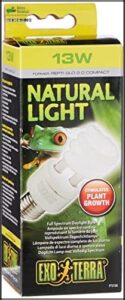
The Exo Terra Natural Light Terrarium Lamp (PT2190) pulls double duty in a ball python setup — it delivers a 6700K daylight spectrum with a 98 CRI rating, which means colors look true and your snake’s activity and appetite get a natural nudge from UVA radiation.
At just 13 watts, it runs cool and efficiently. It pairs well with UVB bulbs for a more complete lighting system.
One heads‑up: replace it annually, since output drops by roughly 50% after a year.
| Best For | Snake and amphibian owners who want a natural daylight effect without worrying about high UV output. |
|---|---|
| Brand | Exo Terra |
| Material | Glass |
| Weight | 2.46 oz |
| Reptile Safe | Yes |
| Eco Friendly | No |
| Humidity Support | Low |
| Additional Features |
|
- 98 CRI and 6700K color temp means light looks natural and true — great for both you and your animals
- Runs at just 13 watts, so it stays cool and won’t spike your energy bill
- Pairs nicely with Exo Terra UVB bulbs if you want a more complete lighting setup
- Not a good fit for reptiles that need high UV levels
- Output drops by around 50% after a year, so you’ll need to replace it regularly
- Some users say it’s not as bright as other full-spectrum options on the market
3. ReptiChip Coconut Reptile Substrate
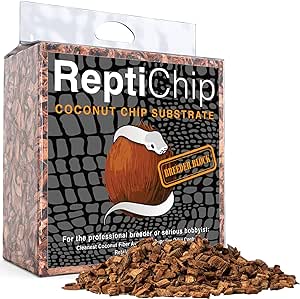
ReptiChip is one of the smartest substrate choices you can make for a ball python enclosure. Made from 100% coconut husk chips — no fillers, no additives — it holds humidity well, controls odors naturally, and promotes healthy shedding.
A 72‑quart compressed brick expands to roughly 10 pounds of usable bedding, and it’s triple‑washed to cut down on dust.
Pricing starts around $18.95 for a 12‑quart block, with bulk breeder options at $32.95 for high‑volume setups.
| Best For | Reptile owners keeping ball pythons, leopard geckos, or turtles who want a natural, humidity-friendly substrate that actually controls odors without a bunch of synthetic additives. |
|---|---|
| Brand | Reptichip |
| Material | Coconut Fiber |
| Weight | 9.92 lbs |
| Reptile Safe | Yes |
| Eco Friendly | Yes |
| Humidity Support | High |
| Additional Features |
|
- One compressed brick expands into a ton of usable bedding — great value for the volume you get
- Holds moisture really well, which is a big deal for reptiles that need consistent humidity to shed properly
- 100% organic and sustainably sourced, so it’s a win for your pet and the planet
- Costs more upfront than basic substrates, which can add up if you’re running multiple enclosures
- Expanding it with water takes a little practice — too much or too little and it’s a hassle
- Not ideal for every reptile, so it’s worth double-checking compatibility before you commit
4. Zoo Med Aspen Snake Bedding
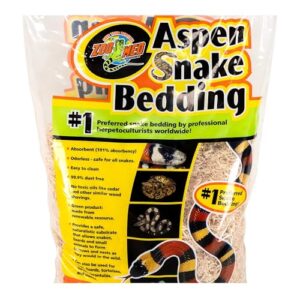
If you want a budget‑friendly bedding that just works, Aspen is hard to beat.
Zoo Med’s Aspen Snake Bedding is a solid pick for ball python owners who want clean, practical, and safe — without overthinking it.
It’s 99.9% dust‑free, odorless, and carries an impressive 191% absorbency rating, so waste stays contained and cleanup stays easy.
No toxic oils, no drama.
An 8‑quart bag runs about $9 and covers a 10‑gallon tank at a comfortable 2‑inch depth.
| Best For | Ball python owners and other reptile keepers who want a clean, affordable, no-fuss substrate that’s safe and easy to maintain. |
|---|---|
| Brand | Zoo Med |
| Material | Wood |
| Weight | 2.15 lbs |
| Reptile Safe | Yes |
| Eco Friendly | Yes |
| Humidity Support | Low |
| Additional Features |
|
- Super absorbent (191% rating) and odorless, so waste stays contained and your setup stays fresh
- Dust-free and free of toxic oils like cedar — totally safe for your snake
- Easy to spot clean, and an 8-quart bag covers a 10-gallon tank without breaking the bank
- Not a great fit for animals that need high humidity, since aspen doesn’t hold moisture well
- Harder to find in physical stores, so you’ll likely need to order it online
- No info on potential allergens or sensitivities, which could matter for more sensitive species
5. Galápagos Green Sphagnum Terrarium Moss
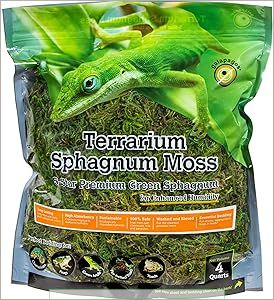
Aspen manages dry cleanup well, but when shedding season rolls around, your ball python needs more moisture than wood shavings can offer. That’s where Galápagos Green Sphagnum Terrarium Moss earns its place.
Pack it into a humid hide and it holds up to 20 times its weight in water, keeping humidity steady between misting sessions. It’s naturally fungicidal, non‑toxic, and free from chemicals.
A 4‑quart resealable bag runs about $12.99 — solid value for cleaner sheds and healthier skin.
| Best For | Ball python and tropical reptile owners who need reliable humidity support during shedding season. |
|---|---|
| Brand | Galapagos |
| Material | Sphagnum Moss |
| Weight | 2.64 oz |
| Reptile Safe | Yes |
| Eco Friendly | Yes |
| Humidity Support | High |
| Additional Features |
|
- Holds an impressive amount of moisture, keeping humidity steady between misting sessions
- Non-toxic and naturally fungicidal — safe for your animals and easy to maintain
- Works beyond terrariums too, great for houseplants, decorative baskets, and floral arrangements
- Can develop mold over time if you’re not staying on top of maintenance
- Some batches have been reported as heavily dyed green, which raises a fair concern for animal safety
- The bag can feel underwhelming when opened — a lot of air and crumbs, not always full of usable moss
Tips to Minimize Ball Python Setup Expenses
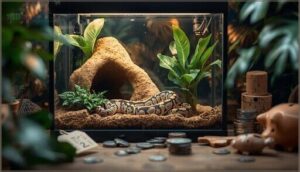
Setting up a ball python doesn’t have to drain your wallet if you know where to cut costs without cutting corners.
A few smart choices — buying used gear, timing your purchases, and focusing on what your snake actually needs — can save you a surprising amount.
Here are the best ways to keep your setup expenses low.
DIY and Secondhand Equipment Options
If your budget is tight, tote modification and rack building can slash your costs considerably.
A 66–90 liter plastic bin costs just 10–25 euros, and drilled ventilation holes turn it into a functional ball python enclosure fast.
Repurposed hides from cut plastic containers, budget lighting alternatives from hardware stores, and used thermostat inspection before purchase are all solid ball python cost‑saving tips worth exploring.
Bulk Buying and Seasonal Discounts
Beyond DIY savings, smart purchasing habits go even further. Bulk Order Timing and Seasonal Sale Strategies can seriously stretch your dollar — especially with Discount Code Stacking on top of existing bulk pricing.
- Buy frozen feeders in bulk (100+) to cut per‑rodent costs by 20–40%
- Stock up during Black Friday for up to 30% off heating and substrate
- Use Supplier Loyalty Programs to earn points toward future purchases
Shipping Cost Optimization matters too — crossing that $49 free‑shipping threshold on combined orders keeps these budget‑friendly ball python tips working together.
Prioritizing Essential Vs. Optional Items
Spending smart comes down to one simple rule: Safety First, always. Lock in your Essential Checklist — thermostat, heat source, two hides, water bowl, and basic substrate — before touching anything decorative.
Think of it as Budget Allocation in two tiers: firm spending on core ball python housing, flexible spending on cosmetics. Upgrade Timing matters; add décor once your snake eats consistently.
Frequently Asked Questions (FAQs)
How much does a ball python cost per month?
Most months, ball python costs between $20 and $50 when you buy food and substrate in bulk.
Factor in your Veterinary Emergency Fund, Energy Consumption Costs, and Substrate Replacement Frequency, and budget closer to $100–$
What is the proper tank setup for a ball python?
A proper ball python habitat setup needs a 4×2×2 ft enclosure with secure lids, a temperature gradient of 76–92°F, 60–70% humidity levels, burrowing substrate, enrichment branches, and a reliable heat source.
How expensive is it to feed a ball python?
costs roughly $36 to $150 yearly. Bulk frozen pricing cuts expenses considerably versus live prey.
Prey size scaling means adults cost slightly more monthly, though seasonal feeding costs drop during natural fasting periods.
How expensive is owning a ball python?
Owning a ball python runs $500–$1,500 in Initial Ongoing Costs yearly, covering food, substrate, vet visits, and Habitat Upgrades — manageable with budgetfriendly ball python tips and smart planning from day one.
Is 70 degrees too cold for a ball python at night?
Seventy degrees at night is borderline — safe briefly, but risky long-term. Your warm hide must stay near 88–90°F regardless, or chill stress effects and respiratory infection signs can follow fast.
Is a 40 gallon tank too big for a ball python?
A 40 gallon tank isn’t too big — it’s actually a solid fit for juveniles and small adults. Age suitability matters most: just furnish it well, and your ball python will thrive.
How much does it cost to adopt a ball python?
Adopting through a ball python rescue and adoption group is one of the smartest budget moves you can make.
Adoption fees generally run $25–$150, roughly half the cost of buying from a breeder.
How much does a ball python enclosure cost?
A ball python terrarium generally runs $110 to $299, depending on size. A 24x18x12 inch enclosure starts around $110, while a spacious 4x2x2 foot setup costs closer to $
How much do ball python Breeders cost?
Buying from ball python breeders generally runs $40 to $300 for basic morphs, while rare genetic lineage animals can exceed $10,000 depending on morph rarity, breeder reputation, shipping fees, and seasonal demand.
Should you buy a ball python?
Here’s the real question: are you ready for a 20 to 30 year lifespan commitment?
If you want a calm, low-maintenance pet that fits apartment life, a ball python might be your match.
Conclusion
What separates a smooth first year from a stressful one, often comes down to a single decision made before the snake ever arrives home. Every category you’ve explored here—enclosure, heating, feeding, veterinary care—connects to that decision.
Using a ball python setup cost calculator means you’re not guessing when it matters most. You walk in prepared, budget intact, and focused entirely on building a habitat your snake can thrive in from day one.