This site is supported by our readers. We may earn a commission, at no cost to you, if you purchase through links.
Your corn snake’s substrate isn’t just bedding—it’s the foundation of their entire habitat. Choose wrong, and you’re looking at respiratory infections, impaction risks, or a stressed snake that can’t express natural burrowing behaviors.
The right substrate maintains humidity between 40-50%, aids thermoregulation, and keeps your snake healthy for its 15-20 year lifespan. But with dozens of products claiming to be “reptile safe,” how do you separate marketing hype from materials that actually work?
The answer lies in understanding substrate depth, moisture retention, and the specific physiological needs of Pantherophis guttatus—factors that determine whether your setup aids or compromises your snake’s health.
Table Of Contents
- Key Takeaways
- What Makes a Good Corn Snake Substrate?
- Substrate Types for Corn Snakes
- Substrates to Avoid for Corn Snakes
- Top 10 Substrates for Corn Snakes
- 1. Rural365 Hemp Animal Bedding
- 2. Galapagos Natural Aspen Pet Bedding
- 3. Riare Natural Coconut Fiber Reptile Bedding
- 4. Sukh Sphagnum Moss for Reptiles
- 5. Fluker’s Cypress Reptile Bedding
- 6. Zilla Coconut Husk Bedding
- 7. Riare Coconut Husk Reptile Substrate
- 8. ZeeDix Coconut Fiber Reptile Substrate
- 9. ReptiChip Coconut Reptile Substrate Bedding
- 10. Chlorhexidine Antiseptic Solution For Horses And Dogs
- Substrate Depth and Humidity Control
- Cleaning and Maintenance Best Practices
- Frequently Asked Questions (FAQs)
- What substrate is best for corn snakes?
- What substrate to use for a corn snake?
- What bedding should you use for a corn snake?
- What should I put at the bottom of a corn snake tank?
- What substrate is best for a corn snake?
- What is the best bedding to use for corn snakes?
- What do corn snakes like in their tank?
- What is the best flooring for snakes?
- How often should substrate be replaced entirely?
- Can mixing substrates improve snake enclosure conditions?
- Conclusion
Key Takeaways
- The best corn snake substrates—coconut fiber, cypress mulch, and aspen shavings—maintain 40-60% humidity while supporting natural burrowing behavior at 3-4 inches deep, directly impacting respiratory health and shedding success over your snake’s 15-20 year lifespan.
- Avoid pine, cedar, gravel, and wood chips completely because they release toxic phenols, create impaction risks, or fail to retain the humidity your corn snake needs for proper thermoregulation and healthy skin cycles.
- Substrate depth matters more than most keepers realize—3-4 inches for adults and 2-3 inches for hatchlings creates the microclimates your snake instinctively seeks while preventing respiratory irritation from dust and maintaining stable hydration levels.
- Full substrate replacement every 2-4 months with daily spot-cleaning prevents bacterial infections and ammonia buildup, but high-humidity setups need changes every 4-6 weeks to stop mold growth that compromises your snake’s respiratory system.
What Makes a Good Corn Snake Substrate?
Choosing the right substrate isn’t just about comfort—it’s about keeping your corn snake healthy and safe. The best bedding mimics the southeastern United States soil these snakes evolved on while supporting their natural behaviors like burrowing and shedding.
For a complete breakdown of materials that work well and which ones to avoid, check out this guide on corn snake safe substrate options.
The best corn snake substrate mimics southeastern forest soil while supporting natural burrowing and healthy shedding
Before you buy, you need to understand what separates a good substrate from one that could harm your snake’s respiratory system or digestive tract.
Mimicking Natural Habitat Conditions
Corn snakes evolved in southeastern forests with rich, layered soils. Your substrate should recreate those conditions with naturalistic materials like coconut fiber and bioactive substrate. Focus on these natural habitat elements:
- Substrate depth of 3+ inches for natural burrowing behavior
- Terrain features like sloped banks and gentle depressions
- Humidity cycles that mimic seasonal patterns
- Natural lighting schedules matching dawn-dusk rhythms
- Natural substrates free from chemicals and aromatic oils
Importance of Humidity and Burrowing
Burrowing behavior depends on proper humidity control throughout your enclosure. Tunnel depth directly influences soil moisture—deeper burrows hold stable humidity that facilitates healthy shedding cycles.
Moisture retention varies by substrate type:
| Substrate Type | Moisture Retention | Burrow Humidity |
|---|---|---|
| Coconut Fiber | High | 60-70% |
| Bioactive Substrate | Medium-High | 55-65% |
| Paper Products | Low | 40-50% |
Burrowing substrates maintain the microclimate your snake needs to thrive.
Health and Safety Considerations
Humidity management protects respiratory health, but substrate choice determines overall safety. Watch for these critical risks:
- Respiratory Risks – Dusty materials irritate airways, causing wheezing and infection control problems.
- Eye Injuries – Sharp surfaces abrade corneas when your snake explores.
- Toxicity Tests – Chemical-free bedding prevents ingestion hazards and maintains reptile health.
Odor control and hygiene depend on selecting tested, non-toxic substrates for pet health and safety.
Substrate Types for Corn Snakes
You’ll find three main categories of substrates for corn snakes, each with distinct advantages and trade-offs. Loose naturalistic options recreate the forest floor environment your snake would encounter in the wild.
Paper products and reusable liners offer simpler maintenance but sacrifice some of the natural behaviors that make corn snakes interesting to observe.
Loose Naturalistic Substrates
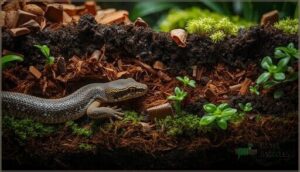
You’ll find that loose naturalistic substrates—coconut fiber, topsoil, and sphagnum moss blends—create the microhabitat your corn snake needs for healthy burrowing. Material blends like the Bio Dude Terra Firma kit support bioactive setup designs, while natural substrates maintain 40-60% humidity through substrate aeration.
Layer 2-4 inches deep, mixing periodically to prevent compaction and promote airflow through your reptile substrate options for peak loose naturalistic mix performance.
Paper-Based and Disposable Options
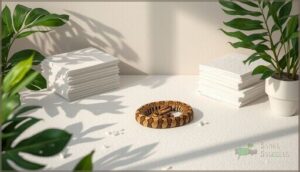
Paper towels offer the simplest corn snake substrate solution—absorbent, disposable, and ideal for hatchlings or quarantine setups. Disposable pads and cage mats simplify waste removal without the complexity of loose bedding.
You can find eco-friendly, compostable options that reduce environmental impact while maintaining hygiene. Though less naturalistic than other reptile substrate options, these materials excel when monitoring health or simplifying daily maintenance routines.
Reusable Carpets and Liners
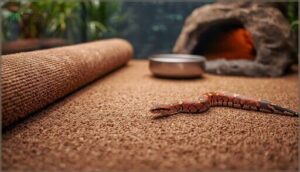
Reptile carpet offers a middle ground between disposable and loose substrates for your snake habitat. These reusable options include polypropylene liner designs and contact paper that resist moisture while supporting proper humidity control.
Key reptile care benefits include:
- Non-porous surfaces prevent bacterial buildup between cleaning methods
- Custom-cut carpet materials fit standard 20-gallon terrariums
- Machine-washable durability through 100+ cycles
- Heat-resistant construction tolerates moderate under-tank heating for your pet snake
Substrates to Avoid for Corn Snakes
Not all substrates are safe for your corn snake. Some materials can cause serious respiratory problems, digestive blockages, or toxic reactions that put your pet’s health at risk.
Here’s what you need to avoid and why these options don’t belong in your snake’s enclosure.
Pine and Cedar Shavings Risks
Pine shavings and cedar shavings release phenols and volatile oils that cause airway irritation in your corn snake. These compounds trigger mucus buildup, wheezing, and skin irritation with prolonged exposure. The fine dust also disrupts humidity impact by settling in burrows and your snake’s nares.
For safe reptile substrate selection and proper corn snake care, avoid softwood beddings entirely—they compromise snake habitat creation and respiratory health.
Gravel, Bark, and Wood Chips
Gravel offers drainage and durability, but it doesn’t absorb waste or hold humidity—two essentials for corn snake care. Bark aesthetics may appeal to you, yet bark mulches and wood chip variants can splinter or harbor mold when layered improperly.
Unlike pine shavings or cedar shavings, these substrates won’t release toxic oils, but they’re still poor choices for substrate layering and humidity control in your enclosure.
Impaction and Respiratory Hazards
Swallowing substrate particles during feeding or burrowing can block your corn snake’s digestive tract, while inhaling fine dust triggers airway obstruction and respiratory infection. Both risks escalate with loose, coarse bedding that breaks into fragments.
- Substrate particles lodge in the glottis or bronchi, causing wheezing
- Moisture swells debris, increasing blockage potential
- Poor ventilation concentrates airborne irritants
- Damp bedding promotes mold spores and bacteria
- Burrowing behavior stirs dust and micro-particles into breathing zones
Top 10 Substrates for Corn Snakes
Now that you know what to avoid, let’s look at the substrates that actually work well for corn snakes. Each option below has been selected for its safety profile, moisture retention, and ability to support natural behaviors.
You’ll find both budget-friendly choices and premium bioactive options that meet the health standards your snake needs.
1. Rural365 Hemp Animal Bedding
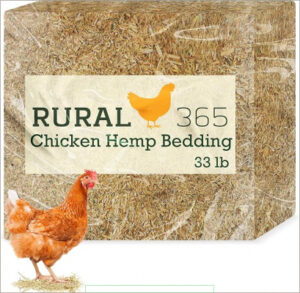
Hemp bedding offers a soft, highly absorbent alternative for your corn snake’s enclosure. Rural365 Hemp Animal Bedding absorbs moisture several times its weight, keeping habitats drier and controlling odor more effectively than traditional wood shavings.
The low-dust formula promotes respiratory health, and it’s marketed as free from added chemicals or artificial fragrances. You’ll find it lasts longer between full changes due to its enhanced absorbency.
Layer it 2-3 inches deep to allow natural burrowing behavior while maintaining easier spot-cleaning routines.
| Best For | Corn snake owners looking for a low-dust, highly absorbent bedding that controls odor effectively and supports natural burrowing behavior. |
|---|---|
| Material Type | Hemp |
| Primary Benefit | High absorbency |
| Eco-Friendly | Yes |
| Odor Control | Yes |
| Suitable For | Multiple small animals |
| Ease of Use | Easy |
| Additional Features |
|
- Absorbs several times its weight in moisture, keeping the enclosure drier and reducing cleaning frequency
- Low-dust formula promotes better respiratory health for your snake compared to traditional wood shavings
- Lasts longer between full substrate changes due to superior absorbency and odor control
- More expensive than conventional bedding options like aspen or paper-based substrates
- Contains a California Prop 65 warning about potential chemical exposure
- May be harder to find locally since it’s an international product from the Netherlands
2. Galapagos Natural Aspen Pet Bedding
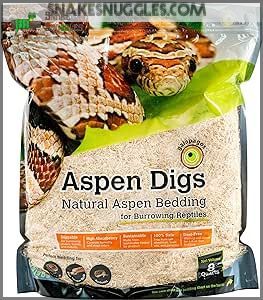
Aspen bedding has been a staple in snake keeping for decades, and Galapagos Natural Aspen Pet Bedding delivers on its reputation. This 100% natural aspen wood substrate contains no added chemicals or oils, making it safe for your corn snake’s respiratory system.
The soft fibers encourage burrowing behavior while absorbing moisture and controlling odor effectively. You’ll appreciate the low-dust formula, though some users recommend sifting it before use.
Layer it 2-3 inches deep for ideal digging opportunities and straightforward spot-cleaning.
| Best For | Snake owners who want a natural, chemical-free bedding that supports burrowing behavior and keeps odors under control. |
|---|---|
| Material Type | Chlorhexidine solution |
| Primary Benefit | Antibacterial cleaning |
| Eco-Friendly | No |
| Odor Control | No |
| Suitable For | Horses and dogs |
| Ease of Use | Requires dilution |
| Additional Features |
|
- 100% natural aspen wood with no chemicals or oils, making it safe for your snake’s respiratory health
- Excellent absorbency and odor control with soft fibers that encourage natural digging behavior
- Easy to spot-clean and eco-friendly, sourced sustainably without harsh additives
- The 8-quart volume may not be enough for larger enclosures, requiring multiple bags
- Some users report dust issues despite low-dust claims, so you might need to sift it first
- At 2-3 inches deep for proper burrowing, you’ll go through bags faster than expected
3. Riare Natural Coconut Fiber Reptile Bedding
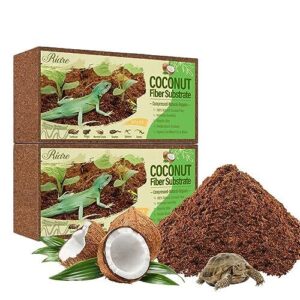
Coconut fiber substrates offer a different approach to corn snake care, and Riare’s compressed bricks expand into a fluffy, moisture-retentive bedding when soaked. Each 7.8 x 3.9 x 1.97 inch brick produces enough substrate for proper layering while holding humidity steady—essential for healthy shedding cycles.
The odorless, biodegradable material absorbs waste effectively and promotes natural burrowing behavior. You’ll need to hydrate the bricks thoroughly before use, and some keepers find them slightly dusty when dry.
Regular spot-cleaning prevents mold in this naturally humid substrate.
| Best For | Corn snake owners who want a natural, eco-friendly substrate that maintains humidity for healthy shedding and supports burrowing behavior. |
|---|---|
| Material Type | Aspen wood |
| Primary Benefit | Superior absorbency |
| Eco-Friendly | Yes |
| Odor Control | Yes |
| Suitable For | Snakes and rodents |
| Ease of Use | Easy |
| Additional Features |
|
- Expands significantly from compact bricks, making storage easy and providing good value
- Retains moisture well to support proper humidity levels during shed cycles
- Biodegradable and compostable material that’s safe for snakes and the environment
- Requires soaking and preparation time before use, unlike ready-to-use substrates
- Can be dusty when handling dry bricks, which may require rinsing
- Needs regular spot-cleaning to prevent mold growth in humid conditions
4. Sukh Sphagnum Moss for Reptiles
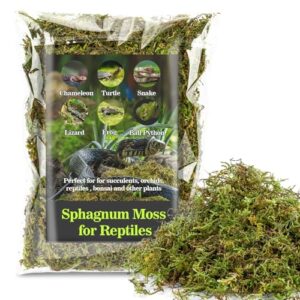
Sphagnum moss works differently than full-coverage substrates—it’s best used as a supplemental humidity aid rather than primary bedding. Sukh’s 5-ounce package provides soft, natural material that holds up to ten times its weight in water, creating moisture pockets that support healthy shedding without soaking the entire enclosure.
You can layer it in humid hides or blend small amounts into other substrates. The moss resists mold when partially dried between mistings, but it requires regular replacement to prevent odor buildup and bacterial growth.
| Best For | Reptile owners who need a supplemental humidity solution for shedding support or creating moist microenvironments in terrariums. |
|---|---|
| Material Type | Coconut husk |
| Primary Benefit | Retains humidity |
| Eco-Friendly | Yes |
| Odor Control | Yes |
| Suitable For | Reptiles and amphibians |
| Ease of Use | Requires soaking |
| Additional Features |
|
- Absorbs up to ten times its weight in water, making it highly effective for maintaining humidity in specific enclosure zones
- Soft, natural texture works well for creating humid hides or mixing into substrate for burrowing species
- Resists mold when allowed to partially dry between mistings
- Not suitable as primary bedding—only works as a supplemental moisture aid
- Requires frequent replacement to prevent odor and bacterial buildup
- May be dusty on arrival and can degrade into powder over time
5. Fluker’s Cypress Reptile Bedding
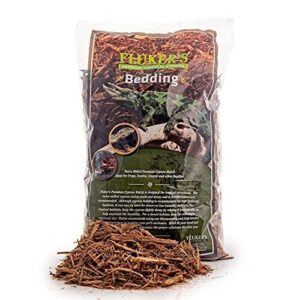
Another natural option that balances moisture retention with stability is Fluker’s twice-milled cypress mulch. This bedding maintains humidity without turning soggy or moldy in most setups, and its soft texture facilitates burrowing behavior while reducing dust compared to bulk mulches.
You’ll want to mist it lightly on arrival—it often ships dry—and lay it 2-3 inches deep to create stable microclimates. Spot-clean waste promptly and replace the substrate every few months to prevent odor buildup and maintain a clean, natural-looking enclosure.
| Best For | Reptile keepers who need a natural substrate that holds humidity well for tropical species like frogs and snakes, while still working in moderate-humidity setups for lizards and other desert dwellers. |
|---|---|
| Material Type | Sphagnum moss |
| Primary Benefit | Moisture retention |
| Eco-Friendly | Yes |
| Odor Control | Limited |
| Suitable For | High humidity reptiles |
| Ease of Use | Moderate maintenance |
| Additional Features |
|
- Holds moisture consistently without getting moldy or waterlogged, making humidity management easier
- Soft, twice-milled texture reduces dust and lets reptiles burrow comfortably
- Easy to spot-clean and refresh, with natural odor control that keeps enclosures smelling fresh
- Often arrives dry and needs misting before use to reach ideal humidity levels
- Strong hay-and-wood scent that some keepers find overpowering at first
- Occasional reports of mites in bags, which can be risky for sensitive reptiles
6. Zilla Coconut Husk Bedding
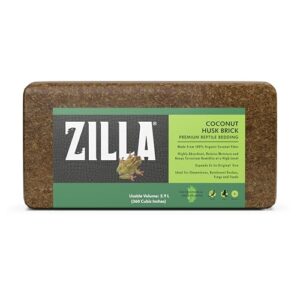
Zilla’s compressed coconut fiber brick stands out for its high absorbency and soft texture—ideal traits for tropical species that need stable humidity and burrowing space. You’ll expand one brick with water to cover a 55-gallon enclosure, creating a uniform layer that retains moisture without growing mold easily.
Its non-toxic composition won’t irritate your snake’s skin during sheds, and the biodegradable material simplifies cleanup. Plan for spot-cleaning waste promptly and full replacement every few months to keep the enclosure fresh and functional.
| Best For | Keepers of tropical reptiles like chameleons, rainforest geckos, frogs, and toads who need a substrate that holds humidity well and supports natural burrowing behavior. |
|---|---|
| Material Type | Cypress mulch |
| Primary Benefit | Humidity control |
| Eco-Friendly | Yes |
| Odor Control | Yes |
| Suitable For | Reptiles all types |
| Ease of Use | Easy spot-clean |
| Additional Features |
|
- Expands up to 5 times its size, covering a 55-gallon tank from a single brick
- Highly absorbent and retains moisture for weeks without promoting mold
- Soft, non-toxic texture that’s safe during shedding and gentle on delicate skin
- Takes time and effort to fully rehydrate and break apart clumps
- Can get messy during the setup process when adding water and fluffing
- Requires regular spot-cleaning and full replacement every few months to prevent odor
7. Riare Coconut Husk Reptile Substrate
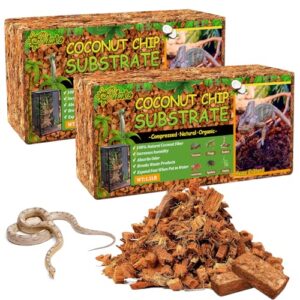
Riare’s two-pack format delivers compressed organic coco chips that expand into a soft, burrowing-friendly layer when you soak them with water. Each brick covers a 20-gallon enclosure at 3 inches deep, controlling humidity and absorbing odors effectively throughout the replacement cycle.
You’ll find the texture comfortable for your snake’s nose and body during digging, though you should sort through the expanded substrate before use—some batches contain clay clumps or debris.
Plan for spot-cleaning waste regularly and full replacement every six to twelve months, depending on enclosure conditions.
| Best For | Snake owners who want an affordable, natural substrate that handles humidity well and lets their pets burrow comfortably. |
|---|---|
| Material Type | Coconut fiber |
| Primary Benefit | Humidity control |
| Eco-Friendly | Yes |
| Odor Control | Yes |
| Suitable For | Tropical reptiles |
| Ease of Use | Requires rehydration |
| Additional Features |
|
- Two compressed bricks expand to cover a 20-gallon tank at 3 inches deep, giving you good value and easy storage
- Soft texture encourages natural digging behavior while controlling humidity and absorbing odors effectively
- Can be reused as garden mulch after replacement, reducing waste
- You’ll need to spend time moisturizing and breaking apart the compressed bricks before first use
- Some batches contain clay clumps, string, or plastic debris that require sorting before adding to your enclosure
- Spot-cleaning waste regularly and replacing substrate every six to twelve months adds to ongoing maintenance
8. ZeeDix Coconut Fiber Reptile Substrate
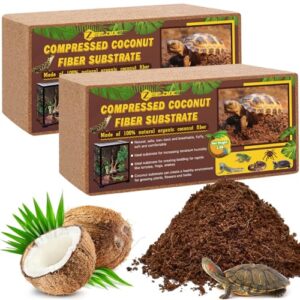
ZeeDix’s two-brick package expands into fluffy organic coco fiber bedding after you soak the compressed blocks in water. Each brick weighs 1.4 pounds and covers a standard enclosure at 2–3 inches deep.
The biodegradable material absorbs waste moisture and limits ammonia buildup effectively. However, you’ll need to squeeze out excess water or wait for proper drying after expansion.
Spot-clean waste daily and replace the entire substrate every three to four months to maintain hygiene and humidity control.
| Best For | Reptile and amphibian owners looking for an affordable, eco-friendly substrate that controls odor and maintains humidity in terrariums. |
|---|---|
| Material Type | Coconut husk chips |
| Primary Benefit | Humidity control |
| Eco-Friendly | Yes |
| Odor Control | Yes |
| Suitable For | Reptiles and amphibians |
| Ease of Use | Requires preparation |
| Additional Features |
|
- Expands significantly from compact bricks, giving you plenty of bedding material for the price
- Absorbs moisture and waste effectively while keeping ammonia smells under control
- Completely biodegradable and made from 100% natural coconut fiber
- Requires soaking and drying time before you can actually use it in your pet’s enclosure
- Some batches arrive with quality issues like poor expansion or unpleasant odors
- Needs complete replacement every few months, which adds up over time
9. ReptiChip Coconut Reptile Substrate Bedding
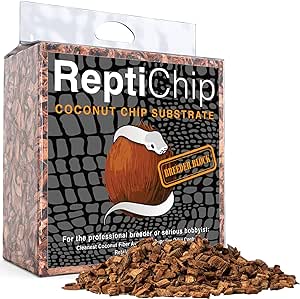
ReptiChip’s 72-quart compressed block expands to 10 pounds of finely-shredded coconut husk chips when you add water. This organic substrate retains humidity well and absorbs waste odors effectively, keeping your corn snake’s enclosure fresher between cleanings.
The loose, diggable texture encourages natural burrowing behavior while maintaining comfortable insulation around your snake. You can spot-clean soiled areas without disturbing the entire bed, though some users report dustiness when breaking apart the compressed brick initially.
| Best For | Corn snake owners who want a natural, humidity-retaining substrate that supports burrowing and makes spot-cleaning easy. |
|---|---|
| Material Type | Coconut fiber |
| Primary Benefit | Quick absorption |
| Eco-Friendly | Yes |
| Odor Control | Yes |
| Suitable For | Reptiles and invertebrates |
| Ease of Use | Requires soaking |
| Additional Features |
|
- Expands from a compact 72-quart brick to 10 pounds of loose coconut chips, giving you plenty of substrate
- Holds humidity well and naturally absorbs odors between cleanings
- Encourages natural digging behavior with a loose texture that’s comfortable for your snake
- Costs more than basic substrate options like aspen or paper
- Can be dusty when you first break apart the compressed block
- Takes time to fully hydrate if you’re not using a hose to add water
10. Chlorhexidine Antiseptic Solution For Horses And Dogs
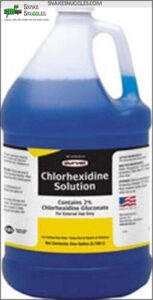
This 2% chlorhexidine solution isn’t a substrate—it’s an antibacterial cleaning agent for sanitizing your corn snake’s enclosure between full substrate changes. Dilute two tablespoons per gallon of water to wipe down glass, hides, and water bowls.
The formula kills gram-positive and gram-negative bacteria for up to two days, preventing respiratory infections and skin issues. While marketed for horses and dogs, it’s safe for reptile habitats when surfaces dry completely before reintroducing your snake.
| Best For | Corn snake owners who want a hospital-grade disinfectant to keep enclosures bacteria-free between substrate changes without using harsh chemicals. |
|---|---|
| Material Type | Coconut chips |
| Primary Benefit | Odor absorption |
| Eco-Friendly | Yes |
| Odor Control | Yes |
| Suitable For | Various reptiles |
| Ease of Use | Requires water expansion |
| Additional Features |
|
- Kills both types of bacteria for up to 48 hours, preventing respiratory infections and scale rot
- Made in the USA with veterinary-grade 2% chlorhexidine that’s safe for reptile habitats once dry
- One gallon goes a long way since you only need 2 tablespoons per gallon of water
- Requires dilution before every use, which adds an extra step to cleaning routines
- Strong medicinal smell can linger in smaller rooms until surfaces fully air out
- Not actually designed for reptiles, so you’ll need to ensure complete drying before putting your snake back
Substrate Depth and Humidity Control
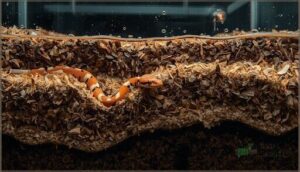
Getting the substrate depth right isn’t just about filling the tank—it directly affects your corn snake’s ability to burrow and maintain proper humidity for healthy shedding.
Most keepers don’t realize that depth requirements change based on your snake’s size and natural burrowing instincts. Let’s break down the specific measurements and humidity targets you need to hit.
Recommended Substrate Depth
Your corn snake’s substrate thickness plays a critical role in burrowing needs and overall health.
For most adult corn snakes, layer substrate 3 to 4 inches deep—enough for natural digging without complicating cleaning. Hatchlings do well with 2 to 3 inches.
In high-humidity environments, reduce depth slightly to prevent excess moisture retention in your reptile enclosure.
For more details on proper substrate management and potential issues, see this overview of substrate depth considerations.
Maintaining Proper Humidity Levels
A hygrometer is your best friend for humidity monitoring—place it near the warm side to track levels between 40 and 60 percent. During shedding, raise humidity to around 60 percent for 24 to 48 hours to ease the process.
Water bowl management matters too; daily refills support steady evaporation and moisture retention.
Proper ventilation systems prevent stale air without drying out your reptile enclosure design.
Adjusting Depth for Burrowing Behavior
Beyond humidity, your snake’s digging behavior reveals when you need more depth. Watch for frequent excavation attempts—they signal your corn snake wants deeper refuge, especially when temperature gradients shift. Aim for 3 to 4 inches minimum; coarser soil density slows burrow depth, while finer natural substrates with higher substrate moisture allow easier vertical progress.
- Burrow depth increases during hot days as snakes seek cooler microclimates underground
- Substrate moisture affects resistance; wetter layers reduce achievable digging depth
- Finer, loosely packed substrates enable deeper exploration without overheating your snake
- Temperature gradients drive depth choices, with cooler zones favored for daytime rests
- Proper depth prevents respiratory irritation from dust and maintains stable hydration levels
Cleaning and Maintenance Best Practices
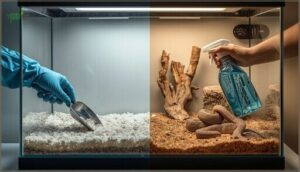
A clean enclosure isn’t just about aesthetics—it’s essential for preventing bacterial infections and respiratory issues in your corn snake.
You’ll need to balance daily maintenance with deeper cleaning cycles to keep substrate fresh and safe.
Here’s what you need to know about spot-cleaning, full replacements, and the right way to disinfect your snake’s home.
Spot-Cleaning and Waste Removal
You’ll want to check your corn snake’s enclosure daily for waste and tackle any droppings right away. Spot-cleaning keeps odor control under wraps and maintains enclosure hygiene.
Use disposable gloves to lift fecal matter, then treat the area with a reptile-safe cleaner. This waste management routine protects your snake’s respiratory health and prevents ammonia buildup in the bedding—essential for proper reptile care and substrate sanitizing.
Full Substrate Replacement Schedule
Regular spot-cleaning keeps things tidy, but you’ll need a full substrate swap every 2 to 4 months to maintain proper humidity control and burrowing needs. Your replacement intervals depend on substrate depth and cleaning schedules:
- High humidity setups: Replace every 4 to 6 weeks to prevent mold
- Drier enclosures: Extend to 2 to 3 months with consistent spot-cleaning
- Heavy burrowers: Partial changes every 4 to 6 weeks maintain soft layers
- New snakes: Reset enclosure hygiene with a 3-week initial replacement
Safe Cleaning Solutions and Procedures
Skip harsh disinfectants that leave residues your corn snake might ingest. Opt for reptile-safe cleaners diluted to manufacturer specs, or use a 5% chlorhexidine solution with proper contact time. Always rinse surfaces thoroughly before reintroducing your snake.
For bioactive setups, sanitize only spot-cleaned areas to preserve beneficial organisms.
Follow strict enclosure hygiene protocols: wear gloves, ventilate well, and never mix cleaning products.
Frequently Asked Questions (FAQs)
What substrate is best for corn snakes?
Coconut fiber bedding and cypress mulch stand out for corn snake substrate safety, offering ideal humidity control and burrowing depth while mimicking natural environments—critical for snake health without the respiratory risks of cedar or pine.
For more details on appropriate options and care, see this guide to best substrate materials.
What substrate to use for a corn snake?
For corn snakes, use coconut coir mixed with topsoil, cypress mulch, or aspen bedding.
These substrates support burrowing needs, maintain humidity around 60-70%, and promote respiratory health while staying non-toxic and easy to clean.
What bedding should you use for a corn snake?
Think of bedding materials as your corn snake’s foundation—you’ll want substrate that’s non-toxic, moisture-absorbent, and burrow-friendly while supporting terrarium setup, humidity control, and overall snake health without respiratory risks.
What should I put at the bottom of a corn snake tank?
You want a loose substrate materials layer 3 to 4 inches deep—reptile substrate selection like coconut fiber or cypress mulch works best.
This terrarium setup facilitates burrowing depth and tank flooring that mimics their snake habitat.
What substrate is best for a corn snake?
Like choosing the right foundation for a house, the best substrate for your corn snake is coconut fiber or cypress mulch. Both retain humidity, allow natural burrowing behavior, and support respiratory health effectively.
What is the best bedding to use for corn snakes?
Aspen shavings, cypress mulch, and coconut fiber are top choices for corn snake bedding.
Each offers safe burrowing opportunities, manageable humidity control, and minimal dust—critical factors for your snake’s respiratory health and natural behavior.
What do corn snakes like in their tank?
Corn snakes thrive with secure hides on both warm and cool sides, a shallow water bowl for drinking and soaking, climbing branches, and appropriate substrate depth (2-3 inches) that allows natural burrowing behavior.
What is the best flooring for snakes?
The best flooring for snakes depends on species-specific burrowing needs and humidity control.
Natural substrates like aspen or coconut fiber replicate natural environments while maintaining proper substrate depth.
Always prioritize snake floor safety over convenience.
How often should substrate be replaced entirely?
Surprisingly, most keepers swap substrate every three to four months—yet high humidity or illness may demand faster replacement frequency.
Monitor burrowing depth and odor; terrarium maintenance improves when cleaning schedules align with your snake’s waste patterns.
Can mixing substrates improve snake enclosure conditions?
Yes, mixing substrates improves enclosure conditions by balancing humidity control and burrowing benefits. Substrate blending creates microhabitats that support bioactive terrariums while optimizing moisture retention, making mixed substrate setups preferable for corn snake enclosures.
Conclusion
The difference between a thriving corn snake and a chronically stressed one often comes down to those two inches of material beneath their body. You’ve now got the science-backed knowledge to select the best substrate for corn snakes—one that maintains proper humidity, facilitates burrowing, and eliminates impaction risks.
Set up that substrate depth correctly, maintain it consistently, and you’re building the foundation for two decades of healthy companionship with your Pantherophis guttatus.