This site is supported by our readers. We may earn a commission, at no cost to you, if you purchase through links.
Your bearded dragon’s spotless terrarium can harbor a thriving colony of Salmonella bacteria within 48 hours of the last cleaning—invisible to the naked eye but dangerous enough to send a child to the hospital.
Pathogenic microorganisms don’t announce their presence with odor or visible grime; they multiply silently on water bowls, climbing branches, and glass surfaces while your reptile sheds skin cells, deposits waste, and breathes moisture into confined air.
The difference between a clean-looking habitat and a truly disinfected one isn’t cosmetic—it’s the barrier between routine husbandry and emergency vet visits, between safe reptile handling and zoonotic disease transmission to your household.
Selecting the right disinfectant and applying it correctly requires understanding contact times, dilution ratios, species sensitivities, and the critical distinction between cleaning organic debris and actually killing the microscopic threats that accumulate in every enclosure.
Table Of Contents
- Key Takeaways
- Why Disinfecting Reptile Enclosures Matters
- Safe Disinfectants for Reptile Habitats
- Step-by-Step Disinfection Process
- Species-Specific Cleaning Considerations
- Top 5 Disinfectants for Reptile Enclosures
- Safety Precautions and Best Practices
- Frequently Asked Questions (FAQs)
- What is the best disinfectant for reptile tanks?
- How to sterilize a reptile enclosure?
- How to make reptile safe disinfectant?
- What antiseptic is safe for reptiles?
- Can I disinfect decorations while reptile is inside?
- How to disinfect porous rocks and wood safely?
- What temperature water works best for disinfecting?
- Do UV lights help disinfect reptile enclosures?
- How to disinfect water bowls between deep cleanings?
- Conclusion
Key Takeaways
- Regular disinfection protocols with veterinary-grade products like F10SC or diluted chlorhexidine (0.5-2%) protect reptiles from infections while preventing dangerous zoonotic pathogens like Salmonella from spreading to your household through contaminated surfaces.
- The cleaning sequence matters critically—you must first remove organic waste with soap and water, rinse thoroughly, allow complete drying, then apply disinfectant for the full contact time (5-10 minutes) before rinsing again to eliminate chemical residues.
- Species-specific cleaning schedules vary dramatically based on humidity needs and waste output: tropical enclosures require weekly deep cleans to prevent mold in moisture-rich conditions, while desert setups tolerate 2-4 week intervals between thorough disinfections.
- Bioactive enclosures demand a fundamentally different approach—daily spot-cleaning of visible waste without wholesale disinfectant applications that would destroy beneficial microfauna and disrupt the ecosystem your cleanup crew maintains.
Why Disinfecting Reptile Enclosures Matters
Your reptile’s enclosure isn’t just a home—it’s a microecosystem where bacteria, fungi, and parasites can thrive if you’re not vigilant about sanitation.
Regular disinfection of surfaces, hides, and water bowls—plus quarantining new arrivals—helps prevent outbreaks, especially when caring for baby corn snakes after hatching and other vulnerable reptiles.
Regular disinfection protects your pet from infections while safeguarding your household from zoonotic pathogens like Salmonella, which commonly colonize reptile environments.
Pairing thorough disinfection with moisture-retaining substrates designed for humid environments ensures both cleanliness and optimal habitat conditions for your reptile.
Understanding why this matters will help you prioritize the right cleaning practices for your specific situation.
Factors like humidity retention, odor control, and ease of spot-cleaning will vary depending on which reptile substrates for ball pythons you select.
Preventing Reptile Diseases and Infections
Neglect is the silent invitation to disease in reptile habitats, where pathogens thrive on accumulated waste and moisture.
Poor ventilation and dirty enclosures can also trigger respiratory distress in snakes, making regular habitat maintenance essential for preventing both bacterial and fungal infections.
Neglect invites disease into reptile habitats, where pathogens thrive on accumulated waste and moisture
Daily spot cleaning removes feces and uneaten food that attract bacteria, while weekly disinfection with reptile-safe cleaners targets fungi and viruses your animal can’t fight off alone.
A complete corn snake cage cleaning guide walks you through both routines to keep your pet healthy year-round.
Proper sanitation practices and infection control strengthen immune function, prevent shedding problems and respiratory issues, and guarantee your reptile’s longevity through consistent microbial management.
For further guidance, explore these safe handling practices and disease prevention strategies vital to maintaining a healthy habitat.
Reducing Risks of Zoonotic Bacteria (e.g., Salmonella)
Beyond protecting your reptile from disease, regular disinfection with ReptileSafe products directly shields you from zoonotic disease.
Salmonella prevention begins with biosecurity measures like hand hygiene and dedicated enclosure tools, since healthy reptiles can shed bacteria without symptoms.
Bacterial transmission occurs through cross-contamination when dirty substrates, equipment, or inadequate hand washing after handling expose you to pathogens that proper reptile hygiene and disinfectants eliminate. For more insight into the importance of salmonella transmission prevention, understanding its pathways is vital for reptile keepers.
Maintaining Air Quality and Odor Control
When you practice ReptileSafe Habitat Cleaning, you’re not just controlling bacteria—you’re fighting odors and airborne irritants.
Air Purification and Ventilation Systems, paired with Filtration Methods and Humidity Control, keep your cleaning schedule effective. Here’s what matters most:
- Activated carbon filters
- Negative pressure zones
- Biological filtration
- HEPA filtration
- Moisture control
Supporting Reptile Health and Longevity
Clean habitats work hand-in-hand with Reptile Nutrition, Habitat Enrichment, and Veterinary Care to extend your reptile’s lifespan.
When you pair regular disinfection with Health Monitoring and Stress Management, you’re preventing chronic infections that compromise immune function, ensuring that calcium absorption, shell integrity, and metabolic efficiency aren’t undermined by bacterial or fungal loads, which ultimately promotes strong reptile health and wellness over years of proper reptile care.
Safe Disinfectants for Reptile Habitats
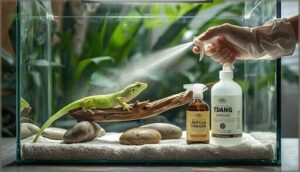
Not all disinfectants are safe for your reptile’s enclosure, and choosing the wrong product can expose your pet to toxic fumes, chemical burns, or residue that lingers long after you’ve finished cleaning.
You need disinfectants that effectively kill harmful bacteria, viruses, and fungi without putting your reptile at risk when they return to their habitat. Below, you’ll find the most reliable and reptile-safe disinfectant options, each with specific strengths and considerations to help you make the right choice for your setup.
Chlorhexidine-based Solutions
Chlorhexidine stands out among disinfectants for reptile enclosure cleaning thanks to its powerful antimicrobial action against gram-positive and gram-negative bacteria, combined with impressive disinfectant stability that provides residual protection after application.
You’ll want to use concentrations between 0.5 and 2 percent for routine disinfection, which offers effective pathogen control while maintaining reptile safety when you rinse surfaces thoroughly and allow complete drying before reintroducing your animal.
F10SC Veterinary Disinfectant
F10SC Veterinary Disinfectant delivers broad-spectrum microbial control against bacteria, viruses, fungi, and spores, making it a trusted choice in veterinary applications and reptile enclosure cleaning worldwide. You’ll appreciate its quaternary ammonium-based formula, which achieves disinfectant efficacy at dilutions between 1:500 and 1:125 depending on target pathogens, while maintaining excellent reptile safety when surfaces dry completely before reintroduction.
- Biodegradable composition minimizes environmental impact
- Low toxicity profile when used as directed
- Minimal rinsing required for most applications
Diluted Bleach (1:10 Ratio)
Household bleach diluted one part to nine parts cool water creates a reliable disinfectant for reptile enclosure sanitizing, achieving effective microbial control on glass, ceramic, and smooth plastic surfaces after a five-to-six-minute contact time.
You’ll find this economical solution balances disinfectant efficacy with reptile health when you rinse thoroughly to eliminate chemical residue, ensuring complete drying before reintroducing your animals and maintaining proper bleach safety protocols throughout.
Vinegar and Natural Alternatives—pros and Cons
White distilled vinegar offers eco-friendly options for gentle cleaners in your reptile enclosure, removing mineral deposits on glass without harsh scrubbing, though its limited antimicrobial spectrum means you shouldn’t rely on it as your sole disinfectant.
While vinegar safety profiles make it reptile-safe when diluted one-to-one with water for spot cleaning non-porous surfaces, the acid concentration requires thorough rinsing to prevent residue buildup, and natural disinfectants like hydrogen peroxide provide stronger pathogen control for complete cleaning and disinfection methods.
Step-by-Step Disinfection Process
Disinfecting your reptile’s enclosure isn’t complicated, but it does require following a specific sequence to protect both your pet and yourself. The process involves more than just spraying cleaner and wiping down surfaces—you’ll need to prepare the space properly, distinguish between cleaning and disinfecting, and make certain everything is completely safe before your reptile returns.
Here’s how to approach each stage of the disinfection process, from start to finish.
Preparing The Enclosure and Removing The Reptile
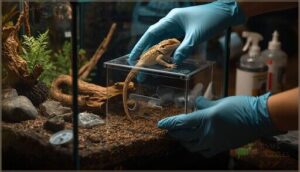
Before you reach for disinfectants or set your cleaning schedule, you’ll need to safely relocate your reptile to temporary housing—this step protects both you and your animal.
Remove your reptile using species-appropriate handling techniques, placing it in a secure, well-ventilated container with proper temperature support.
Clear all décor, substrate, and furnishings from the enclosure to guarantee thorough habitat maintenance and complete access for reptile-safe cleaning tools.
Cleaning Vs. Disinfecting: Order and Method
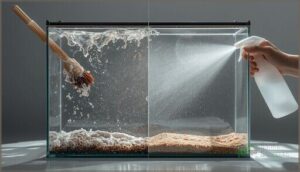
Think of cleaning and disinfection as a one-two punch—cleaning first removes organic waste with soap and water, while disinfectants target invisible pathogens afterward.
Your reptile enclosure maintenance depends on this order: wash surfaces with a detergent, rinse thoroughly, let them dry completely, then apply your chosen disinfectant. Skipping the cleaning step shields microbes from disinfectants, undermining your entire biosecurity measures and cleaning schedule.
Applying and Rinsing Disinfectants Properly
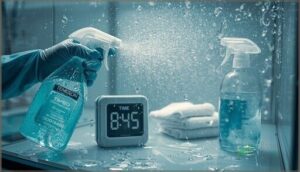
Once you’ve diluted your chlorhexidine or other disinfectant according to label instructions, spray or wipe it across all hard surfaces, ensuring they remain visibly wet for the full contact time—usually five to ten minutes for effective surface sanitizing.
Use a timer to track disinfection timing precisely. After the dwell period ends, rinse every surface thoroughly with clean water to eliminate chemical residues before your reptile returns.
Drying and Reassembling The Habitat

After rinsing disinfectants away, proper drying techniques and moisture control prevent mold growth and chemical exposure. Follow these reassembly tips for safe habitat restoration:
- Allow all enclosure components to air dry completely before reassembling the reptile habitat maintenance area
- Open doors or vents to improve enclosure ventilation and speed moisture evaporation
- Pat smooth surfaces dry with clean towels to eliminate water spots
- Inspect hides and decor inside and out, ensuring no damp corners remain
- Verify seals and temperature before reintroducing your reptile
Frequency for Different Enclosure Types
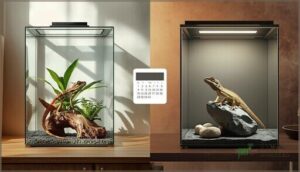
Once your enclosure is dry and reassembled, you’ll need to determine how often to repeat the process based on enclosure material and setup.
Glass and acrylic tanks housing small lizards usually require full disinfecting deep cleans every 4 to 6 weeks, while PVC enclosures with smooth surfaces can often extend cleaning cycles to the same interval with weekly light maintenance.
Species-Specific Cleaning Considerations
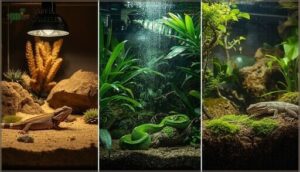
Not all reptiles thrive in the same conditions, which means your cleaning routine shouldn’t be one-size-fits-all either. Desert species, tropical inhabitants, and bioactive setups each demand different approaches to maintain ideal health without disrupting their delicate environmental balance.
Understanding these species-specific needs will help you tailor your disinfection methods to match your reptile’s unique habitat requirements.
Cleaning for Tropical Vs. Desert Reptile Enclosures
Your cleaning approach hinges on whether you’re managing tropical humidity or desert substrate conditions, and each environment demands customized disinfectant application and habitat cleaning and sanitation methods. Tropical enclosures with 60-90 percent humidity require weekly full cleanings to prevent mold growth in moisture-rich substrates, while desert setups tolerate 2-4 week intervals between deep disinfections due to their drier, faster-drying surfaces and lower pathogen risk.
- Tropical Humidity: Clean weekly using chlorhexidine or F10SC, focusing on substrate moisture management and mist system sanitation to control bacterial proliferation
- Desert Substrate: Perform thorough cleanings every 2-4 weeks, brushing away dust and mineral buildup from rock décor while maintaining low humidity during reptile care and maintenance
- Cleaning Schedules: Spot-clean daily in both reptile enclosure types, removing feces and uneaten food, then adjust deep cleaning frequency based on enclosure design and species activity levels
Bioactive Setups—unique Maintenance Needs
You manage bioactive enclosures through observation rather than aggressive disinfection, since the ecosystem stability depends on preserving microfauna balance and beneficial microbes in your bioactive soil. Spot-clean visible waste daily, but avoid wholesale disinfectant applications that disrupt cleanup crew populations, plant compatibility, and the nutrient cycling essential for reptile enclosure maintenance with disinfectant safety and reptile safe practices.
| Maintenance Task | Frequency & Method |
|---|---|
| Spot-clean waste | Daily removal by hand or tongs |
| Refresh leaf litter | Monthly, adding thin top layer |
| Check substrate depth | Every 2-3 months, maintain 2-4 inches |
| Monitor cleanup crew | Weekly visual count of isopods/springtails |
Substrate Replacement Schedules by Species
Your reptile’s waste output, humidity needs, and natural digging habits determine how often you’ll replace substrate in each reptile habitat. Desert species like leopard geckos thrive with biweekly to monthly refreshment, while tropical chameleons require weekly to biweekly changes due to accelerated organic decay and moisture retention in their bioactive soil.
- Small geckos: Monthly substrate replacement with 2-3 inch substrate depth
- Bearded dragons: Biweekly to monthly changes, monitoring reptile waste accumulation
- Large tropical species: Weekly refreshment driven by high humidity control demands
- Burrowing species: Monthly replacement accounting for species behavior and tunnel disruption
- Arboreal species: Extended 6-8 week cycles with focused enclosure design for elevated perches
Adjusting Methods for Sensitive Reptiles
Gentle handling with slow movements and minimal restraint protects sensitive species from stress-related complications during reptile care and maintenance. You’ll reduce irritation by choosing inert substrates, adjusting humidity control within ±5 to 10 percent, and selecting milder disinfectants for animals with chronic conditions.
Stress reduction demands shorter cleaning sessions, temperature stability, and substrate safety that aligns with each reptile’s medical history and species-specific needs.
Top 5 Disinfectants for Reptile Enclosures
Choosing the right disinfectant for your reptile’s enclosure can feel overwhelming, especially when you’re balancing effectiveness against safety for your scaly companion.
The products listed below represent some of the most trusted options among herpetologists and experienced keepers, each offering specific advantages depending on your cleaning needs and enclosure type. You’ll find a range of solutions here, from veterinary-grade disinfectants to gentler daily cleaners, so you can select what works best for your setup.
1. F10 Disinfectant Cleaner
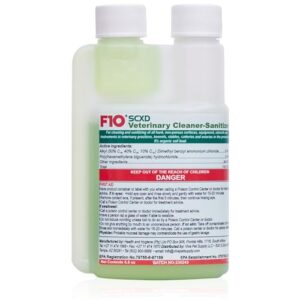
When veterinary hospitals and zoos need a disinfectant they can trust, F10SC consistently tops the list for reptile enclosure maintenance. This quaternary ammonium-based cleaner delivers broad-spectrum efficacy against bacteria, viruses, and fungi while remaining biodegradable and safe around your animals when used correctly.
You’ll dilute the concentrate according to specific cleaning protocols—moderate dilutions for routine surface disinfection, stronger ratios for high-level tasks targeting resistant pathogens. After applying F10 to nonporous surfaces like glass or acrylic, thorough rinsing prevents residue buildup, supporting both reptile health and wellness and proper veterinary medicine standards in your enclosure maintenance routine.
| Best For | Reptile keepers, veterinary clinics, and animal care facilities that need a powerful, biodegradable disinfectant for routine enclosure cleaning and high-level pathogen control. |
|---|---|
| Product Form | Liquid |
| Primary Use | Disinfectant & cleaner |
| Safety Profile | Safe for pets |
| Volume/Size | 200 ml (6.8oz) |
| Brand | F10 |
| Surface Compatibility | Multiple surfaces |
| Additional Features |
|
- Broad-spectrum formula tackles bacteria, viruses, and fungi with quaternary ammonium compounds while staying safe for use around pets when properly diluted and rinsed
- Super concentrated solution stretches your budget since you can dilute it to multiple strengths depending on whether you need routine cleaning or heavy-duty disinfection
- Works on glass, acrylic, ceramic, and other nonporous surfaces common in terrariums, cages, and veterinary spaces without damaging materials
- Requires careful dilution math and measuring since the concentrate needs different ratios for different jobs, and packaging measurement lines aren’t always accurate for small batches
- Demands thorough rinsing after application to prevent chemical residue from building up on enclosure surfaces where your reptiles live
- Not suitable for every surface or material, so you’ll need to spot-test before using it on new equipment or specialty enclosure components
2. Oxyfresh Terrarium Cleaner
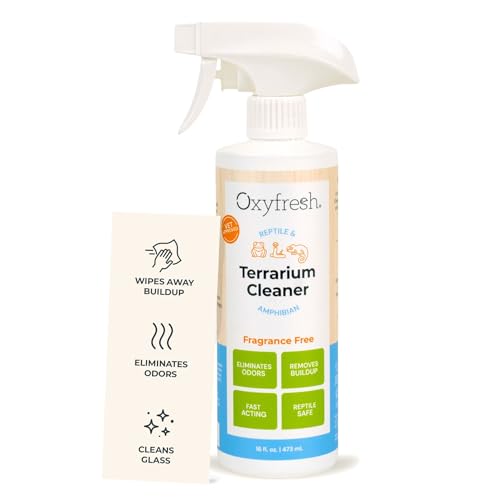
If you’re looking for eco friendly disinfectants that combine Oxyfresh benefits with true non toxic cleaners performance, this oxidation-based terrarium sanitizing solution stands out for routine enclosure maintenance. You’ll spray the formula directly onto glass, plastic, and habitat accessories, targeting organic waste residues for reptile odor control without harsh chlorine bleach.
The cleaning products design emphasizes quick contact times, letting surfaces dry before reintroducing animals to support reptile health and wellness. While terrarium cleaners vary in antimicrobial strength, this disinfectant excels at everyday spot cleaning in your reptile enclosure.
| Best For | Reptile and amphibian owners who want a fast-acting, eco-friendly cleaner that safely eliminates odors and removes stuck-on messes from terrariums without harsh chemicals. |
|---|---|
| Product Form | Spray |
| Primary Use | Terrarium cleaner |
| Safety Profile | Non-toxic, eco-friendly |
| Volume/Size | Not specified |
| Brand | Oxyfresh |
| Surface Compatibility | Glass, plastic, acrylic |
| Additional Features |
|
- Oxidizing formula breaks down odor-causing compounds quickly without leaving artificial fragrances behind
- Safe for use on glass, plastic, acrylic, and habitat accessories with no harsh bleach or toxic ingredients
- Fast-acting spray application means less downtime for your pet’s enclosure
- The white plastic pump piece can pop off easily during use
- Requires following contact time instructions properly for best results
- May not work as well if you don’t let it sit for the recommended duration
3. Zilla Terrarium Cleaner Spray
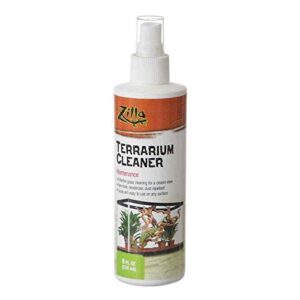
You won’t find a more convenient surface sanitizing option for daily terrarium maintenance than Zilla’s almond-scented spray, formulated to polish glass and acrylic without leaving streaks or harsh residues that threaten reptile health. This non-toxic formula deodorizes your reptile enclosure while reducing dust buildup, letting you wipe surfaces clean between deeper disinfectant rotations.
The spray usage couldn’t be simpler: mist lightly, buff with a soft cloth, and allow complete drying before reintroducing animals. While terrarium cleaners like this excel at routine cleaning, you’ll still need veterinary-grade cleaning products for thorough protection against zoonotic diseases.
| Best For | Reptile owners looking for a quick, streak-free cleaning spray to maintain glass and acrylic terrariums between deep cleanings without harsh fumes or residue. |
|---|---|
| Product Form | Spray |
| Primary Use | Terrarium cleaner |
| Safety Profile | Natural material |
| Volume/Size | 8 oz |
| Brand | Zilla |
| Surface Compatibility | Terrariums |
| Additional Features |
|
- Non-toxic, low-fume formula safe for use around reptiles and handlers with deodorizing properties
- Leaves a brilliant, streak-free shine on glass and acrylic while reducing static and dust buildup
- Simple spray-and-wipe application dries quickly for efficient routine maintenance
- Not a substitute for veterinary-grade disinfectants needed for thorough pathogen control
- Requires complete surface drying and temporary animal relocation before reintroduction
- Limited detailed instructions on specific cleaning capabilities for different terrarium materials
4. Exo Terra Glass Cleaner
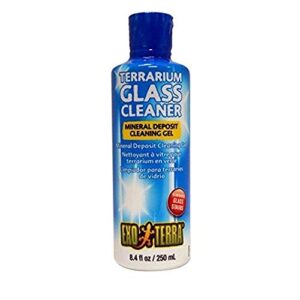
For removing hard-water stains and mineral deposits from your reptile habitat glass, Exo Terra’s terrarium glass cleaner offers a gel-based formula that clings to vertical surfaces without dripping onto substrate. This non-toxic product, free from ammonia and harsh petrochemicals, dissolves calcium buildup from misting systems when you apply it with a cloth, let it work for several minutes, then rinse thoroughly.
While it streamlines reptile care and maintenance for routine terrarium and aquarium maintenance between disinfection cycles, you’ll notice it won’t replace veterinary-grade disinfectants for pathogen control in your reptile enclosure maintenance program.
| Best For | Reptile and amphibian owners who need to remove calcium and lime buildup from terrarium glass without using harsh chemicals that could harm their pets. |
|---|---|
| Product Form | Spray |
| Primary Use | Mineral deposit remover |
| Safety Profile | Non-toxic formula |
| Volume/Size | 8.4 oz (250 ml) |
| Brand | Exo Terra |
| Surface Compatibility | Glass, plastic, smooth surfaces |
| Additional Features |
|
- Gel formula sticks to vertical glass surfaces and won’t drip onto substrate or decorations while it works
- Non-toxic and free from ammonia, alcohol, and petrochemicals, making it safe to use around sensitive reptiles and amphibians
- Designed specifically for hard water stains and mineral deposits that build up from regular misting systems
- May leave a sticky residue or film that requires extra rinsing to completely remove
- Struggles with older or heavily set-in stains and often needs multiple applications or scrubbing to work
- Some users find that cheaper alternatives like white vinegar or a razor blade work just as well or better
5. Reptile And Amphibian Terrarium Cleaner
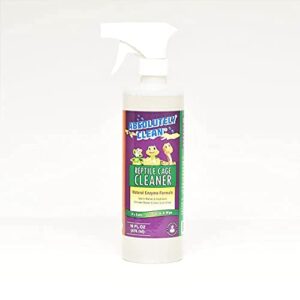
When you need a multi-surface reptile cleaner that addresses both organic waste and ammonia-derived odors without leaving greasy films, enzyme-based terrarium sanitizing solutions like Absolutely Clean’s spray formula break down biological compounds on glass, plastic, and substrate edges in under five minutes.
This non-toxic disinfectant, approved for amphibian care and bioactive cleaning scenarios, requires complete rinsing before you return your animals to their terrariums, though it won’t eliminate cryptosporidium or other hardy pathogens that demand veterinary-grade protocols for thorough reptile enclosure maintenance.
| Best For | Reptile and amphibian owners who want a fast-acting, enzyme-based cleaner that tackles stubborn waste and odors across glass, plastic, and substrate surfaces without harsh fumes or toxic residues. |
|---|---|
| Product Form | Spray/Wipe |
| Primary Use | Enzyme cleaner |
| Safety Profile | Non-toxic, veterinarian-approved |
| Volume/Size | Not specified |
| Brand | Absolutely Clean |
| Surface Compatibility | Metal, wood, glass, vinyl, plastic |
| Additional Features |
|
- Breaks down organic waste and ammonia odors in under five minutes using natural enzymes instead of harsh chemicals
- Safe for multiple terrarium surfaces including glass, acrylic, plastic, and even substrate edges when rinsed properly
- Veterinarian-approved and made in the USA with a non-toxic formula that won’t irritate your pets’ sensitive respiratory systems
- Requires complete removal of all reptiles and amphibians from the habitat before application and thorough rinsing afterward
- Won’t eliminate tough pathogens like cryptosporidium that need veterinary-grade disinfection protocols
- May still require some scrubbing effort for heavily soiled enclosures despite the enzyme action
Safety Precautions and Best Practices
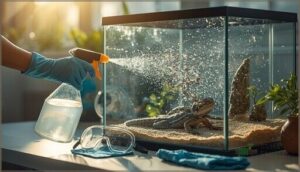
Disinfecting your reptile’s enclosure isn’t just about choosing the right product—it’s about protecting yourself, your pet, and ensuring the cleaning process actually works.
Without proper precautions, you risk chemical burns to your reptile, exposure to harmful pathogens, or residue that lingers long after you’ve finished cleaning. Here are the essential safety measures and best practices you need to follow every time you disinfect.
Personal Protective Equipment (PPE) for Cleaning
Before handling any disinfectant in reptile care and maintenance, you’ll need proper gear to protect yourself from chemical exposure and biological hazards. Eye Protection like safety goggles shields against splashes, while nitrile Hand Gloves (4-8 mils thick) resist cleaning chemicals without triggering latex allergies.
For aerosol products or strong fumes, Respiratory Masks with N95 or organic vapor cartridges are essential. Pair these with chemical-resistant Protective Aprons and non-slip Safety Footwear to complete your personal protective equipment setup for safe, thorough reptile husbandry practices.
Safe Handling and Storage of Disinfectants
Once you’ve suited up, proper disinfectant safety depends on smart chemical storage and hazard prevention. Store chlorhexidine, hydrogen peroxide, bleach, and vinegar in their original containers below 25°C, away from sunlight and your reptile’s habitat.
Maintain labeling guidelines by keeping all product information visible, and prepare a spill response kit with absorbent materials nearby—incompatible cleaners like bleach and vinegar must stay separated to prevent dangerous reactions.
Preventing Chemical Residue and Burns
Thorough rinsing stands between your reptile enclosure and chemical burns. After applying disinfectant for the labeled contact time—usually 5–20 minutes—rinse every surface with clean water until no bleach or chemical odor lingers.
Porous plastics and untreated wood absorb residue, so run extra rinse cycles on those materials. Glass and sealed PVC release disinfectants more easily, supporting safe cleaning practices and animal health.
Reintroducing Reptiles After Disinfection
Patience during enclosure preparation protects your reptile from chemical exposure and stress. Wait until surfaces feel completely dry, no disinfectant odor remains, and temperatures stabilize in the proper range before returning your animal to its habitat.
- Place your reptile directly into a familiar hide to reduce stress
- Monitor breathing, behavior, and appetite for 24 hours after reintroduction
- Keep handling brief and lights dimmed initially to support acclimation
Proper reintroduction timing and post cleaning care safeguard reptile health while completing your habitat cleaning and sanitation routine.
Frequently Asked Questions (FAQs)
What is the best disinfectant for reptile tanks?
F10SC Veterinary Disinfectant stands out for tank sanitizing because it kills broad-spectrum pathogens at dilutions around 1:250, requires minimal rinsing, and balances disinfectant efficacy with outstanding reptile safety once surfaces dry completely.
How to sterilize a reptile enclosure?
To sterilize a reptile enclosure, remove your animal first. Discard substrate, scrub surfaces with warm soapy water, apply a veterinary disinfectant like F10SC or diluted bleach.
Allow proper contact time, rinse thoroughly, and dry completely.
How to make reptile safe disinfectant?
You can make a reptile safe disinfectant by diluting 2% chlorhexidine at roughly 1 part to 30-40 parts water, mixing household bleach 1:10 with water, or using 3% hydrogen peroxide straight from the bottle.
What antiseptic is safe for reptiles?
Diluted chlorhexidine at 05 to 1 percent and povidone iodine mixed to a weak tea color are the safest reptile antiseptics for minor wounds, offering broad-spectrum protection without harsh fumes or residue.
Can I disinfect decorations while reptile is inside?
No, you shouldn’t disinfect decorations while your reptile is inside because chemical fumes can irritate delicate respiratory systems and skin, even with reptile-safe products, compromising both tank hygiene and animal welfare during habitat cleaning and sanitation.
How to disinfect porous rocks and wood safely?
Porous rock disinfection and wood sanitizing methods require careful attention because these natural furnishing safety items absorb liquids, making chemical residue removal challenging.
Heat treatment options like baking at 225–250°F for 30 minutes to 2 hours effectively kill pathogens without harsh disinfectant penetration into the material.
What temperature water works best for disinfecting?
Scalding hot water around 160°F effectively achieves thermal sanitizing for reptile enclosures, though most disinfectant products work best in lukewarm conditions between 80 and 100°F to balance cleaning power with handler safety.
Do UV lights help disinfect reptile enclosures?
Standard UVB bulbs for reptile care don’t disinfect surfaces—they lack germicidal power.
True UV-C lamps can kill bacteria on clean, exposed décor outside the enclosure, but they’re dangerous to animals and work only as a supplemental tool.
How to disinfect water bowls between deep cleanings?
Daily disinfection of water bowls starts with emptying and scrubbing away visible debris, then applying diluted chlorhexidine or F10SC for several minutes of contact time, followed by thorough rinsing to eliminate all chemical residue before refilling.
Conclusion
What separates responsible ownership from preventable tragedy? Mastering the best way to disinfect reptile enclosures transforms invisible microbial threats into manageable routine.
You’ve learned contact times, dilution ratios, species sensitivities, and the critical cleaning-then-disinfecting sequence that protects both your reptile and household. Apply these protocols consistently—pathogen control isn’t negotiable when you’ve chosen to house an animal that naturally carries organisms dangerous to humans. Your diligence determines outcomes.
- https://www.cfsph.iastate.edu/pdf/antimicrobial-spectrum-of-disinfectants
- http://www.beautifuldragons.com/Disinfectants.html
- https://www.merckvetmanual.com/all-other-pets/reptiles/disorders-and-diseases-of-reptiles
- https://www.reptilesrus.ca/chlorhexidine-2-solution-473-ml/
- https://www.reddit.com/r/reptiles/comments/19az8cq/reptile_enclosure_cleaners_to_steer_clear_of_for/