
This site is supported by our readers. We may earn a commission, at no cost to you, if you purchase through links.

Your snake’s health depends on a clean enclosure, but most commercial reptile cleaners contain chlorine compounds and ammonia derivatives that create respiratory distress in confined spaces. These chemicals leave residual films on glass and substrate that compromise immune function through dermal absorption—even after you think you’ve rinsed thoroughly.
White vinegar offers a proven alternative that herpetologists have relied on for decades. Its acetic acid content dissolves calcium deposits and inhibits bacterial growth without the toxic burden of synthetic disinfectants. The difference lies in proper dilution ratios and application techniques that protect your snake while achieving the sanitation standards necessary to prevent scale rot and respiratory infections.
Table Of Contents
- Key Takeaways
- Is Vinegar Safe for Cleaning Snake Tanks?
- How to Clean a Snake Tank With Vinegar
- Pros and Cons of Using Vinegar in Reptile Habitats
- Essential Safety Tips for Vinegar Cleaning
- Top Products for Safe Snake Tank Cleaning
- Frequently Asked Questions (FAQs)
- Does vinegar affect snakes?
- Can you clean a tank with vinegar?
- What can I clean my reptile tank with?
- How often should I replace tank substrate?
- Can vinegar remove snake mites effectively?
- What temperature water works best for cleaning?
- Are there vinegar alternatives for sensitive species?
- How long before reintroducing snake after cleaning?
- Conclusion
Key Takeaways
- White vinegar diluted 1:1 with water disinfects snake tanks effectively without leaving toxic residues that commercial cleaners deposit, but you must rinse thoroughly and ensure complete drying before reintroducing your snake to prevent respiratory irritation.
- Commercial reptile cleaners containing chlorine compounds and ammonia derivatives create respiratory distress and compromise immune function through dermal absorption, even after rinsing appears complete.
- Vinegar’s acetic acid dissolves calcium deposits and inhibits bacterial growth, but it won’t eliminate all pathogens or stubborn biofilms without extended soaking and mechanical scrubbing that standard cleaning sessions don’t provide.
- Proper application requires 5-10 minute contact times, complete odor elimination through multiple rinses, and 1-3 hours of drying time—significantly more effort than spray-and-wipe methods but considerably less demanding than treating scale rot or chronic respiratory infections.
Is Vinegar Safe for Cleaning Snake Tanks?
You want a cleaner that protects your snake instead of poisoning it. Chemical residues from commercial products weaken immune systems and trigger respiratory distress in enclosed environments.
Safe, reptile-specific cleaners paired with the right substrate choice make all the difference in maintaining a healthy enclosure without harsh chemicals.
White vinegar offers a proven alternative that disinfects without leaving toxic aftermath, but you need to understand the risks, benefits, and expert guidance before you spray anything near your snake’s home.
For a complete breakdown of when vinegar works and when you need stronger solutions, check out this guide to disinfecting reptile enclosures safely.
White vinegar disinfects snake tanks safely, but only if you understand the risks and follow expert protocols
Risks of Chemical Cleaners in Reptile Enclosures
Chemical exposure from bleach and ammonia-based cleaners compromises reptile health through multiple pathways. Chlorine fumes irritate respiratory tissues even at low concentrations, while residual toxic residue on surfaces damages immune systems over hours. Poor ventilation intensifies these risks in enclosed spaces.
Switching to chemical-free reptile substrates eliminates these airborne hazards and protects your snake’s delicate respiratory system from long-term damage.
You’ll find that commercial products often contain hidden ammonia that reacts with organic waste, creating additional airway irritants. Tank safety demands nontoxic cleaners that won’t poison your snake through skin contact or inhalation. For a thorough overview of safe cleaning alternatives favored by reptile owners and experts, consult authoritative guides online.
Benefits of Using Vinegar as a Natural Cleaner
White vinegar stands as one of the most effective nontoxic cleaners for reptile tank maintenance. This eco-friendly cleaning agent delivers three critical advantages:
- Antimicrobial action that inhibits surface bacteria without toxic residue
- Mineral deposit dissolution that removes hard water scaling from glass and fixtures
- Cost efficiency compared to commercial reptile health products
Natural disinfectants like vinegar solutions protect your snake through green cleaning that won’t compromise respiratory function.
For more details on the types of vinegar for cleaning, check reputable resources before choosing a product.
Research and Expert Recommendations for Vinegar Use
Herpetologists consistently recommend white vinegar as a reptile tank cleaner when you dilute it properly and rinse thoroughly. The acetic acid content works as a natural disinfectant that cuts mineral buildup without leaving toxic residues.
You can pair it with baking soda for tougher stains using natural cleaning methods for reptile tanks that keep your setup safe and chemical-free.
Expert guidelines emphasize testing a small surface area first, using a 1:10 ratio, and ensuring complete drying before reintroducing your snake to prevent skin irritation.
How to Clean a Snake Tank With Vinegar
Cleaning your snake’s tank with vinegar solution requires specific dilution ratios and sequential steps to protect your animal while achieving thorough disinfection. You’ll prepare a 1:1 vinegar-water solution, remove all tank components, and follow a systematic cleaning protocol that prevents chemical exposure.
The process demands attention to rinsing times and complete drying to eliminate residual acidity before reintroducing your snake.
Preparing a Safe Vinegar Cleaning Solution
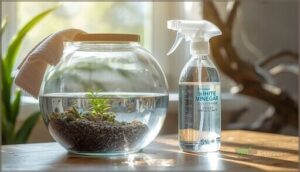
Creating a safe vinegar cleaning solution starts with white distilled vinegar at exactly 5 percent acetic acid. You’ll dilute it 1:1 with water in a labeled spray bottle—never mix it with bleach or peroxide, as dangerous reactions occur.
This vinegar dilution offers natural disinfectants without poisoning your reptile, making tank sanitization both effective and eco-friendly for long-term reptile health.
Step-by-Step Snake Tank Cleaning Process
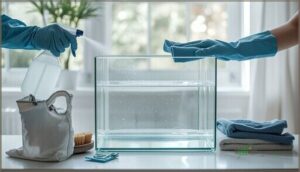
You’ll start tank maintenance by relocating your snake to a secure container. Remove all decorations, hides, and substrate from the reptile tank, then spray your white vinegar solution on non-porous surfaces.
Let cleaning agents sit for five minutes to break down bacteria before wiping with microfiber cloths. Scrub stubborn mineral deposits with a soft brush, focusing on corners where waste accumulates during habitat hygiene routines.
Rinsing and Drying for Snake Safety
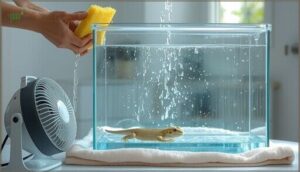
Residue removal demands rinsing your reptile tank with several cups of clean water until vinegar odor disappears completely. Use a dedicated sponge to flush corners and vent gaps where solution pools.
Tank ventilation accelerates drying techniques—position a fan near the enclosure while monitoring humidity control. You’ll protect snake hygiene by confirming all surfaces are bone-dry before reintroducing your animal to prevent respiratory distress from lingering moisture.
Pros and Cons of Using Vinegar in Reptile Habitats

Vinegar works well for certain cleaning tasks in snake tanks, but it won’t handle everything you throw at it. Understanding what it can and can’t do helps you decide when to reach for that bottle and when you need something stronger.
Material compatibility matters too—not every surface in your setup will react the same way to acidic solutions.
Effectiveness Against Bacteria and Mineral Deposits
White vinegar cuts through your snake tank’s bacterial growth by dropping pH to 2.4–3.4, disrupting cell membranes and weakening biofilm on glass surfaces. The acidic environment inhibits common bacteria during surface sanitization.
For mineral removal, acetic acid dissolves hard water scale and calcium carbonate deposits without harsh scrubbing. Combine vinegar with baking soda for stubborn grime, then rinse thoroughly to prevent residue buildup.
Limitations and What Vinegar Cannot Clean
Vinegar won’t eliminate all pathogens your reptile tank harbors, and you’ll find stubborn biofilms resist its chemical action without extended soaking that risks chemical exposure to immune systems and respiratory health.
Consider these critical vinegar limitations:
- Fails as broad-spectrum disinfectant against certain bacteria
- Requires mechanical scrubbing for embedded mineral deposits in porous substrates
- Leaves strong acetic odor that unsettles sensitive snakes
- Provides only temporary odor removal
- Demands dedicated descalers for persistent water feature scale
Vinegar Compatibility With Common Tank Materials
Glass panels and ceramic coatings tolerate diluted white vinegar without surface durability issues, making this reptile safe cleaner effective for standard tank maintenance.
However, material safety concerns emerge with prolonged exposure to stainless steel hardware, certain plastics, and silicone seals—each carrying distinct corrosion risk levels. Tank linings with poor acid resistance degrade faster than epoxy-based coatings, so you’ll need thorough rinsing after every application.
Essential Safety Tips for Vinegar Cleaning
Vinegar cleaning protects your snake when you follow protocols that eliminate exposure risks and contamination hazards.
Your safety matters too—vinegar fumes irritate respiratory systems, and residue transfers bacteria between surfaces without proper handling. These three precautions prevent harm to both you and your reptile during tank maintenance.
Protective Gear and Ventilation
Before you mix that vinegar solution, gear up properly. Chemical gloves made of nitrile protect your hands from vinegar exposure during reptile tank maintenance.
Protective eyewear shields against splashes when scrubbing décor. Respirator masks reduce inhalation of aerosols in poorly ventilated spaces.
Safety protocols demand cross-ventilation—open a window or use a fan positioned away from the enclosure to safeguard both your respiratory health and animal welfare throughout tank maintenance.
Safe Removal and Relocation of Your Snake
Your pet snake can’t stay in the enclosure while you scrub surfaces with vinegar solution. Secure relocation protects both animal welfare and your efficiency during reptile care.
- Transfer your snake to a ventilated container with a secure lid to prevent escape during reptile tank cleaning
- Use snake handling tools like hooks to maintain safe distance, especially with defensive or venomous species
- Keep the temporary holding area climate-controlled and away from direct sunlight until the snake tank is fully dry
Proper Disposal and Rinsing Procedures
After your snake returns to its freshly sanitized home, you still need to handle waste management correctly. Pour rinse water containing diluted vinegar down the toilet or sink—local codes usually permit this disposal method for reptile tank cleaning residues.
Never dump contaminated rinse water into storm drains or gardens, where environmental impact affects local ecosystems and groundwater quality.
Top Products for Safe Snake Tank Cleaning
You don’t need specialized reptile products to maintain a safe enclosure—most snake keepers already have effective cleaning tools at home or can find them at any grocery store.
The right cleaning supplies protect both you and your snake while making the cleaning process faster and more thorough. Here are three essential products that meet safety standards without introducing harmful residues into your snake’s environment.
1. Sun And Earth Natural Hand Soap
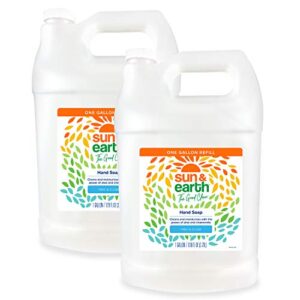
Your hands make direct contact with waste and bacteria during every tank maintenance session. Sun And Earth Natural Hand Soap delivers a plant-based cleanser that won’t irritate skin through repeated washing cycles.
The formula contains aloe vera to counteract drying effects while remaining free from synthetic fragrances that could transfer to your snake’s environment. At 256 fluid ounces across two bottles, you’ll maintain proper hygiene through months of weekly deep cleans without introducing petroleum-based solvents into your maintenance routine.
| Best For | Snake owners who need a gentle, plant-based hand soap for frequent washing after tank maintenance without harsh chemicals that could affect their pet’s environment. |
|---|---|
| Primary Use | Cleaning & washing |
| Size/Volume | 256 Fl Oz |
| Target User | Adult consumers |
| Weight | 18 Pounds |
| Dimensions | 5.5 x 3 x 12 inches |
| Special Quality | Hypoallergenic formula |
| Additional Features |
|
- Aloe vera formula prevents skin drying despite multiple daily washes during cleaning sessions
- Free from synthetic fragrances and petroleum solvents that could contaminate snake habitats
- Large 256-ounce supply lasts for months of regular tank maintenance cycles
- Contains SLS, which some users prefer to avoid in natural products
- Unscented formula may not appeal to those who prefer fragrant hand soaps
- No refillable pouch option available for reducing plastic waste
2. Pet Disinfectant Cleaner Solution
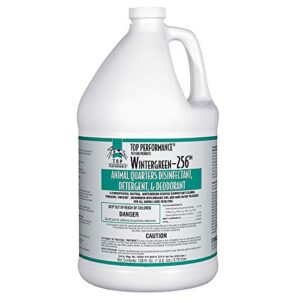
While hand soap protects you, your tank surfaces demand pathogen-specific targeting. Pet Disinfectant Cleaner Solution kills salmonella, E. coli, and canine parvovirus through a wintergreen-scented formula that eliminates rinsing steps.
One gallon concentrates into 256 gallons of working solution, covering months of deep cleaning cycles. You’ll control bacteria, viruses, and fungi in kennels or terrariums without residue buildup, though the odor neutralization falls short of heavy-duty deodorizers.
Proper handling prevents animal exposure during application.
| Best For | Pet owners, kennel operators, and veterinary clinics needing a concentrated disinfectant that tackles serious pathogens like parvovirus, salmonella, and E. coli without requiring a rinse. |
|---|---|
| Primary Use | Disinfecting & sanitizing |
| Size/Volume | 1 gallon concentrate |
| Target User | Pet care professionals |
| Weight | 8.61 pounds |
| Dimensions | 12 x 6 x 6 inches |
| Special Quality | Highly concentrated |
| Additional Features |
|
- One gallon makes 256 gallons of solution, giving you months of cleaning power at a lower per-use cost
- Kills viruses, bacteria, and fungi in one step, including tough pathogens like canine parvovirus and staph
- No rinsing required, which saves time and simplifies your cleaning routine
- Weak odor control compared to dedicated deodorizers, so don’t expect it to handle heavy smells
- Requires careful handling during application to avoid harming pets if used improperly
- Shipping problems can drive up the total cost and make ordering less convenient
3. MedPride Nitrile Exam Gloves
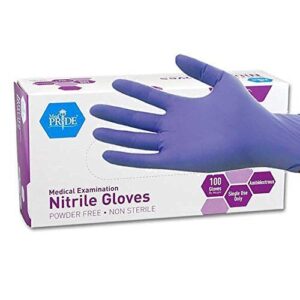
Vinegar solutions demand chemical-resistant barriers between your skin and cleaning agents. MedPride Nitrile Exam Gloves provide puncture resistance and tactile sensitivity through textured fingertips, letting you scrub mineral deposits without compromising grip on wet glass.
The powder-free nitrile construction eliminates latex allergen exposure while maintaining flexibility for handling delicate equipment. Each box contains 100 ambidextrous gloves in iris blue, offering months of protected cleaning sessions. You’ll maintain sanitation protocols without skin irritation, though sizing runs true to standard measurements.
| Best For | People who clean with vinegar frequently and need durable, latex-free gloves that won’t tear when handling bottles and scrubbing surfaces. |
|---|---|
| Primary Use | Hand protection |
| Size/Volume | 100 gloves |
| Target User | Multiple professions |
| Weight | 12 ounces |
| Dimensions | 7 x 5 x 3 inches |
| Special Quality | Powder-free |
| Additional Features |
|
- Textured fingertips give you solid grip even when your hands are wet or soapy
- Nitrile material holds up against harsh cleaning chemicals without breaking down
- Powder-free design means no residue on your hands or the things you’re cleaning
- Only available in medium size, so they won’t work if you need small or large
- More expensive than basic disposable gloves you’d find at the grocery store
- Quality can be hit-or-miss depending on the batch you get
Frequently Asked Questions (FAQs)
Does vinegar affect snakes?
Direct contact with concentrated vinegar irritates snake skin and respiratory membranes, but properly diluted solutions pose minimal risk when rinsed thoroughly.
The acetic acid temporarily overwhelms their vomeronasal sensing system without lasting harm.
Can you clean a tank with vinegar?
Yes, white distilled vinegar mixed 1:1 with water safely removes mineral deposits and biofilm from glass tanks. Rinse surfaces thoroughly until no odor remains, then dry completely before reintroducing your snake.
What can I clean my reptile tank with?
White distilled vinegar diluted 1:1 with water removes mineral deposits and grime without leaving toxic residue.
You can also use chlorhexidine, antibacterial soap, or reptile-safe commercial cleaners that won’t compromise respiratory health.
How often should I replace tank substrate?
Most inert substrates last five to ten years with weekly vacuuming, while nutrient-rich planted substrates need replacement every one to three years as compaction increases and beneficial properties decline.
Can vinegar remove snake mites effectively?
Vinegar shows limited proven activity against snake mites in enclosures.
It won’t reliably kill mite eggs or larvae embedded in substrate. You need veterinary-approved miticides and mechanical cleaning for effective parasite control.
What temperature water works best for cleaning?
Lukewarm water around 90 to 110 degrees Fahrenheit works like a charm—warm enough to loosen grime and activate your vinegar solution without risking heat damage to tank materials or stressing enclosure surfaces.
Are there vinegar alternatives for sensitive species?
Hydrogen peroxide diluted 1:1 disinfects without harsh scents, while mild pet-safe soap removes waste effectively.
Baking soda paste addresses mineral buildup, and chlorhexidine provides veterinary-grade sanitation—all require thorough rinsing before reintroducing your snake.
How long before reintroducing snake after cleaning?
Patience protects your snake’s respiratory system. Wait until all surfaces are completely dry to the touch—usually one to three hours after thorough rinsing.
Check corners and substrate for lingering moisture before reintroduction.
Conclusion
Your snake won’t thank you for switching to vinegar cleaner—it’ll just stop experiencing the chronic respiratory irritation that fancy blue cleaners deliver so reliably. When you use vinegar to clean snake tanks at proper 1:1 dilution ratios, you’re choosing proven microbial control over marketing department science.
The technique requires patience during 10-minute contact times and thorough rinsing, but that’s considerably less demanding than treating scale rot or explaining to your veterinarian why you prioritized convenience over basic husbandry standards.
- https://reptilecraze.com/signs-that-show-that-your-snake-is-stressed/
- https://oxyfresh.com/pages/the-science-behind-oxyfresh
- https://www.reptileadvisor.com/best-snake-bedding/
- https://walkermetalsmith.com/does-vinegar-hurt-stainless-steel/
- https://jytsteel.com/blogs/blog/vinegar-and-stainless-steel-reaction