This site is supported by our readers. We may earn a commission, at no cost to you, if you purchase through links.
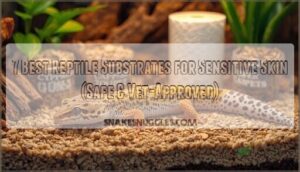
Your gecko’s belly shouldn’t look like a battlefield, yet improper substrate choices send countless reptiles to veterinary clinics each year with preventable skin conditions ranging from contact dermatitis to severe scale rot. The bedding material lining your reptile’s enclosure functions as more than mere decoration—it directly contacts your pet’s vulnerable ventral scales for hours each day, creating either an environment that promotes healthy skin or one that quietly damages it.
Reptiles with already compromised immune systems, those recovering from injuries, or species with naturally delicate skin require substrates that won’t harbor bacteria, retain excessive moisture, or contain irritating particles that abrade sensitive tissue.
Understanding which reptile substrates for sensitive skin offer both safety and functionality can mean the difference between a thriving pet and one struggling with chronic dermatological issues that compromise overall health.
Table Of Contents
- Key Takeaways
- Key Considerations for Sensitive-Skin Reptile Substrates
- Best Natural Substrates for Sensitive Reptile Skin
- Top 7 Substrates for Sensitive-Skinned Reptiles
- Substrate Maintenance for Healthy Reptile Skin
- Choosing The Right Substrate for Your Reptile
- Frequently Asked Questions (FAQs)
- Conclusion
Key Takeaways
- Improper substrate choices directly cause preventable skin conditions in reptiles, from contact dermatitis to scale rot, because bedding materials contact vulnerable ventral scales for hours daily and must balance moisture control, hygiene management, and mechanical protection without harboring bacteria or creating abrasive surfaces that compromise skin integrity.
- Natural substrates like coconut fiber, hemp bedding, and sphagnum moss offer superior safety for sensitive-skinned reptiles by providing dust-free, chemical-free environments with controlled moisture retention, though they require more maintenance than synthetic options and must be matched carefully to each species’ humidity requirements and native habitat conditions.
- Substrate-related skin problems manifest as redness, blisters, crusty lesions, or incomplete shedding and demand immediate intervention, making daily spot-cleaning, weekly sanitation, and full replacement every 1-6 months (depending on material type) essential prevention strategies that protect delicate skin before systemic illness develops.
- Successful substrate selection requires matching material properties to your reptile’s specific environmental needs—desert species thrive on dry, solid surfaces like ceramic tile, while tropical species need moisture-retentive options like coconut husk that still allow proper drainage and ventilation to prevent the persistently damp conditions that trigger bacterial and fungal infections.
Key Considerations for Sensitive-Skin Reptile Substrates
Choosing the right substrate isn’t just about comfort—it’s about preventing painful skin conditions that affect so many captive reptiles, from bacterial dermatitis to the devastating yellow fungus disease in bearded dragons.
You need to understand what causes sensitivity in the first place, which materials can actually harm your pet’s delicate skin, and why dust-free, chemical-free options aren’t just marketing buzzwords but medical necessities.
Let’s walk through the key factors that should guide every substrate decision you make, because getting this wrong can mean the difference between a thriving reptile and one suffering from preventable infections.
Choosing the wrong substrate can mean the difference between a thriving reptile and one suffering from preventable infections
Common Causes of Skin Sensitivity in Reptiles
Understanding what triggers skin sensitivity helps you protect your reptile from preventable discomfort. The most common culprits include:
- Parasitic infestations like snake mites that cause itching, crusting, and secondary infections
- Bacterial dermatitis from dirty, wet substrates allowing harmful bacteria to colonize damaged skin
- Fungal infections thriving in overly humid environments, causing yellow crusts and lesions
- Environmental factors including improper humidity, temperature, and unsuitable reptile substrates that irritate delicate skin
Regular monitoring for reptile parasite issues is vital for maintaining their health.
Materials to Avoid for Delicate Skin
Certain reptile substrates pose serious dermatologic risks and respiratory hazards you should avoid entirely. Cedar and pine shavings release toxic substances that damage your reptile’s lungs and skin, while calcium sand creates chemical contaminants that clump when wet, causing dangerous impaction.
Better alternatives like coconut fiber and cypress mulch provide safe substrate humidity retention for reptiles without chemical toxins or impaction risks.
Synthetic substrates like reptile carpet can snag scales and trap bacteria, and walnut shell bedding acts as a skin irritant with sharp edges that cut delicate tissue.
It’s vital to research the best reptile substrate options to ensure the health and safety of your pet.
Importance of Dust-free and Chemical-free Substrates
Beyond avoiding harmful materials, you need to prioritize dust-free and chemical-free substrates to protect your reptile’s respiratory health and prevent skin irritation. Fine particulates can scratch your pet’s eyes and trigger respiratory distress, while chemical additives cause contact dermatitis and create conditions favoring fungal infections.
For species like the Children’s python, selecting safe substrates becomes even more critical given their ground-dwelling habits and sensitivity to airborne irritants.
Substrate selection directly impacts reptile health through:
- Reducing airborne irritants that damage ocular and respiratory tissues
- Preventing chemical reactions that compromise your reptile’s skin barrier
- Minimizing microbial colonization on contaminated bioactive substrates
- Supporting safer disinfection routines with skin-compatible cleaning agents
Role of Substrate in Preventing Dermatitis and Infections
Substrate selection influences dermatitis prevention through three interconnected mechanisms: moisture control, which limits bacterial proliferation and prevents scale rot; hygiene management, since contaminated bedding harbors opportunistic Aeromonas and Pseudomonas species; and mechanical protection, where smooth surfaces prevent abrasions that compromise skin integrity.
Choosing between sand, paper, and fiber-based options depends on your reptile’s natural habitat and skin sensitivity—comparing substrate materials helps match the right texture and moisture level to prevent irritation.
Persistently damp or soiled substrates disrupt your reptile’s cutaneous barrier, predisposing vulnerable species to bacterial growth, fungal infections, and ulcerative dermatitis requiring veterinary intervention.
Choosing between natural and artificial substrates becomes critical when you’re weighing moisture retention, drainage, and contamination risks that affect your pet’s skin health.
Best Natural Substrates for Sensitive Reptile Skin
When you’re dealing with a reptile that has sensitive skin, natural substrates often provide the gentlest foundation for healing and long-term comfort. These materials tend to be softer, more absorbent, and free from the harsh chemicals or synthetic fibers that can aggravate dermatitis or existing skin conditions.
Let’s look at the natural substrate options that consistently perform well in clinical settings and home enclosures alike.
Coconut Fiber and Coconut Husk Options
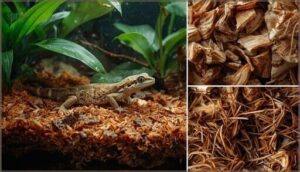
When you’re managing sensitive reptile skin, coconut-based products offer a practical middle ground between humidity control and safety. Coconut fiber retains 8 to 10 times its dry weight in water, maintaining the moisture your tropical species need without waterlogging, while coconut husk chips create air pockets that prevent compaction and promote ventilation around delicate ventral surfaces. Both options support natural burrowing behaviors, though you’ll want to keep in mind three key factors:
- Dust production – Fine coconut fiber becomes airborne when completely dry, potentially irritating respiratory tracts and sensitive skin
- Moisture management – Keeping substrates consistently damp minimizes dust and supports humidity-dependent species
- Particle size – Larger husk chips reduce dust formation and accidental ingestion during feeding
Properly processed, low-salt coconut substrates maintain a near-neutral pH of 5.5 to 6.8, compatible with most forest-dwelling reptiles, and their lignin-cellulose composition resists rapid decomposition. However, coconut fiber does contain allergenic proteins that can theoretically trigger contact irritation in exceptionally sensitive animals, so monitor your reptile’s skin closely during the first few weeks after switching to any coconut-based bedding.
Aspen and Hemp-based Bedding
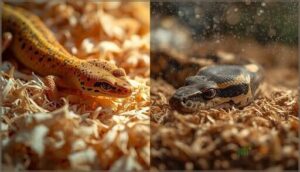
Hardwood shavings and hemp hurd present distinct profiles for sensitive-skin reptile substrate selection. Aspen’s low-resin composition avoids phenolic irritation common to softwoods, but it molds rapidly above 60 percent humidity and generates dust that can abrade thin ventral scales. Hemp bedding, by contrast, absorbs moisture into its core while keeping the surface dry, reducing prolonged skin contact with wetness that predisposes to bacterial dermatitis—though you’ll need to watch for accidental ingestion in small or juvenile animals.
Both bedding materials demand regular spot-cleaning to control microbial load at the skin–substrate interface, and storing aspen in dry conditions prevents mold spore proliferation before use. When choosing between these natural substrates for bioactive or conventional setups, match humidity requirements to your species: aspen works well in arid enclosures, while hemp’s capillary absorbency suits moderate-humidity reptile care without sacrificing surface dryness that protects delicate integument.
| Feature | Aspen Safety | Hemp Benefits |
|---|---|---|
| Dust level | Moderate; finer particles abrade skin | Minimal; marketed as dust-free |
| Substrate humidity tolerance | Low to moderate; molds easily | Moderate to high; wicks moisture downward |
| Dermatologic risks | Microabrasions, mold exposure, dysecdysis | Low surface wetness; minimal volatile irritants |
Sphagnum Moss and Forest Floor Blends
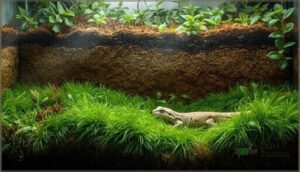
Tropical species with delicate integument thrive on sphagnum moss and forest floor cypress blends because these natural substrates balance humidity control with antimicrobial protection. Sphagnum’s inherent acidity slows bacterial colonization around vulnerable skin folds, while forest floor bedding mimics woodland microclimates that support consistent skin hydration without waterlogging—critical for preventing dysecdysis and scale rot.
Core substrate selection advantages:
- Moss benefits include moisture retention up to six times dry weight, creating stable humid hides that enable complete sheds in sensitive species.
- Substrate acidity in sphagnum naturally inhibits fungal growth and reduces microbial load at the skin–substrate interface compared with neutral organic bedding.
- Bioactive substrates incorporating forest floor cypress layers allow drainage below a soft sphagnum top, keeping animals clean while maintaining soil humidity essential for burrowing lizards and tropical snakes.
You’ll find these substrates especially suited to crested geckos, day geckos, and humidity-dependent amphibians when you maintain them moist but never saturated, preventing both desiccation and the persistently wet conditions that cause dermatitis in captive reptiles.
Pros and Cons of Natural Substrates
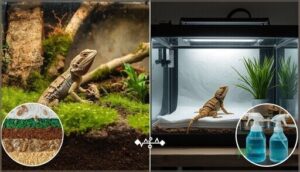
Natural substrates offer the authentic texture and biological complexity your reptile’s ancestors evolved to navigate, yet they introduce maintenance demands and contamination risks that synthetic alternatives sidestep entirely. Weighing substrate selection and management requires understanding both bioactive substrates’ ecological richness and their practical limitations for reptile health and wellness.
| Aspect | Advantages | Disadvantages |
|---|---|---|
| Humidity Control | Natural materials retain substrate moisture effectively, supporting tropical species’ needs | Substrate depth must be monitored constantly to prevent oversaturation and fungal growth |
| Aesthetic Value | Bioactive setups create visually rich, naturalistic environments that reduce captive stress | Require specialized knowledge, layering techniques, and beneficial organisms to maintain |
| Maintenance | Self-cleaning bioactive substrates reduce daily spot-cleaning when properly established | Initial setup costs more, and contaminated natural substrates need complete replacement rather than simple washing |
Top 7 Substrates for Sensitive-Skinned Reptiles
Selecting a substrate that protects sensitive reptile skin requires careful evaluation of material composition, moisture retention properties, and potential irritants that can trigger dermatitis or fungal infections.
The following seven substrates have been chosen based on their low-dust formulations, absence of harmful chemical additives, and demonstrated safety profiles across a range of species with delicate integumentary systems.
Each option offers distinct advantages regarding absorbency, ease of maintenance, and compatibility with specific humidity requirements, allowing you to match the substrate to your reptile’s individual needs.
1. Riare Coconut Fiber Reptile Substrate
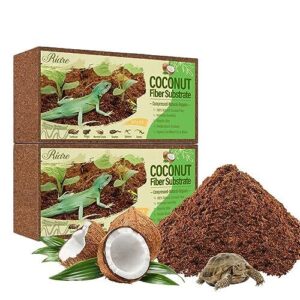
You’ll find Riare Coconut Fiber Reptile Substrate stands out as a moisture-retaining, odor-absorbing natural bedding option that promotes healthy skin in sensitive reptiles by eliminating harsh chemicals, artificial dyes, and irritating dust particles.
This compressed coconut husk product expands into a soft, breathable matrix when hydrated, providing excellent humidity control for species prone to desiccation-related dermatitis while supporting natural burrowing behaviors.
The substrate’s high water-holding capacity and uniform particle composition make it particularly valuable for ball pythons, tree frogs, and other humidity-dependent species requiring consistent environmental moisture without the abrasive contact or phenolic compounds associated with certain wood shavings.
| Best For | Reptile and amphibian owners with humidity-loving species like ball pythons, tree frogs, or hermit crabs who need a soft, moisture-retaining substrate that won’t irritate sensitive skin. |
|---|---|
| Material Type | Coconut fiber |
| Humidity Retention | Excellent |
| Odor Control | Yes |
| Weight | 2.88 lbs |
| Natural/Organic | 100% natural |
| Cleaning Ease | Easy maintenance |
| Additional Features |
|
- Natural coconut fiber holds moisture well and helps maintain consistent humidity levels, which prevents shedding problems and skin dryness in sensitive species
- Chemical-free and low-dust composition reduces respiratory irritation and skin reactions compared to treated wood shavings or sandy substrates
- Absorbs odors and waste effectively while staying breathable, making enclosures fresher and easier to maintain between full cleanings
- Compressed bricks require soaking and breaking apart before use, which some users found time-consuming or difficult
- Can get messy during handling and may attract flies if waste isn’t spot-cleaned regularly
- A few users with extreme sensitivities reported mild respiratory or skin reactions, though this appears uncommon
2. Zilla Reptile Terrarium Bedding Mix
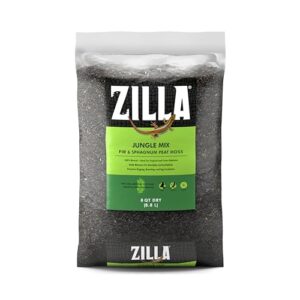
You’re looking at a substrate option that’s engineered specifically for tropical reptiles requiring high humidity without sacrificing microbial safety or skin comfort. Zilla’s Jungle Mix combines heat-treated Douglas fir bark with sphagnum peat moss into an organic composition that delivers outstanding moisture control while remaining soft enough for even your most sensitive amphibians and burrowing species.
The heat treatment process eliminates bacterial contaminants and residual wood oils that could irritate delicate skin, making these bioactive substrates particularly valuable for rainforest geckos, tree frogs, and snakes prone to scale rot when terrarium bedding stays persistently damp without proper drainage.
| Best For | Keepers of tropical reptiles and amphibians like tree frogs, rainforest geckos, and burrowing snakes who need reliable humidity control without risking bacterial growth or skin irritation. |
|---|---|
| Material Type | Bark & moss blend |
| Humidity Retention | High absorbency |
| Odor Control | Yes |
| Weight | 5.8 lbs |
| Natural/Organic | 100% organic |
| Cleaning Ease | Easy to maintain |
| Additional Features |
|
- Heat-treated fir bark and sphagnum moss blend kills bacteria and removes irritating wood oils before packaging, reducing infection risk for species prone to scale rot or skin problems.
- Exceptional moisture retention holds humidity for rainforest species while still draining well enough to prevent waterlogging and mold growth in bioactive setups.
- Soft, loose texture supports natural burrowing and nesting behaviors without sharp edges, making it safe even for amphibians with delicate skin.
- Becomes dusty when allowed to dry out completely, requiring consistent moisture monitoring to avoid airborne particles that could irritate respiratory systems.
- Some users report finding splinters mixed into the substrate despite heat treatment, which could pose a risk to sensitive species.
- Requires regular replacement and maintenance to prevent bacterial buildup over time, adding to the ongoing cost and effort of enclosure upkeep.
3. Riare Coconut Husk Reptile Substrate
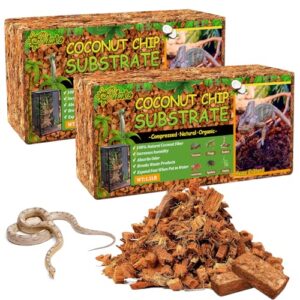
You’ll discover that Riare’s coconut husk chip substrate brings a different texture profile than fine fiber products, offering larger, chunkier pieces that maintain outstanding airflow between particles while still delivering impressive substrate moisture control for your humidity-dependent species.
When you prepare this coconut husk brick by soaking and expanding it, the resulting husk chips create a soft, low-dust bedding layer that minimizes respiratory irritation and abrasion risk—critical factors in reptile skin health for ball pythons, bearded dragons, and tortoises with documented dermatologic sensitivity.
| Best For | Reptile owners who need a natural, humidity-holding substrate for tropical species like ball pythons, snakes, and bearded dragons, especially if you want something biodegradable that won’t kick up dust. |
|---|---|
| Material Type | Coconut husk chips |
| Humidity Retention | Good control |
| Odor Control | Yes |
| Weight | 2.57 lbs |
| Natural/Organic | Natural organic |
| Cleaning Ease | Easy to use |
| Additional Features |
|
- Natural coconut husk chips hold moisture really well, so you can keep humidity levels stable without the enclosure getting swampy or waterlogged.
- The chunky texture lets air move through the bedding, which helps prevent mold and keeps the top layer from staying soaking wet all the time.
- It’s soft and low-dust, so it won’t scratch up sensitive skin or irritate your reptile’s lungs the way some wood shavings can.
- Some people have run into mold problems within just a few days of setting it up, which means you need to watch moisture levels closely.
- You might have to pick through the substrate to pull out random bits like clay, string, or even plastic before you use it.
- Getting the brick soaked, expanded, and ready to go can be messy and eat up more time than you’d expect.
4. Zoo Med Forest Floor Bedding
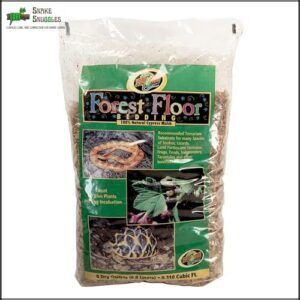
While coconut-based products offer remarkable absorbency, Zoo Med Forest Floor Bedding provides a compelling cypress mulch alternative that blends impressive reptile humidity control with excellent substrate moisture levels management.
You’ll appreciate how this 100 percent natural cypress substrate resists mold through regular spot-cleaning while supporting bioactive substrates and ecosystems with its moisture-holding capacity.
Forest floor maintenance remains straightforward because the flat-lying mulch pieces don’t hide feeder insects, and terrarium aesthetics benefit from the authentic woodland appearance—particularly valuable for your ball pythons, crested geckos, and amphibians requiring elevated humidity without sacrificing substrate selection and management precision.
| Best For | Reptile and amphibian keepers who need a natural substrate that holds humidity well for tropical species like ball pythons, crested geckos, and amphibians while maintaining a clean, forest-floor look. |
|---|---|
| Material Type | Cypress mulch |
| Humidity Retention | Retains moisture |
| Odor Control | Yes |
| Weight | 0.3 kg |
| Natural/Organic | All natural |
| Cleaning Ease | Easy spot clean |
| Additional Features |
|
- Holds moisture really well to keep humidity up without getting moldy if you spot-clean regularly
- Flat pieces make it easy to find crickets and keep the tank tidy
- Works great for bioactive setups with live plants and looks natural
- Some bags arrive dusty or need a rinse before use
- Occasional reports of mites or bugs in the packaging
- Can come compressed instead of loose, requiring extra prep work
5. Zoo Med Eco Earth Coconut Fiber Substrate
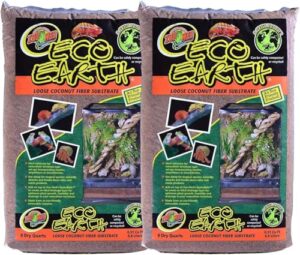
You’ll find that Zoo Med Eco Earth offers outstanding Eco Earth Benefits through its renewable coconut fiber bedding, which expands from compressed bricks to yield approximately 7-8 liters of substrate that regulates substrate humidity effectively for tropical species.
This natural substrate excels in reptile enrichment by supporting burrowing behaviors while absorbing odors and waste products, making substrate selection and management straightforward for your bioactive substrates and ecosystems.
And because you can compost it after use, you’re actively contributing to your reptile health and wellness through both excellent coconut fiber performance and environmental responsibility.
| Best For | Reptile and amphibian owners who need a natural, eco-friendly substrate that holds humidity well and supports burrowing behaviors for tropical species like frogs, toads, and tortoises. |
|---|---|
| Material Type | Coconut fiber |
| Humidity Retention | High retention |
| Odor Control | Yes |
| Weight | 6.4 lbs |
| Natural/Organic | All natural |
| Cleaning Ease | Easy cleanup |
| Additional Features |
|
- Made from renewable coconut fiber that’s chemical-free, compostable, and safe for sensitive-skinned reptiles
- Effectively absorbs odors and waste while maintaining humidity levels for tropical terrariums
- Supports natural digging and burrowing behaviors, giving your pets enrichment and the ability to create their own hideouts
- May arrive dry or in different packaging than advertised, with quality varying between batches
- Requires monthly full replacement despite spot cleaning to prevent bacterial buildup
- Can be pricey compared to other substrate options, and loose fibers may be accidentally ingested during feeding
6. Legigo Coconut Husk Reptile Substrate
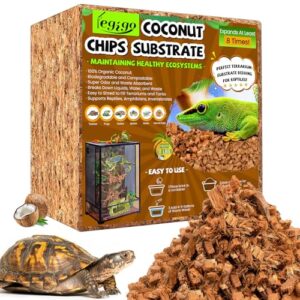
For reptiles requiring sturdy reptile humidity management alongside coconut husk benefits, you’ll appreciate that Legigo’s 10-pound compressed format expands to roughly 72 quarts of coarse chips, providing excellent substrate moisture control without waterlogging vulnerable skin.
This natural substrate option offers premium coco husk maintenance through its low-dust, chemical-free composition, which minimizes respiratory and dermatologic irritation in sensitive species while supporting burrowing enrichment.
Because the coconut fiber bedding resists mold and absorbs waste effectively, you’re investing in both reptile skin health and practical long-term reptile health through one of the most reliable substrate options available.
| Best For | Reptile keepers with humidity-dependent species like ball pythons, tortoises, or tropical geckos who need a natural, skin-safe substrate that holds moisture without causing irritation or respiratory issues. |
|---|---|
| Material Type | Coconut husk |
| Humidity Retention | Superb retention |
| Odor Control | Yes |
| Weight | 10 lbs |
| Natural/Organic | 100% organic |
| Cleaning Ease | Easy to clean |
| Additional Features |
|
- Expands from 10 lbs to about 72 quarts, giving you plenty of coverage for multiple small tanks or one large habitat
- Low-dust, chemical-free coconut husk chips are gentle on sensitive skin and reduce the risk of scale irritation or breathing problems
- Absorbs waste and controls odors well while resisting mold better than many organic substrates when you keep up with spot cleaning
- Some users report the chips are too dense or finely shredded compared to other coconut substrates, making them harder to break up
- Mixed feedback on capacity and smell, with a few customers noting metal-colored residue if not prepped correctly
- Not ideal for reptiles prone to ingestion issues or those needing strictly dry conditions, since it’s designed to hold moisture
7. Reptile Tank Liner Mat
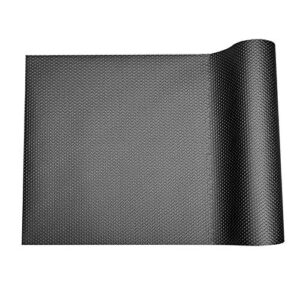
When managing dermatitis-prone reptiles, you’ll find that washable tank liners offer superior terrarium hygiene control compared to traditional substrate options. These reptile-safe mat materials eliminate impaction risk while permitting thorough weekly disinfection with hydrogen peroxide or reptile-approved cleaners.
Although liner material provides minimal humidity retention and limited behavioral enrichment for burrowing species, the reptile enclosure substrate alternatives excel for quarantine settings, clinical recovery periods, and sensitive-skinned individuals requiring strict substrate mat maintenance. This ensures protection of vulnerable ventral scales from bacterial colonization and fungal dermatitis.
| Best For | Reptile owners with species prone to impaction or skin issues who prioritize easy cleaning and disease prevention over natural digging behavior. |
|---|---|
| Material Type | Synthetic mat |
| Humidity Retention | Not applicable |
| Odor Control | Yes |
| Weight | Not specified |
| Natural/Organic | Synthetic |
| Cleaning Ease | Very easy |
| Additional Features |
|
- Eliminates impaction risk since reptiles can’t accidentally ingest the liner during feeding, making it safer than loose substrates like sand or soil.
- Makes cleaning simple—just pull out the mat, wash it with soap and water or disinfectant, and put it back in, saving time compared to replacing full substrate.
- Helps you spot health problems early because waste and skin shed are visible right away on the flat surface.
- Doesn’t give reptiles much to do—no digging or burrowing, which can be boring for species that naturally like to burrow.
- Won’t help maintain humidity levels, so you’ll need a separate plan if your reptile needs a moist environment.
- Can trap moisture against your reptile’s belly if not dried completely after washing, which might cause skin infections.
Substrate Maintenance for Healthy Reptile Skin
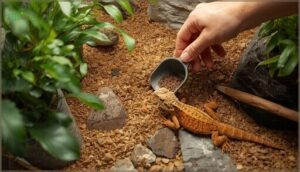
Even the best substrate won’t protect your reptile’s sensitive skin if you don’t maintain it properly, since bacteria, fungi, and accumulated waste can quickly turn a safe bedding material into a source of dermatitis and infection.
Knowing when to spot-clean, how to disinfect without introducing harmful chemicals, and which warning signs indicate immediate replacement will help you prevent substrate-related skin problems before they develop.
Let’s look at the essential maintenance practices that keep your reptile’s environment as healthy as the substrate you’ve chosen.
Cleaning Frequency and Spot-cleaning Tips
Think of animal husbandry as a prevention strategy—consistent Daily Cleaning protects delicate reptile skin before problems ever appear.
Your reptile substrate needs daily Waste Removal of visible droppings and urates, weekly sanitation of water bowls and partial bedding refreshes, and thorough deep cleaning every 4–6 weeks.
Spot Cleaning techniques include:
- Scoop soiled substrate immediately with tongs
- Replace removed areas with fresh material
- Wipe enclosure walls weekly with reptile-safe cleaners
- Monitor Humidity Control to prevent damp, irritating patches
Signs of Substrate-related Skin Problems
Early warnings on your reptile’s skin tell you when substrate quality has failed. Watch for redness or inflamed patches on the belly, blisters or fluid-filled scales indicating scale rot, crusty lesions suggesting fungal infections, discolored or thickened skin from bacterial lesions, and incomplete shedding at pressure points. These dermatitis causes demand immediate substrate review to protect reptile health before systemic illness develops.
| Sign | Appearance | Common Cause |
|---|---|---|
| Redness/inflammation | Hyperemic ventral patches | Bacterial dermatitis from soiled bedding |
| Blisters/ulcers | Fluid-filled or crusty scales | Scale rot from persistently wet substrate |
| Discoloration/crusts | Yellowish, thickened skin | Fungal infections in damp conditions |
| Retained shed | Skin rings at toes, tail | Low humidity, improper substrate |
| Pain/lethargy | Decreased activity, anorexia | Severe skin irritation or septicemia |
Safe Disinfectants and Cleaning Routines
Disinfectant safety hinges on using reptile-safe products that won’t compromise delicate skin or respiratory health during routine cleaning protocols. Chlorhexidine solutions at veterinary dilutions and F10 disinfectant provide broad-spectrum sanitizing methods without harsh fumes, making them ideal for sensitive species in both bioactive substrates and traditional reptile habitat setups.
Always verify complete drying before reintroducing your reptile to maintain peak reptile hygiene and support long-term reptile health and nutrition.
Replacement Schedules for Different Substrates
Substrate rotation isn’t a one-size-fits-all calendar event—it depends heavily on material absorbency, humidity control, and your reptile’s waste management patterns. For sensitive-skinned species, shorter cleaning cycles prevent prolonged contact with soiled bedding and preserve substrate quality through these guidelines:
- Paper substrates – Replace every 2–3 days or immediately when soiled to maintain terrarium bedding freshness.
- Coconut fiber reptile substrate – Change monthly with spot-cleaning, adjusting for high humidity environments.
- Aspen reptile bedding – Full replacement every 1–2 months ensures odor-free substrate supplies.
- Bioactive maintenance – Refresh surface layers every few months while preserving the microbiome.
Choosing The Right Substrate for Your Reptile
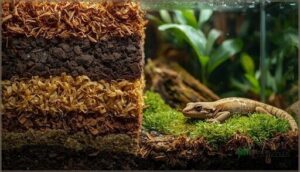
Choosing the right substrate for your reptile isn’t just about picking something that looks natural—it requires matching the material to your pet’s specific environmental needs, skin sensitivity, and natural behaviors.
You’ll need to balance moisture retention with absorbency, confirm the substrate won’t irritate delicate skin, and consider how easy it will be to maintain long-term.
Let’s walk through the key factors that will help you make an informed decision and set your reptile up for success.
Matching Substrate to Species and Environment
Your reptile’s native habitat provides the blueprint for safe substrate selection, so you should prioritize species research and habitat replication before choosing any bedding. Substrate variety exists because animal behavior and physiological needs differ dramatically across species, so matching your choice to documented husbandry standards for your particular reptile is essential for preventing scale rot and infection.
Desert species such as bearded dragons thrive on solid substrates like ceramic tile, which keeps surfaces dry and prevents dermatitis, while tropical arboreal geckos require natural substrates that can temporarily hold moisture yet dry between misting events. Temperate snakes benefit from semi-absorbent options such as aspen shavings, which regulate moderate humidity without remaining wet against ventral scales, whereas semi-aquatic species need efficient drainage paired with solid basking platforms to prevent chronic skin softening.
Environmental factors, including heat gradient and ventilation, determine how quickly your chosen reptile substrate dries after cleaning, directly impacting your animal’s skin health.
| Reptile Type | Recommended Substrate |
|---|---|
| Desert lizards (bearded dragons) | Ceramic tile, paper towels |
| Temperate snakes (corn snakes) | Aspen shavings, paper-based products |
| Tropical arboreal geckos (crested geckos) | Bioactive soil with leaf litter, coconut fiber |
Balancing Humidity, Absorbency, and Comfort
You can’t fine-tune substrate moisture, ventilation systems, and skin comfort in isolation—dermatologic health depends on how these factors interact within your enclosure.
Humidity control requires substrates that absorb waste while releasing moisture gradually between misting, supporting shedding without creating the persistently wet surfaces that trigger scale rot.
Balance these priorities through:
- Strategic placement of heat sources to create drying zones
- Combining absorbent base layers with moisture-retentive humid hides
- Monitoring ventilation to prevent stagnant, damp microclimates
- Selecting bioactive substrates that self-regulate humidity through microbial activity
Proper reptile substrate selection means engineering an environment where humidity levels support reptile health and nutrition without compromising skin integrity.
Tips for Transitioning to a New Substrate
Once you’ve selected your reptile substrate, reptile care demands gradual introduction over one to two weeks to minimize stress reduction. Split the enclosure so half retains familiar bedding while the new substrate supplies occupy the remainder, allowing your animal to select preferred zones during substrate acclimation.
Maintain consistent humidity levels and temperature throughout, and apply strict biosecurity measures—handwashing between enclosures and thorough disinfection—to prevent cross-contamination during this reptile environment adjustment.
Monitoring Your Reptile’s Skin Health After Changes
After settling your reptile into its new bedding, systematic post-change monitoring protects reptile skin health over the following weeks. Establish a dermatologic baseline before any substrate switch, then inspect daily for early skin lesions—redness, blisters, or abnormal shedding—that signal reptile skin disorders requiring veterinary intervention.
- Photograph ventral scales, limbs, and tail to enable objective skin lesion identification over time
- Check humidity and temperature daily, since incorrect parameters contribute to dermatitis and scale rot
- Watch for behavioral red flags: excessive soaking, rubbing, or hiding may indicate substrate-related discomfort
- Schedule a vet visit if lesions persist beyond one shed cycle or worsen despite corrected reptile care
Frequently Asked Questions (FAQs)
Can bioactive substrates help sensitive reptile skin?
Could a living terrarium actually soothe your reptile’s skin? Bioactive substrates can help sensitive reptile skin by stabilizing humidity control and substrate moisture, which aids proper shedding and reduces reptile dermatitis when systems are well-maintained and reptiles remain healthy.
Do substrate colors affect reptile stress levels?
Yes, research suggests substrate color influences stress, since many reptiles possess sophisticated color vision and body color shifts with stress hormones.
Natural, muted tones matching native habitats support camouflage strategies and reduce visual stress in your reptile enclosure.
How does substrate depth impact skin health?
Like a deep carpet holding yesterday’s spills, thick substrate layers trap moisture against your reptile’s belly, creating humid microclimates that promote bacterial dermatitis, pressure sores, and prolonged skin contact with waste—especially in sensitive species.
Are paper towels safe long-term for reptiles?
Paper towels work well short-term during quarantine or illness, but long-term use often lowers humidity, limits natural burrowing behavior, and increases shedding problems—especially in moisture-dependent species needing richer substrate alternatives.
Should substrates be sterilized before first use?
Most commercial reptile substrates arrive ready to use after a simple dust shake-out. Wild-collected materials, however, benefit from heat treatment—baking or boiling—to eliminate parasites and reduce microbial load before first contact with sensitive skin.
Conclusion
Selecting reptile substrates for sensitive skin works like choosing bandages for an open wound—the wrong material prolongs healing while the right one accelerates recovery. Your substrate choice directly influences whether your gecko, snake, or lizard develops chronic dermatological complications or maintains flawless ventral scales throughout its life.
Monitor your pet’s skin weekly after substrate changes, maintain rigorous cleaning protocols, and consult your veterinarian immediately if irritation appears, ensuring excellent dermatological health.
- https://www.lugarti.com/reptile-bedding-substrates/29-natural-reptile-bedding.html
- https://www.facebook.com/ZillaRules/
- https://www.merckvetmanual.com/exotic-and-laboratory-animals/reptiles/parasitic-diseases-of-reptiles
- https://www.vetlexicon.com/exotis/reptiles/dermatology/articles/acariasis/
- https://www.sciencedirect.com/science/article/pii/S2213224425000689