This site is supported by our readers. We may earn a commission, at no cost to you, if you purchase through links.
Your new bearded dragon just refused water for the third day straight, and you’re starting to panic. Most beginner reptile keepers don’t realize that the bowl itself—not just what’s in it—determines whether their pet drinks.
A shallow ceramic dish might work for a leopard gecko, but it’ll stress out a blue-tongued skink that needs to soak. Even worse, the wrong material can leach chemicals or harbor bacteria that compromise your reptile’s immune system within weeks.
Choosing the right water bowl isn’t about aesthetics or price—it’s about matching specific features to your species’ hydration habits, and beginners who nail this early avoid the most common health crises in captive reptiles.
Table Of Contents
Key Takeaways
- Reptile water bowls must match your species’ hydration behavior—shallow ceramic for terrestrial lizards, deeper dishes for semi-aquatic species—because the wrong depth or material directly causes dehydration, bacterial infections, or drowning within weeks.
- Safe bowl materials like food-grade resin or glazed ceramic with non-porous surfaces prevent chemical leaching and bacteria colonization, while weighted bases and proper placement away from heat sources stop tipping and substrate contamination.
- Daily water changes and weekly deep-cleaning with reptile-safe disinfectants disrupt biofilm before pathogens like E. coli colonize surfaces, protecting your pet’s immune system more effectively than any medication after infection starts.
- Bowl placement drives your entire terrarium’s microclimate—positioning 6+ inches from basking spots controls humidity gradients and prevents algae growth, while accessible locations near your reptile’s pathways ensure consistent drinking without enclosure redesigns.
Why Water Bowls Matter for Reptile Beginners
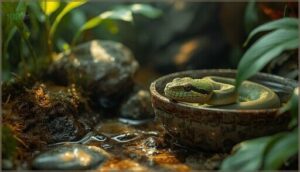
Water isn’t just important for your reptile—it’s essential. Without the right water bowl, you’re risking dehydration, bacterial infections, and even drowning in species that can’t swim well.
That’s why choosing a safe, stable water dish—and keeping it clean—is just as critical as understanding what drives your snake to eat.
The wrong water bowl can dehydrate your reptile, breed infection, or even cause drowning
Let’s look at why getting this simple piece of equipment right matters so much for keeping your new pet healthy.
The right reptile lighting solutions can make the difference between a pet that barely survives and one that truly thrives.
Importance of Hydration for Reptile Health
Water isn’t just a nice-to-have—it’s the foundation of your reptile’s survival. Proper reptile hydration needs directly influence digestion, shedding quality, and thermal regulation. Without consistent access to clean reptile water bowls, dehydration risks escalate quickly, threatening kidney function and overall reptile health.
Choosing the right bowl size and placement is crucial—our complete snake water requirements guide covers species-specific needs to prevent common hydration mistakes.
- Hydration drives nutrient absorption and aids healthy shed cycles
- Water quality control prevents bacterial exposure and illness
- Skin moisture absorption varies by species but remains essential
- Consistent water access reduces stress and bolsters immune function
Risks of Improper Water Bowl Selection
Choosing the wrong bowl can turn your careful reptile care into a serious threat. Bowl material risks include porous surfaces that breed pathogens, while incorrect water depth safety can drown hatchlings or block access for adult species. Bowl placement strategies also matter—poor positioning invites substrate contamination and fecal exposure, compromising reptile hydration and your bioactive habitat.
Even during brumation, when your snake’s activity drops, proper water bowl selection and placement prevents dehydration without creating drowning hazards.
Here’s what happens when selection goes wrong:
| Risk Factor | Consequence |
|---|---|
| Brittle ceramics or glass | Sharp edges, leakage hazards |
| Reactive materials | Chemical leaching, reduced water intake |
| Improper depth | Drowning risk or restricted access |
Role of Water Bowls in Enclosure Setups
Beyond selecting a safe bowl, you need to understand how water dishes shape your entire terrarium and habitat setup. Bowl placement drives microclimate management, controlling local humidity and temperature gradients that affect shedding and thermoregulation.
Smart positioning away from heat sources maintains reptile hydration while supporting enclosure hygiene, reducing substrate contamination. Bowl material safety and proper sizing prevent tipping, keeping your reptile care routine manageable and your reptile enclosure stable.
Key Features to Look for in Reptile Water Bowls
Not all water bowls are created equal. You need to think about materials that won’t leach chemicals, a size that fits your reptile without posing drowning risks, and a design that makes daily cleaning simple.
These four features will help you spot a bowl that keeps your pet healthy and your routine stress-free.
Safe Materials and Durability
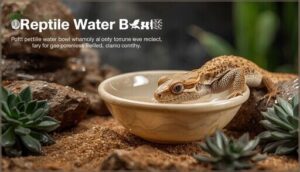
Think of your water bowl as a long-term investment in your pet’s health. Material testing confirms that food-grade resin and non-toxic glaze bowls offer exceptional bowl durability and corrosion resistance.
You’ll want reptile water dishes with a non-porous surface—they resist bacteria and stay durable long-lasting through daily water conditioning. Safe resins won’t leach chemicals, keeping your scaled friend hydrated and healthy.
Pair your water dish with a balanced diet—understanding what corn snakes eat in captivity ensures your pet thrives from hydration to nutrition.
Size and Depth Considerations for Beginners
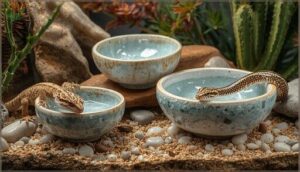
Your reptile’s head size dictates bowl depth. For small lizards and snakes, you’ll need 1.5 to 2.5 inches—enough for drinking without drowning risk.
Match water capacity to your enclosure size and species needs: a 3 to 4 inch diameter works for most beginners.
Remember, reptile hydration depends on accessible reptile water dishes. Shallow, wide bowls prevent spills while supporting proper water and hydration systems.
Reptile safety always comes first in reptile care and maintenance.
Ease of Cleaning and Maintenance
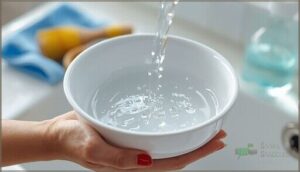
For beginners, bowl sanitation and water quality depend on smooth surfaces. You’ll maintain durable, long-lasting reptile water bowls with less effort when cleaning schedules stay consistent.
Look for easy-to-clean bowl materials that simplify reptile hydration maintenance:
- Glazed ceramic or stainless steel (smooth, non-porous)
- Daily rinsing (prevents biofilm buildup)
- Weekly disinfection (reptile-safe solutions)
- Dishwasher-safe options (high-heat tolerance)
Simple designs beat ornate bowls—maintenance tips always favor accessibility. Regular cleaning is vital to prevent biofilm growth issues.
Preventing Spills and Bacteria Buildup
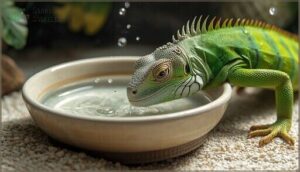
Stability starts with a wide base—your best defense against flooding and soggy substrate. Shallow depth limits water displacement when your pet enters, while textured or weighted bottoms anchor bowls on smooth surfaces. Place them away from basking zones to slow evaporation and reduce humidity spikes.
Daily water changes and weekly scrubbing with reptile-safe disinfectants disrupt biofilm before bacteria like E. coli or Salmonella colonize surfaces. Regular cleaning is vital to prevent biofilm formation and maintain a healthy environment for your reptile.
| Feature | Why It Matters | Quick Fix |
|---|---|---|
| Wide base | Prevents tipping, reduces spills | Choose diameter 2× head width |
| Shallow depth | Limits overflow when entering | Max 1–3″ for most species |
| Heavy material | Anchors dish against pushing | Ceramic or weighted resin |
| Smooth interior | Blocks biofilm attachment | Daily rinse, weekly disinfect |
| Proper placement | Controls humidity, evaporation | Set on level spot, away from heat |
Top 5 Reptile Water Bowls for Beginners
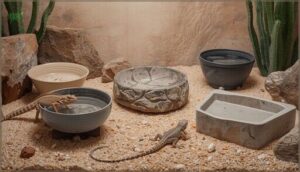
You need a water bowl that won’t tip over, harbors less bacteria, and makes daily cleaning quick. The right choice depends on your reptile’s size, behavior, and how much space you have in the enclosure.
Here are five beginner-friendly options that balance safety, durability, and ease of maintenance.
1. Exo Terra Reptile Water Dish
 View On Amazon
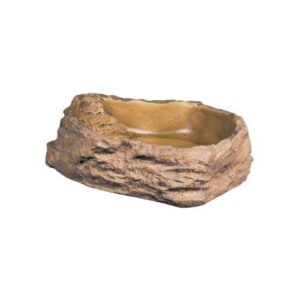
 You won’t find many water dishes that blend functionality with a rock-solid design quite like the Exo Terra Reptile Water Dish. It’s built from food-grade resin with a natural look that fits desert or tropical terrariums without disrupting your setup.
The non-porous surface stops bacteria from taking hold, making reptile care products like this a smart pick for beginners. Safety steps prevent drowning—critical for reptile wellness—while the stable base won’t tip when your bearded dragon decides to soak.
Water bowl safety starts with choosing gear that works with your pet’s behavior, not against it.
| Best For | Reptile and amphibian owners looking for a stable, easy-to-clean water dish that prevents drowning and fits naturally into any terrarium setup. |
|---|---|
| Material | Plastic (Food-grade resin) |
| Easy to Clean | Yes |
| Target Species | Reptiles and amphibians |
| Suitable for | Drinking and soaking |
| Design Style | Natural rock look |
| Stability | Stable design |
| Additional Features |
|
- Non-porous, food-grade resin surface prevents bacterial growth and makes cleaning straightforward
- Built-in safety steps and stable base design protect small pets from drowning and tipping accidents
- Natural rock appearance blends seamlessly into desert, tropical, or other terrarium environments
- Actual dimensions may differ from product description, causing sizing issues for some enclosures
- Depth might be excessive for very small species like dart frogs
- Textured surface can trap debris and make thorough cleaning more challenging than smooth alternatives
2. Boao Reptile Food Water Bowls
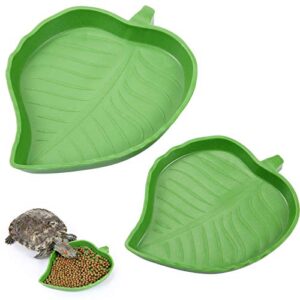
If you’re watching your budget, the Boao Leaf Reptile Food Water Bowls give you two dishes—one for food, one for water—so you can split duties without buying separate pet reptile supplies. Each shallow, leaf-shaped bowl features smooth plastic surfaces that make bowl cleaning tips simple: rinse, dry, repeat.
A-Z Animals ranks them “Best for Aesthetics” in 2025, noting their lightweight design suits small tortoises and hatchlings. Just remember that reptile hydration needs grow as your pet does, so you’ll likely upgrade once your lizard or snake matures.
| Best For | Budget-conscious keepers of small reptiles like hatchling tortoises, corn snakes, or juvenile lizards who want an easy-to-clean starter set. |
|---|---|
| Material | Plastic |
| Easy to Clean | Yes |
| Target Species | Reptiles and tortoises |
| Suitable for | Feeding and watering |
| Design Style | Leaf-shaped |
| Stability | Needs securing |
| Additional Features |
|
- Two-bowl set lets you separate food and water without buying extras
- Smooth plastic surfaces rinse clean quickly between uses
- Shallow leaf shape reduces drowning risk for very small reptiles
- Too small for adult or larger reptiles that need deeper water dishes
- Lightweight plastic can tip or shift if pushed by stronger animals
- You’ll need to upgrade as your pet grows and hydration needs increase
3. SLSON Gecko Feeder Ledge
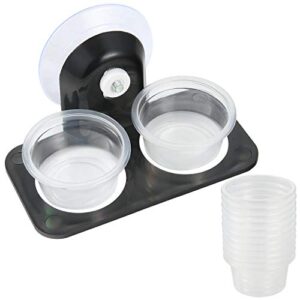
Arboreal species like crested geckos need elevated gecko feeding solutions, which is where acrylic material safety meets vertical reptile ledge design. The SLSON Gecko Feeder Ledge mounts with suction cup reliability on glass, holding two 1 oz cups for water bowls and food in your gecko habitat.
Clear acrylic lets you monitor reptile hydration without disturbing your pet. With 20 cups included, you’ll rotate fresh dishes weekly—smart gecko feeding tips for reptile care beginners managing arboreal feeding solutions.
| Best For | Beginner gecko owners who need an affordable elevated feeding station for small arboreal reptiles like crested geckos or day geckos. |
|---|---|
| Material | Food-grade plastic |
| Easy to Clean | Yes |
| Target Species | Small reptiles and amphibians |
| Suitable for | Feeding and watering |
| Design Style | Modern ledge |
| Stability | Suction cup mount |
| Additional Features |
|
- Transparent acrylic lets you check food and water levels without removing the ledge or disturbing your pet
- Comes with 20 disposable cups so you can swap in fresh dishes regularly without constant washing
- Budget-friendly compared to magnetic ledges, and the suction cups let you adjust height as needed
- Suction cups can lose their grip over time, especially if the glass isn’t perfectly clean and dry
- The cups don’t always fit snugly in the ledge holes, which can lead to tipping
- Not ideal for larger or heavier reptiles since the suction system works best with lightweight setups
4. Zoo Med Reptile Rock Dish
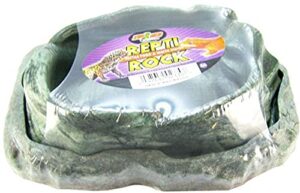
Zoo Med’s Reptile Rock Dish brings that natural aesthetic many keepers want, molded from recycled plastic that won’t crack when dropped during tank cleanings.
Water Bowl Safety here means smooth, non-porous surfaces—bacteria can’t hide in microscopic crevices like they would in actual stone. The Medium size (1.5″ deep) works for bearded dragons and small tortoises, supporting Reptile Hydration without drowning risk.
Dish Maintenance stays simple: dishwasher-safe construction means you’ll sanitize thoroughly between water changes, keeping Reptile Health on track without extra effort.
| Best For | Beginner reptile keepers who want a durable, easy-to-clean water dish with a natural rock look for small to medium reptiles like bearded dragons, geckos, or tortoises. |
|---|---|
| Material | Durable materials |
| Easy to Clean | Yes |
| Target Species | Reptiles and animals |
| Suitable for | Food and water |
| Design Style | Natural rock colored |
| Stability | Stackable |
| Additional Features |
|
- Made from 100% recycled plastic that’s virtually indestructible and dishwasher-safe, making routine cleaning and disinfection straightforward
- Smooth, non-porous interior prevents bacteria buildup in microscopic crevices that real stone would have
- Low-profile design and multiple size options (X-Small to X-Large) let reptiles easily access water while fitting different species and enclosure sizes
- Colors are randomly selected, so you might receive one that looks more like plastic than natural rock
- Lightweight construction means the dish may tip or float if placed in fully aquatic setups
- Mealworms and other feeder insects can climb out easily due to the low sides
5. Fluker’s Reptile Corner Bowl
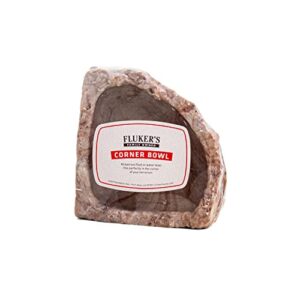
Fluker’s Reptile Corner Bowl fits snug against terrarium walls, freeing central space for basking spots and hides—smart Water Bowl Placement when you’re working with limited square footage. The fade-resistant plastic (6″L x 6″W x 6″H) weighs 14.4 ounces, heavy enough that most snakes and geckos won’t tip it during nighttime exploration.
Bowl Material Safety checks out: BPA-free construction means no hormone disruptors leaching into drinking water. Corner Bowl Design promotes Reptile Hydration Tips by keeping substrate out, though that textured exterior takes extra scrubbing during weekly cleanings.
| Best For | Reptile owners with compact terrariums who need a stable water dish that won’t eat up floor space or get knocked over by active snakes, lizards, or geckos. |
|---|---|
| Material | Plastic |
| Easy to Clean | Yes |
| Target Species | Reptiles |
| Suitable for | Food and water |
| Design Style | Corner design |
| Stability | Heavy and sturdy |
| Additional Features |
|
- Corner design maximizes usable terrarium space while keeping water accessible and substrate contamination low.
- Heavy 14.4-ounce build prevents tipping during nighttime activity, even with larger species moving around.
- BPA-free, fade-resistant plastic holds up to regular cleaning and humid environments without leaching chemicals.
- Textured exterior surface traps debris and makes scrubbing more time-consuming than smooth alternatives.
- Some units arrive with tiny cracks or imperfections that can harbor bacteria if not caught early.
- Weight that prevents tipping also makes the bowl cumbersome to remove for daily water changes.
Tips for Setting Up and Maintaining Water Bowls
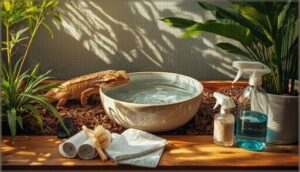
You’ve picked the right bowl, but where you put it and how you care for it matters just as much. Small mistakes like placing it in the wrong spot or skipping cleanings can lead to tipped water, bacteria growth, or a dehydrated reptile.
Here’s how to set things up properly and keep your water bowl working the way it should.
Placement Within The Terrarium
Where you position your reptile water bowls can make or break your terrarium design. Place bowls at least 6 inches from basking spots to prevent overheating and algae growth. Keep them on stable, non-slip surfaces away from loose substrate that contaminates water.
For reptile accessibility, position bowls within easy reach of your pet’s typical pathways—ensuring ideal reptile hydration without forcing awkward stretching or enclosure redesign.
Cleaning Frequency and Best Practices
Proper bowl sanitizing protects your pet from harmful bacteria. Change water daily, but deep-clean bowls every 2–3 days with reptile-safe soap and hot water. Here’s your cleaning routine:
- Empty and scrub bowls with hot water daily
- Use reptile-safe cleaning products for sanitizing
- Rinse thoroughly to remove soap residue
- Inspect for cracks that harbor bacteria
This maintains water quality and promotes reptile health and wellness.
Monitoring Water Quality and Levels
Vigilance keeps your reptile’s water safe. Test pH levels weekly—most species thrive between 6.5 and 7.5—and monitor temperature daily to limit bacterial control issues. ReptiSafe water conditioner removes chlorine and heavy metals that threaten reptile hydration.
Check your water bowls for cloudiness or algae, signs that circulation has stalled. Keep a simple log tracking pH levels, temperature, and clarity. Consistent hydration monitoring prevents dehydration before it becomes serious.
Troubleshooting Common Beginner Mistakes
Why do bowls keep tipping over? You’ve likely placed them where climbing traffic is heaviest or chosen lightweight plastic instead of ceramic.
Infrequent cleaning schedules allow bacteria to double every 20 minutes in stagnant water, causing hydration issues despite full bowls.
Mistake prevention starts with proper bowl placement away from heat sources, daily refills, and weekly scrubbing to protect reptile hydration and nutrition.
Frequently Asked Questions (FAQs)
Can reptiles drink tap water safely?
Like using a rotary phone, tap water can work—but check local treatment first. Most municipal water needs dechlorination methods to remove chloramine toxicity.
Water quality varies by location, so test regularly for reptile hydration safety.
How often should I replace the bowl?
Replace your reptile’s water bowl every 1–3 months, or sooner if cracks appear. Daily water changes maintain freshness guidelines, but the bowl itself needs replacement when scratches harbor bacteria despite regular cleaning schedules.
Do different species need different bowl types?
Absolutely—species needs drive every choice. Terrestrial lizards thrive with shallow ceramic bowls, while semi-aquatic turtles demand deeper stainless steel ones.
Reptile behavior, habitat design, and water depth directly affect animal hydration and pet reptile health and wellness.
What if my reptile refuses to drink?
First, check for dehydration signs—wrinkled skin or sunken eyes.
Refusal causes include low humidity or species preference for misting.
Try drinking stimulation through daily spraying.
Persistent issues need veterinary intervention for proper hydration strategies.
Should I add supplements to the water?
Generally, no—skip supplemented solutions for standard reptile hydration and nutrition. Dechlorination methods guarantee water quality without supplement risks like vitamin toxicity.
Reserve electrolyte balance products for veterinary-guided reptile care and accessories during illness.
Conclusion
Right bowl. Right placement. Right cleaning routine. These three decisions protect your reptile from dehydration, infection, and stress before symptoms ever appear.
The reptile water bowls for beginners reviewed here eliminate guesswork—you’re no longer gambling with ceramic versus plastic or wondering if that rock dish harbors biofilm.
Match the bowl to your species’ behavior, clean it daily, and you’ve just solved the hydration crisis most keepers don’t recognize until it’s already damaged their pet’s kidneys.
- https://en.wikipedia.org/wiki/Water
- https://smallpetselect.com/biofilm-lurking-in-your-pets-water-and-food-bowls/
- https://www.blvd.vet/blog/how-often-you-should-clean-your-pets-food-and-water-bowl
- https://faq.dubiaroaches.com/articles/reptile-safe-cleaning-and-disinfecting-agents
- https://docs.google.com/document/d/1xDqicNgKxO_PYa8Vws7w8b1vt2S77WryXgE6ThRXJ18/edit?tab=t.0