This site is supported by our readers. We may earn a commission, at no cost to you, if you purchase through links.
A 500-square-foot apartment doesn’t leave room for 40-pound bags of substrate stacked in a closet. Cram three reptile enclosures into a studio, and storage space vanishes fast—along with your patience for shaking cedar dust out of your lungs every cleaning day.
The right reptile substrate for apartment living solves two problems at once: it keeps humidity where your reptile needs it, and it doesn’t turn your living room into a dust bowl or odor chamber. Compressed coconut fiber bricks, for instance, take up a fraction of the space that loose cypress mulch does, until you add water.
Here’s what actually works when square footage—and your neighbor’s tolerance for smell—are on the line.
Table Of Contents
- Key Takeaways
- Top 9 Apartment Reptile Substrates
- 1. Zilla Jungle Mix Reptile Substrate
- 2. Natural Coconut Fiber Reptile Substrate
- 3. Zoo Med Cypress Mulch Bedding
- 4. Premium Tropical Cypress Reptile Bedding
- 5. Riare Coconut Chip Reptile Substrate
- 6. Organic Coconut Husk Reptile Substrate
- 7. Sukh Sphagnum Moss Terrarium Substrate
- 8. Organic Coconut Fiber Reptile Substrate
- 9. Zilla Desert Reptile Bedding Substrate
- Best Substrates for Small Spaces
- Choosing Substrate by Reptile Type
- Humidity Control in Apartments
- Odor and Cleaning Performance
- Safety Risks to Avoid
- Apartment Buyer Decision Guide
- Frequently Asked Questions (FAQs)
- Conclusion
Key Takeaways
- Compressed substrates like coconut fiber and coconut husk bricks save major storage space by expanding only when soaked, making them ideal for tight apartment closets.
- Match substrate to your reptile’s specific needs—coconut fiber and cypress mulch hold humidity for tropical species, while sand-clay blends suit desert diggers like bearded dragons.
- Avoid cedar and pine shavings entirely, since their toxic phenolic oils cause respiratory distress, and skip calcium sand and reptile carpet due to impaction and ingestion risks.
- Control odor and mold in low-airflow apartments through daily spot-cleaning, weekly humid-hide checks, mineral or probiotic additives, and full substrate replacement every 4-8 weeks.
Top 9 Apartment Reptile Substrates
Small apartments come with big substrate questions—what holds humidity without holding onto smells, and what won’t turn your living room into a dust bowl. You need options that work in tight spaces, resist mold, and keep cleanup under control.
Pairing the right substrate with feeding tongs designed for tight apartment enclosures makes handling and cleanup even easier when space is at a premium.
Here are nine picks that check every box, from moisture-loving coconut fiber to bone-dry desert blends.
1. Zilla Jungle Mix Reptile Substrate
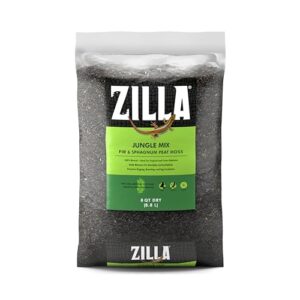
If your gecko’s enclosure smells like a swamp, this mix fixes that. Zilla Jungle Mix pairs sphagnum peat moss with fir shavings for a loamy, forest-floor texture that holds humidity without turning soggy.
Keep depth at 1–2 inches; spot-clean daily, replace monthly. It suits frogs, toads, and rainforest geckos beautifully, encouraging natural digging and nesting behaviors—all in a compact 8-quart bag that won’t eat your closet space.
| Best For | Keepers of frogs, toads, rainforest geckos, and snakes who need a humidity-holding substrate for tropical or forest-style enclosures. |
|---|---|
| Material Type | Fir bark/peat |
| Moisture Retention | High |
| Biodegradable | Yes |
| Burrowing Support | Yes |
| Odor Control | Moderate |
| Weight | 5.8 lbs |
| Additional Features |
|
- 100% organic, fully biodegradable blend of aged Douglas fir bark and sphagnum peat moss
- Highly absorbent, holding humidity well without getting soggy, while supporting bioactive setups with live plants and microfauna
- Soft, loamy texture that encourages natural digging, burrowing, nesting, and egg incubation
- Requires daily spot-cleaning of waste and soiled areas to stay fresh
- Needs full replacement monthly (or sooner), adding to ongoing costs
- Recommended depth is limited to 1–2 inches, which may not suit species that need deeper burrowing substrate
2. Natural Coconut Fiber Reptile Substrate
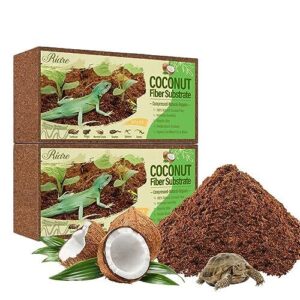
Coconut fiber comes compressed into bricks—soak one in water and it expands to nearly triple its size, ready to fill a 10-gallon tank. It’s hygroscopic, soaking up waste and odor while keeping humidity steady for shedding.
Snakes and hermit crabs can dig right through it without hitting compact layers. Downside: it dries fast in dry apartment air, so expect to remoisten every few days and swap it out every 4–8 weeks.
| Best For | This substrate is best for reptile, amphibian, and invertebrate owners—like snake, frog, and hermit crab keepers—who want a natural, burrow-friendly bedding that also doubles as garden or coop material once its terrarium life is done. |
|---|---|
| Material Type | Coconut fiber |
| Moisture Retention | High |
| Biodegradable | Yes |
| Burrowing Support | Yes |
| Odor Control | High |
| Weight | 2.73 units |
| Additional Features |
|
- Expands significantly after soaking, giving good coverage for small to mid-sized enclosures
- Naturally absorbs odor and waste while helping maintain humidity for shedding
- Fully biodegradable, so it can be repurposed as fertilizer or seed-starting mix instead of tossed out
- Dries out quickly in low-humidity environments, requiring frequent remoistening
- Compressed volume may fall short for larger tanks or enclosures
- Bricks can arrive loose or damaged if packaging isn’t handled carefully during shipping
3. Zoo Med Cypress Mulch Bedding
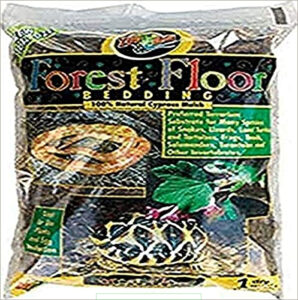
If coconut fiber dries out too fast for your apartment’s climate, cypress mulch holds humidity longer without daily remoisting. It’s 100% natural bark, untreated, so expect more frequent cleaning since it isn’t heat-sterilized.
A 2–3 inch layer encourages shedding and light burrowing for tropical species. Spot-clean weekly; replace fully every 4–8 weeks. Bake at 250°F first if you’re worried about mites—cheap insurance for small enclosures.
| Best For | Keepers of tropical reptiles, amphibians, tortoises, and tarantulas who need reliable, long-lasting humidity control without daily remoisting. |
|---|---|
| Material Type | Cypress mulch |
| Moisture Retention | Moderate |
| Biodegradable | Yes |
| Burrowing Support | Yes |
| Odor Control | Moderate |
| Weight | 10.6 lbs |
| Additional Features |
|
- Holds moisture effectively, making it great for humidity-loving species
- Natural, forest-floor look that suits a variety of tropical setups
- Works well for a wide range of animals, from snakes to invertebrates
- Needs regular moisture checks to keep humidity levels on track
- Not suited for species with different bedding or behavioral needs
- Best suited to specific setups rather than general, all-purpose use
4. Premium Tropical Cypress Reptile Bedding
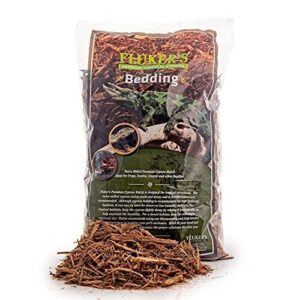
Twice-milled cypress cuts dust way down compared to standard mulch—your lungs and your lizard’s respiratory tract both benefit. Breeder-tested formula works for frogs, snakes, and tortoises without constant tinkering.
Mix it with coconut fiber for desert-tropical hybrid setups, or run it solo at 2-4 inches for humidity buffering. Downside: some bags run light on weight, and the dry appearance won’t win beauty contests. Still, odor control through moisture management beats masking smells with fragrance any day.
| Best For | Reptile and amphibian owners keeping frogs, snakes, lizards, or tortoises who need a moisture-flexible, low-dust substrate for humid or desert-style enclosures. |
|---|---|
| Material Type | Cypress mulch |
| Moisture Retention | Moderate |
| Biodegradable | Yes |
| Burrowing Support | Yes |
| Odor Control | High |
| Weight | 160 oz |
| Additional Features |
|
- Twice-milled formula significantly cuts down dust for healthier air quality
- Breeder-tested and versatile enough for a wide range of species without extra tweaking
- Supports natural odor control through moisture management rather than added fragrance
- Some bags reportedly run light on weight compared to what’s listed
- Basic, dry appearance may not appeal if you want a more polished enclosure look
- Often needs mixing with other substrates (like coconut fiber) for certain species’ needs
5. Riare Coconut Chip Reptile Substrate
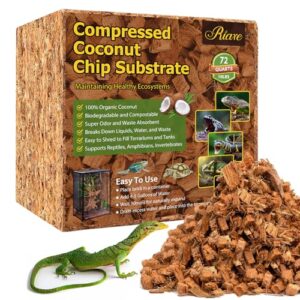
Small chips, 0.5 to 2 centimeters, give burrowers plenty to dig through without dust clouding your living room air. No dyes, no fragrances added—just processed husk that soaks up waste fast and dries evenly, so you won’t get those damp, stinky pockets near the water bowl.
Low dust formulation matters most if your terrarium sits near your couch. Compostable when you’re done, so disposal skips the trash-bag guesswork. Works well under heat mats too, holding warmth without drying out completely.
| Best For | Reptile and amphibian keepers—especially those with burrowing snakes, tortoises, geckos, or amphibians—who want a low-dust, moisture-retentive substrate for humid tropical enclosures. |
|---|---|
| Material Type | Coconut fiber |
| Moisture Retention | High |
| Biodegradable | Yes |
| Burrowing Support | Yes |
| Odor Control | High |
| Weight | 10 lb |
| Additional Features |
|
- Low dust formulation keeps the air clear, ideal for terrariums kept in living spaces
- Absorbs waste quickly and dries evenly, preventing damp, odorous spots near water bowls
- Fully compostable and made from natural coconut husk with no dyes or added fragrances
- Requires manual preparation, including soaking and squeezing out excess water before use
- Comes as a compressed brick, which takes extra time and effort to expand
- May dry out over time under heat mats, requiring occasional moisture top-ups
6. Organic Coconut Husk Reptile Substrate
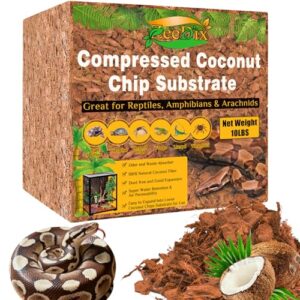
Ten pounds of compressed brick sounds like a lot until you hydrate it—expect roughly 72 quarts of fluffy, expanded husk from one block. It’s inert and dye-free, so you won’t introduce fragrances or hidden chemicals into a glass box your gecko breathes in all day.
For tropical geckos needing that steady 70-90% humidity range, mixing this coconut husk with sphagnum moss creates the kind of moisture-retentive substrate that naturally curbs odor buildup.
Absorption is the real selling point: waste gets trapped fast, odor stays down. Watch your water ratio, though—oversaturate it and you’re looking at soggy patches instead of that evenly cushioned forest-floor feel your ball python actually wants underfoot.
| Best For | reptile, amphibian, and invertebrate owners—like ball python, tortoise, gecko, lizard, and tarantula keepers—who want a natural, dust-free substrate for humidity control and burrowing. |
|---|---|
| Material Type | Coconut fiber |
| Moisture Retention | High |
| Biodegradable | Yes |
| Burrowing Support | Yes |
| Odor Control | High |
| Weight | 10 lbs |
| Additional Features |
|
- Expands from a compact 10 lb brick into about 72 quarts of usable substrate
- Highly absorbent, helping control odor and waste
- Dust-free, compostable, and free of dyes or added chemicals
- Requires manual hydration and prep before use
- Easy to overwater, leading to soggy, less comfortable patches
- May occasionally contain small debris like stones
7. Sukh Sphagnum Moss Terrarium Substrate
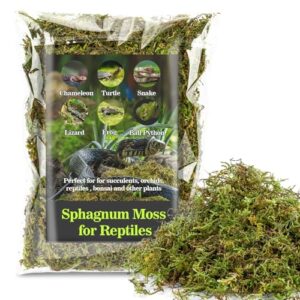
Twenty times its own weight in water—that’s what sphagnum moss holds, and it shows the moment you fluff a handful into a humid hide. It stays naturally pH neutral to mildly acidic, so it won’t fight your live plants or bioactive cleanup crew.
Layer it thin over coconut fiber and you’ve built a moisture buffer that cuts misting frequency dramatically. Just don’t let it turn soggy; airflow around the hide keeps mold at bay while your gecko or tree frog gets a cleaner shed.
| Best For | reptile and amphibian keepers who need a natural way to boost humidity and encourage burrowing for snakes, turtles, frogs, and geckos. |
|---|---|
| Material Type | Moss |
| Moisture Retention | High |
| Biodegradable | Yes |
| Burrowing Support | Limited |
| Odor Control | Moderate |
| Weight | 5.6 oz |
| Additional Features |
|
- Holds a huge amount of moisture, helping maintain stable humidity with less frequent misting
- Soft, natural texture that’s gentle for nesting, hiding, and burrowing behavior
- Vacuum-sealed for cleanliness and easy, mess-free storage until use
- Can become dusty or powdery if it dries out, requiring re-hydration before use
- Not meant to be a standalone substrate—works best mixed with something like coconut fiber
- Needs careful moisture management, since too much water can create health risks for reptiles
8. Organic Coconut Fiber Reptile Substrate
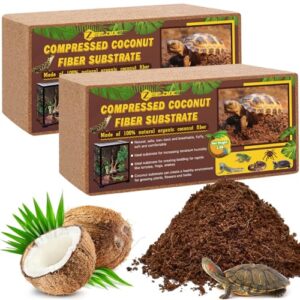
Two compressed bricks, roughly 7.8 x 3.9 x 1.97 inches each, expand into a soft digging layer once soaked—no guesswork needed. It’s high-temperature purified and salt-removed, cutting the rinse cycles other coir brands demand.
At around 2.81 lbs total, storage stays apartment-friendly until hydration day. It absorbs moisture fast and controls odor well, though bearded dragon owners should stay cautious about impaction risk if ingested. Great for snakes, frogs, and hermit crabs digging or laying eggs.
| Best For | Reptile, amphibian, and invertebrate owners (like snake, frog, and hermit crab keepers) who want an easy-to-store, low-mess substrate that supports natural digging and egg-laying behavior. |
|---|---|
| Material Type | Cypress mulch |
| Moisture Retention | Moderate |
| Biodegradable | Yes |
| Burrowing Support | Yes |
| Odor Control | Moderate |
| Weight | 3.6 lbs |
| Additional Features |
|
- High-temperature purified and salt-removed, so it needs fewer rinses than typical coir
- Compressed brick design makes storage simple until you’re ready to hydrate
- Absorbs moisture quickly and helps control odor while maintaining enclosure humidity
- Poses a potential impaction risk if ingested, especially for species like bearded dragons
- Sensitive organisms may still need extra rinsing to fully reduce salt content
- Expansion results can vary depending on how it’s hydrated
9. Zilla Desert Reptile Bedding Substrate
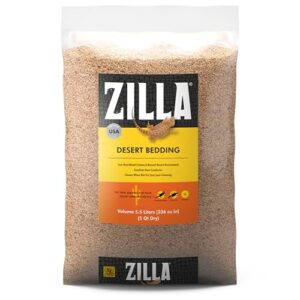
Bearded dragons and uromastyx don’t need loose sand to dig happily—they need heat conduction and stability. This clumping formula isolates waste for quick spot-cleaning, at a fraction of the mess.
Weighing 4.02–4.62 lbs per 5-quart bag, it’s lighter than traditional desert sand, so hauling it upstairs won’t wreck your back. Keep depth at 1–2 inches; it’s built for arid dwellers only, not tropical species craving humidity.
| Best For | This substrate is best for owners of adult bearded dragons, uromastyx, desert skinks, monitors, and leopard geckos looking to recreate a natural arid habitat. |
|---|---|
| Material Type | Coconut fiber |
| Moisture Retention | High |
| Biodegradable | Yes |
| Burrowing Support | Yes |
| Odor Control | High |
| Weight | 2.81 lbs |
| Additional Features |
|
- Clumping formula makes spot-cleaning quick and mess-free
- Lightweight, sand-like texture that’s easy to handle and carry
- High heat conduction helps support proper thermal regulation
- Only suitable for desert species, not tropical or humidity-loving reptiles
- Requires maintaining a specific bedding depth of 1–2 inches for best results
- Natural, loose texture may still need monitoring in enclosures prone to glass scratching
Best Substrates for Small Spaces
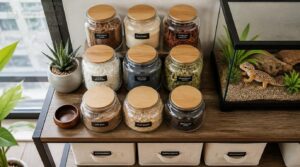
Small apartments don’t leave room for substrate mistakes—every bag you buy has to earn its shelf space. That means low dust, easy storage, and cleanup you can handle without dragging bins down three flights of stairs. Here’s what actually holds up in tight quarters.
Low-dust Bedding Options
Dust clouds don’t belong in a studio apartment—your lungs and your reptile’s respiratory tract both pay the price. Go with bamboo fiber or microfiber bedding, both proven to cut airborne particles compared to pine. Silk fiber adds smoothness; Tencel boosts moisture control.
- Bamboo fiber: ultra-low dust
- Microfiber: minimal clouding
- Silk fiber: smooth surface
- Paper substrate: dense, tight fibers
Compact Storage Needs
Studio living means every cubic inch counts. Compressed brick substrates expand only when soaked, so unopened bricks stack flat on shelves.
| Format | Space Saved |
|---|---|
| Compressed brick | Up to 40% |
| Rigid tubs | Stackable |
| Resealable bags | No repackaging |
| Vertical bins | Maximizes footprint |
Vertical storage and stackable bins keep reptile substrate organized without crowding your terrarium setup.
Easy Bag Disposal
Once your bricks expand, disposal needs a plan too. Choose compostable bags that break down within 2–6 months indoors, or tear-resistant films rated to 1.5 MPa for messier waste.
Knot sealing cuts leakage by 95%, while color-coded sorting keeps recyclables separate from soiled substrate—small habits that make apartment terrarium maintenance genuinely painless.
Mess-free Enclosure Changes
Getting bagged substrate out of a cramped apartment is one thing—getting it into the enclosure without dust everywhere is another. Run a two-bin system: one for soiled substrate, one holding pre-measured portions ready to pour.
Work over a disposable towel to catch stray particles, and keep a HEPA vacuum nearby for quick touch-ups. That’s mess-free terrarium maintenance, apartment-style. Using hygienic enclosures reduce risk of contamination can further assist in maintaining a sterile environment.
Apartment-safe Cleaning Routines
Once a week, vacuum enclosure surfaces and wipe down feeding dishes with soap and hot water to stop bacterial buildup.
Spot-clean waste daily—ammonia builds fast in tight apartment air. Crack a window or run a fan for 10 minutes after using any disinfectant.
Stick to reptile-safe cleaners, free of phenols and fragrances, and dispose of waste in sealed bags.
Choosing Substrate by Reptile Type
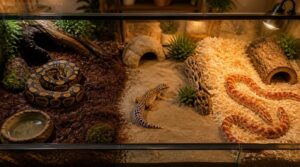
Not every reptile wants the same thing under its belly, and your apartment setup needs to respect that.
A ball python’s humidity requirements look nothing like a corn snake’s dry-zone habits, and a desert species will dig where a tropical one would just get stressed.
Here’s how to match your substrate choice to what your specific pet actually needs.
Ball Python Humidity Needs
Ball pythons aren’t fussy about drama, but they’re picky about moisture: aim for 50–60% ambient humidity, spiking to 70% during shedding.
- Place your hygrometer at snake eye level, not the enclosure floor
- Use coco fiber for stable moisture retention
- Add a damp sphagnum hide for localized humidity zones
Skipping this invites stuck sheds and respiratory infections.
Corn Snake Dry Zones
Corn snakes need a clearly defined dry zone—60 to 75 square centimeters for juveniles, scaling up with size. Use coco fiber or dry aspen as moisture-wicking substrates; skip anything damp or dusty.
Keep basking temps at 32–34°C, ambient down to 24–27°C. This thermal gradient helps with digestion and prevents impaction risk. Separate dry zones from humid hides—shedding microclimates belong elsewhere in the enclosure.
Boa Constrictor Bedding Depth
Two inches works for hatchling boas, but adults need 3 to 4 inches for real burrowing and thermal retreats. Stay under 4 inches, though—deeper bedding risks entrapment if your snake flips during handling.
Check tunnels weekly for stability, since collapsed burrows create stress and uneven microhabitat temperature gradients. Loose substrate that’s too deep also raises impaction risk during feeding.
Tropical Reptile Moisture Needs
Rainforest floors don’t just stay damp—they stay damp and breathing, which is exactly what your tropical species needs replicated at home. Target 60–85% humidity with coconut fiber or sphagnum moss for consistent moisture retention.
Build a microclimate gradient:
- Misty canopy corners near foliage
- Drier basking perches
- Damp humid hides for shedding cycles
- Ventilated zones preventing mold
Proper hydration helps digestion and smooth ecdysis—watch for retained eye caps as a red flag.
Desert Reptile Digging Needs
Desert species dig for survival, not entertainment—Ideal Burrow Depth runs 12 inches minimum, 18+ for heavy diggers. Use coarse play sand mixed with clay or coconut fiber for Stable Tunnel Construction that resists cave-ins.
Deep substrate gives Microclimate Temperature Buffering, staying 5-10°C cooler underground. This satisfies natural Digging Instinct Enrichment while Preventing Substrate Collapse—critical for substrate safety and avoiding impaction risk.
Humidity Control in Apartments
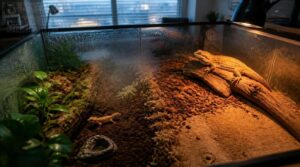
Apartments run drier and more inconsistent than most reptiles want, thanks to central heat and AC fighting each other year-round. Getting humidity right isn’t just about misting more—it’s about picking substrate that holds moisture where you need it and lets go of it where you don’t. Here’s what that actually looks like in practice, zone by zone.
Moisture-retentive Bedding
Your apartment’s dry HVAC air fights tropical species constantly, which is why moisture-retentive substrates matter so much. Coconut fiber and cypress mulch work hygroscopically, absorbing water then releasing it slowly instead of dumping it all at once. Particle size and porosity control release rates: finer coir holds humidity longer.
Coconut fiber even carries mild antifungal properties, while peat-based mixes need pH buffering to stay reptile-safe.
Dry and Damp Zones
One tank, two climates. Split your enclosure into a drier basking side and a damp hide zone using substrate pairing—sand-coco blends up front, moss-packed coco in back.
- Under 50% RH: dry zone
- 60-80% RH: damp zone
- Two hygrometers minimum
- Check daily for microclimate stability
- Adjust misting, never soak both sides
This humidity gradient setup builds real moisture buffering into your reptile enclosure.
Humid Hide Support
Your damp zone works harder with a dedicated humid hide inside it—this is where shedding cycle support actually happens. Pack it with damp sphagnum moss, targeting 65%-70% internal humidity.
| Hide Material | Moisture Behavior |
|---|---|
| Sphagnum moss | Holds 20x its weight |
| Ceramic/terracotta | Slow, steady release |
| Sponge system | Needs replacement every 2-4 weeks |
Check internal humidity weekly; dysecdysis often starts here.
Mold Prevention Checks
Give that humid hide a weekly surface inspection—squeeze the moss; if water beads out, you’ve got moisture buildup that invites mold within 24-48 hours.
Quarantine any moldy substrate immediately in a sealed bag; don’t just scoop and hope. Wipe surfaces with an enzyme cleaner (proven against lingering spores), and watch for ammonia buildup between spot-cleans. Mold isn’t just gross—it’s a respiratory and toxicity risk your reptile can’t shake off.
Hygrometer Placement Tips
Mold checks mean nothing if your digital hygrometer sits somewhere reading fantasy numbers. Mount it at eye level, 4-5 feet up, away from vents and doorway drafts. Skip spots near heaters or sunlit windows—both skew readings high.
Running multiple enclosures? Deploy sensors room-by-room for real microclimate management, not guesswork. Calibrate monthly against a reference unit. Accurate humidity control starts with placement, not just moss.
Odor and Cleaning Performance
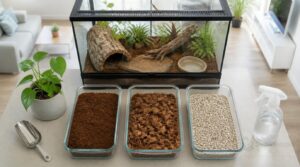
In an apartment, odor control isn’t a nice-to-have—it’s what keeps neighbors and landlords off your back. The right substrate controls waste fast, holds onto smells, and doesn’t turn into a biohazard between cleanings. Here’s how the top picks stack up on spot-cleaning, absorption, and everything in between.
Fast Spot-cleaning
Blot, don’t scrub—that’s rule one for spot cleaning. Enzymatic cleaners break down waste in 3-5 minutes, so pre-treat, blot, and move on.
Carpet substrates need circular motions; hard surfaces want a neutral cleaner and microfiber. Keep a $25/month kit stocked with gloves and cloths.
Ventilate 15 minutes after, dust baking soda, vacuum—odor gone before your next feeding cycle.
Waste Absorption Ability
Not every substrate pulls its weight when a bearded dragon decides to soak its water dish sideways. Liquid wicking efficiency separates the winners: coconut husk absorbs 2-5 times its dry weight, sphagnum moss up to 10 times. Clay-based mixes wick moisture downward, cutting surface puddling fast.
Better moisture retention ratios mean stronger ammonia trap effectiveness—your real defense in tight apartment air.
Full Substrate Replacement
Eventually every enclosure needs a clean slate, not just a spot-clean. Full substrate replacement means pulling everything, sterilizing surfaces, then rebuilding fresh—budget 1 to 2 hours downtime.
Match thickness to species: ball pythons want 2-4 inches, tropical species 1-2. Watch post-replacement humidity closely, and seed beneficial bacteria using old substrate to jumpstart your biofilter.
Odor-reducing Additives
Small apartments trap smells fast, so mineral adsorbents like zeolite and activated carbon earn their keep, trapping ammonia at the molecular level.
Probiotic additives introduce Bacillus strains that outcompete odor-causing bacteria, while enzymatic formulas break waste down before it stinks.
Essential oil blends mask remaining odors safely—just use sparingly, since reptiles’ respiratory systems are sensitive.
Quarantine Bedding Options
New arrivals need a clean slate, not a decorative one.
Paper towel or newspaper wins here: dust-free, inert, and lets you inspect waste at a glance.
- Zero fiber-shedding risk
- Fast full changes
- Cheap, replaceable weekly
- Easy moisture checks
- No aromatic oils
Skip fancy blends until quarantine clears—sanitation and health monitoring matter more than aesthetics right now.
Safety Risks to Avoid
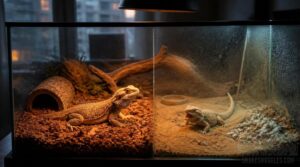
Not every substrate on a pet store shelf belongs in your reptile’s tank, and some choices can turn a cozy enclosure into a health hazard fast. In small apartments especially, ventilation is limited, so what you put underfoot matters even more. Here are the five risks worth knowing before you buy.
Cedar and Pine Shavings
Cedar and pine shavings might smell like a woodsy candle shop, but that aroma comes from toxic phenolic oils that irritate reptile lungs. Cedrene and cedrol trigger coughing, wheezing, chronic respiratory distress—especially in enclosed apartment habitats with poor airflow. Dust inhalation compounds the risk. Cedar’s natural insect-repellent properties don’t offset the danger. Skip both entirely; your reptile’s respiratory health isn’t worth the gamble.
Cedar and pine may smell nice, but their toxic phenolic oils can leave your reptile’s lungs paying the price
Calcium Sand Risks
Calcisand looks clean but poses real digestive impaction dangers—reptiles lick or ingest it while grooming or hunting. Fine particles turn airborne during cleaning, risking inhalation for you and your pet. Calcium carbonate dilutes stomach acid, disrupting digestion and nutrient balance.
Watch for reduced defecation or bloating; substrate impaction sometimes demands surgery. Skip it—monitor reptile health closely if switching substrates.
Mold-prone Damp Aspen
Aspen shavings feel cozy and natural, but apartment humidity turns them risky fast. Once damp, aspen creates hidden moisture pockets where mold colonizes within 24-48 hours at 60-80% humidity—gray-green fuzz, musty smell, the works.
That mold isn’t just gross; some strains release mycotoxins, triggering dysecdysis, respiratory irritation, even infection. Check weekly, swap fully every 4-8 weeks, and keep enclosures ventilated.
Reptile Carpet Concerns
Reptile carpet looks tidy, but loose fibers get chewed and swallowed, causing ingestion blockages that sometimes need surgery. Uncleaned seams trap moisture, breeding mold and bacterial biofilm within days.
Fiber shedding irritates mouths and throats over time. Since washing demands frequent, thorough cleaning—not just a rinse—many apartment owners underestimate the sanitation effort real carpet upkeep actually requires.
Treated Wood Hazards
Carpet’s a nuisance, but treated wood is a genuine toxin risk. Toxic phenolic oils in cedar and pine shavings cause aromatic phenols to off-gas, triggering reptile respiratory distress. Pressure-treated lumber adds arsenic leaching risks near contact points.
- Never use cedar/pine shavings
- Skip pressure-treated wood décor
- Watch for preservative offgassing in new pieces
- Ventilate well
- Avoid ingestion/impaction risks
Chemical exposure pathways matter more than looks.
Apartment Buyer Decision Guide
Picking the right substrate isn’t just about the reptile—it’s about your square footage, your budget, and how much cleanup you’re willing to do each week. Every apartment setup comes with its own limits, and the right bedding choice should work with those, not against them. Here’s what to weigh before you buy.
Budget Per Enclosure
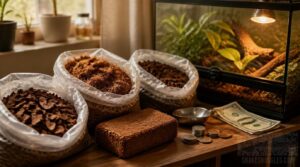
Substrate Replacement Cycles hit your wallet harder than the bag price ever will. A $15 coconut fiber brick that lasts 8 weeks beats a $6 bag needing biweekly swaps.
Run the math: 2-4 bags per enclosure, bulk purchase savings of 10-40%, plus shipping fees eating another 5-15% online. Compare unit price, not sticker price—that’s real long-term value.
Storage Space Limits
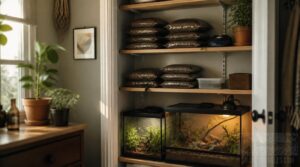
Eight liters per rack unit sounds generous—until you’re staring at a 20-liter bulk bag with nowhere to put it. Volume constraints dictate everything for small-space setups: stick to 5-10 liter compact bags, or grab a compressed brick that expands only when you’re ready.
Vertical stacking helps, but respect shelf weight limits (8-12kg) and cap modular bin systems at 36 inches for safe reptile bedding storage.
Species-specific Priorities
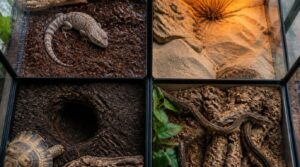
Not every enclosure needs the same bag of bedding. Match substrate to biology first, budget second:
- Tropical humidity levels call for coconut fiber holding moisture for shedding support
- Desert drainage needs favor sand-topsoil blends preventing impaction risks
- Burrowing depth requirements mean 4-6 inches minimum for tunneling species
- Arboreal climbing texture matters more than depth for tree-dwelling snakes
Natural Look Preferences
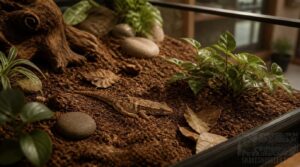
Your reptile isn’t a decoration, but let’s be honest—you still want the enclosure to look good.
Earth tone palettes in taupe and soft brown hide waste better and won’t clash with décor. Skip chunky, multicolored mixes; matte finish benefits include less glare on scales.
Even textures mimicking leaf litter give that "found in nature" vibe without looking staged.
Long-term Maintenance Cost
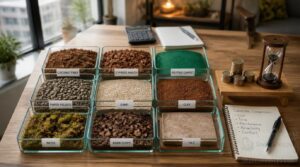
Cheapest per bag isn’t cheapest per year—that math trips up most first-time buyers.
- Replacement frequency drives cost more than sticker price
- Bulk buying saves 10-15% but eats storage space
- Utility bills shift 5-15 USD monthly with dry substrates
- Labor time adds up: 15-60 minutes per full change
The best reptile substrate balances upfront price against replacement frequency impacts, additive expenses, and cleaning time saved.
Frequently Asked Questions (FAQs)
What kind of reptile is best for an apartment?
Small can mean spacious for space-saving species like leopard geckos or crested geckos—quiet, low-odor, and apartment-friendly.
Their compact husbandry needs, minimal noise, and easy daily maintenance make them ideal roommates for shared walls and small-space setups.
What type of substrate is safe for reptiles?
Safe means non-toxic material selection—no cedar or pine’s toxic phenolic oils—low dust for respiratory health, and no fine particles risking ingestion impaction.
Good terrarium bedding stays easy to clean, supporting solid reptile husbandry without daily guesswork.
What is a cheap substrate for reptiles?
Pine shavings run under $3 a bag, but coco coir and coconut fiber blocks (around $6–10) offer better low-cost moisture retention.
Paper bedding gives disposable substrate value for affordable species matching — check reptile supplies retailers for bulk buying benefits.
How can I make homemade reptile substrate?
Building your own "earth from scratch" mix gives you full control: mix pesticide-free topsoil with coco coir and sand for drainage, add sphagnum moss for humidity, then sterilize briefly before layering in your enclosure.
How do I dispose of substrate without violating lease agreements?
Bag dried substrate, get written landlord approval for disposal method, and check local waste laws first. Document dates and photos.
Avoid dumpsters unless permitted—damp or moldy substrate often needs hazardous handling, not regular trash pickup.
Can I use substrate in enclosures without ventilation systems?
Yes, but choose wisely—it’s not one-size-fits-all. Pick airflow-promoting substrates like coconut chip over sphagnum moss to prevent anaerobic pockets and ammonia buildup; layer thin dry tops over moist bases to manage moisture-retention trade-offs without sacrificing indoor air quality.
Conclusion
Getting to the root of good bedding means thinking small, not settling small. The best reptile substrate for apartment living never demands more square footage than you have—it demands smarter choices.
Coconut fiber compresses. Cypress breathes. Moss holds moisture without holding mold.
Match the substrate to your reptile’s needs, not your closet’s limits, and both your enclosure and your lease stay in good standing.