This site is supported by our readers. We may earn a commission, at no cost to you, if you purchase through links.

A baby rattlesnake takes its first breath and its mother sticks around, sometimes for two whole weeks. That’s rare in the snake world. Most hatchlings crawl out of their shell, flick their tongue once, and slither off alone within hours.
So do baby snakes stay with their mother? For the vast majority, the answer is a flat no. No feeding lessons, no cuddles, no lingering goodbyes. Just instant independence and a body already wired for survival.
A handful of species break that mold though, and their stories reveal something wild about how snakes evolved to raise, or abandon, their young.
Table Of Contents
- Key Takeaways
- Do Baby Snakes Stay With Their Mother?
- Which Snake Mothers Stay With Babies?
- How Long Do Mother Snakes Stay?
- How Baby Snakes Survive Alone
- Why Snake Maternal Care is Rare
- Frequently Asked Questions (FAQs)
- How long do baby snakes stay with mom?
- When you see a baby snake, is the mother nearby?
- Can a baby snake survive without its mother?
- I found a baby snake in my house. What does it mean?
- Are baby snakes venomous?
- How can I tell the difference between a baby snake and an adult snake?
- Do baby snakes require special care or handling?
- How do baby snakes survive in the wild?
- Do mother snakes recognize their own babies?
- Can baby snakes bond with humans after hatching?
- Conclusion
Key Takeaways
- Most baby snakes are on their own the second they’re born or hatched, with no feeding lessons or cuddles from mom.
- A few standout species buck the trend: rattlesnake moms guard their babies for 1-2 weeks until the first shed, and Southern African python moms brood eggs and hatchlings for warmth.
- Even in caring species, "parenting" mostly means guarding and warmth, not teaching, since babies are born with working venom, camouflage, and hunting instincts already switched on.
- Snakes skip parental care because sticking around burns energy and attracts predators, so quick independence actually boosts survival odds.
This instinctive independence raises an interesting question, and whether baby snakes ever stay close to their mother is worth exploring for anyone curious about reptile parenting.
Do Baby Snakes Stay With Their Mother?
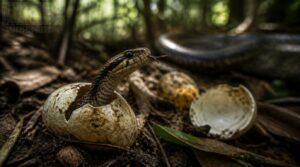
Short answer: no, not usually. Most baby snakes are on their own the moment they hatch or slither out. Here’s what that independence actually looks like.
If you’re raising one yourself, this guide to caring for newborn snakes after hatching walks through what they actually need in those first vulnerable weeks.
Most Leave Immediately
Picture a snake hatching, then vanishing into the grass within hours. That’s the norm, not the exception.
Immediate independence kicks in fast, driven by:
- Prey availability
- Predation risk
- Temperature
- Habitat fragmentation
- Shelter access
No goodbyes, no lessons. Juvenile dispersal starts before you’d even notice mom left.
Egg Layers Versus Live Bearers
Not all snake moms exit the same way. Egg layers dump eggs in warm soil and walk off, leaning on the sun for incubation. Live bearers carry young inside, offering warmth but still no babysitting after birth. In fact, rattlesnakes rely on ovoviviparous reproduction, giving birth to young that are immediately independent and capable of defense.
| Type | Investment | Survival Strategy |
|---|---|---|
| Egg layer | Low | Many eggs, self-reliant |
| Live bearer | Higher | Fewer, sturdier young |
No Feeding or Hunting Lessons
Whether an egg layer or live bearer, neither type sticks around to show babies the ropes. There’s no hunting school here.
Offspring rely purely on instinctive hunting, striking prey through trial and error from day one. Innate feeding cues and sharp prey detection do the heavy lifting, no lessons required.
Independence From Birth
No lessons needed though. These little guys are precocial from the jump, born live or hatch from eggs already fending for themselves.
- Instant camouflage kicks in
- Venom ready to strike
- Sunlit spots for warmth
- Scent trails toward prey
- Quick escapes from danger
Independent thermoregulation, predator avoidance, immediate dispersal. It’s all built in, no training wheels required.
Even species like rattlesnakes and pythons that stick around briefly don’t teach survival skills—as this guide to how long baby snakes stay with their mother explains, that short window is more about proximity than parenting.
Which Snake Mothers Stay With Babies?

So who actually sticks around? A handful of species break the rule and stay close for a while. Here are the moms that buck the trend.
Rattlesnakes Guard Newborn Broods
Rattlesnakes actually stick around, and that surprises people. Moms pick sheltered rocky spots or thick brush, then stay put with the brood.
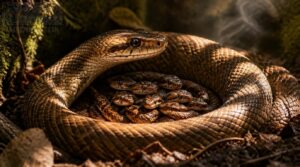
She’ll coil around newborns as a living shield, rattling or striking if predators creep close. She also nudges them toward sunlit patches for warmth.
That guarding job wraps up once babies get their first shed.
Southern African Python Brooding
Down in rocky crevices and burrows, Southern African Python moms take brooding seriously. Nest site selection targets spots holding 28-32°C. She coils tight around her clutch for temperature regulation, even darkening her skin to soak up extra heat.
That’s dedication most egg layers skip entirely. Unlike viviparous species carrying live young, she’s babysitting eggs for months straight.
Viper Maternal Protection
Some vipers skip the babysitting act but still bring the muscle when it counts. Maternal coiling behavior keeps neonates shielded right after birth, with strikes and gapes as backup. It’s brief, born from a defensive posture more than tenderness. Viper neonate defense buys just enough time before the young scatter and go it alone.
Cooperative Brood Care
Some pit vipers don’t go it alone. Females take turns on watch, a setup you could call shared nesting duties. This communal brood guarding spreads the workload, so no single mother wears herself out defending the brood. Think of it as a babysitting co-op, snake style, built on kin-based care more than warm fuzzies.
Egg Guarding Versus Newborn Care
Two totally different jobs, really. Egg guarding means sitting tight through incubation, no food, just heat and defense until hatching.
Newborn care starts after birth, live bearers skip the egg stage entirely. Guarding fights hatchling vulnerability from predators. Newborn care leans more on thermoregulation and quick dispersal. Same goal, survival, just different playbooks depending on how the babies arrive.
How Long Do Mother Snakes Stay?
So how long does this maternal babysitting actually last? The answer changes a lot depending on who’s doing the parenting. Let’s break down the timelines species by species.
Rattlesnakes Until First Shed
A newborn rattlesnake can’t even rattle yet, so mom sticks around. She stays coiled nearby for 1 to 2 weeks, right until that first shed happens.
That shedding window is the danger zone. Babies lean hard on camouflage to survive, and having mom close by just ups the odds they make it to independent life.
Python Care After Hatching
Pythons play a longer game. Southern African python moms coil around eggs for the whole incubation period, then keep brooding hatchlings for about two weeks after they emerge, darkening their skin to soak up extra heat and pass it along.
That’s maternal heat transfer at work, and it beats independent hunting for a newborn still figuring out its own thermostat.
Hours, Days, or Weeks
So how long does maternal care actually last? It’s all over the map.
Rattlesnake First Shed wraps things up in 1-2 weeks. Python Hatchling Care runs about two weeks post-hatching. Viper Protection Period is brief.
Most snakes skip care entirely, going straight to neonate dispersal and independent survival within hours.
Species and Habitat Differences
Habitat shapes how much care makes sense. Desert snake adaptations favor burrows over babysitting. Tropical python habitats offer steady warmth, less urgent guarding. Aquatic snake thermoregulation relies on water, not mom. Island venom variation reflects prey limits, not parenting.
3 factors driving the differences:
- Climate stability
- Predation pressure
- Prey availability
Arid climate burrow use often replaces maternal presence entirely, proving snake independence beats geography every time.
When Baby Snakes Disperse
So when does the goodbye actually happen? Timing depends on species, but first shed is usually the trigger. Once that skin comes off, the baby’s on its own, hunting and thermoregulating independently.
Habitat plays a role too. Snakes in unstable environments or areas facing habitat loss disperse faster. Survival doesn’t wait around.
How Baby Snakes Survive Alone
So most baby snakes are on their own from day one. No mom, no manual, no problem. Here’s exactly what lets them handle it.
No mom, no manual, no problem—baby snakes are wired from birth to survive completely on their own
Hunting Without Parental Teaching
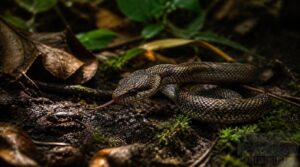
No mom, no manual, no problem. Baby snakes hunt using instinctive tactics, not lessons.
- Ambush strikes without practice
- Camouflage that blends instantly
- Hunger pushing early independence
- Trial and error building skill
Hunger drives them fast into solitary lives. They stumble, they learn, they eat. That’s the whole curriculum.
Venom Active From Birth
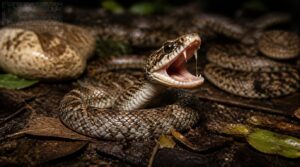
Skip the training wheels. In venomous species, fangs are functional at birth, loaded and ready to fire on day one.
Venom potency in newborns often matches adult composition, with fast-acting toxins built for immediate prey subdual. That’s plenty to handle predator threats and start independent hunting within hours, no practice runs needed.
Camouflage and Defensive Instincts
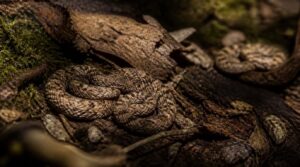
No one taught these snakes to hide, yet they’re already pros. Newborns come loaded with camouflage tactics: background matching, disruptive coloration, countershading, textured mimicry, and shadow concealment.
- Match leaf litter
- Break up their outline
- Lighten bellies, darken backs
- Mimic bark texture
- Flatten to erase shadows
Add defensive behaviors like freezing still, and predator avoidance becomes instinct, not lesson.
Independent Thermoregulation
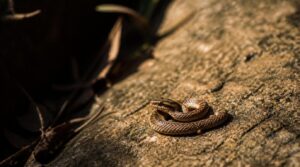
Cold-blooded doesn’t mean helpless. Baby snakes handle independent thermoregulation through pure instinct, basking on sunlit rocks until their body hits 30-34°C.
Microhabitat selection matters too. They shuttle between warm patches and shady refuges, soaking up solar radiation, then retreating before overheating. No mother required, just smart movement and survival instincts doing the heavy lifting.
First Shed and Feeding
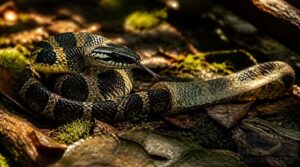
Growing up fast starts with a shed. Most hatchlings shed within 1 to 2 weeks, shedding that old membrane and sharpening true colors underneath.
Right after, hunger kicks in hard:
- Feeds every 2-4 days
- Targets lizards, insects, baby rodents
- Strikes with fully functional venom
No mother’s teaching this. Just raw instinct, faster metabolism, and independent hunting driving juvenile snake survival forward.
Why Snake Maternal Care is Rare
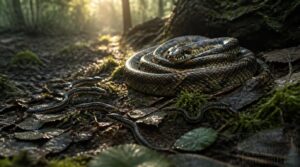
So why don’t more snake moms stick around? Turns out nature ran the numbers, and sticking around just doesn’t pay off for most species. Here’s the science behind the split.
Precocial Development Explained
Baby snakes hit the ground running, literally. Biologists call this precocial development, meaning young are mobile and self-sufficient almost immediately.
| Precocial Trait | What It Means |
|---|---|
| Open eyes | Ready to spot prey/threats |
| Full scales | No fragile "baby" stage |
| Instinctive strikes | Hunt without lessons |
This ecological independence explains why snake ontogeny skips the cuddly phase entirely.
Energy Costs of Parenting
Skipping the cuddly phase saves real energy. Shivering thermogenesis burns serious calories, and basking for warmth pulls a mother away from hunting. Python moms darkening their skin to soak up heat is metabolically expensive work.
That’s a steep price for a body already drained from egg-laying. Skipping it frees up energy for the next clutch instead.
Predation and Survival Trade-Offs
Sticking around isn’t free. A lingering mother draws predators right to the nest, trading her safety for a few extra days of guarding.
That’s why quick dispersal often wins. Less time exposed means better neonatal survival rates, even without mom around.
- Predator attraction near nests
- Faster dispersal, lower risk
- Energy saved equals safety gained
- Independent hunting starts fast
- Camouflage beats company
Reproductive Strategy Differences
Here’s the biology behind it. Snakes lean R selection: lots of babies, low care, high losses. Compare that to K selection species like elephants, few offspring, heavy investment.
Egg layers save energy but risk the nest. Live bearing snakes pay upfront, then dip out. Even cooperative breeding cases stay short and limited.
Snake Family Myths Debunked
That R-selected strategy explains a lot, and it busts some maternal care misconceptions too. No, snake moms don’t teach hunting. No secret nests full of siblings. Those are just snake parenting myths.
Neonatal survival realities are simpler: instinct over affection. Family bonding fallacies fade once you see snake independence in action, hardwired from day one, no parental care needed.
Frequently Asked Questions (FAQs)
How long do baby snakes stay with mom?
Don’t expect a long goodbye. Most moms slither off fast, but rattlesnakes stick around up to two weeks for guarding period and shedding, while pythons brood eggs, then hatchlings gain quick, independent survival.
When you see a baby snake, is the mother nearby?
Probably not. Most snake mothers vanish within hours of birth or hatching, no scent trails or calls to follow. These precocial young are built for solo survival from day one, mom or no mom.
Can a baby snake survive without its mother?
Yes, and it’s tougher than you’d think. With functional venom at birth, sharp instincts, and zero training, snake offspring hunt, hide, and thermoregulate solo, proving independent survival kicks in almost immediately after they part ways.
I found a baby snake in my house. What does it mean?
That baby snake wasn’t dropped off by mom. It slipped in alone through a gap or crack, likely chasing rodents. It’s fully independent, no guidance needed. Skip handling, snap a photo, and call a professional for identification.
Are baby snakes venomous?
Small but already dangerous, that’s the paradox of a newborn snake. Venomous baby snakes hatch with functional fangs and working venom glands, ready for venom delivery in newborns strong enough to drop prey or answer predator threats from day one.
How can I tell the difference between a baby snake and an adult snake?
Check for a visible egg tooth on the snout, a telltale sign of newly hatched or born snakes. Compare size, brighter juvenile colors, proportionally larger head, rounder eyes, and crisper scale patterns against typical adult traits.
Do baby snakes require special care or handling?
Most hatchlings need stable temps (75-90°F), 50-70% humidity, and minimal handling. Feed every 5-7 days and monitor health closely since independent survival still means fragile early weeks.
Species with maternal care, like African Rock Pythons, need gentler contact.
How do baby snakes survive in the wild?
Survival comes down to instinct, not schooling. From the moment they’re born, snakes use innate camouflage, functional venom, and sharp hunting reflexes to feed, hide, and disperse fast, all without a shred of maternal guidance.
Do mother snakes recognize their own babies?
Not really. Snake maternal behavior skips individual identification. No chemical signals mark specific offspring, no parental memory forms. Mothers respond to babies in general, not "hers" specifically, proof that snake mother-offspring bonding runs on instinct, not recognition.
Can baby snakes bond with humans after hatching?
Sort of. It’s not real affection, but scent recognition and routine-based trust build calm familiarity. Gentle, low-frequency handling and watching stress signs help baby snakes tolerate you, though tolerance varies wildly by species.
Conclusion
Ready to picture a rattlesnake curled around her babies like a scaly bodyguard? That image sticks with you for a reason.
So do baby snakes stay with their mother? Mostly, no. They’re hatched to hunt and built for solo survival within hours.
But rattlesnakes, pythons, and a few vipers prove nature loves exceptions. Whether alone or guarded, every baby snake carries the same wiring: instinct over instruction.
That’s the real takeaway slithering through this whole story.