This site is supported by our readers. We may earn a commission, at no cost to you, if you purchase through links.

Selling a pet snake isn’t like posting an old bike on Craigslist. One missing shed record or an unclear morph name can tank a sale, and shipping a ball python to a buyer in a state that restricts the species? That’s a legal headache waiting to happen.
The good news: a healthy snake with a clean vet check and a solid feeding log is your golden ticket to finding a responsible new home fast.
Below, you’ll learn how to sell your pet snake the right way, from health prep and pricing to safe transfer and post-sale support.
Table Of Contents
- Key Takeaways
- Prepare Your Pet Snake for Sale: Health Checks and Care Records
- Set a Fair Price and Write an Accurate Snake Sale Listing
- Top 3 Items to Consider Including With Your Pet Snake’s Sale
- Where to Sell Your Pet Snake Legally and Find Responsible Buyers
- Safely Transfer Your Snake and Support Its New Owner
- Frequently Asked Questions (FAQs)
- How can I sell my pet snake?
- How much can I sell a snake for?
- How do I get rid of my pet snake?
- Where do I sell my snake?
- How can I sell a snake?
- How should I advertise a snake?
- Can you give a snake away for free?
- How to start a snake breeding business?
- When should you invest in snakes?
- How do you sell a pet snake?
- Conclusion
Key Takeaways
- Before listing your snake, get a pre-sale vet checkup with a fecal exam and compile health, feeding, and care records, since documented paperwork builds buyer trust and speeds up the sale.
- Price your snake accurately by confirming the exact species and morph, then compare recent sales on MorphMarket and FaunaClassifieds, noting that normal ball pythons typically sell for $50–100 while rare morphs can exceed $1,000.
- Sell legally through reptile-specific platforms like MorphMarket, FaunaClassifieds, Kingsnake.com, expos, or herpetological societies rather than Craigslist, and check your state’s wildlife rules first since some species require permits or paperwork.
- Ensure a safe transfer by screening buyers about their setup and experience, shipping in a breathable bag inside a locked container kept under 30°C, and providing a vet health certificate, care notes, and post-sale support for the first month.
Prepare Your Pet Snake for Sale: Health Checks and Care Records
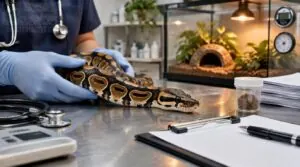
Book a vet checkup before you list your snake. Ask the vet to check the respiratory system, mouth, and scales, and to run a fecal exam for internal parasites. Request a copy of the results. Buyers trust paperwork, and so will you.
If you’ve never handled a vet visit for a reptile before, this beginner’s snake care guide walks you through what to expect. If it’s your first reptile vet appointment, what to expect at a new reptile visit covers the basics so you know what questions to ask.
Get a pre-sale vet checkup with a fecal exam and keep the results, because buyers trust paperwork
Next, pull together your snake’s health history and medical records. Include weight, shedding dates (note any retained eye caps), and a feeding log with prey type, size, and refused meals.
Write down the care requirements you follow: basking and cool spot temperatures, humidity, and how often you clean the enclosure. Proper care is easy to prove when it’s on paper.
If your snake is wild-caught or its origin is unclear, quarantine it from other reptiles first. Watch for lethargy, weight loss, odd feces, or wheezing, and log your start and end dates.
Set a Fair Price and Write an Accurate Snake Sale Listing
Your vet records and care logs are ready, so now it’s time to put a number on your snake. Start with species identification. Confirm the exact species and morph name, because mislabeled genetics cause disputes fast.
Next, check fair market value. Browse recent MorphMarket and FaunaClassifieds sales for similar morphs, ages, and sizes. Rare morphs can command big premiums, while common ones and older snakes sit lower. For a clearer baseline, normal or wild-type ball pythons usually sell for $50 to $100, while rare morph prices can climb from $300 to well over $1,000 depending on genetics and breeder lineage.
Smart pricing strategies start with a firm minimum based on your costs and proper care. Then leave room to negotiate.
Your listing should include:
- Morph name, sex, exact age, and current weight
- Feeding schedule and your care requirements
- Clear photos of the full body and head pattern
- Honest notes on any health or behavior quirks
Be accurate, and buyers will trust you.
Top 3 Items to Consider Including With Your Pet Snake’s Sale
Want to make your sale irresistible? Throwing in a few starter supplies can be a real major advantage for buyers who want everything ready to go. Here are three items worth considering before your snake slithers off to its new home. A complete reptile starter kit bundles the essentials, so buyers get a tank, heating, and hides without hunting everything down separately.
And if you’re still deciding where to find your snake in the first place, this guide on where to buy a pet snake breaks down the pros and cons of expos, breeders, and pet stores.
1. Coconut Fiber Substrate 3 Pack
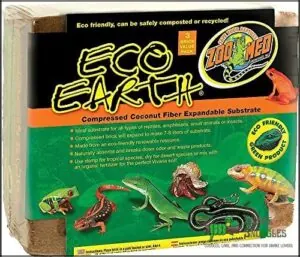
Picture a buyer lifting the lid to find soft, soil-like bedding that looks straight off the jungle floor. That’s the power of a Zoo Med Eco Earth 3-pack.
- 7-8 liters per brick when hydrated
- Locks in humidity for tropical species
- Absorbs odors between cleanings
- 100% natural, compostable coconut husk
- Lets snakes burrow naturally
This coconut fiber substrate shows serious substrate quality. Your thoughtful habitat setup proves proper care, and buyers notice. A true essential upgrade for your enclosure setup.
If you’re wondering whether this substrate is right for your particular species, our guide on whether coconut fiber is safe for snakes breaks down the humidity and maintenance details worth checking first.
2. YETI Boomer 8 Dog Bowl
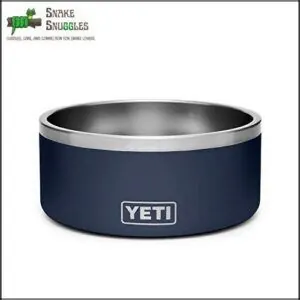
Next up, the YETI Boomer 8 Dog Bowl. Don’t let the name fool you, because this stainless steel stunner isn’t just for pups, it’s a serious hydration upgrade for your snake. You get an 8-cup capacity, so your slithery friend has plenty of room to drink and soak, and you’ll love watching buyers spot it during enclosure tours.
What makes it a winner? The heavy build prevents tipping, the navy finish looks sharp against any habitat, and the 8-cup size suits adult dogs and larger snakes alike. Just note it’s hand wash only and comes in navy alone. At around $30, this bowl signals real investment in care. Buyers notice quality gear, and quality gear sells snakes.
- 8-cup capacity offers plenty of room for drinking and soaking
- Heavy stainless steel build prevents tipping
- Keeps water cold and looks sharp in any enclosure
- Only available in navy color
- Requires hand washing for maintenance
- Marketed for dogs, so not purpose-built for reptiles
3. 67 Gallon Reptile Glass Terrarium
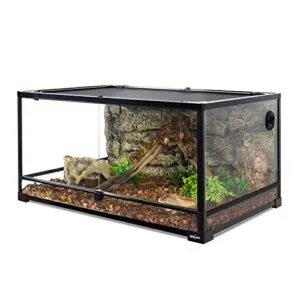
The terrarium you bundle with your snake can seal the deal. The 67-gallon reptile glass terrarium (model RK0134) measures 36 x 24 x 18 inches and shows buyers you took your pet’s housing seriously.
Its double front doors open separately, so feeding or spot-cleaning is quick and stress-free. The raised bottom frame fits a substrate heater, helping you maintain a proper heat gradient. A tough screen top provides ventilation while letting UVB and infrared light through, and the waterproof base suits both desert and rainforest setups.
Pair that heater with a thermostat to hold 85-90°F on the warm side, and see what corn snake starter kits for classroom pets often miss.
Yes, it requires some assembly, but instructions are included. A clean, crack-free tank like this tells buyers your snake lived in safe, hygienic comfort, and they’re buying peace of mind too.
- Double front doors open separately for easy feeding and access
- Raised bottom frame fits a substrate heater, supporting a proper heat gradient
- Tough screen top provides ventilation while letting UVB and infrared light through
- Requires assembly and disassembly
- Indoor use only
Where to Sell Your Pet Snake Legally and Find Responsible Buyers

Legal considerations come first, so check your state’s wildlife agency rules before you list. Some states restrict native species sales or require permits, and a few, like Delaware, want paperwork for non-native reptiles. Skip Craigslist and Facebook. Instead, hit the reptile-friendly marketplaces: MorphMarket, FaunaClassifieds, and Kingsnake.com. These platforms attract serious herpers, offer buyer feedback systems, and support verified accounts, making buyer screening a breeze. They even partner with reptile shippers for easy transport.
Don’t sleep on offline options, either. Reptile expos put you face-to-face with educated buyers, and local herpetological societies can rehome your snake through trusted member networks. Some reptile stores accept consignments, too. Wherever you sell, ask about the buyer’s enclosure setup and experience. Responsible ownership starts with you, and a good match is your golden ticket. Browse reptile forums, share a written guide with your snake’s care records, and you’ll find a keeper, not just a buyer.
Safely Transfer Your Snake and Support Its New Owner

Worried about your snake’s health and safety after it leaves your hands? Don’t stress, you’ve got this.
A vet check, clean fecal exam, and written feeding records are your golden ticket. Then nail the transfer: a breathable bag inside a locked container, heat kept under 30°C, and a hide with familiar substrate to keep your snake calm.
Screen your buyer carefully. Responsible rehoming starts with buyer screening, so ask about their setup, vet access, and experience before you commit.
Your winning transfer checklist:
- Vet health certificate within one week of sale
- Transportation equipment tested for safe temps
- Full diet, humidity, and temperature notes
- Postsale support promise for the first month
That’s proper health documentation in action. A real difference-maker, right?
Frequently Asked Questions (FAQs)
How can I sell my pet snake?
Selling your snake is straightforward: document vet checks, set a fair price, list online or at expos, and arrange secure transport. Use payment protection and a care sheet for responsible rehoming.
How much can I sell a snake for?
A snake sheds its skin; your asking price sheds guesswork. Common ball pythons fetch $20–100, corn snakes $100–400, and rare morphs hit $60, Check current market values, then stay flexible during price negotiation.
Because prices vary so widely by species and morph, a breakdown of average pet snake costs with 17 examples helps you set a realistic starting price.
How do I get rid of my pet snake?
Great news: you’ve got options! Never release it into the wild. Rehome responsibly through a licensed rescue, sanctuary, or vetted buyer, keeping documentation health records ready and verifying local laws first. Easy, safe, done.
Where do I sell my snake?
Start with MorphMarket, the top reptile marketplace, or try reptile expos, FaunaClassifieds, and Kingsnake.com. Local Facebook groups, reptile forums, and nearby breeders can also connect you with responsible buyers fast.
How can I sell a snake?
Selling a snake starts with research: compare platforms like MorphMarket, reptile forums, and Craigslist, snap clear photos, set a fair price, and screen buyers. Verify legal compliance, share care records, and make sure of a safe transaction.
How should I advertise a snake?
Sure, your snake’s just "a fish photo" away from fame. Snap daylight shots showing true colors, list on reptile marketplaces, herpetological society boards, and social media platforms, then screen buyers carefully for responsible homes.
Can you give a snake away for free?
Technically yes, but here’s the real talk: free adoption options attract impulse takers who skip proper prep. Demand buyer verification, charge a small rehoming fee, and prioritize reptile welfare every step of the way.
How to start a snake breeding business?
Your golden ticket starts with research: study market demand for your species and morph, secure permits, and invest in quality breeding stock. Build proper care setups, network at reptile shows, and prioritize ethical considerations.
When should you invest in snakes?
Invest in snakes when you’ve built solid market knowledge, covered startup costs, and studied specific breeding markets. Target high-demand species and morphs with strong price valuation, plus reliable temperature monitoring for healthy hatchlings.
How do you sell a pet snake?
Selling your snake? It’s your golden ticket! Get a vet check, keep feeding records, price it on MorphMarket, screen buyers carefully, and use transparent communication. Legal compliance plus a health guarantee wins trust.
Conclusion
Here’s a number worth remembering: reptiles can live 20 years or more, so a good sale today shapes decades of care ahead.
That’s why knowing how to sell your pet snake properly matters so much.
Clean records, a fair price, a legal transfer, and a little post-sale guidance aren’t extras, they’re the whole deal.
Do those four things and you’ve done right by your snake.
Its next chapter starts with your diligence, and that’s something to be proud of.