This site is supported by our readers. We may earn a commission, at no cost to you, if you purchase through links.
Your turned its nose up at dinner last night, and now it’s hiding in the corner with eyes that look like frosted glass.
Before you spiral into a Google rabbit hole, take a breath—you’re probably watching a perfectly healthy biological process unfold.
A decreased appetite in a shedding snake isn’t a red flag; it’s the body doing exactly what it’s supposed to do.
The same hormonal shift that triggers new skin growth also slows digestion and dulls hunger.
Knowing the difference between normal and worrying separates confident snake keepers from panicked ones.
Table Of Contents
Key Takeaways
- A shedding snake skipping meals isn’t sick — its body is redirecting energy toward building new skin, which naturally shuts down digestion and hunger for 7 to 14 days.
- Cloudy eyes, dull skin, and hiding are all normal pre-shed signals, not warning signs, so hold off on feeding until 24 to 48 hours after the shed is complete.
- Watch for the real red flags: refusal to eat beyond two weeks post-shed, visible spinal thinning, wheezing, open-mouth breathing, or stuck skin — those warrant a reptile vet, not a wait-and-see approach.
- Keep humidity at 50 to 70%, skip handling during the shed, and track weight weekly — those three habits give you the clearest picture of your snake’s health through every cycle.
Why Snakes Lose Appetite During Shedding
Appetite loss during shedding isn’t something going wrong — it’s your snake doing exactly what its body is built to do. The whole process, from behavioral shifts to digestive slowdown, follows a predictable pattern once you know what to look for.
Watching for the early signs helps you stay ahead of it — a full breakdown of behavioral and physical signs your snake is about to shed makes the whole cycle much easier to read.
Here’s what’s actually happening inside your snake before it sheds its skin.
The Shedding Process (Ecdysis)
Shedding — or ecdysis — is a precisely orchestrated biological reset.
Thyroid hormones trigger a hormonal cascade, kickstarting layer formation beneath the old skin.
A thin fluid separation develops between the layers, temporarily clouding your snake’s eyes.
Once that skin lipid barrier loosens fully, shedding initiation begins: your snake rubs its nose on a rough surface, peeling everything off inside-out.
Understanding this helps you recognize why snake feeding naturally pauses.
The shedding cycle usually lasts 7 to 14 days, as described in the shedding cycle duration.
Natural Behavioral Changes Before Molting
Once that hormonal cascade kicks off, your snake’s whole personality shifts.
Expect these pre-molt behavioral changes:
- Increased Hiding — Your snake disappears for up to 14 days, burrowing deeper as instinct demands safety.
- Reduced Activity and Defensive Aggression — Cloudy eyes impair vision, making even calm snakes strike unexpectedly.
- Moisture Seeking — Snakes actively seek humidity levels and damp hides to loosen separating skin layers.
This behavior aligns with the ecdysis process, a natural molting cycle described in reptile skin studies.
How Shedding Affects Snake Digestion
Your snake’s gut just slow down before a shed — it basically pauses. The body redirects metabolic energy, shifting resources toward producing new skin cells, putting digestion on hold.
Gut motility reduction kicks in 5 to 7 days before molting, halting gastric emptying to prevent regurgitation.
A vision‑induced feeding pause from cloudy eyes, and appetite loss, makes complete sense.
If your snake’s shed has stalled alongside those hunger strikes, safely removing stuck snake shed can help you address both issues before they escalate.
Post‑shed digestive recovery normally restores normal snake feeding within 48 hours.
Typical Shedding Timeline and Eating Patterns
Shedding throws off your snake’s appetite in a pretty predictable way — once you know the pattern, it stops feeling alarming. The timeline breaks down into three clear phases that every snake owner should recognize.
Here’s what to expect at each stage.
Pre-Shed Appetite Drops

Most keepers are caught off guard the first time their snake walks away from dinner — but a hormonal shift during the shedding process is usually the culprit. As ecdysis begins, energy redirects toward building new skin, slowing digestion and killing appetite before you even notice dull scales.
Three things happen fast:
- Vision cloudiness blurs prey detection, making strikes feel risky.
- Skin moisture drops, signaling the body to pause snake feeding.
- Temperature stress compounds appetite loss, suppressing postshed appetite early.
Duration of Appetite Loss

From the first cloudy eye to the final skin pull, appetite loss usually spans 7 to 14 days — though species‑specific fasting and age‑related timing shift that window considerably.
| Factor | Typical Duration |
|---|---|
| Juveniles | 7–10 days |
| Adults | 10–14 days |
| Low humidity | Extends 10+ days |
| High stress | Doubles to ~2 weeks |
Temperature effects and stress prolongation are real — snakes not eating after shed longer than two weeks deserve a closer look at their husbandry setup.
When to Expect Normal Feeding to Resume
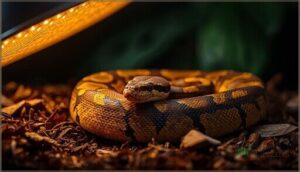
Within 24 to 48 hours after a clean shed, most snakes flip the switch back to full appetite. That’s your post‑shed timing window.
Ball pythons often eat the same day.
Corn snakes stick to their usual feeding schedule regardless.
Watch for feeding cue indicators — active tongue flicking, alert posture, front‑glass positioning.
Warm prey to 100°F for best prey warmth, matching species‑specific recovery needs.
Signs Your Snake’s Appetite Loss is Normal
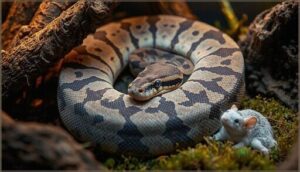
Not every quiet stretch at mealtime means something’s wrong. Your snake’s body sends out some pretty clear signals when appetite loss is just part of the shedding process.
Here’s what normal actually looks like.
Dull Skin and Cloudy Eyes
Two clear signs tell you your snake is in the shedding process: dull, grayish skin and cloudy, bluish eyes. That cloudiness isn’t sickness — it’s fluid building between old and new spectacle layers, causing temporary vision impairment. Appetite loss follows naturally.
Keep humidity levels at 50–70% to support skin hydration and smooth spectacle shedding. Poor humidity risks eye cap retention, which needs a reptile vet.
Reduced Activity and Increased Hiding
During the shedding process, your snake isn’t being lazy — it’s conserving energy for new skin production. Vision impairment from cloudy eyes pushes it toward its favorite hiding spot, usually somewhere tight, dark, and humid.
Ball pythons may disappear for days; corn snakes vary. That retreat, paired with reduced appetite, is normal snake behavior.
Respect the process — it knows what it’s doing.
Lack of Interest in Food or Prey
Your snake ignoring that perfectly thawed mouse isn’t stubbornness — it’s biology. Vision impairment from fluid buildup between skin layers makes accurate striking nearly impossible, while energy reallocation toward skin regeneration suppresses hunger signals entirely. Hormonal shifts and environmental stressors compound the refusal.
A snake’s hunger doesn’t vanish from stubbornness — biology simply redirects its energy toward building new skin
Species variability matters too; most colubrids stop eating 5–7 days before eyes cloud. Appetite loss during the shedding process is expected — snake health stays intact.
When Decreased Appetite Signals a Problem
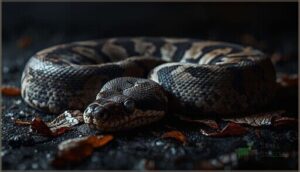
Not every appetite dip during shedding is just "part of the process."
Sometimes it’s your snake’s way of signaling that something’s actually wrong. Here are the key warning signs worth taking seriously.
Prolonged Refusal to Eat After Shedding
Most snakes bounce back within 48 hours post-shed — so if yours is still refusing meals after a full week, something’s off.
Stress triggers like early handling, humidity issues, or incomplete shedding can all stall appetite longer than normal. Health infections and retained skin are common culprits.
For a snake not eating after shed beyond 10 days, reptile care means acting, not waiting.
Weight Loss and Visible Thinning
Some weight loss during the shedding process is completely normal — premolt fluid weight shifts and decreased appetite can drop your snake’s mass by up to 10 percent. Post-shedding rebound happens fast once feeding resumes.
But watch your thinning thresholds: spine visibility is acceptable briefly. Hollowed flanks persisting beyond a week signal a reptile health concern worth addressing.
Other Warning Signs: Lethargy, Labored Breathing, Abnormal Shedding
Beyond thinning, watch for these reptile health red flags during the shedding process:
- Behavioral Lethargy Indicators — limp, unresponsive, no tongue flicking
- Respiratory Distress — wheezing, open‑mouth breathing, mucus at nostrils
- Eye Cap Retention or Skin Retention Patches — stuck skin, cloudy eyecaps post‑shed
Any of these alongside appetite loss means veterinary medicine, not wait‑and‑see.
Supporting Your Snake’s Health During Shedding
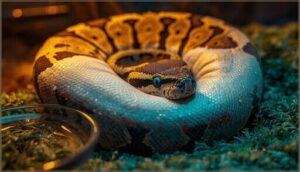
Getting your snake through a shed isn’t just about waiting it out — setup and timing make a real difference. A few key habits can keep things on track and help your snake bounce back faster.
Here’s what to focus on during the process.
Maintaining Proper Humidity and Temperature
Getting humidity and temperature right is the backbone of a clean shed. Aim for a humidity gradient of 50–70%, and place a humid hide on the cool side — this helps the shedding process without adding snake stress from combined heat and moisture.
Thermometer calibration matters too; inaccurate readings mislead you. Mind ventilation balance so moisture doesn’t stagnate.
Offering Food at The Right Time
Once humidity is dialed in, timing your feeding attempts becomes the next lever.
Skip Blue Phase Feeding entirely — impaired vision and slowed digestion make acceptance unlikely.
After a complete shed, wait 24–48 hours, then watch for active tongue‑flicking as your Environmental Cue Feeding signal.
That Observation-Based Offering approach, paired with a Prey Size Adjustment toward slightly smaller meals, protects your snake’s health and keeps the feeding schedule on track.
Monitoring Weight and Behavior
Tracking your snake’s progress doesn’t have to feel overwhelming. A simple Weekly Weighing Protocol — same day, same scale, before feeding — reveals Post‑Shed Weight Trends you’d otherwise miss.
Pair that with a Behavioral Activity Log noting Hide Time Tracking and tongue‑flick frequency. Pre‑Shed Temperature Checks round out your picture.
Together, these habits turn guesswork into genuine confidence about your snake’s health.
When to Consult a Reptile Veterinarian
Sometimes you just know something’s off — trust that instinct. If your snake isn’t eating after shedding and the fast stretches past two weeks, call a reptile vet. Don’t wait on these:
- Persistent weight loss or visible spinal thinning
- Respiratory distress — wheezing, open-mouth breathing, nasal discharge
- Mouth rot, neurological symptoms, or unusual behavior
Veterinary medicine catches what monitoring can’t.
Frequently Asked Questions (FAQs)
Can stress cause prolonged appetite loss in snakes?
Yes. A corticosterone surge from snake stress — triggered by handling frequency, habitat vibrations, or hiding scarcity — can drive stress‑induced anorexia for weeks, seriously threatening appetite loss and overall snake health.
Does shedding frequency change as snakes age?
Like clockwork slowing with age, yes — shedding frequency drops as snakes mature. Hatchlings shed every 10–14 days; adults often only three to six times yearly. Growth rate impact drives everything here.
Should you handle your snake during shedding?
Skip snake handling during the shedding process. Vision impairment clouds their eyes, spikes stress, and risks tearing new skin. Resume normal handling one to two days post-shed.
Can incomplete sheds affect future eating habits?
Retained shed pain and vision impairment can absolutely shift long-term feeding habits.
reliable eater may turn a cautious, sporadic one due to repeated difficult sheds, respiratory complications, or behavioral conditioning from stressful handling.
Do different snake species shed on different schedules?
No two snakes march to the same drummer.
Species shedding frequency varies widely — ball pythons shed every four to six weeks, while adult corn snakes average just four to six times yearly.
Conclusion
Ironically, the snake refusing dinner is healthier than the keeper losing sleep over it. A decreased appetite in a shedding snake isn’t betrayal—it’s biology running its quiet, efficient program.
Your job is simple: maintain humidity, hold off on feeding, and watch for the real warning signs.
Once that fresh skin emerges, appetite returns like clockwork. Trust the process, stay observant, and your snake will handle the rest.
- https://www.oreateai.com/blog/understanding-your-snakes-appetite-common-reasons-for-refusal-to-eat/b286faaaa91296fa52758843430e06bd
- https://huskiecommons.lib.niu.edu/cgi/viewcontent.cgi?article=2157&context=studentengagement-honorscapstones
- https://enviroliteracy.org/animals/does-shedding-make-snakes-hungry/
- https://wholeeartheducation.com/snakes-shedding-skin/
- https://forpetessnakes.ca/2021/05/06/the-snake-shedding-cycle/