
This site is supported by our readers. We may earn a commission, at no cost to you, if you purchase through links.

Your body can survive weeks without food—but that doesn’t mean you should test the theory. The Snake Diet for weight loss takes prolonged fasting to an extreme, pushing followers into 48-hour or longer fasts with minimal eating windows and an electrolyte solution called Snake Juice. Created by Cole Robinson, a self-styled fasting coach without medical credentials, this protocol promises rapid fat loss by forcing your body into deep ketosis.
What sets it apart from mainstream intermittent fasting isn’t just the extended fasting periods—it’s the aggressive restriction that blurs the line between metabolic adaptation and starvation.
The dramatic transformations flooding social media tell one story, but the physiological risks and nutritional deficits tell another.
Table Of Contents
- Key Takeaways
- What is The Snake Diet for Weight Loss
- How The Snake Diet Works
- Weight Loss Results on The Snake Diet
- Health Risks and Side Effects
- Top 4 Products for Snake Diet Support
- Safer Alternatives and Expert Recommendations
- Frequently Asked Questions (FAQs)
- How does the snake diet work?
- Can snake diet help you lose weight?
- Is the snake diet a good diet?
- Is the snake diet a fasting diet?
- What is the snake diet feeding window?
- How long does the snake diet last?
- What is a Snake Diet?
- How Does the Snake Diet Work?
- What Are the Foods That You Can Eat While On a Snake Diet?
- What Are the Foods That You Should Avoid While On a Snake Diet?
- Conclusion
Key Takeaways
- The Snake Diet pushes your body through extreme 48-96 hour fasting cycles with only electrolyte solution (Snake Juice) for support, created by Cole Robinson who lacks any medical credentials or training.
- You’ll see rapid initial weight loss—up to 20 pounds in the first month—but this comes from severe calorie restriction below 500 calories on eating days, which triggers muscle loss, nutritional deficiencies, and metabolic damage rather than sustainable fat loss.
- The protocol’s extreme fasting windows and starvation-level restriction create serious health risks including dangerous electrolyte imbalances, heart arrhythmias, disordered eating patterns, and complications for anyone with pre-existing conditions like diabetes, kidney disease, or heart problems.
- Studies show 95% of people who lose weight through extreme restriction regain it within five years, making evidence-based approaches like moderate intermittent fasting (16:8) or balanced calorie deficits far safer and more effective for long-term results.
What is The Snake Diet for Weight Loss
The Snake Diet isn’t your typical weight loss plan—it’s an extreme fasting protocol that pushes your body to its limits. Created by someone without medical credentials, this approach has gained attention for its radical promises and controversial methods.
Proponents claim it delivers rapid results, but the Snake Diet’s weight loss approach raises serious concerns among nutrition experts.
Understanding what this diet actually involves, where it came from, and what it claims to deliver will help you see why health professionals raise serious red flags.
Definition and Core Principles
The Snake Diet is a weight loss protocol emphasizing prolonged fasting periods interrupted by brief eating windows. You consume minimal calories during fasting phases, relying on Snake Juice—an electrolyte solution—to maintain hydration and mineral balance.
The method centers on discipline, pushing your body into ketosis where stored fat becomes the primary energy source. Proponents claim rapid weight loss results from extended caloric restriction and metabolic adaptation.
Origins and Popularity
Cole Robinson, a fasting coach without formal medical credentials, launched this protocol in the mid-2010s through social media and online communities.
You’ll find it spread rapidly across fitness forums as viral videos showcased dramatic transformations. The Snake Diet capitalized on existing fasting trends, though it lacked celebrity endorsements.
Its cultural impact stems from bold promises and controversy rather than mainstream acceptance.
Claims and Promised Results
This protocol advertises rapid weight loss—often several pounds weekly during initial fasting phases. Promoters promise metabolic advantages tied to prolonged fasting and ketosis, claiming benefits like improved energy and appetite control.
You’ll see timelines emphasizing quick start results within days, suggesting ongoing fat loss as long as you follow sequential fasting cycles. In addition, community support and electrolyte guidance are promoted as safety features.
How The Snake Diet Works
The Snake Diet operates through extreme fasting cycles that push your body into starvation mode.
You’ll progress through three distinct phases, each demanding longer periods without food while relying on a homemade electrolyte drink.
Understanding how this protocol actually works reveals why it’s fundamentally different from evidence-based fasting approaches.
Fasting Protocols and Phases

You’re stepping into a structured descent through three aggressive fasting protocols designed to force your body into prolonged ketosis.
Phase 1 starts with a 48-hour fast while you sip Snake Juice to maintain electrolyte balance.
Phase 2 cycles 48–96-hour fasting windows broken by single meals.
Phase 3 settles into 24–48-hour fasting cycles indefinitely.
Each phase deepens ketone production and fat mobilization, though the approach bypasses most intermittent fasting safety margins entirely.
The physiological changes associated with the fasting state phases can substantially impact your metabolism and energy use.
Eating Windows and Meal Frequency

Unlike conventional intermittent fasting with 6–14 hour feeding windows, you’ll eat just one meal after each prolonged fast. Meal timing becomes irrelevant when your calorie deficit is this extreme.
Hunger management relies on electrolyte replenishment rather than balanced nutrition planning.
The absence of structured eating schedules eliminates traditional calorie control, replacing sustainable keto diet principles with starvation-based weight reduction.
Role of Snake Juice and Electrolytes

You’re expected to consume Snake Juice—an electrolyte replenishment drink—throughout every fasting phase to prevent electrolyte imbalance and dehydration. The standard Snake Juice recipes deliver:
- Over 1,000 mg sodium per serving for blood pressure regulation
- 1,000–1,300 mg potassium to prevent muscle cramping
- Magnesium sulfate for nerve function support
- Baking soda to balance acidity
- Water as the delivery vehicle
This mineral supplement approach tackles fasting hydration without providing actual nutrition. To better understand the ingredients and their benefits, see this.
Weight Loss Results on The Snake Diet

The Snake Diet delivers dramatic weight loss, but you need to understand what’s actually happening inside your body. Most people experience rapid drops on the scale, though much of this initial loss isn’t fat.
Here’s what the evidence reveals about weight loss outcomes, the metabolic mechanisms at play, and how these results stack up against medically sound recommendations.
Reported Weight Loss Outcomes
You might see dramatic drops—up to 20 pounds in the first month when following the Snake Diet’s strict fasting windows. Most followers report initial weight loss of 2 to 4 pounds weekly, then slowing to 0.5 to 1.5 pounds as your body adapts.
Scale fluctuations occur from water shifts during electrolyte management, making body composition changes more telling than daily weigh-ins.
Caloric Intake and Fat Loss Mechanism
Your fasting and calorie deficit drives fat oxidation by depleting glycogen stores, forcing your body to tap fat reserves for fuel.
Severe calorie deprivation—often below 500 calories on eating days—disrupts energy balance and slows metabolic rate over time.
Hunger hormones spike unpredictably, making this weight loss method far riskier than standard intermittent fasting approaches that preserve muscle and metabolic function.
Comparison to Recommended Weight Loss Rates
You’re looking at weekly drops of five to ten pounds or more on the Snake Diet—far beyond the evidence-based target of one to two pounds that protects lean tissue and metabolic health.
Safe Weekly Loss preserves muscle, prevents gallstones, and promotes Long-Term Sustainability.
Rapid Loss Risks include nutrient deficiencies, hormonal disruption, and rebound weight gain that undermines any initial calorie deficit or Body Weight progress.
Health Risks and Side Effects

The Snake Diet’s extreme fasting protocols don’t just challenge your willpower—they pose serious threats to your physical and mental health. When you deprive your body of consistent nutrition for days at a time, you’re not just losing fat.
The Snake Diet’s extreme fasting protocols threaten your physical and mental health, not just your willpower
You’re setting yourself up for complications that range from uncomfortable to medically dangerous, especially if you have underlying health conditions.
Nutritional Deficiencies and Muscle Loss
Cutting calories as sharply as the Snake Diet demands is like draining a reservoir—you lose more than just fat. Severe dietary restriction erodes muscle mass, especially if protein intake and Micronutrient Impact aren’t prioritized.
Protein Synthesis grinds to a halt, muscle loss accelerates, and nutrient deficiency worsens with Age, undermining nutrition and health even as the scale drops.
Electrolyte Imbalances and Dehydration
Beyond muscle loss, your body’s Fluid Balance pays the price. Prolonged fasting and starvation trigger Electrolyte Shifts—Sodium Levels plummet, Potassium Deficiency emerges, and dehydration sets in fast.
You’ll notice Dehydration Signs like thirst, dark urine, and fatigue. What’s more, electrolyte imbalance disrupts electrolyte balance and health, risking heart arrhythmias and fainting if you don’t address electrolytes promptly.
Risk of Disordered Eating Patterns
Starvation cycles set the stage for something darker: Eating Disorders. Extreme dieting and its effects include obsessive food thoughts, guilt after meals, and secretive eating—all Disordered Behaviors rooted in Body Image distortion and Mental Health strain.
Your risk factors multiply with dietary restrictions and risks:
- Perfectionism driving rigid control
- Mood instability fueling binge-restrict cycles
- Body dissatisfaction intensifying restriction
- Nutrition Deficits eroding emotional regulation
Dangers for Pre-existing Health Conditions
Pre-existing medical conditions turn this diet into a medical minefield. Cardiovascular risks spike when fasting disrupts heart rhythms and blood pressure control. Diabetes management derails as blood sugar swings dangerously low. Your kidney function falters under dehydration stress, while autoimmune flare-ups intensify from nutritional chaos. Pregnancy complications multiply—fetal development can’t survive maternal starvation.
| Health Condition | Primary Dietary Health Risks | Why Medical Supervision Matters |
|---|---|---|
| Heart Disease | Arrhythmias, blood pressure spikes, chest pain worsening | Electrolyte shifts trigger cardiac events |
| Diabetes | Hypoglycemia, insulin dosing errors, blood sugar instability | Fasting disrupts glucose regulation critically |
| Kidney Disease | Acute injury, electrolyte imbalance, waste accumulation | Dehydration accelerates renal decline |
| Autoimmune Disorders | Disease flare-ups, immune suppression, medication interference | Nutrition fluctuations trigger inflammatory responses |
| Pregnancy | Fetal growth restriction, dehydration, nutrient deficiency | Maternal starvation jeopardizes development |
Medical supervision isn’t optional—it’s survival. Nutrition and wellness require professional oversight when health conditions exist.
Top 4 Products for Snake Diet Support
If you’re determined to try the Snake Diet despite its documented risks, certain products can help mitigate some dangers—though they don’t eliminate them. Electrolyte supplements and accurate food scales are essential tools for anyone attempting prolonged fasting protocols.
Here are four products that provide support for this extreme dietary approach.
1. Keto Electrolyte Fasting Supplement Powder
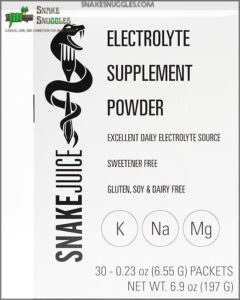
Keto electrolyte fasting supplement powders deliver approximately 1,100 mg sodium chloride and 1,000 mg potassium chloride per serving to maintain fluid balance during extended fasts. You’ll also find 80 to 100 mg magnesium citrate to prevent muscle cramps.
These formulations usually contain zero sugar and minimal calories, ranging from 0 to 5 kcal per scoop. In addition, reputable brands test for heavy metals through third-party labs.
However, you should verify potassium levels align with your individual health conditions before starting supplementation.
| Best For | People doing extended fasts, following keto diets, or needing electrolyte support during travel and intense workouts. |
|---|---|
| Primary Use | Electrolyte supplementation during fasting |
| Form Factor | Powder |
| Calorie Content | 0-5 kcal per serving |
| Key Mineral | Sodium and potassium |
| Price Point | Premium |
| Portability | Single-serving packets available |
| Additional Features |
|
- Unflavored powder with high-grade electrolytes (including pink Himalayan salt) that’s vegan-friendly and free from gluten, soy, and dairy
- Contains sodium bicarbonate to help buffer metabolic acidosis during fasting
- Convenient single-serving packets perfect for on-the-go use during travel or sports
- Significantly more expensive than mixing your own electrolyte solution at home
- Users report inconsistent quality control and occasional shipping problems
- Unpleasant taste for some people, and the high electrolyte content may not suit everyone’s health needs
2. CHWARES Digital Kitchen Food Scale
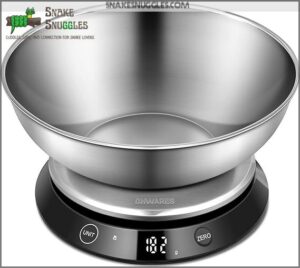
This CHWARES scale measures ingredients up to 5 kg in 1-gram increments, which you’ll need for precise meal prep during your limited eating windows. Its tare function resets the display to zero when you place containers on the platform, allowing accurate net weight calculations.
The stainless steel surface resists corrosion and wipes clean quickly. Additionally, the rechargeable battery eliminates replacement costs.
However, you must use the original charger for proper charging, and readings below 3 grams may lack accuracy.
| Best For | Home cooks and meal preppers who need precise measurements for portion control during intermittent fasting or specific diet plans. |
|---|---|
| Primary Use | Precise ingredient measurement |
| Form Factor | Digital scale |
| Calorie Content | Not applicable |
| Key Mineral | Not applicable |
| Price Point | Budget-friendly |
| Portability | Compact and rechargeable |
| Additional Features |
|
- Measures up to 5 kg with accurate 1-gram increments for precise ingredient tracking
- Tare function makes it easy to weigh ingredients in bowls without doing mental math
- Rechargeable battery saves money on replacements and the stainless steel surface cleans up quickly
- Won’t accurately measure small amounts under 3 grams, which can be frustrating for spices or supplements
- Only works with the original charger, so losing it means ordering a replacement
- Not waterproof, so you can’t rinse it off if something spills on it
3. Digital Kitchen Food Weight Scale
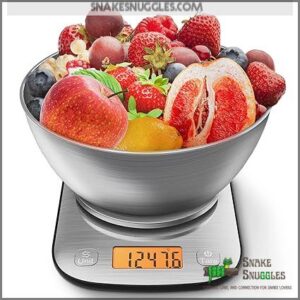
This stainless steel scale measures up to 11 lbs with 0.1-gram precision, delivering the accuracy you need when portion control becomes non-negotiable. Its backlit LCD display shows measurements in five units—grams, ounces, fluid ounces, pounds, and milliliters—while the tare function zeros out container weight for pure ingredient readings.
The 2.5-liter mixing bowl simplifies prep during your compressed eating windows. Automatic shutoff preserves battery life.
However, you’ll need a level surface for reliable measurements, and the fluid ounce setting won’t accurately measure liquids with varying densities.
| Best For | People who track macros, practice intermittent fasting, or need precise measurements for meal prep and portion control. |
|---|---|
| Primary Use | Precise ingredient measurement |
| Form Factor | Digital scale with bowl |
| Calorie Content | Not applicable |
| Key Mineral | Not applicable |
| Price Point | Mid-range |
| Portability | Includes bowl |
| Additional Features |
|
- Measures up to 11 lbs with 0.1-gram precision across five different units
- Comes with a 2.5-liter stainless steel mixing bowl and quick tare function for easy prep
- Backlit display and auto-shutoff help conserve the included AAA batteries
- Needs a completely flat surface to give accurate readings
- Fluid ounce measurements aren’t reliable for liquids with different densities
- 11 lb weight limit won’t work for larger batches or heavier ingredients
4. Fasting Electrolyte Supplement Powder
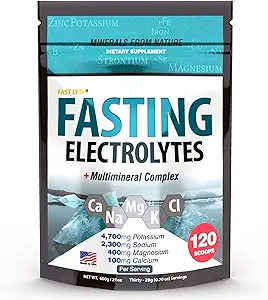
This unflavored powder delivers 1,175 mg potassium, 575 mg sodium, 100 mg magnesium, and 25 mg calcium per scoop—concentrations designed to prevent cramping and dizziness during extended fasts. The marine-sourced magnesium and red algae minerals support hydration without breaking your fast.
You’ll need to tolerate the intensely salty taste, which some users find unpleasant. What’s more, recent packaging changes have altered serving sizes, creating inconsistencies in mineral quantities. Those with kidney conditions must consult their physician before use.
| Best For | People doing extended fasts or keto diets who need high-concentration electrolytes without calories or sweeteners. |
|---|---|
| Primary Use | Electrolyte supplementation during fasting |
| Form Factor | Powder |
| Calorie Content | Not applicable |
| Key Mineral | Potassium and sodium |
| Price Point | Premium |
| Portability | Bulk container |
| Additional Features |
|
- Prevents muscle cramps and dizziness with potent doses of potassium, sodium, and magnesium
- Won’t break your fast—no fillers, sweeteners, or additives
- Marine-sourced minerals from red algae provide over 74 trace elements
- Intensely salty taste that many users find hard to tolerate
- Packaging changes have created inconsistencies in serving sizes and mineral amounts
- Pricier than most electrolyte supplements on the market
Safer Alternatives and Expert Recommendations

You don’t have to starve yourself to lose weight. There are evidence-based approaches that deliver results without wrecking your metabolism or risking your health.
Let’s examine sustainable methods that actually work for long-term success.
Sustainable Intermittent Fasting Methods
You don’t need starvation to see intermittent fasting benefits and risks pay off. Sustainable weight loss thrives on flexible fasting patterns that support your lifestyle:
- Time Restricted eating (16:8 or 14:10) aligns meals with your schedule
- Alternate Days with moderate caloric balance keeps hunger manageable
- 5:2 method restricts two days weekly for fasting for weight loss
- Breakfast skipping simplifies healthy routines without daily deprivation
These approaches promote sustainable weight management through consistency, not punishment.
Balanced Diets for Healthy Weight Loss
You don’t have to starve for results. Healthy eating for weight loss relies on Nutrient Balance, not restriction. Meal Planning with whole grains, lean protein, and vegetables builds Sustainable Lifestyle change. Portion Control lets you enjoy meals without deprivation.
Unlike the Snake Diet, intermittent fasting paired with nutrition-dense Healthy Habits delivers weight loss you can maintain—and actually live with.
Importance of Professional Guidance
Before you leap into any extreme protocol, ask yourself: who’s watching your back? Professional guidance turns weight loss from a dangerous gamble into a mapped journey. Medical oversight catches health risks before they derail you. Here’s what expert support delivers:
- Customized Coaching adapted to your medical conditions and diet needs
- Behavioral Support that builds Sustainable Results through Nutrition Planning
- Medical supervision monitoring nutrition advice and dietary health risks throughout
Frequently Asked Questions (FAQs)
How does the snake diet work?
As they say, nothing ventured, nothing gained—the Snake Diet operates on extreme fasting cycles, often 48-96 hours, interrupted by brief eating windows, while you sip Snake Juice for electrolyte balance throughout.
Can snake diet help you lose weight?
Yes, the Snake Diet can produce weight loss through severe calorie restriction and extended fasting. However, rapid results stem from unsustainable methods that risk nutrient deficiencies, muscle loss, and disordered eating patterns.
Is the snake diet a good diet?
You’re flirting with danger. The Snake Diet lacks nutrition value, triggers severe health impacts, and promotes disordered eating patterns.
Safer intermittent fasting methods deliver sustainable weight loss without the extreme risks.
Is the snake diet a fasting diet?
The Snake Diet centers entirely on prolonged fasting cycles, making it an extreme form of intermittent fasting.
You’ll abstain from food for 24 to 96 hours, consuming only electrolyte-enhanced water between brief eating windows.
What is the snake diet feeding window?
Picture slashing your eating hours down to a narrow sliver—that’s your feeding window. The Snake Diet limits calorie intake to just 1-2 hours daily, an extreme intermittent fasting approach promising rapid weight loss.
How long does the snake diet last?
The Snake Diet doesn’t follow a fixed timeline—your fasting duration depends on personal goals and tolerance. Initial fasts usually span 48 hours, while maintenance cycles range from 24 to 48 hours indefinitely.
What is a Snake Diet?
Think of your body as a car running on fumes—that’s the Snake Diet. Created by Cole Robinson, this extreme fasting method cycles prolonged fasts with brief eating windows, promising rapid weight loss through starvation.
How Does the Snake Diet Work?
You’ll cycle through prolonged fasts lasting 24 to 72 hours, consuming only Snake Juice for electrolytes. After each fast, you’ll eat during brief one- to two-hour windows before resuming the fasting cycle.
What Are the Foods That You Can Eat While On a Snake Diet?
You’ll find virtually nothing on your plate during fasting windows except Snake Juice electrolyte mix.
When your brief 1-2 hour eating window finally arrives, you can consume any whole foods without restriction, though most followers choose high-protein, nutrient-dense options.
What Are the Foods That You Should Avoid While On a Snake Diet?
You’ll avoid high-carb foods like bread and pasta, sugary treats including candy, processed items such as packaged snacks, and alcoholic drinks.
These dietary approaches contradict the Snake Diet’s extreme fasting framework promoting weight loss.
Conclusion
Studies show that 95% of people who lose weight through extreme restriction regain it within five years—often more than they lost. The snake diet for weight loss isn’t a sustainable path to health; it’s a fast track to metabolic disruption and potential harm.
Your body deserves nourishment, not deprivation. Choose evidence-based approaches that honor your long-term wellness over quick fixes that compromise your safety. Consult a registered dietitian before experimenting with prolonged fasting protocols.
- https://www.dietaryguidelines.gov/sites/default/files/2021-03/Dietary_Guidelines_for_Americans-2020-2025.pdf
- https://www.ncbi.nlm.nih.gov/pubmed/14769489
- https://www.facebook.com/groups/397925543877867/
- https://www.healthline.com/nutrition/snake-diet
- https://www.today.com/health/diet-fitness/nordic-diet-weight-loss-health-benefits-rcna21572