This site is supported by our readers. We may earn a commission, at no cost to you, if you purchase through links.

Most people quit a diet within two weeks. Not because they lack willpower—because the diet was built on snacking every few hours and calling it discipline.
The snake diet flips that logic entirely, treating extended fasting as the default state and eating as the exception.
It’s extreme by design, structured around multi-day fasts, a homemade electrolyte drink, and one low-carb meal per cycle.
Whether that appeals to you or sounds alarming, the protocol has a specific method behind it.
Here’s exactly how it works, what you eat, and what the risks look like before you decide if it’s worth attempting.
Table Of Contents
- Key Takeaways
- What is The Snake Diet?
- How The Snake Diet Works
- Snake Diet Phases and Fasting
- Snake Juice and Electrolytes
- Foods to Eat on Snake Diet
- Sample Snake Diet Meal Plan
- Weight Loss Results and Evidence
- Safety Risks and Better Alternatives
- Top 4 Products for Support
- Frequently Asked Questions (FAQs)
- What is a Snake Diet?
- How Does the Snake Diet Work?
- What Are the Foods That You Can Eat While On a Snake Diet?
- What Are the Foods That You Should Avoid While On a Snake Diet?
- What Are the Best Recipes For Snake Diet?
- What Is a Sample Snake Diet Plan?
- What Are the Health Risks of Snake Diet?
- How To Do Snake Diet?
- Who Should Do Snake Diet?
- What Are the Phases of Snake Diet?
- Conclusion
Key Takeaways
- The Snake Diet is built around multi-day fasts (48–96 hours), one low-carb meal per cycle, and a homemade electrolyte drink called Snake Juice to maintain hydration.
- It works by pushing your body into ketosis, which shifts fuel from glucose to stored fat and suppresses hunger hormones like ghrelin.
- Early weight loss is mostly water and glycogen depletion—not fat—so dramatic scale drops in the first week don’t reflect real fat loss.
- The diet carries serious risks, including electrolyte imbalances, muscle loss, and dehydration, and has zero clinical trials supporting its long-term safety or effectiveness.
What is The Snake Diet?

The Snake Diet is one of the most extreme fasting approaches circulating online right now. It’s built around prolonged fasting windows, a specific electrolyte drink, and a strict low-carb eating structure.
Followers typically cycle through multi-day fasts using a homemade electrolyte drink called "Snake Juice," and you can dig into the full breakdown of how the Snake Diet works for weight loss before deciding if it’s right for you.
Here’s what you need to know before deciding if it’s even worth your time.
Definition and Core Principles
The Snake Diet is a structured fasting approach built around one core idea: your body runs better when it’s not constantly fed.
Here are its four core principles:
- Fuel Switching Mechanism — extended fasting shifts your body from glucose to fat for energy
- Hunger Regulation Strategy — fasting intervals train hunger rather than frequent snacking, controlling it
- Electrolyte Dependency — Snake Juice helps maintain hydration during fasting windows
- Metabolic State Target — low insulin drives ketone production
Why It’s Called The Snake Diet
The name is pure animal mimicry.
Cole Robinson built the Snake Diet around one image: a snake eats one large meal, then waits.
No snacking.
No grazing.
hunger endurance until the next feed.
That Snake Imagery isn’t accidental — it’s the whole Branding Narrative.
The Creator Persona, built through the Snake Diet YouTube channel and Snake Diet Motivation group, packages Snake Juice and fasting into one bold identity.
The diet begins with a minimum 48‑hour fast to kickstart the protocol.
Origins and Online Popularity
Cole Robinson built his Cole Robinson Snake Diet following almost entirely through the Snake Diet YouTube channel — no book deal, no clinical backing, just raw video content and a loud personality. Social Media Amplification did the rest.
Community Challenge Trends spread fast through the Snake Diet Motivation group, where Influencer Endorsements and a tight Keyword SEO Strategy kept the community support for dieting growing steadily online.
Who The Diet is Marketed To
This diet pulls in a specific crowd. Busy Professionals love it because there’s one meal, no endless tracking, and no complicated prep. Fasting Enthusiasts see it as a structured progression beyond basic intermittent fasting. Low-Carb Seekers like the ketogenic-style feeding window. Appetite Controllers want fewer meals, not more willpower battles. And Electrolyte Users appreciate having a clear hydration protocol built in.
Who it targets:
- Busy professionals who want a simple, low-prep weight loss strategy
- Fasting enthusiasts ready to push beyond 16:8 into extended cycles
- Low-carb seekers drawn to rapid weight loss through extreme dieting
- Appetite controllers who prefer fewer, hunger-driven meals
- Electrolyte users who want structured support during fasting periods
How The Snake Diet Works

The Snake Diet runs on one core idea: your body burns fat when you stop feeding it constantly. It does this through structured fasting windows, strict calorie limits, and a metabolic shift called ketosis.
Here’s what’s actually driving the results.
Fasting Windows and Meal Timing
Fasting windows are the engine here. The Snake Diet skips the typical 16:8 intermittent fasting model and pushes you into much longer fasted states—sometimes 48 to 96 hours.
feeding window collapses to one to two hours per cycle.
Circadian alignment matters too: eating earlier in the day improves insulin sensitivity compared to late night eating, which research links to higher blood glucose and reduced metabolic efficiency.
One-meal-per-cycle Structure
Each cycle gives you exactly one meal. That’s your window — use it well.
The single meal has to do all the heavy lifting: proteins, fats, micronutrients, everything. No second chances later. That’s why Nutrient Density Focus isn’t optional — it’s the whole game. Snake Juice and electrolyte supplementation carry you through the fasted state between meals.
- Plan your meal before the feeding window opens
- Prioritize protein first, then fats
- Let Hunger Cue Management guide portion size — not a clock
- Prep ingredients ahead for Meal Prep Efficiency
- Stay consistent with Psychological Adaptation — one meal feels normal fast
Calorie Restriction and Fat Loss
Strip it down to math: you need an Energy Deficit to lose fat. That means burning more than you take in. The Snake Diet forces that gap wide open through severe calorie restriction. Your body digs into fat stores to cover the shortfall. But pushing too hard, and your Protein Intake drops too low — then you lose muscle, not just fat.
Fat loss demands a calorie deficit, but extreme restriction sacrifices muscle alongside fat
| Factor | Why It Matters |
|---|---|
| Calorie Deficit | Drives actual fat loss |
| Protein Intake | Protects muscle during restriction |
| Macronutrient Ratio | Affects what you lose — fat or lean mass |
| Strength Training | Signals your body to keep muscle |
| Hormonal Response | Regulates how fast weight loss slows |
Metabolic health improvement only sticks when you’re losing fat — not just scale weight.
Ketosis, Insulin, and Hunger Control
When carbs drop low enough, your body shifts into ketosis — and that’s where hunger control gets interesting.
Pairing ketosis with zero-calorie electrolytes — as outlined in this snake diet meal plan for fasting and fat adaptation — can make appetite suppression noticeably easier to sustain.
Beta-hydroxybutyrate signals your hypothalamus to dial back appetite. Ghrelin suppression kicks in, so those sharp hunger spikes quiet down. Insulin sensitivity shifts as lower carb intake means less glucose flooding your bloodstream. GLP-1 modulation adds another layer, extending that full feeling longer after eating.
Snake Diet Phases and Fasting
The Snake Diet breaks the process into three distinct phases, and knowing where you’re in that sequence matters. Each phase has its own fasting structure, so you’re not guessing — you’re following a set pattern.
Here’s how each phase works and when to move forward.
Phase 1 Fasting Sequence

Phase 1 is where the reset begins. You start with a 48-hour fast, drinking only Snake Juice for electrolyte replenishment throughout.
After that window closes, you eat one meal, then fast again for 72 hours. That’s five total days of structured fasting protocols.
The adaptation period duration is real — expect blood glucose decline, some mental clarity shifts, and yes, disrupted sleep quality impacts early on. Match your electrolyte dosage daily.
Phase 2 Longer Fasting Cycles

Once you’ve cleared Phase 1, you move into longer stretches. Phase 2 alternates 48‑hour fasts with 96‑hour fasting cycles with a single low‑carb refeed meal — then you repeat.
Your body leans into Metabolic Flexibility here, burning stored fat as its default fuel.
Expect Hormonal Shifts, some Sleep Pattern Changes, and real Psychological Adaptation.
Keep electrolyte supplementation during fasts consistent.
Cycle Duration Variability is normal — listen to your body’s signals.
Phase 3 Maintenance Approach

You’ve pushed through the hard part. Phase 3 is where you stop cutting and start holding ground. Think of it as your maintenance routine — one structured meal every 24 to 48 hours, with Cycle Length Optimization keeping your rhythm steady.
Hunger Signal Training becomes your compass here. You eat when genuinely hungry, not by the clock. That’s Lifestyle Integration in action — a dietary protocol built to last.
How to Move Between Phases

Moving between phases comes down to two things: how your body feels and whether you’re finishing your fasting windows without hitting a wall. Stick to Phase Timing Rules — only advance when you’ve completed multiple full fasts with manageable Hunger Monitoring.
Symptom Thresholds like faintness or persistent cramping? Step back.
Adjust your Electrolyte Adjustment routine first, shift Carb Limit Shifts gradually, and let your body lead.
Snake Juice and Electrolytes

Snake Juice is the only thing you drink during fasting periods, so getting it right matters.
It’s a simple electrolyte mix, but your body depends on it to keep functioning through long fasts.
Here’s what you need to know about making it, buying it, and why it’s non-negotiable.
Homemade Snake Juice Recipe
Making snake juice takes about two minutes. Mix 1 tsp potassium chloride, ½ tsp sodium chloride, 1 tsp baking soda, and ½ tsp magnesium sulfate into 2 liters of water.
Stir until fully dissolved — that’s your mixing technique tip right there. Salt ratio adjustments affect electrolyte balance, so measure carefully.
Store it in a pitcher and sip throughout the day.
Commercial Electrolyte Packet Option
Not a fan of mixing powders? Commercial electrolyte packets work just as well.
Most contain Sodium Chloride and Potassium Chloride as their core electrolyte blend — check the label for ingredient transparency before you buy. Look for Certification Claims like NSF-certified or non‑GMO if quality matters to you.
Flavor Variants range from citrus to berry, so you’re not stuck drinking something you hate. Ion Ratios vary by brand, so compare labels.
Why Electrolytes Matter During Fasts
When you stop eating, your kidneys start dumping sodium fast.
That drop in Sodium Blood Volume makes you feel lightheaded and weak.
Potassium Muscle Nerves fire less efficiently without the right electrolyte balance, and Magnesium Energy Metabolism slows.
Acid-Base Regulation shifts too, as ketone production stresses your kidneys.
Electrolyte Hydration through Sodium Chloride, Potassium Chloride, magnesium sulphate, and Himalayan pink salt keeps your body functional — not fighting itself.
Hydration, Cramps, and Dizziness Prevention
Before your fast begins, pre-fast hydration sets the foundation. Drink steadily in the hours before your fasting window — don’t wait until you’re thirsty. By then, you’re already behind.
Watch for these cramp warning signs and dizziness mitigation tips:
- Sip your electrolyte beverage in small doses throughout the day — not all at once
- Fluid intake every few hours as part of your fasting routine
- If cramping hits, check your magnesium sulfate and sodium bicarbonate levels first
- Persistent dizziness means stop, hydrate, and reassess — not push through
Electrolyte timing matters as much as the formula itself. Electrolyte supplementation during fasting keeps dehydration from derailing your progress.
Foods to Eat on Snake Diet
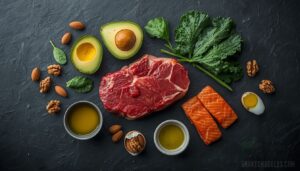
When you break a fast, what you eat matters. The Snake Diet keeps it simple — low-carb, real food, no calorie counting games. Here’s exactly what’s on the table.
Allowed Low-carb Foods
Your plate during a feeding window isn’t complicated. Think simple, whole, real food.
| Category | Examples | Why It Works |
|---|---|---|
| Leafy Greens | Spinach, kale | Low net carbs, high fiber |
| Cruciferous Vegetables | Broccoli, cauliflower | Filling, nutrient-dense |
| Lean Protein Sources | Chicken, fish, eggs | Keeps muscle, zero carbs |
| Healthy Fat Sources | Olive oil, chia seeds | Sustains energy between fasts |
| Low-carb Fruits | Watermelon, cantaloupe | Natural sweetness, minimal sugar |
Build your lowcarb meal around proteins, healthy fats, and vegetables. That’s your foundation for every feeding window.
Foods to Avoid
Some foods will quietly sabotage your progress. Added sugars in soda, juice, and sweetened condiments spike insulin fast. Refined carbs — bread, grains, crackers — push you out of ketosis.
Trans fats and ultra-processed snacks undermine fat loss and add empty calories. Legumes carry too many carbs. GI irritants like fried foods, processed meats, and ice cream stall results and trigger bloating.
Carb Limit Guidance During Feeding Windows
Keep carb timing simple: stay under 50 g of carbohydrates daily during your feeding window. That’s the line that keeps your ketogenic low-carb diet approach working.
Prioritize fiber-rich carbs from non-starchy vegetables — think spinach, zucchini, broccoli.
Practice net carb tracking by subtracting fiber from total grams. Stick to low-glycemic choices and control your vegetable carb portion so your macronutrient ratio stays locked in.
Portion Control and Hunger-based Eating
There’s no need to count every gram. On the Snake Diet, portion control comes from tuning into your body, not a calculator. Use a simple Hunger Scale — eat when you’re at a moderate 5 or 6, stop when you’re satisfied. Slow Eating and Meal Spacing do the rest.
- Use Visual Portion Cues, like smaller plates, to avoid overeating after a fast.
- Recognize Environmental Triggers — stress and boredom aren’t hunger.
- Let meal frequency manipulation naturally reduce how much you eat per sitting.
- Address the psychological aspects of food addiction by pausing before seconds.
Sample Snake Diet Meal Plan
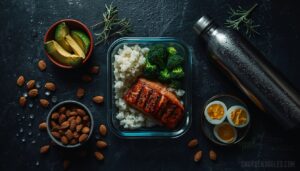
Planning your meals around a Snake Diet schedule takes a little preparation, especially when your eating window is tight. The key is knowing exactly what to eat the moment your fast ends so you’re not scrambling.
Here’s a breakdown of how a typical day looks on this protocol.
First Meal After a Fast
Start small. After a long fast, your stomach needs time to wake up — this is gentle refeeding, not a free-for-all.
A small starter portion of soft food choices like bone broth, scrambled eggs, or steamed zucchini gives your gut a chance to adjust.
Hydration balance matters here too. Sip water or Snake Juice alongside your meal.
Satiety signaling kicks in faster when you start light.
Example One-meal Feeding Window
Once your first meal settles, lock in your feeding window time. Pick one hour — same time every day. That’s your anchor. Circadian timing matters: your body adapts faster when the window stays consistent. Window Consistency Tracking keeps you honest.
simple one-hour structure to follow:
- Set a firm start time and prepare everything before you begin — Pre-meal Preparation removes decision fatigue.
- Eat your single meal calmly within that window.
- Focus on maximizing nutrient intake during the feeding window — protein, fats, vegetables.
- Finish with Post-meal Hydration: water or Snake Juice to support digestion.
- Log your daily routine and refeed structure to spot patterns and support Psychological Adaptation to fasting.
Simple Low-carb Meal Combinations
Your meal doesn’t need to be complicated. Build it around Protein-Fat Pairings — salmon with avocado, ground beef with olive oil, eggs scrambled in butter.
Add a Veggie Fiber Boost: spinach, zucchini, or roasted broccoli.
Swap grains with Cauliflower Rice Swaps or Zucchini Noodle Dishes.
Finish with Herb-Seasoned Sauces using garlic, paprika, or a drizzle of vinegar-based dressing.
Simple. Clean. Done.
Daily Weigh-in and Ketone Tracking
Weigh yourself every morning before eating — same time, same conditions.
That consistency is what makes the data mean something.
Test your urine for ketones right after, before your feeding window opens.
Hydration impact is real: more water dilutes readings, so keep intake steady.
Don’t obsess over single days.
Data averaging across seven days reveals your actual trend — that’s your real weight management signal.
Weight Loss Results and Evidence

People try the Snake Diet expecting dramatic results, and the numbers can look impressive at first glance. But fast results don’t always tell the whole story.
Here’s what the evidence actually shows about how much weight you lose, what that weight really is, and whether any of it holds up to scrutiny.
Reported Short-term Weight Loss
People following the Snake Diet often report dropping several pounds fast — especially in the first week.
A 48 Hour Fast triggers Glycogen Depletion and Fluid Balance Changes, which show up quickly on the scale. These Scale Fluctuations can look dramatic.
Initial Ketosis Effects may also cause an Appetite Hormone Shift, making hunger feel more manageable. But those early numbers? Largely water, not fat.
Water Loss Versus Fat Loss
That early scale drop feels like proof that the Snake Diet is working — but here’s what’s actually happening. The Glycogen Water Shift accounts for most of it. Each gram of glycogen carries roughly three grams of water, so when fasting depletes your stores, that fluid exits fast.
These are Reversible Weight Fluctuations, not true fat loss.
Real Fat Loss Timeline moves slower, requiring sustained deficit over weeks, with Lean Mass Preservation depending heavily on protein intake and electrolyte supplementation during fasts.
Comparison With Safe Weight-loss Rates
Safe weight loss sits at 1 to 2 pounds per week — that’s the weekly loss standard most health authorities stand behind.
Snake Diet blows past that ceiling fast, which isn’t a flex.
Rapid weight loss dangers include lean mass loss, hormonal disruption, and a calorie deficit range so extreme it crosses into health risks of prolonged calorie restriction.
Sustainable pacing protects muscle. Extremes rarely do.
What Science Supports or Lacks
clinical trial evidence exists for the Snake Diet. None. Metabolic adaptation research and hormonal response data come from general fasting studies — not this specific protocol.
What science does support: ketosis can aid short-term fat reduction, and electrolyte supplementation during fasts reduces crash risk.
What it doesn’t support:
- Effectiveness of the Snake Diet for weight loss long-term
- Lack of scientific evidence for extreme diet claims being harmless
- Health risks of prolonged calorie restriction being negligible
- Long-term adherence outcomes being realistic for most people
Safety Risks and Better Alternatives

The Snake Diet pushes your body hard, and that comes with real risks you need to know before going further. Some side effects show up early; others build quietly over time.
Here’s what to watch for and what your safer options look like.
Common Side Effects and Warning Signs
Fasting this aggressively comes with real costs. Dizziness episodes hit fast — especially when you stand up quickly after long fasting stretches. Palpitations alerts, severe headache, extreme fatigue, and nausea vomiting aren’t signs to push through.
They’re your body sending an urgent message.
Side effects of fasting intensify under health risks of prolonged calorie restriction. Don’t ignore them.
Electrolyte Imbalance and Dehydration
Sodium depletion hits harder than most people expect. When you’re deep in a multi-day fast, sweat electrolyte loss drains both sodium and potassium simultaneously.
Potassium shifts disrupt muscle contraction and heart rhythm. Hypertonic dehydration follows when water loss outpaces sodium loss, triggering cellular dehydration and, in serious cases, confusion.
Electrolyte supplementation during fasting — including sodium bicarbonate — directly counters these health risks of extreme fasting diets.
Muscle Loss and Nutrient Deficiencies
Electrolyte loss isn’t the only thing working against you. Aggressive calorie restriction slashes protein intake, leaving your body short on amino acids — the raw material your muscles need.
Without adequate protein intake and resistance training, you’re not just losing fat. You’re losing muscle.
Micronutrient support takes a hit too. Nutrient deficiencies in vitamin D, magnesium, and zinc compound the damage, making nutritional adequacy inside your feeding window non‑negotiable.
Who Should Avoid This Diet
Some people shouldn’t go near this plan.
If you’re pregnant or breastfeeding, multi-day fasting puts both you and your baby at risk.
Insulin-dependent diabetes makes prolonged fasting genuinely dangerous — blood sugar can crash fast.
Kidney disease patients and liver disease sufferers face serious complications from electrolyte shifts and metabolic stress.
And if you have an eating disorder history, the rigid restriction here can do real harm.
Safer Intermittent Fasting Alternatives
There are better ways to get results without the extremes.
Calorie Cycling keeps your weekly intake in check while giving you breathing room day-to-day.
Protein Forward Eating cuts cravings and protects muscle.
Build your plate with the Fiber First Plate method and Low Glycemic Carbs, and you stay full longer.
Intermittent fasting with a reasonable window works — without the safety concerns of extreme fasting diets.
When to Ask a Clinician
Even with better alternatives in your corner, some situations call for a professional — not a YouTube channel. If you notice chest pain alerts, severe dizziness, or blood sugar crashes that don’t resolve, stop and call a clinician.
Seek medical supervision if you experience:
- Persistent vomiting or fainting during a fast
- Kidney function concerns or existing kidney disease
- Nutritional deficiencies from starvation-based diets that worsen over time
Don’t wait it out.
Top 4 Products for Support
You’ve already done the hard work learning the protocol — now it’s about having the right tools in your corner.
A few simple products can make fasting cleaner, more consistent, and easier to stick with. Here are four worth keeping on your radar.
1. Keto Electrolyte Fasting Supplement Powder
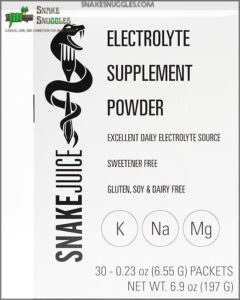
If you’re fasting for 48 to 72 hours at a stretch, your electrolytes can’t be an afterthought.
This powder delivers 1,300 mg of potassium, 1,045 mg of sodium, and 100 mg of magnesium per stick — real amounts that actually move the needle.
No sugar, no dyes, no fillers.
Just five clean ingredients.
Mix one stick into 500 mL of water, and you can use up to three sticks daily.
It’s made in Canada at an FDA-registered facility, with third-party testing available on request.
| Best For | Adults who do extended fasts, train hard, or work in the heat and want a no-nonsense electrolyte boost without any sugar or artificial junk. |
|---|---|
| Product Type | Electrolyte Powder |
| Sugar Free | Yes |
| Fasting Support | Yes |
| Artificial Additives | None |
| Ease of Use | Mix in water |
| Taste/Flavor | Salty, metallic |
| Additional Features |
|
- Serious electrolyte doses — especially that 1,300 mg of potassium — way more than most powders on the market.
- Five ingredients, full stop. No sweeteners, no dyes, no mystery "natural flavors."
- Third-party tested with COAs available, so you know exactly what you’re getting.
- The taste is salty and metallic — most people need to mix it into something to get it down.
- At up to three sticks a day, a 30-stick box can disappear in under two weeks.
- Pricier than just buying the raw ingredients yourself and mixing your own.
2. CHWARES Digital Kitchen Food Scale
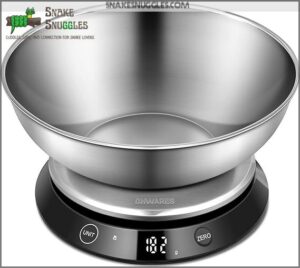
Precision matters when you’re eating once every 24 to 48 hours — you want to know exactly what’s going into that meal. The CHWARES Digital Kitchen Food Scale weighs ingredients down to 0.1 g increments, with a max capacity of 3,000 g.
The stainless-steel platform wipes clean in seconds, and the USB-rechargeable battery means no scrambling for batteries mid-prep.
Switch between grams, ounces, and milliliters with one button. Tare it with your bowl on top, and you’re ready to go.
| Best For | Home cooks, bakers, and pet owners who need accurate portion control — especially anyone managing a special diet for themselves or a diabetic pet. |
|---|---|
| Product Type | Kitchen Scale |
| Sugar Free | N/A |
| Fasting Support | Yes |
| Artificial Additives | None |
| Ease of Use | One-button units |
| Taste/Flavor | Unflavored |
| Additional Features |
|
- Weighs in six units (g, ml, milk ml, lb:oz, fl oz, milk fl oz), so it handles everything from espresso to milk to dry ingredients
- Rechargeable Li-ion battery lasts one to two months on a single charge — no hunting for AA batteries
- Comes with a 1.4 L stainless-steel bowl that inverts for storage, keeping your counter tidy
- Can’t weigh while charging, and waking it from sleep sometimes takes a few step-ons
- Battery life varies a lot in practice — some users end up charging weekly instead of monthly
- Only works reliably with the original charger; third-party cables can leave it partially charged or dead
3. Digital Kitchen Food Weight Scale
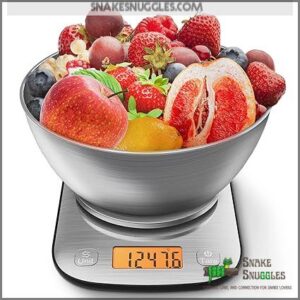
This scale does the heavy lifting without the guesswork. The GP3 model comes with its own stainless-steel mixing bowl — 2.5 L capacity — so you’re not hunting for a container every meal.
It reads down to 0.1 g and switches between five units with one button. The IPX6-rated waterproof compartment means cleaning up is quick.
Auto-off kicks in after five minutes to save battery life. When your feeding window is tight, you don’t want friction. This scale removes it.
| Best For | Home bakers, meal preppers, and anyone who needs precise measurements without the guesswork — especially sourdough fans and portion-control folks. |
|---|---|
| Product Type | Kitchen Scale |
| Sugar Free | N/A |
| Fasting Support | Yes |
| Artificial Additives | None |
| Ease of Use | One-button units |
| Taste/Flavor | Unflavored |
| Additional Features |
|
- Reads down to 0.1 g, so even small ingredient amounts come out right every time.
- Comes with its own stainless-steel bowl, so you’re not scrambling for a container mid-recipe.
- Switches between five units instantly — grams, ounces, milliliters, and more — no math required.
- Auto-off after five minutes can break your flow during longer cooking sessions.
- The 5 kg max won’t cut it for big batch baking or large recipe quantities.
- Fluid-ounce mode is calibrated for water only, so other liquids will give you off readings.
4. Fasting Electrolyte Supplement Powder
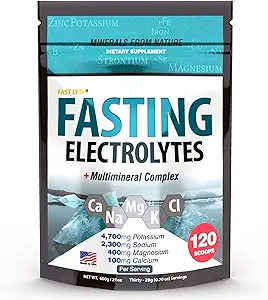
Your electrolytes can make or break a multi-day fast. This fasting electrolyte powder delivers 1,175 mg potassium, 575 mg sodium, and 100 mg magnesium per serving — sourced from North Atlantic seawater and red algae, not synthetic salts.
No fillers, no sweeteners, zero calories. It mixes into water and keeps cramps and dizziness in check when you’re deep into a fasting window.
The taste is salty and direct. Add lemon if needed.
At $39.85, it costs more than basic options — but the mineral quality backs it up.
| Best For | Anyone doing extended or intermittent fasting who wants clean, no-filler electrolytes to stay sharp and cramp-free during long fasting windows. |
|---|---|
| Product Type | Electrolyte Powder |
| Sugar Free | Yes |
| Fasting Support | Yes |
| Artificial Additives | None |
| Ease of Use | Mix in water |
| Taste/Flavor | Salty, sea-water |
| Additional Features |
|
- Seriously solid electrolyte lineup — 1,175 mg potassium, 575 mg sodium, and 100 mg magnesium per serving, all from natural marine and algae sources
- Zero calories, zero sweeteners, zero junk — won’t touch your fast or your macros
- Doubles as a salt substitute in food, so you get more mileage out of one bag
- The taste is pretty intense — very salty and sea-water-y, so most people need to mix it with lemon or juice to get through it
- Not a great fit if you’re watching sodium due to hypertension or a low-salt diet
- At $39.85, it’s noticeably pricier than your average electrolyte powder
Frequently Asked Questions (FAQs)
What is a Snake Diet?
The Snake Diet is a fasting-based eating approach built around long gaps between meals, one feeding window per cycle, and very low carbohydrate intake during that window.
How Does the Snake Diet Work?
The whole thing runs on one simple idea: eat less often, not less per meal.
You fast for extended stretches, drink Snake Juice to stay hydrated, then eat one real meal before fasting again.
What Are the Foods That You Can Eat While On a Snake Diet?
During your feeding window, stick to low-carb whole foods: meats, eggs, fish, healthy fats, non-starchy vegetables, and small amounts of nuts or low-sugar fruits like watermelon.
What Are the Foods That You Should Avoid While On a Snake Diet?
Think of your body as a locked safe. Some foods are the wrong key — they jam the mechanism entirely.
In the Snake Diet, anything high in carbs, sugar, or empty calories has no place in your feeding window.
What Are the Best Recipes For Snake Diet?
Keep it simple. Grilled salmon with roasted zucchini, a lettuce-wrapped burger with avocado, or scrambled eggs cooked in butter all fit the low-carb meal structure this plan follows.
What Is a Sample Snake Diet Plan?
A sample snake diet plan starts with one long fast, then a single low-carb meal, then fasting again. That cycle repeats until you hit your goal.
What Are the Health Risks of Snake Diet?
The Snake Diet carries real risks. Prolonged fasting can cause electrolyte imbalances, muscle loss, and dehydration — serious issues that don’t show up right away but hit hard.
How To Do Snake Diet?
Start with your last meal of the day. Fast for 48 hours after that. Drink Snake Juice only. Then eat one small meal and fast again.
Who Should Do Snake Diet?
Honestly, this diet isn’t built for most people. It suits healthy adults with no chronic conditions, no medications, and a solid relationship with food who want short-term, aggressive fat loss.
What Are the Phases of Snake Diet?
Three distinct phases define the plan.
Phase 1 hits hardest — you fast for at least 48 hours, eat one meal, then fast again.
Phase 2 stretches cycles to 48–96 hours.
Phase 3 settles into steady one-meal-every-24-to-48-hour maintenance.
Conclusion
The snake diet for weight loss isn’t a quick fix—it’s a full reset. You’re not tweaking habits here; you’re replacing them.
If the science holds up for you and your doctor gives the green light, the protocol is clear: fast, hydrate with electrolytes, eat low-carb, repeat.
But if the risks outweigh the results, structured intermittent fasting gets you most of the same benefits with far less strain.
Choose the path that actually sticks.