This site is supported by our readers. We may earn a commission, at no cost to you, if you purchase through links.

floor of your corn snake’s enclosure does more work than most keepers realize. It regulates humidity, promotes natural burrowing behavior, buffers temperature swings, and either protects your snake’s respiratory system—or quietly damages it.
Pine and cedar shavings, for example, release volatile compounds that irritate a corn snake’s airways even when the enclosure looks and smells fine. Choosing the wrong substrate isn’t just a comfort issue; it’s a health one.
The right bedding holds moisture in the 40–60% range that corn snakes need, stays low-dust, and gives them enough depth to disappear underground when they want to.
These ten reptile substrate beddings for corn snake enthusiasts cover every major material type, so you can match the right option to your setup, your budget, and your snake.
Table Of Contents
- Key Takeaways
- Top 10 Corn Snake Substrates
- 1. Rural365 Hemp Chicken Bedding
- 2. Durvet Chlorhexidine Antiseptic for Pets
- 3. Ruff Ruff Aspen Snake Bedding
- 4. Zilla Snake Lizard Bedding
- 5. Legigo Coconut Chip Substrate
- 6. Riare Coconut Husk Reptile Bedding
- 7. XYZReptiles Aspen Snake Bedding
- 8. ReptiEarth Coconut Fiber Reptile Bedding
- 9. Zoo Med Forest Floor Bedding
- 10. ReptiChip Coconut Reptile Substrate
- Best Bedding Materials Compared
- Humidity and Burrowing Needs
- Unsafe Substrates to Avoid
- Cleaning and Substrate Maintenance
- Frequently Asked Questions (FAQs)
- Conclusion
Key Takeaways
- Your substrate choice directly affects your corn snake’s respiratory health — pine and cedar release toxic compounds that cause real damage, even when the enclosure looks fine.
- Coconut fiber and aspen are your two safest everyday options: coconut holds humidity better for shedding cycles, while aspen runs drier and lower-dust for adult snakes in humid climates.
- Aim for at least 2–3 inches of substrate depth, and keep ambient humidity between 40–60% — both factors matter far more than most new keepers expect.
- Skip daily waste removal, and even the best substrate turns against you fast — spot-clean within 24 hours and do a full swap every 3–4 months to keep ammonia and mold in check.
Top 10 Corn Snake Substrates
Picking the right substrate makes a real difference in how comfortable and healthy your corn snake will be. These ten options cover a range of materials, budgets, and setups — so there’s something here whether you’re housing a hatchling or a full-grown adult. Here’s what made the list.
If you want to dig deeper before deciding, this guide to best substrate options for corn snake habitats breaks down the pros and cons of each material in detail.
1. Rural365 Hemp Chicken Bedding
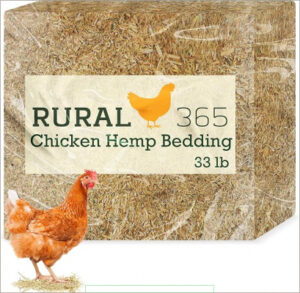
Rural365 Hemp Chicken Bedding is an unconventional pick, but it holds up surprisingly well for corn snakes. This 33 lb bale absorbs up to four times its weight in moisture, keeping your enclosure drier than most wood-based options. It’s low-dust, chemical-free, and fully biodegradable.
The main catch? It’s made for poultry, so depth and particle size need monitoring. Mist and flip it before use to activate absorbency fully.
| Best For | Budget-conscious reptile owners who want a natural, low-dust bedding option and don’t mind a little extra setup work. |
|---|---|
| Material | Industrial hemp |
| Primary Use | Small animal bedding |
| Odor Control | Traps ammonia and odors |
| Dust Level | Low-dust formulation |
| Origin/Source | Netherlands (industrial hemp) |
| Reptile Safe | Yes (no chemicals/dyes) |
| Additional Features |
|
- Absorbs up to 4× its weight in moisture, so your enclosure stays drier longer than with pine shavings or straw.
- No added chemicals, dyes, or additives — just 100% hemp, which is a win for sensitive animals.
- Fully biodegradable and eco-friendly, so disposal is easy on your conscience.
- A 33 lb bag is bulky and heavy — moving it around isn’t exactly fun, and torn packaging has been reported.
- Costs more upfront than traditional wood-based bedding options.
- You have to mist and flip it before use to get full absorbency, which adds an extra step to setup.
2. Durvet Chlorhexidine Antiseptic for Pets
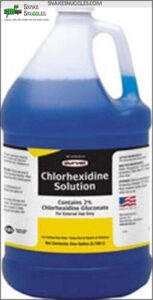
Durvet Chlorhexidine isn’t a substrate — it belongs on your first-aid shelf, not your enclosure floor. It’s a 2% chlorhexidine gluconate antiseptic solution used to clean minor cuts, abrasions, and hot spots on your snake.
Diluted properly, it can sanitize enclosure surfaces between substrate changes. Some keepers also use it for early-stage mouth rot rinses.
Think of it as a maintenance and hygiene tool that works alongside your chosen substrate, not a replacement for it.
| Best For | Snake and reptile keepers, dog owners, and small farms that want a reliable, long-lasting antiseptic on hand for everyday wound care and surface sanitation. |
|---|---|
| Material | Chlorhexidine gluconate solution |
| Primary Use | Wound disinfection/enclosure sanitizing |
| Odor Control | Antimicrobial residual effect |
| Dust Level | Liquid, no dust |
| Origin/Source | United States |
| Reptile Safe | Yes (when diluted) |
| Additional Features |
|
- Kills a broad range of bacteria and keeps working for up to two days after application — great for wounds that need ongoing protection
- One gallon goes a long way, so you’re not constantly reordering, especially handy for multi-pet households or barn use
- Dilutes easily for surface cleaning, enclosure rinses, or early mouth rot treatment in reptiles
- That blue dye will stain — fabrics, fur, and porous surfaces are all fair game if you’re not careful
- The medicinal smell is strong and not subtle at all
- Needs to be diluted for most uses; skipping that step can cause skin irritation
3. Ruff Ruff Aspen Snake Bedding
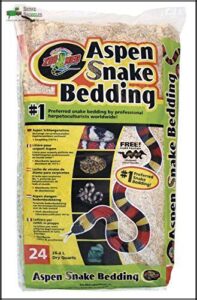
Now that hygiene is covered, let’s talk bedding.
Ruff Ruff Aspen Snake Bedding is a solid everyday substrate for corn snakes. It’s shredded from renewable aspen wood, marketed as 99.9% dust-free, and contains no toxic oils like cedar.
With a 191% absorbency rating, waste stays near the surface for easy spot-cleaning. Aim for a 3–4 inch layer to support natural burrowing.
One heads-up: sift it before use, since some bags carry residual fines.
| Best For | Corn snake owners who want a natural, low-maintenance substrate that supports burrowing and keeps cleanup simple. |
|---|---|
| Material | Aspen wood |
| Primary Use | Reptile substrate |
| Odor Control | Odorless material |
| Dust Level | 99.9% dust-free |
| Origin/Source | Aspen wood (renewable) |
| Reptile Safe | Yes (no toxic oils) |
| Additional Features |
|
- Made from renewable aspen wood with no toxic oils — safe for a wide range of reptiles
- 191% absorbency rating means waste stays near the surface for easy spot-cleaning
- Odorless and marketed as 99.9% dust-free, making it comfortable for both pet and owner
- Some bags have residual dust, so sifting before use is a good idea
- Large enclosures will burn through it fast, meaning more frequent top-ups
- There are reported concerns about ingestion risks, so check with the manufacturer if your snake is prone to eating its substrate
4. Zilla Snake Lizard Bedding
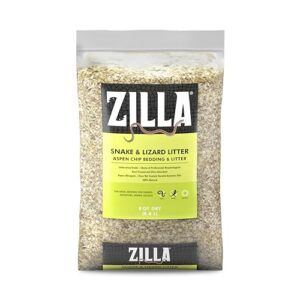
Aspen worked well for Ruff Ruff, and Zilla takes a similar approach — just with a chunkier chip size.
Zilla Snake and Lizard Bedding is made from heat-treated aspen, so it’s free of the oils that make cedar and pine dangerous. It’s hypoallergenic and low-dust, which matters if your corn snake is sensitive or you’re handling the enclosure frequently.
The chips absorb moisture quickly and make spot-cleaning straightforward. One limitation: it won’t hold deep tunnels well.
| Best For | Corn snake and lizard keepers who want a clean, low-maintenance substrate that’s safe, natural, and easy to spot-clean. |
|---|---|
| Material | Aspen wood chips |
| Primary Use | Reptile substrate |
| Odor Control | Neutral woody scent |
| Dust Level | Minimal to none |
| Origin/Source | Natural aspen wood |
| Reptile Safe | Yes (no aromatic oils) |
| Additional Features |
|
- Heat-treated aspen means no harmful oils — safe for snakes and lizards
- Low-dust formula is easy on your reptile’s (and your own) lungs
- Absorbs moisture fast and makes spot-cleaning quick and simple
- Fine chips can stick to soft prey and get accidentally swallowed by juveniles
- Won’t hold tunnels, so burrowing species may need extra support
- Pricier than bulk aspen shavings, and the bag can be prone to tearing
5. Legigo Coconut Chip Substrate
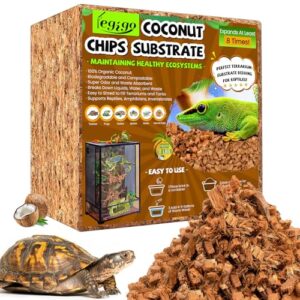
If you want a substrate that pulls double duty — holding humidity and supporting natural burrowing — Legigo Coconut Chip Substrate is worth a look.
Its chunky texture gives snakes something to actually dig into, which — combined with proper handling habits — can make a real difference in reducing ball python striking during handling.
Each compressed brick expands into a fluffy, chunky medium that corn snakes can actually dig through. It’s 100% organic and fragrance-free, with no pine oils or cedar compounds to irritate airways. Moisture retention is steady, which helps during shed cycles. One heads-up: inspect each batch, as isolated reports mention occasional plastic debris.
| Best For | Reptile keepers who need a natural, humidity-holding substrate that supports burrowing behavior in snakes, geckos, tortoises, and similar species. |
|---|---|
| Material | Coconut husk chips |
| Primary Use | Reptile/amphibian substrate |
| Odor Control | Absorbs urine/fecal odors |
| Dust Level | Some dust possible |
| Origin/Source | Organic coconut husk |
| Reptile Safe | Yes (organic, natural) |
| Additional Features |
|
- Holds moisture well, keeping humidity stable for healthy sheds
- 100% organic with no harsh oils or fragrances that could irritate your animals
- One brick lasts a long time — just re-spray to rehydrate instead of doing full replacements
- The block is large, so small terrarium owners may end up with more substrate than they need
- Some batches have had reported plastic debris, so you’ll want to inspect before use
- Can compact over time and may kick up a little dust, which is worth watching
6. Riare Coconut Husk Reptile Bedding
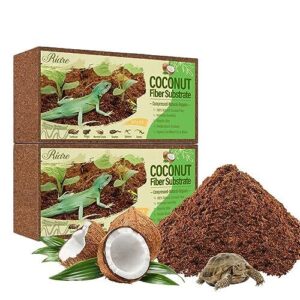
Riare Coconut Husk Reptile Bedding comes in a compressed brick format that expands into a soft, breathable layer once soaked. Each pack includes two bricks, making it easy to prep just what you need.
It absorbs liquid waste well and controls odor better than most wood-based options. The texture encourages natural digging and burrowing behavior without irritating your snake’s scales.
Just rehydrate gradually — over‑soaking one brick can fill a tank fast.
| Best For | Reptile and amphibian owners who need a humidity-friendly, natural substrate for species like ball pythons, frogs, or burrowing invertebrates. |
|---|---|
| Material | Coconut fiber |
| Primary Use | Reptile/amphibian substrate |
| Odor Control | Absorbs urine/waste odors |
| Dust Level | Low dust reported |
| Origin/Source | Natural coconut fiber |
| Reptile Safe | Yes (biodegradable) |
| Additional Features |
|
- Expands quickly from a compact brick into a fluffy, breathable layer that holds moisture well
- Absorbs liquid waste and odors better than wood shavings, keeping the enclosure fresher longer
- Biodegradable and compostable — toss it in the garden when you’re done
- Easy to over-soak; one brick can fill a tank fast if you’re not careful
- Two bricks may not be enough for larger enclosures, so costs can add up
- Packages sometimes arrive without instructions and may occasionally introduce mites if not monitored
7. XYZReptiles Aspen Snake Bedding
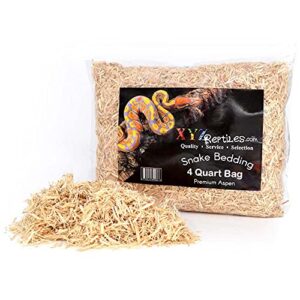
If you’re after a clean, no-fuss aspen option, XYZReptiles Aspen Snake Bedding is worth a look.
It’s 99.9% dust-free and contains no toxic oils — a real plus for your corn snake’s respiratory health. The 191% absorbency rate pulls moisture down fast, keeping the surface dry and odor low between cleanings.
The soft, fibrous texture also encourages natural burrowing at a comfortable 2–3 inches deep, and if you’re weighing your options, this king snake bedding buyer’s guide breaks down how different substrates compare for moisture control and odor management.
At $10.99 for a 4-quart bag, it’s budget-friendly for smaller tanks, though larger enclosures will need multiple bags.
| Best For | Snake owners with smaller tanks who want a clean, affordable aspen bedding that keeps moisture and odors in check. |
|---|---|
| Material | Aspen wood |
| Primary Use | Reptile substrate |
| Odor Control | Reduces odor via absorbency |
| Dust Level | 99.9% dust-free |
| Origin/Source | Aspen wood (green-made) |
| Reptile Safe | Yes (no toxic oils) |
| Additional Features |
|
- 99.9% dust-free, so it’s easier on your snake’s lungs and yours
- 191% absorbency rate keeps the enclosure dry and smelling fresh longer
- No toxic oils — safe for ball pythons, corn snakes, and similar species
- One 4-quart bag only covers a 10-gallon tank, so bigger setups get pricey fast
- The "green-manufactured" claim has no third-party certification to back it up
- Not ideal for larger or burrowing reptiles that need deeper, denser substrate
8. ReptiEarth Coconut Fiber Reptile Bedding
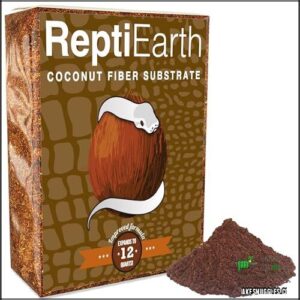
ReptiEarth Coconut Fiber Reptile Bedding is a smart pick if you want something that pulls double duty — managing humidity while staying light and breathable.
Its 70/30 micro-to-small-strand blend resists compaction, so your corn snake can burrow without hitting a packed wall.
It’s triple-washed, ready straight from the bag, and stays low-dust throughout use.
At $18.95 for 12 quarts, it’s reasonably priced.
Just don’t over-mist it — soggy fiber can cling to your snake’s face.
| Best For | Reptile and amphibian keepers who want a ready-to-use, low-dust substrate that works for both arid and tropical setups. |
|---|---|
| Material | Coconut husk fiber |
| Primary Use | Reptile/amphibian substrate |
| Odor Control | Reduces enclosure odors |
| Dust Level | Dust-free blend |
| Origin/Source | Organic coconut husk |
| Reptile Safe | Yes (organic, triple-washed) |
| Additional Features |
|
- The 70/30 fiber blend stays loose and fluffy, so burrowing species like ball pythons and tarantulas can actually dig without hitting a compacted wall.
- Triple-washed and ready straight from the bag — no rinsing, no prep, just pour and go.
- Works dry or misted, making it flexible enough for desert species and humid tropical enclosures alike.
- Over-misting is easy to do, and soggy fibers can cling to a snake’s face or cause humidity to spike past healthy levels.
- Fine fibers may need a coarser top layer like ReptiChip to keep sensitive snakes comfortable.
- It doesn’t expand like compressed brick coco bedding, so it’s not the best choice if you’re looking for serious volume from a compact package.
9. Zoo Med Forest Floor Bedding
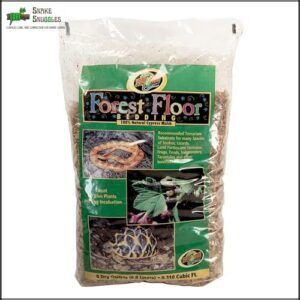
Zoo Med Forest Floor Bedding is a reliable classic — and for good reason. Made from 100% natural cypress mulch, it holds moisture steadily without turning soggy, keeping ambient humidity right where corn snakes need it. At $10.99 for 8 quarts, it’s affordable for most setups.
One heads-up: bake it first to kill any dormant pest eggs. It needs regular misting to stay effective, but once you’ve got the routine down, it’s genuinely low-maintenance bedding.
| Best For | Reptile and amphibian owners who need a natural, moisture-retaining substrate that supports burrowing and works well in tropical or bio-active setups. |
|---|---|
| Material | Cypress mulch |
| Primary Use | Reptile/amphibian substrate |
| Odor Control | Spot-clean waste control |
| Dust Level | Not specified |
| Origin/Source | Natural cypress mulch |
| Reptile Safe | Yes (natural mulch) |
| Additional Features |
|
- Holds humidity really well without getting waterlogged — great for snakes and amphibians that need a consistently moist environment.
- Supports natural behaviors like digging and burrowing, which keeps your animals happier and more active.
- Works with bio-active setups and mixes easily with other substrates like HerpChip for more customized builds.
- Pricier per volume than generic bedding options, so costs can add up fast if you’re running a large enclosure.
- Can carry dormant pest eggs, so you’ll want to bake it before use — an extra step that not everyone expects.
- Needs regular misting to stay effective, and shipping delays have been reported, so don’t wait until you’re running low.
10. ReptiChip Coconut Reptile Substrate
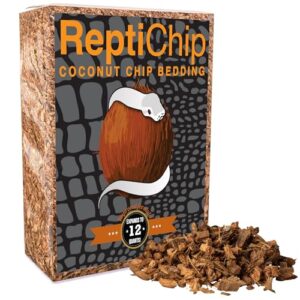
ReptiChip is the substrate that quietly earns its keep. These 100% coconut husk chips absorb odors, hold moisture without getting soggy, and let your corn snake burrow comfortably. The chips stay structured even after repeated digging, so tunnels don’t collapse.
One thing to know: the 12-quart bag expands to roughly 36 quarts once hydrated — solid value despite the $19.95 price tag. Spot-cleaning is easy, and no conditioning is needed before use.
| Best For | Reptile and amphibian keepers who want a natural, odor-controlling substrate that works for both arid and humid setups. |
|---|---|
| Material | Coconut husk chips |
| Primary Use | Reptile/amphibian substrate |
| Odor Control | Encapsulates waste odors |
| Dust Level | Free of dust/debris |
| Origin/Source | USA-processed coconut husk |
| Reptile Safe | Yes (100% organic) |
| Additional Features |
|
- Expands from 12 qt to roughly 36 qt when hydrated — one bag goes a long way
- Absorbs odors naturally without any chemical deodorizers
- Easy to spot-clean, and the chips hold their shape even after repeated burrowing
- At $19.95, some keepers feel the price is steep for the dry volume you get
- Can leave a slight reddish tint on your animal’s belly with prolonged contact
- Humidity retention varies — you may need to water it more often than expected to keep levels stable
Best Bedding Materials Compared
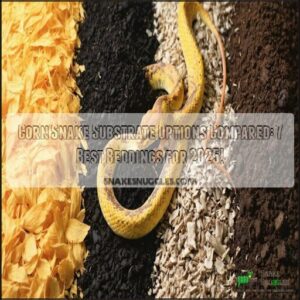
Not all substrates are created equal, and the differences really do matter for your corn snake’s health. Each material processes humidity, burrowing, and cleanup a little differently. Here’s how the most popular options stack up.
Aspen Versus Coconut
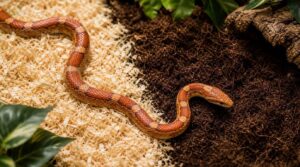
Two substrates dominate the corn snake bedding conversation: aspen and coconut fiber. Each has a real sweet spot depending on your setup.
- Moisture retention: Coconut fiber holds humidity far better, ideal for dry climates
- Dust levels: Aspen runs cleaner and drier, reducing respiratory irritants
- Burrow ability: Coconut’s loose matrix allows deeper, more natural tunnels
- Cost comparison: Aspen usually costs less per bag at most pet stores
Zoo Med Aspen Snake Bedding suits keepers in humid regions where humidity retention is already a challenge. Coconut fiber shines when your corn snake needs help during shedding cycles.
low dust substrates are especially recommended for long‑term enclosure use.
Cypress Mulch Benefits
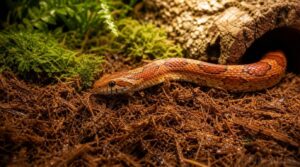
Coconut and aspen each have their place, but cypress mulch brings a different set of strengths to the table. It holds moisture steadily without getting soggy, which means stable humidity control with less misting.
It also moderates temperature swings and naturally deters insects.
Just make sure you buy reptile‑grade cypress — treated wood is a real risk.
Hemp Bedding Considerations
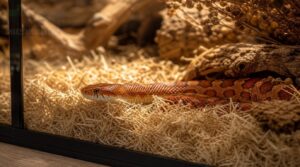
Hemp bedding is a newer option, but it’s worth knowing. Made from hemp stalk fibers, it offers strong hemp absorbivity and solid ammonia control — helpful for keeping odors down between cleanings.
Dust levels stay low, which matters for your corn snake’s respiratory health. It encourages shallow burrowing behavior at two to three inches deep.
Always choose reptile-safe, additive-free hemp bedding.
Naturalistic Soil Mixes
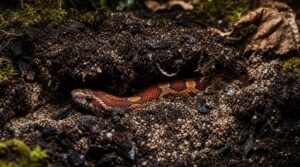
If hemp bedding felt like a step up from synthetic options, naturalistic soil mixes take things further. A popular DIY naturalistic mix combines 40% organic topsoil, 40% Zoo Med ReptiSoil, and 20% play sand.
This blend nails forest floor texture while supporting stable moisture retention.
Adding 1–3% biochar helps buffer pH drift and builds microbial habitat, your snake quietly benefits from.
Hatchlings Versus Adults
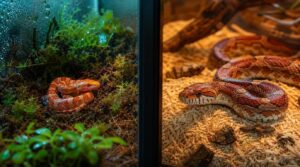
Hatchlings and adults don’t share the same needs — and your substrate choice should reflect that.
- Substrate depth should stay shallower (1–2 inches) for hatchlings to prevent entrapment
- Humidity levels run higher for hatchlings supporting frequent shedding every 1–3 weeks
- Impaction risk is greater in small snakes — avoid loose particles
- Coconut fiber suits hatchlings; aspen works well for adults
- Replacement schedules tighten with hatchlings due to faster waste output
Humidity and Burrowing Needs
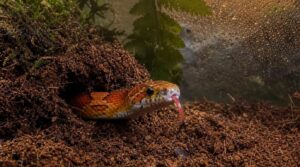
Getting humidity and burrowing depth right makes a bigger difference than most new keepers expect. Your corn snake depends on both to stay healthy, shed cleanly, and feel secure in its space. Here’s what you need to know about each factor before choosing your setup.
Ideal Humidity Ranges
Corn snakes do best when ambient humidity stays between 40–60%. That range keeps their skin healthy, their nasal passages comfortable, and mold growth at bay.
Juveniles benefit from the slightly higher end — around 50–60% — to support flexible shedding during rapid growth.
A reliable hygrometer is your best friend here for consistent humidity management.
Shedding Humidity Boosts
When your corn snake’s eyes turn blue and cloudy, that’s your cue to bump humidity up to around 60–70%. This temporary spike keeps the old keratin layer soft and pliable, making it easier for your snake to pull free cleanly.
A damp humid hide with moist sphagnum moss does most of the heavy lifting here.
Two-inch Minimum Depth
Two inches isn’t just a suggestion — it’s the floor your corn snake’s world is built on. Two-inch minimum depth gives your setup four real advantages:
- Keeps humidity pockets stable below the surface
- Upholds burrow stability without tunnel collapse
- Makes spot-cleaning easier without disrupting deeper layers
- Reduces substrate compaction where your snake is most active
Three-inch Burrowing Layer
Going one inch deeper makes a real difference.
A 3-inch burrowing layer gives your adult corn snake room to build proper tunnels — long, winding passages that mirror natural burrowing behavior in the wild.
That extra depth creates distinct moisture zones, keeps burrow insulation stable, and allows air exchange around tunnel walls.
It’s simple burrow enrichment that costs nothing extra.
Humid Hide Placement
A humid hide does more than hold moisture — placement makes or breaks its effectiveness.
Use a Dual Hide Arrangement: one on each end of the enclosure.
Placing one hide on the warm side and another on the cool side lets your snake regulate its temperature while feeling secure, and this guide to preparing a baby snake’s enclosure covers the rest of the setup.
- Warm Side Placement accelerates evaporation, keeping humidity high during active periods
- Cool Side Placement preserves moisture longer and helps rest-time shedding
- Hide Entrance Design should sit low for easy access
Your moisture retention plan starts here.
Unsafe Substrates to Avoid
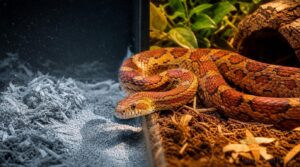
Not every substrate you’ll find at the pet store is safe for corn snakes — some can cause serious harm, even when they look harmless on the shelf. A few common bedding types can trigger respiratory issues, gut blockages, or injuries that are tough to reverse. Here’s what you’ll want to skip entirely.
Pine and Cedar Risks
Pine and cedar shavings release volatile compounds like abietic acid that cause serious respiratory irritation in corn snakes — think wheezing, labored breathing, and mucous membrane inflammation. Prolonged exposure can trigger skin dermatitis and even shed discoloration from resinous oil buildup.
Pine and cedar shavings release toxic compounds that cause respiratory damage, skin dermatitis, and shed discoloration in corn snakes
These aren’t minor inconveniences. Pine and cedar belong nowhere near your snake’s enclosure.
Sand Impaction Concerns
Sand might seem harmless, but impaction risk is real.
Loose grains cling to your snake’s mouth during feeding and exploring, slowly accumulating in the gut. Fine particles are the worst offenders — they sift into every corner and stick to damp skin.
Opt for coconut fiber or aspen instead, which won’t compact into dangerous blockages.
Walnut Shell Hazards
Walnut shells are one of the worst substrates you can choose. Sharp shell fragments can lacerate your snake’s mouth and digestive tract if swallowed, and the indigestible pieces cause serious gastrointestinal blockages.
Beyond ingestion hazards, walnut shell dust triggers allergic reactions and respiratory irritation — in both you and your snake. Skip them entirely and stick with coconut fiber or aspen.
Gravel Injury Risks
Gravel is just as dangerous as walnut shells — only in different ways.
Sharp gravel edges scrape and cut your snake’s belly scales during normal movement, causing skin abrasions that can quickly become infected.
Dust inhalation is a real concern too, since disturbed gravel releases particles that irritate the respiratory tract.
Skip gravel completely and choose a soft, safe substrate instead.
Unsafe Potting Soils
Most potting soils aren’t safe for corn snakes — even the "natural" ones.
- Heavy metal contamination (lead, cadmium) can absorb through skin or gut
- Pathogenic bacterial threats like Salmonella thrive in damp, reused mixes
- Pesticide residue hazards linger from prior agricultural use
- Asbestos exposure risks hide in vermiculite-based blends
- Microplastic ingestion occurs when snakes burrow through low-quality mixes
Cleaning and Substrate Maintenance
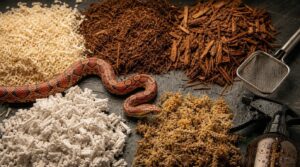
Keeping your corn snake’s enclosure clean isn’t complicated, but it does require a consistent routine. The type of substrate you choose directly affects how often you’ll need to clean, spot-check, or do a full swap. Here’s what you need to know to stay on top of it.
Daily Waste Removal
Think of daily waste removal as the foundation of a healthy enclosure. Remove feces and urates every 24 hours — waiting longer lets ammonia build up fast.
| Waste Indicator | Action Required |
|---|---|
| Fresh feces | Remove immediately |
| Wet substrate spot | Scoop and replace area |
| Strong odor | Full waste audit |
| Clumped bedding | Check for hidden urates |
| Mold patches | Remove and ventilate |
Absorbent substrate like coconut fiber or aspen helps with odor absorption between checks. Adjust your frequency based on season — warmer months speed up decomposition noticeably.
Spot-cleaning Schedule
A solid spot-cleaning schedule keeps your corn snake’s home fresh between full changes. Spot clean within 24 hours of any waste or moisture event — longer than that and bacteria settle in fast.
- Check high-traffic zones twice daily during warmer months
- Use color-coded microfiber cloths to avoid cross-contamination
- Sanitize all tools after each session
- Log every cleanup with date, area, and substrate type
Moisture management matters here too — refresh coconut or aspen bedding immediately after any wet spot appears.
Full Replacement Timing
Even with daily spot‑cleaning, substrate eventually wears out.
Replace all substrate every 3–4 months for most adult corn snakes as a baseline.
Hatchlings need fresh bedding every 6–8 weeks.
Watch for darkened, compacted layers or rising odor — those are your clearest moisture indicators that it’s time, regardless of schedule.
Log each full replacement with the date and substrate type so timing stays consistent.
Mold Prevention Tips
Mold doesn’t announce itself — it quietly takes hold in damp corners before you notice.
Keep ambient humidity below 50% between sheds, and check substrate depth daily for hidden wet pockets.
If a section feels damp, pull it out within 24 hours. Cross-ventilation matters too — two open vent points reduce stagnant air where fungal growth starts.
Odor and Dust Control
Odor builds up fast when substrate sits too long between cleanings.
Activated carbon filters placed near enclosure vents trap volatile compounds before they spread. Pair that with misting system efficiency — fine droplets capture dust and odor molecules together.
- Remove waste daily
- Mist lightly to settle dust
- Maintain 40–50% humidity
- Use low-dust substrates like coconut fiber
- Check filters monthly
Dusty substrate hazards irritate respiratory tissue directly.
Frequently Asked Questions (FAQs)
Can corn snakes share enclosures with other species?
Corn snakes might seem like they’d enjoy company, but they’re actually solitary by nature. Sharing an enclosure raises stress, aggression, and disease transmission risks — so keep each snake in its own space.
How does substrate choice affect feeding responses?
Your substrate choice directly shapes how your corn snake detects, approaches, and strikes prey. Texture, moisture, and cleanliness all influence scent diffusion, feeding confidence, and strike timing in surprisingly practical ways.
What substrate works best for bioactive setups?
For a bioactive setup, pair a drainage layer beneath a blend of coconut fiber, nutrient topsoil, and leaf litter. Add springtails and isopods as your cleanup crew — they handle waste naturally.
How do temperature gradients interact with substrate type?
Think of substrate as a thermal layer cake. Heat conductivity shapes how warmth travels down. Moist coconut fiber deepens heat penetration, while dry aspen stays shallow. Deeper burrowing layers keep your corn snake’s microclimate stable.
Conclusion
Switching substrates mid-ownership might feel disruptive, but corn snakes adapt quickly when the new bedding meets their core needs.
The right reptile substrate beddings for corn snake enthusiasts don’t have to be expensive or complicated—they just have to be safe, moisture-stable, and deep enough to burrow.
Pick one that fits your setup, keep it clean, and your snake covers the rest.
A good floor makes everything else easier.