This site is supported by our readers. We may earn a commission, at no cost to you, if you purchase through links.

You lift the lid on your snake’s enclosure and get hit with a smell like ammonia or rotten eggs. Your first thought? Something’s dying in there. Here’s the surprise: your snake might be perfectly healthy.
That stench could be defensive musk, fermenting waste, or a dirty water bowl. But sometimes it is a warning sign, like mouth rot or a respiratory infection brewing in infected tissue. Knowing why do snakes smell like urine or rotten eggs separates a quick cleanup from a vet visit. The answer hides in three places: the snake, the waste, and the enclosure.
Table Of Contents
- Key Takeaways
- Why Do Snakes Smell Like Urine or Rotten Eggs?
- Is The Odor Musk, Waste, or a Dirty Enclosure?
- When Does a Bad Snake Smell Signal Illness?
- How Do You Remove Snake Musk and Enclosure Odors?
- How Can You Prevent Strong Snake Odors?
- Frequently Asked Questions (FAQs)
- Do snakes smell like rotten eggs?
- Do snakes give off a urine smell?
- What smell does a copperhead give off?
- What snake smells like sewage?
- What are some tips for safely removing snakes from my property?
- Is the rotten smell from snakes harmful or dangerous to inhale?
- Can snake smell be harmful to humans?
- How do snakes use smell for hunting?
- Why do some snakes have stronger odors?
- How long does snake musk smell last?
- Conclusion
Key Takeaways
- A rotten-egg or urine smell from your snake is usually defensive cloacal musk released when it’s stressed or handled roughly, not a sign of illness, and it typically fades within hours to a few days.
- Waste and setup problems are the other common odor sources: fermenting urates and feces, damp substrate, deep bedding, and dirty water bowls all pump out ammonia if you don’t spot-clean daily and replace substrate regularly.
- A truly foul smell can signal real health trouble—mouth rot (sulfur breath, red gums, drooling), respiratory infection (nostril bubbles, wheezing, cheesy discharge), or retained shed around the vent—and these need a vet, not air freshener.
- To hunt down a lingering stink, remove the snake and sniff the empty enclosure, check corners and under hides for trapped waste, do a full substrate replacement, scrub the water bowl, and disinfect surfaces with a rinsed 1:32 bleach solution.
Why Do Snakes Smell Like Urine or Rotten Eggs?

Why does your snake suddenly smell like a public restroom? Blame the musk. When threatened, stressed, or handled too roughly, snakes release a foul smelling liquid from glands near their cloaca. It’s a chemical warning signal, and it works. Humans can pick it up from centimeters to a few meters away, depending on the species.
If your snake does this regularly, this guide to snake musk and why it happens explains how to spot the triggers and keep your pet calmer.
This is especially true for garter snakes, whose fish-heavy diet makes their musk even more pungent—a good reason to rethink what garter snakes eat.
When threatened or stressed, snakes release a foul musk from glands near their cloaca as a chemical warning signal
The scent gets compared to urine or rotten eggs because of its volatile compounds, which hit your nose fast and linger. Worse, the longer your snake stays stressed, the more it musks. Extended confinement or clumsy handling basically invites it.
So if your enclosure reeks, don’t panic. It’s usually defense, not disease. But it does mean something’s bothering your snake, and that’s worth fixing.
Is The Odor Musk, Waste, or a Dirty Enclosure?
So your snake stinks, and you want to know why. The truth is, that smell usually comes from one of three sources, and each one tells you something different. Let’s narrow it down so you can fix the right problem.
Defensive Cloacal Musk
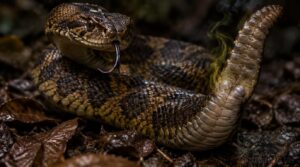
Snakes carry a secret weapon: defensive cloacal musk. Paired scent glands near the vent release this foul-smelling musk when your snake feels trapped or threatened, whether that’s rough handling or a restraining grip. It’s a chemical defense mechanism built for predator deterrence, not a daily habit.
Expect a sharp, ammonia-like punch that fades within hours. Gland fatigue? Yes, repeated sprays weaken the smell.
If the smell lingers past a day or turns truly foul, this guide to abnormal snake stool symptoms can help you spot when something’s actually wrong.
Urates and Feces
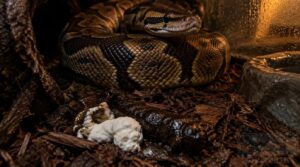
Not all smells come from fear. Your snake’s urates and feces pack their own punch. Urates are those white, pasty deposits excreted alongside dark, tarry feces. Fresh waste smells mild, but left sitting, it ferments fast, producing an ammonia like smell that rivals any musk.
Spot-clean daily, track stool-to-urate ratios, and stick to a substrate replacement schedule. That’s your waste buildup prevention plan.
Substrate and Water Bowls

Here’s the sneaky part: sometimes your snake isn’t the smell source. Your setup is. Check these four culprits:
- Damp substrate above 25% moisture pumps out ammonia.
- Deep bedding over 5 cm hides stinky anaerobic pockets.
- Plastic water bowls soak up musk; switch to stainless.
- Debris-filled water bowls brew bacterial waste fast.
Good odor control means weekly bowl scrubs, substrate turnover every month or two, and solid enclosure maintenance.
Our ball python bedding buyers guide breaks down which substrates hold humidity best while keeping cleanup quick and easy.
When Does a Bad Snake Smell Signal Illness?

Sometimes a bad smell isn’t about hygiene at all. It’s your snake telling you something’s wrong with its body. Here are the three health issues you should never ignore.
One telltale sign is a stuck shed around the tail tip, which can cut off circulation and cause infection if left untreated.
Mouth Rot
Ever sniffed sulfur coming from a happy snake’s mouth? That’s trouble. Mouth rot, or infectious stomatitis, means bacteria are literally rotting oral tissue, and that foul smelling liquid reeks like rotten eggs.
| Sign | Smell | Action |
|---|---|---|
| Red gums | Mild odor | Vet visit |
| Thick plaque | Rotten eggs | Urgent care |
| Drooling | Strong, constant | Isolate, disinfect |
Catch it early, because bacterial growth spreads fast. Skip casual enclosure disinfection and you’ll invite it right back.
Respiratory Infections
A respiratory infection often comes with a telltale smell. Watch for bubbles at the nostrils, open-mouth breathing, or a wheezing sound. Infected tissue and trapped mucus produce an ammonia like smell, sometimes sour or eggy. If you hear a clicking sound alongside these symptoms, our guide to corn snake clicking when breathing explains what that noise usually means.
You might spot cheesy looking discharge around the mouth, or a foul smelling liquid on the substrate. That bacterial growth needs a vet, not air freshener.
Retained Shed
A snake with retained shed is like a garbage bag left at the curb for weeks. It starts stinking. Trapped skin around the vent holds moisture, waste, and bacteria, turning your snake into a slow-rotting smell machine.
Retained shed also stresses the animal, sometimes triggering musking from its cloacal glands. Fix humidity, offer lukewarm soaks, and check eye caps. Good waste management starts with a complete shed.
How Do You Remove Snake Musk and Enclosure Odors?
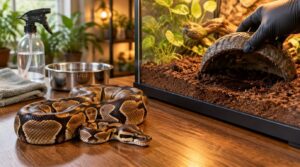
Here’s a fun one: snakes can hold their musk for weeks at a time, so a lingering smell isn’t always fresh. That means your nose alone won’t tell you where the stink lives. You’ve got to hunt it down.
Work through this order:
- Move your snake out, then sniff the empty enclosure. Odor gone? That’s cloacal musk, not your cleaning.
- Check corners and under hides. Trapped waste smells like ammonia even when the surface looks spotless.
- Do a full substrate replacement, not just a spot scoop. Cedar and pine are off the table, remember.
- Scrub the water bowl with hot water and a reptile safe cleaner, then dry it completely.
For real odor neutralization, wash surfaces with a 1:32 bleach solution, rinse hard, and ventilate. Enclosure cleaning done right beats any air freshener, every time.
How Can You Prevent Strong Snake Odors?
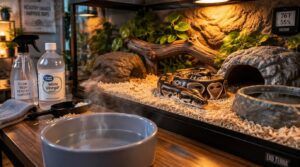
Honestly, prevention beats scrubbing every time. A few small habits keep your snake’s home smelling fresh, and none of them take more than a couple of minutes.
Here’s your weekly routine:
- Regular spot cleaning daily. Scoop waste and urates the moment you see them. Ammonia builds fast, and your nose notices before you do.
- Substrate replacement every one to two days during shedding, and a full change weekly. Aspen or tile hold less odor than damp bedding.
- Water bowl cleaning every few days with hot water and vinegar. Standing water turns into a bacteria party. Not the fun kind.
- Vent hygiene matters too. Wipe vents and use a reptile safe cleaner on hides monthly.
Remove uneaten food within an hour. That’s it. Fresh enclosure, happy snake, happy nose.
Frequently Asked Questions (FAQs)
Do snakes smell like rotten eggs?
Do snakes smell like rotten eggs? Yes! When threatened, your snake releases foul-smelling musk from cloacal glands, a chemical defense that stinks of sulfur. It’s temporary, fading once your pet calms down.
Beyond defense, snakes use these same glands for courtship and territory marking — a fuller breakdown of why snakes musk and what triggers it reveals just how layered this chemical communication really is.
Do snakes give off a urine smell?
Do snakes give off a urine smell? Oh, absolutely, they’re practically perfume bottles. That sharp odor is musking, a defensive secretion from cloacal glands. It’s not urine scent, just your snake panicking dramatically.
What smell does a copperhead give off?
Copperheads pack a punch when musking. Their defensive secretion smells like ammonia, ripe onions, or even rotten eggs, thanks to sulfur odor. The angrier the snake, the stronger the stink. Back off, it says!
What snake smells like sewage?
What snake smells like sewage? The Eastern Hognose Snake. When threatened, it releases foul-smelling musk from its cloacal glands, a rotten egg scent that works like skunk spray, a serious predator deterrent.
What are some tips for safely removing snakes from my property?
First, identify the species from a safe distance. Wear heavy gloves, use a long-handled tool, and guide it into a tall, smooth container. Release it at least one mile away in suitable habitat.
Is the rotten smell from snakes harmful or dangerous to inhale?
Is the rotten smell from snakes harmful or dangerous to inhale? Nope. That sulfur smell, mostly hydrogen sulfide from musk, causes only mild respiratory irritation at worst. There’s no proven toxic inhalation risk. Ventilate and relax.
Can snake smell be harmful to humans?
Good news: that smell is harmless to you. Snake musk is just a bluff, all stink, no danger. Only worry if ammonia odor lingers after cleaning, since poor reptile hygiene can signal infection needing infection treatment.
How do snakes use smell for hunting?
How do snakes use smell for hunting? Ever wonder how they find prey in the dark? Their forked tongue samples air, feeding the olfactory system, so snakes follow scent trails and strike accurately.
Why do some snakes have stronger odors?
Why do some snakes have stronger odors? It comes down to glandular secretion. Species like garter snakes and water snakes produce foulsmelling musk that rivals a skunk’s spray. Stress-induced odor makes it worse, and a dietary influence can shift that rotten egg scent too.
How long does snake musk smell last?
Expect 1 to 3 days indoors. Warm rooms speed things up, cutting scent detection to under 24 hours. Porous substrate holds odor longer, so wash your hands and spot-clean to help it fade.
Conclusion
Here’s a number worth remembering: snakes can store musk in their cloacal glands for weeks, releasing it long after the threat has passed. That’s why why do snakes smell like urine or rotten eggs has so many answers.
Most of the time, it’s just waste, musk, or a dirty bowl. Clean regularly, sniff daily, and watch for warning signs. Your nose is your best diagnostic tool. Trust it, and your snake stays healthy.