
This site is supported by our readers. We may earn a commission, at no cost to you, if you purchase through links.

A snake that ate enthusiastically every week in summer may flatly refuse food come November—and that’s not a warning sign. It’s biology.
A ball python’s metabolism can drop to roughly 5% of its normal rate in winter, fundamentally changing how its body processes energy, regulates hunger, and manages digestion.
Feeding your snake on the same schedule year-round ignores that reality, and it’s one of the more common mistakes keepers make.
Building a smart winter snake feeding schedule means working with your snake’s seasonal physiology, not against it.
Table Of Contents
- Key Takeaways
- How Winter Affects Snake Feeding Needs
- Setting an Optimal Winter Feeding Schedule
- Maintaining Snake Health During Winter Feeding
- Top Products for Winter Snake Feeding
- Frequently Asked Questions (FAQs)
- How long do snakes go without eating in winter?
- What not to do when feeding a snake?
- How often should I feed my snake in winter?
- How long can snakes go without eating in the winter?
- What do snakes eat during the winter?
- Can I feed frozen prey during winter months?
- Should water bowls be heated in winter?
- Do outdoor temperature fluctuations affect indoor snakes?
- How does lighting schedule change in winter?
- Are vitamin supplements needed during winter feeding?
- Conclusion
Key Takeaways
- A snake’s metabolism can drop to just 5% of its normal rate in winter, so refusing food isn’t a health scare — it’s biology doing exactly what it should.
- Feeding intervals should shift based on your snake’s species and age, with most adults doing well on every 10–21 days rather than a fixed year-round schedule.
- Watch the 15–20% weight loss threshold: anything within that range is normal winter fasting, but beyond it signals a real health problem worth addressing.
- Frozen-thawed prey warmed to 95–100°F is the safest, most digestible option during winter, when a sluggish gut needs every advantage it can get.
How Winter Affects Snake Feeding Needs
Winter changes everything about how your snake eats, and understanding why makes all the difference. As temperatures drop, their metabolism shifts in ways that directly affect how often — and how much — they need to be fed.
Once spring rolls around, their appetite rebounds fast — this spring snake feeding schedule walks you through exactly how to adjust.
Here’s what you should know about those seasonal changes before adjusting your feeding schedule.
Metabolic Slowdown and Appetite Changes
As winter sets in, your snake’s metabolism can drop to just 5% of its normal rate — that’s not a malfunction, it’s biology at work.
In winter, a snake’s metabolism can plummet to just 5% of its normal rate — that’s not illness, it’s nature
Circadian rhythm shifts and hormonal regulation changes suppress snake appetite long before temperatures hit critical thresholds. Digestive enzyme suppression slows gut function considerably, and energy reserve utilization kicks in.
Adjusting your feeding schedule now protects long-term snake health and reptile health alike.
During brumation, the brumation process slows metabolism, further reducing feeding needs.
Brumation Versus Reduced Activity
Not every winter slowdown means your snake is brumating. True brumation triggers a digestion shutdown — metabolism nearly halts, energy reserve utilization takes over, and feeding stops entirely. Reduced activity, by contrast, is milder.
Key differences to know:
- Temperature trigger thresholds differ — brumation needs sustained cold, not brief dips
- Hormonal changes run deeper during true brumation
- Behavioral activity indicators stay partially present in reduced activity
- Snake feeding frequency adjusts but doesn’t stop in reduced activity
Understanding brumation as a natural physiological process helps inform feeding decisions.
Signs of Seasonal Behavioral Shifts
Once you know whether your snake is brumating or just slowing down, watch for these behavioral shifts.
Hiding increase is one of the first clues—snakes may spend over 90% of their time tucked away.
Lethargy signs follow: minimal movement, rare tongue‑flicking, sluggish responses to handling.
Drinking changes and weight loss patterns also signal it’s time to adjust your feeding schedule.
Setting an Optimal Winter Feeding Schedule
Winter calls for a more intentional approach to how often and how much you feed your snake.
Getting the schedule right means accounting for your snake’s species, age, and the prey you’re offering. Here’s what to think about when building a feeding routine that keeps your snake healthy through the colder months.
Your enclosure setup matters too—stable temps year-round are easier to maintain in a quality build like those covered in this guide to top ball python enclosure options.
Adjusting Feeding Frequency by Species

Not all snakes follow the same winter rhythm. Species metabolism rates vary widely, so your snake feeding schedule should reflect your snake’s specific dietary needs.
Ball pythons naturally stretch to every 10–14 days, while corn snakes are closer to 7–10 days. Temperature-driven feeding patterns guide these shifts. When in doubt, veterinary guidance helps you dial in reptile nutrition without guessing.
Age-Based Feeding Intervals for Winter

Age shapes your snake’s winter feeding schedule just as much as species does. A hatchling’s dietary needs differ sharply from a senior’s, and adjusting snake feeding frequency by life stage prevents both overfeeding and nutritional gaps.
- Hatchlings – Every 7–10 days if active; skip feeds below 65°F
- Juveniles – Every 10–14 days; stretch to 20 days if weight stays stable
- Subadults – Every 14–20 days; monitor subadult body condition closely
- Adults/Seniors – Every 14–21 days; seniors may need monthly intervals for kidney health
Choosing Appropriate Prey Size and Type

Winter calls for a size adjustment in your snake’s diet. Stick to the girth ratio rule — prey shouldn’t exceed your snake’s mid-body width.
Weight percent matters too: target 10% of body weight, dropping to the lower end when metabolism slows.
Frozen-thaw benefits make species-specific prey safer and easier to digest. Smaller, properly thawed portions support reptile nutrition without taxing a sluggish winter gut.
Maintaining Snake Health During Winter Feeding

Keeping your snake healthy during winter means paying close attention to its body condition and feeding habits.
It’s easy for changes in appetite or activity to sneak up on you when temperatures drop.
Here are some options that can help you stay on top of your snake’s needs this season.
Monitoring Body Condition and Weight
Keeping tabs on snake’s body condition is one of the most reliable tools you have this season. Use BCS Scoring on a simple 5-point scale — 2.5 is ideal — combined with Visual Condition Checks from above and the side.
Track these five markers weekly:
- Spine visibility from the dorsal view
- Muscle curve along the lateral profile
- Recorded weight using Scale Calibration practices
- Weight Trend Analysis against a baseline pre‑winter weight
- Seasonal Weight Loss Limits — flag anything beyond 15–20 percent
Consistent feeding records make patterns obvious quickly.
Preventing Overfeeding and Obesity
Overfeeding creeps up quietly — one extra mouse here, a shorter interval there.
Adult snakes generally do well on meals every 20 to 40 days in winter, so stick to those Feeding Frequency Limits. Keep prey near 10 percent of body weight for smart Calorie Portioning.
Pair that with Enrichment Activity, regular Body Condition Scoring, and Seasonal Weight Tracking to keep your snake’s diet balanced without guesswork.
Recognizing Health Issues Versus Normal Changes
Not every quiet snake is a sick snake — but knowing the difference matters.
Normal Lethargy Patterns mean slow movement, not limpness. Healthy Hiding Behaviors pair with occasional water trips.
Watch Weight Loss Thresholds: up to 15 % is fine, beyond 20 % signals trouble.
Respiratory Signs like wheezing aren’t seasonal.
Temperature Responses confirm health — a warming enclosure should spark activity, not silence.
Top Products for Winter Snake Feeding
right tools make a real difference when winter throws off your snake’s routine. Having the proper setup — from accurate scales to reliable heat sources — helps you stay in control of your snake’s health all season long.
Here are five products worth adding to your winter care kit.
1. Amazon Basics Digital Kitchen Scale
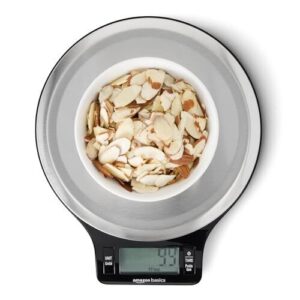
Accurate prey sizing starts with a reliable scale.
The Amazon Basics Digital Kitchen Scale measures from 2 grams up to 5,000 grams, giving you precise control over every feeding — especially important when your snake’s appetite drops in winter and portions matter more.
The tare function lets you zero out a deli cup or bowl, so you’re weighing only the prey itself.
It’s compact, easy to clean, and runs on AAA batteries included in the box.
| Best For | Home cooks, bakers, and reptile owners who want simple, accurate measurements without spending a lot. |
|---|---|
| Material | Stainless steel & BPA-free plastic |
| Primary Use | Food/ingredient measuring |
| Size/Dimensions | 8.3 x 7 x 1.3 inches |
| Weight | 13.4 ounces |
| Color | Silver/Black |
| Brand | Generic/Unbranded |
| Additional Features |
|
- Handles everything from a pinch of spice to a full 11 pounds, with a tare function that zeroes out your container in one tap
- Switches between grams, ounces, pounds, and more — so it works for recipes, meal prep, and even shipping
- Compact, easy to wipe down, and comes with batteries ready to go
- Won’t register anything under 2 grams, so it’s not ideal for ultra-precise small measurements
- Battery life can vary, and there’s no rechargeable option
- The look is pretty basic — functional, but don’t expect it to win any countertop style points
2. Exo Terra Outback 20 Gallon Terrarium
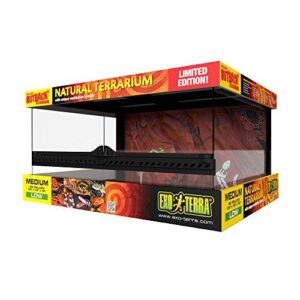
Once you know what your snake weighs, the enclosure does the rest of the work.
The Exo Terra Outback 20 Gallon Terrarium gives you a 24 x 18 inch floor — enough room to build a clear warm-to-cool gradient that aids digestion after winter feeds.
The dual front-opening doors make prey placement clean and stress‑free.
Glass walls hold warmth better than screen setups, which matters when indoor air runs dry from winter heating.
The built-in cable inlets keep thermostat probes routed neatly.
| Best For | Reptile owners keeping terrestrial species like bearded dragons, leopard geckos, or small snakes who want easy front-access and a solid temperature gradient setup. |
|---|---|
| Material | Stainless steel & glass |
| Primary Use | Reptile housing |
| Size/Dimensions | 25 x 19.6 x 13.3 inches |
| Weight | 0.01 ounces |
| Color | Multicolor |
| Brand | Exo Terra |
| Additional Features |
|
- Front-opening doors make feeding and handling way less stressful for both you and your pet
- Glass walls hold heat better than screen enclosures, great for dry winter indoor air
- Built-in cable management keeps thermostat probes and wiring tidy and out of the way
- The styrofoam background can flake, melt near heat lamps, and leave gaps where small bugs or feeders can sneak behind it
- Door hinges are a weak point and may wear out faster than expected with daily use
- The top can sag under heavier lighting setups, so you’ll want to be careful with equipment placement
3. Zilla Terrarium Heat Mat Medium 16 Watt
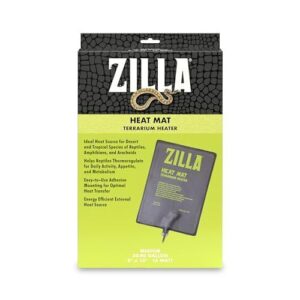
Good enclosure design gets heat in the right place — but something still has to generate it.
The Zilla Terrarium Heat Mat Medium 16 Watt attaches to the outside bottom of a 30–40 gallon glass tank and delivers steady infrared belly heat without hot spots, thanks to carbon fiber technology. Its 16-watt draw runs efficiently around the clock, which matters in winter when room temps dip. Cap it with a thermostat to hold your warm zone in the low-to-mid 90s°F for safe digestion.
| Best For | Reptile and arachnid owners who need reliable, energy-efficient belly heat for desert or tropical species in a 30–40 gallon tank. |
|---|---|
| Material | Carbon fiber |
| Primary Use | Reptile heating |
| Size/Dimensions | 8.5 x 14.4 x 1.3 inches |
| Weight | 0.7 pounds |
| Color | Black |
| Brand | Zilla |
| Additional Features |
|
- Carbon fiber technology spreads heat evenly — no hot spots that could burn your pet
- Runs at just 16 watts, so it won’t spike your electric bill even running 24/7
- Simple adhesive mounting makes setup quick and keeps it firmly in place
- Only heats from below, so you’ll still need a separate basking lamp for species that need overhead warmth
- No built-in thermostat — you’ll want to buy one separately to keep temps safe and consistent
- Medium size may not cover enough surface area for larger enclosures beyond 40 gallons
4. Sweeter Heater Infrared Side Mount Animal Heater

Bottom heat works well for ground-dwelling species, but arboreal snakes or taller enclosures need warmth coming from above or the side. That’s where the Sweeter Heater shines.
This 50-watt infrared panel mounts flush to walls or ceilings and delivers uniform radiant heat — no hot spots, no visible light to disrupt nocturnal behavior.
Its surface stays between 160–180°F while keeping your snake comfortable from a safe distance.
A built-in thermal shutoff adds peace of mind during those long winter nights.
| Best For | Arboreal snakes, reptiles, and small animals in taller enclosures that need heat from above or the side rather than below. |
|---|---|
| Material | Plastic & metal |
| Primary Use | Animal heating |
| Size/Dimensions | 16 x 11 x 2 inches |
| Weight | 3 pounds |
| Color | White |
| Brand | Unbranded |
| Additional Features |
|
- Mounts flush to walls or ceilings, making it perfect for arboreal setups without taking up floor space
- Uniform infrared heat with no hot spots or visible light — won’t mess with nocturnal behavior
- Built-in thermal shutoff keeps things safe during overnight or unattended use
- Can put off strong fumes when you first fire it up, so ventilate well out of the gate
- Heat doesn’t always reach the panel edges, which can leave cooler zones in the enclosure
- You’ll need a separate thermostat to really dial in the temperature — it doesn’t regulate itself beyond the shutoff
5. Zilla Reptile Heat Lamp Dome
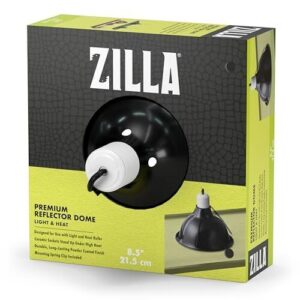
While side-mount panels manage walls and ceilings well, sometimes overhead basking is exactly what your snake needs — especially after a winter meal. The Zilla Premium Reflector Dome delivers that from above.
Its reflective white interior focuses heat straight down into the enclosure, creating a reliable basking zone. The ceramic socket accommodates bulbs up to 150 watts, and the spring clip keeps it locked onto your screen top. An inline switch makes quick shutoffs easy during feeding.
| Best For | Snake and reptile owners who need a reliable overhead basking setup, especially for larger enclosures requiring stronger bulbs. |
|---|---|
| Material | Metal |
| Primary Use | Reptile lighting/heating |
| Size/Dimensions | 9.4 x 6.6 x 8.8 inches |
| Weight | 11.2 ounces |
| Color | Black |
| Brand | Zilla |
| Additional Features |
|
- Reflective white interior pushes heat straight down, so your basking zone actually stays warm
- Ceramic socket handles high wattage bulbs without breaking down over time
- Inline on/off switch makes quick shutoffs during feeding totally painless
- Gets hot enough to burn you if you’re not careful when swapping bulbs
- A few buyers have received units damaged right out of the box
- Spring clip mount won’t work with every enclosure style, so check your setup first
Frequently Asked Questions (FAQs)
How long do snakes go without eating in winter?
Most snakes in full brumation stop eating for 2 to 4 months. Ball pythons can safely fast up to 6 months, while tropical species may only skip a few weeks.
What not to do when feeding a snake?
Force feeding, oversized prey, and microwave-thawed rodents top the list of common mistakes. Never handle your snake within 48 hours of a meal — regurgitation follows almost every time.
How often should I feed my snake in winter?
Most adult snakes do well eating every 10 to 21 days in winter. Juveniles can shift from every 5–7 days to every 7–10 days as their metabolism naturally slows.
How long can snakes go without eating in the winter?
Most healthy snakes can go 2 to 3 months without eating in winter. Ball pythons often fast this long naturally, while corn snakes usually manage 4 to 8 weeks without concern.
What do snakes eat during the winter?
When push comes to shove, most pet snakes stick to the same prey — mice or rats — just less often.
Wild snakes either brumate and skip meals entirely or hunt small mammals if temperatures stay mild.
Can I feed frozen prey during winter months?
Yes, frozen prey is actually the smarter choice year-round. Thaw rodents overnight, then warm them to 95–100°F before feeding. Snakes respond well when prey mimics live body heat.
Should water bowls be heated in winter?
Skip the heated bowl — lukewarm water refreshed daily keeps things simple and safe.
Water around 80–85°F helps hydration without risking bacterial growth or humidity spikes that dry winter air makes worse.
Do outdoor temperature fluctuations affect indoor snakes?
Outdoor cold snaps can lower indoor temperatures by several degrees, especially near windows or exterior walls.
This affects snake’s enclosure warmth, slowing metabolism and reducing appetite even when your home feels comfortable.
How does lighting schedule change in winter?
Shorten daylight hours to 11–12 hours in winter. Ball pythons do well at 75 hours; corn snakes thrive at Gradual reductions prevent stress and naturally signal metabolic slowdown.
Are vitamin supplements needed during winter feeding?
Whole prey, properly nourished and frozen fresh, provides perfectly balanced vitamins that your snake needs.
Routine supplements aren’t necessary — and can actually cause harm through vitamin A or D3 overdose with regular use.
Conclusion
It’s no coincidence that experienced keepers stop worrying the moment they understand their snake isn’t broken—it’s simply seasonal.
Your winter snake feeding schedule isn’t about feeding less; it’s about feeding right. Match the intervals to your snake’s species, age, and body condition, and you’re no longer guessing.
You’re reading your animal.
That shift—from calendar‑driven routine to biology‑driven awareness—is what separates keepers who panic every November from those who don’t.
- https://www.petassure.com/maxscorner/adjusting-winter-diet-for-reptiles-and-cold-blooded-pets/
- https://www.petplace.com/article/reptiles/general/feeding-your-snake
- https://www.thebreedinglab.com/brumate
- https://www.allaboutcornsnakes.com/breeding_brumation_pairings.html
- https://www.petmd.com/reptile/garter-snake-care-sheet