This site is supported by our readers. We may earn a commission, at no cost to you, if you purchase through links.
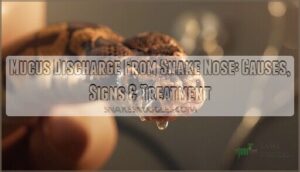
You check on your snake and notice something unsettling—clear or cloudy mucus discharge pooling around its nostrils, maybe even bubbling when it breathes. That’s not normal shed residue or a harmless quirk; respiratory infection is often your first warning sign, which can escalate quickly in reptiles.
Unlike mammals that cough and sneeze to clear their airways, snakes rely on you to spot these subtle red flags before their breathing becomes labored. The causes range from bacterial invaders and fungal colonizers to environmental culprits like incorrect humidity or poor ventilation—and pinpointing the source is essential for effective treatment.
Understanding what triggers nasal discharge, how to recognize the accompanying symptoms, and when to seek veterinary care can mean the difference between a full recovery and a life-threatening decline.
Table Of Contents
- Key Takeaways
- What Causes Mucus Discharge in Snakes?
- Recognizing Symptoms of Nasal Discharge
- Diagnosing Respiratory Infections in Snakes
- Treatment Options for Affected Snakes
- Preventing Mucus Discharge and Respiratory Issues
- Frequently Asked Questions (FAQs)
- How do I tell if my snake has a respiratory infection?
- What are the symptoms of paramyxovirus in snakes?
- Can snakes recover fully from respiratory infections?
- How long does treatment typically take?
- Are certain snake species more susceptible?
- What are early warning signs before discharge?
- Can respiratory infections spread to other reptiles?
- Conclusion
Key Takeaways
- Mucus discharge from your snake’s nostrils—especially if it’s yellow, green, or accompanied by open-mouth breathing and wheezing—signals a respiratory infection that demands immediate veterinary attention before it becomes life-threatening.
- Bacterial invaders like Pseudomonas and Aeromonas are the usual culprits, but environmental slip-ups (wrong temperatures, poor humidity control, dirty substrate) create the conditions that let these infections take hold in the first place.
- Treatment requires a multi-pronged approach: antibiotics or antifungals from your vet, nebulization therapy to clear airways, and strict environmental corrections (86–92°F warm side, species-appropriate humidity, weekly substrate changes) to support recovery.
- Prevention beats treatment every time—consistent temperature gradients, proper ventilation without drafts, daily spot cleaning, and close monitoring of breathing patterns and behavior will keep most respiratory infections from ever starting.
What Causes Mucus Discharge in Snakes?
When you spot mucus coming from your snake’s nostrils, it’s almost always a sign that something’s gone wrong—and figuring out the root cause is the first step toward getting your animal back on track.
If your snake is also refusing food, check out this guide on recognizing symptoms when your snake won’t eat to see if respiratory distress might be part of a bigger picture.
Respiratory infections in snakes don’t just appear out of nowhere; they’re triggered by a mix of infectious agents, environmental slip-ups, and sometimes factors you can’t control. Let’s break down the main culprits so you know exactly what you’re dealing with.
If your snake is already showing symptoms like labored breathing or wheezing, understanding why your snake is breathing heavily can help you catch infections early before they worsen.
Common Infectious Agents (Bacteria, Viruses, Fungi)
Bacterial infection—from Pseudomonas, Mycoplasma, Chlamydophila, or Aeromonas—is the usual suspect, hijacking your snake’s respiratory tract when its immune response falters.
Spotting early behavioral symptoms of a sick snake like lethargy or mouth breathing gives you a critical head start on treatment.
Viruses boost viral load and weaken defenses, while fungal spores colonize stressed tissues. These microbe interactions intensify each other; bacteria swap genes for bacterial resistance, making treatment trickier.
Maintaining good hygiene is crucial, as highlighted in this guide on, to help limit microbe transmission.
You’re dealing with single-celled invaders that double every twenty minutes—speed matters here.
Environmental Stressors (Temperature, Humidity)
Beyond pathogens, temperature control and humidity levels shape respiratory infection risk—extremes compromise your snake’s immune efficiency and mucus clearance.
Temperature gradients below species optima slow metabolism, while rapid swings spike stress hormones that inflame nasal tissues.
Poor humidity control dries airways or fosters condensation; ventilation systems prevent stagnant, microbe-rich air.
Environmental consistency and climate management through daily monitoring deliver stress reduction—your first line of respiratory defense.
Poor Enclosure Hygiene
Dirty substrate and stagnant water dishes breed bacteria and mold that irritate your snake’s nasal passages, triggering mucus discharge and respiratory infection. Sanitation protocols form a critical component in preventing these issues. Substrate maintenance and enclosure cleaning are essential to prevent the biofilm, fungal spores, and organic decay that compromise ventilation systems and humidity control.
Environmental modifications start here:
- Replace bedding weekly to eliminate pathogen buildup
- Scrub water dishes daily to destroy biofilm colonies
- Disinfect surfaces and accessories with reptile-safe cleaners regularly
Genetic Predisposition
Even with immaculate enclosures, some snakes carry inherited diseases that predispose them to respiratory infection—hereditary traits written into their DNA mutations.
Breed susceptibility varies; certain morphs show weakened immune responses passed through generations.
Genetic testing isn’t standard in reptile health, but breeders increasingly recognize that snake respiratory infection patterns cluster in specific bloodlines, making some individuals vulnerable regardless of your snake care protocols.
Recognizing Symptoms of Nasal Discharge
Catching a respiratory infection early can mean the difference between a quick recovery and a life-threatening situation—so knowing what to look for matters.
Your snake won’t tell you it feels lousy, but its body will show you clear warning signs if you know where to look. Here’s what you need to watch for when checking your snake for nasal discharge and related respiratory symptoms.
Visible Mucus Around The Nostrils

Nasal discharge isn’t always a red flag—but you need to know what’s normal versus what signals respiratory disease. Clear to white mucus around your snake’s nostrils, especially when they’re active and eating, is usually fine; however, here’s what demands closer attention:
- Mucus coloration shifts to yellow or green, indicating infection
- Nostril swelling or visible nasal crust formation
- Persistent discharge despite adequate snake hydration levels
- Sticky, excess mucus that suggests upper respiratory infections brewing
Changes in mucus color and consistency may also mirror common causes of, such as infection or inflammation.
Open-Mouth Breathing and Wheezing

When your snake gasps with its mouth wide open or you hear high-pitched wheezing sounds, respiratory distress is already underway.
Open-mouth breathing signals airway obstruction or breathing difficulty—your snake can’t pull enough air through its nostrils due to nasal blockage from infection.
Wheezing, especially during exhalation, means narrowed airways are struggling; combined with nasal discharge, these breathing difficulties point directly toward respiratory infection.
Issues like airway obstruction can also affect maxillofacial development patterns in both reptiles and other vertebrates.
Lethargy and Loss of Appetite
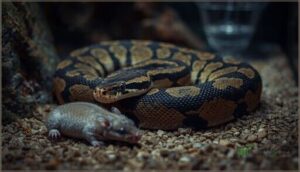
Often, respiratory infection drains your snake’s energy and dulls its drive to eat—lethargy and loss of appetite are red flags that signal underlying illness, especially when nasal discharge is present.
- Reduced activity levels mean your snake moves less and responds sluggishly to stimuli.
- Refusal to feed persists even when prey is offered at appropriate intervals.
- Increased resting time shows your snake spending more hours hidden or inactive.
- Slower metabolic rate from temperature stress or infection suppresses appetite stimulation.
- Progressive weight loss develops if nutrition therapy and recovery strategies aren’t started promptly.
Stress management and correcting environmental factors help restore normal snake behavior during treatment.
Associated Signs (Drooling, Weight Loss)
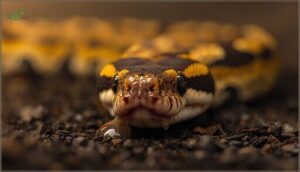
As respiratory distress worsens, drooling and weight loss become concerning companions to nasal discharge—pooled saliva around the mouth signals weak swallowing ability, while unexplained weight loss indicates chronic illness affecting your snake’s metabolism and intake.
| Sign | What It Tells You |
|---|---|
| Drooling mechanism | Weak facial muscles let saliva spill from mouth during respiratory infection |
| Weight loss indicator | Reduced appetite and difficulty swallowing contribute to declining body condition |
| Open mouth breathing | Airways constricted by mucus force your snake to gasp for air |
| Wheezing sounds | Blockage in respiratory tract creates audible breathing difficulty |
| Lethargy patterns | Energy depletion from fighting infection reduces normal activity levels |
Monitor these nasal discharge signs closely—prompt veterinary evaluation prevents further decline.
Diagnosing Respiratory Infections in Snakes

When you notice mucus coming from your snake’s nose, getting an accurate diagnosis isn’t something you can do at home—you’ll need a reptile vet to figure out what’s really going on.
The exam involves more than just a quick look; your vet will ask about your husbandry practices, check your snake’s overall condition, and likely run some tests to pinpoint the cause. Here’s what to expect during the diagnostic process.
Veterinary Examination and History
When you bring your snake to the vet with nasal discharge, expect a thorough conversation—the medical history and physical exam form the foundation of veterinary diagnosis. Your vet will ask when the mucus started, whether it’s clear or thick, and if open-mouth breathing or weight loss accompanied it.
The vet inspects nares for crusts, checks the mouth for stomatitis, and observes breathing effort—all critical clues before diagnostic tests or treatment plans begin. Proper patient monitoring starts here, guiding effective veterinary care.
- Enclosure temperatures below ideal range often trigger snake respiratory infection
- Chronic poor humidity weakens defenses and worsens nasal discharge
- Handling stress and recent cage changes compromise immunity
Diagnostic Tests (X-rays, Cultures, Blood Work)
Once history points to respiratory infection, your vet orders imaging diagnostics—radiography techniques reveal pneumonia or sinusitis patterns, while blood gas and laboratory testing measure infection severity through white cell counts and organ function.
Microbial analysis from nasal discharge isolates bacteria or fungi, guiding infection treatment with sensitivity testing. These veterinary diagnosis tools transform suspicion into targeted action against respiratory disease.
Differentiating Causes of Mucus Discharge
Once test results arrive, you need to distinguish infection patterns from simple irritation—thick yellow or green nasal discharge usually signals bacterial respiratory infection, while copious clear foamy mucus points toward viral respiratory disease like serpentovirus.
Mucus types reveal diagnostic challenges: ropey discharge suggests fungal involvement, watery mucus indicates environmental irritants, helping your vet predict treatment outcomes and target infection causes accurately.
Treatment Options for Affected Snakes
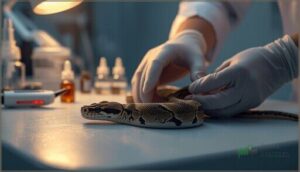
Once your vet confirms a respiratory infection, treatment usually involves a multi-pronged approach—you can’t just pick one thing and hope for the best.
The goal is to knock out the infection, support your snake’s breathing and immune system, and fix whatever environmental issues allowed the problem to start. Let’s walk through the main treatment strategies your reptile vet will likely recommend.
Antibiotic and Antifungal Therapies
Once your veterinarian diagnoses a bacterial infection, antibiotic therapy becomes the cornerstone of recovery—matching the right medication to the pathogen while avoiding antibiotic resistance through proper dosage and treatment duration.
Fungal infections require antifungals with different pharmacokinetics, targeting cell membranes rather than bacterial walls. Your vet will adjust doses based on your snake’s weight, kidney function, and infection severity, ensuring therapeutic levels without toxicity.
Nebulization and Supportive Care
Beyond medication, nebulization therapy delivers mist directly into your snake’s airways, loosening thick mucus and easing breathing difficulties that signal respiratory infection. You’ll place your snake in a warm treatment box with a compressor nebulizer running 15 to 30 minutes, using sterile saline or prescribed antimicrobials—then follow with gentle coupage, tapping along the body to help clear nasal discharge and airway secretions.
- Watch your snake breathe easier as warm mist hydrates inflamed airways and breaks down stubborn mucus plugs
- Feel reassured knowing you’re delivering medication where it’s needed most—right into the respiratory tract
- Take control of recovery by pairing nebulization with proper hydration techniques and daily weight monitoring
- Prevent sudden setbacks by keeping treatment sessions warm and watching for any increased respiratory distress afterward
Environmental Adjustments for Recovery
Medication works best when your sick snake lives in the right conditions. Environmental modifications—temperature gradients between 86 and 92°F on the warm end, species-appropriate humidity control, and improved ventilation systems—support respiratory infection recovery by letting your snake self-regulate and breathe easier.
| Environmental Factor | Adjustment for Recovery |
|---|---|
| Temperature Control | Maintain 86–92°F warm side, 75–80°F cool side with digital thermometers |
| Humidity Management | Keep 40–60% for most species; use hygrometers on both ends |
| Enclosure Design | Replace loose substrate with paper towels for easy cleaning |
| Lighting Adjustments | Keep predictable day/night cycles to reduce stress during treatment |
Good ventilation prevents stale air buildup that worsens snake respiratory infection, while temperature gradients let your recovering animal choose its comfort zone—essential since sudden drops can trigger setbacks.
Preventing Mucus Discharge and Respiratory Issues
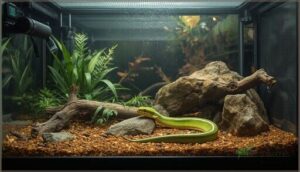
Prevention is always easier than treatment—and in the case of respiratory infections, an ounce of proactive husbandry is worth a pound of nebulization therapy.
Preventing respiratory infections through consistent husbandry is far simpler than treating established disease
The good news is that most mucus discharge cases are completely avoidable with consistent attention to a few key environmental and management practices. Let’s look at the specific steps you can take to keep your snake’s respiratory system healthy and mucus-free.
Maintaining Optimal Temperature and Humidity
Think of your enclosure as a climate engine—temperature gradients between 75 and 92°F and humidity control from 50 to 80 percent create the zone where respiratory infection can’t gain a foothold.
Proper heat sources, coupled with airflow management that balances ventilation systems without drafts, keep your snake’s airways clear and nasal discharge at bay.
Regular Enclosure Cleaning and Maintenance
Daily spot cleaning—removing feces, urates, and uneaten prey within 24 hours—and full substrate replacement every 4 to 8 weeks cut bacterial loads that trigger snake respiratory infection.
Use diluted chlorhexidine or mild dish soap, rinse thoroughly, and air-dry completely before reintroducing your animal; proper ventilation systems during cleanup prevent lingering fumes that irritate airways and cause nasal discharge.
Reducing Stress and Monitoring Health
Consistently monitoring behavior—appetite, activity, breathing pattern—catches early warning signs of respiratory infection before nasal discharge escalates. Stress management techniques paired with environmental stability anchor your snake’s immune resilience; routine health checks, gentle calming techniques during handling, and species-appropriate snake enrichment work together to prevent respiratory disease and safeguard snake respiratory health over the long haul.
- Track daily feeding and movement patterns to spot subtle changes.
- Maintain stable enclosure temperature and humidity around the clock.
- Handle calmly during quiet hours to minimize fear responses.
- Provide hide boxes and substrate choices that encourage natural behavior.
Isolation of Affected Snakes
When you spot nasal discharge—a red flag for snake respiratory infection—move that animal into quarantine setup immediately to block disease transmission to your collection. Isolation protocols demand a separate room, dedicated handling tools, and strict biosecurity measures: wear disposable gloves, work from healthy snakes to sick ones, and disinfect every surface weekly until veterinary care confirms recovery and respiratory disease clears.
| Biosecurity Measures | Purpose |
|---|---|
| Separate quarantine room | Prevents airborne pathogen spread |
| Disposable gloves per snake | Stops hand-borne transmission |
| Dedicated tools and bowls | Avoids cross-contamination |
Frequently Asked Questions (FAQs)
How do I tell if my snake has a respiratory infection?
Watch for open-mouth breathing, wheezing, or clicking sounds when your snake rests. Thick nasal discharge, reduced appetite, and unusual lethargy signal respiratory infection—especially if symptoms persist beyond two days.
What are the symptoms of paramyxovirus in snakes?
Paramyxovirus causes nasal discharge, open-mouth breathing, wheezing, lethargy, and loss of appetite—often paired with neurological signs like head tremors or twisting.
Respiratory failure can lead to sudden death, with high mortality rates despite your immune response efforts.
Can snakes recover fully from respiratory infections?
Many snakes achieve full recovery from respiratory infections when treatment starts early, husbandry improves, and antibiotic therapy or nebulization therapy continues long enough—though severe pneumonia or viral disease can limit respiratory health outcomes permanently.
How long does treatment typically take?
Treatment duration varies with severity—mild respiratory infections often improve in 2–3 weeks of antibiotic therapy, while moderate cases need 4–6 weeks, and severe infections may require months of combined nebulization therapy and environmental management.
Are certain snake species more susceptible?
Yes—pythons face the highest risk, with roughly 37 to 38 percent carrying serpentovirus and most showing respiratory infections and nasal discharge, while boas and colubrids remain far less susceptible to serious respiratory disease.
What are early warning signs before discharge?
Before you spot actual nasal discharge, watch for subtle Respiratory Alert signals—frequent sneezing, nasal rubbing, or snorting noises.
PreDischarge Signs include Nasal Irritation with redness around nostrils and Early Symptoms like increased lethargy or openmouth breathing during rest.
Can respiratory infections spread to other reptiles?
Absolutely—respiratory pathogens like serpentoviruses and ferlaviruses cross species boundaries, spreading through airborne contagion, shared water bowls, and contaminated surfaces.
Quarantine protocols and strict reptile biosecurity prevent infectious diseases in snakes from sparking multi-species outbreaks in your collection.
Conclusion
Think of your snake’s respiratory system as a canary in the coal mine—mucus discharge from snake nose is the early alarm that demands your attention. By catching infections quickly, correcting environmental flaws, and partnering with an experienced reptile vet, you transform a potentially fatal spiral into a manageable setback.
Your vigilance doesn’t just treat symptoms; it safeguards the delicate balance your snake needs to thrive, breathe freely, and live without the shadow of chronic illness.