This site is supported by our readers. We may earn a commission, at no cost to you, if you purchase through links.
A little mucus discharge from a snake’s nose can stop you cold, especially when you’re not sure if you’re looking at something harmless or a sign your animal is in serious trouble. The difference matters more than you might think. Respiratory infections in snakes can escalate fast, and waiting too long to act has cost many keepers their animals.
Not every drop of nasal fluid signals disaster. A single clear, watery episode after feeding or a humidity spike often resolves on its own. But cloudy, colored, or persistent discharge is your cue to move quickly, and knowing how to tell the difference could save your snake’s life.
Table Of Contents
- Key Takeaways
- Is Mucus From a Snake’s Nose Normal?
- When is Snake Nasal Discharge an Emergency?
- What Causes Mucus From a Snake’s Nose?
- What Should You Do Before a Vet Visit?
- How Do Vets Diagnose and Treat Nasal Discharge?
- How Can You Prevent Snake Nasal Discharge?
- Frequently Asked Questions (FAQs)
- What does clear mucus discharge from the nose mean?
- What are signs of a respiratory infection in snakes?
- What does a snake respiratory infection sound like?
- What is the most common cause of death in snakes?
- How do I tell if my snake has a respiratory infection?
- What are the symptoms of paramyxovirus in snakes?
- Can snakes recover fully from respiratory infections?
- How long does treatment typically take?
- Are certain snake species more susceptible?
- What are early warning signs before discharge?
- Conclusion
Key Takeaways
- Clear, watery nasal discharge that resolves quickly can be normal, but cloudy, colored, thick, or persistent mucus demands immediate veterinary attention.
- Open-mouth breathing, bloody or discolored discharge, and sudden lethargy are emergency signs—respiratory infections in snakes can turn critical within hours, not days.
- Environmental factors like dusty substrate, poor ventilation, and humidity swings can cause nasal discharge that clears up with simple husbandry fixes before infection ever takes hold.
- Preventing respiratory illness comes down to consistent enclosure hygiene, stable temperature and humidity, and quarantining any new snake for 60–90 days before introducing it to your collection.
Is Mucus From a Snake’s Nose Normal?
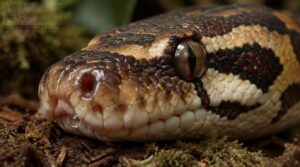
Although a small amount of clear nasal fluid can appear after feeding, handling, or a sudden shift in humidity, most mucus discharge from a snake’s nose warrants attention. A single, brief watery episode that clears up on its own is consistent with mild transient irritation. That’s normal.
If discharge persists, changes color, or thickens, it’s worth reviewing signs of respiratory infection in snakes to catch a developing problem early.
Persistent nasal discharge is not. If it rebuilds after you clean it, thickens, or takes on a foamy texture, something more serious may be developing. Mucus color assessment helps here: clear and watery leans toward irritation, while cloudy or discolored secretions raise real concern for a respiratory infection. Because snake nasal passages connect directly to the respiratory tract, what you see at the nostrils can originate much deeper. Don’t delay seeking veterinary care.
When is Snake Nasal Discharge an Emergency?
Persistent discharge that worsens is your signal to act fast. Once you notice any of these signs, treat it as an emergency and contact a reptile vet right away:
- Open-mouth breathing or wheezing: your snake should never breathe audibly through an open mouth; visible respiratory effort means the airway is already compromised.
- Bloody or discolored discharge: blood-tinged, yellow, or green mucus strongly suggests a severe respiratory infection or more significant tissue inflammation below the surface.
- Lethargy and loss of appetite: when your snake stops moving normally and refuses food, the infection has likely become systemic.
Respiratory disease in snakes can move fast. A snake that seemed mildly symptomatic in the morning can decline sharply within hours. Don’t wait it out.
What Causes Mucus From a Snake’s Nose?
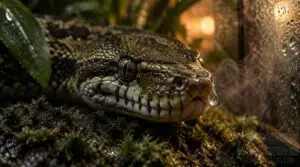
Nasal discharge in snakes comes down to two main culprits: infection and environment. Knowing which one you’re dealing with changes everything about how you respond. Here’s what’s actually driving that mucus.
Tracking the specific pattern and consistency of that discharge is key, since snake respiratory infection symptoms often reveal whether you’re looking at a bacterial culprit or a simple husbandry fix.
Respiratory Infections
A corn snake came in last spring with its nostrils sealed completely shut. Respiratory infection had gone weeks untreated. By the time owners notice sealed nostrils, the infection has often been progressing for weeks — understanding corn snake respiratory infection signs and treatment can help catch it much earlier.
Bacterial invaders move fast. They colonize airways, thicken mucus, and spread if you wait.
| Pathogen | Signs | Risk |
|---|---|---|
| Bacteria | Thick nasal discharge | High |
| Virus | Wheezing, open mouth | Critical |
| Parasite | Persistent mucus | Moderate |
Mucus Discharge From Snake Nose warrants diagnostic tests. Don’t wait.
Early action matters, since nasal discharge often signals a developing respiratory infection that can worsen quickly without treatment.
Irritants, Husbandry, and Blocked Nostrils
Not every nasal discharge points to infection. Sometimes environmental irritation is the culprit. Dusty substrates, ammonia from soiled enclosures, and poor ventilation systems inflame nasal passages and thicken mucus until blocked nostrils form.
Check your husbandry first. Swap cedar or pine for reptile-safe bedding, improve airflow, and stabilize humidity. These simple fixes can stop mild nasal discharge before it escalates.
What Should You Do Before a Vet Visit?

How you handle the next few hours matters. Before veterinary care, cut handling completely and stabilize the enclosure. Correct temperature and humidity reduce respiratory demand, giving you a clearer picture of how serious the nasal discharge actually is.
Start isolation protocols immediately. Move your snake away from other reptiles, and don’t share hides, tongs, or water bowls without disinfecting them first. Respiratory infections spread faster than most owners expect, especially in households with multiple reptiles.
Document everything before you go. Photograph the mucus discharge, note whether it’s watery or thick, one nostril or both, and when it started. A husbandry review, including substrate, cleaning products, and temperature gradient, gives your vet the context to diagnose faster and target treatment accurately.
Logging exact temperatures from a reptile enclosure digital thermometer strengthens your husbandry record and helps your vet rule out thermal stress as a contributing factor.
How Do Vets Diagnose and Treat Nasal Discharge?
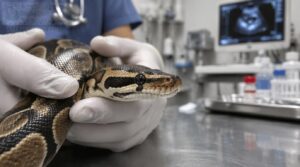
Once your snake reaches the clinic, the vet will move fast to figure out what’s going on. Diagnosis and treatment follow a clear, structured path—and knowing what to expect helps you stay calm and ask the right questions. Here’s what that process actually looks like.
Examination and Diagnostic Tests
Your vet won’t guess. They’ll run nasal swabs and cultures, blood work, and X-rays to pinpoint exactly what’s driving that discharge.
A nasal flush collects deep samples for PCR testing, catching pathogens like Mycoplasma that cultures alone miss.
If sinus involvement is suspected, detailed diagnostic imaging like CT scans requires a specialty referral, but it delivers answers nothing else can.
Medication and Supportive Care
A sick snake can’t fight infection and dehydration at once.
That’s why antibiotic therapy targets bacterial pathogens while fluid therapy helps with hydration and recovery. If your vet confirms a fungal cause, they’ll need to switch to antifungal medication. Nebulization therapy loosens retained mucus. A reptile nebulizer kit makes it easier to deliver medicated mist directly to your snake’s airways at home between vet visits.
Solid supportive care for sick snakes also means keeping temperatures stable and handling to an absolute minimum.
How Can You Prevent Snake Nasal Discharge?

Think of your snake’s enclosure as a fortress against illness, and the right husbandry habits are the walls that keep respiratory trouble out before it ever starts. Start with humidity control and temperature gradient. Both directly affect immune function. Keep humidity within your species’ range, checking it daily with a hygrometer, and never let it spike or crash for days at a time. Provide a warm basking zone and a cooler retreat so your snake can regulate its body temperature properly.
Your snake’s enclosure is a fortress—humidity and temperature are the walls that keep illness out
Prioritize these three practices consistently:
- Enclosure cleaning: spot-clean waste daily and replace substrate every two to four weeks to prevent bacterial buildup.
- Ventilation improvement: make sure steady airflow without cold drafts, since stagnant air accelerates pathogen growth.
- Biosecurity measures: quarantine any new snake for 60 to 90 days before housing it near your existing collection.
Schedule annual wellness checks. Early detection matters more than any single intervention.
Frequently Asked Questions (FAQs)
What does clear mucus discharge from the nose mean?
Clear nasal discharge often signals early irritation or inflammation, not infection right away. It can stem from environmental stressors or minor husbandry issues. Volume, frequency, and accompanying signs determine how urgently you’ll need to act.
What are signs of a respiratory infection in snakes?
Picture your snake pressing its nose against the glass, mouth slightly open. Nasal discharge, wheezing, and open-mouth breathing signal trouble. Add lethargy or loss of appetite, and you’re almost certainly dealing with a respiratory infection.
What does a snake respiratory infection sound like?
Healthy snakes breathe silently. If you’re hearing anything, that’s already a problem. Respiratory infections produce wheezing, clicking, or popping with each breath, progressing to audible gurgling sounds and labored breathing as mucus fills the airway.
What is the most common cause of death in snakes?
Juvenile snakes face predation mortality exceeding 50% in many wild populations. In captivity, bacterial infection shifts the whole picture, sparking respiratory infection, pneumonia, and respiratory distress that ends in sudden death before you catch it.
How do I tell if my snake has a respiratory infection?
Not all nasal discharge signals infection, but thick, sticky nasal mucus certainly does. Add wheezing, open-mouth breathing, or labored breathing, and you’ve got a serious problem. Frothy nasal discharge alongside lethargy nearly seals the concern.
What are the symptoms of paramyxovirus in snakes?
First identified in the 1970s, ophidian paramyxovirus now affects dozens of captive snake species. You’ll see persistent nasal discharge, audible respiratory distress, lethargy, and appetite loss. In severe cases, neurological signs emerge. Run diagnostic tests.
Can snakes recover fully from respiratory infections?
Think of recovery as a ladder: early intervention in reptile illness shortens your climb. A mild respiratory infection clears with antibiotic therapy, but chronic cases tied to environmental stressors in captivity demand much longer treatment.
How long does treatment typically take?
Conveniently, there’s no single fixed answer. Antibiotic therapy can run two to six weeks; husbandry review shortens that dramatically. Get the right veterinary diagnosis first, fix the environment, and your snake heals faster than expected.
Are certain snake species more susceptible?
No species has a free pass here. Respiratory anatomy and individual immune function vary far more within species than between them, so your husbandry choices, not your snake’s genetic lineage, ultimately determine nasal discharge risk.
What are early warning signs before discharge?
Your snake’s nostrils are a window into what’s coming. Watch for increased nostril moisture, subtle sneezing, head shaking, or clicking sounds during breathing. Open-mouth breathing or lethargy before visible discharge signals trouble is already brewing.
Conclusion
A calm, clear-eyed snake is a healthy snake. The moment you spot mucus discharge from a snake’s nose, that image should trigger action, not guesswork. Read the discharge. Check your setup. If anything looks cloudy, colored, or persistent, get to a vet before it worsens.
Prevention and early intervention are what separate keepers who lose animals from those who don’t. Know the signs, trust your instincts, and act while you still have time.