This site is supported by our readers. We may earn a commission, at no cost to you, if you purchase through links.

Your snake’s breathing doesn’t sound right—there’s a wet rattle with each exhale, and you notice she’s keeping her mouth slightly open, something she never does. These subtle changes signal one of the most dangerous conditions in captive reptiles: pneumonia.
The lower respiratory infection kills quickly, especially in large-bodied pythons and boas, whose complex lung anatomy makes them vulnerable even when husbandry looks perfect. Catching pneumonia early means the difference between a straightforward antibiotic course and a life-threatening crisis, but most keepers miss the early warning signs until their snake is already struggling.
You need to recognize the specific symptoms, understand what’s happening inside those lungs, and know exactly when observation shifts to emergency.
Table Of Contents
- Key Takeaways
- What is Pneumonia in Snakes?
- Causes and Risk Factors for Snake Pneumonia
- Key Signs and Symptoms to Watch For
- Step-by-Step Diagnosis of Snake Pneumonia
- Immediate Actions and When to Seek Help
- Frequently Asked Questions (FAQs)
- How do you treat pneumonia in snakes?
- What are the first warning signs of pneumonia?
- How to tell if your snake has a respiratory infection?
- Can pnumonia go away on its own?
- Can snakes with pneumonia spread infection to others?
- How long does typical pneumonia recovery take?
- Are certain snake ages more vulnerable to pneumonia?
- What antibiotics work best for snake pneumonia?
- Can stress alone trigger pneumonia in healthy snakes?
- Conclusion
Key Takeaways
- Snake pneumonia is a lower respiratory infection that progresses rapidly from subtle symptoms like wet rattling breaths and open-mouth breathing to life-threatening respiratory failure, making early detection critical for survival.
- Large-bodied pythons and boas face the highest risk due to their complex lung anatomy, and the condition stems from bacterial, viral, or fungal pathogens that thrive when husbandry factors like temperature, humidity, or ventilation fall short.
- Diagnosis requires both careful home observation—tracking breathing rates, nasal discharge, and appetite changes—and veterinary testing including imaging, bacterial cultures, and sometimes endoscopy to identify the specific pathogen and infection severity.
- Treatment demands immediate veterinary intervention with targeted antibiotics combined with supportive home care including optimized temperature gradients, humidity control, and strict hygiene protocols to prevent recurrence in recovered snakes.
What is Pneumonia in Snakes?
Pneumonia in snakes is a lower respiratory tract infection that can quickly turn life-threatening if you don’t catch it early. Boas, pythons, and other large species are especially vulnerable, though any snake can develop this condition when husbandry falls short or pathogens take hold.
Poor environmental conditions—like the signs of low humidity in snakes—often weaken a snake’s defenses and pave the way for pneumonia to take hold.
Understanding what pneumonia actually is—and how it differs from milder respiratory issues—gives you the knowledge to recognize trouble before it’s too late.
Definition and Overview
Pneumonia in snakes is an inflammatory condition that attacks the lungs, impairing gas exchange and forcing your reptile to work harder just to breathe. This respiratory disease starts when infection or irritation inflames the airways and lung tissue, often progressing from mild upper respiratory infection to deep lung involvement.
If you catch the signs early—rapid breathing, open-mouth gasping, audible wheezing—you can prevent serious disease progression and restore normal lung function.
Common Snake Species Affected
Large-bodied pythons and boas face the highest pneumonia risk—their complex lung anatomy and slower metabolism create perfect conditions for respiratory infections to take hold.
Habitat loss in Southeast Asia and the southeastern United States has pushed species like Burmese pythons and Eastern Indigo snakes into compromised environments where respiratory health suffers, making wildlife preservation and species conservation essential for snake ecology.
How Pneumonia Differs From Other Respiratory Illnesses
While upper airway infections usually affect the trachea and throat lining, snake pneumonia targets the lung’s gas-exchange tissues directly, filling air sacs with fluid or pus. This distinction matters because respiratory pathogens causing lung inflammation require aggressive treatment—bacterial respiratory infection won’t resolve with simple supportive care.
Diagnostic challenges arise since respiratory diseases in reptiles often present similarly initially, but treatment outcomes depend on identifying whether infection mechanisms involve deeper lung tissue or just bronchial passages. Recognizing differences in can help inform the diagnostic approach in both reptiles and mammals.
Causes and Risk Factors for Snake Pneumonia

Snake pneumonia doesn’t just appear out of nowhere—it’s almost always triggered by something specific, whether that’s an infection lurking in the environment or husbandry conditions that slowly wear down your snake’s defenses.
If you’ve noticed labored breathing early on, understanding heavy breathing patterns can help you catch respiratory issues before they escalate into full-blown pneumonia.
Understanding what actually causes respiratory disease gives you the power to prevent it, or at least catch it early when treatment still works.
Let’s break down the three main categories of risk factors you need to watch for.
Bacterial, Viral, and Fungal Infections
Three different types of pathogens—bacteria, viruses, and fungi—can trigger snake pneumonia, and sometimes they team up to make matters worse. Gram-negative bacteria like Pseudomonas and Klebsiella dominate bacterial infections, while viruses such as paramyxovirus weaken immune defenses, opening the door for secondary bacterial invasion. Aspergillosis, a fungal infection, thrives in poorly ventilated enclosures.
Pathogen identification through culture and sensitivity testing guides your infection control strategy and respiratory therapy choices. Understanding the difference between is essential for effective treatment selection.
Environmental and Husbandry Factors
Even when pathogens are present, poor husbandry—including inadequate temperature control, improper humidity management, and deficient ventilation systems—creates the perfect breeding ground for respiratory disease. Maintaining ideal conditions through careful reptile husbandry and management isn’t optional—it’s your first line of defense in snake health and wellness.
Your substrate selection matters too; dusty bedding irritates airways, while drafty enclosure design stresses your snake’s immune defenses.
Genetic and Predisposing Conditions
Some snakes inherit genetic predisposition, making them sitting ducks for respiratory infection. Inherited traits affecting immune response or mucus production can weaken defenses against snake pneumonia, while family lines showing hereditary factors like airway defects face higher risk.
Males occasionally show elevated susceptibility due to X-linked patterns. Understanding respiratory genetics helps you recognize which animals need extra vigilance for infectious diseases in snakes.
Key Signs and Symptoms to Watch For
Catching pneumonia early in your snake can make the difference between a full recovery and a serious crisis.
Watching for early signs like wheezing, nasal discharge, or lethargy—and knowing how to treat viral respiratory infection in snakes—can help you act fast before symptoms worsen.
Catching pneumonia early in your snake can mean the difference between full recovery and a life-threatening crisis
The symptoms aren’t always obvious at first, but once you know what to look for, they become unmistakable. Here are the key warning signs that should send you straight to your reptile vet.
Open-Mouth Breathing and Wheezing
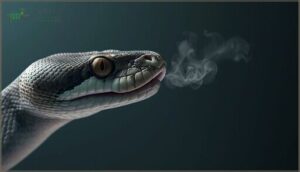
When your snake breathes with its mouth slightly open, you’re watching a red flag for respiratory distress. This open-mouth breathing pattern, often paired with a high-pitched wheeze during exhalation, signals airway obstruction from mucus buildup or inflammation.
Labored breathing and these respiratory sounds indicate tracheal issues affecting lung function—classic hallmarks of snake pneumonia requiring immediate veterinary attention.
Nasal Discharge and Gurgling Sounds
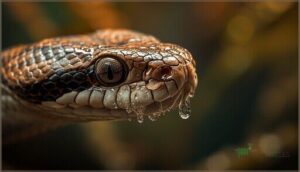
You’ll notice nasal discharge—clear, watery fluid or thick, pus-filled mucus—accompanied by distinctive gurgling sounds as secretions move through nasal turbinates and narrow passages. This gurgling mechanism reveals mucus accumulation obstructing respiratory airflow, creating audible bubbling during each breath.
Bilateral discharge with persistent gurgling strongly indicates snake pneumonia requiring immediate attention, as respiratory obstruction worsens without proper secretion clearance and targeted treatment for the underlying respiratory infection.
Labored Breathing and Head Elevation

When your snake props its head unusually high, you’re witnessing a compensatory response to airway obstruction and lung inflammation. Labored breathing—marked by visible abdominal effort, stretched neck posture, and open-mouth breathing—signals gas exchange strain from respiratory infection.
These breathing patterns indicate pneumonia severity, as increased respiratory strain reflects fluid buildup compromising respiratory health in snakes and demanding urgent veterinary assessment.
Appetite Loss and Lethargy
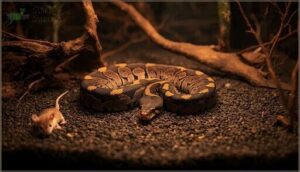
You’ll often notice feeding refusal and persistent low energy before respiratory signs become obvious. These appetite signals and lethargy indicators reflect metabolic changes tied to infection, pain associations from oral discomfort, and the body’s immune response draining reserves.
Watch for:
- Declining interest in prey over 1 to 2 weeks
- Reduced movement and prolonged resting in one spot
- Sluggish response to handling or enclosure tapping
- Fasting beyond normal shedding cycles
Appetite loss and lethargy together warrant veterinary review, as snake pneumonia and reptile respiratory infections progress quickly once snake health declines.
Step-by-Step Diagnosis of Snake Pneumonia

Once you spot the warning signs, getting a definitive diagnosis requires a combination of your careful observation at home and specialized veterinary testing.
Your vet will use a range of diagnostic tools—from imaging and bacterial cultures to direct lung examination—to pinpoint the exact cause and severity of your snake’s pneumonia. Here’s how the diagnostic process unfolds, step by step.
At-Home Observation and Symptom Tracking
Before you schedule that vet appointment, grab a notebook and become a detective. Daily log keeping starts with documenting breathing rate—count breaths per minute when your snake’s resting.
Track symptom patterns like open-mouth breathing, nasal discharge, gurgling sounds, and appetite loss every twelve hours. Health journaling captures labored breathing episodes and environmental checks, building a timeline that helps pinpoint exactly when things went sideways.
Veterinary Diagnostic Tests (Imaging, Cultures, Endoscopy)
Your vet’s toolbox goes deep once you arrive. Radiograph analysis captures lung infiltrates on film, while culture techniques isolate the exact bacteria—Pseudomonas, Klebsiella, or Aeromonas—driving infection.
Endoscopy procedures let your reptile pulmonology specialist peek directly into airways, spot lesions, and grab tissue samples. Bronchoalveolar lavage paired with diagnostic sampling pinpoints pathogens fast, and imaging scores quantify how much lung tissue pneumonia’s already claimed.
Interpreting Test Results
Once the lab runs your tests, reading the results correctly becomes the next diagnostic challenge. A positive culture doesn’t always mean active infection—sample contamination or colonization can trigger false positives.
False negatives happen when early-stage respiratory disease hasn’t ramped up bacterial load yet, or when limited sampling misses focal pneumonia. That’s why seasoned reptile pulmonology pairs test result analysis with clinical signs, avoiding interpretation errors that derail treatment.
Immediate Actions and When to Seek Help

Once you’ve confirmed pneumonia, every hour counts. Your first job is to stabilize your snake at home while determining if this is something you can manage with vet guidance or if you need emergency intervention.
Let’s break down what you can do right now, which warning signs demand immediate veterinary care, and how to keep pneumonia from coming back.
Supportive Care at Home
You can’t cure pneumonia at home, but you can support respiratory health while waiting for veterinary treatment. Environmental modifications form your first line of defense: maintain species-specific temperature gradients and humidity control to ease labored breathing, minimize stress management through gentle handling, and boost snake nutrition with easily digestible prey.
Meanwhile, daily observation helps you track nasal discharge, open-mouth breathing, and other warning signs—home hygiene matters too, so disinfect surfaces to reduce infection risk.
Emergency Signs Requiring Veterinary Attention
Certain respiratory failure signs demand immediate emergency care—open-mouth breathing paired with gurgling sounds signals critical airway compromise, while persistent nasal discharge with severe lethargy indicates systemic infection.
If your snake exhibits labored breathing, maintains head elevation despite rest, or shows sudden snake behavior changes like unresponsiveness, these critical symptoms require urgent veterinary intervention within hours, not days.
Preventing Pneumonia Recurrence
Once your snake recovers, preventing snake pneumonia demands consistent environmental control—maintain stable temperature gradients and humidity management suited to your species, implement strict quarantine protocols for new arrivals, and practice rigorous hygiene practices with weekly substrate changes.
Combine this with nutrition planning that enhances immune function and routine veterinary treatment for snakes to catch early respiratory infections in snakes before they escalate.
Frequently Asked Questions (FAQs)
How do you treat pneumonia in snakes?
Think of treatment plan as your battle plan: a veterinarian prescribes targeted antibiotics for bacterial pneumonia, often fluoroquinolones, while you provide supportive care—warm enclosures, proper hydration, and sometimes oxygen therapy for severe cases.
What are the first warning signs of pneumonia?
Watch for open-mouth breathing, nasal discharge, and gurgling sounds—these signal respiratory failure demanding early detection.
Appetite loss, lethargy, and irregular breathing patterns reveal declining health. Monitoring snake behavior closely catches pneumonia before it progresses.
How to tell if your snake has a respiratory infection?
Watch for open-mouth breathing, nasal discharge, wheezing sounds, and labored chest movement. These respiratory signs indicate infection.
Monitor your snake’s breathing patterns closely—persistent symptoms require immediate veterinary evaluation for proper infection control and respiratory health assessment.
Can pnumonia go away on its own?
Hoping pneumonia will vanish like smoke is dangerous. While mild infections in healthy humans might self-resolve, snake pneumonia rarely improves without veterinary care—respiratory disease in reptiles demands prompt diagnosis and treatment for any chance of natural healing.
Can snakes with pneumonia spread infection to others?
Yes, infected snakes shed bacteria and viruses through nasal secretions, contaminating cages and equipment.
Quarantine protocols and strict biosecurity measures prevent transmission risk to your healthy collection, protecting against infectious diseases spreading.
How long does typical pneumonia recovery take?
Recovery timelines aren’t one-size-fits-all—your snake’s healing process depends on infection severity, treatment outcomes, and overall health.
Mild cases improve within 1-3 weeks, while severe pneumonia prognosis extends 3-6 weeks with proper respiratory rehabilitation.
Are certain snake ages more vulnerable to pneumonia?
Young snakes with immature immune systems and elderly individuals facing respiratory decline show heightened snake pneumonia vulnerability.
Hatchlings encounter age risk factors during stressful vulnerable stages, while older reptiles experience weakened defenses requiring vigilant veterinary care for snakes and attentive respiratory health monitoring.
What antibiotics work best for snake pneumonia?
Like a surgeon, your vet will select antibiotics based on culture results—enrofloxacin, ceftazidime, or doxycycline target Pseudomonas, Klebsiella, Aeromonas, and Proteus, with treatment duration spanning two to six weeks to prevent antibiotic resistance.
Can stress alone trigger pneumonia in healthy snakes?
Stress won’t directly cause pneumonia in a healthy snake, but chronic stress suppresses immune function, making your snake vulnerable to respiratory pathogens that then trigger bacterial or viral pneumonia.
Conclusion
Pneumonia in snakes doesn’t announce itself with fanfare—it whispers through subtle breathing changes before roaring into crisis. Your ability to recognize pneumonia in snakes early, decode those wet rattles and head elevations, directly determines your snake’s survival odds.
Trust what you’re seeing when behavior shifts, temperature drops persist, or breathing sounds wrong. Document symptoms, adjust husbandry immediately, and don’t hesitate with veterinary intervention. The difference between recovery and tragedy often comes down to hours, not days.
- https://bioone.org/journals/journal-of-zoo-and-wildlife-medicine/volume-42/issue-3/2011-0016.1/Pharmacokinetics-of-a-Long-Acting-Ceftiofur-Formulation-Ceftiofur-Crystalline-Free/10.1638/2011-0016.1.short
- https://journals.sagepub.com/doi/10.1177/03009858231186391?url_ver=Z39.88-2003&rfr_id=ori:rid:crossref.org&rfr_dat=cr_pub%20%200pubmed
- https://www.jstor.org/stable/20095070?searchText=A%20prospective%20study%20of%20upper%20airway%20flora%20in%20healthy%20boid%20snakes%20and%20snakes%20with%20pneumonia&searchUri=%2Faction%2FdoBasicSearch%3FQuery%3DA%2Bprospective%2Bstudy%2Bof%2Bupper%2Bairway%2Bflora%2Bin%2Bhealthy%2Bboid%2Bsnakes%2Band%2Bsnakes%2Bwith%2Bpneumonia%26so%3Drel&ab_segments=0%2Fbasic_search_gsv2%2Fcontrol&refreqid=fastly-default%3Aa9df1dc3e7c8e6e248385ce4502f5be6
- https://linkinghub.elsevier.com/retrieve/pii/S1094-9194(21)00003-7
- http://journals.elsevierhealth.com/retrieve/pii/S1094-9194(21)00003-7