This site is supported by our readers. We may earn a commission, at no cost to you, if you purchase through links.

The first time a corn snake latched onto an ungloved hand during a third-grade demo, nobody panicked. But the teacher did have to explain to twenty-seven eight-year-olds why their educator was bleeding. Protective gear rarely feels urgent until it suddenly, unavoidably is.
For educators working with live snakes, snake handling gloves aren’t a sign of hesitation. They’re what keeps you calm, controlled, and confident in front of a room full of students watching your every move. The right pair lets you focus on teaching, not on the animal wrapped around your wrist.
Choosing them, though, is less obvious than it sounds. Materials, ratings, fit, and coverage all interact in ways that matter enormously in practice.
Table Of Contents
- Key Takeaways
- Are Snake Handling Gloves Necessary for Educators?
- How to Choose Snake Handling Gloves: Protection, Fit, Dexterity, and Coverage
- Top 6 Snake Handling Gloves for Educators
- Classroom Snake Handling Safety and Emergency Protocols
- Cleaning, Inspecting, and Replacing Snake Handling Gloves
- Frequently Asked Questions (FAQs)
- Should you wear gloves when handling snakes?
- What gloves are snake proof?
- What are the best gloves for snaking drains?
- Can copperheads bite through leather gloves?
- Are snake handling gloves suitable for venomous species?
- Can students use the same gloves as teachers?
- How long do quality snake handling gloves last?
- What certifications should educators look for in gloves?
- Do insurance policies require specific glove standards?
- Can students also wear snake handling gloves?
- Conclusion
Key Takeaways
- Gloves rated for puncture resistance (EN 388 or ANSI A4+) with Kevlar-reinforced leather aren’t optional for educators handling live snakes — they’re the minimum standard that keeps you in control and covered if things go sideways.
- Fit and cuff length matter as much as material: loose gloves kill your grip, and anything under 12–14 inches leaves your forearm exposed where bites most often land.
- Thick gloves reduce tactile feedback by up to 40%, so match your gloves to the species — heavier, longer pairs for constrictors and deep enclosures, lighter ones for smaller non-venomous snakes where precision matters more.
- Gloves are only one layer of a complete safety system — biannual drills, a 30-second bite response protocol, and replacing gloves every 6–12 months (or immediately after any puncture) are what actually make classroom handling reliably safe.
Are Snake Handling Gloves Necessary for Educators?

Whether you need gloves depends on what you’re actually doing with that snake. Gloves aren’t universally mandated across herpetology education, but they become essential the moment direct handling or close contact enters your curriculum. For classroom reptile demonstrations involving live specimens, educator hand protection is your frontline defense against bite exposure, and most institutional risk assessments will require it.
Pairing proper glove use with a solid understanding of snake habitat and handling essentials helps educators build a safer, more informed approach to live reptile demonstrations.
Non-contact or observational lessons with preserved specimens usually don’t demand gloves. But if you’re running animal care curriculum or venomous species demonstrations, rated snake handling gloves for educators aren’t optional, they’re standard protocol. Look for venomous reptile handling gloves rated for puncture resistance, since standard latex or nitrile won’t cut it when working with live venomous specimens.
Think of gloves as your safety net, not a crutch. Proper enclosures and tongs reduce risk a lot, but nothing replaces reliable snake bite prevention gear when a live animal’s in your hands.
How to Choose Snake Handling Gloves: Protection, Fit, Dexterity, and Coverage
Choosing the right snake handling gloves comes down to a handful of factors that work together to keep you protected and in control. Each one shapes how safe, comfortable, and effective you’ll be during every classroom session. Here’s what to look for before you buy.
Materials And Protection
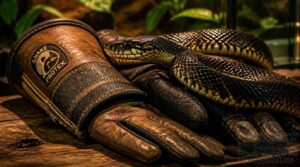
The right material’s your first line of defense. Look for:
- Kevlar-reinforced layers that resist cuts and fang punctures
- Nitrile-coated palms that grip wet scales without slipping
- Leather outer shells for durability and serious abrasion protection
- Breathable moisture-wicking linings to keep your hands comfortable
These protection levels work together, giving you real confidence when you’re handling even the most temperamental species.
Fit And Dexterity

Protection means nothing if your gloves don’t fit. Thick fingertips reduce tactile feedback a lot, forcing you to grip harder and fatigue faster.
Glove size and fit should allow finger isolation for secure holds without slippage. Prioritize dexterity and flexibility in the palm and knuckle zones, where most fine snake-handling adjustments happen.
Length And Coverage
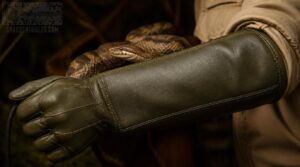
Once fit is sorted, think about where a bite is most likely to land. In a typical classroom enclosure, that’s often your forearm — not just your palm.
Glove cuff extensions of 12–14 inches close that gap, shielding skin during deep reaches. Pair them with snug sleeves to eliminate the exposure window between glove edge and fabric.
Protective Ratings
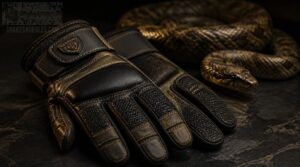
Because not all gloves are created equal, knowing what the numbers mean keeps you safer. Look for EN 388 puncture resistance exceeding 60N and a minimum cut resistance of Level 3. Kevlar-reinforced leather often hits these thresholds while preserving enough dexterity for confident handling. ANSI/ISEA 105 ratings (A4 and above) signal genuine cut protection worth trusting.
Care And Replacement
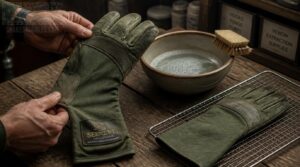
Maintaining your gloves is as critical as choosing them. Wash with mild soap after each session, air-dry completely, and store them flat away from heat and sunlight.
Inspect before every use for pinholes, cuts, or lost elasticity. Even unused gloves degrade; most have a 2–3 year shelf life. Replace them the moment integrity is compromised.
A glove inspection kit for punctures makes it much easier to catch tiny pinholes your eyes might miss.
Handling Limitations

Even the best gloves come with trade-offs you need to respect. Thick materials reduce tactile feedback by up to 40%, and long gloves compromise fine manipulation with smaller species — real dexterity compromise that affects your grip timing.
Even the best snake handling gloves cut tactile feedback by up to 40%, trading precision for protection
Watch for these glove limitations in action:
- Stiff seams failing under repeated flexion
- Hand fatigue developing within short sessions
- Improper fit shifting during critical transitions
Proper fit isn’t optional — it’s your baseline.
Top 6 Snake Handling Gloves for Educators
Finding the right glove comes down to matching your specific classroom needs with the right combination of material, fit, and coverage.
These six options represent the strongest choices available for educators working with non-venomous classroom snakes. Each one brings something distinct to the table, so you can find your best match.
1. Steiner Long Welding Gloves
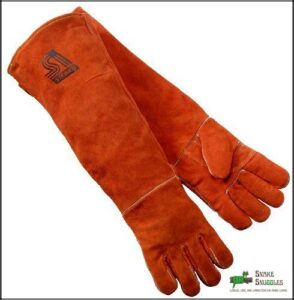
The Steiner Long Welding Gloves bring real forearm coverage to classroom demonstrations. At 14 inches, the select shoulder split cowhide resists bites and abrasion without making you feel like you’re working in oven mitts. The foam-insulated back experiences incidental heat exposure, while Kevlar stitching throughout keeps seams intact under repeated stress from rough scales and enclosure edges.
A full cotton lining keeps things comfortable during longer sessions, and the reinforced thumb strap adds durability exactly where wear usually happens. At 1.15 pounds, they’re substantial but manageable enough for extended handling work.
One honest trade-off worth noting: the thick material does limit fine motor precision, making these best suited for controlled demonstrations rather than delicate manipulation. If your sessions involve extended forearm exposure, though, these gloves deliver reliable coverage where it counts most.
| Best For | Anyone who regularly handles reptiles, works with wood stoves, or does BBQ and grilling and needs reliable hand and forearm protection. |
|---|---|
| Material | Select shoulder split cowhide |
| Length | 14 inches |
| Heat Resistant | Yes |
| Lining | Full cotton |
| Primary Use | Reptile handling and BBQ |
| Bite Protection | Solid |
| Additional Features |
|
- Select shoulder split cowhide construction offers solid resistance to bites, abrasion, and incidental heat
- Foam-insulated back adds a layer of heat protection during grilling or wood stove work
- Full cotton lining keeps the gloves comfortable during longer handling sessions
- Thick material reduces fine motor control, making precise or delicate work difficult
- Not safe for direct flame contact or picking up burning logs
- May fit tightly over bulkier clothing like sweatshirts or long-sleeve shirts
2. Hand Max Kevlar Leather Gloves
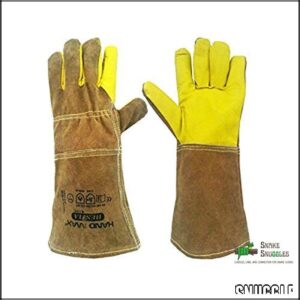
The Kevlar-and-leather combination here does something most gloves can’t: it lets you feel what’s happening without leaving your skin exposed. Cowhide palms flex naturally with your grip during live demonstrations, while Kevlar threading at the finger joints holds up through repeated handling sessions without fraying.
At 14 inches, the gauntlet reaches well past your wrist, keeping you covered when supporting a snake’s midsection or reaching into an enclosure. The adjustable cuff stays snug without cutting off circulation during longer lessons.
One caveat worth knowing before you order: sizing runs large. Go a size down for a proper fit, because a loose glove costs you control exactly when you need it most. These aren’t bite-proof, but cut and abrasion resistance is solid for classroom reptile work, and at 8.8 ounces, they won’t fatigue your hands.
| Best For | Animal handlers, groomers, and pet owners who need reliable bite and scratch protection during grooming, medical care, or working with aggressive or fearful animals. |
|---|---|
| Material | Leather and Kevlar |
| Length | 14-inch |
| Heat Resistant | Yes |
| Lining | None |
| Weight | 8.8 oz |
| Primary Use | Animal Handling |
| Additional Features | Kevlar thread stitching · 14-inch gauntlet design · One-size fits most |
| Best For | Animal handlers, groomers, kennel workers, zoo staff, and pet shop employees who need reliable protection during hands-on work with aggressive, fearful, or unpredictable animals. |
|---|---|
| Material | Leather and Kevlar |
| Length | 14 inches |
| Heat Resistant | Yes |
| Lining | None |
| Primary Use | Animal handling and grooming |
| Bite Protection | Cut and abrasion resistant |
| Additional Features |
|
- Leather and Kevlar combination offers solid cut and abrasion resistance without sacrificing grip sensitivity
- 14-inch gauntlet provides extended wrist and forearm coverage for reaching into enclosures or handling larger animals
- Lightweight at 8.8 ounces, reducing hand fatigue during longer handling sessions
- Sizing runs large, so many users will need to order a size down for a secure, controlled fit
- Not bite-proof — protection depends on the animal and bite intensity
- Mixed reviews on thickness and puncture resistance, which may disappoint users expecting full bite protection
3. Caiman Premium Welding Gloves
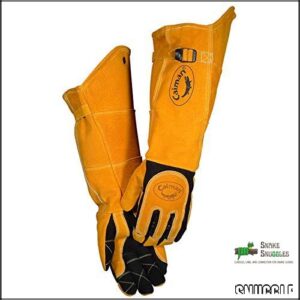
That 21-inch reach changes everything when you’re working with larger constrictors. The Caiman Premium Welding Gloves extend well past your wrist, covering your forearm where defensive strikes most often land during demonstrations.
The split deerskin leather construction is softer than you’d expect from a welding glove, offering real abrasion resistance without the stiffness that fights your grip. Kevlar-stitched seams hold through repeated classroom use, so you’re not retiring these after a semester.
3D pre-curved fingers follow your hand’s natural resting position, reducing fatigue when you’re supporting a snake’s body weight for extended periods. The foam and fleece lining also keeps your hands comfortable during back-to-back handling sessions.
At one pound per pair, these aren’t the lightest option, but the extended forearm coverage justifies the trade-off for educators working with larger species.
| Best For | Educators and reptile handlers working with large constrictors who need extended forearm protection during demonstrations and classroom sessions. |
|---|---|
| Material | Split deerskin leather |
| Length | 21 inches |
| Heat Resistant | Yes |
| Lining | Foam and fleece |
| Primary Use | Large constrictor demos |
| Bite Protection | Solid |
| Additional Features |
|
- 21-inch length covers the forearm where defensive strikes most often land, offering coverage standard gloves can’t match
- Split deerskin leather stays soft and flexible, so you keep a secure grip without fighting stiff material
- Kevlar-stitched seams hold up through repeated use, making these a long-term investment for regular handlers
- At one pound per pair, they’re heavier than lighter handling gloves, which adds up during extended sessions
- The bulk can make precise grip adjustments harder, particularly with smaller or faster-moving animals
- Black leather sections are more vulnerable to heat and abrasion damage, which may shorten lifespan with heavy use
4. Defences Animal Handling Gloves
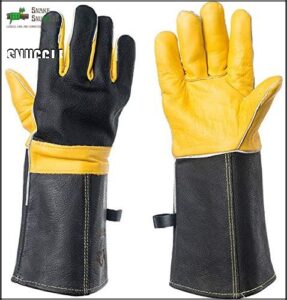
Where the Caiman prioritizes reach, Defences Animal Handling Gloves are built specifically for bite-and-scratch resistance. The thick cowhide outer layer pairs with Kevlar stitching to handle the repeated grab-and-release contact that classroom demonstrations demand.
At 12 ounces, they’re lighter than most welding alternatives without sacrificing the 15-inch forearm coverage educators need when students crowd in for a closer look. The 7.5-inch sleeve shields your lower forearm, and welted fingers reduce fatigue during back-to-back handling.
The cotton lining keeps your hands comfortable through extended sessions, and the safety cuff helps seal the wrist gap that bite attempts often target.
Note the sizing: these run large, so try before committing. They’re a strong daily-use choice for educators working with non-venomous species and small constrictors.
| Best For | Veterinarians, animal control workers, groomers, and educators who need reliable protection from bites and scratches during regular animal handling tasks. |
| Material | Cowhide Leather |
| Length | 15-inch |
| Heat Resistant | Yes |
| Lining | Cotton |
| Weight | 12 oz |
| Primary Use | Animal Handling |
| Additional Features | – 7.5-inch long sleeve – Welted fingers design – Hook for hanging |
Best For: Veterinarians, groomers, animal control workers, and educators who regularly handle small animals and need dependable bite and scratch protection with generous forearm coverage.
| Material | Cowhide leather |
|---|---|
| Length | 15 inches |
| Heat Resistant | Yes |
| Lining | Cotton |
| Primary Use | Daily classroom handling |
| Bite Protection | Strong |
| Additional Features |
|
- 15 inches of forearm protection with Kevlar stitching and thick cowhide leather makes these genuinely tough against bites and scratches from small to medium-sized animals
- At 12 ounces, they’re lighter than most comparable gloves without giving up coverage, which matters during long handling sessions
- Cotton lining and welted finger construction keep hands comfortable and reduce fatigue through back-to-back use
- These run large, which can hurt grip and dexterity — sizing is a real issue for smaller hands
- Mixed reports on puncture resistance; some users have found the leather thinner or less durable than expected
- Not suitable for large or powerful animals — lions, crocodiles, and similar species are firmly outside their protection range
5. Animal Handling Anti Bite Gloves
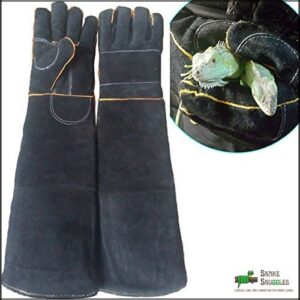
At 23.6 inches, these gloves offer the longest arm coverage in our lineup — nearly two inches more than the Defences pair — making them the obvious choice when you’re reaching into deep terrariums or working with larger constrictors.
The thickened cowhide construction resists cuts, slashes, and bites, while the cotton lining adds a soft, heat-buffering layer against your skin during warm-room demonstrations. That matters during extended sessions when discomfort leads to distraction.
Worth flagging: the cowhide thins along the forearm, so bite protection isn’t uniform throughout. Reserve these for non-venomous species, and treat the extended length as a reach advantage rather than full-arm armor.
Sizing can vary by up to a centimeter, so check measurements before ordering. Hand-washing keeps them classroom-ready between sessions.
| Best For | Veterinarians, animal control workers, and reptile handlers needing extra reach with nervous or aggressive animals |
| Material | Cowhide |
| Length | 23.6-inch |
| Heat Resistant | Yes |
| Lining | Cotton |
| Primary Use | Animal Handling |
| Additional Features | Cut, slash, and bite resistance; thickened cowhide construction |
Best For: Veterinarians, animal control workers, kennel staff, and reptile or exotic animal handlers who need extra reach when working with nervous, aggressive, or large animals.
| Material | Thickened cowhide |
|---|---|
| Length | 23.6 inches |
| Heat Resistant | Yes |
| Lining | Cotton |
| Primary Use | Deep enclosure work |
| Bite Protection | Moderate (uneven) |
| Additional Features |
|
- At 23.6 inches, they offer more arm coverage than most competing gloves, making them ideal for reaching into deep enclosures or handling larger constrictors.
- Thickened cowhide resists cuts, bites, and scratches, while the cotton lining adds comfort during extended handling sessions. Even sturdy gloves can fail where leather wears thin or seams loosen, so it helps to know when you actually need gloves for snakes and when to replace a worn pair.
- Versatile enough for vets, zookeepers, pet shop workers, and bird or reptile handlers alike.
- Bite protection isn’t uniform — the cowhide thins along the forearm, so these shouldn’t be used with venomous species.
- Sizing can vary by up to a centimeter due to manual measurement, making it worth double-checking dimensions before ordering.
- Customer reports are mixed on thickness, durability, and fit consistency, so quality may not be perfectly reliable across all pairs.
6. Kim Yuan Fire Resistant Gloves
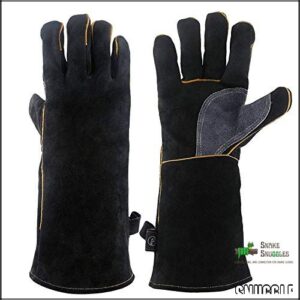
When your classroom setup includes both reptile handling and heat lamps, you’re juggling more hazards than most gloves are designed for. Kim Yuan’s split cowhide construction, running 1.0mm to 1.2mm thick, delivers decent bite and puncture resistance, and the 662°F heat threshold controls accidental contact with warming equipment and hot surfaces mid-session without issue.
The Kevlar stitching holds up through repeated use and washing without fraying, while the cotton lining wicks sweat away from your skin during extended presentations. At 14 inches, these run noticeably shorter than the Anti Bite pair, so keep them for non-venomous species in shallow or standard-depth enclosures.
At 10.5 ounces, they stay light enough for a full class period without tiring your hands. The denim cuffs close snugly at the wrist, and the 90-day money-back policy gives you real time to test performance before committing.
| Best For | Teachers and handlers who need affordable heat protection for classroom demonstrations involving reptiles, fire experiments, or equipment that gets hot during extended presentations. |
| Material | Split Cow Leather |
| Length | 14-inch |
| Heat Resistant | Up to 662°F |
| Lining | Cotton |
| Weight | 10.5 oz |
| Primary Use | Multi-Purpose |
| Additional Features | 662°F heat protection; 90-day money-back guarantee; Denim jean cuffs |
Best For: Teachers and classroom presenters who need affordable, multi-purpose gloves for handling reptiles and managing heat sources like lamps, fire pits, or hot equipment during demonstrations.
| Material | Split cowhide (1.0–1.2mm) |
|---|---|
| Length | 14 inches |
| Heat Resistant | Yes (mixed feedback) |
| Lining | 100% cotton |
| Primary Use | Multi-purpose handling |
| Bite Protection | Good |
| Additional Features |
|
- Split cowhide construction (1.0mm–1.2mm thick) provides solid bite, puncture, and heat resistance up to 662°F for confident handling of reptiles and hot surfaces
- Kevlar stitching and cotton lining hold up through repeated use and washing while keeping hands cool and dry during extended sessions
- Lightweight at 10.5 oz with a 90-day money-back guarantee, making them a low-risk, comfortable option for full class periods
- At 14 inches, they run shorter than dedicated reptile gloves, limiting their usefulness with venomous species or deep enclosures
- Some users report feeling heat through the gloves during prolonged exposure, raising concerns about reliability in sustained high-heat situations
- Not recommended for continuous industrial welding or other high-intensity heat tasks without additional testing
Classroom Snake Handling Safety and Emergency Protocols
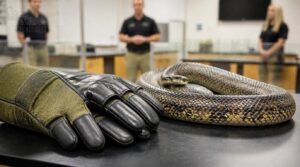
Snake handling gloves for educators are only part of the picture. Educator reptile interaction demands a full safety framework around every session you run.
Set up your dedicated handling table with splash guards and maintain 5–10 foot clearance around the area. Crowding turns manageable situations chaotic. Assign clear roles before you start: a lead handler, an observer, and a helper. When everyone knows their job, you respond faster.
Within 30 seconds of any bite, initiate your incident protocol. Alert trained staff immediately and call emergency services if venom exposure is suspected. Classroom emergency preparedness means keeping a written venomous species pocket card and documented emergency contacts on hand.
Run biannual live drills. They cut response times by at least 25%.
Cleaning, Inspecting, and Replacing Snake Handling Gloves

Once your gloves have done their job, don’t let maintenance slip. Wash with lemon-scented soap and warm water, then air-dry them inside-out for 60–90 minutes. Moisture trapped inside breeds microbial growth, so never rush this step.
Before every session, inspect for micro-tears using the inflation method: fill the glove with air and watch for pinholes. Check seam integrity and cuff stitching too. Log the date, batch number, and any defects you find. If anything looks compromised, retire that pair immediately.
Replace gloves every 6–12 months of regular use, or right away after any puncture or failed integrity check. Keep a backup pair per classroom and retire the oldest set first. Your safety system’s only as strong as its weakest glove.
Frequently Asked Questions (FAQs)
Should you wear gloves when handling snakes?
A zookeeper once misread a "non-venomous" tag and paid dearly. Yes, wear gloves, especially with venomous or unknown species. They reduce bite risk and give you a critical safety barrier when situations turn suddenly unpredictable.
What gloves are snake proof?
No glove is truly 100% snake proof. Kevlar-lined leather gloves offer the strongest puncture resistance available, making them your most reliable option for safer venomous snake handling.
What are the best gloves for snaking drains?
For drain maintenance, reach for nitrile or PVC-coated options layered with cut-resistant Kevlar. Leather alternatives with strong puncture protection grip slippery tools securely and shield your hands from sharp, abrasive pipe edges during every job.
Can copperheads bite through leather gloves?
Yes. Thin leather tears, worn seams split, and small fangs can penetrate. Copperheads bite through leather gloves at weak points and gaps. Pair puncture-resistant materials with handling tools. Never rely solely on leather for protection.
Are snake handling gloves suitable for venomous species?
For venomous species, quality gloves with Kevlar and thick leather reduce bite risk, but they’re one layer in a broader safety protocol, not a standalone solution.
Can students use the same gloves as teachers?
One size fits all" rarely works in practice. When students use same gloves as teachers, cross-contamination and poor fit compromise overall safety. Separate protective gear preserves glove lifespan and meets classroom wildlife education standards effectively.
How long do quality snake handling gloves last?
Quality gloves usually last 6 months to 2 years, depending on use frequency, material, and care. High-frequency handling shortens that window noticeably. Inspect regularly and replace at the first sign of wear.
What certifications should educators look for in gloves?
Look for CE or ANSI ISEA marks on packaging. Check labels for material composition, puncture ratings, chemical resistance, and certifications like ISO 9001 guaranteeing consistent, reliable protection every time.
Do insurance policies require specific glove standards?
Most insurance policies glove standards reference EN 388 or ANSI certifications for cut and puncture resistance. Without documented safety certification and verified lab testing, you risk denied claims or serious coverage gaps after any incident.
Can students also wear snake handling gloves?
Yes, and it’s simpler than you’d expect. Students use same gloves as educators, provided they fit correctly. Junior sizing ensures proper fit, dexterity and comfort, while glove material durability must still meet identical protection standards.
Conclusion
It’s no coincidence that the calmest educators in a live snake demo are always the ones who came fully prepared.
Snake handling gloves for educators close the gap between knowledge and composure, giving you the barrier you need to stay focused. Students feel your confidence before they understand your words.
Choose the right fit, maintain them well, and your classroom becomes a space where curiosity thrives safely. Preparedness isn’t caution. It’s your greatest teaching tool.
- https://www.grovelandgecko.com/product/medium-leather-reptile-handling-gloves
- https://armorhandglove.com/blog/the-armor-hand-gloves-animal-rescue-gloves
- https://www.walmart.com/ip/AYAMAYA-Animal-Handling-Gloves-Snake-Bite-Proof-Gloves-Kevlar-Reinforced-Leather-Palm-Fingers-Anti-Reptile-Cat-Scratch-Snake-16inch/1028917297