This site is supported by our readers. We may earn a commission, at no cost to you, if you purchase through links.

A corn snake that hatched last spring looks nothing like the one curled in your enclosure today—and that transformation doesn’t stop until around age two. Most captive corn snakes hit sexual maturity between 18 and 24 months, a full year ahead of their wild counterparts.
But maturity isn’t a single checkpoint. Physical size, reproductive readiness, and behavioral changes each arrive on their own schedule.
Knowing when corn snakes mature—and what to watch for along the way—saves you from common mistakes like breeding too early or misreading a growth plateau as a health problem.
Table Of Contents
- Key Takeaways
- Corn Snakes Mature at 18–24 Months
- Physical Growth Milestones by Age
- Sexual Maturity Signs
- Breeding Readiness Comes Later
- Shedding Changes With Maturity
- Behavior Changes as Corn Snakes Mature
- Factors That Affect Maturity Timing
- How to Track Corn Snake Maturity
- Frequently Asked Questions (FAQs)
- Conclusion
Key Takeaways
- Most captive corn snakes reach full size and sexual maturity between 18 and 24 months, but safe breeding shouldn’t happen until they’re 3 years old, 300 grams, and 3 feet long.
- Physical maturity and sexual maturity aren’t the same thing—your snake can reproduce before it’s done growing, and rushing that process can seriously harm the female.
- Shedding frequency is one of the easiest ways to track age: hatchlings shed every 2–4 weeks, but adults slow down to every 2–3 months.
- Diet, temperature, enclosure size, and genetics all shape how fast your snake matures—there’s no single timeline, so tracking weight and length regularly is the smartest move.
Corn Snakes Mature at 18–24 Months
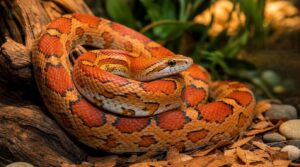
Corn snakes don’t stay small for long. Most captive individuals hit full size somewhere between 18 and 24 months, though a few factors can push that window earlier or later.
Once they reach that full size, they’re just getting started—corn snakes can thrive for 15–20 years with the right setup, so it’s worth brushing up on corn snake husbandry and longevity tips early on.
Here’s what that growth timeline actually looks like.
Typical Captive Maturity Timeline
Most captive corn snakes hit sexual maturity between 18 and 24 months. That’s the sweet spot on any corn snake growth chart worth trusting. Early growth monitoring matters here — diet, temperatures, and enclosure size all shape how quickly they move through growth stages.
With good husbandry and smart photoperiod management, you’re setting the foundation for a healthy lifespan and maturity timeline in captivity.
Wild Corn Snake Maturity Range
Wild corn snakes take longer—usually 2 to 3 years—to reach sexual maturity. Habitat growth and seasonal prey availability drive that slower pace. Rainfall impact matters too; a dry year means less prey, less growth.
Wild lifespans vary, often capping around 7–10 years versus captivity’s 15–20 years. Population density effects and competition also slow individual growth rates considerably.
Providing the recommended minimum adult enclosure size helps promote healthy growth.
Difference Between Physical and Sexual Maturity
Sexual maturity and physical maturity aren’t the same thing. Hormonal onset and reproductive organ development can kick in around 18 months, but a snake’s body may still be growing.
Think of it like a teenager who can reproduce but hasn’t finished growing. Physical indicators of snake maturity—like full adult length—often lag behind.
Both are crucial for understanding true breeding readiness.
Why Maturity Varies Between Individuals
Not every corn snake follows the same schedule. Family lineage plays a real role — genetics and breeding lines shape metabolic rate and hormonal variability from day one. Additionally, diet and nutrition, stress exposure, parasite load, and environmental conditions contribute to wide individual variation. These growth rate factors explain why two snakes, same age, can look completely different.
Sex-specific growth differences matter too.
Physical Growth Milestones by Age

Corn snakes grow fast — especially in that first year. Knowing what to expect at each stage helps you catch problems early and adjust your care as needed.
Here’s how their size and weight usually change from hatch day to full adulthood.
Hatchling Size: 8–15 Inches
Hatchlings emerge small but ready to grow. At birth, your corn snake measures anywhere from 8 to 15 inches long — that’s a significant range. The morph color influence and parent size correlation both determine where yours falls.
Early feeding habits and temperature’s effect also influence the hatchling’s growth rate.
When measuring corn snakes, use a soft tape and remain gentle.
Six-month Growth Expectations
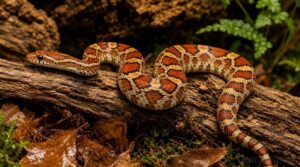
By six months, your corn snake has hit its first real growth stride. Length variability is normal here — expect 16 to 22 inches depending on genetics and juvenile feeding frequency. Weight and length benchmarks for corn snake growth chart comparisons generally show 60–180 grams at this stage.
Watch for these growth rate indicators:
- Muscle development through a thicker, more defined midsection
- Pattern refinement as juvenile coloration sharpens
- Consistent feeding response to appropriately matched prey size
- Steady monthly gains of 1–2 inches in ideal conditions
One-year Length and Weight Range

At 12 months, your corn snake lands between 18 and 36 inches — length distribution statistics vary by sex, with males averaging 24–32 inches and females reaching 28–36 inches. Weight and length benchmarks for corn snake growth chart comparisons show 150–450 grams as typical.
These sexual dimorphism metrics reflect nutritional impact analysis too: steady feeding without overfeeding keeps growth rates healthy and consistent.
Adult Size at 18–24 Months
By 24 months, your adult corn snake usually reaches 4–6 feet — that’s the maximum length expectation for most individuals. The weight gain curve levels off around 700–900 g for males and 500–700 g for females. Your growth chart should reflect growth rate decline as metabolism slows.
Size variation factors like diet, genetics, and seasonal growth impact all shape final size and age indicators.
Growth Plateau After Two Years
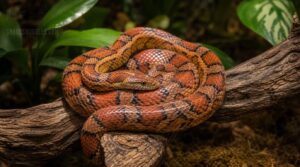
After 24 months, your adult corn snake hits the brakes. The growth plateau is real — length gains drop under 6 inches per year, and weight stabilizes between 250–400 grams.
Hormonal Plateau and Metabolic Rate Stabilization kick in together, shifting focus to Caloric Maintenance instead of growth fuel.
Track Seasonal Fat Shifts through Body Condition Scoring, and keep your growth chart updated to catch anything unusual.
Sexual Maturity Signs

Knowing when your corn snake hits sexual maturity isn’t guesswork — there are real, physical signs to watch for. Size and weight tell most of the story.
But males and females each have their own telling clues. Here’s what to look for.
Minimum Length Around 30 Inches
Think of 30 inches as the standard length threshold — the point where your corn snake officially enters adult territory. Most individuals hit this mark somewhere between 18 and 24 months.
Tracking weekly growth benchmarks with accurate length measurements helps you spot the shift early. This practice ensures you monitor developmental progress effectively.
On a corn snake growth chart, this landmark is hard to miss — your snake’s body visibly fills out and thickens through the midbody, marking a clear physical transition into maturity.
Weight Near 250 Grams
Length tells part of the story — weight fills in the rest. Around 250 grams, your corn snake hits a key marker on any growth chart interpretation: breeding maturity becomes a real conversation. Your weight monitoring protocol should flag this checkpoint clearly.
Body condition score matters here too, not just numbers. A scale plus visual assessment gives you the full picture.
Male Versus Female Maturity Differences
Males and females don’t mature on the same schedule — that’s the growth rate gap in action. Your male corn snake often hits fertility onset timing around 18 to 24 months. Females, however, lag behind males, requiring additional time before reaching reproductive readiness.
Body mass divergence becomes obvious as females develop fuller midsections due to building reproductive tissues. These sex-specific growth differences underscore why your female needs more time to attain prime breeding age.
Longer Tails in Mature Males
One key sex-specific growth difference in corn snakes is tail dimorphism: male corn snakes develop noticeably longer tails relative to body length. This extra length accommodates hemipenal pockets and reproductive muscle, with a higher subcaudal count supporting these structures. During tail display, this distinction becomes visually apparent.
Check a growth chart around 18–24 months—the difference in tail proportion becomes unmistakable at this stage.
Heavier Body Condition in Mature Females
Females tell a different story. While males grow longer tails, a mature female corn snake fills out differently — her midsection becomes noticeably fuller. This reflects fat reserve management at work.
These reserves directly influence clutch size correlation and egg quality. Closely monitor her weight gain patterns to ensure optimal reproductive health.
Body condition scoring helps prevent obesity risks, as excess fat carries a significant metabolic rate impact on long-term health.
Breeding Readiness Comes Later

Just because your corn snake hits 30 inches doesn’t mean it’s ready to breed. Breeding too early can cause real harm, especially to females.
Here’s what responsible breeders actually look for before pairing up snakes.
Sexual Maturity Versus Safe Breeding Age
Just because your corn snake can reproduce doesn’t mean it should. Reproductive maturity and breeding readiness are genuinely different things. Hormonal indicators may appear early, but nutritional reserves and long-term health matter more.
Breeding season timing should never be rushed. A female still building muscle and length simply isn’t ready — stress impact alone can derail her recovery for months.
The Breeder “rule of 3s”
Most experienced breeders follow a simple three-part rule. Your snake needs to hit all three marks before any pairing happens:
- 3 years old — age matters for welfare priorities
- 300 grams — a solid nutrition buffer and weight standard
- 3 feet long — confirmed across corn snake growth charts
Track everything. Documentation practices and seasonal planning make the difference between smart breeding and avoidable stress.
Why Three Years is Commonly Recommended
Three years isn’t arbitrary — it aligns with immune system maturity, stable corn snake growth rates (varying by age and sex), and reliable egg quality assurance. By this age, corn snakes have progressed through critical developmental stages, ensuring optimal breeding conditions.
Stress reduction during reproduction directly enhances long-term offspring survival. A corn snake growth chart corroborates this timeline as the prime breeding age, reflecting both physiological readiness and reproductive efficiency.
Thorough health screening also fits naturally at this stage, providing a final assurance of the snake’s fitness for breeding.
Risks of Breeding Underweight Females
Breeding an underweight female is a gamble you don’t want to take. Low body weight tanks egg viability and causes a decline in clutch size—sometimes dramatically. It leads to maternal health decline post-laying, and weak neonate survival rates follow. Increased veterinary risks become real fast.
Breeding an underweight female corn snake risks egg viability, clutch size, maternal health, and neonatal survival
Body condition assessment for snakes before breeding isn’t optional; it’s how responsible health monitoring for captive snakes works.
Dangers of Power-feeding for Faster Growth
Power-feeding to hit breeding weight faster sounds clever — it isn’t. Overfeeding triggers obesity-related liver strain, digestive overload, and regurgitation episodes that set your snake back weeks.
Fat gain masks false maturity cues, so a heavy subadult looks ready but isn’t.
Watch for these obesity-related problems:
- Rounded back with skin spreading between scales
- Reduced activity and less climbing
- Rapid weight gain without matching length growth
Shedding Changes With Maturity

Shedding is one of the easiest ways to track how your corn snake is growing. As they age, the rhythm changes — and it tells you a lot about their life stage.
Here’s how shed frequency shifts from hatching to full adulthood.
First Shed After Hatching
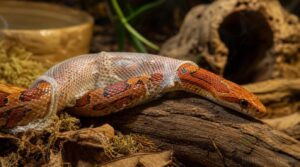
That first shed is a big deal — it’s your hatchling’s debut. Within a week of hatching, the shedding process begins, and the skin slips away, revealing true colors and final scale texture underneath.
Hydration is crucial here; keep humidity steady. Follow handling precautions and don’t rush contact.
This moment marks the official start of corn snake development stages and shedding patterns to come.
Hatchling Shedding Every 2–4 Weeks
After that first shed, things move fast. Your hatchling’s shedding frequency kicks into high gear — every 2–4 weeks — because growth is outpaces skin elasticity.
Watch for these normal signs:
- Cloudy Spectacle Sign (milky eyes) before each shed
- Patchy Skin Release peeling in sheets, not flakes
- Post‑Shed Vibrancy — colors pop after each cycle
- Stress-shed delays if temperatures or calcium levels are off
Juvenile Shedding Every 4–6 Weeks
As your corn snake grows into the juvenile stage, shedding slows to every 4–6 weeks. This reflects the natural progression of corn snake growth stages.
Watch for milky eyes and dry skin patches as key indicators of hydration needs. These signs signal when your snake requires extra care during the shedding process.
Reduce handling during the pre-shed phase, and maintain steady temperatures. The temperature’s influence on shedding is critical—more significant than many realize.
Adult Shedding Every 2–3 Months
Once your snake reaches full adult snake size, shedding patterns shift noticeably. Instead of frequent juvenile cycles, expect shedding every 2–3 months. Seasonal variations may slightly extend intervals during cooler months.
Monitor shedding health through indicators like clear eyes and smooth skin. Watch for these signs to ensure the process remains healthy.
Maintain clean, timely shedding cycles by managing prey moisture impact and skin hydration strategies—such as providing a humid hide. This supports optimal shedding schedules.
Using Shed Frequency to Estimate Age
Shed interval logging is your snake’s built-in age chart. Track dates consistently: juveniles shed every 2–4 weeks, adults every 2–3 months.
Shedding frequency as an age indicator works best when integrating growth metrics like length and weight.
Watch for health-related anomalies that may skew cycles, as these can distort age modeling.
Seasonal temperature impacts can blur readings; keep conditions stable to ensure cleaner statistical age modeling.
Behavior Changes as Corn Snakes Mature

As corn snakes grow up, their whole personality shifts. You’ll notice real differences in how they move, explore, and respond to you over time.
Here’s what to expect at each stage.
High Activity in Young Corn Snakes
Young hatchlings are basically little chaos machines. At dawn, activity level spikes dramatically—that’s when prey-chase dynamics kick in, and your juvenile is hunting shadows. Basking temperature spikes drive this energy burst, warming their muscles quickly.
Add multi-level enrichment like branches and hides, and you’ll see constant movement. Use movement tracking tools to log behavioral changes by snake age across growth stages of corn snakes.
Reduced Exploration in Adults
As your corn snake reaches the adult stage, do not be surprised if it stops investigating every corner. This is normal age-related behavior—not boredom, just senescence in snakes at work.
Adults show clear behavioral trends and age-driven shifts:
- Exploration Frequency Drop — roughly 20% fewer exploratory ventures daily
- Route Consistency — repeated pathways replace random roaming
- Habitat Fidelity — strong preference for familiar hides
- Sensory Engagement Decline — less sniffing, less investigating new objects
The effect of enclosure complexity also becomes less significant now. Activity levels simply settle.
Improved Handling Tolerance With Age
Handling becomes easier as your corn snake ages. Adults tolerate longer sessions with noticeably less stress—up to 60% improvement in Handling Duration compared to juveniles. Coiling Stability also improves, and you’ll observe slower tongue flick rates, a reliable sign of calm.
| Age Stage | Fatigue Resistance | Stress Response Reduction |
|---|---|---|
| Hatchling | Very low | Minimal |
| Juvenile | Moderate | Developing |
| 12–18 months | Improving | Noticeable |
| Adult (2+ yrs) | High | Significant |
| Mature adult | Excellent | Consistent |
Gentle handling after 12–18 months accelerates trust-building. Regular handling frequency actively shapes temperament, and age-related behavioral shifts make sessions genuinely enjoyable for both snake and handler.
Increased Docility in Mature Snakes
Adult corn snakes are genuinely easier to live with. Their calm temperament stems from age-related physiological and behavioral changes.
Calmness improves as Stress Hormones drop with age—mature snakes settle quickly after disturbances like door noise or routine enclosure cleaning. This reduced reactivity simplifies daily care and interaction.
Behavioral Conditioning builds over time, as consistent Noise Management and regular handling shape a calmer demeanor. Additionally, stronger Conspecific Tolerance emerges, further enhancing their suitability as companions. These adaptations make handling adult corn snakes simpler and more enjoyable.
Lower Novelty-seeking in Older Individuals
Older corn snakes aren’t antisocial — they’re just settled. Sensory habituation kicks in as age-related behavior shifts toward comfort over curiosity.
Enclosure stability matters more than novelty. You’ll notice a reduced exploratory drive when introducing new objects; they’ll glance and move on.
Handler familiarity replaces skittishness, and social novelty avoidance becomes the norm.
It’s senescence, not boredom — just a snake fully at home.
Factors That Affect Maturity Timing
Not every corn snake reaches maturity at the same time, and that’s totally normal. A handful of husbandry factors quietly shape how fast — or slow — your snake gets there.
Here’s what actually matters.
Diet Quality and Prey Size
Protein-rich prey promotes steady muscle development, while a proper calcium-phosphorus ratio keeps bones healthy. These nutritional pillars form the foundation of a corn snake’s dietary needs.
Consistent prey type reduces digestive stress and enhances nutrient absorption. Prey size scaling follows a simple rule: never wider than the snake’s body. This ensures safe consumption and minimizes health risks.
Fresh prey advantages include superior nutrient retention, directly aiding nutritional requirements for corn snakes at every life stage. Prioritizing freshness supports overall vitality and growth.
Feeding Frequency by Growth Stage
Just as prey size matters, feeding schedules for corn snakes at different life stages directly shape how fast they mature. Feeding frequency and growth rate correlation are tightly linked.
- Hatchlings: every 5–7 days
- Juveniles: every 5–7 days, adjusted by appetite
- Adults: every 10–14 days
Interval flexibility and health indicator feeding keep growth on track.
Temperature Gradient and Metabolism
Temperature shapes everything. Your corn snake’s metabolic rate depends directly on having a proper temperature gradient — warm side around 85–88°F, cool side around 72–78°F. Good Gradient Optimization ensures mitochondrial efficiency peaks during digestion and growth.
Skip proper thermal acclimation, and growth rate stalls. Watch out for heat stress, too — sustained overheating disrupts appetite and slows corn snake development from hatchling to adult, delaying reproductive maturity.
Humidity and Healthy Shedding
Humidity works hand-in-hand with temperature. Maintain an ideal humidity range of 40–60%, increasing to 60–70% during shedding cycles. This balance is critical for moisture barrier management and preventing retained shed.
To achieve this, follow these essential steps:
- Place your hygrometer mid-enclosure for accurate readings
- Offer a damp hide setup with moist moss
- Mist lightly — avoid soaking the substrate
- Watch for cloudy eyes signaling shed preparation
- Check humidity control daily during active shedding
Genetics and Individual Growth Rate
Just like humidity shapes shedding, genetics quietly shapes everything else. Your snake’s inherited growth rate sets the ceiling.
Parent line size matters: Offspring from larger lines often grow longer and heavier. Females bulk up, males stay lean, as sex-linked growth adds another layer to these genetic influences.
Morph impact is real but limited: Morph variations affect color, not your corn snake’s genetic potential or reptile growth rate.
Enclosure Size and Movement Space
Space shapes growth more than most keepers realize. A cramped setup limits movement, cuts off the thermal gradient path, and slows metabolism.
For adults, a 48x24x24-inch enclosure hits the sweet spot — enough floor footprint for cruising, climbing height for vertical enrichment, and smart hide placement on both warm and cool ends.
Appropriate tank size for corn snakes isn’t a luxury. It’s a maturity factor.
How to Track Corn Snake Maturity

Tracking your corn snake’s maturity doesn’t have to feel like guesswork. A few simple habits — measuring, weighing, and keeping notes — tell you exactly where your snake stands.
Here’s what to watch and how to do it right.
Measuring Length Safely
Getting an accurate read on your corn snake’s length isn’t complicated — but technique matters. The measuring tape method works best: lay your snake on a flat surface, use a gentle restraint, and run the flexible tape from snout to tail tip. Take three measurements and average them. Good data recording turns guesswork into real progress tracking.
- Measuring tape method: the flexible tape follows natural body curves accurately
- Tool calibration: check your tape against a known standard regularly
- Stress minimization: keep sessions brief and calm — skip measuring during sheds
Weighing With a Digital Scale
Weight is one of the clearest signs of healthy growth. A digital scale — properly calibrated for scale calibration accuracy — makes weight gain tracking simple and reliable. Use a container with the Tare function to ensure precise measurements.
Consistency is key: weigh at the same time of day and log results in a growth chart for accurate monitoring.
Connectivity options enable seamless syncing of data, streamlining the tracking process.
Recording Sheds and Feeding Response
Tracking sheds and meals provides valuable insights. Log each shed date to identify Shed Timing Trends—as your snake ages, shedding patterns shift noticeably, making shedding frequency an age indicator genuinely useful.
Feeding Strike Latency—how quickly your snake strikes—also matters. Pair this with Prey Size Correlation to refine your approach.
Digital Record Keeping ties it all together, linking data to your growth chart and enabling Anomaly Detection for smarter decisions.
Comparing Growth to Age Milestones
Pull up a corn snake growth chart, and you’ll see patterns fast. Growth Curve Comparison across age groups reveals a lot—Early vs. Late growth differences can flag diet or husbandry issues before they worsen.
- Hatchlings: 8–15 inches, doubling by six months
- Juveniles: 24–36 inches by year one
- Adults: 36–60 inches by 18–24 months
Age-Based Size Ratios make Developmental Marker Prediction Models simple and reliable.
Watching for Stalled Growth
If your corn snake growth chart shows no change for weeks, something’s off. Weight Plateau, Reduced Appetite, or Slowed Length Gain often points to a husbandry problem—wrong temps, stress, or poor Feeding schedules for corn snakes at different life stages. Watch for Extended Inter-shed Interval and Decreased Activity too.
Body condition monitoring catches these red flags early.
When to Consult a Reptile Veterinarian
Respiratory Emergencies—wheezing, open-mouth breathing, or nasal discharge—require same-day veterinary attention. Digestive Alarms, such as regurgitation, bloody droppings, or sudden weight loss, signal deeper issues needing urgent care. Neurologic Signs, including stargazing or seizures, are critical emergencies. Skin Issues with severe retained shed also demand prompt treatment.
Beyond crises, regular veterinary checkups and annual wellness exams are vital for monitoring captive snakes’ health at every life stage.
Frequently Asked Questions (FAQs)
What smell do corn snakes hate?
Corn snakes hate cinnamon oil, garlic odor, ammonia deterrent, and citrus scent. Smoke repellent works outdoors too. These strong smells disrupt their senses and send them the other way fast.
Do corn snakes recognize people?
Your corn snake recognizes you mostly through olfactory cues and scent memory. Handler consistency matters.
With regular handling, they calm down. That’s recognition, just reptile-style.
Can snakes hear you coming?
Snakes don’t have external ears. Instead, vibration detection through jawbone transmission picks up footstep vibrations before you even get close.
Low-frequency hearing does the rest.
Can corn snakes mature faster in bioactive enclosures?
Bioactive setups do not fast-track maturity, but they do create better conditions for steady growth.
Stress reduction, cleanup crew health, and microhabitat complexity all support consistent development — nature’s way of keeping things on track.
Do corn snakes show maturity signs during brumation?
Not really.
Brumation pauses hormonal activity and causes size constancy, making hemipenal bulge assessment unreliable.
Post-brumation weight and behavior reveal true breeding readiness far better than anything visible during dormancy.
How does stress affect corn snake growth rates?
Stress quietly stalls growth. Corticosterone elevation, handling-induced stress, noise pollution, and substrate irritation all trigger regurgitation episodes.
These environmental stressors cut caloric intake quickly — directly slowing corn snake growth rates across every growth stage, affecting both age and sex groups.
Can illness permanently stunt a corn snakes development?
Respiratory infections, parasitic burdens, metabolic bone disease, and chronic wounds can all permanently stunt your snake’s growth curve.
Delayed veterinary care makes it worse.
Catch problems early — full catch-up rarely happens.
Conclusion
Your corn snake isn’t just getting bigger—it’s quietly becoming something else entirely. Understanding when corn snakes mature means you stop guessing and start reading the signs: the slowing sheds, the calmer temperament, the steadier weight.
That knowledge protects your snake from being pushed too fast toward breeding. Think of maturity less like a finish line and more like a door that opens gradually. Your job is simply to notice when it does.