This site is supported by our readers. We may earn a commission, at no cost to you, if you purchase through links.
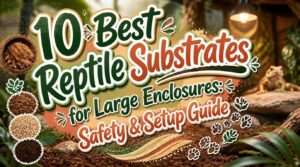
That six-foot enclosure sitting in your living room needs way more than a bag of shavings tossed on the bottom. Big reptiles come with big substrate problems—soggy patches, mold, and bedding that just can’t hold up to daily wear. Get it wrong and you’re battling odor, impaction risks, or a habitat that never holds humidity right.
The good news? The right reptile substrate for large enclosures solves all that, and it doesn’t have to cost a fortune or eat up your whole weekend.
From burrow-friendly coconut husk to easy-wipe liners, I gotcha covered with picks that actually hold up long-term.
Table Of Contents
- Key Takeaways
- 10 Best Substrates for Large Enclosures
- 1. Zoo Med Cypress Mulch Bedding
- 2. Duedusto Reptile Terrarium Mat Liner
- 3. TCYPUHL Thick Reptile Carpet Mat
- 4. Riare Coconut Chip Reptile Substrate
- 5. Organic Coconut Husk Reptile Substrate
- 6. Halatool Organic Coconut Husk Substrate
- 7. Premium Coconut Chip Reptile Substrate
- 8. Repti360 Coconut Chip Reptile Substrate
- 9. Natural Coconut Husk Reptile Substrate
- 10. Zilla Reptile Terrarium Bedding Liner
- Choosing Substrate for Large Terrariums
- Best Substrates by Habitat Type
- Depth, Drainage, and Humidity
- Safety and Maintenance Essentials
- Frequently Asked Questions (FAQs)
- What is the best substrate for reptiles?
- How much substrate for a 40 gallon reptile tank?
- What to put in the bottom of a reptile tank?
- How much substrate for a 120 gallon terrarium?
- How often should you replace substrate completely?
- Can different substrates be layered together safely?
- How do you sanitize bulk substrate for reuse?
- Conclusion
Key Takeaways
- Coconut husk substrates dominate top picks for large enclosures because they hold humidity well, support burrowing, and stay dust-free and biodegradable.
- Avoid cedar and pine shavings and loose materials like calcium sand or gravel, since they cause respiratory irritation and impaction risks in reptiles.
- Match substrate depth, drainage, and humidity to your species’ needs—burrowers need 6-8 inches with a drainage layer, while tropical species need 70-90% humidity versus 20-40% for desert species.
- Maintain your setup with daily spot-cleaning, monthly deep cleans, and a full substrate swap every 12 to 24 months to prevent mold, odor, and bacteria buildup.
10 Best Substrates for Large Enclosures
Big enclosures need substrate that works as hard as you do. You want something safe, easy to clean, and built to last. Here are ten picks that’ll get your setup right the first time!
If you’re just starting out, pairing the right substrate with solid husbandry basics from this ball python care guide for beginners sets your whole enclosure up for success.
1. Zoo Med Cypress Mulch Bedding
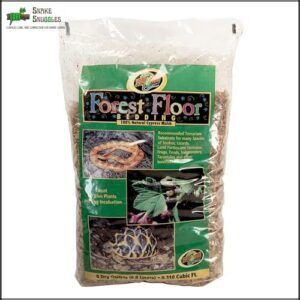
Zoo Med Cypress Mulch Bedding is a solid pick for large tropical setups. This 100% natural mulch holds moisture without turning soggy, keeping humidity steady for snakes, lizards, and tortoises.
It’s not heat treated, so it absorbs water naturally. At 3.6 pounds and untreated, it still spreads across a big enclosure nicely.
Your tarantulas and amphibians will feel right at home too. Just watch moisture levels—active care keeps this substrate performing its best, session after session!
| Best For | Reptile and amphibian keepers who need reliable, long-term humidity control for tropical snakes, lizards, tortoises, and tarantula enclosures. |
|---|---|
| Material Type | Cypress mulch |
| Reusability | Not reusable |
| Moisture Retention | High |
| Odor Control | Moderate |
| Species Suitability | Snakes, lizards, amphibians |
| Customizable Size | No |
| Additional Features |
|
- 100% natural cypress mulch gives a realistic forest floor look
- Holds moisture well to support stable tropical humidity
- Works across a range of species, from amphibians to tarantulas
- Needs regular monitoring to keep moisture levels in check
- Not a low-maintenance, set-it-and-forget-it substrate
- Only 3.6 pounds per bag, so larger enclosures may need extra bags
2. Duedusto Reptile Terrarium Mat Liner
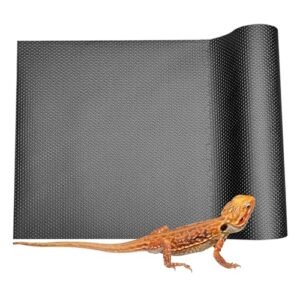
Want zero mess without ditching natural style? The Duedusto Mat Liner’s got you covered.
This waterproof, non-absorbent liner stops waste from soaking in, so spot-cleaning takes seconds. It’s non-adhesive and non-abrasive too, protecting claws and paws from irritation.
At 59 x 23.6 inches, it covers 9.67 square feet—plenty for big tanks. Cut it down for custom fits, no adhesive needed.
Works great under substrate layers or alone in quarantine setups. Simple, tough, and reusable!
| Best For | Owners of bearded dragons, leopard geckos, lizards, hermit crabs, and turtles who want a low-mess, easy-to-clean alternative to loose substrate. |
|---|---|
| Material Type | PET plastic |
| Reusability | Reusable |
| Moisture Retention | Waterproof/non-absorbent |
| Odor Control | Requires disinfectant |
| Species Suitability | Bearded dragons, geckos, turtles |
| Customizable Size | Yes, cut to fit |
| Additional Features |
|
- Waterproof, non-absorbent surface makes spot-cleaning quick and simple
- Textured, non-abrasive design improves grip and protects paws and claws from injury
- Reusable and custom-cuttable, fitting a variety of enclosure sizes
- Requires a reptile-safe disinfectant for thorough deep cleaning
- Must be manually cut to fit specific enclosure dimensions
- Very thin (0.1 inches), so it may need extra care to avoid tearing during use
3. TCYPUHL Thick Reptile Carpet Mat
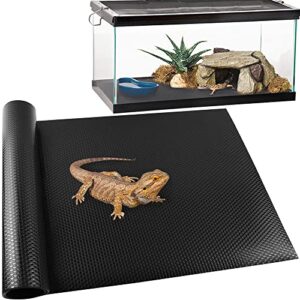
Prefer a liner with more grip? This one’s thick and textured for secure footing, at 18 x 79 inches.
It’s water-resistant, heat-safe for under-tank heaters, and wipes clean fast. Bearded dragons, geckos, snakes, and turtles all do well on it.
Cut it to fit any tank. Just watch for odor or mold if you skip regular cleaning—staying on top of maintenance keeps it fresh and safe long-term.
| Best For | Reptile owners with bearded dragons, leopard geckos, snakes, or turtles who want a durable, easy-to-clean liner with reliable grip. |
|---|---|
| Material Type | Synthetic liner |
| Reusability | Reusable |
| Moisture Retention | Water-resistant |
| Odor Control | Requires cleaning |
| Species Suitability | Bearded dragons, geckos, snakes |
| Customizable Size | Yes, cut to fit |
| Additional Features |
|
- Thick, textured surface gives pets secure footing while resting or walking
- Water-resistant and heat-safe, plus wipes or rinses clean in seconds
- Cuts easily to fit different tank sizes and is reusable instead of disposable
- Pets may accidentally ingest bits of the material
- Mold or bacteria can build up without regular cleaning
- May develop odor over time if maintenance is neglected
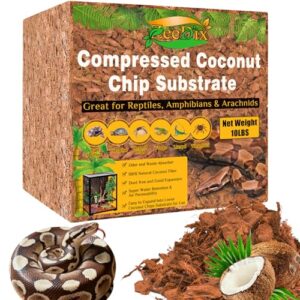
4. Riare Coconut Chip Reptile Substrate
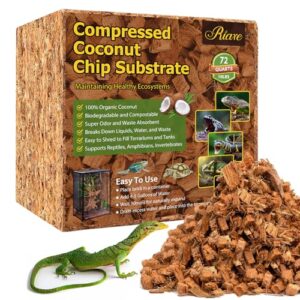
Ready for something more natural? These coconut chips give boas and tropical snakes room to burrow and dig.
They’re organic with no added junk, just real coconut husk. Odor and moisture get soaked right up, keeping things fresh.
Great for bearded dragons, tortoises, lizards, and amphibians too. Multiple pack sizes mean you’re covered for big enclosures or quarantine setups.
Minimal dust keeps lungs happy. It’s a solid pick for large, naturalistic habitats!
| Best For | This coconut husk brick is best for reptile and amphibian owners keeping tropical species like snakes, tortoises, geckos, and amphibians that thrive in humid, naturalistic enclosures. |
|---|---|
| Material Type | Coconut fiber |
| Reusability | Single use expand |
| Moisture Retention | High |
| Odor Control | Odor absorbing |
| Species Suitability | Snakes, tortoises, geckos |
| Customizable Size | No |
| Additional Features |
|
- Expands to a generous 72 quarts, giving plenty of substrate for burrowing and digging behavior
- Naturally absorbs odor and moisture, helping keep enclosures fresh and at the right humidity
- Biodegradable and compostable, making cleanup easy and eco-friendly
- Requires soaking in water before use, so it’s not ready right out of the package
- Excess water needs to be squeezed out manually, adding an extra prep step
- Comes as a compressed brick rather than loose substrate, which some keepers may find less convenient
5. Organic Coconut Husk Reptile Substrate
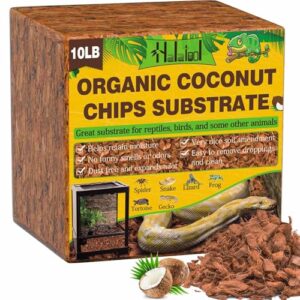
This brick of coconut husk starts small but expands into 72 quarts of fluffy, burrow-ready bedding.
Just spread it 2-3 inches deep in the enclosure to help lock in humidity for smooth sheds, and check out this corn snake enclosure setup guide for tips on layering substrate to prevent mold.
At 10 lbs, it’s easy to store until hydration day. Just add water and watch it grow!
Great for ball pythons, tortoises, and geckos needing steady humidity. Dust-free means happier lungs for you and your pet.
Watch your water levels, though. Overwatering causes sogginess fast, so add slowly and check often.
| Best For | This coconut husk substrate is best for reptile and invertebrate owners keeping ball pythons, tortoises, geckos, lizards, amphibians, or tarantulas that need steady, balanced humidity. |
|---|---|
| Material Type | Coconut husk chips |
| Reusability | Single use expand |
| Moisture Retention | High |
| Odor Control | Odor absorbing |
| Species Suitability | Ball pythons, tortoises, geckos |
| Customizable Size | No |
| Additional Features |
|
- Expands from a compact 10 lb brick into about 72 quarts of usable bedding
- Dust-free and compostable, making it healthier for pets and easier on the environment
- Supports natural burrowing and helps manage odor and waste effectively
- Requires manual hydration and time to expand before it’s ready to use
- Easy to overwater, which can lead to excess moisture and sogginess
- May contain occasional debris, like small stones, mixed into the material
6. Halatool Organic Coconut Husk Substrate
This one’s a storage-space saver, plain and simple. It ships compressed into bricks or chips, so it takes up barely any room until you’re ready to use it.
Soak it, drain it, and you’ve got dust-free bedding perfect for burrowers and hiders alike.
No dyes, no synthetic fragrance—just coconut husk doing what it does best. It plays nice in bioactive setups too, working alongside leaf litter and cleanup crews without causing trouble.
| Best For | This coconut chip substrate is best for reptile, amphibian, and hermit crab owners who want humidity-friendly, burrow-ready bedding without a lot of shelf space taken up in storage. |
|---|---|
| Material Type | Coconut chips |
| Reusability | Single use expand |
| Moisture Retention | High |
| Odor Control | Odor absorbing |
| Species Suitability | Tropical reptiles, hermit crabs |
| Customizable Size | No |
| Additional Features |
|
- Expands from a compact 10 lb brick into a generous 72 quarts, saving storage space until you’re ready to use it
- Chunky 0.4 to 1.5 inch chips offer great drainage and airflow while holding humidity for species like ball pythons
- Neutral pH and no added dyes or fragrances make it gentle and safe for direct skin contact
- Requires soaking and draining before use, so it’s not ready straight out of the package
- Larger chip size may not suit species that prefer finer, sand-like substrates
- Compressed shipping form means some prep time and mess before it’s usable
7. Premium Coconut Chip Reptile Substrate
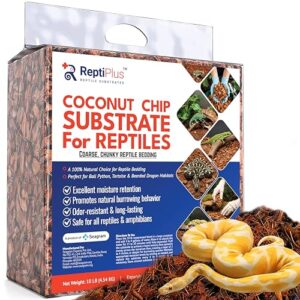
Big snakes need big tunnels, and that’s exactly what this stuff delivers. The chunky chips hold their shape, so burrows stay put instead of caving in under weight.
Kiln-dried processing keeps mold away, even in large, humid enclosures. You’ll get steady humidity without sogginess, since chips soak up moisture, then release it slowly.
Cleanup’s a breeze too. Spot-clean the messy patches, leave the rest alone, and you’re done. No dust, no fuss, just solid bedding your big reptile can dig into for months.
| Best For | Owners of large reptiles like big snakes, tortoises, and bearded dragons who need a burrow-friendly, humidity-retaining substrate that’s easy to maintain across spacious enclosures. |
|---|---|
| Material Type | Coconut husk |
| Reusability | Single use expand |
| Moisture Retention | High |
| Odor Control | Odor absorbing |
| Species Suitability | Tortoises, bearded dragons, hermit crabs |
| Customizable Size | No |
| Additional Features |
|
- 100% natural, dust-free, and chemical-free coconut husk chips that are safe for sensitive reptiles
- Excellent moisture retention that keeps humidity steady for tropical species without becoming soggy
- Compressed block format expands up to 72 quarts, making it a cost-effective choice for multiple terrariums
- Requires soaking in water before use, adding an extra prep step
- Moisture levels need manual adjustment to match specific species’ humidity needs
- Expanded substrate is bulky and may require significant storage space
8. Repti360 Coconut Chip Reptile Substrate
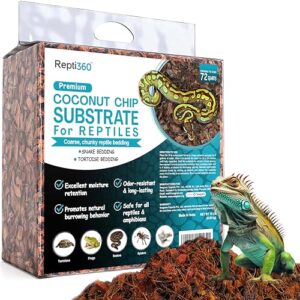
Want tunnels that actually hold? These loose chips let burrowers dig deep without collapsing walls.
Repti360 works great for long-term enclosures. Top up dry spots instead of replacing everything, saving you time and money.
Odor control is solid here too. Drier surfaces mean less microbial growth, so your setup stays fresher between cleanings, no synthetic fragrance required.
| Best For | Reptile and amphibian keepers setting up bioactive or humidity-loving enclosures—like ball pythons, tortoises, and tropical invertebrates—who want a natural substrate that holds moisture well. |
|---|---|
| Material Type | Coconut husk |
| Reusability | Single use expand |
| Moisture Retention | High |
| Odor Control | Odor absorbing |
| Species Suitability | Snakes, tortoises, lizards |
| Customizable Size | No |
| Additional Features |
|
- Expands from a compact 10-pound block into 72 quarts of substrate, making storage and transport easy
- Retains humidity effectively, helping maintain tropical conditions for species that need it
- Free of dust, dirt, and additives, with natural odor-absorbing properties
- Needs to be soaked in water before use, which adds a prep step
- Once expanded, it takes up a lot more space, so you’ll need somewhere to store or use it
- Chip-like texture isn’t ideal if you’re looking for a fine, soil-like substrate
9. Natural Coconut Husk Reptile Substrate
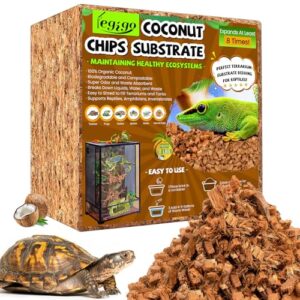
Fibers straight from the coconut husk, doing exactly what nature intended.
This stuff holds humidity like a champ, keeping tropical enclosures steady between mistings. Your gecko or ball python gets that soft, diggable layer for burrowing without any sharp bits poking around.
Cleanup’s simple too. Spot-clean waste daily, and the substrate stays fresh way longer than you’d expect. Low-dust means happier lungs for you and your pet.
It’s biodegradable, so tossing old substrate won’t weigh on your conscience either!
| Best For | Reptile and hermit crab owners who want a natural, humidity-holding substrate for pets like ball pythons, geckos, and tortoises that thrive in stable, tropical enclosure conditions. |
|---|---|
| Material Type | Coconut husk |
| Reusability | Single use expand |
| Moisture Retention | High |
| Odor Control | Odor absorbing |
| Species Suitability | Snakes, tortoises, geckos |
| Customizable Size | No |
| Additional Features |
|
- Retains humidity well, helping maintain steady tropical conditions between mistings
- Soft, non-sharp texture makes it safe and comfortable for burrowing
- Fully biodegradable, so disposal is easy on the conscience
- Arrives compressed and requires water to expand before use
- Needs periodic rehydration to prevent the substrate from drying out
- Weight and volume change significantly after expansion, which can affect storage planning
10. Zilla Reptile Terrarium Bedding Liner
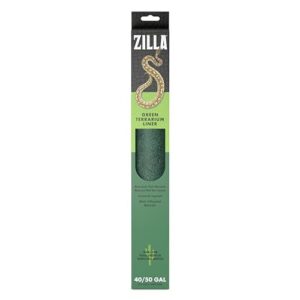
Want zero mess and zero fuss? This liner’s got you covered.
Made from absorbent, non-abrasive fabric, it soaks up moisture fast and stays gentle on tender feet. No loose bits means no impaction worries, especially for juvenile reptiles just starting out.
Cut it to fit your enclosure, roll it flat, and you’re done. Rinse with cold water when it’s dirty, let it dry, and reuse it again.
Simple, safe, and budget-friendly for beginners craving control.
| Best For | This liner is best for beginner reptile owners and those housing juvenile reptiles who want a safe, low-mess substrate option. |
|---|---|
| Material Type | Polyethylene/Polypropylene |
| Reusability | Reusable |
| Moisture Retention | Absorbent |
| Odor Control | Enzyme treatment |
| Species Suitability | Juvenile reptiles, all stages |
| Customizable Size | Yes, cut to fit |
| Additional Features |
|
- Absorbent, non-abrasive material keeps enclosures fresh and gentle on delicate feet
- Reduces impaction risk since there’s no loose substrate for pets to accidentally ingest
- Reusable and low-maintenance—just rinse with cold water and let it dry
- Requires manual cutting to fit specific enclosure dimensions
- Doesn’t offer a naturalistic look or feel compared to other substrates
- Odor-reducing enzyme treatment means some upkeep is still needed to maintain freshness
Choosing Substrate for Large Terrariums
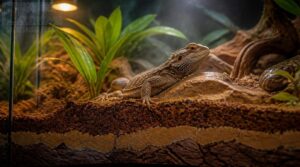
Big enclosures need the right substrate, and that choice matters more than you’d think. Your reptile’s size, habits, and humidity needs all play a part. Let’s break down what to look for before you pick.
Snake Size and Habits
How big will your snake actually get? That’s the question that decides everything. Growth rate depends on food and warmth, and size dimorphism means females often need more room. Consider:
- Full-grown length
- Prey size
- Activity level
Juveniles need different setups than adults, so plan your reptile substrate choice around where your snake’s headed, not just where it’s at.
Burrowing Versus Surface Activity
Does your snake dig, or does it just lounge around? Big difference.
Burrowing species need thick, packed substrate for tunnel stability—think 20-50 cm deep. They’ve got the muscle for it too, with muscle morphology built for excavating. Many reptiles use limbless forms for burrowing to navigate their environment.
Surface dwellers skip the digging. They’re active at dawn and dusk (crepuscular activity), using loose bedding just for quick hides.
Know which one you’ve got before picking substrate.
Humidity Needs by Species
Digging is only half the story—humidity seals the deal. Tropical species crave 70-90% RH, while desert-dwelling species stay happiest around 20-40%.
Subtropical setups land in the middle, roughly 45-65%. Arboreal humidity cycles matter too, with tree-dwellers wanting 60-80%.
Bioactive substrates naturally support moisture retention, easing humidity control. Match your substrate to species hydration requirements, and you’re golden!
Natural Versus Synthetic Options
Getting humidity right matters, but what your substrate’s made of changes the game too.
Natural substrates like coconut husk feed microbial biodiversity, perfect for bioactive setups mimicking real habitats. They biodegrade easily, but mold risk climbs fast.
Synthetic options stay consistent and mold-resistant, though they trade away that living environment feel. Your call depends on what you’re keeping!
Bulk Cost Considerations
Buying big doesn’t always mean saving big! Volume discount thresholds sound great, but freight and dimensional weight charges can eat those savings fast.
Run a real landed cost analysis before committing. A Custom Mixed Bulk Case often beats single-type bulk cases for flexibility. Watch inventory carrying costs too—stockpiling bulk reptile substrates ties up cash. Sometimes budget-friendly substrate options in smaller batches actually win!
Best Substrates by Habitat Type
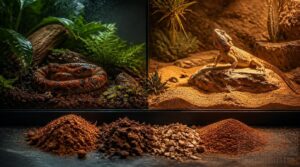
Every habitat has its own rules, and your substrate needs to follow them. Whether you’re keeping tropical snakes or desert dragons, the right base makes all the difference. Let’s break down what works best for each setup!
Tropical Snake Enclosures
Humid jungles don’t happen by accident, and neither should your tank! Aim for 2-4 inches on the cool side for burrowing. Mix coco coir with bark chips for tactile enrichment and steady humidity gradient management.
Sphagnum moss adds capillary moisture release right where you need it. Bioactive substrates keep microfauna thriving, supporting a truly natural vivarium substrate!
Desert Reptile Habitats
Desert dwelling reptiles need dry, breathable ground, not soggy jungle mix! Skip Reptile Sand though—it’s a leading cause of impaction.
Go with loose, sandy-rocky blends supporting natural digging. Add dark rocks for heat absorption and naturalistic rock formations for cover.
Build a real thermal gradient design with basking zones and shade. Pair strong UVB lighting benefits with your setup, and always prioritize substrate safety first!
Bioactive Large Builds
Want a little world that basically runs itself? That’s the magic of bioactive builds!
Layer clay drainage, rich soil, and thick leaf litter for microfauna waste processing. Add springtails, isopods, ferns, and mosses.
- Zone for basking, cooling, humidity
- Build vertical canopy complexity
- Use cork bark for niches
- Prune plants regularly
This setup means less scooping, more thriving, natural microclimate control every day!
Quarantine and Medical Setups
A sick reptile needs a clean slate, not shared gear. Keep dedicated quarantine tools completely separate from your main collection.
Use paper towels or reptile carpet for easy disinfecting. Skip loose substrate entirely—it hides waste and raises impaction risk during recovery.
Replace bedding fully after each use, never reuse it. Daily monitoring, spot-cleaning, and sterile swaps keep pathogens from spreading to healthy reptiles!
Display-focused Terrariums
Some enclosures are built to steal the show, not just house a pet. That’s the goal with display-focused terrariums.
Pick bioactive substrates that support a naturalistic vivarium setup and true little world replication. Layer plants by height for aesthetic depth, mix hardscape textures like wood and stone, and add gentle LED lighting.
These choices boost habitat enrichment and keep your display gorgeous for the long haul!
Depth, Drainage, and Humidity
Getting the setup right matters just as much as picking the right substrate. You need proper depth, smart drainage, and steady humidity working together. Let’s break down exactly how to nail all three.
Substrate Depth Guidelines

Six to eight inches gives burrowers room to dig without hitting bare floor. That’s the sweet spot for large enclosures—enough for tunnel stability and moisture retention.
Mix medium and coarse particles so tunnels don’t collapse. Vary depth across the tank for microhabitats. Check often for settling, and top off as needed. Deeper beds hold humidity better, but keep an eye out for anaerobic pockets underneath!
Drainage Layer Basics
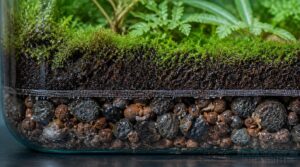
All that depth needs somewhere for water to go. That’s where your drainage layer comes in.
Add 2.5 to 3 inches of expanded clay, gravel, or lava rock beneath your substrate. This boosts substrate aeration, mitigating saturation and preventing mold growth.
Keep water below the halfway mark. Material permeability matters—too dense, and you’re inviting anaerobic conditions instead of proper vivarium drainage!
Moisture Retention Materials
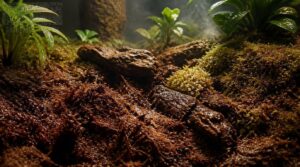
Good drainage means nothing without materials that actually hold moisture where your reptile needs it.
Coconut husk absorbs fastest, hitting peak saturation within 24 hours. Sphagnum moss holds twenty times its weight in water, perfect for humid pockets. Bark’s natural lignin extends hydration hours longer than plain wood.
Want that rainforest feel? Mix these for balanced humidity control your bioactive setup will thank you for!
Preventing Soggy Bedding
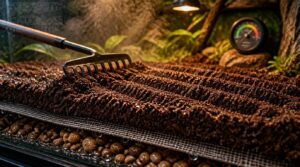
Soaked substrate breeds bacteria fast, so soggy bedding needs quick fixes!
Keep that drainage layer clean and check your moisture barrier stays intact. Rake the top surface every few days for aeration—simple, effective humidity control.
Pick materials with quick-drying properties, and remove excess water before it pools. Your reptile’s health depends on it, so don’t skip this step!
Hygrometer Placement Tips
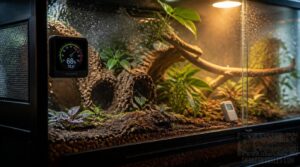
Where you put your hygrometer matters as much as the reading itself! Sensor height optimization means placing it around eye level, away from vents or heat lamps.
Avoiding draft interference keeps readings honest—skip fans and doorways. For big tanks, try microclimate monitoring strategies with multiple sensors. Watch calibration frequency needs every 6-12 months, preventing sensor drift so your humidity control stays spot-on!
Safety and Maintenance Essentials
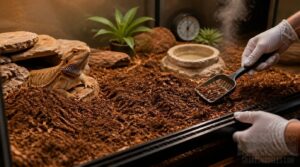
Great substrate is only half the job—keeping it safe matters just as much. You’ve got a big enclosure, so cleaning and safety habits need to be solid too. Let’s cover what keeps your reptile healthy day after day.
Avoid Toxic Wood Shavings
Cedar and pine shavings look cozy, but they’re silent troublemakers. They release aromatic phenols and volatile organic compounds that irritate lungs fast.
Cedar and pine shavings may look cozy, but they quietly release phenols and VOCs that irritate reptile lungs
- Coughing fits
- Wheezing episodes
- Long-term breathing damage
Even heat-treated shavings don’t fully remove the risk! Skip softwood dust entirely. Go with coconut husk or aspen instead—your reptile’s lungs will thank you, and that’s real substrate safety in action.
Reduce Impaction Risks
Impaction sneaks up fast when reptiles swallow loose substrate. Particle size selection matters most here—fine, compact materials pass easily, while chunky bits cause blockages.
Skip calcium sand, gravel, and walnut shells entirely. Break up clumps immediately, and use feeding dishes to stop accidental ingestion during strikes. Watch your reptile’s digestion closely.
Smart choices now mean fewer vet visits later!
Daily Spot-cleaning Routine
A messy enclosure sneaks up fast, so make daily checks a habit! Scan for waste, blot spills within minutes, and wipe glass panels clean.
Lift hides gently to catch hidden dampness. Spot-clean compacted areas, watch for odors, and check moisture levels often. Wear gloves, wash hands after, and keep your reptile’s home fresh, safe, and smelling great every single day!
Monthly Deep-clean Schedule
Once a month, go all in! Empty the enclosure, toss old substrate, and start fresh.
Wipe hides and bowls with reptile-safe cleaner, then let surfaces dry fully. Big habitats with multiple reptiles? Bump cleaning to every three weeks.
Pick a set day monthly, and jot down each cleaning date. Tracking trends keeps your reptile’s home healthier, longer.
Feeding Without Substrate Ingestion
Mealtime’s when substrate impaction sneaks up on you. Skip the risk with tong feeding or a dedicated feeding dish!
Elevated feeding platforms keep prey off loose bedding entirely. Watch for substrate ingestion signs like tongue flicking or reluctance to eat.
Keep an eye on stool consistency, too. That’s your best digestive health monitoring tool for catching trouble early!
Frequently Asked Questions (FAQs)
What is the best substrate for reptiles?
Great enclosures start from the ground up. The best reptile substrate matches your species’ needs, texture, and moisture. Coconut husk, cypress mulch, or reptile carpet all work great, depending on humidity, burrowing habits, and safety!
How much substrate for a 40 gallon reptile tank?
For a 40 gallon tank, plan on 10 to 12 gallons for one inch, or 20 to 24 gallons at two inches. Burrowing species need three inches—budget 30 to 36 gallons for full coverage!
What to put in the bottom of a reptile tank?
Wondering what actually belongs on your tank floor? Pick coconut fiber or husk for moisture-loving species, tile for easy cleaning, or paper towels for quarantine setups. Match texture to your reptile’s natural habitat for safety and comfort!
How much substrate for a 120 gallon terrarium?
Your 48×24 footprint needs 4 to 6 inches deep. That’s about 66 to 4 cubic feet total.
Grab 2-4 standard bags depending on depth, species burrowing habits, and how deep those tunnels need to go!
How often should you replace substrate completely?
Most large setups need a full swap every 12 to 24 months. Watch for persistent odors, mold, or compacted patches, those are your cues! Bioactive builds refresh less often, since microbial activity keeps things balanced longer between overhauls.
Can different substrates be layered together safely?
Yes, you can layer safely! Use a barrier divider to stop substrate migration, keep moisture gradient stability between layers, and skip toxic materials. This creates safe layered microclimates while preventing impaction risks and toxin leakage.
How do you sanitize bulk substrate for reuse?
No fungus fantasy here, just clean dirt! Bucket tek and 60-80°C pasteurization kill pathogens fast. Cool below 30°C, sanitize tools with ethanol, check for mold or odors, then reuse confidently!
Conclusion
Your reptile could practically throw a housewarming party in that enclosure now! Picking the right reptile substrate for large enclosures isn’t just bedding—it’s the foundation for a happy, healthy pet. Nail the humidity, skip the toxic shavings, and stay ahead of impaction risks. Whether you go coconut husk or a wipe-clean liner, consistency wins. Your reptile can’t say thanks, but a thriving, stress-free habitat speaks for itself. Set it up right, and you’ll rarely think about substrate again.