This site is supported by our readers. We may earn a commission, at no cost to you, if you purchase through links.
Stuck shed looks harmless. A few flaky patches, some cloudiness over the eyes. Easy to dismiss as a minor inconvenience until you understand what’s happening beneath those dry layers. Retained shed skin blocks circulation, traps moisture against vulnerable tissue, and creates the exact conditions bacteria need to take hold.
The tail tip is often the first casualty. Tight bands of old skin constrict blood flow quietly, and by the time you notice swelling or discoloration, the damage is already underway. Catching it early, rehydrating correctly, and knowing your removal limits keeps a fixable problem from becoming permanent.
Table Of Contents
- Key Takeaways
- How to Identify Retained Shed
- Rehydrate Before Removing Stuck Shed
- Remove Retained Shed Without Injury
- Know When Veterinary Care is Needed
- Prevent Retained Shed From Returning
- Frequently Asked Questions (FAQs)
- How to remove a stuck shed?
- Does a snake feel pain when it sheds its skin?
- How long should you soak a snake with a stuck shed?
- How to help a snake shed its skin?
- Can retained shed affect a snakes appetite?
- How does brumation impact shedding frequency?
- What role does age play in shedding problems?
- Does retained shed differ between wild and captive snakes?
- Can medications or treatments cause abnormal shedding cycles?
- Conclusion
Key Takeaways
- Retained shed isn’t just cosmetic — tight bands of old skin cut off circulation and create the bacterial conditions that lead to tissue death, especially at the tail tip.
- Always rehydrate before you touch anything: a 15–20 minute lukewarm soak softens stuck shed enough to remove safely, and skipping this step turns a fixable problem into a wound.
- Use only damp paper towels, finger pads, or a soft brush — always moving in the direction of scale growth — because dry peeling or going against the grain tears the living tissue underneath.
- Three or more incomplete sheds in a row, persistent eye caps after two shed cycles, tail discoloration, pus, or foul odor all mean one thing: stop home treatment and call your vet today.
How to Identify Retained Shed
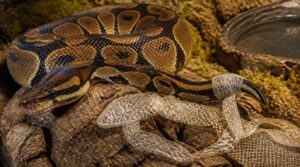
Retained shed doesn’t always announce itself — sometimes it blends in just enough to go unnoticed until it causes real problems. Knowing the specific signs to look for puts you ahead of the issue before it escalates. Here’s what to check on your snake.
A well-equipped setup can make a real difference too — having the right humidity tools and hides from your snake habitat essentials checklist helps create conditions that support clean, complete sheds from the start.
Dry, Papery Skin Patches
The clearest sign of retained shed is dry, papery skin patches that look rough, flaky, or crusty rather than smooth.
- Skin feels tight or rough over affected areas
- Discolored or inflamed patches signal moisture loss
- Itchiness often accompanies the dryness
Low humidity is usually to blame. A shedding box and proper humidity levels help, but lukewarm soaks offer faster relief. Environmental factors like cold weather and indoor heating can worsen dryness, as these conditions are common causes of dry skin patches in both humans and reptiles.
Cloudy Retained Eye Caps
Skin patches are easy to spot, but cloudy eye caps need closer attention.
After a complete shed, your snake’s eyes should look clear. If they still appear dull, filmy, or glazed, retained eye caps are likely the cause, like a dirty lens that won’t wipe clean.
Maintaining proper humidity levels and offering lukewarm soaks both support natural eye cap detachment.
Tight Tail Tip Bands
Moving down from the eyes, the tail tip is another common trouble spot.
Tail tip retention shows up as a tight, dry band circling the very end of the tail, like a ring that won’t come off.
A tail tip swollen beyond its normal taper tells you that the retained shed is already restricting blood flow and needs prompt action.
Redness, Swelling, or Blisters
When retained shed lingers, swelling or discoloration signals escalating damage. A tail tip swollen tight is one sign; red, warm skin anywhere else on the body is another.
Blisters tell you the upper layers are already injured. That combination creates prime conditions for bacterial infection. Unchecked, it leads to tissue necrosis. Infection prevention always starts with catching these signs early.
Shed Versus Scale Damage
Moisture is your fastest diagnostic tool. Retained shed softens within minutes of soaking; scale damage won’t.
Retained shed softens in minutes of soaking; scale damage never will
During shed skin inspection, check for:
- Papery edges that lift slightly from the body
- Fixed, flush edges on true scale damage
- Dysecdysis creates symmetrical patterns; injuries are random
- Real damage fails the scale flexibility test and stays rigid
Never peel stuck skin dry.
Instead, gently soften the area with a warm soak first — this ball python stuck shed removal guide walks you through safe techniques that protect delicate scales.
Rehydrate Before Removing Stuck Shed
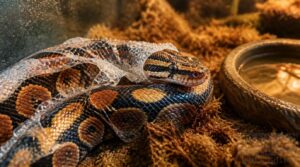
Rehydration is the first step — skip it, and you risk injuring your snake during removal. Before you touch that stuck shed, your enclosure needs to work in your favor. Here are five ways to bring the right moisture and warmth to the process.
Raise Humidity Gradually
Think of dried skin like leather left in the sun, it won’t flex until rehydrated. Raise humidity in 5-10% increments every 12-24 hours, tracking changes with a calibrated digital hygrometer.
For ball pythons, that means climbing from 60% to 80% over two to three days. Misting once or twice daily with room-temperature water keeps the whole process steady and safe.
Prepare a Moist Humid Hide
A humid hide does the heavy lifting here. Fill a small container with sphagnum moss or coconut coir as your moisture retention substrate, dampened until the material just clumps without dripping.
- Entry opening large enough for comfortable access
- Damp paper towels as a fast liner option
- Level, stable surface to prevent tipping
- Partial lid gap to allow airflow
Offer Short Lukewarm Soaks
When humidity control falls short, soaking is one of the most effective skin rehydration techniques available. Lukewarm water softens stuck shed in minutes.
| Reptile | Soak Duration | Water Temp |
|---|---|---|
| Snakes | 15-20 min | 85-90°F |
| Lizards | 15-20 min | 82-86°F |
| Turtles | 20-30 min | 78-82°F |
Use a shedding box filled with shallow water. Finish with damp paper towels right after. Don’t go beyond 30 minutes.
Keep The Head Above Water
A soaking reptile can drown. Fill water to shoulder height only – enough to soften shed, no more.
Keep these safety rules in mind:
- Lukewarm water in a shedding box stays below nostril level
- Sphagnum moss or coconut coir adds moisture without submersion risk
- Damp paper towels finish the job right after soaking
Never leave your reptile unsupervised near water.
Maintain Proper Shedding Temperatures
Temperature matters just as much as moisture when a shed goes wrong. Incorrect enclosure temperatures above 88°F reduce humidity before your snake even feels the benefit. Keep a stable temperature gradient to avoid the most common shedding problems.
| Zone | Target |
|---|---|
| Warm side maximum | 86–88°F |
| Cool side minimum | 75–80°F |
| Substrate level check | Morning and evening |
| Too hot (avoid this) | Above 90°F |
Remove Retained Shed Without Injury
Rehydration is only half the job — now comes the part where technique actually matters. Rushing this step, or using too much force, can cause more damage than the retained shed itself. Here’s how to help your snake through it safely.
Follow The Scale Direction
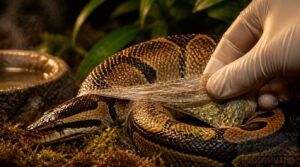
Always follow the scale direction. Going against the grain risks tearing the new tissue beneath retained shed.
- Body scales run head to tail
- Eye caps roll in their natural arc
- Tail scales follow circumferential rings
- Toe scales work from base to tip
- Ventral scutes flow anterior to posterior
Raise humidity first. Then a lukewarm soak softens the shed.
Use Damp Paper Towel Friction
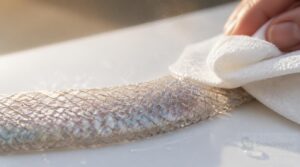
Once the scale direction is mapped, a damp paper towel becomes your best tool for loosening retained shed. Dampen a plain, unscented towel with lukewarm water at 85 at 85-90°F, wring it until moist but not dripping, and wipe along the scale direction with light, consistent pressure. Work one small section at a time, and check frequently for any redness or abrasion.
Apply Gentle Fingertip Pressure
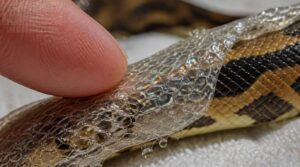
When the towel loosens stuck shed edges, gentle fingertip pressure can finish the work. Press with finger pads only, moving in the scale direction for 10-15 seconds per area.
- Soften skin retention zones first
- Use finger pads, never nails
- Press 10-15 seconds, then reassess
- Focus on retained shed edges
- Never press retained eye caps directly
Try a Soft Brush Carefully
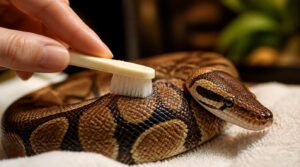
When fingertip pressure isn’t quite enough, a soft-bristled baby toothbrush can reach retained shed in tight spots between toes or along spinal ridges. Keep the bristles damp with lukewarm water, and brush only in the direction of scale growth. Light, feathery strokes are all you need.
Stop immediately if you notice redness, discomfort, or resistance, then reassess before continuing further.
Never Peel Dry Stuck Skin
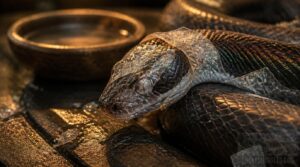
Dry peeling turns retained shed from a manageable problem into a serious medical one. When stuck shed won’t budge, forcing it off dry risks:
- Tearing living epidermis beneath the surface
- Damaging retained eye caps permanently
- Creating wounds vulnerable to bacterial infection
- Triggering chronic shedding failure
Soak first, always. Mechanical shedding without proper rehydration causes injuries that often need veterinary care.
Know When Veterinary Care is Needed
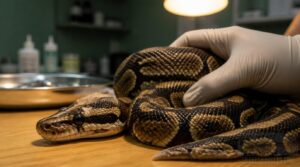
Home remedies go a long way, but they have a hard limit. Some situations mean your snake needs a vet — not tomorrow, not after one more soak, but soon. Watch for any of these signs that it’s time to make the call.
Persistent Retained Eye Caps
Retained eye caps that survive two full shedding cycles need veterinary attention. Each unreleased layer presses directly on the cornea, risking permanent damage.
A vet uses veterinary diagnostics to confirm the layer count and remove them safely without tearing delicate tissue. Don’t attempt it yourself.
Dysecdysis from chronic low humidity won’t fully resolve until you identify and fix the root cause.
Constricting Tail Tip Rings
A ring of retained shed skin around the tail tip acts exactly like a ligature. Tail constriction sets in fast, cutting off circulation and starving the tissue of blood supply.
Watch for tail swelling, discoloration, or darkening toward black. That’s necrosis. Auto-amputation is a real risk. If soaking doesn’t loosen the constricting tail ring within 24 hours, call your vet.
Blood, Pus, or Foul Odor
Blood or pus at a shed site signals a skin infection, not a simple shedding complication. Bacterial infection risk rises fast once the skin barrier breaks, and tissue necrosis can follow quickly.
Pus ranging from white to brown, especially with a foul smell, confirms active infection. Inflammation heat around the wound is another clear red flag.
Call your vet today.
Torn Scales or Open Wounds
Torn scales and open wounds don’t stay minor for long. When shed pulls away tissue with it, you’re facing bacterial infection risk and potential necrosis within days. A skin infection can take hold before the wound even looks serious. Raw, exposed tissue is a fast-moving problem.
Flush the area gently with sterile saline and call your vet today.
Repeated Incomplete Shed Cycles
Three or more consecutive incomplete sheds is your signal to call a vet. Chronic dysecdysis rarely corrects itself. It usually points to low humidity, nutritional gaps, or systemic illness.
Watch for:
- Stuck shed recurring every cycle
- Behavioral withdrawal between sheds
- Weight loss alongside repeated incomplete shedding causes
At that point, diagnostics, not home fixes, are the answer.
Prevent Retained Shed From Returning
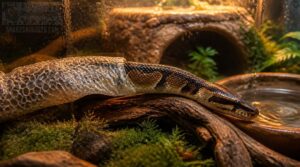
Once you’ve cleared up the immediate problem, the next step is making sure it doesn’t come back. Most retained sheds trace back to the same handful of fixable enclosure conditions. Here’s what to get right.
Monitor Humidity With a Hygrometer
A digital hygrometer removes the guesswork from enclosure hygiene. Place it at least 5 feet off the ground and away from vents or direct heat, so the sensor captures your enclosure’s true ambient humidity rather than a localized distortion.
Give it time to acclimate after placement. Consistent hydration monitoring tells you exactly when to act before the next shed goes wrong.
Provide Fresh Drinking Water
Your hygrometer tracks ambient moisture, but hydration monitoring includes what’s in the bowl too. Offer dechlorinated water daily in a clean, shallow bowl.
Poor hydration slows skin turnover and sets up incomplete sheds before you notice anything wrong. Water bowl maintenance means scrubbing with hot water every 48 hours. Consistent hydration support gives the next shed a real head start.
Choose Moisture-Friendly Substrate
Water in the bowl controls internal hydration, but the substrate controls ambient moisture. Coconut fiber and cypress mulch retain moisture between mistings while still draining freely enough to avoid waterlogged conditions.
Aim for a substrate with 50% to 65% water-holding capacity. Keep it clean too: contamination from seeds or pathogens adds biological risk during an already vulnerable shed cycle.
Add Safe Rough Surfaces
Substrate controls moisture, but your reptile also needs friction to shed properly. Natural rubbing surfaces like cork bark, slate, and smooth-edged rocks let them work loose stuck skin on their own.
Place abrasive surfaces near basking spots where shedding activity peaks. Untreated manzanita branches or lava rock both work well. Inspect them weekly for sharp edges that develop with use.
Reduce Stress During Shedding
When shedding, your reptile is at its most vulnerable. Limit handling and let enclosure enrichment do the work instead.
Prioritize these three things:
- Environmental humidity at species-specific levels
- Rough surface access for natural rubbing and loosening skin
- Secure hides to reduce stress and support the cycle
Observation over interaction. A calm enclosure leads to clean sheds.
Frequently Asked Questions (FAQs)
How to remove a stuck shed?
Like a medieval barber-surgeon approaching a fresh wound, don’t force what isn’t ready. Soak first: 15 to 20 minutes in lukewarm water softens stuck shed just enough to release safely with gentle, damp fingertip friction.
Does a snake feel pain when it sheds its skin?
No, shedding is pain-free for snakes. The process involves no active nerve stimulation as old skin loosens beneath the new layer. Your snake may act withdrawn during this time, but that’s pure instinct, not discomfort.
How long should you soak a snake with a stuck shed?
Think of retained shed like dried glue. Soaking duration runs 15 to 30 minutes for most stuck shed, or 45 to 60 minutes for ball pythons. A damp towel box also helps with hydration.
How to help a snake shed its skin?
Warm enclosures, stable humidity, rough surface provision, and clean water are the foundation of shed skin preservation. A moist hide helps too. When retained shed appears despite good care, veterinary diagnostics help identify the cause.
Can retained shed affect a snakes appetite?
Retained shed rarely gets credit for appetite loss, but it should. A snake dealing with retained eye caps or a dull faded patch from poor hydration won’t hunt well. Appetite monitoring is your early warning.
How does brumation impact shedding frequency?
During brumation, your snake’s shedding frequency drops sharply. Reduced metabolism, no feeding, cooler temperatures, and lower humidity all stall the snake shedding cycle, which raises the risk of retained shed skin once normal activity resumes.
What role does age play in shedding problems?
Age and anatomy work together. Juvenile reptiles shed frequently, keeping skin supple and problems rare. As shedding frequency slows, skin elasticity fades. Older adults face higher retention risk, and species-specific needs become harder to manage.
Does retained shed differ between wild and captive snakes?
Yes, wild snakes shed more reliably. Natural humidity swings, rough terrain, and low stress drive clean ecdysis. Captive dysecdysis stems from flat humidity, smooth substrates, and handling stress that captive reptile husbandry must actively compensate for.
Can medications or treatments cause abnormal shedding cycles?
Some medications quietly disrupt the skin’s enzyme breakdown. Corticosteroids, antifungals, and excess vitamin A from supplements, plus endocrine imbalances triggered by hormonal therapies, can all stall normal ecdysis and produce frustratingly stubborn, incomplete shedding cycles.
Conclusion
An ounce of prevention beats a pound of cure.
For retained shed skin removal tips, the real work happens between sheds: humidity checks, a reliable moist hide, and learning to read your snake’s signals before they become symptoms.
Catch the warning signs early. Rehydrate before you touch anything. When the tail tip looks wrong, don’t wait.
Consistent, attentive care turns a preventable crisis into a routine that keeps your reptile reliably healthy.
- https://theordinary.com/en-us/blog/what-is-exfoliation.html
- https://www.dermasuri.com/blogs/news/how-to-remove-flaky-dead-skin-fast
- https://www.rodanandfields.com/en-us/blog/skincare-guides/exfoliants-remove-dead-skin-buildup
- https://www.nivea.co.za/articles/education/skin/removal-dead-skin
- https://www.healthline.com/health/remove-dead-skin-from-face