This site is supported by our readers. We may earn a commission, at no cost to you, if you purchase through links.
A healthy ball python breathes so quietly you could sit beside the enclosure for an hour and never hear a thing. Four to eight slow breaths a minute, a gentle rise along the mid-body, and that’s it.
So when you hear a click, a wheeze, or a wet crackle, trust your ears. Ball python labored breathing symptoms rarely fix themselves, and open-mouth breathing at rest is never normal. Respiratory infections move fast in a snake that hides illness well.
You don’t need a vet’s training to spot the trouble early. You need to know what calm looks like, what changes it, and when to pick up the phone.
Table Of Contents
- Key Takeaways
- Normal Ball Python Breathing at Rest
- Ball Python Labored Breathing Warning Signs
- Causes of Breathing Problems in Ball Pythons
- When Your Ball Python Needs a Vet
- Safe Support While Awaiting Veterinary Care
- Veterinary Diagnosis and Respiratory Infection Treatment
- Frequently Asked Questions (FAQs)
- Conclusion
Key Takeaways
- A calm ball python breathes quietly at 4 to 8 slow breaths a minute, so any clicking, wheezing, or wet crackling means something’s wrong, and open-mouth breathing at rest is never normal.
- Most breathing problems start with husbandry, like a warm side below 88°F, humidity above 70% with poor airflow or under 50%, and dirty substrate, which you can fix by holding temperatures and humidity steady.
- Call an exotic vet the same day for clicking, bubbly mucus, or occasional open-mouth breathing, and go to an emergency vet right away for constant open-mouth breathing, a raised head and neck, or limpness.
- While you wait for care, keep the warm side at 88 to 92°F and humidity around 50 to 60%, handle your snake as little as possible, skip home treatments, and note your readings and symptoms for the vet.
Normal Ball Python Breathing at Rest
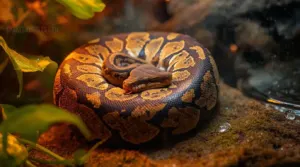
How can you tell when your ball python is relaxed? Watch your snake breathe. At rest, you’ll see a slow, gentle rise and fall in the mid-body, barely noticeable, with no sound at all.
Alongside slow breathing, a relaxed ball python often shows calm tongue flicks and loose coils, and this guide to ball python behavior patterns explains what each of those cues means.
Count full cycles for a minute. A calm snake usually takes 4 to 8 breaths per minute. Loose coils, a rounded body and steady tongue flicks tell us all’s well. In contrast, tight coiling, frequent hiding and rapid tongue flicking are common signs of stress that can show up alongside abnormal breathing.
Good numbers depend on a proper temperature gradient and solid humidity control, so check both first.
Ball Python Labored Breathing Warning Signs
Now flip the picture. When breathing goes wrong, your snake stops looking calm and starts looking busy.
Listen first. Wheezing or clicking, whistling, or a wet gurgle means something’s blocking the airway. Watch for open-mouth breathing while resting, which is never normal in a ball python.
Other red flags: forced exhalations, a body that ripples with each breath, and stargazing, head and neck raised for air. Bubbly mucus, crusty nostrils or stringy saliva, plus lost appetite, point to respiratory infection.
Causes of Breathing Problems in Ball Pythons

So what pushes a snake from calm to struggling? Usually it’s the setup, and that’s good news, because setups can be fixed.
A non-slip surface and a helper supporting the midsection keep weigh-ins low-stress, and this boa growth rate guide helps you interpret your numbers.
- A warm-side temperature below 88°F weakens immunity.
- Humidity above 70% with poor airflow breeds bacteria.
- Humidity under 50% dries and damages airway linings.
- Dirty substrate lets bacteria build up.
- Viruses like nidovirus cause proliferative pneumonia.
Most of these are husbandry fixes, which can head off a respiratory infection. Viruses are different, and only vets can sort them out.
When Your Ball Python Needs a Vet

Not every wheeze means a panic, but some signs mean you shouldn’t wait. We’ve split them into two groups below: symptoms that call for a same-day vet call and true emergencies that need immediate care. Knowing which group your snake falls into helps you act fast without guessing.
Symptoms Requiring Same-Day Veterinary Advice
Imagine this: you pick up your ball python, and near your ear you hear a faint click with every breath. She looks fine. She’s not.
Learning which sounds ball pythons make and what each one means can help you tell normal noise from a warning sign.
Don’t wait for a worse night. Call an exotic vet today if you notice any of these:
| What you see | What it may mean |
|---|---|
| Clicking or crackling | Fluid in the airways |
| Occasional open-mouth breathing | Struggling for air |
| Bubbly mucus | Infection brewing |
| Excess saliva | Mouth or lung irritation |
Left alone, a minor respiratory infection can become pneumonia faster than you’d expect. Calling costs you a few minutes. Waiting could cost her everything.
A small snake wheeze can quietly turn into pneumonia, so one quick vet call now may save her life
Breathing Emergencies Requiring Immediate Care
A snake that’s gasping isn’t being dramatic, so let’s treat it seriously. If you see any of these, skip the wait-and-see and get to an emergency exotic vet now:
- Constant open-mouth breathing, or a head and neck held raised to ease each breath
- Bubbly mucus around the nostrils or mouth, especially with gurgling or rattling sounds
- Forced exhalations and visible effort that’s getting worse
- Limpness, weakness, or little response when you handle her
Any open-mouth breathing paired with lethargy is an emergency. Call ahead so the clinic’s ready, keep her warm and calm, and don’t wait.
Safe Support While Awaiting Veterinary Care
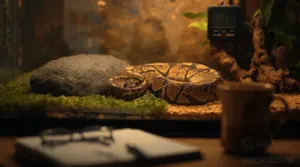
While you’re waiting on that appointment, your job is to keep things calm and steady. Hold the warm side at 88 to 92°F and the cool side at 76 to 80°F, and never let it climb past 95°F or dip below 70°F. Keep humidity around 50 to 60%, with a damp moss hide on the warm side.
Handle your snake only when you must. Skip any home antibiotics or nebulizing, and don’t force food or water.
Jot down your readings and symptoms. Your vet will want those notes.
Veterinary Diagnosis and Respiratory Infection Treatment

Imagine this: your ball python has been wheezing for three days, and you finally book that appointment. What happens next? Knowing the routine takes the edge off.
The vet starts by watching your snake breathe, then checks the mouth for discharge. From there, they may:
- Swab the choana or wash the trachea
- Culture for bacteria and fungi
- Take lateral and ventrodorsal radiographs
- Run bloodwork
- Prescribe injectable or nebulized antibiotics
Treatment runs weeks, so finish every dose.
Frequently Asked Questions (FAQs)
Can ball pythons recover fully from respiratory infections?
Yes, most can. Catch it early, get the right antibiotics, and fix your husbandry problems, and many ball pythons bounce back completely. Severe pneumonia is trickier, since lung scarring can linger, so don’t wait on it.
Are respiratory infections in ball pythons contagious to other snakes?
Some keepers say sniffles can’t spread. Not quite true. Viral respiratory infections, like nidovirus, are highly contagious through contact and aerosols. Bacterial ones usually aren’t.
Still, quarantine new snakes and isolate any sick ball python.
How can I prevent breathing problems in my ball python?
Keep humidity between 50-60% and you’ve already dodged a major culprit. Pair that with good ventilation, a steady basking temperature of 90-92°F, and quarantine for any newcomers. Solid husbandry beats treatment every single time, honestly.
How often should I clean my ball pythons enclosure?
Picture a glass box that smells faintly like a damp basement. That’s your cue. Spot-clean waste daily, wash the water bowl weekly, and swap substrate every one to three months. Deep disinfect quarterly.
Conclusion
What’s a snake’s best defense against a respiratory infection? You, paying attention. Ball pythons hide illness until it’s serious, so learning ball python labored breathing symptoms gives you a head start they can’t give themselves.
Know your snake’s calm baseline. Check the enclosure’s temperature and humidity. Call a vet the moment you hear clicking, wheezing, or see open-mouth breathing. Quick action costs far less than waiting.
Your snake can’t ask for help, but your ears can.