This site is supported by our readers. We may earn a commission, at no cost to you, if you purchase through links.
A ball python can spend hours curled in its water bowl, and a bowl that’s too small turns that soak into a cramped squeeze. Too big, and a baby corn snake can slip in and struggle to climb out.
Your snake’s water dish does more than hold a drink. It affects hydration, humidity, and hygiene every single day, and a tipped or grimy bowl can put your animal at risk fast. Knowing how to choose a snake water feeder means weighing size, material, stability, and cleanup before you buy.
Here’s what to check, from sizing rules to safe materials to designs that keep your snake secure.
Table Of Contents
Key Takeaways
- Pick a bowl with an interior diameter of 1.5 to 2 times your snake’s widest body width, and check it again as your snake grows.
- Choose smooth, non-porous materials like glazed ceramic, glass, stainless steel, or food-grade resin, and replace scratched plastic or unglazed ceramic since they trap bacteria.
- Go for a heavy, wide-based bowl, ideally recessed into the substrate, with a shallow design or a step so your snake can soak safely and climb out easily.
- Change the water daily with dechlorinated tap water, and use a bowl that comes apart without tools so you can clean it thoroughly.
How Do You Choose a Snake Water Feeder?
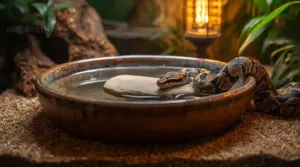
Why does a simple water dish matter so much? Because it’s the one item your snake uses every day for drinking, soaking, and sometimes hiding from the heat, so a poor pick can lead to spills, drowning risks, or bacteria in the enclosure.
Sizing the dish correctly is just as important as the material, and this guide on how deep a snake water dish should be helps you find a depth that supports soaking without creating a drowning risk.
Start with four basics. Think about reptile bowl size relative to your snake’s body, then weigh reptile bowl material, since it shapes both cleanliness and weight. Next, check reptile bowl stability, because an active snake can flip a light dish in seconds. Finally, look at reptile bowl durability and whether a shallow, wide shape suits your animal.
Your goal is a safe, steady, easy-clean dish that fits your snake. Keep that in mind as you compare options. Smaller animals sharing an enclosure can drown in deep dishes, so look for internal safety steps or add a flat stone so any trapped animal can climb out.
Match Water Bowl Size to Your Snake
Once you know what you’re looking for, start with reptile bowl size. A good rule is to pick a bowl with an interior diameter of 1.5 to 2 times your snake’s widest body width, so it can coil comfortably and still drink without crowding.
Pairing that sizing with a shallow, weighted base is easier when you compare the best reptile water bowls for arboreal snakes side by side.
For a 3-foot snake, that usually means a 6 to 8 inch bowl. For a 5 to 6 foot snake, look at 10 to 12 inches.
Species changes the math. Ball pythons soak often, so they need a 3 to 4 inch depth for full submersion. Corn snakes and king snakes rarely climb in, so water volume matters more than soaking room. Hognose snakes do best with shallow, low-sided dishes.
Reassess it as your snake grows.
Compare Safe Snake Water Feeder Materials
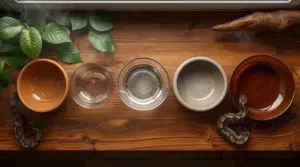
Once the size is settled, look at what the bowl is made of, because material affects both reptile bowl safety and how easy the dish is to keep clean.
For a closer look at sturdy, easy-to-wipe options that suit households with kids, these reptile water dishes for children’s pets are a good place to start.
Food-grade resin, glazed ceramic, glass, natural stone, and stainless steel are all solid picks. They’re non-porous or smooth, so water and bacteria can’t soak in and form biofilm. Ceramic, glass, and metal also handle boiling water, which makes sanitizing simple.
Be more careful with plastic. Cheap versions can contain BPA or phthalates, and these may leach into water when the dish is heated or scratched. Unglazed ceramic and scratched plastic trap bacteria in tiny grooves, so replace them often. Rubber and flexible plastics break down over time.
Always choose food-safe labels.
Choose Stable, Accessible Water Bowl Designs
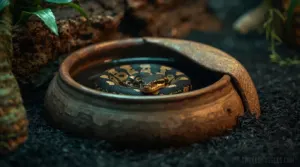
A bowl made of the right material still fails if it tips or traps your snake, so check the design next.
Heavy, wide-based dishes that are big enough for a full soak, like these snake water dishes for soaking, stay put and give your snake room to settle in.
Even a perfect bowl fails your snake if it tips over easily or leaves no way out
Weight comes first. Heavy ceramic or resin bowls with wide bases stay put when your snake shoves against them or soaks. Tapered interiors and sloping bases lower the center of gravity, and recessing the bowl into the substrate anchors it even more.
Next, consider access. Your snake should be able to fully submerge and curl up inside. Smaller snakes need textured interiors or a built-in step for an easy exit. Place the bowl on the cool side so humidity stays in check.
Picture what’s at stake:
- A frightened snake slipping and unable to climb out
- A soaked substrate that breeds mold overnight
- A shedding snake with nowhere deep enough to soak
- You, coming home to a tipped, empty dish
Select Water Feeders That Make Cleaning Easy
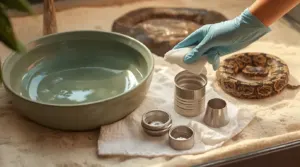
Pick a feeder that comes apart without tools, because a bowl you can’t scrub properly won’t stay clean for long. Look for one that separates into two or three pieces so you can reach every corner in a couple of minutes. Detachable reservoirs can cut cleaning time by up to 50%.
Smooth, non-porous resin or ceramic is a reptile bowl easy to clean choice, since bacteria can’t soak in and a quick wipe does most of the work. Skip bowls with seams, ridges, or decorative carvings. Waste collects in those spots, and you’ll miss it.
Stainless steel or high-grade plastic holds up to repeated disinfection, and it resists rust and staining from water additives. Choose a shallow, wide design that stays easy to rinse, and clean it often.
Frequently Asked Questions (FAQs)
How often should I change my snakes water?
Your snake probably doesn’t care that you skipped yesterday’s chore, but bacteria do. Change the water daily.
Every two to three days works for a large water bowl, but swap it immediately if it’s soiled.
Can I use tap water for my snake?
If it’s safe for you to drink, it’s safe for your snake, right? Mostly. Chlorine and chloramines can irritate skin, so treat tap water with a dechlorinator first. Skip softened water in your water bowl.
Why is my snake soaking in its water bowl?
Most often, your snake is soaking to cool off, hydrate, or loosen a coming shed. Mites can also drive it into the water. If the behavior is constant, check your humidity range and temperatures right away.
What temperature should my snakes drinking water be?
A water bowl left in a 78°F room settles at 78°F within hours, and that’s usually fine. Room temperature works for most snakes. Keep the bowl on the cool side, away from heat lamps.
Conclusion
Measure your snake, then match the bowl. Check the material, then test the stability. Scrub the dish, then refill it. Each step protects your animal’s health.
Once you know how to choose snake water feeder options, the decision gets simple: pick a bowl that fits your snake’s body, stays put when nudged, and cleans up fast. Do that, and fresh water becomes one less worry. Your snake gets a safe place to drink and soak.