This site is supported by our readers. We may earn a commission, at no cost to you, if you purchase through links.

A boa constrictor that hatches at barely 18 inches can double its length within a single year—a growth rate that surprises even experienced keepers. This pace isn’t accidental; temperature gradients, feeding schedules, genetics, and husbandry decisions all push or pull on how fast boas grow, often producing dramatically different outcomes from the same clutch.
For example, a Hog Island boa might cap out at 4 feet while its Boa constrictor constrictor cousin pushes past 10. Knowing what drives these differences gives you real control over your animal’s development, health, and long-term trajectory.
Table Of Contents
Key Takeaways
- Boa growth is driven by a combination of feeding schedule, temperature gradient, genetics, and enclosure conditions—getting all four right, and you’re actively shaping your snake’s long-term trajectory.
- Genetics set a hard ceiling on adult size that no amount of feeding can override, with subspecies ranging from 4-foot dwarf localities like Hog Island boas to 10-foot Boa constrictor constrictor.
- The first year is your highest-leverage window, when juveniles can double their length and growth responds most directly to consistent prey timing, stable thermals, and proper hydration.
- Tracking monthly weight and comparing length against age-based benchmarks isn’t optional—it’s how you catch slow growth, illness, or overfeeding before they cause permanent damage.
Boa Growth Timeline
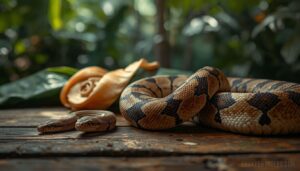
Boas don’t grow on a fixed schedule, but there are clear patterns you can use as reliable benchmarks. From the moment they hatch to the point they hit near-adult length, each year brings noticeable changes in size and weight.
Tracking those size milestones gets a lot easier when you’re also dialing in their diet—this guide on feeding baby boas the right food breaks down exactly how nutrition ties into healthy, steady growth.
Here’s how that progression usually unfolds, stage by stage.
Neonate Boas Typically Start at 14–24 Inches
Boa constrictor hatchlings exhibit significant size variation, typically ranging from 14 to 24 inches, with regional differences and subspecies influencing individual traits. Incubation duration and egg size directly determine where a hatchling falls within this range.
Proper measuring techniques are critical for tracking early development, as neonate body proportions can be unexpectedly compact—a distinguishing feature of boas compared to other constrictors. Establishing a baseline measurement provides a vital reference point for monitoring growth. Hatchlings generally double their length to approximately 3–4 feet within the first year, demonstrating rapid early growth.
- Length varies by subspecies and locality
- Most fall between 16–20 inches at birth
- Egg size directly influences hatchling size
- Compact body proportions distinguish boas from other constrictors
- Baseline measurement sets your growth reference point
First-year Boas Often Reach 2–3 Feet
That early baseline you recorded matters more than you might think. During the first year of life, your boa enters what’s often called the Rapid Juvenile Growth Phase, gaining length steadily until reaching 2 to 3 feet.
Growth rate during this juvenile stage responds directly to feeding consistency, enclosure enrichment, and hydration practices.
| Age | Typical Length |
|---|---|
| Hatch | 14–24 inches |
| 3 months | 20–24 inches |
| 6 months | 28–34 inches |
| 9 months | 36–42 inches |
| 12 months | 2–3 feet |
Genetic lineage, prey variety, and seasonal light cycles all quietly shape how quickly your snake climbs that chart.
Two-year-old Boas May Reach 4–5 Feet
By the end of year two, your boa’s Rapid Juvenile Growth Phase remains active. Most specimens reach 4 to 5 feet, driven by Genetic Lineage Impact, a consistent feeding regimen, and a stable temperature gradient. Females often approach the upper end of this range.
Growth Plate Development continues actively during this stage, meaning your husbandry decisions now directly determine how close your snake gets to its genetic ceiling.
Three-year-old Boas Can Reach 6–7 Feet
Year three marks the peak of the juvenile growth phase in boas, with high growth plate activity and a surging metabolic rate. With consistent care, your boa can reach 6–7 feet before sexual maturity slows growth. Captive vs. wild comparisons and longitudinal size studies underscore the critical importance of this window.
Key drivers of this growth phase include:
- Consistent weekly feedings sustain a growth rate of roughly 2 inches monthly.
- Stable basking temps (88–95°F) optimize metabolic efficiency.
- Factors like stress, humidity, and prey size compound over three years, shaping long-term outcomes.
- Females typically reach 7 feet, while males average closer to 6 feet.
- Captive boas outpace wild counterparts due to reliable access to prey.
These elements collectively ensure captive specimens thrive during this pivotal period, as confirmed by comparative and longitudinal research.
Most Boas Approach Adult Size by 4–5 Years
By age four or five, most boas have crossed the finish line on active length gains, marking the conclusion of their juvenile growth phase. The final size of a boa is shaped by factors such as feeding frequency, environmental temperature, and sex differences in adult boa size.
Several additional influences further refine growth outcomes. Maturation Rate Exceptions, Captive Growth Acceleration, and Latitude Growth Differences play roles in altering typical development patterns. Hormonal Growth Triggers and Longevity Size Correlation also contribute to variability in maturation and ultimate dimensions.
Below is a summary of typical growth milestones and their primary drivers:
| Age | Typical Length | Key Driver |
|---|---|---|
| 3 years | 6–7 ft | Hormonal Growth Triggers |
| 4 years | 7–9 ft | Feeding Frequency |
| 5 years | 8–10 ft | Environmental Temperature |
| 5+ years (female) | Up to 10 ft | Sex Differences in Adult Boa Size |
| 5+ years (dwarf) | 3–6 ft | Latitude Growth Differences |
First-Year Boa Growth Rate
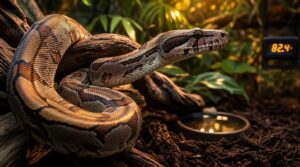
That first year is where the real action happens — your boa grows faster during this window than at any other point in its life. Several factors shape how big it gets by month twelve, from how often you’re feeding to how well your temps are dialed in.
Here’s what to watch for and when to pay closer attention.
Typical Monthly Growth in Juvenile Boas
During the juvenile growth phase in boas, monthly length gains usually run 2 to 4 inches under solid husbandry. Monthly weight variance tracks closely with feeding consistency and metabolic rate shifts tied to ambient temperature.
Pairing consistent feeding schedules with the right enclosure setup—outlined in this ball python habitat cost breakdown—helps keepers budget for the gear that keeps temps stable and growth on track.
Seasonal light cycles play a supporting role as well.
A reliable growth chart built on growth rate modeling helps you spot deviations before they compound into real problems.
Why Young Boas Grow Fastest Early On
There’s a reason your boa seems to double in size before your eyes during that first year—its biology firing on all cylinders. The juvenile growth phase in boas is fueled by a powerful Metabolic Surge, Hormonal Drive, and peak Digestive Efficiency that won’t last forever:
- High stomach acidity accelerates nutrient absorption
- Growth hormones peak early, driving rapid length gains
- Thermal Optimization lets their Genetic Blueprint fully express
Temperature-dependent digestion and smart energy allocation make this window your boa’s fastest growth phase.
How Feeding Frequency Affects First-year Size
How you structure feeding schedules during the first year of life directly shapes your boa’s growth rate. A meal timing rhythm of every 7–10 days drives frequency-driven metabolism, linking growth spurts’ correlation to consistent early diet pacing.
Feed interval scaling matters: smaller, more frequent meals outperform larger, infrequent ones.
Impact of diet and nutrition on boa size begins with smart meal frequency from day one.
Signs a Baby Boa is Growing Normally
Knowing what healthy looks like is half the battle.
A normally growing baby boa shows five clear signs:
- Consistent Appetite — accepts prey every 7–10 days without hesitation
- Smooth Skin and Bright Coloration — clean sheds every 4–6 weeks, vivid patterning
- Regular Activity Levels — alert, exploratory behavior between feedings
- Steady weight monitoring — mass increases alongside length
- Normal Respiratory Sounds — quiet, unlabored breathing
When Slow Juvenile Growth Becomes Concerning
Not all slow growth is a red flag—but some patterns are. Weight plateau over three to six months, repeated shedding problems, low activity, or feeding refusal stack up fast as concerning signals.
Chronic stress, poor enclosure setup, or inconsistent ambient temperature can each drag growth rates into dangerous territory. These factors collectively contribute to slowed development.
Early intervention through health diagnostics and adjusted feeding schedules can reverse the trend before it becomes critical. Prompt action is key to restoring healthy growth patterns.
Adult Boa Size Differences

Not all boas grow to the same size, and the gap between a 4-foot Hog Island and a 10-foot true red-tail isn’t just luck — it comes down to species, sex, and genetics. Knowing what size your specific boa can realistically reach helps you plan better, feed smarter, and avoid surprises down the road.
Here’s what the data shows across the main groups.
Boa Constrictor Constrictor Adult Size Range
Boa constrictor constrictor represents the larger end of adult size variation within the species. Most captive vs. wild comparisons show adults ranging from 7–10 feet, though the maximum documented length reaches around 12–14 feet in rare individuals. The weight-length ratio scales considerably with age and sex.
Here’s what defines their adult range:
- Neonates hatch at 14–24 inches
- Adults commonly reach 7–10 feet
- Females consistently outsize males
- Maximum documented length approaches 12–14 feet
- Regional size variation reflects genetic locality differences
Boa Imperator Adult Size Range
Unlike their constrictor cousins, Boa imperator adults usually top out between 5–9 feet, with genetic variation playing the biggest role in where your individual lands on that range.
Captive vs wild comparisons show similar ceilings, though wild specimens often stay leaner.
| Factor | Impact on Adult Size |
|---|---|
| Rainforest Potential | Up to 9 ft |
| Island Stunting | Limits to 5–6 ft |
Dwarf Locality Boa Growth Expectations
Dwarf localities tell a different story. Hog Island boas, for example, cap out around 3½ to 5½ feet — a clear product of genetic variation and phenotypic growth variation shaped by island isolation. Their adult growth plateau arrives earlier, usually by age four or five.
Captive-wild contrast matters here too: consistent feeding practices and stable temperatures can push individuals toward that upper range.
Female Boas Versus Male Boas
Sex is one of the clearest drivers of size variation one will see across species. Female boas commonly reach 7–10 feet, while males plateau at 5–7 feet — a textbook case of sexual dimorphism.
This disparity stems from reproductive investment: females require greater body mass to carry litters. Their growth rate remains elevated longer, and their body condition reflects sustained higher energy demands throughout their lives.
Why Genetics Set Maximum Boa Size
Think of genetics as the blueprint your boa can’t outgrow. Every lineage carries a genetic size ceiling — a heritable growth limit encoded in hormone pathways that regulate bone and muscle development. Allelic growth regulation and maternally inherited traits determine how efficiently juveniles convert food into mass. Nutrition influences pace, but lineage size potential always sets the ceiling.
Genetics sets the ceiling; nutrition only decides how close your boa gets to it
- Genetic blueprint overrides diet — even ideal feeding won’t push a dwarf locality boa past its inherited limit
- Maternally inherited traits shape early growth trajectories and long-term size potential
- Allelic growth regulation controls how growth hormones interact with skeletal development
- Lineage size potential varies considerably across subspecies due to genetic drift and selective breeding
- Genetics versus nutrition: nutrition determines how close your boa gets to its ceiling — genetics determines where that ceiling sits
Factors That Affect Growth
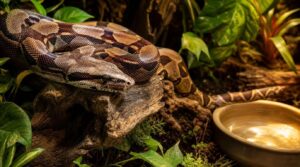
A boa’s growth doesn’t happen in a vacuum — several controllable factors push it forward or hold it back. How you feed, house, and care for your snake shapes its trajectory more than most keepers realize.
Here’s what actually moves the needle.
Feeding Schedule and Prey Size
Feeding schedules and prey size choices directly shape how fast your boa grows. Juveniles need meals every 7–10 days; adults do well on every 14–21 days.
Match prey size to your snake’s widest girth — gape limitation is real, and oversized meals cause regurgitation. Prioritize feeding hygiene, prey rotation, consistent meal timing, and nutrient density.
Avoid power feeding and overfeeding — both carry serious long-term consequences.
Temperature and Snake Metabolism
Temperature is the throttle on your boa’s metabolism. As an ectotherm, it can’t generate internal heat — so ambient conditions dictate everything.
The Q10 Effect means metabolic rate nearly doubles with every 10°C rise, amplifying Postprandial Thermogenesis and Temperature-Driven Digestion after meals.
Keep your thermal gradient between 75–95°F, and your boa’s Metabolic Rate Curve stays within its Thermal Optimum, converting food into growth efficiently.
Humidity, Shedding, and Hydration
Ideal humidity does more than prevent a bad shed — it’s a direct signal your boa is physiologically supported. Maintaining humidity levels between 60–70% drives effective humidity regulation, keeping the shedding process smooth and continuous.
Environmental humidity below 40% causes dry, cracked sheds. Use humidity hides, a consistent misting schedule, and hydration cues like skin elasticity to confirm your boa’s shedding moisture and internal hydration stay on track.
Enclosure Size and Movement
Enclosure size directly shapes how well your boa grows. A cramped vivarium restricts natural movement, slows metabolism, and limits behavioral expression.
- Hatchlings need 20 gallons per 12 inches of length
- Juveniles thrive in 40–60 gallon setups
- Adults require 6–8 feet of lengthwise layout with adequate floor substrate depth
Proper enclosure design and habitat setup matters.
Stress, Illness, and Stunted Growth
Chronic stress is a silent growth killer. When your boa experiences persistent environmental stress, elevated cortisol effects suppress growth hormone signaling and trigger inflammatory cytokines that impair tissue development. The body shifts into energy redirection mode, prioritizing survival over growth.
Illness compounds this further — reduced nutrient absorption and behavioral disruption stall progress measurably.
Regular veterinary care and stable housing conditions are non-negotiable for health considerations for growing snakes.
Overfeeding, Obesity, and Lifespan Risks
Overfeeding does more damage than most keepers expect. Pushing too much food too often drives obesity in snakes, leading to fatty liver disease, metabolic strain, and respiratory compromise from excess abdominal mass.
Your boa’s body condition index should guide every feeding decision, not appetite alone. Consistent, size-appropriate feeding schedules protect against lifespan reduction — not bigger, more frequent meals.
Tracking Healthy Boa Growth

Knowing your boa is growing well isn’t guesswork — it comes down to consistent monitoring and knowing what to look for. A few simple habits can tell you a lot about whether your snake is thriving or quietly falling behind.
Here’s what to track and when to act.
How Often to Weigh a Boa
Weigh your boa monthly — it’s one of the simplest ways to catch problems early. Monthly weight tracking gives you a clear picture of whether your snake is thriving or quietly struggling. Keep a weight log sheet and watch for the weight-growth correlation over time.
Here’s a practical health monitoring schedule:
- Juveniles — weekly weigh-ins
- Sub-adults — every two weeks
- Adults — monthly weight tracking
- Seniors — seasonal weight checks
How to Measure Boa Length Safely
To measure the growth of your boa safely, lay it on a flat, non-slip surface with a second person supporting the midsection. This setup ensures stability and minimizes stress for the snake.
Use a soft measuring tape—your go-to measurement tool—from snout to tail-tip. Record everything in your growth log consistently to track progress accurately. That’s solid, reliable growth tracking.
Comparing Growth to Age-based Milestones
Once you’ve got your measurements logged, compare them against established subspecies growth benchmarks. A boa constrictor imperator hitting 4–5 feet by year two is right on track.
A constrictor falling short for multiple consecutive cycles signals growth curve deviations worth investigating. Sexual dimorphism also matters—females usually outpace males noticeably around year three, so factor that in.
Healthy Body Condition Signs
Body condition tells you more than a scale ever could. Observe firm spine muscle tone—sharp vertebrae signal trouble. The tail base should exhibit fullness that tapers gradually, not pinch.
Consistent shedding quality reflects proper diet and hydration. Weight stability over time, paired with alert energy levels, confirms your husbandry practices are effective.
Stress reduction is critical; a calm, well-conditioned boa avoids obesity through balanced feeding and clean environmental management.
When to Adjust Feeding Frequency
Feeding schedules for hatchling and adult boas shift with your snake’s signals. Weight gain trends across several weigh-ins matter more than one reading. Pull back the frequency if rapid midsection thickening appears; powerfeeding risks obesity.
Pre-shed appetite drops naturally, so pause meals until shedding is complete.
Regurgitation responses, temperature-driven feeding changes, and stress-related feeding refusal also warrant immediate interval adjustments.
When to Consult a Reptile Veterinarian
Some symptoms demand same-day veterinary attention—open mouth breathing, egg binding after 24 hours of straining, or severe lethargy that doesn’t lift. Abnormal droppings and persistent weight loss signals problems already progressing beneath the surface.
Regular veterinary care for reptiles catches fatty liver disease before it shortens your boa’s lifespan. Don’t wait for a crisis; schedule annual checkups as standard practice.
Top 5 Boa Growth Products
The right products can make a real difference in how well your boa thrives long-term. From care guides to specialized tools, having the right resources in your corner keeps growth on track.
Here are five products worth considering for any serious boa keeper.
1. Boa Constrictor Care Guide

This 54-page guide, published in March 2025 and priced at $7.68, delivers essential care instructions for boa constrictors without overwhelming readers.
It comprehensively covers habitat setup, temperature and humidity control, feeding schedules, and common health issues, offering practical, species-specific guidance.
While it cannot replace veterinary care for complex medical concerns, the guide serves as a no-nonsense reference for routine husbandry decisions, making it a valuable resource to keep close at hand.
| Best For | New boa owners who want a practical, no-fuss starting point — and experienced keepers looking for a quick, affordable refresher. |
|---|---|
| Price (USD) | $7.68 |
| Primary Use | Snake care guide |
| Target Audience | Reptile owners |
| Format | Digital/print book |
| Language/Label | English only |
| Key Limitation | Limited medical depth |
| Additional Features |
|
- Covers all the basics in one place — habitat, feeding, humidity, and health — without burying you in fluff.
- At $7.68, it’s a cheap way to get solid, species-specific guidance you’ll actually use.
- Helps you catch health issues early, which could save you a vet bill (or worse) down the road.
- 54 pages is pretty slim — don’t expect deep dives on serious medical conditions.
- Only covers boa constrictors, so if you’ve got other reptiles, you’re on your own.
- English only, which cuts out a big chunk of the reptile-keeping community worldwide.
2. Rismise Cobra Life Cycle Figurine
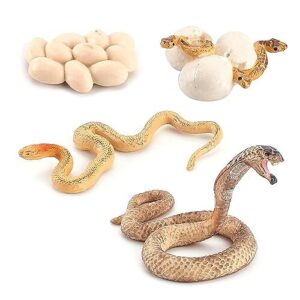
Teaching young reptile enthusiasts about snake development doesn’t have to stay abstract. The Rismise Cobra Life Cycle Figurine set brings biology to life with four solid PVC pieces—egg, hatching, baby, and adult—to physically illustrate each developmental stage. At $11.49, it serves as a practical visual aid for classrooms or home learning, where observing size progression often enhances understanding faster than reading alone.
The set is best suited for display rather than hands-on play, as the pieces are smaller than product photos suggest. This makes it ideal for educational setups but less practical for younger children who might struggle with the scale.
| Best For | Parents, homeschoolers, and classroom teachers looking for a low-cost visual aid to introduce snake biology to kids ages 4 and up. |
|---|---|
| Price (USD) | $11.49 |
| Primary Use | Educational toy |
| Target Audience | Children/educators |
| Format | Physical figurines |
| Language/Label | Visual/universal |
| Key Limitation | Small, fragile parts |
| Additional Features |
|
- Covers all four life stages in one set, making it easy to walk kids through the full cobra life cycle at a glance.
- Non-toxic, odorless PVC means it’s safe to handle in classroom or home settings.
- At $11.49, it’s an affordable addition to a science station or nature-themed display.
- The pieces are much smaller than the product photos imply, which can be a surprise when it arrives.
- Plastic quality feels cheap and may not hold up well if kids are rough with it.
- Small parts make it a choking hazard for children under 4, so supervision is a must.
3. Farmers Secret Snake Plant Fertilizer
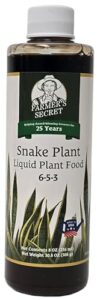
Farmer’s Secret Snake Plant Fertilizer is formulated specifically for Sansevieria species, not reptiles — so if you’re shopping for your boa, skip this one. This concentrated liquid plant food is designed to strengthen roots and boost leaf production in indoor plants.
Diluted at ½ tsp per 2 cups of water, the fertilizer works well for your houseplant collection, just not your constrictor. At $9.99 for 8 oz, it’s a cost-effective solution for plant care, though strictly unsuitable for reptilian use.
| Best For | Indoor plant lovers who want to give their snake plants (or close cousins like ZZ plants and peace lilies) a simple, no-fuss nutrition boost. |
|---|---|
| Price (USD) | $9.99 |
| Primary Use | Plant fertilizer |
| Target Audience | Plant owners |
| Format | Liquid bottle |
| Language/Label | English label |
| Key Limitation | Slow visible results |
| Additional Features |
|
- Super concentrated — one 8 oz bottle can last up to 6 months, so you’re not buying fertilizer every other week.
- Easy to use — just mix it into your regular watering routine, no separate feeding schedule to keep track of.
- Works beyond just snake plants — also shows visible results on ZZ plants and peace lilies within 2–4 weeks.
- Don’t expect overnight results — it usually takes a few weeks of consistent use before you notice real growth.
- Low-light conditions or over-diluting the mix can lead to yellowing leaves, so you need to follow the directions closely.
- It’s really built for snake plants — if you’ve got a mixed collection with very different fertilizer needs, this might not be the best fit for everything.
4. Gardenera Snake Plant Fertilizer Mist

The Gardenera Snake Plant Fertilizer Mist is a plant care product, not a reptile supplement. Designed for snake plants like Sansevieria, it delivers a gentle 3-1-2 NPK formula via a ready-to-use spray bottle. This mist targets foliage health, emphasizing ease of use for indoor gardening.
Apply the solution weekly, holding the bottle 12 inches away from the plant for even foliar coverage. Its low-effort design makes it a practical tool for maintaining houseplant vitality without complex routines.
For reptile care, particularly boa constrictors, this product has zero application. Keep it stored with your pothos or Sansevieria, not near your constrictor’s habitat. Always prioritize species-specific care to avoid misuse.
| Best For | Indoor plant lovers — especially beginners — who want a simple, no-fuss way to keep their snake plants healthy and green. |
|---|---|
| Price (USD) | Not listed |
| Primary Use | Plant fertilizer |
| Target Audience | Plant owners |
| Format | Liquid spray |
| Language/Label | English label |
| Key Limitation | Spray bottle clogs |
| Additional Features |
|
- Ready-to-use spray bottle means no mixing or measuring — just mist and go.
- The gentle 3-1-2 NPK formula feeds without the risk of overwhelming your plant.
- Works on other houseplants too, like pothos and peace lily, so it earns its shelf space.
- The built-in spray bottle tends to clog, so you might end up transferring it to a better atomizer.
- Too much misting without proper watering can lead to root or leaf burn.
- Results on plants other than snake plants can be hit or miss, at least in the short term.
5. Tala Organic Hair Growth Oil
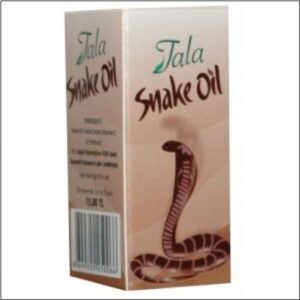
Tala Organic Hair Growth Oil is another product that simply doesn’t belong in boa care discussions. It is a 100% natural snake oil sourced from Turkey, priced at $15.90, and explicitly designed for human scalp application to address hair loss.
Its recommended use—two to four weekly applications with a two-hour contact period before washing—aligns with a human hair care routine, not reptile husbandry. Boas require species-specific care, including precise feeding schedules and thermal gradients, not topical treatments intended for human follicles.
| Best For | Anyone dealing with hair thinning or loss who wants a natural, affordable oil treatment to work into their weekly routine. |
|---|---|
| Price (USD) | $15.90 |
| Primary Use | Hair treatment |
| Target Audience | Hair loss sufferers |
| Format | Liquid oil |
| Language/Label | English label |
| Key Limitation | No clinical evidence |
| Additional Features |
|
- 100% natural formula — no synthetic ingredients to worry about
- At $15.90, it’s easy on the wallet compared to most hair growth treatments
- The scalp massage step is a nice bonus — it can boost circulation on its own
- No clinical studies back up the hair growth claims, so results are a big unknown
- Two hours of wait time, multiple times a week, is a real time commitment
- No solid side-effect data available — a patch test is a must before you commit
Frequently Asked Questions (FAQs)
Do boas grow faster in larger enclosures?
Think of the enclosure as a stage — bigger doesn’t automatically mean faster growth.
Enclosure size enables movement and thermoregulation, but feeding schedule, temperature, and genetics drive actual growth rate more directly.
Can a boas growth predict its final size?
Early growth rate offers clues, but genetics ultimately set the ceiling. A fast-growing juvenile doesn’t guarantee a record-breaker — species, locality, and sex matter far more than first-year pace.
How does brumation affect annual boa growth?
Brumation slows your boa’s metabolism, pauses digestion, and reduces annual length gain — sometimes cutting growth to under one foot for the year.
Once temperatures rise and feeding resumes, growth picks back up quickly.
Does shedding frequency indicate how fast boas grow?
Yes, shedding frequency does reflect growth rate. Juvenile boas shed every 3–6 weeks during rapid growth phases, while adults slow to every 2–3 months as linear growth nearly stops.
Can illness permanently stunt a boas adult size?
Illness can permanently stunt a boa’s adult size. Chronic infections, parasites, and prolonged anorexia during juvenile stages redirect energy away from growth.
Early developmental deficits don’t always fully recover even after treatment.
Conclusion
A thousand small decisions shape how fast boas grow—feeding intervals, temperature gradients, genetics, enclosure conditions, and your own consistency as a keeper. None of these factors operate in isolation. Get the combination right, and you’re not just raising a snake; you’re engineering a trajectory.
Track weight monthly, adjust feeding as body condition shifts, and let the data guide you.
The boa that thrives long-term isn’t the fastest-growing one—it’s the best-managed one.