This site is supported by our readers. We may earn a commission, at no cost to you, if you purchase through links.
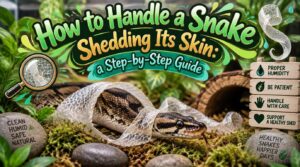
Your snake’s eyes have gone cloudy and grey, and it’s pressing its face against every surface in the tank. Don’t panic; your pet is just gearing up to shed its skin.
Shedding is a completely normal process, but how you respond in these few days can mean the difference between a clean, single-piece shed and a frustrating tangle of stuck, torn skin. Low humidity, rough handling, and poor enclosure setup are the most common culprits behind a bad shed.
Knowing how to handle a snake shedding its skin gives you real control over the outcome.
Table Of Contents
- Key Takeaways
- How Can You Tell Your Snake is About to Shed?
- How Should You Prepare The Enclosure for a Healthy Shed?
- Should You Handle a Snake While It is Shedding?
- How Do You Treat Stuck Shed Safely?
- When Can You Resume Handling After Shedding?
- Frequently Asked Questions (FAQs)
- What to do when a snake sheds its skin?
- Can you handle a snake when it’s shedding?
- Does it hurt for a snake to shed its skin?
- Can I touch shedded snake skin?
- What should I do if my snake sheds?
- Do snakes shed their skin every day?
- Can snakes be handled after shedding?
- What is snake skin shedding?
- Can snake skin shed be used as a decoration?
- Is shedding bad for snakes?
- Conclusion
Key Takeaways
- Cloudy eyes, dull coloring, and restless rubbing behavior are your signal to raise humidity and step back — your snake’s shed has begun.
- Keeping humidity at the high end of your species’ range and adding a moist hide are the two most impactful things you can do for a clean, complete shed.
- Avoid handling during the shed cycle; your snake’s vision is compromised, its stress tolerance is low, and even gentle contact can trigger defensive strikes or tear loose skin.
- If shed skin remains stuck — especially around the eyes or tail tip — soak your snake in lukewarm water for 10–15 minutes rather than pulling, and call a reptile vet if it doesn’t clear.
How Can You Tell Your Snake is About to Shed?
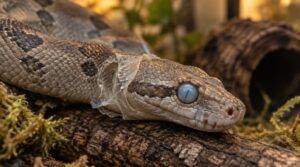
How do you know your snake’s shedding process is starting? Watch for a dull, milky complexion replacing the usual vivid color. That’s the new skin forming underneath, pushing the old layer away from below.
Your snake’s eyes shifting to that characteristic blue-eyed shedding stage confirm the process is well underway, so this is the time to boost humidity and leave your snake in peace.
The most dramatic clue is bluish, cloudy eyes. Snake eyes are covered by transparent scales called spectacles, and when those start changing, they cloud over completely. It looks alarming, but it’s entirely normal. Think of it as built-in goggles fogging up temporarily.
Watch for preshed behavior too: reduced appetite, restlessness, and rubbing against hides or branches. Your snake isn’t acting weird; it’s actively loosening that outer layer. These common shedding signs usually appear together, giving you a reliable window to prepare before things really get moving.
How Should You Prepare The Enclosure for a Healthy Shed?

Once you spot those preshed behavior signs, your enclosure setup becomes your best tool. Good habitat conditions make the difference between a clean, complete shed and a frustrating patchwork.
Humidity levels matter most. Most snakes benefit from bumping humidity to the higher end of their species’ range during the shedding process. A calibrated hygrometer tells you exactly where you stand.
Here’s what to check off:
- Raise humidity to your species’ target upper range
- Add a moist hide lined with damp sphagnum moss
- Fill the water bowl so soaking is an option
- Anchor branches or cork bark firmly as rubbing points
- Remove rough or dusty substrate that could snag new skin
Then step back and let your snake do its thing.
Patience makes all the difference here — reviewing how to properly offer prey to pet snakes can help you build habits that keep both you and your snake safe during feeding time.
Should You Handle a Snake While It is Shedding?
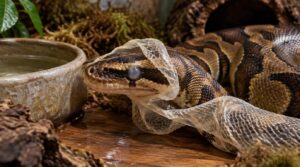
The short answer is: try not to. During the shed cycle, your snake’s vision is compromised and its stress tolerance is at an all-time low, making even routine handling a potential trigger for defensive strikes. Here’s what to do when you absolutely can’t avoid it, and how to do it safely.
Handling Only When Necessary
Think of your snake shedding like someone peeling off a sunburn. They don’t want to be touched. During the opaque eye stage, your snake’s vision is blurry, so unexpected contact spikes stress fast.
When you do need to check on them, supporting your snake’s midbody rather than gripping near the head helps minimize the stress that blurry vision and tight skin already make worse.
Handle only when necessary. Skip the routine cuddles. A spooked, half-shed snake is harder to manage safely. Save handling for real reasons: escape risk or enclosure access.
Supporting The Body Safely
When you do need to move your snake, support the full body length. Loose skin tears easily if the snake hangs unsupported, and a partial tear can seriously complicate the rest of the shed.
Move slowly and deliberately. Keep all handling brief. Set the snake down on a non-abrasive surface so the ventral skin stays intact as it finishes peeling.
How Do You Treat Stuck Shed Safely?
Sometimes a shed doesn’t go as planned, and that’s okay. Stuck shed is fixable if you know what to look for and how to respond. Here’s what to tackle first.
Safe Stuck-Shed First Aid

Incomplete shedding, also known as dysecdysis, is quite common. The fix is simple: don’t pull. Tugging at retained shed tears skin and makes it worse.
Instead, try gentle shedding assistance: A reptile shedding aid spray can also speed things along by softening retained skin directly and safely.
- Soak your snake in lukewarm water for 10-15 minutes
- Lightly mist the enclosure to raise humidity
- Place damp paper towels in the hide
- Let your snake move through them naturally
Retained Eye Caps and Tail

During dysecdysis, retained eye caps and tail-tip stuck shed are your two biggest concerns. Eye caps that don’t come off can block your snake’s lids from opening fully and damage the spectacle. On the tail, old skin tightens like a ring and can restrict circulation. A dedicated reptile shedding aid can make stubborn eye caps safer and easier to address without risking spectacle damage.
A warm, shallow soak for 15 minutes is the safest first step for shedding assistance.
When to Call a Reptile Vet

Sometimes the kindest thing you can do is admit you’re out of your depth. If retained shed is tightening around digits or the tail, or retained eye caps haven’t cleared, call an exotic veterinarian today. Dysecdysis with swelling, discoloration, or open wounds isn’t DIY territory.
Incomplete shedding that keeps recurring also warrants a vet visit to rule out a hidden illness.
When Can You Resume Handling After Shedding?
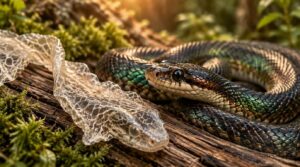
Think of it like getting a new tattoo: you wouldn’t let someone grab your arm the moment the wrap comes off. Your snake feels similarly after shedding.
Just like a fresh tattoo needs breathing room, your snake needs space after shedding too
Wait until the shed comes off completely in one piece. If pieces are still lifting near the tail or belly, handling now risks tearing skin and causing retained shed. Give it at least a day after the full layer is gone.
Watch for clear eyes and normal posture. If your snake is still rubbing against surfaces or staying curled tight, that’s snake stress talking. Leave it alone a little longer.
Postshed recovery is quick for most snakes. Once it’s moving smoothly and exploring normally, safe handling can resume. Postshedding care is that simple.
Frequently Asked Questions (FAQs)
What to do when a snake sheds its skin?
Snakes usually shed every 4-8 weeks. Keep your enclosure humidity at 50-70%, provide a rough surface to rub against, avoid handling, and offer hiding spots. Afterward, inspect the shed skin carefully, especially around the eyes.
Can you handle a snake when it’s shedding?
Technically you can, but you really shouldn’t. The skin is loosening and fragile during this phase, so handling during shedding stresses your snake unnecessarily and raises the very real risk of tears or retained shed.
Does it hurt for a snake to shed its skin?
Normal ecdysis isn’t painful for your snake. It’s more like peeling sunburn skin than anything dramatic. Stuck shed, though, can cause real discomfort as dried skin tightens and pulls, especially around the tail and eyes.
Can I touch shedded snake skin?
That papery ghost of your snake’s former self looks like a cool natural keepsake. You can touch it, but always wash your hands right after since it carries bacteria and mites from the enclosure surface.
What should I do if my snake sheds?
Think of it like your snake finally ditching an old coat. Inspect the shed skin carefully for completeness, then clean the enclosure, refill the water dish, and watch for stuck shed or retained eye caps.
During this process, your snake’s vision is temporarily impaired, as a milky fluid causes reduced visual acuity that can make even calm snakes act nervously or defensively.
Do snakes shed their skin every day?
Like clockwork, the shedding cycle keeps to a predictable schedule, not a daily one. Most adult snakes shed every 4-8 weeks, but juveniles shed far more often because they’re still growing and need fresh skin.
Can snakes be handled after shedding?
Yes, but wait until shedding is fully complete.
Once the skin looks vibrant and your snake moves normally, start with short, gentle handling sessions.
Still cloudy eyes after the shed? Hold off a bit longer.
What is snake skin shedding?
Your snake’s old skin peels away like a worn-out glove, revealing fresh scales beneath. This natural shedding process, called ecdysis, lets snakes grow, stay healthy, and remove parasites clinging to their old snake skin regularly.
Can snake skin shed be used as a decoration?
Who’d have thought ecdysis could redecorate your living room? Shed skin is lightweight, intricate, and striking. Frame it, seal it in a glass jar, or use it in art. Just check local wildlife laws first.
Is shedding bad for snakes?
Shedding is nature’s reset button. Ecdysis keeps snakes healthy, clearing old skin, removing parasites, and healing injuries. The shedding process itself isn’t harmful. Poor husbandry, though, can turn a routine shed into a real problem.
Conclusion
Think of a shed like your snake’s natural reset button. Your only job is keeping the conditions right while it quietly reboots.
Knowing how to handle a snake shedding its skin really comes down to three things: staying hands-off, keeping humidity steady, and checking closely for any stuck skin when it’s done. Get those right, and your snake takes care of the rest. Clean, complete sheds aren’t luck. They’re what a good keeper builds toward.