This site is supported by our readers. We may earn a commission, at no cost to you, if you purchase through links.
Your snake just spent three hours wedged behind the water bowl instead of using that expensive cave you bought last week. This isn’t stubbornness—it’s a survival instinct screaming that something feels wrong. In the wild, a poorly chosen hiding spot means becoming lunch, so snakes evolved to be incredibly picky about their safe spaces.
Creating a secure hiding place for pet snakes goes far beyond tossing any old rock formation into the terrarium. The right hide transforms a stressed, constantly alert snake into a relaxed pet that eats regularly and displays natural behaviors. Size, shape, texture, placement—each detail either builds trust or sends your snake searching for better options.
Table Of Contents
Key Takeaways
- Your snake’s hide needs to be snug enough that they can touch the walls when coiled—too loose creates stress, too tight forces them to seek unsafe alternatives like wedging behind water bowls.
- Position hides in both warm and cool zones of your terrarium so your snake can thermoregulate naturally without choosing between comfort and the right body temperature.
- Clean hides weekly with reptile-safe disinfectant and inspect monthly for cracks, mold, or sharp edges that turn safe spaces into injury risks or escape routes.
- A properly sized hide transforms nervous, non-eating snakes into confident pets—relaxed body language and regular feeding prove you’ve built real trust through thoughtful habitat design.
Key Elements of a Secure Snake Hide
Your snake’s hide isn’t just a decoration—it’s where they feel safe enough to relax, digest meals, and shed their skin without stress. A good hide prevents escape attempts and injuries while giving your snake that snug, secure feeling they need to thrive.
If you’re not sure what features to prioritize, check out what makes a good snake hide to find the perfect fit for your pet.
A quality snake hide is where your pet feels secure enough to relax, digest, shed, and truly thrive without stress or injury
Let’s break down what makes a hide actually work for your scaly friend.
A quality snake hide for naturalistic terrariums should offer tight, enclosed space that mimics the rocky crevices or hollow logs your snake would seek in the wild.
Importance of Security and Comfort
Security isn’t just about keeping your snake in—it’s about making them feel safe enough to truly relax. A well-designed hide reduces snake stress and lets your pet exhibit natural behaviors without fear.
For a quick guide on what to look for, check out this beginner’s breakdown of choosing the right snake hide.
Your snake’s comfort levels depend on five critical hide design elements:
- Snug-fitting geometry that allows full coiling space
- Dark, quiet interiors that minimize external stimulation
- Proper ventilation preventing stale air buildup
- Stable temperatures matching species-specific needs
- Secure positioning that eliminates wobbling or shifting
When security measures and comfort align, your snake will thrive.
Preventing Escapes and Injuries
Design escapeproof entrances sized to prevent snagging—too tight and your snake forces openings, too loose and they slip through. Non-slip interior surfaces stop dangerous shifting when your pet repositions. Round those interior corners to avoid injury during rapid retraction.
Inspect hides weekly for cracks or loose seams that create escape routes. Snake safety depends on preventing both breakouts and accidental harm through thoughtful hide maintenance.
Materials to Avoid for Safety
Once you’ve nailed escapeproof design, pay attention to what you’re actually putting in that enclosure. The wrong materials turn a security feature into a hazard fast.
Steer clear of these risky options:
- Sharp Edges: Broken ceramic or terracotta pieces cause cuts and stress injuries.
- Toxic Materials: Untreated wood harbors mold; rusty metals leach harmful substances.
- Unsafe Plastics: Flexible seams create entanglement risks and pinch points.
Your snake’s welfare depends on thoughtful material choices.
Choosing The Right Hide Size and Shape
Getting the right hide isn’t about picking the prettiest cave—it’s about matching your snake’s body and behavior. A ball python needs something different than a corn snake, and getting the size wrong means your pet won’t use it.
Let’s break down how to choose hides that actually fit your snake’s needs.
Sizing Hides for Different Snake Species
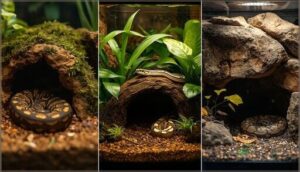
Your snake’s hiding cave should feel like a fitted jacket—snug but not suffocating. Small species thrive in reptile hide spaces measuring 3–4 inches across, while medium snakes need 4–6 inches for comfortable coiling. Large constrictors require 6–9 inches to accommodate their bulk. Snug-fitting hides reduce stress and aid natural snake behavior across all enclosure dimensions.
| Snake Size Category | Recommended Hide Diameter |
|---|---|
| Small species | 3–4 inches (7.6–10.2 cm) |
| Medium species | 4–6 inches (10.2–15.2 cm) |
| Large species | 6–9 inches (15.2–22.9 cm) |
| Very large constrictors | 8–12 inches (20.3–30.5 cm) |
| Juveniles (any species) | Start small, upgrade gradually |
Matching snake size guidelines to species-specific needs ensures your snake hide aids thermal gradients and proper hide material selection throughout growth stages.
Compact options like hides designed for small snakes offer the right fit for juveniles while supporting healthy thermoregulation in smaller enclosures.
Accommodating Coiling and Movement
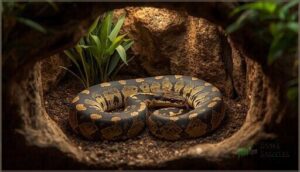
Your snake’s natural coiling behavior demands thoughtful hide dimensions that support unrestricted movement. Snug-fitting hides work best when they offer just enough interior space for comfortable repositioning without creating exposed, stress-inducing gaps. Proper hiding caves balance security with functional snake movement patterns.
Strategic hide placement throughout your tank ensures your snake can thermoregulate effectively while maintaining access to secure retreats at different temperature zones.
- Interior surfaces should remain smooth to prevent scale damage during extended coiling sessions
- Entry points need adequate width so your snake won’t snag when entering after stretching exercises
- Coiling space must allow positional shifts between curled, relaxed, and partially extended postures for temperature regulation
Vertical Vs. Horizontal Hides
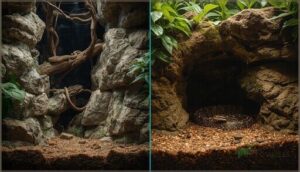
Hide orientation shapes snake behavior in ways you mightn’t expect. Arboreal species often favor vertical advantages like cliff-style retreats, while ground dwellers prefer horizontal hideouts with snug-fitting hides.
Vertical designs use overhead habitat enrichment space and assist natural coiling patterns, but horizontal reptile hide options offer easier cleaning and reduced gravitational stress—especially important when selecting hide materials for burrowing species.
Placement and Environmental Considerations
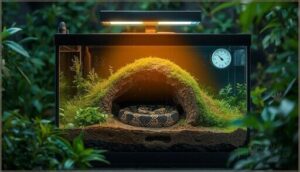
You’ve picked the perfect hide, but where you place it matters just as much as the hide itself. Your snake needs access to different temperature zones, stable humidity, and good airflow to stay healthy and stress-free.
Let’s break down the key environmental factors that’ll help your snake thrive.
Positioning in Warm and Cool Zones
Think of your snake’s enclosure like a house with different climate zones. You’ll want to position hiding caves in both the warm and cool areas—this setup lets your pet regulate its body temperature naturally.
The temperature gradient between zones should span 2–5°C, supporting proper thermoregulation without forcing your snake to choose between comfort and thermal needs.
Maintaining Proper Humidity and Temperature
Stability is your secret weapon—wild swings in humidity or heat stress snakes fast. You’ll want humidity control around 50–70% for most tropical species, bumping it to 60–70% during sheds to support smooth skin sloughing.
Keep your temperature gradient steady with these quick checks:
- Use digital thermometers at hide level for accurate readings
- Monitor with hygrometers placed near basking and hide zones
- Adjust gradually—just 1–2°F or 1–2% daily
- Install thermostatic controllers to prevent dangerous overheating
Thermal regulation isn’t guesswork when you track daily trends and support natural snake thermoregulation.
Ensuring Adequate Ventilation
Airflow management isn’t optional—stale air breeds mold and respiratory trouble fast. You’ll need ventilation openings totaling at least 5% of your terrarium footprint to keep air moving without creating escape routes.
Here’s how species-specific ventilation systems work:
| Species Type | Airflow Level | Humidity Control | Thermal Regulation |
|---|---|---|---|
| Arboreal | Higher | 60–70% | Elevated metabolic needs |
| Fossorial | Gentle | 65–75% | Prevent desiccation |
| Desert-adapted | Moderate bulk | 40–50% | Avoid rapid cooling |
| Temperate | Seasonal adjust | 50–60% | Brumation support |
Screen your intake vents and position them near the thermal gradient—this prevents head entrapment while supporting natural snake hide function without disrupting enclosure design.
Top 8 Hiding Places for Pet Snakes
Now that you understand what makes a great hide and where to put it, let’s look at eight solid options that actually work.
Each one brings something different to the table—whether it’s natural aesthetics, humidity retention, or just pure functionality.
Here’s what’s worth considering for your snake’s setup.
1. Reptology Shale Scape Cave Hideout
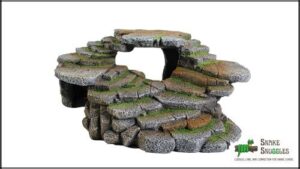
If you’re searching for a reliable snake hide that balances natural aesthetics with practical terrarium function, the Reptology Shale Scape Cave Hideout delivers. This reptile hide features a textured shale-inspired exterior that mimics the hiding caves snakes seek in the wild.
The smooth interior encourages proper snake behavior while making cleanup straightforward. At 11″ x 8.25″ x 4″, it accommodates small to medium species comfortably.
Made from safe, non-porous resin, it aids thermal control and humidity management without harboring bacteria—essential elements in responsible snake care.
| Best For | Snake owners seeking a secure, easy-to-clean hide that supports natural coiling behavior while fitting comfortably in small to medium terrariums. |
|---|---|
| Material | Resin |
| Primary Use | Hiding and climbing |
| Weight | 1.6 lbs |
| Design Style | Rock formation |
| Size (Length) | 11 inches |
| Easy to Clean | Yes |
| Additional Features |
|
- Non-porous resin resists bacteria and mold, making it simple to disinfect and maintain long-term
- Realistic shale texture adds natural appeal while the smooth interior prevents abrasions during movement
- Sized perfectly for small to medium snakes with room for comfortable coiling without feeling exposed
- Some edges may arrive sharp or unrounded and require manual smoothing with sandpaper
- Can wobble or rock if not properly anchored in substrate, potentially stressing shy snakes
- Durability concerns reported by some users, with occasional breakage under rough handling
2. Exo Terra Snake Cave Hideout
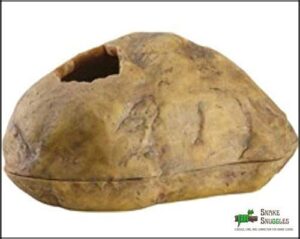
For snakes that appreciate snug-fitting hides with a natural aesthetic, the Exo Terra Snake Cave Hideout is worth considering. Crafted from ceramic materials, it helps stabilize reptile environments, reducing stress by mimicking the hiding caves snakes instinctively seek.
Measuring 9.8″ x 7.4″ x 4.7″, it suits corn snakes and ball pythons well. The resin-ceramic construction simplifies snake care—just rinse and sanitize regularly.
One caution: placement matters. Keep it away from your hottest basking zone, as ceramic can retain intense heat that disrupts proper snake behavior.
| Best For | Small to medium snakes like ball pythons and corn snakes that need a secure, naturalistic hideout to reduce stress and feel safe. |
|---|---|
| Material | Ceramic/Resin |
| Primary Use | Hiding and nesting |
| Weight | Not specified |
| Design Style | Natural/Modern |
| Size (Length) | 9.8 inches |
| Easy to Clean | Yes |
| Additional Features |
|
- Ceramic and resin construction makes it stable, durable, and easy to clean with regular rinsing
- Natural brown appearance blends into most terrarium setups without looking artificial
- Comes with moss included for adding humidity during shedding periods
- Entrance hole can be too small for larger reptiles or certain snake species
- Gets extremely hot when placed on the warm side of the tank, requiring careful positioning
- May be too cramped for bigger snakes that need more spacious hides
3. Zilla Vertical Rock Cave Decor
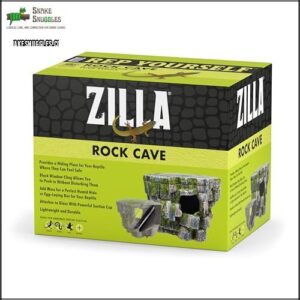
If you’re working with arboreal species or want to optimize vertical space in your terrarium, the Zilla Vertical Rock Cave Decor offers a fresh option. This lightweight plastic hide attaches to glass with a suction cup, letting tree-dwelling snakes climb and perch naturally.
At 7.87″ x 5.51″ x 6.3″, it fits smaller enclosures well. Just watch that suction—some keepers report slippage. Inspect the edges for sharp spots before adding it to your reptile environments, and you’ll create hiding caves that feel safe above ground.
| Best For | Keepers of arboreal reptiles like geckos, tree frogs, and small climbing snakes who want to add vertical hiding and perching space to their terrarium. |
|---|---|
| Material | Plastic |
| Primary Use | Arboreal hide |
| Weight | 1.09 lbs |
| Design Style | Natural rock |
| Size (Length) | 7.87 inches |
| Easy to Clean | Yes |
| Additional Features |
|
- Suction cup design makes installation easy and lets you use vertical glass space efficiently
- Lightweight plastic construction is simple to remove and clean with mild soap
- Natural rock texture blends well with most enclosure setups and gives climbing animals a realistic perch
- Suction cup can lose grip over time, causing the hide to fall and potentially stress your reptile
- Size might not work for all setups—too big for nano tanks, too small for larger snakes
- Some animals ignore it completely, so there’s no guarantee your pet will actually use it as intended
4. Exo Terra Reptile Cave Hide
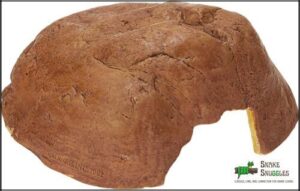
For keepers who want a no-fuss hide that works in both desert and tropical setups, the Exo Terra Reptile Cave Hide delivers reliable coverage with its natural rock look and food-grade resin construction.
At 9.5″ x 12″ x 3″, it gives ball pythons and leopard geckos a snug-fitting retreat without sharp edges—though you’ll want to check before use. The coating prevents bacterial growth, making hygiene simple.
Some find the entrance tight for larger snakes, so measure your pet first to guarantee true security.
| Best For | Reptile owners looking for a versatile, easy-to-clean hide that works in desert or tropical setups and reduces stress for small to medium-sized pets like leopard geckos and ball pythons. |
|---|---|
| Material | Resin |
| Primary Use | Hiding place |
| Weight | 1.32 lbs |
| Design Style | Natural brown |
| Size (Length) | 9.5 inches |
| Easy to Clean | Yes |
| Additional Features |
|
- Natural rock appearance blends seamlessly into any terrarium style
- Food-grade resin with antibacterial coating makes cleaning and hygiene straightforward
- Provides a secure, snug retreat that helps reduce stress in reptiles
- Entrance opening may be too small for larger snakes or reptiles
- Some units arrive with sharp edges that need smoothing before use
- Durability concerns with reports of breakage or damage during shipping
5. Zilla Reptile Bark Bend Terrarium Decor
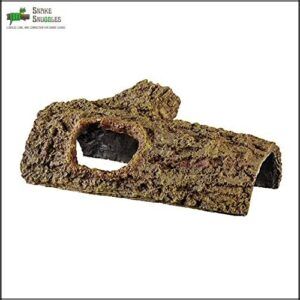
When you’re after a textured bark alternative that blends into naturalistic terrarium design, the Zilla Reptile Bark Bend Terrarium Decor brings woodland aesthetics without sacrificing snake comfort. Measuring 10.75″ x 5″ x 5.5″, it suits corn snakes and smaller species seeking a snug reptile hide.
The non-porous plastic exterior resists bacteria, though you’ll want to smooth any rough edges for decor safety. Built-in hide ventilation keeps air moving, and the top observation window lets you check on your pet without disturbing their secure retreat.
| Best For | Small to medium snake owners who want a natural-looking hide that’s easy to clean and fits snugly in 10–40 gallon terrariums. |
|---|---|
| Material | Plastic |
| Primary Use | Burrowing den |
| Weight | 2.1 lbs |
| Design Style | Wood bark |
| Size (Length) | 10.75 inches |
| Easy to Clean | Yes |
| Additional Features |
|
- Non-porous plastic resists bacteria and cleans up easily with mild soap
- Top observation window lets you check on your snake without disturbing their hiding spot
- Realistic bark texture provides grip and blends into naturalistic setups
- Size may be too small for adult or larger reptiles
- Some customers report receiving broken products or sharp edges that need smoothing
- Single-size option means you’ll need to measure carefully for species-specific fit
6. BobbyPet Hobbit House Aquarium Decoration
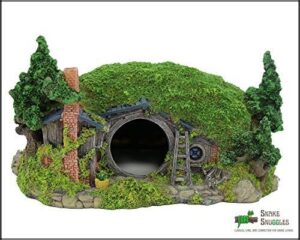
If whimsical aquarium decor doubles as a functional snake hide, the BobbyPet Hobbit House checks both boxes. Its 11″ x 8″ x 6.5″ resin frame offers snug-fitting hides for smaller snakes, though you’ll need to sand rough interior edges for pet security.
Four entry points ranging from 1″ to 2.2″ encourage exploration in your terrarium, while the moisture-resistant build manages humid reptile environments.
Just remember—larger species won’t fit through those hobbit-sized doorways, so measure your snake’s girth before committing to this enclosure accent.
| Best For | Aquarium owners with smaller snakes (corn snakes, ball pythons under 3 feet) who want a decorative hide that blends fantasy aesthetics with functional shelter. |
|---|---|
| Material | Resin |
| Primary Use | Hiding and shelter |
| Weight | Not specified |
| Design Style | Skull decoration |
| Size (Length) | 11 inches |
| Easy to Clean | Not specified |
| Additional Features |
|
- Four entry holes (1″ to 2.2″) give snakes multiple routes in and out, reducing stress during feeding or shedding cycles
- Resin construction handles humid environments without warping or degrading like wood alternatives
- Large 11″ x 8″ footprint provides spacious interior coiling room for juveniles and sub-adult snakes
- Interior edges may arrive sharp from manufacturing—requires manual sanding before safe use with reptiles
- Doorway sizes exclude adult ball pythons, large kingsnakes, or any species exceeding 2″ girth at widest point
- Bulky dimensions consume significant floor space in tanks under 40 gallons, limiting other decor options
7. Exo Terra Skull Terrarium Decor
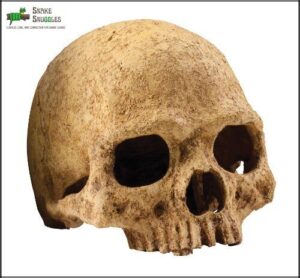
If gothic terrarium design speaks to you, the Exo Terra Skull (6.3″ x 6.3″ x 5.7″) brings skull hide benefits without sacrificing decor safety. Its resin build fits smaller corn snakes and ball pythons, providing authentic snake enrichment through multiple entry points that encourage natural retreat behaviors.
The hide material resists moisture damage in your animal enclosure, though you’ll want to sand interior edges before introducing pet snakes. Position this reptile enclosure accent on the warm side for ideal thermoregulation—just inspect monthly for cracks that could compromise structural integrity.
| Best For | Snake owners who want a functional hide that doubles as eye-catching gothic decor for smaller corn snakes and ball pythons. |
|---|---|
| Material | Resin |
| Primary Use | Hiding place |
| Weight | 0.64 lbs |
| Design Style | Skull shape |
| Size (Length) | 6.3 inches |
| Easy to Clean | Yes |
| Additional Features |
|
- Multiple entrance points let snakes choose their preferred exit route, reducing stress during feeding time or when they feel vulnerable.
- Resin construction holds up well in humid environments without warping or developing mold like some wooden hides.
- Fits neatly in standard terrariums without taking up excessive floor space, leaving room for other enrichment items.
- Interior edges can be rough out of the box and need sanding to prevent scratches or injuries.
- Smaller snakes will outgrow it as they reach adult size, making it a temporary solution rather than a long-term investment.
- The skull can shift around when larger snakes push against it, potentially stressing the animal or disrupting the enclosure setup.
8. Reptile Hide Box for Geckos and Snakes
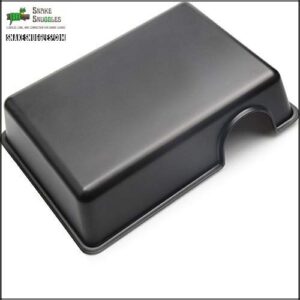
At 9.5″ x 6.7″ x 2.2″, this resin hide box delivers reptile box safety through smooth interior surfaces that won’t snag shedding skin. The textured walls actually assist molting—a genuine snake hide designs advantage for reptile husbandry enthusiasts managing ball pythons or corn snakes in standard animal enclosures.
You’ll appreciate how snug-fitting hides like this dual-function piece work as both secure retreat and humid shedding chamber. Just verify your snake cage setup includes placement in both thermal zones, and clean monthly with reptile-safe disinfectant to maintain proper reptile care standards.
| Best For | Keepers of small to medium geckos, corn snakes, or ball pythons who need an affordable dual-purpose hide that supports healthy shedding cycles. |
|---|---|
| Material | Resin |
| Primary Use | Secure hiding space |
| Weight | Not specified |
| Design Style | Modern |
| Size (Length) | 9.5 inches |
| Easy to Clean | Yes |
| Additional Features |
|
- Textured interior walls actively help reptiles complete their molt without stuck shed
- Works as both a security retreat and a humid hide, reducing the need for multiple accessories
- Smooth resin construction cleans easily and resists mold when maintained with reptile-safe disinfectants
- 9.5-inch length may feel cramped for adult ball pythons over 3 feet or larger monitor species
- Some buyers report receiving wrong quantities or inconsistent build quality between shipments
- Single entrance design limits placement flexibility compared to hides with multiple access points
Maintenance and Hygiene for Snake Hides
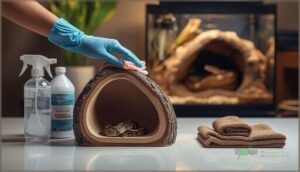
A clean hide isn’t just about looking good—it’s about keeping your snake healthy and stress-free. Regular maintenance prevents mold buildup, bacterial growth, and the kind of sketchy conditions that can lead to respiratory infections or skin issues.
Let’s break down how to keep those hides in top shape so your snake can feel secure without any hidden health risks.
Cleaning Schedules and Best Practices
You can’t just wipe down your snake’s hide and call it a day—proper sanitation methods keep your pet healthy and stress-free. Here’s how to maintain a clean terrarium without cutting corners:
- Weekly routine: Use a reptile-safe disinfectant with neutral pH, rinse thoroughly, and let hides dry completely for effective mold prevention.
- Daily spot-checks: Remove waste and debris to control humidity and prevent bacterial buildup.
- Quarterly deep-clean: Replace substrate entirely and sanitize all surfaces.
- Track your work: Document cleaning schedules to stay consistent with reptile care.
Inspecting for Mold and Damage
Check your snake’s hide monthly for fuzzy spots, discoloration, or that telltale musty smell—those are mold’s calling cards. Persistent humidity above species-appropriate levels fuels mold growth in your terrarium, while damaged hides turn into escape routes or injury hazards.
Run your fingers along snug-fitting hides to catch cracks, soft areas, or sharp edges that could snag scales. Document what you find to track hide maintenance over time.
Monitoring Snake Behavior and Stress
Your snake’s daily routine tells you everything about its stress levels. Watch for behavioral cues like constant soaking, wall-rubbing without exploring, or refusing to hide after feeding—these are classic stress signs that signal snake anxiety. Rapid tongue-flicking or prolonged stillness during handling also points to discomfort.
Environmental enrichment paired with consistent health monitoring helps you catch issues early and aids in effective stress reduction.
Frequently Asked Questions (FAQs)
Can multiple snakes share one hiding place?
Generally, no. Pet snakes experience stress in shared hides due to territorial instincts.
Individual snug-fitting hides in your terrarium reduce competition, prevent aggression, and support natural Snake Behavior and Psychology better than multiple occupancy arrangements.
How often should hides be replaced completely?
Ironically, something meant to last forever won’t. Replace hides when cracks appear, mold persists, or sharp edges form—usually every 1-2 years, depending on material durability and cleaning frequency in your terrarium.
Do snakes prefer dark or light-colored hides?
Most snakes don’t have a strong color preference for hides. They prioritize thermal comfort and security over visual contrast.
Darker hides often match natural substrates, but warmth and concealment matter more than shade.
Should hides be removed during feeding time?
Wonder if feeding time stress changes when you tweak enclosure dynamics? Some keepers remove hides during feeding to reduce ambush reflexes, while others maintain them for security and comfort—decisions depend on individual snake behavior and feeding techniques.
Whats the best hide for shedding snakes?
You’ll want a snug-fitting hide with smooth interior surfaces to prevent snagging during the shedding process.
Humidity control matters too—choose materials that help retain moisture while supporting skin health and natural snake behavior.
Conclusion
Wild snakes spend zero dollars on shelter, yet they’re masters at finding secure spots. You just invested in creating a secure hiding place for pet snakes—now your pet gets survival-grade security without the predators.
Watch how quickly a properly sized, well-placed hide transforms nervous refusal-to-eat behavior into confident exploration. Your snake’s relaxed body language, regular feeding schedule, and willingness to venture out tell you everything: you’ve built trust one perfectly snug hideaway at a time.