This site is supported by our readers. We may earn a commission, at no cost to you, if you purchase through links.

Your ball python hasn’t eaten in three weeks, and you’re starting to panic. You’ve checked the temperature, adjusted the humidity, even tried a different prey size—but here’s what most new snake owners miss: that single hide box you placed dead-center in the enclosure is actually stressing your snake out.
Snakes don’t just need a hide; they need strategic hiding spots that let them thermoregulate without sacrificing security. When your snake has to choose between feeling safe and maintaining the right body temperature, it’ll pick safety every time—even if that means skipping meals and compromising its health.
The answer to how many hides a snake needs isn’t just about quantity; it’s about creating a setup where your snake can be both comfortable and secure at any temperature it chooses.
Table Of Contents
Key Takeaways
- Snakes need at least two hides—one on the warm side and one on the cool side—so they can thermoregulate without sacrificing security, which directly reduces stress and prevents feeding issues.
- A third humid hide (70–90% humidity) becomes essential during shedding cycles, helping your snake loosen old skin smoothly without soaking the entire enclosure.
- Proper hide sizing means your snake should fit snugly inside with enough room to coil comfortably—too big creates insecurity, too small causes stress or injury.
- Strategic hide placement across temperature zones matters more than quantity alone, because snakes will choose safety over proper body temperature if forced to pick between the two.
Why Snakes Need Multiple Hides
Your snake isn’t just being picky—it actually needs multiple hides to survive and thrive in captivity. Unlike dogs or cats, snakes rely entirely on their environment to regulate temperature, find security, and maintain their health.
Setting up hides at different temperature zones helps your snake thermoregulate while staying hidden, which reduces stress and supports natural behavior.
Let’s break down the three main reasons why a single hide just won’t cut it for your scaly friend.
Security and Stress Reduction
Security is your snake’s survival instinct in action—without proper hides, stress hormones spike and defensive behaviors emerge. Multiple hide boxes create calming environments that transform anxious reptiles into confident pets. Here’s what solid hide design delivers:
A well-designed snake hide with multiple exits lets your pet escape quickly without triggering panic, keeping stress levels naturally low.
- Lower baseline stress hormones compared to single-hide setups
- Reduced defensive displays during light cycle changes
- Calmer behavior when you handle your snake
- Stable heart rates during feeding time
Thermoregulation Requirements
Your snake’s body temperature hinges entirely on environmental temperatures in its snake enclosure—they can’t generate heat like you do. That’s why thermal gradients matter. When you provide temperature control through multiple heat sources and hides, your snake shuttles between warm and cool zones to maintain its preferred body temperature around 28–31 °C.
Setting up that gradient properly depends on several factors that affect snake terrarium selection, including enclosure size, material, and how well it retains heat.
This thermoregulation through heat retention keeps metabolism, digestion, and movement functioning properly.
Each different species of boas has evolved unique thermoregulation strategies based on their native climate and habitat conditions.
Mental and Physical Wellbeing
Beyond temperature control, ample hiding options greatly enhance your snake’s overall health. Research shows snakes with multiple hides display lower stress hormones and fewer abnormal behaviors like constant enclosure rubbing.
That stress reduction translates directly into health benefits—improved feeding response, better digestion, and stronger immune function. Think of hide enrichment as preventive medicine that tackles both animal welfare and reptile hide needs through proper humidity control and thermal regulation.
Hide enrichment acts as preventive medicine—reducing stress while boosting feeding, digestion, and immunity through proper thermal and humidity control
The Minimum Number of Hides Required
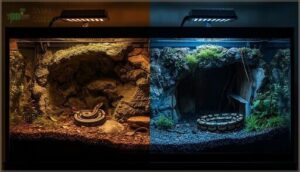
Your snake needs at least two hides to stay healthy—one on the warm side and one on the cool side of the enclosure. This setup lets your snake regulate its body temperature while always having a secure spot to retreat.
You can explore a range of safe and enriching snake decor to create hides that keep your pet comfortable and stress-free.
Beyond this baseline, you’ll want to think about adding a humid hide and extra options for enrichment depending on your snake’s species and behavior.
Two Hides for Temperature Regulation
At a bare minimum, your snake enclosure needs two reptile hides—one on the warm side, one on the cool. This dual setup lets your snake practice proper thermoregulation, moving between thermal gradients to maintain ideal body temperature.
Field studies confirm snakes actively choose hides based on temperature control needs, using hide placement to regulate heat. Without both options, snake behavior suffers and chronic stress follows.
When to Add a Third Humid Hide
Most snakes thrive with their two main reptile hides, but a third humid hide becomes your shedding phase secret weapon. Watch for dulling eyes or tight skin—that’s your cue to add a moisture-rich microclimate.
Position this humid hide on the moist side where humidity levels hit 70–90%, creating a localized refuge. If your snake’s behavior shows repeated moisture-seeking, that extra hide size option prevents shedding stress.
Additional Hides for Enrichment
Environmental enrichment transforms a basic setup into a thriving habitat. Beyond your two core snake hides, adding extra refuges promotes behavioral diversity and sensory stimulation. Rotate or reposition these reptile hides periodically—this encourages exploration across thermal gradients without disrupting humidity.
Consider hide size, placement, and visual security. Multiple options let your snake choose comfort zones naturally, mimicking wild refuge-seeking behavior.
Types of Hides Your Snake Needs
Not all hides serve the same purpose in your snake’s enclosure. Each type caters to a specific need—whether it’s temperature regulation, moisture control, or species-specific behavior.
Let’s break down the essential hides you should include and why your snake needs them.
Warm Side Hide

Your warm side hide acts like a cozy heat pocket where your snake can soak up warmth and regulate its body temperature. Here’s what makes a proper warm hide:
- Consistent heat retention near your basking spot for ideal thermoregulation
- Snug interior dimensions that fit your snake’s coiled body plus 1-2 diameters clearance
- Dark, enclosed design to minimize visual stress and encourage longer stays
- Easy-access opening preventing wedging or injury during entry
- Cleanable materials that insulate effectively while maintaining proper thermal gradient
This reptile hide assists natural snake behavior and temperature control.
Cool Side Hide
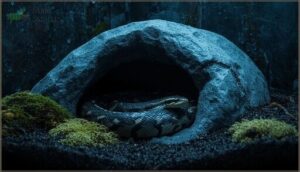
Your cool side hide functions as your snake’s deliberate escape from heat—a critical refuge for proper thermoregulation. Position this hide box on the enclosure’s coolest zone, several degrees below the warm side, to create a cold spot that prevents overheating.
Choose a snug hide size that accommodates your snake’s coiled body comfortably. This reptile hide placement encourages natural thermal regulation and reduces stress through predictable microhabitat zones.
Humid Hide for Shedding
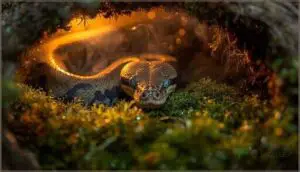
During shedding cycles, your snake needs localized humidity levels between 60–80% to loosen old skin smoothly. A humid hide—packed with damp sphagnum moss—creates this moisture pocket without soaking the entire enclosure.
Position this reptile hide on the warm side so your snake combines heat with humidity control for ideal skin health. Replace the moss regularly to prevent mold and support proper hydration during the shedding process.
Species-specific Considerations

Your snake’s natural habitat shapes its hide preferences in surprising ways. Desert species demand tight, dark refuges to prevent water loss, while arboreal needs call for vertical or multi-entry options that support climbing instincts.
- Tropical requirements: High humidity levels (70–80%) with multiple damp retreats for moisture regulation
- Nocturnal hides: Secure, quickly accessible refuges that allow rapid concealment during daylight hours
- Temperate snakes: Fewer but highly secure snake hides to escape perceived threats
- Desert dwellers: Tight-fitting reptile hide boxes that control temperature and minimize dehydration risk
Choosing The Right Size Hide

Getting the size right matters more than you might think—your snake needs to fit snugly inside without feeling cramped or exposed. A hide that’s too big won’t provide that secure, den-like feeling snakes crave, while one that’s too small can stress them out or even cause injury.
Here’s how to nail the perfect fit for your specific snake.
Proper Fit for Your Snake’s Body
A hide that’s too tight is like a sleeping bag that won’t zip—it ruins the whole purpose. Your reptile hide needs interior dimensions of at least 4–5 inches to let your snake form a comfortable coil without pressing against walls. The hide box should accommodate your snake’s widest body part, ensuring enough coiling space for true body comfort and scale protection.
| Snake Body Measurement | Recommended Hide Dimension | Coiling Space Needed |
|---|---|---|
| Hatchling (6-12″) | 3-4″ diameter | Tight S-curve |
| Juvenile (12-24″) | 5-6″ diameter | J-shaped coil |
| Adult small (24-36″) | 6-8″ diameter | Full circular coil |
| Adult medium (36-48″) | 8-10″ diameter | Loose spiral |
| Adult large (48+”) | 10-12+” diameter | Multiple coils |
Small Vs Large Snake Requirements
You wouldn’t wear a toddler’s coat on a python, right? Hide size requirements follow snake size comparison logic. Small species like corn snakes thrive with compact 5–6″ diameter snake hides supporting thermal gradient management, while large pythons demand 10–12″ structures for proper enclosure optimization.
- Small snakes need two hides minimum—one warm, one cool
- Large snakes benefit from three hides for species specific needs
- Compact hides prevent wasted space in smaller enclosures
- Bigger specimens require multiple retreat zones for snake behavior support
Space for Coiling Comfortably
Your snake’s coiling behavior dictates proper hide depth and interior space. A ball python needs enough room to curl completely without touching the walls—think one full body diameter between coil and edge.
Poor enclosure layout forces awkward snake posture, stressing your pet. Match hide size to coiled dimensions, not stretched length, so hiding places support natural rest postures within your thermal gradients.
Best Hide Materials and Characteristics
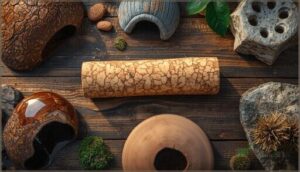
Not all hide materials are created equal—some hold up better, clean easier, and keep your snake feeling safe. The material you choose affects durability, humidity retention, and how often you’ll be scrubbing down enclosures.
Let’s break down the best options and what makes each one work.
Plastic and Resin Options
Lightweight, affordable, and practically indestructible—plastic and resin hides are the workhorses of snake enclosures, giving you endless options without breaking the bank. Here’s why they’re your best bet:
- Material durability survives everything your snake throws at it
- Multiple color options blend into any habitat design
- Resin caves resist humidity and temperature swings beautifully
- Non-porous surfaces make cleaning your hide box simple
- Mass manufacturing process keeps reptile hide costs refreshingly low
Ceramic and Natural Materials
Timeless elegance meets function when you choose ceramic hides and natural materials like cork bark hides for your reptile hide setup. Ceramic glazing creates smooth, non-porous surfaces that simplify hide sanitization—just scrub and air-dry. Natural textures from cork or driftwood mimic your snake’s wild habitat while supporting material durability through proper sealing and drying after each clean.
| Material Type | Key Advantage |
|---|---|
| Ceramic Hideouts | Resist staining; retain warmth on heat side |
| Cork Bark Hides | Lightweight; naturally regulate microclimate humidity |
| Natural Aesthetics | Promote retreat behavior; blend seamlessly into habitat |
Dark, Secure Design Features
Your snake hides act as a fortress—secure entry points should fit snugly to block drafts and maintain microclimate control while a dark interior design minimizes visual stimulus reduction.
Choose hide material selection with opaque, non-reflective surfaces that obscure external activity, cutting stress markers tied to bright light.
This reptile hide setup transforms a basic hide box into a genuine security blanket that fosters stress reduction.
Easy Cleaning and Maintenance
You’ll want hide boxes that wipe down fast and won’t trap bacteria in cracks—because sanitation keeps your snake healthy and saves you serious time. Plastic hides win here—you can scrub them with diluted bleach or cleaning vinegar, rinse, and they’re ready. Ceramic hides work too, though they’re heavier.
Quick maintenance schedules matter:
- Spot-clean your hide box weekly to remove waste
- Deep-clean the entire enclosure monthly with disinfection techniques
- Sanitize plastic hides using 10% bleach solution
- Heat-treat natural materials if your snake hides show mold
Top 6 Snake Hides for Your Pet
Now that you know what makes a good hide, let’s look at some solid options that actually work.
I’ve pulled together six hides that cover different needs—from heat management to humidity control. These picks will give you practical choices whether you’re setting up your first enclosure or upgrading what you’ve got.
1. Tikaton Reptile Heat Pad
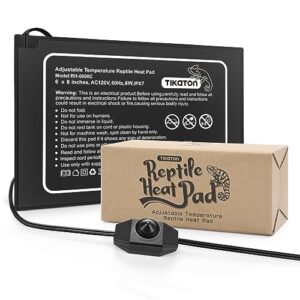
Temperature Control can be tricky when you’re creating the perfect heat gradient for your snake—that’s where the Tikaton Reptile Heat Pad steps in. This under-tank heating solution delivers consistent Thermoregulation through adjustable settings (8-24W) and works beautifully with glass terrariums to establish a warm-side retreat.
The IPX67 waterproof rating means durability, while its energy-efficient design keeps your Reptile Care costs down.
Just remember: you’ll need a thermostat for safety, and it won’t replace a Heat Lamp for basking species. It’s your foundation for proper Tank Insulation and Heat Retention.
| Best For | Snake owners who need reliable under-tank heating to create a proper warm-side zone in glass terrariums without breaking the bank on energy costs. |
|---|---|
| Primary Use | Heating pad |
| Material | PVC |
| Target Species | Reptiles & amphibians |
| Easy to Clean | Yes |
| Size Category | Multiple sizes |
| Temperature/Humidity Control | Adjustable temperature |
| Additional Features |
|
- Adjustable temperature control (8-24W) lets you dial in the right warmth for different snake species and tank sizes
- IPX67 waterproof rating and durable PVC construction mean it holds up well to humidity and daily use
- Energy-efficient design keeps operating costs low while maintaining consistent heat for thermoregulation
- Only works with glass tanks—won’t stick properly to wood, plastic, or acrylic enclosures
- Doesn’t include a built-in thermostat, so you’ll need to buy one separately to prevent overheating
- May struggle to maintain target temps in larger setups (like 55-gallon tanks) without additional heat sources
2. Leoterra Ball Python Hide
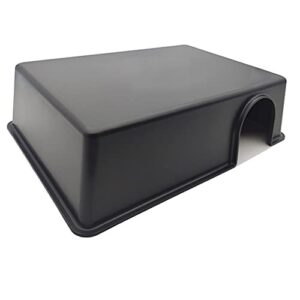
Security meets simplicity with the Leoterra Ball Python Hide—a smooth plastic retreat designed for juvenile to small-adult ball pythons seeking their comfort zone. Its 4–6 inch dimensions fit snugly in standard enclosures, supporting natural snake behavior without excess space that triggers stress.
The Hide Material resists moisture, making humidity control easier when paired with damp substrate during sheds. Position this Hide Box on your warm or cool side for proper Python Habitat thermoregulation.
Just verify interior fit against your snake’s girth—tight quarters defeat the purpose of quality Reptile Care and thoughtful Enclosure Design.
| Best For | Snake owners with juvenile to small-adult ball pythons who need a reliable, easy-to-clean hide that supports proper humidity and thermoregulation in standard enclosures. |
|---|---|
| Primary Use | Hide box |
| Material | Plastic |
| Target Species | Ball pythons & snakes |
| Easy to Clean | Yes |
| Size Category | XL |
| Temperature/Humidity Control | Improves humidity |
| Additional Features |
|
- Smooth plastic design resists moisture and cleans up easily, helping you maintain consistent humidity levels during shedding cycles
- Fits neatly on warm or cool sides of standard terrariums, giving your snake secure retreat options for proper temperature regulation
- Durable construction handles frequent cleaning and substrate changes without cracking or losing shape
- Interior dimensions (4–6 inches) may feel cramped for larger adult ball pythons, requiring you to size up as your snake grows
- Some owners find the price steep for basic plastic construction compared to DIY or alternative hide options
- May need weighing down with substrate or decor since lighter snakes can sometimes lift or shift the hide during movement
3. Exo Terra Reptile Hide Cave
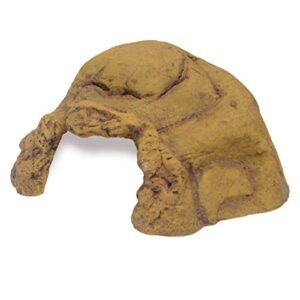
The Exo Terra Reptile Hide Cave replicates rock-ledge security, bringing natural Cave Design into your Reptile Enclosure Design. Its textured plastic mimics stone without the weight, offering a lightweight yet realistic addition to your setup.
This Hide Box measures 12–14 cm tall, comfortably fitting small to mid-sized snakes while encouraging instinctive Reptile Behavior through its single-entry retreat.
The durable Hide Materials resist moisture and simplify Reptile Care. Just wipe down with reptile-safe disinfectant between sheds for easy maintenance.
Position this Snake Hides option on either thermal zone of your Enclosure Setup to support proper thermoregulation and meaningful Snake Enrichment.
| Best For | Small to mid-sized snake owners who want a secure, easy-to-clean hide that supports natural thermoregulation and reduces stress during shedding. |
|---|---|
| Primary Use | Hide cave |
| Material | Polyurethane foam |
| Target Species | Reptiles & amphibians |
| Easy to Clean | Yes |
| Size Category | 2XL |
| Temperature/Humidity Control | Humid microclimate |
| Additional Features |
|
- Lightweight plastic design mimics natural rock without the bulk, making it easy to move and reposition in your enclosure
- Simple to sanitize with a quick wipe-down between sheds, keeping your snake’s retreat hygienic
- Single-entry design creates a snug, secure retreat that encourages natural hiding behavior and reduces baseline stress
- Some units arrive with rough interior edges or sharp points that may need sanding before use
- Can have a strong plastic smell or loose shavings when first unboxed, requiring a rinse
- May be priced higher than similar hides at local pet shops, with occasional shipping damage reported due to minimal packaging
4. Wontee Reptile Hideout Box
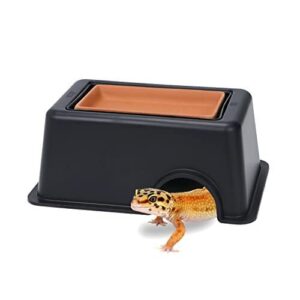
For budget-conscious keepers, the Wontee Reptile Hideout Box delivers practical Snake Hides at just $11.39. This compact Hide Box (6.68×4.32×2.75 inches) suits juveniles and smaller species perfectly—think young corn snakes or leopard geckos.
What sets this Reptile Hideout Designs option apart? Integrated humidity control. The removable water basin releases moisture gradually, supporting Humidity Control Tips during sheds without soaking your Reptile Enclosure Design.
The dark plastic Hideout Box Materials resist mold and simplify Snake Care and Housing maintenance. Just rinse weekly to prevent calcium buildup and maintain ideal Reptile Cave Safety in your Reptile Habitat Design.
| Best For | Budget-conscious keepers with juvenile snakes, small lizards, or geckos who need a compact hide with built-in humidity control. |
|---|---|
| Primary Use | Hide with humidifier |
| Material | Resin/Plastic |
| Target Species | Small reptiles & amphibians |
| Easy to Clean | Yes |
| Size Category | Small |
| Temperature/Humidity Control | Humidity control |
| Additional Features |
|
- Integrated water basin gradually releases moisture to help with shedding without oversaturating the enclosure
- Affordable at $11.39 and made from easy-to-clean, mold-resistant plastic
- Compact size (6.68×4.32×2.75 inches) fits smaller reptiles and tight vivarium layouts
- Small dimensions won’t work for larger or adult reptiles
- Water dish can break during shipping, and some users report the entrance opening is narrower than expected
- Requires weekly cleaning to prevent calcium buildup and maintain hygiene
5. Reptile Heat Pad Mat
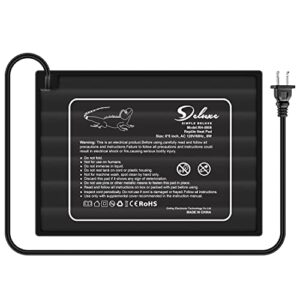
While humid hides tackle shedding, your snake also needs consistent belly heat—and that’s where the Reptile Heat Pad Mat earns its spot in your setup.
This 6×8-inch option (8W-24W) adheres beneath glass tanks to create the temperature gradient your reptile craves for proper thermoregulation. The durable PVC Heat Sources deliver gentle warmth without scorching scales—essential for Pad Safety.
Just pair it with a thermostat for precise Temperature Control, since these Mat Materials don’t self-regulate. You’ll boost appetite and activity when your snake can properly thermoregulate across its Reptile Heating zones.
| Best For | Snake owners who need reliable under-tank heating to create proper temperature gradients for digestion and thermoregulation. |
|---|---|
| Primary Use | Heating pad |
| Material | PVC |
| Target Species | Reptiles & amphibians |
| Easy to Clean | Yes |
| Size Category | 6×8 inches |
| Temperature/Humidity Control | Provides warmth |
| Additional Features |
|
- Adheres securely under glass tanks with 3M backing and creates gentle belly heat that won’t burn scales
- Available in multiple wattages (8W-24W) to match different tank sizes from 10-20 gallons
- Durable PVC construction makes it easy to clean and flexible enough to fit various terrarium shapes
- Requires a separate thermostat purchase since it doesn’t self-regulate temperature
- Only works with glass surfaces—won’t adhere properly to wood, plastic, or acrylic tanks
- Needs regular cord inspections and can potentially discolor furniture if not installed carefully
6. Zoo Med Reptile Cave Shelter
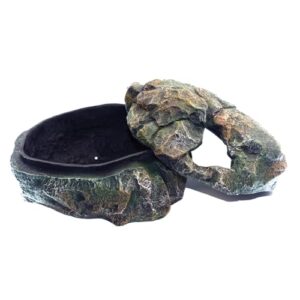
Once you’ve nailed the heat source, you need a hide that combines durability with naturalistic design—and Zoo Med’s Reptile Cave Shelter delivers both in a single ceramic package. This 6″ × 12″ × 11″ black ceramic hideout blends into Snake Enclosures while offering secure refuge for thermoregulation.
The removable lid simplifies Hide Maintenance, and you can add moss inside for humidity control during shedding.
Just monitor Ceramic Safety—the material can chip if dropped, creating sharp edges. Place it strategically in your Reptile Habitat to encourage natural Hide Box behavior and reduce stress.
| Best For | Reptile owners who want a sturdy, naturalistic hide that supports shedding and humidity retention while blending seamlessly into their terrarium setup. |
|---|---|
| Primary Use | Hide box |
| Material | Ceramic |
| Target Species | Reptiles |
| Easy to Clean | Yes |
| Size Category | Large |
| Temperature/Humidity Control | Thermoregulation support |
| Additional Features |
|
- 3-in-1 design works as a hiding spot, shedding retreat, and nesting area
- Removable lid makes cleaning quick and lets you add moss for humidity control
- Eco-friendly ceramic construction looks natural and helps with thermoregulation when placed over a heat mat
- Ceramic material can chip or crack if dropped, creating sharp edges that could hurt your pet
- The lightweight lid may get pushed off by larger or more active reptiles
- Size might be too small for bigger species, limiting its versatility across different reptile types
Proper Hide Placement in Your Enclosure
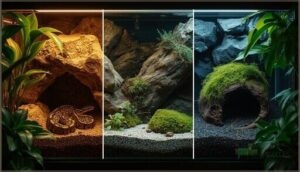
You’ve picked out the perfect hides—now let’s talk about where to actually put them. Strategic placement isn’t just about tossing them in random spots; it’s about creating a functional temperature gradient your snake can navigate.
Here’s how to position each hide so your pet can truly thrive.
Positioning on Warm and Cool Sides
You’ll need two hides minimum—one on the warm side and one on the cool side—to support proper thermoregulation.
The warm-side hide should sit near the heat source, letting your snake raise its body temperature when needed. The cool-side hide stays at ambient temps, providing a chill zone without exposing your snake.
This setup creates essential microclimates and a functional temperature gradient.
Central Location Considerations
Beyond the warm and cool zones, a centrally placed hide acts as a neutral safety zone where your snake can retreat without committing to extreme temperatures. Providing a sense of security with reptile hide options is vital for their well-being.
This central hide design facilitates flexible thermoregulation within your thermal gradient:
- Mid-range temps let your snake rest without temperature extremes
- Strategic placement reduces stress by offering multiple escape routes
- Hide box materials should match your secure enclosure’s humidity needs
Spacing and Substrate Depth
Getting hide placement right means paying attention to what’s underneath. You’ll want about 2 to 4 inches of substrate depth under each hide box—enough for your snake to feel fully concealed without blocking airflow.
Keep substrate depth consistent across your enclosure to prevent weird microclimates from messing with your thermal gradient. After cleaning, double-check that depth hasn’t shifted around the hides.
Arboreal and Shy Species Needs
Shy species care and arboreal hideouts demand extra thought. Tree-dwelling snakes crave vertical spaces at multiple heights—your green tree python won’t use a ground-level box.
Place a snake retreat on the warm side so they can heat up without exposure. These snake hides reduce stress by honoring natural animal behavior and welfare, keeping humidity management stable and your skittish friend genuinely secure.
Frequently Asked Questions (FAQs)
Can snakes share hides with tank mates?
Like roommates fighting over the thermostat, snakes shouldn’t share hides with tank mates. Most species are solitary by nature—forced sharing triggers hide competition, tank mate stress, and chronic anxiety even without visible aggression.
How often should hides be replaced completely?
Material Durability drives Replacement Frequency for Snake Hides. Nonporous plastic lasts years with proper Hide Sanitation, while porous wood needs swapping every few months when Biofilm Prevention fails. This reduces Disease Risk in your Enclosure.
Do baby snakes need different hide types?
Yes—hatchlings are skilled escape artists and thrive with snugger, more secure hides than adults.
Juvenile hide preferences shift as they grow, requiring tighter refuges and greater enrichment density to reduce stress during vulnerable developmental stages.
What if my snake ignores certain hides?
If your snake consistently ignores certain hides, check the entrance size, temperature gradient, and interior darkness.
Rotate hide types, adjust placement, and monitor snake behavior—sometimes reptiles simply prefer specific textures or microclimates for comfort.
Should hides have multiple entrance holes or one?
Think of multiple entrance holes as emergency exits in a building—your snake feels safer with options.
Two openings reduce stress during enclosure maintenance and encourage natural exploration, though single-entrance hides work fine for most species.
Conclusion
Security isn’t a single-cave solution—it’s a strategic system. Understanding how many hides does a snake need transforms your enclosure from a glass box into a genuine refuge. Two hides minimum, plus a humid option during shed cycles, give your snake the freedom to thermoregulate without sacrificing safety.
That ball python skipping meals? It’s not being picky—it’s telling you the setup needs work. Fix the foundation, and feeding issues often vanish overnight.
- https://esajournals.onlinelibrary.wiley.com/doi/abs/10.1890/0012-9615(2000)070%5B0311:TEASSD%5D2.0.CO;2
- https://www.sciencedirect.com/science/article/abs/pii/S0306456522000195
- https://cdnsciencepub.com/doi/10.1139/cjz-2021-0135
- https://www.zillarules.com/information/care-sheets/corn-snake
- https://reptilesupply.com/blogs/how-to-guides/how-to-set-up-a-ball-python-enclosure