This site is supported by our readers. We may earn a commission, at no cost to you, if you purchase through links.

Most people picture snakes as wild, unpredictable animals best left to nature documentaries. The reality looks different inside millions of households worldwide, where pet snakes quietly coil in warm enclosures, eat pre-thawed mice on schedule, and tolerate daily handling without complaint.
Reptile ownership has grown steadily for decades, and snakes now rank among the top five kept pets in the U.S.
Choosing the right species makes all the difference between a straightforward, rewarding experience and a frustrating one. From calm corn snakes to the ever-popular ball python, knowing what separates a good beginner snake from a poor match will set you up right from the start.
Table Of Contents
- Key Takeaways
- What Makes a Good Pet Snake
- Best Pet Snake Species
- How to Choose Your Snake
- Pet Snake Care Essentials
- Safety, Laws, and Ownership Realities
- Frequently Asked Questions (FAQs)
- What is the friendliest snake to keep as a pet?
- What are some things to consider before getting a pet snake?
- What kind of pet snakes are there?
- Where can I find live pet snakes for sale?
- What is the most pet friendly snake?
- What is the most cuddly pet snake?
- What is the most low maintenance snake?
- Which pet snake is least likely to bite?
- What is the best pet snake to own?
- Are pet snakes affectionate?
- Conclusion
Key Takeaways
- Corn snakes and ball pythons are the safest bets for beginners — they’re calm, eat frozen-thawed prey without fuss, and don’t need complicated setups.
- Captive-bred snakes are always the smarter choice: they’re already socialized, healthier, and come without the ethical baggage of wild-caught animals.
- Matching the species to your actual experience level, living space, and budget matters more than picking the coolest-looking snake in the room.
- Snakes are long-term commitments — a ball python can live 30 years, so factor in decades of feeding, vet visits, and enclosure upkeep before you commit.
What Makes a Good Pet Snake
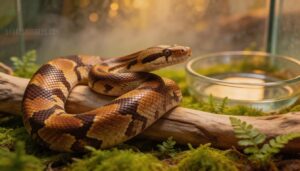
Not every snake makes a good pet, and that’s not a bad thing — it just means the right match matters. A few key traits separate snakes that thrive in captivity from those that don’t.
Understanding those traits upfront makes it much easier to find your perfect match among the most popular pet snake species.
Here’s what to look for before you bring one home.
Defining Pet Snakes and Their Appeal
Pet snakes make surprisingly practical companions. They fit into small spaces, don’t need daily walks, and their feeding schedules are simple to manage.
Watching a snake shed or thermoregulate is genuinely fascinating — real educational value you don’t get from most pets.
Their aesthetic appeal, from bold morphs to iridescent scales, is hard to match.
For the right person, they’re low maintenance done right.
Common Myths About Pet Snakes
Plenty of myths follow snakes into captivity.
The Handling Frequency Myth says you must handle daily — not true. The Live Prey Myth insists frozen-thawed won’t work — most species accept it fine. The Shedding Hygiene Myth, Smell Cleanliness Myth, and Lifespan Growth Myth all distort beginner-friendly pet snake selection.
Good pet snake care level comparison starts with dropping the misinformation first.
Nonvenomous Vs Venomous Pet Species
Once you drop the myths, the next real fork in the road is this: venomous or nonvenomous? For most keepers, nonvenomous snakes are the clear choice.
Venomous species bring serious fang morphology differences, complex venom delivery systems, and a heavy regulatory burden — think permits, emergency protocols, and specialized handling tools. Legal considerations when acquiring a pet snake vary by region, so always check local laws first.
Why Captive-bred Snakes Are Preferred
Once you’ve decided on a nonvenomous species, sourcing matters just as much. Captively bred snakes offer genetic consistency, known lineage, and early socialization — meaning they’re already comfortable around humans before you even bring one home.
Health screening from reputable breeders reduces the risk of parasites or hidden illness. They also support reduced wild impact.
For beginner-friendly pet snake selection, this is your smartest starting point.
Traits That Make Snakes Beginner-friendly
Not all snakes are created equal — and that’s actually good news for first-time keepers. The best beginner-friendly pet snake selection comes down to five core traits: docile disposition, manageable length, predictable feeding, simple temperature needs, and resilient health.
Species like corn snakes and ball pythons check every box. Their care level stays low, adult size stays reasonable, and temperament makes them genuinely enjoyable, low-maintenance reptile pets.
Best Pet Snake Species
Not every snake is the right fit for every keeper, and species choice matters more than most beginners expect.
The good news is that a handful of species consistently stand out for being manageable, healthy in captivity, and rewarding to own. Here’s a closer look at the best options, from easygoing beginner picks to species better suited for experienced hands.
Corn Snakes for Easy Handling
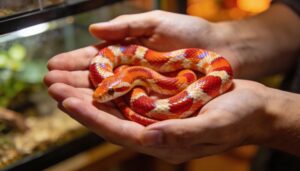
Corn snakes are the go-to option for first-time keepers. Their calm temperament means most individuals stay relaxed in your hands — no drama, no fuss.
Keep sessions short and stress‑free handling becomes second nature.
- Use a gentle grip and support the body fully
- Always post‑meal wait 24 hours before handling
- Do a quick weight check during each session
Ball Pythons for Calm Temperaments
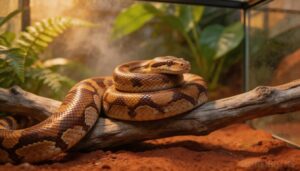
Ball pythons earn their reputation as a beginner-friendly pet snake through sheer calm temperament. Nocturnal by nature, they rarely cause trouble during daytime handling.
Watch for smooth breathing patterns — that’s your sign they’re relaxed.
Stick to a consistent feeding routine every 7–14 days, skip nighttime lighting disruptions, and you’ll find their coil behavior stays defensive only when routine consistency breaks down.
Kingsnakes and Milk Snakes as Alternatives
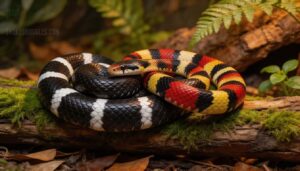
If corn snakes and ball pythons feel too common, kingsnakes and milk snakes deserve a serious look.
Both stay between 2–4 feet, making Prey Size Matching straightforward. Their Color Morph Diversity — banded, striped, even coral snake mimics — adds Visual Stimulation to any setup. Handling Calmness improves quickly with routine contact.
- Kingsnake: adaptable, eats frozen-thawed mice, tolerates varied enclosures
- Milk snake: docile, beginner-friendly pet snake selection made easy
- Both: require standard Shedding Support and consistent Species care level attention
Rosy Boas and Kenyan Sand Boas

Want something a little off the beaten path? Both the Rosy Boa and Kenyan Sand Boa fit a beginner Care Level without much fuss.
The Rosy Boa’s Coloration Range — creamy tones with rosy stripes — is genuinely striking. Its Nocturnal Activity means quieter daytime handling.
The Kenyan Sand Boa leans into Burrowing Behavior, so your Enclosure needs deep substrate and Enrichment Tunnels.
Sexual Dimorphism makes females noticeably larger. Diet stays simple: small rodents, every 7–10 days. Providing a humidity box for shedding helps healthy skin turnover.
Western Hognose Snakes and Quirky Behavior
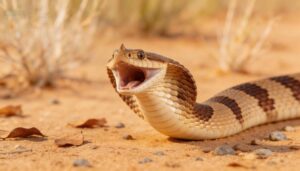
The Western Hognose Snake is basically the drama queen of the reptile world — and that’s exactly what makes it fascinating.
When threatened, it flattens its neck, hisses, and performs bluff strikes. If that doesn’t work, death-feigning kicks in. It flips over, goes limp, done.
Add Musk Emission, impressive Snout Morphology built for Burrowing Adaptation and Amphibian Hunting, plus stunning Morphs — this Beginner-friendly pet snake earns its spot in any Pet snake guide.
Advanced Species Best Left to Experts

Some snakes aren’t beginner projects — they’re careers. Expert-level pet snake keeping means mastering Venomous Species Management, Specialized Enclosure Design, and Regulatory Compliance Issues before you even bring one home.
- Burmese pythons need serious space and safety considerations when handling large constrictors.
- False Water Cobras require Expert Feeding Protocols and Legal considerations when acquiring a pet snake.
- Green Tree Pythons demand Expert-level Temperature Regulation and precise humidity control.
Know your limits.
How to Choose Your Snake
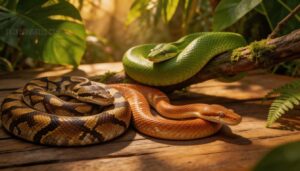
Picking the right snake isn’t just about which one looks coolest — it’s about finding one that actually fits your life.
A few key factors will make or break the decision, from how much space you have to how comfortable you are handling feeding day.
Here’s what to think through before you commit.
Matching Species to Experience Level
Choosing the right snake starts with honest self-assessment. Care level alignment matters more than most beginners expect.
If you’re new, skill-based selection means starting with calm, predictable species like corn snakes or ball pythons — not a Brazilian Rainbow Boa. Think of it as experience tier guidance: earn your stripes before upgrading. Keeper proficiency matching protects both you and your animal.
Adult Size and Enclosure Space
Adult length guidelines matter more than you’d think. ball python needs a 4×2×2-foot enclosure — floor space calculations based on the snake’s full stretch, not its coiled size.
Corn snakes need 40–55 gallons. Rosy boas fit comfortably in 20–40 gallons.
burrowing substrate volume and temperature gradient allocation — both demand extra habitat depth. Size requirements shape everything about your setup.
Lifespan and Long-term Commitment
Size tells part of the story — but lifespan seals the deal. A corn snake can live 15–20 years; a ball python, 30 years.
A corn snake can share 20 years of your life; a ball python, 30
That’s decades of enclosure maintenance, feeding schedule changes, and health monitoring.
Aging health issues like respiratory infections or kidney problems require veterinary budgeting, you can’t ignore.
Seasonal activity patterns also shift care demands — plan accordingly.
Temperament and Handling Preferences
Temperament varies more than most people expect. A docile temperament makes beginner-friendly pet snake selection straightforward, but individual activity patterns and feeding cycle effects matter just as much.
Watch for stress signals like rapid tongue flicking or hissing.
Proper handling techniques, consistent handling frequency, and sensory enrichment help snakes stay calm and build trust over time.
Feeding Habits and Prey Requirements
Feeding habits can make or break your experience as a keeper. Before committing to a species, consider these diet essentials:
- Prey Size Matching – prey should match your snake’s widest body point
- Feeding Frequency – juveniles eat weekly; adults shift to every 10–14 days
- Warm Prey Handling – always thaw frozen rodents fully before offering
- Nutrient Balance – whole prey naturally covers most nutritional needs
Some species practice seasonal fasting. Feeding frozen vs live prey to pet snakes is worth researching early — most beginners find frozen rodents easier and safer.
Humidity, Temperature, and Setup Difficulty
Every species has its own comfort zone. Ball pythons need 50–60% humidity, while Kenyan sand boas prefer dry conditions around 30–40%.
thermostat calibration and temperature monitoring tools keep gradients steady between 78–90°F. misting schedule prevents dry sheds without inviting mold.
Ventilation management matters too — stale, humid air causes infections.
Setup cost factors vary, but beginner-friendly pet snake selection usually means simpler, lower-maintenance enclosures.
Pet Snake Care Essentials
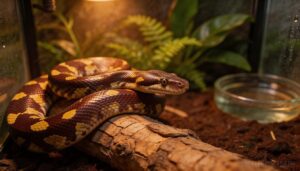
Getting snake care right comes down to a handful of fundamentals — and none of them are complicated once you know what to look for. From the size of the enclosure to what you put inside it, each decision directly affects your snake’s health and comfort.
Here’s what every owner needs to have in place.
Enclosure Size and Escape Prevention
Your snake will find every gap you missed — so don’t give it the chance. Getting enclosure size and escape prevention right is non‑negotiable.
- Match Gradient Space Requirements: allow 1.5–2× your snake’s length in linear space
- Apply Secure Lid Mechanisms: locking clasps, recessed lids, no flex gaps
- Address Burrowing Escape Risks: use deep, compact substrate with sealed edges
- Add Vertical Complexity Design: hides and climbing structures reduce stress and wandering
- Check Material Seal Integrity: inspect silicone seams and corners regularly
Heat Gradients and Basking Spots
Think of your enclosure as a two-zone system. Keep one side warm — around 90°F for the basking spot — and the cooler end between 72°F and 80°F.
temperature gradient lets your snake thermoregulate naturally, moving between zones as needed.
Place your heat lamp on one side only, use safe basking surface materials, and always verify hot spot measurement with a surface thermometer, not guesswork.
Humidity Levels by Species
Humidity isn’t one-size-fits-all. Species humidity ranges vary widely — corn snakes and kingsnakes do well at 40–60%, while ball pythons need 50–60% routinely.
During shedding, a humidity boost to 65–70% helps prevent stuck sheds.
Ground-dwelling snakes tolerate drier conditions than arboreal species.
Use a digital hygrometer for accurate humidity monitoring, and watch for dull skin — that’s your first health sign that something’s off.
Substrate, Hides, and Enrichment
Just like humidity, what you put inside the enclosure matters more than most beginners expect. Substrate selection shapes your snake’s whole day.
Coconut husk hides retain moisture and support burrowing substrate benefits naturally. Aspen works for drier species.
Add climbing structures, cork bark, and varied hides for real habitat enrichment. Moisture-retaining substrates placed near hides create microclimates your snake will actually use.
Frozen-thawed Prey and Feeding Schedules
Feeding frozen rodents the right way makes a real difference. Thawing methods matter — move prey items to the fridge 12–24 hours ahead, then use prey warming in warm water (110–115°F) before offering. Feeding timing also counts: nocturnal snakes respond better after lights-out.
- Juvenile frequency: every 5–7 days for colubrids, 7–10 for ball pythons
- Adults: every 10–21 days
- Weight adjustments: monitor monthly — a spine ridge means underfeed; a thick midsection means scale back
Cleaning Routines and Water Needs
Beyond feeding, daily upkeep keeps your snake healthy.
Replace water every 24 hours — Water Temperature Control matters, so keep it close to room temperature. Use ceramic or plastic bowls for easy Bowl Disinfection with reptile-safe cleaner, then rinse completely.
Handle Substrate Spill Handling promptly through regular Spot Cleaning Frequency — several times weekly — to prevent mold.
Smart Moisture Management protects your enclosure’s humidity balance.
Shedding Support and Health Monitoring
Shedding tells you a lot about your snake’s overall health. A solid Soaking Routine before and during shedding keeps skin pliable, helping your snake shed in one clean piece.
Afterward, do Retained Shed Checks on toes and the tail tip — these spots dry out fast. Eye Cap Monitoring matters too; stuck caps can cloud vision quickly.
Skin Condition Assessment and Post‑Shed Health checks catch problems early.
Safety, Laws, and Ownership Realities

Owning a snake means more than picking a cool species and setting up a tank. There are real-world rules, safety habits, and costs that catch a lot of first-time keepers off guard.
Here’s what you actually need to know before you bring one home.
Local Laws and Restricted Species
Before you bring a snake home, check your local laws — this step is non‑negotiable.
- Permit requirements vary by species and region.
- Species protection rules in Germany restrict wild‑caught animals strictly.
- Import documentation proves legal acquisition for listed species.
- Regional enforcement differs across states and municipalities.
- Legal restrictions on wild capture and invasive python populations like Florida’s python problem shape national policy.
Safe Handling and Stress Reduction
Good snake handling starts with calm, intentional movement. Use both hands — Support Hands under the midsection, never grabbing the tail or head.
Keep sessions short at first; Gradual Sessions build trust over weeks.
Dry Hands reduce slipping and stress.
Cut Noise Reduction around the enclosure.
For Secure Transfer, use a container rather than carrying your snake open.
Docile temperament develops with consistency.
Recognizing Defensive and Calm Behaviors
Your snake is always telling you something — you just need to learn the language.
Watch for Body Tension Indicators: a tightly coiled body, raised forebody, and Head Bobbing Patterns signal defensiveness.
Tail Vibration Signals and rapid Tongue Flick Frequency confirm stress.
By contrast, calm Posture Comparison shows loose draping and slow tongue work.
Mastering these cues makes your Handling Techniques safer and builds lasting Docile Temperament over time.
Household Considerations for Snake Ownership
Owning a snake reshapes how you think about your home. Every detail matters — for the animal and everyone living with you.
- Use Secure Latches on every enclosure — snakes are escape artists.
- Choose Quiet Placement away from foot traffic to reduce stress.
- Keep Room Temperature stable between 70–80°F.
- Prioritize Child Safety by positioning enclosures out of reach.
- Label Prey Storage clearly in a dedicated freezer.
Common Beginner Mistakes to Avoid
Even the most beginner-friendly pet snake selection goes sideways fast when basics get ignored. An irregular feeding schedule disrupts digestion and triggers refusals.
Unsuitable substrate — like cedar or pine — irritates airways. Excessive post-feeding handling causes regurgitation. Temperature gradient errors leave snakes unable to thermoregulate.
Weight monitoring neglect hides slow health declines. Overfeeding, poor humidity control, and loose enclosure lids compound these problems quickly.
Costs, Upkeep, and Responsible Ownership
basic initial setup costs around 150 to 350 euros — enclosure, thermostat, thermometer, and hygrometer included.
Ongoing food budget stays manageable at 40 to 200 euros annually for most mid-sized species. Factor in equipment maintenance, annual vet visits, and occasional treatments.
Always choose captive-bred animals for ethical sourcing. Matching your care level to the right species makes responsible ownership genuinely straightforward.
Frequently Asked Questions (FAQs)
What is the friendliest snake to keep as a pet?
The corn snake wins this hands down. It’s calm, tolerates handling frequency well, and captive‑bred benefits shine here — gentle temperament from day one.
For beginner snake selection, it’s simply hard to beat.
What are some things to consider before getting a pet snake?
Before choosing, think about space, budget planning, prey availability, and permit requirements.
Match your experience to the right species.
Veterinary care and noise sensitivity matter too.
Good beginner-friendly pet snake selection starts with an honest self-assessment.
What kind of pet snakes are there?
There’s practically a snake for every personality type on Earth.
From the beginner-friendly Corn Snake to the calm Ball Python, options span Morph Diversity, Geographic Origin, Habitat Preference, Dietary Specialization, and Activity Level.
Where can I find live pet snakes for sale?
You can find live snakes through local reptile shops, reptile expos, online reputable breeders, and marketplace platforms. Always check import regulations and legal restrictions on wildlife before buying.
What is the most pet friendly snake?
The corn snake tops the list. Its docile nature, simple feeding routine, and captive-bred reliability make it the ideal beginner-friendly pet snake selection for anyone starting out.
What is the most cuddly pet snake?
Ball pythons top the list for calm interaction and owner bonding. Their quiet movement and snuggle-friendly species temperament make them ideal.
Corn snakes follow closely — both are beginner-friendly pet snake selections worth considering.
What is the most low maintenance snake?
The corn snake tops the list. It eats every 7–14 days, tolerates simple humidity, sheds predictably, and stays calm during handling — a genuinely low-maintenance, beginner-friendly reptile pet.
Which pet snake is least likely to bite?
Among beginner-friendly options, corn snakes and ball pythons consistently show the calmest captive-bred temperament. Rosy boas and Kenyan sand boas are close behind — gentle, slow-moving, and rarely defensive.
What is the best pet snake to own?
The corn snake wins, hands down. It’s docile, stays 3–6 ft, eats frozen-thawed mice, and fits most budgets. A truly beginner-friendly pet snake selection doesn’t get easier than this.
Are pet snakes affectionate?
No, snakes don’t bond the way dogs do. Their handling tolerance builds through calm, consistent interaction.
Watch body language — a relaxed coil signals comfort. That’s the closest thing to affection you’ll get.
Conclusion
Wrapping up, owning pet snakes can be a hiss-terical experience when done right. By choosing a beginner-friendly species and following proper care guidelines, you’ll be well on your way to becoming a confident snake parent.
Remember, it’s not just about the snake—it’s about creating a harmonious home for both you and your scaly friend.
With patience, practice, and passion, you’ll find that pet snakes bring unique joy and fascination to your life, making the journey worthwhile.