This site is supported by our readers. We may earn a commission, at no cost to you, if you purchase through links.

Snakes hide illness better than almost any pet you’ll ever own. As a reptile veterinarian, I’ve lost count of the owners who bring in a snake "acting a little off" only for me to find a respiratory infection that’s been brewing for weeks. Your snake can’t whimper or whine, so the burden falls on you to read the signals: a coil that looks wrong, a wheeze you almost missed, a meal refused one time too many.
The good news? Snakes give warning signs before things turn dangerous. You just need to know which ones matter, and which ones can wait until morning. Here’s what to watch for, room by room, symptom by symptom.
Table Of Contents
- Key Takeaways
- Feeding and Digestive Problems in Snakes
- Behavioral and Movement Warning Signs
- Respiratory, Mouth, and Eye Problems
- Skin, Shedding, and Parasite Problems
- When Snake Health Problems Need Veterinary Care
- Frequently Asked Questions (FAQs)
- What are the signs that a snake is unhealthy?
- What is the most common cause of death in snakes?
- What does an unhealthy snake look like?
- What are some common diseases that affect snakes?
- What are the signs of illness in snakes?
- Do snakes have health problems?
- What problems does a pet snake have?
- Do snakes have skin problems?
- Why is monitoring snake health important?
- What diseases does a pet snake have?
- Conclusion
Key Takeaways
- Snakes hide illness remarkably well, so owners must act as their early-warning system by watching for subtle changes in appetite, posture, breathing, and behavior.
- Many apparent emergencies trace back to poor husbandry—fixing temperature gradients, humidity, and substrate often resolves issues before a vet visit becomes necessary.
- Some symptoms demand immediate care (open-mouth breathing, limpness, head tilt, regurgitation), while others can wait, and knowing the difference can save your snake’s life.
- Consistent tracking—monthly weigh-ins, weekly logs of meals, sheds, and feces, plus 60–90 day quarantine for new arrivals—catches small problems before they become big ones.
Feeding and Digestive Problems in Snakes

Your snake’s digestive system is one of the first places illness shows up. Knowing what’s normal makes the warning signs hard to miss. Here are the feeding and digestive red flags worth watching closely.
Spotting trouble early is easier when you know the signs of overfeeding a snake, from stubborn bloating to sudden regurgitation after meals.
Refusing Multiple Meals
When a snake skips one meal, it’s usually not alarming. But refusing multiple meals warrants attention. Seasonal shifts, recent handling, or an undigested prey item can trigger temporary anorexia.
If your snake keeps refusing food and starts losing weight, a vet-guided approach like tube feeding a snake safely may be the next step.
If the fast stretches past a few weeks, a quick review of the early signs of snake illness to watch for can help you rule out something more serious.
Start with appetite evaluation: check temperatures, reduce disturbances, and offer appropriately sized prey. If food refusal persists beyond three to four weeks, begin weight loss monitoring and call your vet.
Regurgitation or Vomiting
Unlike a skipped meal, regurgitation means your snake ate, then lost the food back up. Vomiting signals digestive problems you shouldn’t ignore.
Common culprits: prey too large, a feeding schedule that doesn’t match gut activity, or temperatures too cool for proper digestion. Handling too soon after meals can also trigger it.
Check your husbandry first. Then start weight loss monitoring and call your vet, since infections and parasites can cause regurgitation too.
Rapid or Unexplained Weight Loss
Weight loss follows regurgitation fast, so weigh your snake monthly. Watch for changes in body shape: visible spine, loose skin folds, muscle loss along the tail. Anorexia alone doesn’t explain it. Parasites, impaction, infection, or reproductive energy demands could.
Combine weight tracking with a lethargy assessment and note behavioral changes. Losing more than 10% body weight means it’s vet time.
Abnormal Stool or Urates
Healthy stool is brown, firm, and paired with chalky white urates. Watch for diarrhea, mucus, blood, or unusually thick, yellow urates. These signal digestive problems, dehydration, or kidney strain.
Gastrointestinal stasis produces dry, infrequent stools from low heat or poor hydration. Internal parasites and bacterial infections change stool volume and texture too.
Bring a fresh sample to your vet. A fecal float costs little and answers much.
Unusual Mid-Body Swelling
That round lump along your snake’s mid-body isn’t a quirk. It could signal:
- Undigested prey or obstruction
- Cryptosporidiosis or parasitic infection
- Osteosarcoma or internal mass
- Fluid accumulation from organ disease
Firm swelling paired with regurgitation and weight loss suggests chronic gastric disease. Soft, pitting belly swelling points to organ failure. Neither resolves with husbandry changes alone. Get your vet involved. To better assess any swelling, track lump position along body as a fraction of snout to vent length, which helps distinguish food boluses, abscesses, and reproductive structures from more serious concerns.
Behavioral and Movement Warning Signs

A snake’s behavior tells you more than you might think. Subtle shifts in how your snake moves, rests, or reacts to you can be the first clue that something’s wrong internally. The warning signs below are worth knowing before they catch you off guard.
Lethargy or Sudden Weakness
A snake that suddenly goes limp or stops responding to your touch is flagging something serious. Sudden weakness or lethargy can stem from dehydration, systemic infection, or metabolic energy failure.
Unusual soaking habits often go hand in hand with these symptoms, so it’s worth reading up on why snakes soak in their water bowls to catch the full picture.
These are physical signs of snake illness that move fast. If you’re also noticing unusual posturing or resting places, or changes in appetite or feeding habits, call your vet today.
Stiff or Twisted Coils
A rigid, twisted body is never a pose your snake chooses. Stiff or twisted coils point to neurological disease, spinal injury, or inclusion body disease. Cold enclosures and impaction can trigger it too.
Watch for abnormal movements or posture, loss of muscle tone, or changes in body shape. Check temperatures first. If postural abnormalities persist in warm conditions, call your vet immediately.
Head Tilting or Tremors
A tilted head or trembling muscles means the nervous system is struggling. Head Tilting or Tremors often signal neurological disorders, from brain infection to toxin exposure. Possible causes include:
- Calcium or electrolyte imbalance
- Kidney dysfunction
- Neurotoxic poisoning
- Central nervous system infection
- Migrating parasites
Don’t wait. These neurological symptoms rarely resolve alone. Note any abnormal movements or posture, then call your vet immediately.
Limpness or Poor Coordination
A snake that flops like a wet rope needs help fast. Limpness or poor coordination means loss of muscle tone or nerve damage. Watch for dragging body segments, righting reflex failure, or corkscrew locomotion.
Causes range from envenomation and spinal injury to organ failure, severe dehydration, or prolonged cold exposure. Record any abnormal movements or posture. Recognizing sick snake behavior early saves lives. Call your vet today.
Increased Hiding or Defensiveness
A snake that suddenly vanishes or strikes when it never did before is talking to you.
Increased hiding and defensiveness often signal stress or early illness.
Check your thermal gradient first, then humidity and hide quality.
Aggression triggers include handling changes, new smells, and nearby pets.
Don’t ignore behavioral changes.
Document patterns, call your vet if they persist.
Respiratory, Mouth, and Eye Problems
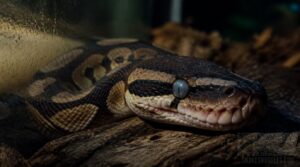
A snake’s breathing should be nearly silent, so any sound is worth your attention. Respiratory infections spread fast in captivity, and they often start with subtle clues like wheezing or a runny nose. Here’s what to listen and look for, from breathing trouble to mouth rot and eye changes.
Wheezing or Gurgling Sounds
When your snake wheezes or gurgles, don’t wait it out. These sounds often mean fluid or swelling in the airway. Causes range from pneumonia and tracheal inflammation to inhaled debris.
Check your temperatures and humidity first, since cold, damp enclosures make breathing problems worse.
Record the sounds if you can. A vet visit with radiographs confirms respiratory problems in snakes early.
Open-Mouth or Labored Breathing
Open-Mouth or Labored Breathing means your reptile is working too hard. Mouth opening can happen when breathing passages are restricted by inflammation, airway resistance, debris, or mucus thickening from dehydration.
Cold, low-efficiency conditions and stress can worsen Breathing Problems and Labored Respiration. If breathing looks increased, persistent, or labored, treat as Respiratory Problems in Snakes needing prompt veterinary care.
Nasal Discharge or Excess Mucus
A wet nose isn’t normal in snakes. Nasal discharge or excess mucus often signals bacterial respiratory infections, sometimes involving Pseudomonas or Aeromonas. Viruses like nidovirus hit pythons hard. Since snakes can’t cough, mucus builds up and can progress to pneumonia.
Check for these signs:
- Bubbles at the nostrils
- Crusty or blocked nostrils
- Mucus in the mouth
- Wheezing sounds
- Lethargy or appetite loss
Abnormal discharge that persists needs a vet visit. Untreated respiratory infections become life-threatening fast.
Swollen Gums and Mouth Rot
That mucus in the mouth can lead somewhere worse. Swollen gums and mouth rot, or stomatitis, start when opportunistic bacteria like Aeromonas and Pseudomonas invade through oral injuries or weakened immunity. Look for red, blistered gums, cheesy discharge, stringy saliva, or loose teeth. Left untreated, infection reaches the jawbone. Veterinary medicine for reptiles treats this effectively, so don’t wait.
Cloudy, Swollen, or Sunken Eyes
A snake’s eyes tell you a lot about its health. Cloudiness before a shed is normal. It clears as the old skin, including each spectacle, comes off. Cloudiness that lingers afterward signals retained eye caps, often from low humidity.
Swollen eyes point to infection or blocked tear ducts. Sunken eyes mean moderate to severe dehydration. Act fast with hydration, humidity correction, and a vet visit.
Skin, Shedding, and Parasite Problems
Your snake’s skin tells a story, and it’s one you can read with your own eyes. Shedding troubles, scale damage, and parasites are among the most common problems I diagnose, and most are treatable when caught early. Here’s what to look for during your next handling session or cage check.
Stuck Shed and Retained Eyecaps
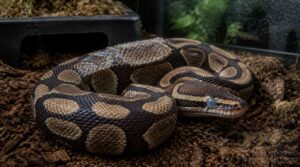
A patch of dull, flaky skin clinging to your snake isn’t cosmetic. It’s a husbandry alarm.
Stuck shed, or dysecdysis, usually means humidity missed the mark. Retained eyecaps are the bigger worry: dried skin over the spectacle can trap bacteria and damage the eye.
Check your humidity gradient, offer a moist hide, and never peel shed off by force.
Scale Rot and Blisters
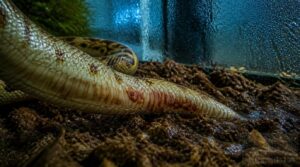
When scales stay damp, trouble follows. Scale rot and blisters start with waterlogged substrate and constant belly contact with moisture. You’ll see brown or red scale discoloration, then fluid-filled blisters along the ventral surface.
Bacteria love compromised skin. Fix your humidity, dry the enclosure, and boost enclosure sanitation. Early cases resolve; severe skin lesions need a vet.
Lesions, Lumps, or Discoloration

A lump on your snake isn’t always cancer, but it’s never something to ignore. Any new spot deserves a closer look.
Possible causes include:
- Fungal growth in damp creases
- Bacterial skin abscesses under the surface
- Parasites feeding on tissue
- Irritant dermatitis from harsh cleaners
- Natural genetic pattern anomalies
Don’t panic yet. Some discoloration is harmless pigmentation. Track changes with photos weekly. Lesions Wounds or Open Sores that grow, weep, or swell need a vet visit. So does any lump that feels firm or keeps expanding. When in doubt, get it checked.
Loose or Damaged Scales
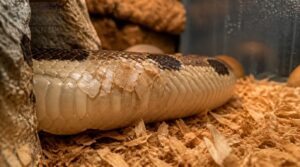
A few lifted scales can spiral into infection fast. Here’s what usually causes them:
| Cause | Sign | Fix |
|---|---|---|
| Damp substrate | Soggy, peeling belly scales | Dry enclosure |
| Rough decor | Worn ventral scales | Smooth hides |
| Mites | Irritation, lifted edges | Vet treatment |
| Poor diet | Brittle, fragile scales | Balance nutrition |
| Burns | Discoloration Blistering or Swelling | Fix heat source |
Scales Coming Loose or Falling Off need prompt attention. Check Substrate Safety daily, and address Skin and Shedding Issues in Snakes before Lesions Wounds or Open Sores develop.
Mites, Ticks, and Excessive Soaking
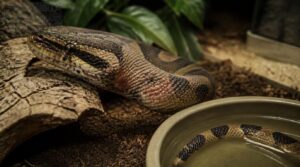
Mites and ticks are the most common Mites, Ticks and Other External Parasites I see. Watch for tiny black dots, rubbing, or constant soaking. When an infestation does show up, a good reptile mite treatment spray can knock it out quickly before it spreads through the enclosure.
Mites reproduce fast in damp substrate; ticks attach and feed on blood. Parasite prevention starts with dry, clean enclosures.
But note: excessive soaking also weakens skin, so don’t assume it’s just self-treatment. Get a parasite diagnosis early.
When Snake Health Problems Need Veterinary Care

Knowing what to watch for is only half the battle; the other half is knowing when to act. Some symptoms can wait a day, while others turn deadly within hours, and telling them apart takes a clear plan.
Watching for warning signs is only half the battle—knowing when to act, since some snake symptoms turn deadly within hours while others can wait a day
Here’s how to handle an emergency, prepare for the vet visit, and track your snake so small problems don’t become big ones.
Symptoms Requiring Emergency Care
When your snake can’t right itself, don’t wait. Emergency signs include open-mouth breathing, labored respiration, limpness, persistent head tilt, or regurgitation after feeding. Sudden swelling with weakness, abnormal discharge from the mouth or nose, and repeated refusal to eat all demand immediate care.
Respiratory distress and neurologic collapse progress fast. Call an exotic veterinarian now.
Temperature and Humidity Checks
Before rushing to the clinic, check your husbandry. Many emergencies trace back to a broken temperature gradient or poor humidity control. Snakes depend on external heat for thermal regulation; a warm side that’s too cool slows digestion, while a cool side that’s too warm prevents proper rest.
- Measure surface and air temperatures with a probe thermometer
- Verify the basking spot for hidden hot spots
- Check readings morning and evening
- Confirm humidity at substrate level, not just air
- Watch ventilation systems for rapid swings
Fix the proper enclosure and environment first. Sometimes that alone turns things around.
Safe Quarantine and Handling
New snake? Quarantine it first. A proper quarantine protocol means a separate room, dedicated tools, and no shared tubs or tongs for 60 to 90 days. Pathogens travel on your hands, gloves, and equipment. Feed, clean, and handle quarantine animals last, then wash up.
| Rule | Do This | Why |
|---|---|---|
| Separate room | Keep away from residents | Blocks airborne spread |
| Dedicated tools | Own hides, bowls, tongs | Prevents cross-contamination |
| Work order | Quarantine last | Protects your collection |
Handling techniques matter too. Limit contact to feeding, weighing, and health checks. Every lift risks skin tears, bites, and stress reduction gone wrong. Support the mid-body, stay low, and keep sessions short. Log meals, sheds, and feces weekly.
Veterinary Tests and Diagnosis
Your vet won’t guess. Veterinary tests and diagnosis turn vague symptoms into answers. Expect diagnostic imaging like radiographs and ultrasound, plus blood work, fecal testing, and sometimes biopsy procedures. Bring your logs; they guide testing. Five common steps:
- Radiographs for organ size
- Ultrasound for masses
- Blood work for systemic status
- Fecal testing for parasites
- Endoscopy with tissue sampling
Routine Weight and Health Tracking
A healthy snake tells on itself through numbers. Weigh weekly on the same scale, same time of day, and match each reading to your feeding schedule and shed cycle. Log urates too; they reveal hydration support needs before weight loss shows. Add body condition scoring, since two snakes can weigh the same but differ in fat stores. Consistent records catch subtle changes in body shape early, guiding weight management decisions.
Frequently Asked Questions (FAQs)
What are the signs that a snake is unhealthy?
Snakes whisper before they scream. Watch for changes in appetite, lethargy, unusual postures, respiratory issues, and shedding troubles. Catch these early, and you stay in control of your pet’s health.
What is the most common cause of death in snakes?
Septicemia leads the list. This bloodstream infection often starts with Respiratory Infections and Pneumonia, Bacterial and Fungal Infections, or Parasitic Infections in Snakes. Watch lethargy and red belly scales. Act fast.
What does an unhealthy snake look like?
An unhealthy snake looks weak, limp, and lethargic. Watch for sunken eyes, poor muscle tone, visible spine, labored breathing, mucus, mouth rot, stuck shed, or reddish ventral scales signaling sepsis.
What are some common diseases that affect snakes?
Common Health Issues in Snakes include bacterial, viral, fungal, and parasitic infections. Watch for Respiratory Problems in Snakes, mouth rot, Internal Parasites and Worm Infestations, and Mites Ticks and Other External Parasites. Each demands prompt attention.
What are the signs of illness in snakes?
A snake’s body whispers before it screams. Watch for changes in appetite, regurgitation, lethargy, unusual postures like stargazing, wheezing, discolored scales, stuck shed, or mites. Trust your gut and call your vet.
Do snakes have health problems?
Yes, snakes do develop health problems. Watch for changes in appetite, lethargy, unusual postures, and respiratory issues like wheezing or open-mouth breathing. Proper temperature, humidity, and quarantine practices prevent many illnesses before they start.
What problems does a pet snake have?
Roughly one in three pet snakes develops problems like respiratory infections, mites, or bad sheds. Watch for changes in appetite, lethargy, unusual postures, wheezing, or skin changes. Fix temperature and humidity first, then call your vet.
Do snakes have skin problems?
Yes, snakes do get skin problems. Watch for scale discoloration, blisters, skin lesions, and stuck shed. Poor humidity, dirty substrate, mites, or burns often cause abnormal shedding. Check scale health weekly and act early.
Why is monitoring snake health important?
Monitoring your snake’s health matters because snakes hide illness well. Subtle behavioral changes or appetite shifts often appear before visible physical signs.
Early detection improves treatment success, prevents disease spread, and avoids costly emergency veterinary care.
What diseases does a pet snake have?
Pet snakes face Respiratory Infections, Mouth Rot, Scale Rot, Parasitic Infections, and metabolic or fungal diseases. Poor husbandry, stress, and wrong temperatures often trigger these issues, so habitat quality matters greatly.
Since many of these illnesses first show up on the skin, this guide to identifying skin lesions in pet snakes helps you spot trouble early.
Conclusion
Snakes, the great stoics of the animal kingdom, would rather suffer in silence than admit weakness. Don’t let that tough act fool you.
The snake health problems to watch for rarely announce themselves loudly, so your eyes and ears do the talking.
Weigh your snake monthly. Learn its normal coil. Catch the small stuff early, and you’ll usually avoid the big stuff entirely. That’s the whole game.