This site is supported by our readers. We may earn a commission, at no cost to you, if you purchase through links.

Something smells off near the warm corner of your snake’s tank. Not terrible. Musty. That smell is mold making itself at home in your substrate, and a quick spot clean won’t fix it.
Snake waste breaks down fast in warm, humid enclosures. Bacteria and mold spores accumulate in ways that daily scooping can’t address. Over time, that invisible buildup puts real stress on your snake’s respiratory system.
Knowing how to deep clean a terrarium properly, substrate and all, is one of the most critical skills you can have as a keeper.
Table Of Contents
- Key Takeaways
- Know When Deep Cleaning is Needed
- Top 5 Terrarium Deep Cleaning Supplies
- Prepare Your Snake’s Temporary Habitat
- Empty and Inspect The Terrarium
- Wash, Disinfect, Rinse, and Dry
- Reassemble and Restore Safe Conditions
- Frequently Asked Questions (FAQs)
- What is the best cleaner for terrariums?
- How often should I deep clean my terrarium?
- Can I clean a terrarium with animals inside?
- What temperature water is best for cleaning?
- How do I remove stubborn hard water stains?
- Should I replace all substrate during deep cleaning?
- Can live plants stay in during deep cleaning?
- What removes stubborn mineral deposits from terrarium glass?
- How do you properly dispose of old substrate?
- How long should the terrarium air out after cleaning?
- Conclusion
Key Takeaways
- Deep cleaning your snake’s terrarium every two to three months is the baseline, but humid setups need it every six to eight weeks since warmth and moisture speed up bacterial and mold growth dramatically.
- Old substrate is never just "a little dirty" — it hides mold spores, bacteria, and buried waste that daily spot cleaning can’t touch, so always replace it completely during a deep clean.
- A 10% bleach solution is your best disinfectant for surfaces and non-porous décor, but it only works if you rinse everything thoroughly and let the tank air out for at least 24 hours before your snake goes back in.
- Your snake can’t regulate its own body heat, so before and after cleaning, make sure the basking side holds 88–90°F and the cool side stays at 75–80°F — rushing that step puts real stress on your snake.
Know When Deep Cleaning is Needed
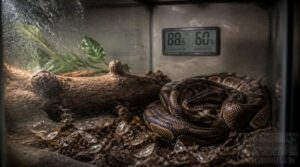
Knowing when to deep clean makes all the difference between a healthy snake and a sick one. There’s no single rule that fits every setup, but a few clear signals will tell you it’s time to go beyond your daily spot cleaning. Here’s what to watch for.
Between deep cleans, daily snake habitat spot-cleaning routines help you catch those warning signs early before they turn into bigger health concerns.
Deep Clean Every Three Months
Every two to three months, your snake’s terrarium needs a genuine deep clean that goes beyond basic spot work. A quarterly deep cleaning cycle experiences hidden waste that routine maintenance can’t reach. That’s why marking it on your calendar makes sense. Remove décor, discard old bedding, and scrub interior surfaces completely. Consistency here keeps bacterial buildup from quietly taking hold. Much like household deep cleaning, this process follows a recommended every 3–6 months schedule to address buildup that routine upkeep simply can’t reach.
Watch for Odors and Mold
Your nose often catches problems before your eyes do. A musty smell almost always signals active hidden mold, not just stale air.
Watch for these five warning signs:
- Musty odor concentrated near humid corners
- Smell that worsens after cleaning
- Dark spots forming on glass or décor
- Odor escaping steadily through the lid
- Condensation covering over a third of interior
Spot Clean Waste Daily
Mold signals a bigger problem, but waste buildup is how it starts. Spot clean daily by removing feces, uneaten food, and damp substrate the moment you see them. This keeps ammonia low, reduces mold spores by up to 60 percent, and cuts odor before it takes hold. Wash your hands immediately after every session.
Track Cleaning Dates
Spot cleaning is reactive, but tracking your deep clean schedule keeps you proactive. A Snake Care Logbook lets you log each cleaning date alongside substrate notes and calendar reminders, keeping your routine on track.
- Record each cleaning date
- Note substrate type and depth
- Log substrate condition after each clean
- Set calendar reminders one week ahead
- Flag early substrate breakdown signs
Adjust for Humid Habitats
Humid habitats speed everything up. Bacteria buildup in humid tanks happens faster than you’d expect, so consider cleaning every six to eight weeks instead of the standard three months.
After each deep clean, lightly mist new substrate with dechlorinated water and check that condensation covers only about a third of the glass. Good airflow, a screened lid, and balanced misting schedules keep moisture from turning into a mold problem.
Top 5 Terrarium Deep Cleaning Supplies
Before you start scrubbing, it helps to have the right tools lined up and ready to go. Using the correct supplies makes the job faster, safer for your snake, and a lot less stressful overall. Here are the five cleaning essentials worth keeping on hand for every deep clean.
1. Van Ness Cat Litter Scoop

You probably never thought a cat litter scoop would become one of your favorite reptile tools, but here we are. The Van Ness Cat Litter Scoop earns its spot in your cleaning kit because it’s lightweight, easy to grip, and simple to rinse clean. Its high-impact plastic resists stains and odors, so it stays fresh between uses.
Grab it during daily spot checks to lift waste and surrounding substrate quickly without disturbing the rest of the enclosure.
| Best For | Cat owners who want a lightweight, easy-to-clean scoop that works with both clumping and non-clumping litter across a range of litter pan sizes. |
|---|---|
| Material | High-Impact Plastic |
| Weight | 1.12 oz |
| Primary Use | Waste Removal |
| Reusable | Yes |
| Odor Control | Resists Odors |
| Ease of Use | Lightweight |
| Additional Features |
|
- High-impact plastic with a polished finish resists stains and odors, keeping the scoop fresh over time
- Lightweight at just over an ounce, making daily litter box maintenance quick and effortless
- Works with small to large litter pans, so it adapts to most setups without issue
- The plastic can flex and feel flimsy when digging through deeper litter
- Slots may be too wide to catch fine litter particles, letting small clumps slip through
- The handle may not hold up well under heavy or frequent use over time
2. Exo Terra Reptile Mister Bottle
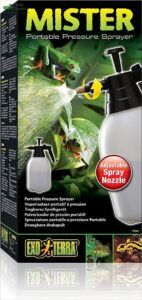
After a deep clean, the last thing you want is dry, stressed substrate or thirsty decor. The Exo Terra Reptile Mister Bottle takes care of both. Its 2-liter reservoir gives you plenty of water for misting fresh substrate to the right humidity level without constant refilling. The adjustable nozzle lets you switch between a fine mist and a direct stream, so you can target specific spots precisely. Lock the trigger, and it sprays continuously, keeping both hands free.
For tips on keeping water sources fresh between deep cleans, keeping your snake’s water bowl clean pairs perfectly with a solid misting routine.
| Best For | Reptile and amphibian keepers managing large or multiple enclosures who need hands-free, continuous misting without constant refilling. |
|---|---|
| Material | Plastic |
| Weight | 8.82 oz |
| Primary Use | Misting & Humidity |
| Reusable | Yes |
| Odor Control | None |
| Ease of Use | Locking Trigger |
| Additional Features |
|
- The 2-liter reservoir is generously sized, making it easy to mist large setups or several enclosures in one go without stopping to refill.
- The adjustable nozzle gives you real flexibility — switch between a fine mist for humidity and a direct stream for spot-watering or rinsing decor.
- The locking trigger lets you spray continuously without gripping the whole time, which is a genuine comfort win during longer misting sessions.
- Leaks around the top seal or nozzle are a recurring complaint, especially once the tank is pressurized — you’ll want to depressurize after each use.
- The flexible plastic handle can feel wobbly during use, which makes precise aiming a bit trickier than it should be.
- Mist fineness and overall durability have gotten mixed reviews, so it may not hold up as well over time with heavy daily use.
3. Bounty Paper Towels
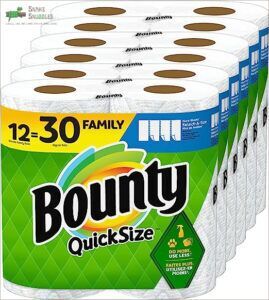
Every deep clean generates a surprising amount of mess, and Bounty paper towels are your best ally for handling it.
Their double-ply, lint-free construction holds up when wet without shredding across glass surfaces or leaving fibers behind. The Quick-Size perforations let you tear exactly what you need, so you’re not wasting sheet after sheet on small wipe-downs.
They’re strong enough to scrub, gentle enough for sealed glass, and absorbent enough to dry surfaces quickly before reassembly.
| Best For | Anyone who wants a reliable, strong paper towel for everything from delicate glass and electronics to heavy-duty kitchen and bathroom cleanup. |
|---|---|
| Material | Paper |
| Weight | 8.67 lbs |
| Primary Use | Surface Cleaning |
| Reusable | No |
| Odor Control | General Cleaning |
| Ease of Use | Tear Perforations |
| Additional Features |
|
- Double-ply, lint-free construction holds up when wet without shredding or leaving fibers behind
- Quick-Size perforations let you tear exactly the amount you need, cutting down on waste
- Versatile enough for delicate surfaces like glass and screens as well as tough spills
- Priced higher than most generic or store-brand alternatives
- Thickness and softness can vary from roll to roll
- Perforations don’t always tear cleanly, which can be frustrating mid-cleanup
4. Clorox Splash Less Bleach Liquid
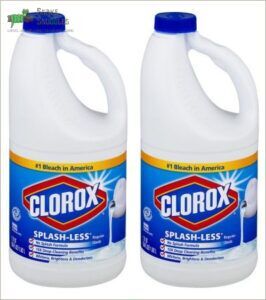
For sanitizing your snake’s enclosure, diluted bleach is the top choice, and Clorox Splash Less makes it far less messy to use. The splash-less formula pours cleanly without the usual splatter, which matters when you’re mixing a 10% bleach solution in a small space.
Just note that this version is slightly lower concentration than regular disinfecting bleach, so stick closely to that ratio for effective results.
| Best For | Reptile owners and households looking for a less messy bleach option for regular cleaning, sanitizing, and laundry. |
|---|---|
| Material | Liquid Bleach |
| Weight | 110 fl oz |
| Primary Use | Disinfecting |
| Reusable | Yes |
| Odor Control | Deodorizes |
| Ease of Use | No-Splash Formula |
| Additional Features |
|
- Splash-less formula makes pouring and mixing cleaner and easier, especially in tight spaces
- Versatile — works for laundry, countertops, floors, sinks, and enclosure sanitizing
- Compatible with both standard and high-efficiency washing machines
- Slightly lower concentration than regular bleach, so precise dilution ratios matter more
- Some customers report leaking despite the splash-free design
- Comes in a two-bottle pack, which may be more than some buyers need at once
5. Zoo Med Aspen Snake Bedding
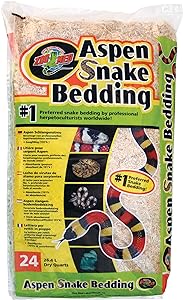
When you finish a deep clean, the last thing you refill matters just as much as the scrubbing itself.
Zoo Med Aspen Snake Bedding is a solid go-to for that final step. It’s made from natural aspen wood with no toxic oils or cedar dust, and its 191% absorbency rating keeps moisture and odor under control. The soft texture also lets your snake burrow naturally, which helps them settle back in faster after the disruption of cleaning.
| Best For | Reptile and small animal owners who want a natural, low-odor bedding that supports burrowing behavior and makes spot cleaning easy. |
|---|---|
| Material | Aspen Wood |
| Weight | 5.4 lbs |
| Primary Use | Animal Bedding |
| Reusable | Yes |
| Odor Control | Odorless |
| Ease of Use | Spot Cleanable |
| Additional Features |
|
- High 191% absorbency rating keeps moisture and odors in check
- Soft, dust-free aspen wood lets snakes and other reptiles burrow and nest naturally
- Easy to spot clean with infrequent full replacements needed
- Dust levels can vary between batches, with some users finding it unexpectedly dusty
- Not suitable for outdoor enclosures
- Can be harder to find in physical stores, so you may need to order online
Prepare Your Snake’s Temporary Habitat
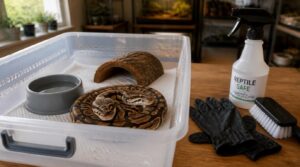
Before any scrubbing begins, your snake needs a safe place to wait out the process. Getting that temporary setup right takes just a few steps, and it’s worth doing carefully. Here’s what to have in place before you move your snake out of the tank.
Secure a Ventilated Holding Container
Before anything else, grab a secure, ventilated holding container for your snake. Look for BPA-free nonporous plastic with side vents covering at least 8 to 12 percent of the surface area, since that airflow prevents gas buildup and keeps conditions safe.
Make sure the latches are solid and the interior is large enough for your snake to stretch out naturally.
Match Safe Temperature Conditions
Your container is ready, so now the holding space needs to stay within your snake’s safe temperature range. Snakes can’t self-regulate heat, so even a short stay in a too-cold bin causes stress. Aim for the warm side gradient your species normally gets, and use a thermostat-controlled heat source to keep temperatures stable and consistent.
Turn Off Heating Equipment
With your snake settled and safe, head back to the terrarium and cut power to all heating equipment before touching anything inside. Unplug heating mats and pads from their outlets, and switch your thermostat fully off. Use a non-contact voltage tester to confirm no current is flowing. Label the breakers you flip so nothing gets accidentally switched back on mid-clean.
Let Lights Cool Completely
With the power cut to your heating equipment, turn your attention to the lights. Terrarium bulbs, especially high-wattage ones, stay dangerously hot long after you switch them off. Allow 15 to 60 minutes for the fixtures to cool to room temperature. The safe test is simple: touch the housing with bare hands, and feel no warmth at all.
Wash Hands Between Tasks
Before you touch anything clean, wash hands between tasks. Scrub with soap and warm running water for at least 20 seconds, then dry with a clean towel before handling any sanitized décor or fresh substrate. Skipping this step drags bacteria straight from waste into your freshly cleaned terrarium, which ruins the whole point of terrarium sanitation.
Empty and Inspect The Terrarium
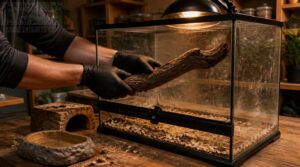
With your snake safely settled in its temporary home, it’s time to strip the terrarium down to bare glass. This is where the real cleaning work begins, and doing it in the right order makes everything easier. Here’s how to empty and inspect the tank before you scrub a single surface.
Remove Your Snake Safely
Before reaching in, turn off all lights and wait for them to cool.
Use two hands to support the midsection, keeping the head and neck away from you, then set it into a secure ventilated container.
- Support the full body when lifting
- Keep the head away from your face
- Pick a lid the snake can’t push open
Discard Old Loose Substrate
Old substrate is a silent troublemaker. Even when it looks fine, it can harbor mold spores, bacteria, and waste fragments you can’t see. Wear gloves and a mask before scooping it out, since dusty bedding irritates your lungs. Seal discarded substrate in a tied bag right away, and document the disposal date so your substrate replacement routine stays on track.
Old substrate hides mold, bacteria, and waste you cannot see — always seal and document disposal immediately
Remove Décor and Accessories
With the old substrate bagged and gone, it’s time to clear out everything else. Remove large décor first to open up the space, then collect smaller pieces into a sealable container so nothing goes missing during washing.
Keep glass panels and porous items separated from the start, since mixing them risks cross-contamination before cleaning even begins.
Inspect for Hidden Waste
Don’t skip this step. Inspect for hidden waste before scrubbing a single surface.
- Use flashlight inspection beneath hides and décor
- Brush crevices gently to loosen trapped debris
- Lift substrate layers to uncover buried feces
- Check for moisture pockets in damp corners
- Scan for discoloration along décor edges
Remove urates off branches, any dead crickets, and food waste before moving on.
Check Glass and Seals
Run your fingernail along each silicone seal and press lightly. If it peels or feels soft, it needs replacing before your next clean. Check corners for hairline cracks, yellowing, and dark discoloration, all signs of moisture inside the frame.
| What to Check | Warning Sign | What to Do |
|---|---|---|
| Glass panels | Cracks or chips | Replace before cleaning |
| Silicone seals | Yellowing or gaps | Re-seal with fresh silicone |
| Frame edges | Rust or corrosion | Clean or replace frame |
Clean glass surfaces with warm water and mild dish soap, then dry with a microfiber cloth. Skip ammonia cleaners near seals.
Wash, Disinfect, Rinse, and Dry
With your terrarium emptied and inspected, it’s time to get into the cleaning itself — and this is where the real work happens. You’ll move through a few specific steps, each one building on the last to make sure every surface is genuinely clean, not just visually spotless. Here’s exactly how to tackle it.
Scrub With Hot Soapy Water
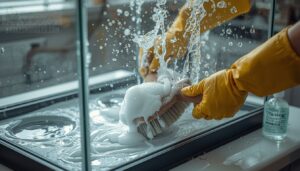
Grab your stiff scrub brush and get to work. Hot soapy water is your first line of attack, so fill a spray bottle and coat every interior surface evenly. Scrub in circular motions, hitting corners, seals, and flat panels. Then rinse with clean warm water, removing all soap residue. Dry everything with a lint-free towel.
Apply Diluted Bleach Solution
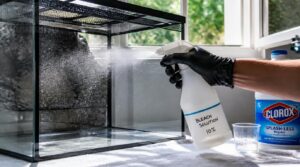
Once the soap is rinsed away, it’s time to actually disinfect. Mix a 10% bleach solution by combining one part bleach with nine parts cold water, and work in a well-ventilated space. Apply it across every interior surface and let it sit for two to three minutes, giving it time to kill lingering pathogens. Then rinse thoroughly and dry completely.
Soak Nonporous Décor Briefly
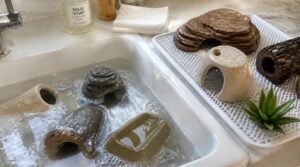
Plastic hides and ceramic caves can handle a brief warm water soak without swelling or damage. Drop them into a mild detergent solution for 5 to 10 minutes, then follow these three steps:
- Rinse thoroughly with clean water to remove all soap residue
- Check for lingering chemical traces before moving on
- Air dry completely before returning décor to the habitat
Treat Porous Décor Separately
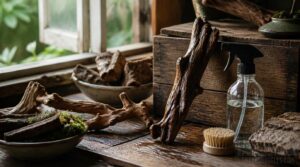
Bark, cork, and driftwood are a different story. These materials absorb moisture easily, so a long soak invites mold rather than stopping it. Instead, use a diluted bleach solution (1:32) or Zilla Terrarium Cleaner to remove waste, scrubbing gently. Open a window for ventilation, then allow to dry for at least 24 hours. Inspect for moisture before you replace décor.
Rinse and Air-dry Completely
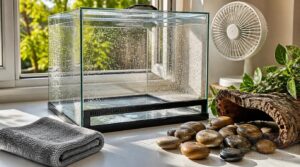
Once every surface has been scrubbed with hot water and dish soap and sanitized with your 10% bleach solution, rinse thoroughly with clean water until no soapy smell remains. Shake décor to dislodge trapped moisture, then set everything in a well-ventilated spot. Air drying takes 24 to 48 hours, so don’t rush it. Run a dry microfiber cloth over seams and corners to confirm nothing is still damp before reassembly.
Reassemble and Restore Safe Conditions
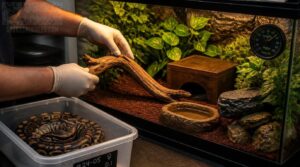
With a clean tank and dry décor ready to go, it’s time to put everything back together and make the habitat safe for your snake again. This part matters more than most people realize, because how you reassemble the enclosure directly affects your snake’s comfort and health. Work through these steps in order and you’ll have the tank ready to go in no time.
Add Fresh Appropriate Substrate
Now your clean terrarium is ready for fresh substrate. Pour in Zoo Med Aspen Bedding to a 2 to 4 inch depth, giving your snake plenty of room to burrow naturally and comfortably.
- Keep moisture levels between 8 and 12 percent
- Choose inert, non-toxic materials only
- Avoid substrates with strong odors
- Create slight depth gradients for thermoregulation
Secure Hides and Climbing Décor
With fresh substrate down, start putting your habitat back together. Return hides, fake plants, and climbing décor, but inspect each piece before it goes in.
Every hide needs at least 15 cm clearance above the bedding and no gaps wider than 1 cm. Fasten pieces with corrosion-resistant hardware, confirm climbing surfaces have non-slip textures, and stick to non-toxic décor only.
Restore Heat and Lighting
Plug your heat source back in and give the terrarium at least 20 minutes to warm up.
Set your thermostat to 88-90°F on the basking side, with the cool side holding 75-80°F.
Use a ceramic heat emitter for nighttime warmth without disrupting your snake’s sleep.
Program your light timer for 12-14 hours daily, and replace UVB bulbs every 6-12 months.
Verify Temperature and Humidity
Before your snake goes back in, confirm every zone is where it needs to be. Use your digital thermometer and hygrometer, and give any adjustments at least 15 minutes to settle.
- Basking zone: 88-90°F
- Cool side: 75-80°F
- Ambient mid-height: stable within 2-4°F
- Humidity sensor: mid-level, away from the water bowl
- Condensation: roughly one-third of interior glass
Reintroduce Your Snake Calmly
Your snake has been waiting, and the last thing it needs is a rushed return. Approach from the side, move slowly, and support its full body as you lower it in.
Speak softly, let it explore at its own pace, and watch for signs of stress like gaping or tight coiling. Back off if you see those, and give it time.
Frequently Asked Questions (FAQs)
What is the best cleaner for terrariums?
Turns out, what’s already under your sink is one of the best safe cleaning products for reptiles. A 10% bleach solution cleans and disinfects most surfaces effectively, as long as you rinse completely afterward.
How often should I deep clean my terrarium?
Aim to deep clean your reptile tank every three months. If you notice odors, mold, or excessive condensation, don’t wait — shorten the interval to every six to eight weeks.
Can I clean a terrarium with animals inside?
No, always remove your snake first. Cleaning agents and fumes can harm reptiles, even diluted solutions. A secure, ventilated container keeps your snake safe while you work.
What temperature water is best for cleaning?
Warm water, around 90 to 110°F, hits the sweet spot for most terrarium cleaning tasks. It lifts residue without damaging plastics or decor. Save hot water for stubborn grease or heavy soil only.
How do I remove stubborn hard water stains?
Hard water stains are shockingly loyal guests, they’d probably stay forever if you let them. Spray undiluted white vinegar, wait 5-10 minutes, then scrub with a paper towel. A plastic card lifts stubborn urates cleanly.
Should I replace all substrate during deep cleaning?
Yes, replace all substrate during a full tank clean. Discard bedding completely to eliminate buried waste, mold spores, and bacteria, then add fresh substrate to reset odor and reduce contamination risks.
Can live plants stay in during deep cleaning?
Live plants can stay nearby, but only well outside the direct cleaning zone. Move them to a stable, humid spot with indirect light, and before rehousing them, gently wipe the leaves with a damp cloth.
What removes stubborn mineral deposits from terrarium glass?
Vinegar solution eats right through mineral deposits on terrarium glass. A citric acid cleaner works just as well. Let either sit for a few minutes, then wipe clean with a microfiber cloth for streak-free clarity.
How do you properly dispose of old substrate?
Waste not, want not." Compost used substrate by mixing it equally with leaves or grass clippings, turning the pile every one to two weeks. Keep compost away from edible crops to reduce pest risk.
How long should the terrarium air out after cleaning?
Give the terrarium at least 24 hours to air out after cleaning. If you used bleach, that full day is non-negotiable. High humidity rooms may need closer to 48 hours.
Conclusion
A clean tank isn’t just housekeeping. It’s life support on a small scale.
Now that you know how to deep clean a terrarium from substrate out, you’re not just maintaining an enclosure. You’re removing the invisible threats that build up quietly between spot cleans.
Fresh substrate and sterile surfaces give your snake a genuine reset. Do this every three months, stay consistent, and your snake won’t just survive its habitat. It will thrive in it.