This site is supported by our readers. We may earn a commission, at no cost to you, if you purchase through links.
Your snake hasn’t eaten in days, keeps wedging itself under the hide, and looks like it rolled through a dusty attic. Nothing’s wrong—it’s gearing up to shed. Snakes go through this process their entire lives, with some species shedding every four to six weeks depending on age and growth rate.
The signs a snake is about to shed can be subtle at first, easy to confuse with illness if you don’t know what you’re looking for. Spot them early, and you can adjust the enclosure, skip the feeding attempt, and let the process unfold without interference.
Table Of Contents
- Key Takeaways
- Top 3 Snake Signs for Shedding Awareness
- Dull Skin Coloration Before Shedding
- Cloudy or Blue Eyes in Pre-Shed Phase
- Decreased Appetite and Food Refusal
- Increased Hiding and Seclusion
- Reduced Activity and Lethargy
- Tight, Wrinkled, or Flaky Skin
- Rubbing Against Objects to Loosen Skin
- Environmental Factors Influencing Shedding Signs
- When Shedding Signs Indicate Health Problems
- Frequently Asked Questions (FAQs)
- What do snakes feel when shedding?
- Where do snakes go in October?
- How often do healthy snakes typically shed skin?
- Can shedding frequency indicate a snakes overall health?
- What happens to a snakes skin after shedding?
- Do different snake species shed at different rates?
- Can parasites be removed during the shedding process?
- Conclusion
Key Takeaways
- Dull skin, cloudy blue eyes, and hiding are your clearest early signals that a shed is coming — not signs something’s wrong.
- Skip feeding attempts during the pre-shed phase, especially when eyes go cloudy, since your snake’s vision is too impaired to strike accurately.
- Keep humidity between 50–70% and always have a shallow water bowl available — dehydration is the number one cause of torn, incomplete sheds.
- If patches of old skin or eye caps remain after two weeks, act fast: retained eye caps can permanently cloud vision, and tail retention can cut off blood flow.
Top 3 Snake Signs for Shedding Awareness
If you keep snakes, having the right warning signs around your space just makes sense. These three options are worth a look before anything else. Here’s what made the cut.
Knowing signs of dehydration in pet snakes is just as important as having the right signage around your setup.
1. Snowsun Vintage Metal Snake Sign
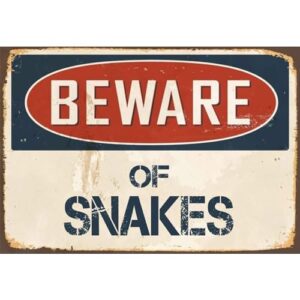
The Snowsun Vintage Metal Snake Sign is a solid pick if you want something functional that doesn’t look boring on a fence post. It’s 8×12 inches of durable aluminum — lightweight, rust-resistant, and built to handle rain and sun without fading. Four pre-drilled holes mean you’re hanging it in minutes.
The retro coiled-snake graphic reads clearly from a distance, making it genuinely useful near gardens or wooded trails. At $8.96, it’s hard to argue with.
| Best For | Anyone who wants a no-fuss, affordable warning sign with a little personality — great for garden beds, trails, or as a quirky gift. |
|---|---|
| Material | Aluminum |
| Mounting Holes | 4 pre-drilled holes |
| Size | 8×12 inches |
| Snake Theme | Beware of snakes |
| Weatherproof | Waterproof and durable |
| Use Case | Home, garden, bar, wall |
| Additional Features |
|
- Weatherproof aluminum holds up outside without rusting or fading
- Pre-drilled holes make hanging quick and easy
- At $8.96, it’s a low-risk buy with solid visual impact
- Thin metal construction might feel flimsy compared to heavier signs
- No mounting hardware included, so you’ll need your own screws or nails
- Can blend into busy backgrounds like brick walls without a border to help it stand out
2. SmartSign Alligators And Snakes Warning Sign
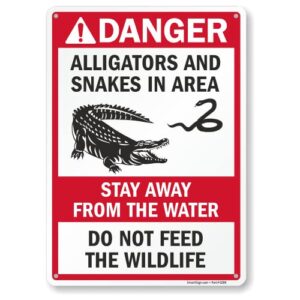
If you need something with a sharper safety message, the SmartSign Alligators and Snakes Warning Sign steps it up. It’s built from 40-mil laminated aluminum — rust-proof and weather-resistant, even in humid, waterfront conditions. The bold red-and-white "DANGER" header grabs attention fast.
At 14×10 inches, it’s visible without being oversized. Four pre-drilled corner holes make mounting straightforward.
It’s ideal for docks, retention ponds, or any property bordering wild habitat where a clear, no-nonsense warning actually matters.
| Best For | Property owners, dock managers, or Airbnb hosts near water, wetlands, or wildlife areas who need a clear, no-nonsense hazard warning. |
|---|---|
| Material | Aluminum |
| Mounting Holes | 4 corner holes |
| Size | 14×10 inches |
| Snake Theme | Alligators and snakes |
| Weatherproof | Laminated, weather resistant |
| Use Case | Docks, lakes, wildlife areas |
| Additional Features |
|
- Built from 40-mil rustproof aluminum with laminated coating — holds up in humid, waterfront conditions without fading or corroding
- Pre-drilled corner holes make installation quick and easy, no extra prep needed
- Bold red, black, and white design gets attention fast, even from a distance
- Mounting hardware isn’t included, so you’ll need to pick up accessories separately
- One fixed size and design means it won’t work for every situation or location
- Can get lost visually if there’s already a lot of signage in the area
3. Ylens Metal Snake Warning Sign
Want something a little more laid-back? The Ylens Metal Snake Warning Sign keeps it simple without skimping on function. It measures 12×8 inches — easy to read, easy to hang.
The tin construction is lightweight at 0.14 kilograms, with pre-drilled holes and rolled, hemmed edges so you won’t nick yourself during installation.
It’s a solid pick for garages, man caves, or reptile rooms where you want a casual nod to your scaly hobby. Just know some buyers have received slightly bent signs, so inspect yours on arrival.
| Best For | Reptile owners, garage decorators, or anyone who wants a laid-back vintage sign that doubles as a real snake warning. |
|---|---|
| Material | Tin/Metal Iron |
| Mounting Holes | Pre-drilled holes |
| Size | 12×8 inches |
| Snake Theme | Watch out for snakes |
| Weatherproof | Varnish coating |
| Use Case | Home, office, bar, garage |
| Additional Features |
|
- Made from recyclable tin with rolled, hemmed edges — safe to handle and easy to hang
- Pre-drilled holes make installation quick and hassle-free
- Versatile enough for home, bar, man cave, or office décor
- Some buyers received bent or damaged signs on arrival
- Can rust or fade over time, even with a varnish coat
- Holes may be smaller or placed differently than expected
Dull Skin Coloration Before Shedding
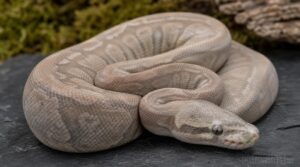
One of the first things you’ll notice before a shed is a shift in your snake’s color — it goes from vibrant to almost washed out. That dull, faded look isn’t random; it’s your snake’s skin biology kicking into gear.
If you want to know what else to watch for, this guide to pre-shed symptoms in snakes walks you through each sign so nothing catches you off guard.
Here’s what’s actually happening and when to expect it.
How Skin Color Fades or Becomes Muted
Your snake’s colors don’t just fade — the whole skin health picture shifts. During ecdysis, a thin fluid layer builds between old and new skin, disrupting color intensity and flattening pigment changes you’d normally see clearly. Watch for these fading patterns:
- Dull skin color across the back and sides
- Muted scale formation edges losing sharp contrast
- Belly skin color shift toward pale beige or pink
That fluid layer is your clearest early shedding sign. Understanding the reptile skin shedding process can help you identify these signs more effectively.
Timeline of Skin Changes Pre-shed
Here’s how the shedding cycle unfolds, day by day:
| Day Range | Preshed Symptoms | What You’ll Notice |
|---|---|---|
| Days 1–4 | Dull skin color | Muted patterns, flat scales |
| Days 5–9 | Cloudy eyes onset | Blue-gray sheen, blurred markings |
| Days 10–14 | Skin Renewal peak | Papery texture, snout loosening |
Pre Shed Care starts early, and understanding the snake skin shedding process is vital. Track these ecdysis process stages so Snake Hydration and humidity stay dialed in before problems surface.
Cloudy or Blue Eyes in Pre-Shed Phase
One of the more striking signs you’ll notice before a shed is your snake’s eyes turning milky, bluish, or hazy. It’s not an illness — it’s just part of the process.
Here’s what’s actually happening behind those cloudy eyes and how it changes your snake’s behavior.
Causes of Eye Color Changes
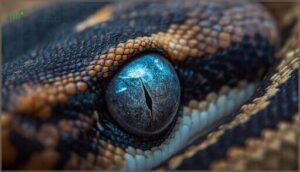
Those cloudy eyes aren’t a health scare — they’re biology doing its job. During ecdysis, lymphatic fluid builds up between the old and new spectacle layers, causing that signature blue-gray haze.
This fluid buildup, part of spectacle renewal, separates stacked keratin layers 7–10 days into the shedding cycle. Vascular changes keep blood flowing to the eye caps throughout the process.
How Impaired Vision Affects Behavior
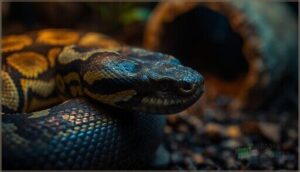
Vision loss changes everything about how your snake reads the world. During the blue phase, strike accuracy drops — your snake may lunge at walls instead of prey, or ignore food completely. Feeding motivation often shuts down entirely.
Behavioral changes like freezing, excessive hiding, and defensive strikes aren’t stress indicators you should worry about. They’re predictable shedding signs tied directly to temporary visual impairment.
Decreased Appetite and Food Refusal
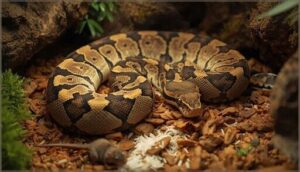
Your snake turning its nose up at dinner isn’t a cause for panic — it’s often just a sign that a shed is coming. Before and during the shedding process, appetite changes are completely normal and expected.
Here’s what typical feeding behavior looks like before a shed, and when food refusal might actually be worth watching closely.
Typical Feeding Changes Before Shedding
Your snake’s appetite doesn’t vanish overnight — it tapers off as the shedding cycle progresses. Pre-shed fasting patterns are completely normal, especially during the blue phase feeding window when cloudy eyes blur their vision and kill their confidence to strike.
- Ball pythons may skip 1–2 meals before shedding
- Species feeding variation is real — corn snakes often still eat
- Post-shed appetite rebound usually hits within a few days
- Safe feeding adjustments include offering food briefly, then removing uneaten prey
When to Be Concerned About Food Refusal
Food refusal tied to shedding is normal — but context changes everything. If your snake skips meals for 3–4 weeks as an adult, or just 1–2 weeks as a juvenile, that’s your Prolonged Refusal Timeline red flag.
Juvenile Fasting Risks are real; they decline fast. Watch for Concerning Weight Loss, Respiratory Red Flags like wheezing, or Digestive Red Flags. Those signal shedding problems beyond a normal shedding cycle.
Increased Hiding and Seclusion

When your snake starts turning into a hermit, that’s not attitude — it’s instinct. Before a shed, snakes pull back because their vision is compromised and their skin feels uncomfortable, so hiding just makes sense.
Here’s what’s actually going on and how to tell the difference between normal pre-shed seclusion and stress-driven hiding.
Why Snakes Hide More Before Shedding
Your snake isn’t being antisocial — it’s running a survival program. Vision-related vulnerability kicks in when fluid clouds the eyes, leaving your pet nearly blind. That’s instinctive predator avoidance at work, a behavioral sign baked in from the wild.
Physical discomfort from tightening skin, plus a natural energy conservation strategy, pushes snakes toward humid hides. Smart shedding signs, worth recognizing in any enclosure environment.
Recognizing Stress-related Hiding
Not all hiding is shedding. Behavioral Change Patterns tell the real story.
Watch for these Coexisting Stress Signs:
- Food refusal lasting 2–3+ weeks outside shedding cycles
- Darting back to hide whenever you approach
- Nose-rubbing on glass paired with long stillness
- Visible weight loss or prominent spine
- Abnormal Hiding Duration — days without drinking or basking
Those are Enclosure Setup Clues and Veterinary Evaluation Thresholds worth acting on fast.
Reduced Activity and Lethargy

When your snake starts moving less, that’s not laziness — it’s biology doing its thing. Pre-shed lethargy is one of the more obvious behavioral shifts you’ll notice, and knowing what’s normal versus what’s a red flag matters.
Here’s what to watch for.
Behavioral Shifts During Pre-shed
Once pre-shed kicks in, your snake’s whole personality can shift overnight. Expect slower movement, longer rest periods, and classic pre-shed defensive behavior when you reach in. Handling sensitivity changes are real — that normally chill snake may flinch or strike.
You’ll also notice pre-shed soaking patterns increase, glass surfing episodes pop up, and food refusal becomes the norm. All textbook behavioral signs.
Normal Vs. Abnormal Lethargy
Not all low energy looks the same. Normal Energy Dips during snake shedding mean your snake still shifts position, tongue flicks when disturbed, and bounces back fast post-shed.
Severe Lethargy Signs look different — no tongue flick responsiveness, days without movement, or weakness when handled.
Watch Lethargy Duration Patterns closely. Anything persisting beyond two weeks hits Vet Evaluation Thresholds. Don’t wait on that.
Tight, Wrinkled, or Flaky Skin
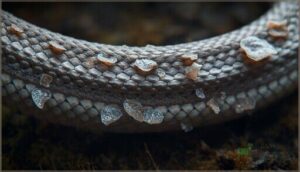
Your snake’s skin will start to look and feel different as shedding gets closer. You might notice it pulling tight, developing small wrinkles, or flaking near the edges.
Here’s what those changes actually mean and how to respond.
Identifying Skin Texture Changes
Your snake’s skin tells a clear story before a shed. Pre-shed Texture Cues include fine, even creases along scale rows — that’s normal. But persistent deep wrinkles even when stretched out? That’s a red flag.
Healthy vs Wrinkled skin is easy to read once you know what to look for. Flaky Skin Patterns mean humidity’s too low. Eye Cap Texture turns dull and slightly raised.
Post-shed Smoothness brings crisp, glossy Keratin Skin back.
What to Do if Skin Looks Abnormal
Abnormal skin means it’s time for Immediate Husbandry Checks first. Verify temperatures hit 26–32°C, confirm humidity sits between 50–70%, and inspect bedding for dampness or mold.
Safe Soaking Practices help loosen stuck patches — 10–20 minutes in shallow lukewarm water works well.
- Use Gentle Skin Handling only on clearly loose areas
- Watch for Infection Warning Signs: blisters, discoloration, foul odor
- Veterinary Intervention Timing matters — don’t wait if shedding problems persist beyond a few days
Rubbing Against Objects to Loosen Skin
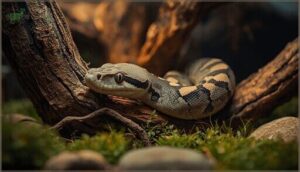
When shedding starts, your snake gets to work — literally. It’ll rub against anything rough or firm to help peel that old skin away.
Here are some safe items worth adding to your enclosure to make that process easier.
Why Snakes Rub Before Shedding
Your snake isn’t scratching an itch — it’s working through a precise biological process. Pre-shed rubbing triggers kick in when the old outer layer separates from fresh skin underneath.
That’s where skin separation mechanics come in: friction breaks the seal near the head first. Normal rubbing patterns are deliberate, focused, and temporary.
Once the shed is done, the restlessness stops completely.
Safe Items to Include in The Enclosure
The right enclosure setup makes Snake Shedding far less stressful — for both of you. Add sandblasted branches and cork bark for Rough Shedding Surfaces, and tuck in a humidity hide packed with damp sphagnum moss.
Safe Substrate Options like cypress mulch hold humidity levels well. A wide ceramic bowl accommodates Water Bowl Selection perfectly.
Keep all Secure Enclosure Décor stable, smooth-edged, and checked regularly.
Environmental Factors Influencing Shedding Signs

Your snake’s shedding signs don’t happen in a vacuum — the environment you’ve built plays a huge role. Get the humidity, temperature, and setup right, and shedding goes smoothly.
Here’s what to focus on.
Importance of Humidity and Temperature
Think of your enclosure’s climate as a two-dial system — and both dials matter equally during snake shedding. The Target Humidity Range sits between 50–70%, while tropical species need closer to 80%. Meanwhile, your Temperature Gradient Basics should give a warm side around 85–90°F.
Get these right together:
- Use a Humidity Monitoring Tool like a digital hygrometer
- Position your Heat Source Placement away from the humid hide
- Balancing Heat and Humidity prevents dry, patchy sheds
Impact of Hydration and Enclosure Setup
Hydration levels matter more than most keepers realize. A dehydrated snake produces less fluid between skin layers, which means the shed tears instead of sliding off clean.
A dehydrated snake sheds in torn patches, not clean layers
Keep a wide, shallow water bowl on the cool side of the enclosure — it slows evaporation and invites soaking. Pair smart enclosure design with a moss-filled shedding box, and your humidity control practically runs itself.
When Shedding Signs Indicate Health Problems
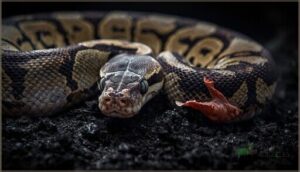
Most of the time, shedding signs are totally normal — just your snake doing its thing. But sometimes, what looks routine is actually your snake’s way of waving a red flag.
Here’s what to watch for when shedding starts to signal something more serious.
Prolonged or Incomplete Shedding
A healthy shed wraps up in 7 to 14 days. If your snake still has patches two weeks later, that’s a problem.
Recognizing prolonged sheds early prevents serious damage. Retained eye caps cloud vision permanently if ignored. Tail tip retention cuts off blood flow, leading to necrosis.
For safe shed removal, soak your snake in lukewarm water for 15 to 20 minutes.
Signs of Dehydration or Infection
A stuck shed sometimes masks something worse. Watch for these red flags alongside your Hydration Status Checks:
- Sunken Eye Warnings: Recessed eyes signal dehydration within 24–48 hours
- Mouth Rot Red Flags: Redness, pus, or blisters mean bacteria have taken hold
- Scale Rot Detection: Brown or blackened ventral scales indicate damaged skin underneath
- Respiratory Infection Clues: Wheezing or open-mouth breathing needs immediate attention
- Eye Caps: Cracked or dented caps point to serious hydration and snake health issues
When to Consult a Reptile Veterinarian
Some warning signs cross the line from normal into urgent. If you notice Emergency Shedding Symptoms — retained eye caps, skin wounds, or Persistent Appetite Loss beyond a week post-shed — don’t wait.
Recurring Shedding Problems more than twice in three months need a Reptile Specialist, not a Google search.
Reptile Health and Wellness depends on Veterinary Medicine and Care that catches small issues before they become serious ones.
Frequently Asked Questions (FAQs)
What do snakes feel when shedding?
Shedding feels like wearing a full-body cast that slowly peels away. Your snake experiences skin tightness discomfort, itchiness and irritation, plus vision-related anxiety from cloudy eyes — then pure post-shed relief.
Where do snakes go in October?
In October, wild snakes head underground into winter burrows, rock crevice hibernacula, log and stump shelters, or hidden human hideouts like foundations.
Pet snakes, of course, stay cozy in their enclosures year-round.
How often do healthy snakes typically shed skin?
Think of it like a growth diary — every shed marks a benchmark. Young snakes follow a juvenile shedding schedule of every 4–6 weeks.
Adult shedding intervals slow to every 2–3 months, depending on species shedding patterns.
Can shedding frequency indicate a snakes overall health?
Yes, absolutely. Snake shedding frequency mirrors overall health directly. Irregular cycles, whether too frequent or too sparse, signal husbandry issues, stress, parasites, or illness worth investigating with a reptile vet promptly.
What happens to a snakes skin after shedding?
Once your snake finishes shedding, the shed skin left behind is a hollow, papery cast of its entire body. It’s fragile, slightly translucent, and shows every scale perfectly imprinted.
Do different snake species shed at different rates?
Surprisingly, yes — species shedding frequency varies quite a bit. Ball pythons shed every 6–8 weeks as adults. Corn snakes hit every 3 months. Boa constrictors run 4–5 times yearly.
Age drives it too.
Can parasites be removed during the shedding process?
Shedding can remove some surface mites — they get pulled off with the old skin during ecdysis. But it’s not reliable parasite control. Internal parasites? Totally unaffected. You’ll still need a vet.
Conclusion
Like Sherlock Holmes reading a crime scene, you now know what your snake’s body is already telling you. Every cloudy eye, dull patch of skin, and retreat into hiding is part of the same story—a signs snake about to shed situation unfolding on its own timeline.
Your job isn’t to intervene. It’s to listen, adjust the humidity, skip the feeding, and step back. Trust the process. Your snake’s handled this long before you arrived.